


Coversyl 4 mg comprimidos



How to use Coversyl 4 mg comprimidos
Translated with AI
This page provides general information and does not replace a doctor’s consultation. Always consult a doctor before taking any medication. Seek urgent medical care if symptoms are severe.
Show originalContents of the leaflet
Introduction
Patient Information Leaflet
Coversyl4mg tablets
perindopril terbutilamine
Read this leaflet carefully before you start taking this medicine, because it contains important information for you.
-Keep this leaflet as you may need to read it again.
-If you have any questions, ask your doctor, pharmacist or nurse.
-This medicine has been prescribed for you only. Do not give it to others, even if they have the same symptoms as you, as it may harm them.
-If you experience any side effects, consult your doctor or pharmacist or nurse, even if they are not listed in this leaflet. See section 4.
1.What isCoversyland what it is used for
2.What you need to know beforestarting totakeCoversyl
3.How to takeCoversyl
4.Possible side effects
5.Storage ofCoversyl
6.Contents of the pack and additional information
1. What is Coversyl and what is it used for
Coversyl is an angiotensin-converting enzyme (ACE) inhibitor. They work by widening blood vessels, making it easier for the heart to pump blood through them.
Coversyl is used for:
-treatinghigh blood pressure(hypertension),
-treatingheart failure(a condition in which the heart is unable to pump enough blood to meet the body's needs),
-reducing the risk of cardiac events, such as heart attacks, in patients withstable coronary artery disease(a condition in which blood supply to the heart is reduced or blocked) who have already had a heart attack and/or a procedure to improve blood supply to the heart by widening the blood vessels that supply it.

2. What you need to know before starting to take Coversyl
-if you are allergic to perindopril,or to any of the other ingredients of this medicine (listed in section 6),or to any other ACE inhibitor.
-if you have experienced symptoms such as wheezing, swelling of the face, lips, tongue or throat, intense itching or severe skin rashes with any previous treatment with ACE inhibitors or if you or a family member has had these symptoms in any other circumstances (a condition called angioedema).
-if you are more than 3 months pregnant. (It is also best to avoid Coversyl in the first months of pregnancy (see section “Fertility, pregnancy and breastfeeding”).
-if you have diabetes or kidney failure and are being treated with a blood pressure lowering medicine that contains aliskiren,
-ifyou are receiving dialysis or any other type of blood filtration.
-ifyou have kidney problems due to which the blood flow to your kidneys is reduced (renal artery stenosis),
-if you have taken or are currently taking sacubitril/valsartan, a medicine for heart failure, as it increases the risk of angioedema (rapid swelling under the skin in an area such as the throat)(see “Warnings and precautions” and “Use of Coversyl with other medicines”).
Warnings and precautions
If any of the following circumstances apply, consult your doctor or pharmacist or nurse before starting to take Coversyl, if you:
- suffer from aortic stenosis (narrowing of the main blood vessel that leaves the heart) or hypertrophic cardiomyopathy (heart muscle disease) or renal artery stenosis (narrowing of the artery that carries blood to the kidneys),
- suffer from any other heart problem,
- suffer from liver problems,
- suffer from kidney problems or if you are on dialysis,
- have abnormally high levels of a hormone called aldosterone in the blood (primary aldosteronism),
- suffer from a collagen vascular disease such as systemic lupus erythematosus or scleroderma,
- have diabetes,
- are following a low-salt diet or using salt substitutes that contain potassium,
- are going to undergo general anaesthesia and/or major surgery,
- are going to undergo LDL apheresis (which involves the removal of cholesterol from your blood using a machine),
- are going to receive a treatment to make you less sensitive to the allergic effects of bee or wasp stings,
- have recently had diarrhoea or vomiting, or are dehydrated,
- have informed your doctor that you have intolerance to some sugars,
- are of black origin, as you may have a higher risk of angioedemaand this medicine may be less effective in lowering your blood pressure than in patients who are not of black origin
- are taking any of the following medicines used to treat high blood pressure (hypertension):
- an angiotensin II receptor antagonist (ARA) (also known as “sartanes” - for example, valsartan, telmisartan, irbesartan), particularly if you have kidney problems related to diabetes.
- aliskirén.
Your doctor may need to monitor your kidney function, blood pressure and electrolyte levels (such as potassium) at regular intervals.
See also the information under the heading “Do not take Coversyl.”.
- if you are taking any of the following medicines, the risk of angioedema increases:
- racecadotril (used for the treatment of diarrhoea)
- sirolimus, everolimus, temsirolimus and other medicines belonging to the class called mTor inhibitors (used to prevent rejection in organ transplant and for cancer),
- sacubitril (available as a fixed-dose combination with valsartan), used to treat heart failure over a long period,
- linagliptina, saxagliptina, sitagliptina, vildagliptina and other medicines belonging to the class of also called gliptinas (used to treat diabetes).
Angioedema
In patients treated with ACE inhibitors, including Coversyl, angioedema (severe allergic reactionwith swelling of the face, lips, tongue or throat with difficulty swallowing or breathing) has been reported. This can occur at any time during treatment. If you develop these symptoms, you must stop treatment with Coversyl and see your doctor immediately. See also Section 4.
You should inform your doctor if you think you are (or could be) pregnant. Coversyl is not recommended in the early stages of pregnancy and should not be taken after the third month of pregnancy, as it may cause serious harm to your baby if taken after the third month of pregnancy (see section “Pregnancy”).
Children and adolescents
The use of perindopril in children and adolescents up to 18 years is not recommended.
Use of Coversyl with other medicines
Informyour doctor or pharmacist that you are using or have recently used ormay have to use any other medicine.
The treatment with Coversyl may be affected by other medicines. Your doctor may need to modify your dose and/or take other precautions. These include:
- other medicines for high blood pressure, including angiotensin II receptor antagonists (ARAs), aliskirén (see also the information under the headings “Do not take Coversyl” and “Warnings and precautions”), or diuretics (medicines that increase the amount of urine produced by the kidneys),
- potassium-sparing medicines (e.g. triamtereno, amilorida), potassium supplements or salt substitutes that contain potassium, other medicines that can increase potassium in your body (such as heparin, a medicine used to thin the blood and prevent clots; trimetoprima and cotrimoxazol also known as trimetoprima/sulfametoxazol for infections caused by bacteria),
- potassium-sparing medicines used in the treatment of heart failure: eplerenona and espironolactona at doses between 12.5 mg and 50 mg per day,
- lithium for mania or depression,
- anti-inflammatory non-steroidal medicines (e.g. ibuprofen) for the treatment of pain or high doses of acetylsalicylic acid, a substance present in many medicines used to relieve pain and reduce fever, as well as to prevent blood clotting,
- medicines used to treat diabetes (such as insulin or metformina),
- baclofeno (used for the treatment of muscle stiffness in diseases such as multiple sclerosis),
- medicines used to treat mental disorders such as depression, anxiety, schizophrenia, etc (e.g. tricyclic antidepressants, antipsychotics),
- immunosuppressants (medicines that reduce the body's defence mechanism) used to treat autoimmune disorders or after a transplant (e.g. Ciclosporina, tacrolimus),
- trimetoprima (for the treatment of infections),
- estramustina (used in the treatment of cancer),
- medicines that are frequently used for the treatment of diarrhoea (racecadotril) or to prevent rejection of organ transplant (sirolimus, everolimus, temsirolimus and other medicines belonging to the class called mTor inhibitors). See section “Warnings and precautions”,
- sacubitril/valsartan (used to treat heart failure over a long period). See sections “Do not take Coversyl” and “Warnings and precautions”,
- alopurinol (for the treatment of gout),
- procainamida (for the treatment of irregular heartbeat),
- vasodilators including nitrates (medicines that produce the widening of blood vessels),
- medicines used to treat low blood pressure, shock or asthma (e.g. efedrina, noradrenalina or adrenalina),
- gold salts, especially in intravenous administration (used for the symptomatic treatment of rheumatoid arthritis).
Taking Coversyl with food and drink
It is best to take Coversyl before a meal.
Pregnancy and breastfeeding
If you are pregnant or breastfeeding, think you may be pregnant or are planning to become pregnant,consult your doctor or pharmacist before using this medicine.
Pregnancy
You should inform your doctor ifyou think you are (or could be)pregnant.
Normally your doctor will recommend stopping your treatment with Coversyl before becoming pregnant or as soon as you know you are pregnant and will recommend taking another medicine instead of Coversyl. Coversyl is not recommended during the first months of pregnancy, and should not be taken if you are more than three months pregnant, as it may cause serious harm to your baby if taken after the third month of pregnancy.
Breastfeeding
Inform your doctor if you are breastfeeding or are going to start breastfeeding. Coversyl is not recommended in breastfeeding mothers, so your doctor may recommend another treatment if you wish to breastfeed naturally, especially if your baby is newborn, or was born prematurely.
Driving and operating machines
Coversyl normally does not affect your alertness, but due to the lowering of blood pressure some patients may notice dizziness or weakness. If this happens to you, your ability to drive or operate machinery may be impaired.
Coversyl contains lactose
If your doctor has told you that you suffer from intolerance to certain sugars, consult with him before taking this medicine
3. How to take Coversyl
Follow exactly the administration instructions of this medication as indicated by your doctor or pharmacist. In case of doubt, consult your doctor or pharmacist again.
Swallow the tablet with the help of a glass of water, preferably at the same time every day, in the morning, before breakfast. Your doctor will decide on the correct dose for you.
The recommended doses are as follows:
Hypertension:The initial and maintenance dose is generally 4 mg once a day. If necessary, after one month of treatment, your doctor may increase the dose to 8 mg once a day. The maximum recommended dose for hypertension is 8 mg per day.
If you are 65 years or older, the initial dose is generally 2 mg once a day. After one month of treatment, the dose may be increased to 4 mg once a day, and if necessary, up to 8 mg once a day.
Heart failure:The initial dose is generally 2 mg once a day. After two weeks of treatment, the dose may be increased to 4 mg once a day, which is the maximum recommended dose for heart failure.
Stable coronary disease:The initial dose is generally 4 mg once a day. After two weeks of treatment, your doctor may increase the dose to 8 mg once a day, which is the maximum recommended dose for this indication.
If you are 65 years or older, the initial dose is generally 2 mg once a day. After one week of treatment, the dose may be increased to 4 mg once a day, and if necessary, one week later, it may be increased up to 8mg once a day.
Use in children and adolescents
It is not recommended for use in children and adolescents.
If you take moreCoversylthan you should
If you have taken more tablets ofCoversylthan you should, contact your doctor immediately or call the Toxicological Information Service, phone 91 562 04 20.
The most frequent effect in case of overdose is a decrease in blood pressure with possible symptoms of dizziness or fainting. If this occurs, you can help by lying down with your legs elevated.
If you forget to takeCoversyl
It is essential to take this medication every day since continuous treatment is more effective. However, if you forget to take a dose ofCoversyl4 mg, take the next dose at the usual time. Do not take a double dose to compensate for the missed doses.
If you interrupt the treatment withCoversyl
Since treatment withCoversyl4 mg is usually lifelong, you should talk to your doctor before stopping this medication.
If you have any other questions about the use of this medication, ask your doctor or pharmacist or nurse.

4. Possible Adverse Effects
Like all medicines, this medicine can have side effects, although not everyone will experience them.
Stop treatment with this medicine and consult your doctor immediately if you experience any of the following side effects that may be serious:
- inflammation of the face, lips, mouth, tongue, or throat, difficulty breathing (angioedema) (See Section 2 "Warnings and precautions") (Uncommon - may affect up to 1 in 100 people),
- severe dizziness or fainting due to low blood pressure (Common - may affect up to 1 in 10 people),
- abnormally rapid or irregular heartbeats, chest pain (angina) or heart attack (Very rare - may affect up to 1 in 10,000 people),
- weakness in arms or legs, or speech problems that may be a sign of a possible stroke (Very rare - may affect up to 1 in 10,000 people),
- sudden wheezing, chest pain, shortness of breath, or difficulty breathing (bronchospasm) (Uncommon - may affect up to 1 in 100 people),
- inflammation of the pancreas that can cause severe abdominal and back pain accompanied by discomfort (Very rare - may affect up to 1 in 10,000 people),
- yellowing of the skin or eyes (jaundice) that could be a sign of hepatitis (Very rare - may affect up to 1 in 10,000 people),
- skin rash that often starts with red, itchy patches on the face, arms, or legs (erythema multiforme) (Very rare - may affect up to 1 in 10,000 people).
Inform your doctor if you experience any of the following side effects:
- Common (may affect up to 1 in 10 people):
- Headache,
- - Dizziness,
- - Dizziness,
- - Tingling,
- - Visual disturbances,
- - Ringing in the ears (tinnitus),
- - Cough,
- - Difficulty breathing (dyspnea),
- - Gastrointestinal disorders (nausea, vomiting, abdominal pain, altered taste, indigestion, or difficulty digesting, diarrhea, constipation),
- - Allergic reactions (such as skin rashes, itching),
- - Muscle cramps,
- - Feeling weak.
- Uncommon (may affect up to 1 in 100 people):
- Depression,
- Changes in mood,
- Sleep disorders,
- Dry mouth,
- Intense itching or severe skin rashes,
- Blistering on the skin,
- Kidney problems,
- Impotence,
- Sweating,
- Excess eosinophils (a type of white blood cell),
- Drowsiness,
- Lethargy,
- Palpitations,
- Tachycardia,
- Vasculitis (inflammation of blood vessels),
- Photosensitivity reactions (increased skin sensitivity to the sun),
- Arthritis (joint pain),
- Myalgia (muscle pain),
- Chest pain,
- General discomfort,
- Peripheral edema,
- Fever,
- Falls,
- Changes in laboratory parameters: reversible high potassium levels in blood upon discontinuing treatment, low sodium levels, hypoglycemia in diabetic patients (very low blood sugar levels), elevated urea levels in blood, and elevated creatinine levels in blood.
- Rare (may affect up to 1 in 1,000 people):
- Acute renal insufficiency,
- Concentrated urine, feeling unwell (nausea) or vomiting, muscle cramps, confusion, and seizures. These symptoms may be a sign of a disease called SIADH (inadequate secretion of antidiuretic hormone),
- Decreased or absent diuresis
- Facial flushing,
- Worsening of psoriasis,
- Changes in laboratory parameters: elevated liver enzymes, high serum bilirubin levels.
- Very rare (may affect up to 1 in 10,000 people):
- Confusion,
- Eosinophilic pneumonia (a rare type of pneumonia),
- Rhinitis (nasal congestion or runny nose),
- Changes in blood parameters such as decreased white and red blood cell counts, decreased hemoglobin concentration, and decreased platelet count.
If you experience these symptoms, contact your doctor as soon as possible.
Unknown frequency (cannot be estimated from available data): Change in color, numbness, and pain in the fingers of the hands or feet (Raynaud's disease).
Reporting of side effects:
If you experience any type of side effect, consult your doctor, even if it is a possible side effect that does not appear in this leaflet. You can also report them directly through the Spanish System for Pharmacovigilance of Medicines for Human Use: https://www.notificaram.es. By reporting side effects, you can contribute to providing more information on the safety of this medicine.
5. Conservation of Coversyl
Keep this medication out of the sight and reach of children.
Do not use this medication after the expiration date that appears on the box and in the blister pack. The expiration date is the last day of the month indicated.
Do not store at a temperature above 30°C
Medicines should not be disposed of through drains or in the trash. Dispose of packaging and unused medications at your local SIGRE collection point at your usual pharmacy. If in doubt, ask your pharmacist how to dispose of packaging and unused medications.inyourpharmacyregular. In this way, you will help protect the environment.
6. Contents of the packaging and additional information
Coversyl Composition4mg
- The active ingredient is perindopril terbutilamine. One Tablet contains 3.338 mg of perindopril (which corresponds to 4 mg of perindopril terbutilamine).
- The other components are: microcrystalline cellulose, lactose monohydrate, hydrophobic colloidal silica, magnesium stearate, and aluminium lake of copper complexes of chlorophyllins.
Product Appearance and Packaging Contents
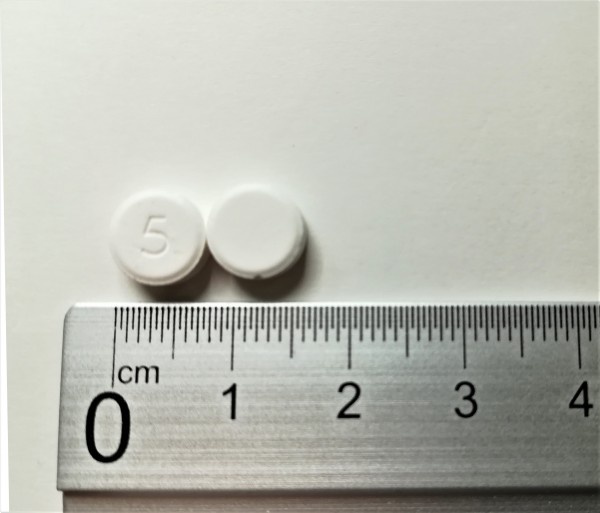
Coversyl 4mg are oval-shaped, greenish-colored tablets, engraved withon one face and scored on both sides. The tablets can be divided into two equal halves.
The tablets are available inblister (PVC/Aluminium) of 5, 7, 10, 14, 15, 20, 28, 30, 50, 56, 60, 84, 90, 100, 112, 120 or 500 tablets.
Only some package sizes may be marketed.
Marketing Authorization Holder and Manufacturer
Marketing Authorization Holder
Les Laboratoires Servier
50, rue Carnot
92284 Suresnes cedex– France
Manufacturer
Les Laboratoires Servier Industrie
905 route de Saran
45520 Gidy – France
and
Servier (Ireland) Industries Ltd
Gorey Road
Arklow – Co. Wicklow – Ireland
and
Laboratorios Servier S.L. (only for the Spanish market)
Avenida de los Madroños, 33
28043 Madrid – Spain
This medicine is authorized in the member states of the European Economic Area with the following names:
Belgium | Perindopril Servier 4 mg, tablet |
Spain | COVERSYL 4 mg |
France | PERINDOPRIL ARROW GENERIQUES 4 mg |
Last review date of thisleaflet: October 2021
Detailed and updated information on this medicine is available on the website of the Spanish Agency for Medicines and Medical Devices (AEMPS)http://www.aemps.gob.es/.
- Country of registration
- Active substance
- Prescription requiredYes
- Manufacturer
- This information is for reference only and does not constitute medical advice. Always consult a doctor before taking any medication. Oladoctor is not responsible for medical decisions based on this content.
- Alternatives to Coversyl 4 mg comprimidosDosage form: ORALLY DISINTEGRATING TABLET/LYOTAB, 10 mgActive substance: perindoprilManufacturer: Les Laboratoires ServierPrescription requiredDosage form: ORALLY DISINTEGRATING TABLET/LIOTAB, 5 mgActive substance: perindoprilManufacturer: Les Laboratoires ServierPrescription requiredDosage form: TABLET, 4 mgActive substance: perindoprilManufacturer: Aurovitas Spain, S.A.U.Prescription required
Online doctors for Coversyl 4 mg comprimidos
Discuss questions about Coversyl 4 mg comprimidos, including use, safety considerations and prescription review, subject to medical assessment and local regulations.





Frequently Asked Questions
