


BRINEURA 150 MG SOLUTION FOR INFUSION



How to use BRINEURA 150 MG SOLUTION FOR INFUSION
Translated with AI
This page provides general information and does not replace a doctor’s consultation. Always consult a doctor before taking any medication. Seek urgent medical care if symptoms are severe.
Show originalContents of the leaflet
Introduction
Package Leaflet: Information for the User
Brineura 150 mg solution for infusion
cerliponase alfa
This medicine is subject to additional monitoring, which will allow for quick identification of new safety information. You can help by reporting any side effects you may get. The last section of this leaflet includes information on how to report side effects.
Read all of this leaflet carefully before you are given this medicine because it contains important information for you.
- Keep this leaflet, you may need to read it again.
- If you have any further questions, ask your doctor.
- If you or your child experience any side effects, talk to your doctor, even if you think they are not serious or are listed in this leaflet. See section 4.
Contents of the pack
- What is Brineura and what is it used for
- What you need to know before you or your child are given Brineura
- How Brineura is given
- Possible side effects
- Storage of Brineura
- Contents of the pack and other information
1. What is Brineura and what is it used for
Brineura contains the active substance cerliponase alfa, which belongs to a group of medicines called enzyme replacement therapies. It is used to treat patients with a condition called neuronal ceroid lipofuscinosis type 2 (CLN2), also known as tripeptidyl peptidase 1 (TPP1) deficiency.
People with CLN2 disease do not have enough of an enzyme called TPP1, or have too little of it, which leads to a buildup of substances called lysosomal storage materials. In people with CLN2 disease, these materials build up in certain parts of the body, mainly in the brain.
How Brineura works
This medicine replaces the missing enzyme, TPP1, which reduces the buildup of lysosomal storage materials. This medicine works to slow down the progression of the disease.

2. What you need to know before you or your child are given Brineura
Brineura must not be given:
- If you or your child have had a severe allergic reaction to cerliponase alfa or any of the other ingredients of this medicine (listed in section 6) that could be life-threatening, and the reactions return when cerliponase alfa is given again.
- If you or your child have an implantable device to drain excess fluid from the brain.
- If you or your child have signs of infection of the device or problems with it at that time. Your doctor may decide to continue treatment once the infection or device problems have been resolved.
Warnings and precautions
Talk to your doctor before you or your child start treatment with Brineura.
- You or your child may have problems with the implanted device used during treatment with Brineura (see section 4 "Possible side effects"), including infection or device malfunction. Treatment may be interrupted if the device needs to be replaced or until the infection is cured. Talk to your doctor if you have any questions about the device.
- Brineura can cause severe allergic reactions. Your doctor will monitor you or your child for symptoms of severe allergic reactions, such as hives, itching, or redness, swelling of the lips, tongue, and/or throat, difficulty breathing, hoarseness, bluish discoloration of the lips or fingertips, low muscle tone, fainting, or incontinence.
- Your doctor will take your or your child's heart rate, blood pressure, respiratory rate, and temperature before, during, and after treatment. Your doctor may also decide to perform other checks if necessary.
- Your doctor will perform an electrocardiogram (ECG) every 6 months to check for abnormalities in heart activity. If you or your child have a history of heart problems, the doctor or nurse will monitor heart activity during each infusion.
- Your doctor may order tests on samples of cerebrospinal fluid to look for signs of infection.
- Brineura has not been given to patients with advanced disease at the start of treatment or to children under 2 years of age. Your doctor will discuss whether treatment with Brineura is suitable for you or your child.
Other medicines and Brineura
Tell your doctor if you or your child are taking, have recently taken, or might take any other medicines.
Pregnancy, breastfeeding, and fertility
If you are pregnant or breastfeeding, think you may be pregnant, or plan to become pregnant, consult your doctor before treatment with this medicine.
You should not be given Brineura during pregnancy unless clearly necessary. It is not known whether Brineura passes into breast milk. Breastfeeding should be interrupted during treatment with Brineura. It is not known whether Brineura affects human fertility.
Driving and using machines
It is not known whether Brineura affects the ability to drive or use machines. Consult your doctor.
Brineura contains sodium
This medicine contains 44 mg of sodium per vial, which should be taken into account in patients on a low-sodium diet.
3. How Brineura is given
You or your child will need to have an operation to implant the device used to give Brineura. The device helps the medicine get to a specific part of the brain.
Brineura will be given to you or your child by a doctor who is experienced in giving medicines through a procedure called intracerebroventricular infusion (infusion into the fluid in the brain) in a hospital or clinic.
Brineura has not been given to patients under 2 years of age or over 8 years of age (at the start of the clinical trial). Experience in children under 2 years of age is limited to a few children.
The recommended dose of Brineura to be given to you or your child every other week depends on your or your child's age:
- from birth to <6 months: 100 mg< li>
- from 6 months to <1 year: 150 mg< li>
- from 1 year to <2 years: 200 mg (first 4 doses), 300 (all subsequent doses)< li>
- ≥ 2 years: 300 mg
Your doctor may adjust your or your child's dose, or the time it takes to give the medicine, if you or your child do not tolerate the infusion, have an allergic reaction, or have a possible increase in pressure in the brain.
The medicine is slowly pumped through the implanted device. After giving the medicine, a shorter infusion of a solution is given to flush out any remaining Brineura in the infusion equipment so that the full dose gets to the brain. Giving the medicine and the solution will take between 2 hours and 4 hours and 30 minutes, depending on the dose you or your child need. Your doctor may lower the dose or the rate of the infusion based on your or your child's response during treatment.
Your doctor may give you or your child other medicines, such as antipyretics to reduce fever or antihistamines to treat allergic reactions, before each treatment with Brineura to reduce side effects that may occur during or after treatment.
If you have any other questions about the use of this medicine, ask your doctor.

4. Possible side effects
Like all medicines, this medicine can cause side effects, although not everybody gets them.
See your doctor or nurse immediately if you get any of the following side effects:
Very common side effects (may affect more than 1 in 10 people):
- Fever
- Vomiting
- Irritability
- Seizures
- Reactions during or after the infusion, such as hives, itching, or redness, swelling of the lips, tongue, and/or throat, difficulty breathing, hoarseness, bluish discoloration of the lips or fingertips, low muscle tone, fainting, or incontinence.
Common side effects (may affect up to 1 in 10 people):
- Bacterial infections related to the device
- Slower heart rate
- Device malfunction due to an obstruction detected during preparation for infusion
Frequency not known (cannot be estimated from the available data)
- The device moves and does not work properly when preparing for infusion
This medicine may cause other side effects:
Very common side effects:
- Headache
- Increased or decreased proteins in the cerebrospinal fluid
- Abnormal heart activity (ECG)
- Increased cells in the cerebrospinal fluid detected in laboratory tests
- Nasal or throat infection (common cold)
- Problems with the needle (the infusion needle comes out of the implanted device)
Common side effects:
- Pain
- Rash
- Hives
- Head drop (where the chin falls to the chest)
- Stomach pain
- Leak from the device
- Sores in the mouth or on the tongue
- Swelling or redness of the eyelid and the white of the eye
- Nervousness
- Stomach or intestinal disorder
Reporting of side effects
If you or your child experience any side effects, talk to your doctor, even if you think they are not serious or are listed in this leaflet. You can also report side effects directly through the national reporting system listed in Appendix V. By reporting side effects, you can help provide more information on the safety of this medicine.
5. Storage of Brineura
Keep this medicine out of the sight and reach of children.
Do not use this medicine after the expiry date, which is stated on the vials and carton after EXP. The expiry date is the last day of the month stated.
Store in a freezer (between -25°C and -15°C). Transport and distribute frozen (between -85°C and -15°C). Store in the original package to protect from light.
Once thawed, Brineura and the rinse solution must be used immediately. The medicine should only be withdrawn from the unopened vials immediately before use. If not used immediately, unopened vials of Brineura or the rinse solution must be stored at 2-8°C and used within 24 hours.
The chemical and physical stability of the medicine has been demonstrated for up to 12 hours at room temperature (19-25°C). For microbiological reasons, opened vials or the medicine in syringes must be used immediately. If not used immediately, the in-use storage times and conditions are the responsibility of the user.
Your doctor or pharmacist is responsible for storing Brineura. They are also responsible for disposing of any unused Brineura correctly.
6. Contents of the pack and other information
What Brineura contains
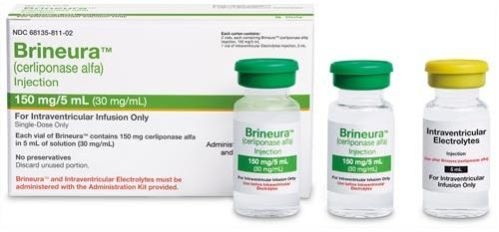
- The active substance is cerliponase alfa. Each vial of Brineura contains 150 mg of cerliponase alfa in 5 ml of solution. Each ml of solution for infusion contains 30 mg of cerliponase alfa.
- The other ingredients of Brineura and the rinse solution are: sodium phosphate heptahydrate, sodium dihydrogen phosphate monohydrate, sodium chloride, potassium chloride, magnesium chloride hexahydrate, calcium chloride dihydrate, and water for injections (see section 2 "Brineura contains sodium").
Appearance and pack size of Brineura
Brineura and the rinse solution are solutions for infusion. The solutions are colorless or pale yellow, clear or slightly opalescent; the Brineura solution may occasionally contain translucent fibers or opaque particles.
Pack size: 3 vials (2 vials of Brineura and 1 vial of the rinse solution), each containing 5 ml of solution.
Marketing authorisation holder and manufacturer
BioMarin International Limited
Shanbally, Ringaskiddy
County Cork
Ireland
Date of last revision of this leaflet: MM/YYYY
This medicine has been authorised under "exceptional circumstances". This means that due to the rarity of the condition, it has not been possible to obtain complete information on this medicine.
The European Medicines Agency will review any new information on this medicine that becomes available every year and this leaflet will be updated as necessary.
Other sources of information
Detailed information on this medicine is available on the European Medicines Agency website: http://www.ema.europa.eu. There are also links to other websites about rare diseases and orphan medicines.
- Country of registration
- Active substance
- Prescription requiredYes
- Manufacturer
- This information is for reference only and does not constitute medical advice. Always consult a doctor before taking any medication. Oladoctor is not responsible for medical decisions based on this content.
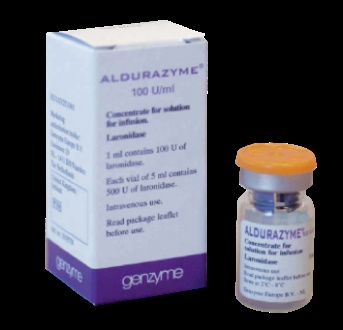
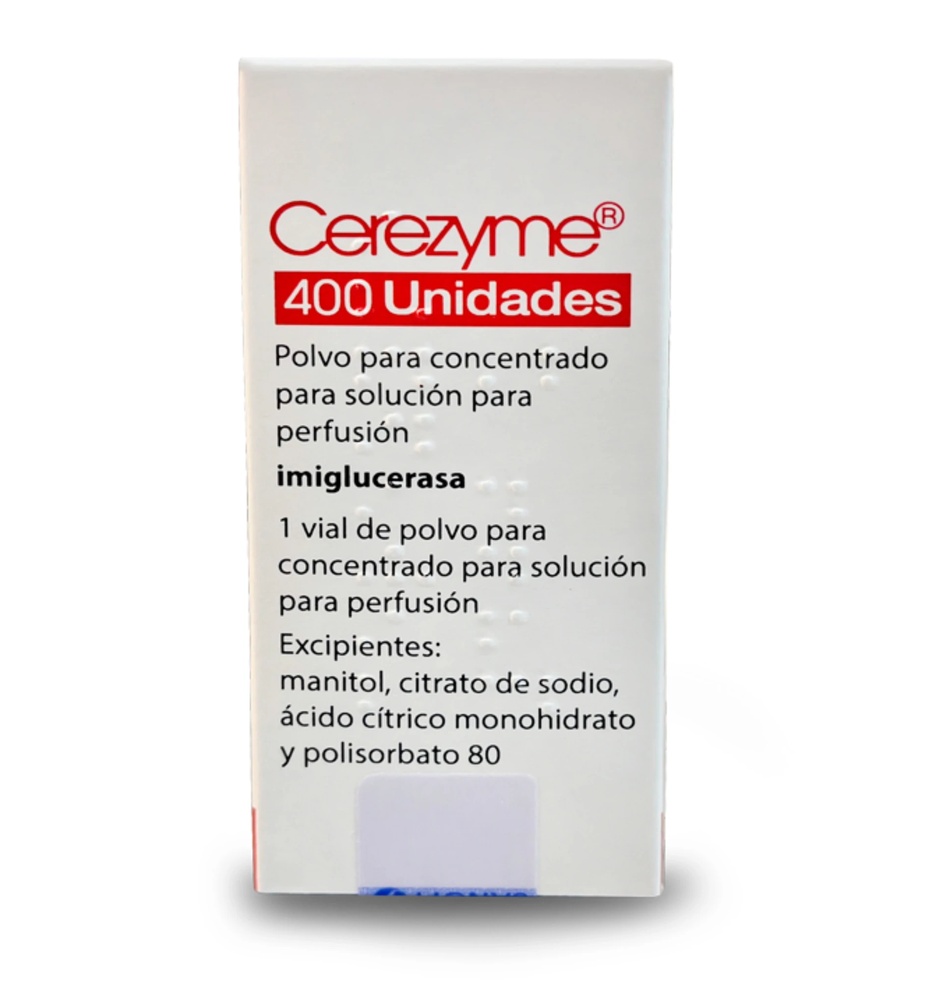
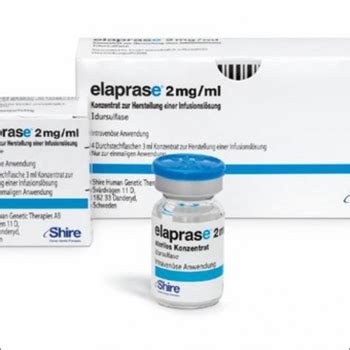
- Alternatives to BRINEURA 150 MG SOLUTION FOR INFUSIONDosage form: INJECTABLE INFUSION, 100 UActive substance: laronidaseManufacturer: Sanofi B.V.Prescription requiredDosage form: INJECTABLE INFUSION, UnknownActive substance: imigluceraseManufacturer: Sanofi B.V.Prescription requiredDosage form: INJECTABLE PERFUSION, 2 mg/mlActive substance: idursulfaseManufacturer: Takeda Pharmaceuticals International Ag Ireland BranchPrescription required
Online doctors for BRINEURA 150 MG SOLUTION FOR INFUSION
Discuss questions about BRINEURA 150 MG SOLUTION FOR INFUSION, including use, safety considerations and prescription review, subject to medical assessment and local regulations.





Frequently Asked Questions
