


ATROPINE NORIDEM 1 mg/mL INJECTABLE SOLUTION



How to use ATROPINE NORIDEM 1 mg/mL INJECTABLE SOLUTION
Translated with AI
This page provides general information and does not replace a doctor’s consultation. Always consult a doctor before taking any medication. Seek urgent medical care if symptoms are severe.
Show originalContents of the leaflet
Introduction
Package Leaflet: Information for the Patient
Atropina Noridem 1mg/ml Solution for Injection EFG
Atropine, Sulfate
Read the entire package leaflet carefully before starting to use this medication, as it contains important information for you.
- Keep this package leaflet, as you may need to read it again.
- If you have any questions, consult your doctor, pharmacist, or nurse.
- This medication has been prescribed to you only, and you should not give it to others, even if they have the same symptoms as you, as it may harm them.
- If you experience side effects, consult your doctor, pharmacist, or nurse, even if they are not listed in this package leaflet. See section 4.
Contents of the Package Leaflet
- What is Atropina Noridem and what is it used for
- What you need to know before taking Atropina Noridem
- How to take Atropina Noridem
- Possible side effects
- Storage of Atropina Noridem
6. Contents of the Pack and Further Information
1. What is Atropina Noridem and what is it used for
Atropine is used in children of all ages and in adults for the treatment of:
- Bradycardia, induced by anesthetics or other medications.
- In combination with neostigmine during the reversal of the effect of non-depolarizing muscle relaxants.
- Organophosphate pesticide poisoning and other anticholinesterase poisoning.
Atropine may also be used as a preanesthetic before the induction of general anesthesia (reduces the risk of vagal inhibition and reduces salivary and bronchial secretions).

2. What you need to know before taking Atropina Noridem
Do not use Atropina Noridem:
- if you are allergic to atropine or any of the other components of this medication (listed in section 6).
- in prostatic hypertrophy, as it stimulates urinary retention.
- in gastrointestinal tract obstruction (e.g., pyloroduodenal stenosis).
- in paralytic ileus or intestinal atony (especially in geriatric or debilitated patients).
- in ulcerative colitis, as it may cause ileus or megacolon.
- in myasthenia gravis (unless administered to reduce the adverse muscarinic effects caused by anticholinesterases).
- in narrow-angle glaucoma or narrow angle between the iris and the cornea, as it may increase intraocular pressure.
- when the ambient temperature is high, especially in children or in cases of hyperthermia.
- in heart failure, cardiac surgery, and tachycardia, as it may further increase heart rate.
- in acute hemorrhage accompanied by unstable cardiovascular function.
- in thyrotoxicosis.
These contraindications do not apply in potentially life-threatening emergencies, such as bradycardia or organophosphate pesticide poisoning.
Warnings and Precautions
Consult your doctor, pharmacist, or nurse before starting to use Atropina Noridem.
- Atropine should be administered with caution in pediatric populations and the elderly, as they are more susceptible to adverse effects. The same caution should be exercised in cases of pseudomembranous colitis, diarrhea, hyperthyroidism, gastrointestinal infection (e.g., dysentery), liver disease, kidney disease, and hypertension.
- The systemic administration of antimuscarinics in debilitated patients with chronic lung disease may cause the formation of bronchial mucous plugs due to the reduction of bronchial secretions.
- In the treatment of Parkinson's disease, the increase in atropine dose and change in treatment should be done gradually (antimuscarinic treatment should not be interrupted abruptly).
- People with Down syndrome appear to have increased susceptibility to atropine. In contrast, people with albinism show some resistance to this medication.
- Administration of small doses may cause paroxysmal bradycardia.
- Since antimuscarinics can delay gastric emptying, they may cause stasis in patients with gastric ulcers. Precautions should also be taken in patients with esophageal reflux problems or those with a hiatal hernia associated with gastroesophageal reflux, as antimuscarinics reduce gastric motility and lower esophageal sphincter pressure.
- Regarding the results of analytical tests, antimuscarinics interfere with the gastric acid secretion test. It is not recommended to administer antimuscarinics in the 24 hours prior to the test, as these medications antagonize the effect of pentagastrin and histamine in the evaluation of gastric acid secretory function. Antimuscarinics, particularly atropine, interfere with the excretion of phenolsulfonphthalein (PSP). Atropine uses the same tubular secretion mechanism as phenolsulfonphthalein (PSP), resulting in reduced urinary excretion of PSP. Patients who are to undergo this test should not receive atropine at the same time.
- Since antimuscarinics can increase intraocular pressure, it is recommended to monitor this parameter in some patients, depending on the disease they suffer from.
Other Medications and Atropina
Tell your doctor or pharmacist if you are taking, have recently taken, or might take any other medication.
- With medications having anticholinergic properties
Patients receiving antimuscarinics along with amantadine, antihistamines, antiparkinsonian medications, butyrophenones, or phenothiazines, tricyclic antidepressants, or antiarrhythmic medications with anticholinergic properties (e.g., procainamide) have a higher risk of developing adverse anticholinergic effects.
- Effects on gastrointestinal absorption of the medication
The reduction in gastric motility caused by antimuscarinics may affect the absorption of some medications. For example, the simultaneous administration of an antimuscarinic and levodopa may reduce the absorption of levodopa in the intestine, as it increases the metabolism of the medication in the stomach. If the administration of the antimuscarinic is interrupted without simultaneously reducing the dose of levodopa, toxic effects may appear as a result of increased levodopa absorption.
Patients taking antimuscarinics and digoxin at the same time should be monitored, as they may develop digital toxicity.
Since antimuscarinics can reduce the production of hydrochloric acid in the stomach or increase gastric pH, they may reduce the gastrointestinal absorption of ketoconazole. If simultaneous treatment is necessary, the antimuscarinic should be administered at least 2 hours after the administration of ketoconazole.
It is possible that the antimuscarinic may delay the therapeutic effect (e.g., analgesia, antipyretic action) of paracetamol.
- With glucocorticoids, corticotropin (ACTH), or haloperidol
Long-term simultaneous antimuscarinic treatment may cause an increase in intraocular pressure. Additionally, the antipsychotic efficacy of haloperidol may be reduced in schizophrenic patients.
- With urinary alkalinizers (antacids containing calcium or magnesium, carbonic anhydrase inhibitors, citrates, and sodium bicarbonate)
The urinary excretion of antimuscarinics may be delayed due to the alkalinization of the urine, resulting in the maximization of the therapeutic or adverse effects of this type of medication.
- With cyclopropane
The simultaneous intravenous administration of antimuscarinics and the anesthetic cyclopropane may trigger ventricular arrhythmias.
- With guanadrel and guanethidine
Simultaneous administration may antagonize the inhibitory action of the antimuscarinic on gastric acid secretion.
- With monoamine oxidase inhibitors (MAOIs), including furazolidone, procarbazine, and pargyline
Simultaneous administration may intensify adverse muscarinic effects due to the secondary antimuscarinic action of these medications. Additionally, MAOIs may block the detoxification of antimuscarinics and thus potentiate their action.
- With opioid analgesics
Simultaneous administration with antimuscarinics may increase the risk of severe constipation, which may cause paralytic ileus or urinary retention.
- With potassium chloride, especially in wax matrix preparations
Simultaneous administration with antimuscarinics may increase the severity of the gastrointestinal disorder induced by potassium chloride.
Atropine is compatible with butorphanol tartrate and buprenorphine hydrochloride. It is not compatible with bromides, iodides, bases (e.g., sodium bicarbonate, alkaline barbiturates), norepinephrine bitartrate, or metaraminol bitartrate.
Atropine can be administered simultaneously with sodium thiopental, provided it is done before administration.
Pregnancy, Breastfeeding, and Fertility
Pregnancy
If you are pregnant or breastfeeding, think you may be pregnant, or plan to become pregnant, consult your doctor before taking this medication.
Atropine crosses the placenta.
Intravenous administration of atropine during pregnancy may cause fetal tachycardia. Therefore, atropine should only be administered during pregnancy when the potential benefits justify the possible risks to the fetus.
Breastfeeding
No problems have been reported in humans regarding the administration of atropine during breastfeeding. However, the risk-benefit ratio should be considered, as traces of atropine have been detected in breast milk, and children are particularly sensitive to these medications.
Antimuscarinics suppress lactation.
Fertility
Atropine reduced fertility in male rats, probably as a result of an inhibitory effect on sperm and semen transport during emission.
Although well-controlled studies have not been conducted in humans, animal studies do not suggest direct or indirect harmful effects on reproductive toxicity.
Driving and Using Machines
Since antimuscarinics can cause drowsiness and blurred vision, the administration of Atropina Noridem may affect the ability to drive and use machines. If you notice these effects, do not drive or operate machines.
Atropina Noridem Contains Sodium
This medication contains less than 23 mg of sodium (1 mmol) per milliliter; it is essentially "sodium-free".
3. How to Take Atropina Noridem
Follow the administration instructions for this medication exactly as indicated by your doctor or pharmacist. If in doubt, consult your doctor or pharmacist again.
Adults
- Treatment of bradycardia: administer 0.5 mg intravenously and, if necessary, repeat the dose every 3-5 minutes, up to a total dose of 3 mg.
- In combination with neostigmine during the reversal of the effect of non-depolarizing muscle relaxants: administer 0.6-1.2 mg intravenously.
- Pre-medication (to reduce the risk of vagal inhibition, as well as salivary and bronchial secretions): administer 0.3-0.6 mg intravenously immediately before the induction of anesthesia or intramuscularly/subcutaneously 30-60 minutes before the induction of anesthesia.
- As an antidote (treatment of anticholinesterase poisoning, such as organophosphate pesticides, and treatment of mushroom poisoning): administer 0.5-2 mg of atropine intravenously. The dose may be repeated every 5 minutes and, thereafter, every 10-15 minutes as needed, until signs and symptoms disappear (this dose may be exceeded several times).
Pediatric Population
- Treatment of bradycardia: administer 0.02 mg/kg body weight intravenously in a single dose, up to a maximum of 0.6 mg.
- In combination with neostigmine during the reversal of the effect of non-depolarizing muscle relaxants: 0.02 mg/kg body weight intravenously.
- Pre-medication (to reduce the risk of vagal inhibition, as well as salivary and bronchial secretions): administer 0.01-0.02 mg/kg body weight (up to a maximum of 0.6 mg per dose) intravenously immediately before the induction of anesthesia or intramuscularly/subcutaneously 30-60 minutes before the induction of anesthesia.
- As an antidote (treatment of anticholinesterase poisoning, such as organophosphate pesticides, and treatment of mushroom poisoning): administer 0.05 mg/kg body weight intravenously; repeat several times until signs and symptoms of muscarinic poisoning disappear.
If You Take More Atropina Noridem Than You Should
Atropine poisoning occurs when the patient receives excessive doses. It should be noted that sensitivity to atropine varies from person to person.
Administration of toxic doses of this medication causes tachycardia, rapid breathing, hyperpyrexia, and stimulation of the central nervous system. This leads to anxiety, confusion, excitement, psychotic reactions, hallucinations, and delirium. Convulsions may occasionally occur. A skin rash may also occur on the face and upper torso. In cases of acute poisoning, central stimulation may cause depression of the central nervous system, coma, respiratory or circulatory failure, and death.
To counteract anticholinergic symptoms, cholinergics such as neostigmine (1 mg of neostigmine intramuscularly every 2-3 hours) may be administered. The greatest danger lies in the central actions of this medication, as they are not antagonized by parasympathomimetics and only treat the symptoms. Therefore, if the symptom is excitement, medications such as diazepam should be used; if the depressive phase is reached, caffeine may also be ingested. When blood pressure drops too low, vasoconstrictor amines may be administered. If respiratory depression is severe, artificial respiration with oxygen supply should be used.
If You Forget to Take Atropina Noridem
Your doctor or nurse will have instructions on when to administer the medication to you. If you think you have missed a dose, talk to your doctor or nurse.
Do not take a double dose to make up for missed doses.
If You Stop Taking Atropina Noridem
In the treatment of Parkinson's disease, the increase in atropine dose and change in treatment should be done gradually (antimuscarinic treatment should not be interrupted abruptly).
If you have any other questions about the use of this medication, ask your doctor, pharmacist, or nurse.

4. Possible Side Effects
Like all medications, this medication can cause side effects, although not everyone will experience them.
Atropine side effects are usually frequent and, in most cases, are related to the prolonged pharmacological action and depend on the dose.
Very Common: may affect more than 1 in 10 people
- Blurred vision
- Dry mouth (xerostomia)
Common: may affect up to 1 in 10 people
- Pupil dilation (mydriasis) with loss of ocular accommodation (cycloplegia), photophobia, glaucoma
- Decreased tone and motility of the gastrointestinal tract, constipation, vomiting, paralytic ileus, dysphagia, taste disturbances
- Difficulty urinating and urinary retention
- Bradycardia (after administration of low doses), tachycardia (after administration of high doses), palpitations, and cardiac arrhythmia
- Flushing and dry skin, urticaria, anaphylactic reaction
- Headache, temporary spatial disorientation, drowsiness
- Hallucinations
Uncommon: may affect up to 1 in 100 people
- Insomnia
- Dizziness
- Nasal congestion
- Impotence
- Hyperthermia
Rare: may affect up to 1 in 1,000 people
- Hypersensitivity
Very Rare: may affect up to 1 in 10,000 people
- Anaphylactic reactions, including anaphylactic shock
Frequency Not Known: cannot be estimated from available data
- Leukocytosis
Reporting Side Effects
If you experience any side effects, consult your doctor, pharmacist, or nurse, even if they are not listed in this package leaflet. You can also report them directly through the Spanish Pharmacovigilance System for Human Use Medications: www.notificaram.es. By reporting side effects, you can help provide more information on the safety of this medication.
5. Storage of Atropina Noridem
Keep this medication out of sight and reach of children.
Store below 30°C. Store the ampoules in the outer packaging to protect them from light.
After the first opening: This medication should be used immediately. If not used immediately, the time and conditions of storage during use are the responsibility of the user.
Do not use this medication after the expiration date shown on the box and ampoule. The expiration date is the last day of the month indicated.
Medications should not be disposed of through wastewater or household waste. Deposit the packaging and medications you no longer need at the SIGRE point in the pharmacy or in any other medication waste collection system. If in doubt, ask your pharmacist how to dispose of the packaging and medications you no longer need. This will help protect the environment.
6. Packaging Contents and Additional Information
Composition of Atropine Noridem
- The active ingredient is atropine.
Each milliliter of solution contains 1 mg of atropine.
- The other components are sodium chloride, sulfuric acid, and water for injectable preparations.
Appearance of the Product and Packaging Contents
Atropine Noridem 1 mg/ml is a clear and colorless solution supplied in glass ampoules containing 1 ml of injectable solution.
This medication is supplied in boxes of 5, 10, 20, 50, or 100 ampoules.
Only some package sizes may be marketed.
Marketing Authorization Holder
Noridem Enterprises Limited
Evagorou & Makariou
Mitsi Building 3, Office 115
1065 Nicosia, Cyprus
Manufacturer
DEMO S.A. PHARMACEUTICAL INDUSTRY
21st Km National Road Athens-Lamia.
14568 Greece
T: +30 210 8161802, F: +30 2108161587
This medication is authorized in the Member States of the European Economic Area under the following names:
Portugal: | Atropine Noridem |
France: | ATROPINE (SULFATE) NORIDEM 1 mg/mL, injectable solution |
Belgium: | Atropine sulfate Noridem 1 mg/ml, injectable solution / oplossing voor injectie / Injektionslösung |
Luxembourg: | ATROPINE (SULFATE) NORIDEM 1 mg/mL, injectable solution |
Austria: | Atropinsulfat Noridem 1 mg/ml Injektionslösung |
Czech Republic: | Atropine Noridem |
Denmark: | Atropine Noridem |
Finland: | Atropine Noridem 1 mg/ml injection solution, liquid |
Hungary: | Atropinum sulfuricum Noridem 1 mg/mL oldatos injekció |
Italy: | Atropina solfato Noridem |
Norway: | Atropine Noridem |
Poland: | Atropinum sulfuricum Noridem |
Romania: | Sulfat de atropina Noridem 1 mg/mL solutie injectabila |
Slovakia: | Atropine Noridem |
Spain: | Atropina Noridem 1 mg/ml injectable solution EFG |
Sweden: | Atropine Noridem |
Date of the Last Revision of this Leaflet: 03/2025
Detailed information about this medication is available on the website of the Spanish Agency for Medicines and Health Products (AEMPS) http://www.aemps.gob.es/
- Country of registration
- Active substance
- Prescription requiredYes
- Manufacturer
- This information is for reference only and does not constitute medical advice. Always consult a doctor before taking any medication. Oladoctor is not responsible for medical decisions based on this content.
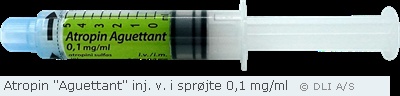
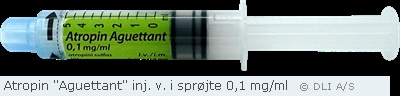
- Alternatives to ATROPINE NORIDEM 1 mg/mL INJECTABLE SOLUTIONDosage form: INJECTABLE, 0.1 mg/mlActive substance: atropineManufacturer: Accord Healthcare S.L.U.Prescription requiredDosage form: INJECTABLE, 0.5 mg injectable 5 mlActive substance: atropineManufacturer: Laboratoire AguettantPrescription requiredDosage form: INJECTABLE, 0.2 mg/mlActive substance: atropineManufacturer: Laboratoire AguettantPrescription required
Online doctors for ATROPINE NORIDEM 1 mg/mL INJECTABLE SOLUTION
Discuss questions about ATROPINE NORIDEM 1 mg/mL INJECTABLE SOLUTION, including use, safety considerations and prescription review, subject to medical assessment and local regulations.











Frequently Asked Questions
