


RUCONEST 2100 U POWDER FOR INJECTABLE SOLUTION
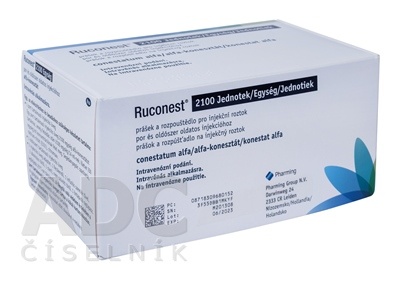



How to use RUCONEST 2100 U POWDER FOR INJECTABLE SOLUTION
Translated with AI
This page provides general information and does not replace a doctor’s consultation. Always consult a doctor before taking any medication. Seek urgent medical care if symptoms are severe.
Show originalContents of the leaflet
Introduction
Package Leaflet: Information for the Patient
Ruconest 2100 units powder for solution for injection
conestat alfa
Read all of this leaflet carefully before you start using this medicine because it contains important information for you.
- Keep this leaflet, you may need to read it again.
- If you have any further questions, ask your doctor.
- This medicine has been prescribed for you only. Do not pass it on to others. It may harm them, even if their signs of illness are the same as yours.
- If you get any side effects, talk to your doctor. This includes any possible side effects not listed in this leaflet. See section 4.
Contents of the pack
- What is Ruconest and what is it used for
- What you need to know before you use Ruconest
- How to use Ruconest
- Possible side effects
- Storage of Ruconest
- Contents of the pack and other information
1. What is Ruconest and what is it used for
Ruconest contains conestat alfa as the active substance. Conestat alfa is a recombinant (non-blood-derived) form of human C1 inhibitor (rhC1-INH).
Ruconest should be used by adults, adolescents, and children (from 2 years of age) with a rare hereditary blood disorder called hereditary angioedema (HAE). These patients have a deficiency of the C1 inhibitor protein in their blood, which can cause repeated episodes of swelling, abdominal pain, difficulty breathing, and other symptoms.
Administration of Ruconest resolves the deficiency of C1 inhibitor and allows a reduction of the symptoms of acute HAE attacks.

2. What you need to know before you use Ruconest
Do not use Ruconest
- If you are or are considered to be allergic to rabbits.
- If you are allergic to conestat alfa or any of the other ingredients of this medicine (listed in section 6).
Warnings and precautions
Consult your doctor before you start using Ruconest.
If you experience allergic reactions, such as hives, rash, itching, dizziness, wheezing, difficulty breathing, or swelling of the tongue after administration of Ruconest, seek emergency medical attention to treat the symptoms of the allergic reaction urgently.
Children and adolescents
Do not administer this medicine to children under 2 years of age. Ruconest has not been studied in children under 5 years of age. Your doctor will determine if treatment with Ruconest is suitable for your child. Additional monitoring of your child is required to detect symptoms of allergic reactions during and after administration.
Using Ruconest with other medicines
Tell your doctor if you are using, have recently used, or might use any other medicines.
If you receive tissue plasminogen activator as acute treatment for the prevention of blood clots (anticoagulant treatment), you should not use Ruconest at the same time.
Pregnancy and breastfeeding
Ruconest should not be administered during pregnancy or breastfeeding.
If you plan to become pregnant, consult your doctor before using Ruconest.
Driving and using machines
Do not drive or operate machinery if you feel dizzy or have a headache after using Ruconest.
Ruconest contains sodium (19.5 mg per vial)
Patients on low-sodium diets should be aware that this medicine contains 19.5 mg of sodium per vial.
3. How to use Ruconest
Treatment with Ruconest will be started by a doctor who is specialized in the diagnosis and treatment of hereditary angioedema.
Your doctor or a nurse will administer Ruconest directly into a vein over approximately 5 minutes. The dose, up to 2 vials, will depend on your weight.
Most of the time, one dose is sufficient. Your doctor may decide to administer an additional dose if your symptoms do not improve after 120 minutes (for adults and adolescents) or 60 minutes (for children). No more than two doses can be administered within a 24-hour period.
The instructions for use are described clearly in the physician's information leaflet and are attached.
If you have any further questions on the use of this medicine, ask your doctor or nurse.

4. Possible side effects
Like all medicines, this medicine can cause side effects, although not everybody gets them.
If your symptoms worsen and/or you experience rash, tingling, difficulty breathing, or swelling of the face or tongue, go to the doctor immediately. These symptoms may indicate that you have developed an allergy to Ruconest.
During treatment with Ruconest, some side effects may occur:
Common: may affect up to 1 in 10 people
- Nausea
Uncommon: may affect up to 1 in 100 people
- Abdominal pain, diarrhea
- Feeling of tingling, pins and needles, or numbness in the mouth
- Headache, dizziness
- Decreased sense of touch or sensitivity in the skin or extremities
- Throat irritation
- Hives (urticaria)
- Swelling of the ears or the area around the ears
Reporting of side effects
If you experience any side effects, talk to your doctor, even if they are not listed in this leaflet. You can also report side effects directly via the national reporting system listed in Appendix V. By reporting side effects, you can help provide more information on the safety of this medicine.
5. Storage of Ruconest
Keep this medicine out of the sight and reach of children.
Do not use this medicine after the expiry date which is stated on the carton and on the label of the vial after CAD/EXP. The expiry date is the last day of the month shown.
Do not store above 25°C.
Store in the original package to protect from light.
Ruconest should be dissolved in water for injections before administration by a healthcare professional.
Once reconstituted, the product should be used immediately.
Do not use this medicine if you notice that the solution contains particles or if the solution is discolored.
6. Contents of the pack and other information
Composition of Ruconest
The active substance is conestat alfa. One vial contains 2100 units (U) of conestat alfa. This is equivalent to 2100 units per 14 ml after reconstitution, or a concentration of 150 units/ml.
The other ingredients are sucrose, sodium citrate (E331), and citric acid.
Appearance and pack size
Ruconest is presented as a single glass vial containing a white to off-white powder for solution for injection. After dissolution of the powder in water for injections, the solution is clear and colorless.
Ruconest is supplied in a carton containing one vial.
Marketing authorisation holder and manufacturer
Marketing authorisation holder:
Pharming Group N.V.
Darwinweg 24
2333 CR Leiden
Netherlands
Manufacturer:
Pharming Technologies B.V.
Darwinweg 24
2333 CR Leiden
Netherlands
Date of last revision of this leaflet:
Detailed information on this medicine is available on the European Medicines Agency website: https://www.ema.europa.eu/.
This information is intended only for healthcare professionals:
DOSAGE AND ADMINISTRATION
Dosage
Body weight up to 84 kg
- An intravenous injection of 50 U/kg body weight.
Body weight 84 kg or more
- An intravenous injection of 4200 U (two vials).
In most cases, a single injection of Ruconest is sufficient for the treatment of an acute attack of hereditary angioedema.
If the clinical response is insufficient, a second dose (50 U/kg body weight up to 4200 U) may be administered.
No more than two doses can be administered within a 24-hour period.
Dose calculation
Determine the patient's body weight.
Body weight up to 84 kg
- In patients up to 84 kg body weight, the volume to be administered will be calculated using the following formula:
Volume to be administered (ml) | = | Body weight (kg) x 50 (U/kg) 150 (U/ml) | = | Body weight (kg) 3 |
Body weight 84 kg or more
- In patients 84 kg or more, the volume to be administered is 28 ml, equivalent to 4200 U (2 vials).
Reconstitute each vialwith 14 ml of water for injections (see section Reconstitution below).
The reconstituted solution in each vial contains 2100 U of conestat alfa at 150 U/ml.
The required volume of the reconstituted solution should be administered by slow intravenous injection over approximately 5 minutes.
SPECIAL PRECAUTIONS FOR DISPOSAL AND OTHER HANDLING
Each vial of Ruconest is for single use.
Aseptic technique should be used for reconstitution, combination, and mixing of solutions.
Reconstitution
Each vial of Ruconest (2100 U) should be reconstituted with 14 ml of water for injections. The water for injections should be added slowly to avoid a strong impact on the powder and mixed gently to minimize foam formation. The reconstituted solution in each vial contains 2100 U of conestat alfa, equivalent to 150 U/ml, and is clear and colorless.
The reconstituted solution in each vial should be inspected for particles and color changes. Do not use a solution that contains particles or color changes. This medicine should be used immediately.
Any unused medicine or waste material should be disposed of in accordance with local requirements.
- Country of registration
- Dosage formINJECTABLE, 2100 U
- ATC codeB06AC04
- Active substance
- Prescription requiredYes
- Manufacturer
- This information is for reference only and does not constitute medical advice. Always consult a doctor before taking any medication. Oladoctor is not responsible for medical decisions based on this content.
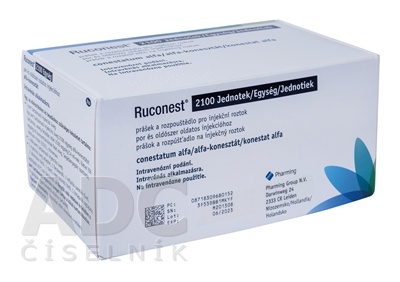
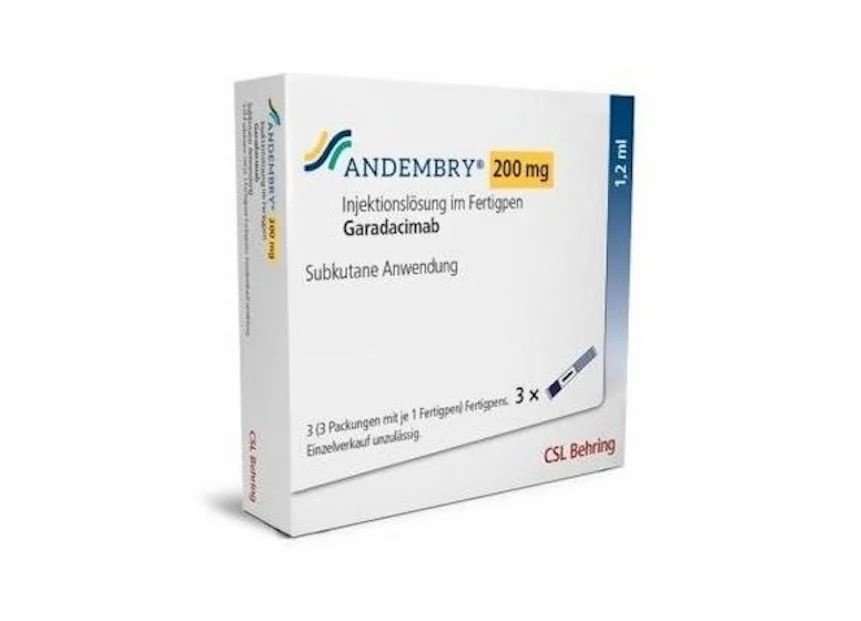
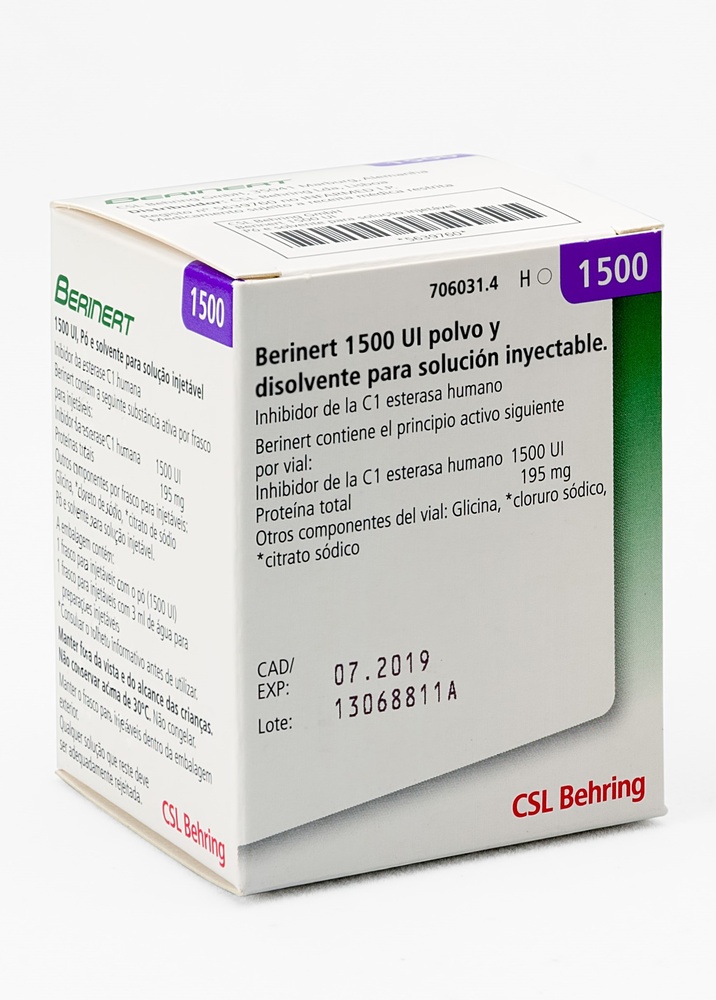
- Alternatives to RUCONEST 2100 U POWDER FOR INJECTABLE SOLUTIONDosage form: INJECTABLE, 2100 UActive substance: conestat alfaManufacturer: Pharming Group N.V.Prescription requiredDosage form: INJECTABLE, 200 mgActive substance: Drugs used in hereditary angioedemaManufacturer: Csl Behring GmbhPrescription requiredDosage form: INJECTABLE, 1500 IUActive substance: c1-inhibitor, plasma derivedManufacturer: Csl Behring GmbhPrescription required
Online doctors for RUCONEST 2100 U POWDER FOR INJECTABLE SOLUTION
Discuss questions about RUCONEST 2100 U POWDER FOR INJECTABLE SOLUTION, including use, safety considerations and prescription review, subject to medical assessment and local regulations.









Frequently Asked Questions
