


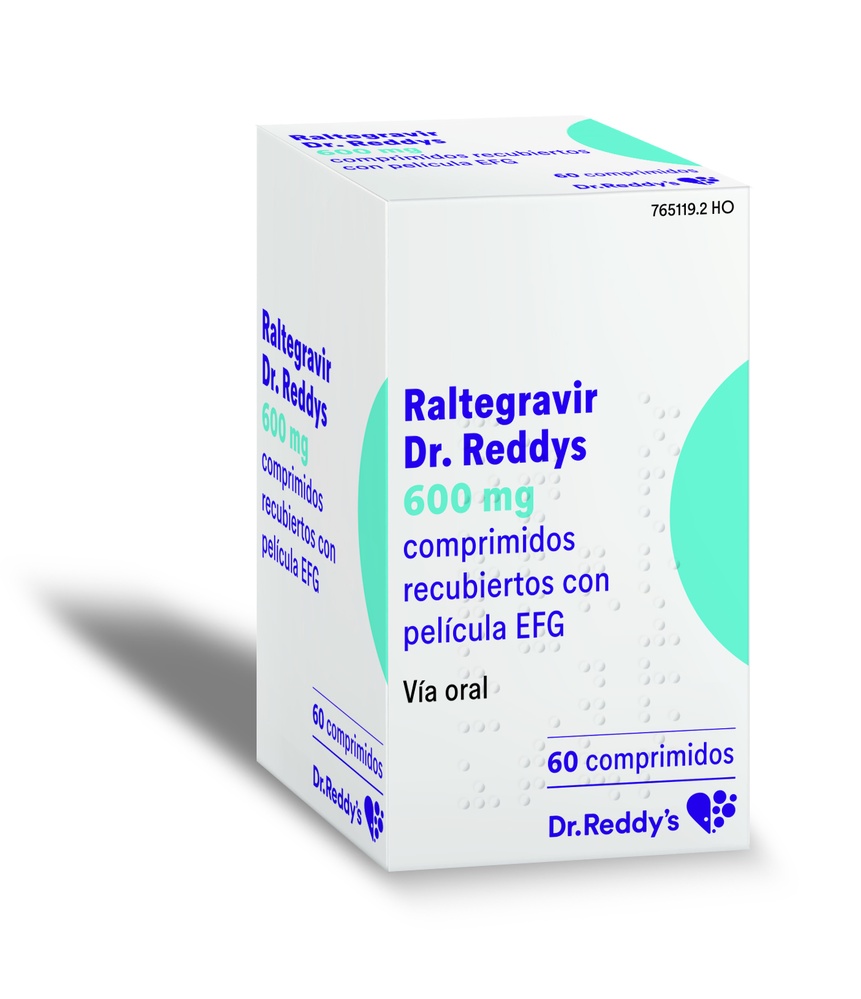
RALTEGRAVIR Dr. Reddy's 600 mg FILM-COATED TABLETS



How to use RALTEGRAVIR Dr. Reddy's 600 mg FILM-COATED TABLETS
Translated with AI
This page provides general information and does not replace a doctor’s consultation. Always consult a doctor before taking any medication. Seek urgent medical care if symptoms are severe.
Show originalContents of the leaflet
Introduction
Package Leaflet: Information for the User
Raltegravir Dr. Reddys 600 mg film-coated tablets EFG
Read all of this leaflet carefully before you start taking this medicine because it contains important information for you.
If you are the parent of a child taking Raltegravir Dr. Reddys, please read this information carefully with your child.
Keep this leaflet, you may need to read it again.
If you have any further questions, ask your doctor, pharmacist, or nurse.
This medicine has been prescribed for you or your child, do not pass it on to others. It may harm them, even if their symptoms are the same as yours.
If you experience any side effects, talk to your doctor, pharmacist, or nurse. This includes any possible side effects not listed in this leaflet. See section 4.
Contents of the pack
- What is Raltegravir Dr. Reddys and what is it used for
- What you need to know before you take Raltegravir Dr. Reddys
- How to take Raltegravir Dr. Reddys
- Possible side effects
- Storage of Raltegravir Dr. Reddys
- Contents of the pack and other information
1. What is Raltegravir Dr. Reddys and what is it used for
What is Raltegravir Dr. Reddys
This medicine contains the active substance raltegravir. Raltegravir is an antiviral medicine that acts against the human immunodeficiency virus (HIV). This is the virus that causes acquired immune deficiency syndrome (AIDS).
How Raltegravir Dr. Reddys works
The virus produces an enzyme called HIV integrase, which helps the virus to enter the cells of the body and multiply. Raltegravir prevents this enzyme from working. When used with other medicines, raltegravir can reduce the amount of HIV in the blood (this is called the "viral load") and increase the number of CD4 cells (a type of white blood cell that plays an important role in keeping the immune system healthy to help fight infection). By reducing the amount of HIV in the blood, it can improve the functioning of your immune system. This means your body can fight better against the infection.
When to use Raltegravir
Raltegravir Dr. Reddys 600 mg film-coated tablets are used to treat adults and pediatric patients weighing at least 40 kg who are infected with HIV. Your doctor has prescribed raltegravir to help you control your HIV infection.

2. What you need to know before you take Raltegravir Dr. Reddys
Do not take Raltegravir Dr. Reddys:
if you are allergic to raltegravir or any of the other ingredients of this medicine (listed in section 6).
Warnings and precautions
Talk to your doctor, pharmacist, or nurse before you start taking raltegravir.
Remember that raltegravir does not cure HIV infection. This means you can still get illnesses or other diseases related to HIV. You must keep seeing your doctor regularly while taking this medicine.
Mental health problems
Tell your doctor if you have a history of depression or mental illness. Depression, including suicidal thoughts and behaviors, has been seen in some patients taking this medicine, especially in patients with a previous history of depression or mental illness.
Bone problems
Some patients taking combination antiretroviral therapy may develop a bone disease called osteonecrosis (death of bone tissue due to loss of blood supply to the bone). The duration of combination antiretroviral therapy, the use of corticosteroids, alcohol consumption, severe immune system suppression, increased body mass index, among others, may be some of the many risk factors for developing this disease. Signs of osteonecrosis are joint stiffness, discomfort, and pain (especially in the hip, knee, and shoulder) and difficulty moving. If you experience any of these symptoms, see your doctor.
Liver problems
Tell your doctor, pharmacist, or nurse if you have had liver problems in the past, including hepatitis B or C. Your doctor may assess the severity of your liver disease before deciding if you can take this medicine.
Infections
If you notice any symptoms of infection, such as fever and/or feeling unwell, tell your doctor, pharmacist, or nurse immediately. Some patients with advanced HIV infection who have previously suffered from opportunistic infections may show signs and symptoms of inflammation due to previous infections soon after starting HIV treatment. It is believed that these symptoms are due to the improvement of the body's immune response, which allows the body to fight infections that may have been present but not showing obvious symptoms.
In addition to opportunistic infections, autoimmune disorders (a condition that occurs when the immune system attacks healthy body tissue) may also appear after you have started taking medicines for the treatment of your HIV infection. Autoimmune disorders may appear many months after starting treatment. If you notice any symptoms of infection or other symptoms such as muscle weakness, weakness starting in the hands and feet and moving up towards the trunk of the body, palpitations, tremors, or hyperactivity, tell your doctor immediately to receive the necessary treatment.
Muscle problems
Contact your doctor, pharmacist, or nurse immediately if you notice unexplained muscle pain, tenderness, or muscle weakness during treatment with this medicine.
Skin problems
Contact your doctor immediately if you develop a rash. Serious and potentially life-threatening skin reactions and allergic reactions have been reported in some patients taking this medicine.
Other medicines and Raltegravir Dr. Reddys
Tell your doctor, pharmacist, or nurse if you are taking, have recently taken, or might take any other medicines.
Raltegravir Dr. Reddys may interact with other medicines. Tell your doctor, pharmacist, or nurse if you are taking, have recently taken, or might take:
- antacids (a medicine that counteracts or neutralizes stomach acid and relieves indigestion and heartburn)
- iron salts (to treat and prevent iron deficiency or anemia). You should wait at least 2 hours between taking iron salts and taking raltegravir, as these medicines may reduce the effectiveness of raltegravir
- atazanavir (an antiretroviral medicine)
- rifampicin (a medicine used to treat some infections such as tuberculosis)
- tipranavir/ritonavir (antiretroviral medicines)
Carry a list of all your medicines with you to show your doctor and pharmacist.
You can ask your doctor or pharmacist for a list of medicines that interact with raltegravir.
Do not start taking a new medicine without telling your doctor. Your doctor may tell you if it is safe to take raltegravir with other medicines.
Taking Raltegravir Dr. Reddys with food and drinks
See section 3.
Pregnancy and breastfeeding
If you are pregnant or breastfeeding, think you may be pregnant, or are planning to have a baby, ask your doctor or pharmacist for advice before taking this medicine.
Raltegravir 1,200 mg (two 600 mg tablets once daily) is not recommended during pregnancy, as it has not been studied in pregnant women.
It is not recommended that HIV-infected women breastfeed their babies because HIV can be transmitted through breast milk.
If you are breastfeeding or thinking of breastfeeding, consult your doctor as soon as possible.
If you are pregnant or breastfeeding, ask your doctor, pharmacist, or nurse for advice before taking any medicine.
Driving and using machines
Do not drive, operate machinery, or ride a bicycle if you feel dizzy after taking this medicine.
Raltegravir Dr. Reddys contains sodium
This medicine contains less than 1 mmol of sodium (23 mg) per tablet; this is essentially "sodium-free".
3. How to take Raltegravir Dr. Reddys
Always take this medicine exactly as your doctor, pharmacist, or nurse has told you. If you are not sure, check with your doctor, pharmacist, or nurse. Raltegravir must be used in combination with other medicines for HIV infection.
How much to take
Adults, children, and adolescents weighing at least 40 kg
The recommended dose is 1,200 mg taken as two 600 mg tablets by mouth once daily.
Do not chew, crush, or split the tablets because this may alter the amount of medicine in your body. You can take this medicine with or without food or drinks.
Raltegravir Dr. Reddys is only available in 600 mg tablets. There may be other formulations and concentrations of raltegravir available; talk to your doctor, pharmacist, or nurse for more information.
If you take more Raltegravir Dr. Reddys than you should
Do not take more tablets than your doctor has recommended. If you take more tablets than recommended, talk to your doctor.
In case of overdose or accidental ingestion, talk to your doctor or pharmacist immediately or call the Toxicology Information Service, phone: 91 562 04 20, indicating the medicine and the amount taken.
If you forget to take Raltegravir Dr. Reddys
If you forget to take a dose, take it as soon as you remember.
However, if it is time for your next dose, do not take the missed dose and continue with your regular dosing schedule.
Do not take a double dose to make up for missed doses.
If you stop taking Raltegravir Dr. Reddys
It is important that you take raltegravir exactly as your doctor has told you. Do not change the dose or stop taking this medicine without talking to your doctor, pharmacist, or nurse first. Do not stop taking it because:
It is very important that you take all your HIV medicines as prescribed and at the right times of the day. This makes the medicines work better and also reduces the chance of the medicines becoming unable to combat HIV (this is also called "drug resistance").
- When you have only a few raltegravir tablets left, go to your doctor or pharmacy to get more. The reason is that it is very important not to run out of medicine, even for a few days. If you stop taking the medicine for a few days, the amount of virus in your blood may increase, and as a result, HIV may develop resistance to raltegravir, and the disease may become more difficult to treat.
If you have any further questions on the use of this medicine, ask your doctor, pharmacist, or nurse.

4. Possible side effects
Like all medicines, this medicine can cause side effects, although not everybody gets them.
Serious side effects– these are uncommon (may affect up to 1 in 100 people)
See a doctor immediately if you notice any of the following side effects:
- herpes infections, including shingles
- anemia, including iron deficiency anemia
- signs and symptoms of infection or inflammation
- mental disorder
- suicidal thoughts or behaviors
- stomach inflammation
- liver inflammation
- liver failure
- allergic rash
- certain types of kidney problems
- ingestion of the medicine in quantities greater than recommended
See a doctor immediately if you notice any of the above side effects.
Common:the following side effects may affect up to 1 in 10 people
- decreased appetite
- sleep problems; unusual dreams; nightmares; abnormal behavior; feeling of deep sadness and lack of self-esteem
- dizziness; headache
- vertigo
- flatulence or gas; abdominal pain; diarrhea; excessive gas in the stomach or intestine; nausea; vomiting; indigestion; belching
- certain types of rash (more frequently when used in combination with darunavir)
- fatigue, unusual tiredness or weakness; fever
- high liver blood test results; abnormal white blood cell counts; high blood fat levels; high levels of salivary gland or pancreas enzymes
Uncommon:the following side effects may affect up to 1 in 100 people
- infection of the hair roots; flu; skin infection due to a virus; vomiting or diarrhea due to an infectious agent; upper respiratory tract infection; pus accumulation in lymph nodes
- warts
- lymph node pain; low count of white blood cells that fight infection; swelling of the neck, armpit, and groin lymph nodes
- allergic reaction
- increased appetite; diabetes; high cholesterol and blood fat levels; high blood sugar levels; excessive thirst; severe weight loss; high blood fat levels (such as cholesterol and triglycerides); body fat disorders
- feeling anxious; feeling confused; depressed mood; mood changes; panic attack
- memory loss; hand pain due to nerve compression; attention disorder; dizziness when changing position quickly; abnormal taste; increased sleepiness; lack of energy; forgetfulness; migraine headache; loss of sensation, numbness, or weakness in the arms and/or legs; tingling; sleepiness; tension headache; tremors; poor sleep
- vision disturbance
- ringing, high-pitched sounds, whistling, or other persistent noises in the ears
- palpitations; slow pulse; rapid or irregular heartbeat
- hot flashes; increased blood pressure
- hoarse, rough, or forced voice; nosebleeds; nasal congestion
- upper abdominal pain; rectal discomfort; constipation; dry mouth; heartburn; difficulty swallowing; pancreatitis; stomach or upper intestine ulcers; anal bleeding; stomach upset; gum inflammation; swelling, redness, and ulceration of the tongue
- fat accumulation in the liver
- acne; hair loss or thinning; skin redness; unusual fat distribution in the body, this may include fat loss in the legs, arms, and face, and increased fat in the abdomen; excessive sweating; night sweats; thickening and itching of the skin due to repeated scratching; skin lesion; dry skin
- joint pain; painful joint disease; back pain; bone or muscle pain; neck pain; pain in the arms or legs; tendon inflammation; decreased bone mineral density
- kidney stones; nocturia; kidney cyst
- erectile dysfunction; breast enlargement in men; menopausal symptoms
- chest discomfort; chills; facial swelling; feeling nervous; feeling unwell; lump in the neck; swelling of the hands, ankles, or feet; pain
- low white blood cell count; low platelet count in the blood (a type of cell involved in blood clotting); decreased kidney function in blood tests; high blood sugar levels; high muscle enzymes in the blood; sugar in the urine; red blood cells in the urine; weight gain; increased waist circumference; decreased blood protein levels (albumin); increased blood clotting time
Other side effects in children and adolescents
- Hyperactivity
Reporting of side effects
If you experience any side effects, talk to your doctor or pharmacist. This includes any possible side effects not listed in this leaflet. You can also report side effects directly via the Spanish Medicines Agency's online platform: https://www.notificaram.es.
By reporting side effects, you can help provide more information on the safety of this medicine.
5. Storage of Raltegravir Dr. Reddys
- Keep this medicine out of the sight and reach of children.
- Do not use this medicine after the expiry date which is stated on the carton after EXP. The expiry date refers to the last day of the month shown.
- This medicine does not require any special storage conditions.
Medicines should not be disposed of via wastewater or household waste. Return any unused medicine to a pharmacy for proper disposal. Ask your pharmacist how to dispose of medicines no longer required. This will help protect the environment.
6. Container Content and Additional Information
Composition of Raltegravir Dr. Reddys
The active ingredient is raltegravir. Each film-coated tablet contains 600 mg of raltegravir (potassium).
The other components are: microcrystalline cellulose, sodium croscarmellose, carbomers, magnesium stearate. Additionally, the film coating contains the following inactive components: macrogols, talc, titanium dioxide (E171), glycerol monocaprylate (type I), poly(vinyl alcohol), and yellow iron oxide (E172).
Appearance of the Product and Container Content
The 600 mg film-coated tablet is oval in shape, yellow in color, with the inscription “C30” embossed on one side and “600” on the other side.
Container sizes: container containing 1 bottle of 60 tablets and multiple containers containing 3 bottles of 60 tablets each.
Only some container sizes may be marketed.
Marketing Authorization Holder and Manufacturer
Marketing Authorization Holder
Reddy Pharma Iberia, S.A.
Avda. Josep Tarradellas nº 38
08029 Barcelona
Spain
Manufacturer
Coripharma ehf.
Reykjavikurvegur 78
IS -220 Hafnarfjordur
Iceland
This medicinal product is authorized in the Member States of the European Economic Area under the following names:
Member State Name | Medicinal Product Name |
Germany | Raltegravir beta 600 mg film-coated tablets |
Spain | Raltegravir Dr. Reddys 600 mg film-coated tablets EFG |
Italy | Raltegravir Dr. Reddy’s |
France | Raltegravir Day Zero |
Date of the Last Revision of this Leaflet:May 2024
Detailed information on this medicinal product is available on the website of the Spanish Agency for Medicines and Health Products (AEMPS) http://www.aemps.gob.es/.
- Country of registration
- Dosage formTABLET, 600 mg
- ATC codeJ05AJ01
- Active substance
- Prescription requiredYes
- Manufacturer
- This information is for reference only and does not constitute medical advice. Always consult a doctor before taking any medication. Oladoctor is not responsible for medical decisions based on this content.
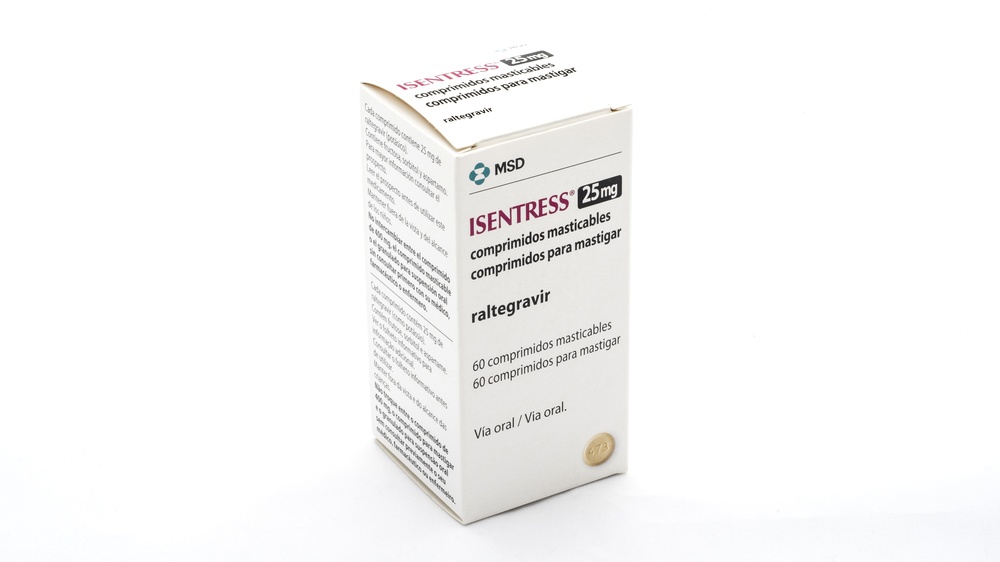
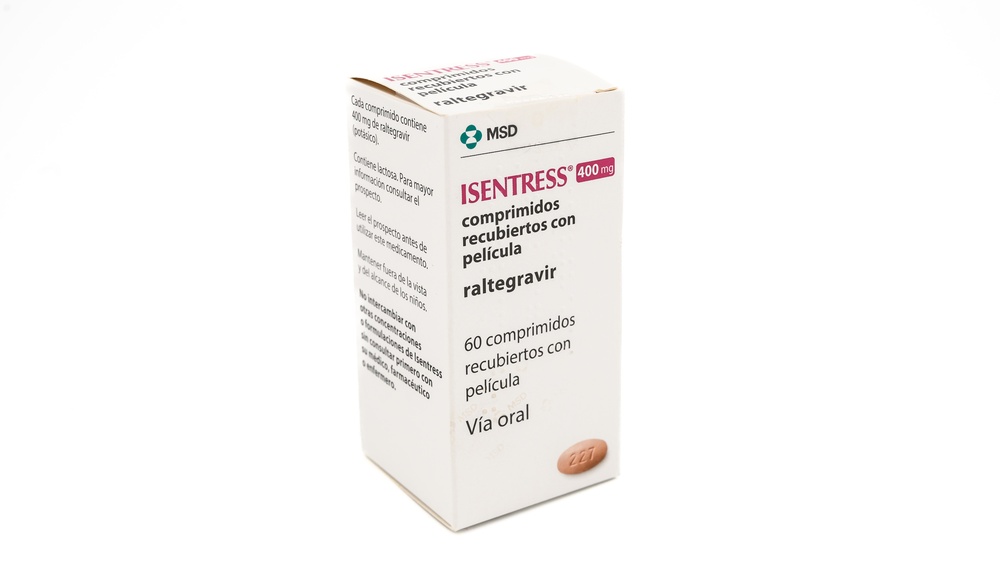
- Alternatives to RALTEGRAVIR Dr. Reddy's 600 mg FILM-COATED TABLETSDosage form: CHEWABLE TABLET, 100 mgActive substance: raltegravirManufacturer: Merck Sharp & Dohme B.V.Prescription requiredDosage form: CHEWABLE TABLET, 25 mgActive substance: raltegravirManufacturer: Merck Sharp & Dohme B.V.Prescription requiredDosage form: TABLET, 60 mgActive substance: raltegravirManufacturer: Merck Sharp & Dohme B.V.Prescription required

Online doctors for RALTEGRAVIR Dr. Reddy's 600 mg FILM-COATED TABLETS
Discuss questions about RALTEGRAVIR Dr. Reddy's 600 mg FILM-COATED TABLETS, including use, safety considerations and prescription review, subject to medical assessment and local regulations.









.jpg)

Frequently Asked Questions
