






How to use RABEPRAZOL SANDOZ 20 mg GASTRO-RESISTANT TABLETS
Translated with AI
This page provides general information and does not replace a doctor’s consultation. Always consult a doctor before taking any medication. Seek urgent medical care if symptoms are severe.
Show originalContents of the leaflet
Introduction
Package Leaflet: Information for the User
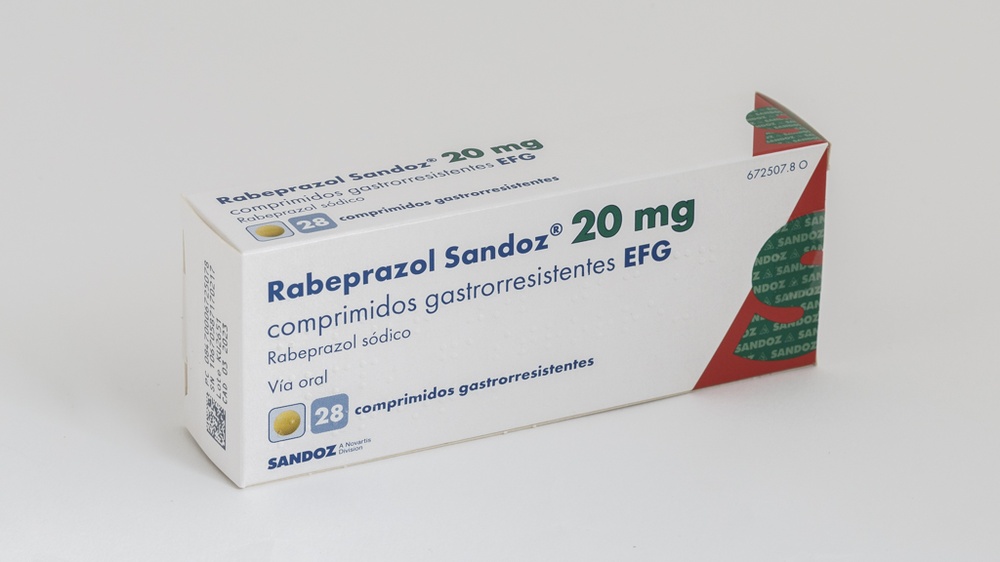
Rabeprazol Sandoz 20 mg Gastro-Resistant Tablets EFG
rabeprazol sodium
Read all of this leaflet carefully before you start taking this medicine because it contains important information for you.
- Keep this leaflet, you may need to read it again.
- If you have any further questions, ask your doctor or pharmacist.
- This medicine has been prescribed for you only. Do not pass it on to others. It may harm them, even if their signs of illness are the same as yours.
- If you get any side effects, talk to your doctor or pharmacist. This includes any possible side effects not listed in this leaflet. See section 4.
Contents of the pack and other information
- What is Rabeprazol Sandoz and what is it used for
- What you need to know before you take Rabeprazol Sandoz
- How to take Rabeprazol Sandoz
- Possible side effects
- Storage of Rabeprazol Sandoz
- Contents of the pack and other information
1. What is Rabeprazol Sandoz and what is it used for
Rabeprazol Sandoz belongs to a group of medicines called “Proton Pump Inhibitors”. These medicines reduce the amount of acid produced by the stomach.
Rabeprazol Sandoz is used in adults to treat the following conditions:
- ulcers in the intestine (also called duodenal ulcer),
- ulcers in the stomach (also called benign gastric ulcer),
- to relieve symptoms of heartburn caused by gastro-oesophageal reflux disease (GORD), which is also known as reflux oesophagitis,
- long-term treatment of GORD to prevent the return of symptoms,
- to relieve symptoms of moderate to very severe GORD (symptomatic GORD) such as heartburn and acid regurgitation,
- severe increase of acid production in the stomach (Zollinger-Ellison syndrome),
- treatment of infections caused by a bacterium called Helicobacter pylori (H. pylori) when given in combination with antibiotic treatment.

2. What you need to know before you take Rabeprazol Sandoz
Do not take Rabeprazol Sandoz
- if you are allergic to rabeprazol or any of the other ingredients of this medicine (listed in section 6),
- if you are pregnant or think you may be pregnant,
- if you are breast-feeding.
Do not take Rabeprazol Sandoz if you are in any of the above situations. If you are not sure, consult your doctor or pharmacist before taking Rabeprazol Sandoz.
Warnings and precautions
Consult your doctor or pharmacist before starting treatment with rabeprazol:
- if you are allergic to proton pump inhibitors or “substituted benzimidazoles”,
- if you have a stomach tumour,
- if you have been treated with rabeprazol for a long period of time (more than one year), you will need to have regular check-ups with your doctor,
- if you have or have had liver problems, you must inform your doctor. Your doctor may need to check your liver function more frequently,
- if you are taking atazanavir (a medicine used to treat HIV), it is not recommended to take rabeprazol (see section 2),
- if you have reduced body stores or have risk factors for reduced vitamin B12 and are taking long-term treatment with rabeprazol sodium. As with all acid-reducing agents, rabeprazol sodium may lead to a reduced absorption of vitamin B12,
- if you are due to have a specific blood test (Chromogranin A),
- if you have ever had a skin reaction with a medicine used to reduce stomach acid,
similar to rabeprazol.
- during treatment with rabeprazol, kidney inflammation may occur. Signs and symptoms include: decreased urine output or blood in the urine and/or hypersensitivity reactions such as fever, rash and joint stiffness. You should inform your doctor of these signs.
If you experience severe diarrhoea with symptoms such as fever, abdominal pain or tenderness, stop taking rabeprazol and consult your doctor immediately.
If you take a proton pump inhibitor like rabeprazol, especially over a period of more than one year, you may have a slightly increased risk of fractures of the hip, wrist or spine. Inform your doctor if you have osteoporosis or if you are taking corticosteroids (which can increase the risk of osteoporosis).
Children
Rabeprazol should not be given to children.
Using Rabeprazol Sandoz with other medicines
Tell your doctor or pharmacist if you are using, have recently used or might use any other medicines.
Tell your doctor before taking this medicine if you are taking:
- ketoconazole or itraconazole (medicines for fungal infections), the dose may need to be adjusted,
- atazanavir (a medicine used to treat HIV), rabeprazol may decrease the blood levels of this medicine, so they should not be used at the same time,
- methotrexate (a chemotherapy medicine used at high doses to treat cancer), if you are being treated with methotrexate at high doses, your doctor may temporarily stop your treatment with rabeprazol.
If you are in doubt, consult your doctor or pharmacist before taking rabeprazol.
Pregnancy and breast-feeding
If you are pregnant or breast-feeding, think you may be pregnant or are planning to have a baby, ask your doctor or pharmacist for advice before taking this medicine.
Do not take Rabeprazol Sandoz if you are pregnant or breast-feeding.
Driving and using machines
Rabeprazol normally does not affect your ability to drive or use machines. However, this medicine may cause drowsiness in some patients. If you are affected, do not drive or operate machines.
Rabeprazol Sandoz contains sodium
This medicine contains less than 23 mg of sodium (1mmol) per tablet; this is essentially “sodium-free”.
3. How to take Rabeprazol Sandoz
Take this medicine exactly as your doctor has told you. If you are not sure, check with your doctor or pharmacist.
If you are taking rabeprazol once a day, the tablets should be taken preferably before breakfast.
Swallow the tablet whole. Do not chew or crush the tablet.
Duodenal ulcers
The usual dose is 20 mg once a day for 4 weeks. Your doctor will decide if you need to continue treatment for another 4 weeks.
Gastric ulcers
The usual dose is 20 mg once a day for 6 weeks. Your doctor will decide if you need to continue treatment for another 6 weeks.
Gastro-oesophageal reflux disease (GORD)
The usual dose is 20 mg once a day for 4-8 weeks.
Long-term treatment of GORD
The usual maintenance dose is 10 mg or 20 mg once a day. If you are on long-term treatment, you should see your doctor regularly to review your treatment and symptoms.
Treatment of symptoms of moderate to very severe GORD
The usual dose is 10 mg once a day for 4 weeks.
If symptoms do not disappear after 4 weeks, consult your doctor. After the first 4-week treatment, if symptoms return, your doctor may tell you to take a 10 mg tablet when needed to control your symptoms.
Zollinger-Ellison syndrome
The usual starting dose is 60 mg once a day. The dose may be adjusted by your doctor depending on how you respond to treatment. You may be given up to 60 mg twice a day. Your doctor will tell you how many tablets to take, when to take them and for how long you need to take them.
Treatment of infections caused by H. pyloriwhen given in combination with antibiotic treatment
The usual dose is 20 mg twice a day in combination with two antibiotics. The recommended combination is:
Rabeprazol 20 mg + clarithromycin 500 mg + amoxicillin 1 g, taken together twice a day for 7 days.
Patients with liver and kidney problems
No dose adjustment is necessary.
Use in children
Do not give these tablets to children.
If you take more Rabeprazol Sandoz than you should
If you have taken more rabeprazol than you should, consult your doctor, pharmacist or call the national Poison Information Centre (telephone 91 562 04 20), stating the medicine and the amount taken.
Take this leaflet and the medicine or the box with you to the doctor or hospital, so they know how many tablets you have taken.
If you forget to take Rabeprazol Sandoz
It is important that you take your medicine every day, as this will help your treatment to be more effective. However, if you forget to take one or more doses, take another as soon as you remember and then continue as your doctor has told you. Do not take a double dose to make up for forgotten doses.
If you have any further questions on the use of this product, ask your doctor or pharmacist.
If you stop taking Rabeprazol Sandoz
Normally, relief of symptoms occurs before the ulcer is completely healed. It is important that you do not stop treatment until your doctor tells you to.

4. Possible side effects
Like all medicines, this medicine can cause side effects, although not everybody gets them.
Serious side effects
You should contact your doctor immediatelyif you notice any of the following serious side effects(can be any allergic reaction).
Rare side effects (may affect up to 1 in 1,000 patients)
- swelling of the face, lips, tongue and throat which may cause difficulty in breathing, speaking or swallowing, sudden drop in blood pressure, paleness, feeling of fainting or collapse.
Very rare side effects (may affect up to 1 in 10,000 patients)
- blisters on the skin and/or mucous membranes of the lips, eyes, mouth, nasal passages or genitals (Stevens-Johnson syndrome) or skin peeling (toxic epidermal necrolysis).
Other possible side effects
Common side effects(may affect more than 1 in 10 patients)
- headache, dizziness,
- insomnia,
- cough, sore throat, runny nose and nasal congestion,
- diarrhoea, vomiting, nausea, stomach pain, constipation, gas (flatulence),
- general pain, back pain,
- infection,
- weakness, flu-like symptoms,
- benign polyps in the stomach.
Uncommon side effects(may affect up to 1 in 100 patients)
- nervousness, drowsiness,
- cough with phlegm, chest pain and fever,
- feeling of pressure or pain in the cheeks and forehead,
- indigestion, dry mouth, belching,
- rash, redness of the skin,
- muscle pain, leg cramps, joint pain,
- urinary tract infection,
- chest pain, chills, fever,
- increase in liver enzymes,
- fracture of the hip, wrist and spine.
Rare side effects(may affect up to 1 in 1,000 patients)
- blood disorders that may lead to frequent infections, easy bruising or bleeding, or anaemia,
- loss of appetite (anorexia),
- vision disorders,
- gastritis, which may cause stomach pain and nausea,
- mouth pain,
- taste disturbances,
- liver disease (hepatitis), which may cause yellowing of the skin or the whites of the eyes (jaundice),
- liver failure that can lead to brain damage in patients who have previously had liver disease,
- itching and blistering skin, usually disappearing after treatment is stopped,
- sweating,
- kidney problems, which may cause high or low urine output,
- weight increase,
- depression,
- hypersensitivity (including allergic reactions).
Side effects with unknown frequency(frequency cannot be estimated from the available data)
- low levels of sodium in the blood,
- low levels of magnesium in the blood*,
- confusion,
- breast enlargement in men,
- swelling of the ankles, feet or fingers,
- skin rash, possibly with pain in the joints,
- inflammation of the intestine (leading to diarrhoea).
*If you are taking rabeprazol for more than three months, it is possible that the levels of magnesium in your blood may fall. Low levels of magnesium can cause fatigue, involuntary muscle contractions, disorientation, convulsions, dizziness and a rapid heart rate. If you get any of these symptoms, please tell your doctor immediately. Low levels of magnesium can also lead to a reduction in the levels of potassium and calcium in the blood. Your doctor may decide to perform regular blood tests to monitor your levels of magnesium.
Reporting of side effects
If you get any side effects, talk to your doctor, pharmacist or nurse. This includes any possible side effects not listed in this leaflet. You can also report side effects directly via the Spanish Pharmacovigilance System for Medicinal Products for Human Use: https://www.notificaram.es. By reporting side effects, you can help provide more information on the safety of this medicine.
5. Storage of Rabeprazol Sandoz
Keep this medicine out of the sight and reach of children.
Do not use this medicine after the expiry date which is stated on the blister and carton after EXP. The expiry date refers to the last day of the month stated.
Do not store above 25°C. Store in the original package to protect from moisture.
Medicines should not be disposed of via wastewater or household waste. Ask your pharmacist how to dispose of medicines no longer required. These measures will help protect the environment.
6. Contents of the pack and other information
What is in Rabeprazol Sandoz
- The active substance is rabeprazol sodium.
Each gastro-resistant tablet of 20 mg contains 20 mg of rabeprazol sodium.
- The other ingredients are:
Core: calcium hydroxide, mannitol, low-substituted hydroxypropylcellulose and sodium stearyl fumarate.
Intermediate coating: hypromellose and talc.
Gastro-resistant coating: hypromellose phthalate, dibutyl sebacate, yellow iron oxide (E172) and titanium dioxide (E171).
Appearance and packaging
Rabeprazol Sandoz 20 mg are yellow, round and biconvex gastro-resistant tablets.
Al/Al blister pack with desiccant: 5, 7, 10, 14, 15, 20, 25, 28, 30, 37, 50, 56, 60, 75, 90, 98, 100 and 120 gastro-resistant tablets.
Not all pack sizes may be marketed.
Marketing authorisation holder and manufacturer
Marketing authorisation holder
Sandoz Farmacéutica, S.A.
Centro Empresarial Parque Norte
Edificio Roble
C/ Serrano Galvache, 56
28033 Madrid
Spain
Manufacturer
Lek Pharmaceuticals d.d.
Verovskova 57
1526 Ljubljana
Slovenia
or
Salutas Pharma GmbH
Otto-von-Guericke-Allee 1
39179 Barleben
Germany
or
Lek S.A.
ul. Domaniewska 50 C
02-672 Warszawa
Poland
or
Lek Pharmaceuticals d.d.
Trimlini 2D
9220 Lendava
Slovenia
This medicine is authorised in the Member States of the European Economic Area under the following names:
Austria: | Rabeprazol Sandoz 20 mg - magensaftresistente Tabletten |
Czech Republic: | Rapoxol 20 mg |
Spain: | Rabeprazol Sandoz 20 mg comprimidos gastrorresistentes EFG |
France: | RABEPRAZOLE SANDOZ, 20 mg, comprimé gastro-résistant |
Hungary: | Rabeprazol 1 A Pharma 20 mg gyomornedv-ellenálló tabletta |
Netherlands: | Rabeprazolnatrium Sandoz 20 mg, maagsapresistente tabletten |
Portugal: | Rabeprazol Sandoz |
Slovenia: | Rabeprazol Lek 20 mg gastrorezistentne tablete |
Date of last revision of this leaflet:
Detailed and up-to-date information on this medicine is available on the website of the Spanish Agency for Medicines and Health Products (AEMPS) http://www.aemps.gob.es/
-

- Country of registration
- Dosage formTABLET, 20 mg
- ATC codeA02BC04
- Average pharmacy price24.37 EUR
- Active substance
- Prescription requiredYes
- Manufacturer
- This information is for reference only and does not constitute medical advice. Always consult a doctor before taking any medication. Oladoctor is not responsible for medical decisions based on this content.
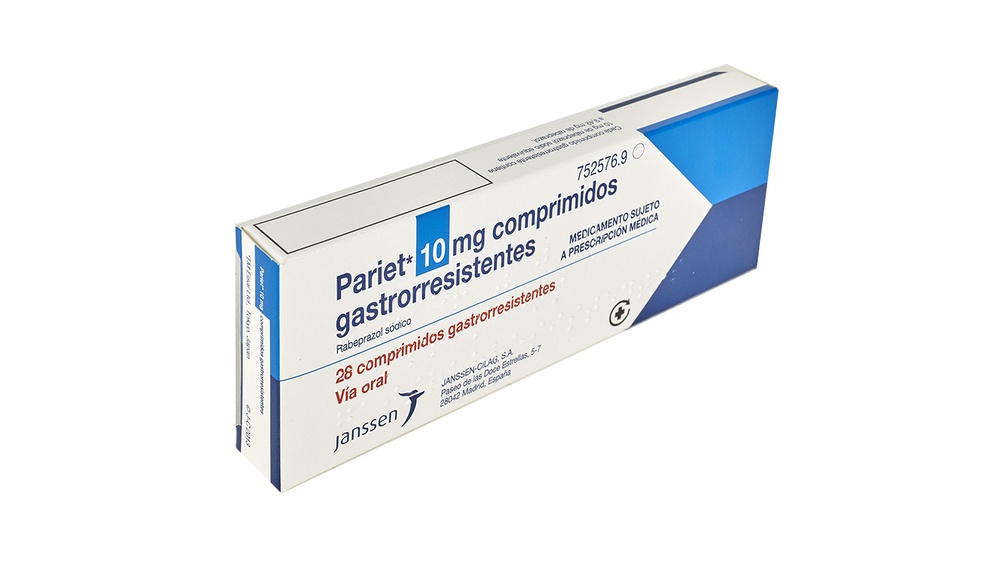
- Alternatives to RABEPRAZOL SANDOZ 20 mg GASTRO-RESISTANT TABLETSDosage form: TABLET, 10 mgActive substance: rabeprazoleManufacturer: Janssen Cilag S.A.Prescription requiredDosage form: TABLET, 20 mgActive substance: rabeprazoleManufacturer: Janssen Cilag S.A.Prescription requiredDosage form: TABLET, 20 mgActive substance: rabeprazoleManufacturer: Almus Farmaceutica S.A.U.Prescription required


Online doctors for RABEPRAZOL SANDOZ 20 mg GASTRO-RESISTANT TABLETS
Discuss questions about RABEPRAZOL SANDOZ 20 mg GASTRO-RESISTANT TABLETS, including use, safety considerations and prescription review, subject to medical assessment and local regulations.









Get RABEPRAZOL SANDOZ 20 mg GASTRO-RESISTANT TABLETS Prescription Online
Fill in a 2-min form
Tell us your symptoms, history, and what medicine you're requesting.
Pick a doctor or let us assign
Choose a specialist or we'll match you with the next available doctor.
Doctor reviews your case
Usually within 30 minutes. They may ask follow-up questions via chat.
Collect from any pharmacy
Electronic prescription sent to your email — valid across Spain.
Frequently Asked Questions
RABEPRAZOL SANDOZ 20 mg GASTRO-RESISTANT TABLETS requires a prescription in Spain. You can check with a doctor online whether this medicine may be appropriate for your situation.
The active ingredient in RABEPRAZOL SANDOZ 20 mg GASTRO-RESISTANT TABLETS is rabeprazole. This information helps identify medicines with the same composition but different brand names.
The average pharmacy price for RABEPRAZOL SANDOZ 20 mg GASTRO-RESISTANT TABLETS is around 24.37 EUR. Prices may vary depending on the manufacturer and dosage form.
RABEPRAZOL SANDOZ 20 mg GASTRO-RESISTANT TABLETS is manufactured by Sandoz Farmaceutica S.A.. Pharmacy brands and packaging may differ depending on the distributor.
Doctors such as Family doctors, Psychiatrists, Dermatologists, Cardiologists, Endocrinologists, Gastroenterologists, Pulmonologists, Nephrologists, Rheumatologists, Hematologists, Infectious disease physicians, Allergists, Geriatricians, Paediatricians, Oncologists may assess whether RABEPRAZOL SANDOZ 20 mg GASTRO-RESISTANT TABLETS is appropriate, depending on your situation and local regulations. You can book an online consultation to discuss your symptoms and possible next steps.
Spain has a well-developed healthcare infrastructure across major cities such as Madrid, Barcelona, Valencia, and Seville. Pharmacies are widely available and operate under strict regulations, ensuring access to prescribed medications.
You can buy RABEPRAZOL SANDOZ 20 mg GASTRO-RESISTANT TABLETS in Madrid, Barcelona, Seville, or Valencia at any local pharmacy with a valid prescription.
To obtain a prescription, you can use Oladoctor:
Other medicines with the same active substance (rabeprazole) include PARIET 10 mg GASTRO-RESISTANT TABLETS, PARIET 20 mg GASTRO-RESISTANT TABLETS, RABEPRAZOL ALMUS 20 mg GASTRO-RESISTANT TABLETS. These may have different brand names or formulations but contain the same therapeutic ingredient. Always consult a doctor before switching or starting a new medicine.
