


PROPRANOLOL 10 mg Film-Coated Tablets





How to use PROPRANOLOL TARBIS 10 mg FILM-COATED TABLETS
Translated with AI
This page provides general information and does not replace a doctor’s consultation. Always consult a doctor before taking any medication. Seek urgent medical care if symptoms are severe.
Show originalContents of the leaflet
Introduction
Package Leaflet: Information for the User
Propranolol Tarbis 10 mg film-coated tablets EFG
Propranolol Tarbis 40 mg film-coated tablets EFG
propranolol hydrochloride
Read all of this leaflet carefully before you start taking this medicine because it contains important information for you.
- Keep this leaflet, you may need to read it again.
- If you have any further questions, ask your doctor, pharmacist, or nurse.
- This medicine has been prescribed for you only. Do not pass it on to others. It may harm them, even if their signs of illness are the same as yours.
- If you get any side effects, talk to your doctor, pharmacist, or nurse. This includes any possible side effects not listed in this leaflet. See section 4.
Contents of the pack
- What is Propranolol Tarbis and what is it used for
- What you need to know before you take Propranolol Tarbis
- How to take Propranolol Tarbis
- Possible side effects
- Storing Propranolol Tarbis
- Contents of the pack and other information
1. What is Propranolol Tarbis and what is it used for
Propranolol contains propranolol hydrochloride, which belongs to a group of medicines called beta-blockers. It has effects on the heart and circulation, as well as on other parts of the body.
Propranolol may be used for:
- Hypertension (high blood pressure)
- Angina pectoris (chest pain)
- Certain types of arrhythmias (heart rhythm disorders)
- Protection of the heart after a heart attack (myocardial infarction)
- Migraine
- Essential tremor (involuntary and rhythmic tremors)
- Certain types of thyroid diseases (thyrotoxicosis, caused by an overactive thyroid gland, and hyperthyroidism)
- Hypertrophic cardiomyopathy (thickening of the heart muscle)
- Pheochromocytoma (high blood pressure usually due to a tumor near the kidney)
- Bleeding in the esophagus caused by high blood pressure in the liver

2. What you need to know before you take Propranolol Tarbis
Do not take Propranolol Tarbis if:
- you are allergic to propranolol hydrochloride or any of the other ingredients of this medicine (listed in section 6);
- you have untreated or uncontrolled heart failure;
- you have had a shock caused by heart problems;
- you have severe heart defects (second- or third-degree heart block) that need to be treated with a pacemaker;
- you have heart rhythm or conduction problems;
- you have a very slow or irregular heart rate;
- you have an increase in blood acidity (metabolic acidosis);
- you are on a strict fasting diet;
- you have asthma, wheezing, or other breathing difficulties;
- you have untreated pheochromocytoma (high blood pressure due to a tumor near the kidney);
- you have severe blood circulation problems (which can cause your fingers and toes to turn pale or blue);
- you have a feeling of painful squeezing in the chest at rest (Prinzmetal's angina);
- you have very low blood pressure
If you think any of these situations apply to you, or if you are not sure, talk to your doctor before taking propranolol.
Warnings and precautions
Talk to your doctor, pharmacist, or nurse before taking propranolol if you:
- have a history of allergic reactions, for example, to insect bites;
- have diabetes, as propranolol may change your normal response to low blood sugar levels, which usually means an increase in heart rate. Propranolol may cause low blood sugar levels even in non-diabetic patients.
- Have thyrotoxicosis. Propranolol may hide the symptoms of thyrotoxicosis.
- Have kidney or liver problems (including liver cirrhosis). If so, talk to your doctor, as you may need to have some checks during your treatment.
- Have heart problems.
- Suffer from muscle weakness (myasthenia gravis)
- Have conditions such as chronic obstructive pulmonary disease and bronchospasm because the use of Propranolol may worsen these conditions.
- Use channel blockers with negative inotropic effects such as verapamil and diltiazem (please consult "Other medicines and Propranolol")
Other medicines and Propranolol Tarbis
Tell your doctor or pharmacist if you are taking, have recently taken, or might take any other medicines. Propranolol may interfere with the action of other medicines, and other medicines may have an effect on propranolol.
Propranolol should not be used in combination with calcium channel blockers with negative inotropic effects (e.g., verapamil, diltiazem), as this may lead to an exaggeration of these effects. This could result in severe hypotension and bradycardia.
Other medicines that may cause problems when taken with your medicine:
- nifedipine, nisoldipine, nicardipine, isradipine, lacidipine (used to treat high blood pressure or angina)
- disopyramide, quinidine (for heart problems)
- lidocaine
- amiodarone, propafenone (for irregular heartbeats)
- digoxin (for heart failure)
- adrenaline (a heart stimulant)
- cimetidine (for stomach problems)
- rifampicin (for tuberculosis treatment)
- theophylline (for asthma)
- warfarin (to thin the blood) and hydralazine (for high blood pressure)
- fingolimod (to treat multiple sclerosis)
- barbiturics (to treat anxiety and insomnia);
- propafenone (to treat heart problems)
- monoamine oxidase inhibitors (MAOIs) (to treat depression)
If you are taking clonidine (for high blood pressure or migraine) and propranolol together, you should not stop taking clonidine unless your doctor tells you to. If stopping clonidine becomes necessary for you, your doctor will give you detailed instructions on how to do it.
Propranolol with food, drink, and alcohol
Alcohol may affect the functioning of this medicine.
Operations
If you are going to the hospital for an operation, tell the anesthetist or medical staff that you are taking propranolol.
Driving and using machines
It is unlikely that your medicine will affect your ability to drive or use machines. However, some people may feel dizzy or tired when taking propranolol. If this happens to you, ask your doctor for advice.
Pregnancy, breastfeeding, and fertility
If you are pregnant or breastfeeding, think you may be pregnant, or are planning to have a baby, ask your doctor or pharmacist for advice before taking this medicine.
Pregnancy:
The use of this medicine is not recommended during pregnancy, unless your doctor considers it essential.
Breastfeeding:
Breastfeeding is not recommended during treatment with this medicine.
Important information about some of the ingredients of Propranolol Tarbis:
Propranolol Tarbis contains lactose: If your doctor has told you that you have an intolerance to some sugars, consult them before taking this medicine.
3. How to take Propranolol Tarbis
Take this medicine exactly as your doctor, pharmacist, or nurse has told you. If you are not sure, ask your doctor or pharmacist.
Swallow the propranolol tablet with water before meals. It should be swallowed whole. Do not chew.
Do not stop taking the medicine unless your doctor tells you to.
The following table shows the recommended doses for an adult:
Recommended dose | Maximum daily dose | |
Hypertension (high blood pressure) | Initially 40 mg two or three times a day, which can be increased to 80 mg per day at weekly intervals. | 160 mg up to 320 mg |
Angina (chest pain) and tremor | Initially 40 mg two to three times a day | 120 mg up to 240 mg |
Arrhythmias (heart rhythm disorders) | Initially 10 to 40 mg three or four times a day | 30 mg up to 160 mg |
Protection of the heart after a heart attack | Initially 80 mg twice a day | 160 mg |
Migraine prevention* | Initially 40 mg two to three times a day, | 80 mg up to 160 mg |
Tremor | Initially 40 mg two to three times | 120 mg up to 240 mg |
Certain thyroid diseases (thyrotoxicosis) | 10 to 40 mg three or four times a day. | 30 mg up to 160 mg |
Hypertrophic cardiomyopathy (thickened heart muscle) | 10 to 40 mg three or four times a day. | 30 mg up to 160 mg |
Pheochromocytoma | Preoperative: 60 mg per day Non-operable malignant cases: 30 mg per day | 30 mg up to 60 mg |
Liver disease due to high blood pressure | Initially 40 mg twice a day, increasing to 80 mg twice a day | 80 mg up to 160 mg |
*In some circumstances, propranolol may be used to treat children with these conditions. The dose will be adjusted by the doctor according to the child's age or weight.
Elderly people may start with a lower dose.
If you take more Propranolol Tarbis than you should
In case of overdose or accidental ingestion, consult your doctor or pharmacist immediately or call the Toxicology Information Service, phone 91 562 04 20, indicating the medicine and the amount taken. Overdose causes an excessively slow heart rate, very low blood pressure, heart failure, and difficulty breathing with symptoms such as fatigue, hallucinations, fine tremors, confusion, nausea, vomiting, body spasms, fainting, or coma, low blood sugar levels. Always bring the remaining tablets, packaging, and leaflet, so that the medicine can be identified.
If you forget to take Propranolol Tarbis
If you forget to take a dose, take it as soon as you remember. However, if it is almost time for your next dose, do not take the missed dose.
If you stop taking Propranolol Tarbis
Do not stop treatment without consulting your doctor first. In some cases, it may be necessary to stop treatment gradually.
If you have any further questions on the use of this product, ask your doctor or pharmacist.

4. Possible side effects
Like all medicines, this medicine can cause side effects, although not everybody gets them. The following side effects may appear when using this medicine:
Common (may affect up to 1 in 10 people):
- Cold fingers and toes
- Slower heart rate
- Numbness and cramps in the fingers of the hands, followed by a sensation of heat and pain (Raynaud's syndrome)
- Sleep disorders/nightmares
- Fatigue
- Breathing difficulties
Uncommon (may affect up to 1 in 100 people):
- Nausea, vomiting, and diarrhea.
Rare (may affect up to 1 in 1,000 people):
- Worsening of breathing difficulties, if you have or have had asthma.
- Shortness of breath and/or swelling in the ankles, if you also have heart failure.
- Heart block that can cause irregular heartbeat, dizziness, tiredness, or fainting
- Dizziness, especially when standing up
- Worsening of blood circulation, if you already have poor circulation.
- Hair loss (alopecia)
- Emotional instability
- Confusion
- Memory loss
- Psychosis or hallucinations (mental disorders).
- Abnormal sensation, usually tingling or pinpricks ("pins and needles")
- Visual disturbances.
- Dry eyes.
- Skin rash, including worsening of psoriasis·
- Swelling of blood vessels under the skin, which can be painful and accompanied by redness (thrombocytopenia)
- Purple spots on the skin (purpura).
Very rare (may affect up to 1 in 10,000 people):
- Severe muscle weakness (myasthenia gravis)
- Low blood sugar levels can occur in diabetic and non-diabetic patients, including newborns, small children, and children, elderly patients, patients with artificial kidneys (hemodialysis), or patients taking diabetes medications. It can also occur in patients who are fasting or have recently fasted or have long-term liver disease.
- Excessive sweating
Frequency not known (frequency cannot be estimated from the available data):
- Seizures related to low blood sugar levels
- Impotence (inability to achieve an erection)
- Decreased renal blood flow
- Joint pain
- Constipation
- Dry mouth
- Conjunctivitis
- Depression
- Reduced white blood cell count
- Worsening effects in patients with angina pectoris
Reporting of side effects
If you experience any side effects, talk to your doctor, pharmacist, or nurse. This includes any possible side effects not listed in this leaflet. You can also report side effects directly through the Spanish Medicines Monitoring System for Human Use: https://www.notificaram.es.
By reporting side effects, you can help provide more information on the safety of this medicine.
5. Storing Propranolol Tarbis
Keep this medicine out of the sight and reach of children.
Do not use this medicine after the expiry date which is stated on the carton and blister/ bottle after EXP. The expiry date refers to the last day of the month shown.
This medicine does not require any special storage conditions.
Medicines should not be disposed of via wastewater or household waste. Ask your pharmacist how to dispose of medicines no longer required. These measures will help protect the environment.
6. Contents of the pack and other information
Composition of Propranolol Tarbis
The active substance is propranolol hydrochloride.
Each film-coated tablet contains 10 mg of propranolol hydrochloride.
Each film-coated tablet contains 40 mg of propranolol hydrochloride.
The other ingredients are:
Core of the tablet: Cornstarch, lactose monohydrate, microcrystalline cellulose (E460), magnesium stearate
Coating: Hypromellose Type 2910 6 cPs (E464), glycerol (E422), titanium dioxide (E171)
Appearance of Propranolol Tarbis and pack contents
Film-coated tablet.
Propranolol Tarbis 10 mg film-coated tablets EFG
Film-coated tablets, biconvex, round, white to off-white in color, with a diameter of approximately 5.1 mm and engraved with "HP" on one side and "score line" on the other side.
The score line is only for breaking and facilitating swallowing, but not for dividing into equal doses.
Propranolol Tarbis 40 mg film-coated tablets EFG
Film-coated tablets, biconvex, round, white to off-white in color, with a diameter of approximately 8.6 mm and engraved with "HP1" on one side and "score line" on the other side.
The score line is only for breaking and facilitating swallowing, but not for dividing into equal doses.
Blister pack containing 30, 50, 100, 200, and 250 film-coated tablets.
Not all pack sizes may be marketed.
Marketing authorisation holder
Tarbis Farma S.L.
Gran Vía Carlos III, 94
08028 Barcelona
Spain
Manufacturer
Amarox Pharma B.V.
Rouboslaan 32
Voorschoten, 2252TR
Netherlands
This medicine is authorised in the Member States of the European Economic Area under the following names:
Germany: Propranolol Amarox 10 mg/40 mg/80 mg film-coated tablets
Netherlands: Propranolol HCL Amarox 10 mg/40 mg/80 mg film-coated tablets
Spain: Propranolol Tarbis 10 mg/40 mg film-coated tablets EFG
Date of last revision of this leaflet: April 2024
Detailed and updated information on this medicine is available on the website of the Spanish Agency for Medicines and Health Products (AEMPS) http://www.aemps.gob.es/

- Country of registration
- Dosage formTABLET, 10 mg
- ATC codeC07AA05
- Active substance
- Prescription requiredYes
- Manufacturer
- CompositionLACTOSA MONOHIDRATO (34,5 mg mg), GLICEROL (E 422) (0,131 mg mg)
- This information is for reference only and does not constitute medical advice. Always consult a doctor before taking any medication. Oladoctor is not responsible for medical decisions based on this content.
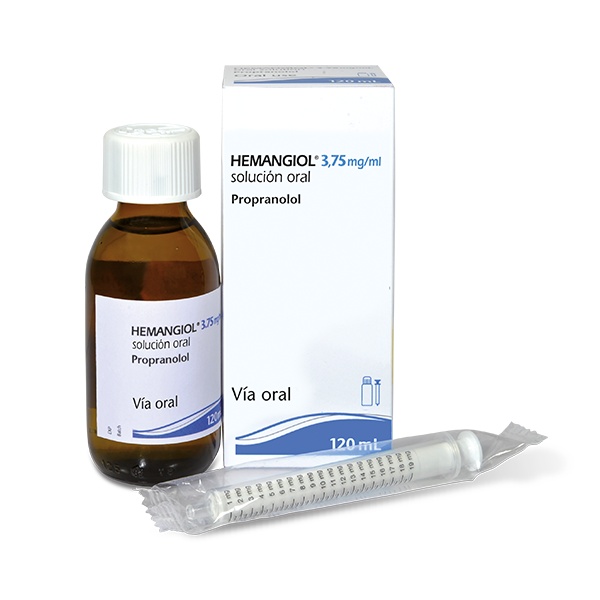
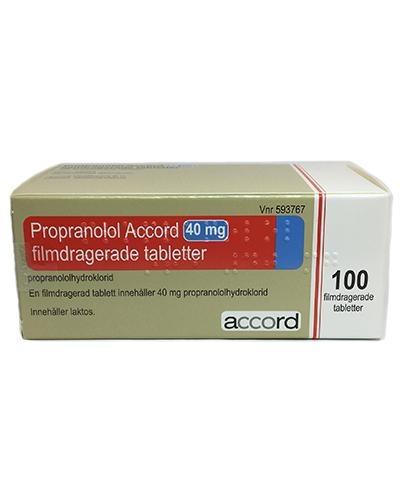
- Alternatives to PROPRANOLOL TARBIS 10 mg FILM-COATED TABLETSDosage form: ORAL SOLUTION/SUSPENSION, 3.75 mg/mlActive substance: propranololManufacturer: Pierre Fabre MedicamentPrescription requiredDosage form: TABLET, 10 mgActive substance: propranololManufacturer: Accord Healthcare S.L.U.Prescription requiredDosage form: TABLET, 40 mgActive substance: propranololManufacturer: Accord Healthcare S.L.U.Prescription required
Online doctors for PROPRANOLOL TARBIS 10 mg FILM-COATED TABLETS
Discuss questions about PROPRANOLOL TARBIS 10 mg FILM-COATED TABLETS, including use, safety considerations and prescription review, subject to medical assessment and local regulations.
Get PROPRANOLOL TARBIS 10 mg FILM-COATED TABLETS Prescription Online
Fill in a 2-min form
Tell us your symptoms, history, and what medicine you're requesting.
Pick a doctor or let us assign
Choose a specialist or we'll match you with the next available doctor.
Doctor reviews your case
Usually within 30 minutes. They may ask follow-up questions via chat.
Collect from any pharmacy
Electronic prescription sent to your email — valid across Spain.
Frequently Asked Questions
Is a prescription required for PROPRANOLOL TARBIS 10 mg FILM-COATED TABLETS?
PROPRANOLOL TARBIS 10 mg FILM-COATED TABLETS requires a prescription in Spain. You can check with a doctor online whether this medicine may be appropriate for your situation.
What is the active substance in PROPRANOLOL TARBIS 10 mg FILM-COATED TABLETS?
The active ingredient in PROPRANOLOL TARBIS 10 mg FILM-COATED TABLETS is propranolol. This information helps identify medicines with the same composition but different brand names.
Who manufactures PROPRANOLOL TARBIS 10 mg FILM-COATED TABLETS?
PROPRANOLOL TARBIS 10 mg FILM-COATED TABLETS is manufactured by Tarbis Farma S.L.. Pharmacy brands and packaging may differ depending on the distributor.
Which doctors can assess the use of PROPRANOLOL TARBIS 10 mg FILM-COATED TABLETS online?
Doctors such as Family doctors, Psychiatrists, Dermatologists, Cardiologists, Endocrinologists, Gastroenterologists, Pulmonologists, Nephrologists, Rheumatologists, Hematologists, Infectious disease physicians, Allergists, Geriatricians, Paediatricians, Oncologists may assess whether PROPRANOLOL TARBIS 10 mg FILM-COATED TABLETS is appropriate, depending on your situation and local regulations. You can book an online consultation to discuss your symptoms and possible next steps.
How to buy PROPRANOLOL TARBIS 10 mg FILM-COATED TABLETS in Spain?
Spain has a well-developed healthcare infrastructure across major cities such as Madrid, Barcelona, Valencia, and Seville. Pharmacies are widely available and operate under strict regulations, ensuring access to prescribed medications.
You can buy PROPRANOLOL TARBIS 10 mg FILM-COATED TABLETS in Madrid, Barcelona, Seville, or Valencia at any local pharmacy with a valid prescription.
To obtain a prescription, you can use Oladoctor:
What are the alternatives to PROPRANOLOL TARBIS 10 mg FILM-COATED TABLETS?
Other medicines with the same active substance (propranolol) include HEMANGIOL 3.75 mg/ml ORAL SOLUTION, PROPRANOLOL ACCORD 10 mg FILM-COATED TABLETS, PROPRANOLOL ACCORD 40 mg FILM-COATED TABLETS. These may have different brand names or formulations but contain the same therapeutic ingredient. Always consult a doctor before switching or starting a new medicine.
