






How to use PROLEUKIN 18 X 10⁶ IU POWDER FOR INJECTABLE SOLUTION OR FOR INFUSION
Translated with AI
This page provides general information and does not replace a doctor’s consultation. Always consult a doctor before taking any medication. Seek urgent medical care if symptoms are severe.
Show originalContents of the leaflet
Introduction
Package Leaflet: Information for the User
Proleukin 18 x 106UI powder for solution for injection or infusion
aldesleukin
Read all of this leaflet carefully before you start using this medicine because it contains important information for you.
- Keep this leaflet, you may need to read it again.
- If you have any further questions, ask your doctor or pharmacist.
- This medicine has been prescribed for you only. Do not pass it on to others. It may harm them, even if their signs of illness are the same as yours.
- If you get any side effects, talk to your doctor or pharmacist. This includes any possible side effects not listed in this leaflet.
Contents of the pack:
- What is Proleukin and what is it used for
- What you need to know before you use Proleukin
- How to use Proleukin
- Possible side effects
- Storage of Proleukin
- Contents of the pack and other information
1. What is Proleukin and what is it used for
Proleukin is the trade name for aldesleukin.It is a synthetic protein, very similar to a protein produced by the body, called interleukin-2 (IL-2). This protein is part of the immune system. IL-2 activates a type of white blood cell called lymphocytes, which fight against diseases and infections. IL-2 stimulates the production of lymphocytes in the body and increases the body's defenses.
Proleukin is used to treat kidney cancer that has spreadto other organs (also called metastatic renal cell carcinoma).

2. What you need to know before you use Proleukin
Follow carefully all instructions given by your doctor.
Your doctor may perform tests before starting treatment with Proleukin. He/she may perform a blood test to check the level of sugar in your blood and to check the function of your kidneys and liver. He/she may also check the functioning of your heart, respiratory situation, and mental state. He/she will check your response to treatment from time to time and decide what action is necessary.
Do not use Proleukin
- If you are allergic(hypersensitive) to aldesleukin or to any of the other ingredients of this medicine (listed in section 6).
- If you have to stay in bedfor more than half of the day.
- If it has been less than 24 monthssince you were diagnosed with cancer and you have symptoms of cancer, even ifthe cancer has spread to other organs.
- If you have had heart disease in the past.
- If you have an infection for which you are taking antibiotics.
- If you have low oxygen levels in your blood.
- If you have severe liver, kidneyor any other organ problems.
- If you suffer from seizures(convulsions) or brain cancerthat has not been properly treated.
- If you have received an organ transplant.
- If you are receiving treatment with medicines called corticosteroidsto treat inflammatory reactions or if you may need them during treatment with Proleukin.
- If you have suffered from rheumatoid arthritis, Crohn's diseaseor any other disease caused by your immune system.
If you are in any of these situations, tell your doctor. You should not receive treatment with Proleukin.
Also, you should not be given Proleukin if blood tests show that:
- You have a low level of white blood cells, platelets, or red blood cells.
- You have creatinine or bilirubin levels outside the normal range.
Be careful with Proleukin
- If you have chest pain or an irregular heartbeat. In some patients, an electrocardiogram (ECG) may be performed at regular intervals.
- If you have difficulty breathingor start breathing fasterduring treatment.
- If you feel extremely tired or drowsy, as this may be a sign that you are losing consciousness.
If you experience any of these symptoms, tell your doctor immediately.
Also, be careful:
- If you have fever, chills, cold, nausea and/or diarrhea.
- If you feel dizzy and notice a fast heartbeat. This may be a sign that you have low blood pressure, usually observed between 2 and 12 hours after administration of Proleukin.
- If you have a bacterial infection, as treatment with Proleukin increases the risk of infection.
- If you notice mood changes. They usually return to normal after stopping treatment.
- If you have diabetes. Your blood sugar levels may increase or decrease more than usual.
- If you have a red rash on the skin that is very itchyor if you notice that your skin is extremely dryduring treatment with Proleukin.
If any of the above symptoms are severe, tell your doctor.
Using Proleukin with other medicines
Some medicines may reduce the effect of Proleukin or increase its side effects.
Tell your pharmacistif you are using any of the following medicines (or have used them recently).
- Chemotherapy medicines, called tamoxifen, interferon alfa, cisplatin, vinblastine, and/or dacarbazine, used to treat cancer.
- Medicines called glucocorticoids (a type of steroid), used to treat inflammatory reactions.
- Medicines called beta blockers, used to treat high blood pressure.
- Medicines that affect the heart, central nervous system, liver, kidneys, or bone marrow. Consult your doctor if you are not sure which ones.
- Contrast liquids used in a CT scanner.
Tell your doctor or pharmacist if you are using or have recently used other medicines, including those obtained without a prescription.
Children and adolescents (under 18 years)
Proleukin is not recommended for children and adolescents under 18 years.
Elderly patients (65 years or older)
Elderly patients may be more susceptible to the side effects of Proleukin. Medical staff should exercise special caution when treating elderly patients.
Pregnancy and breastfeeding
- Tell your doctor before starting treatmentif you are pregnant, think you may be pregnant, or are planning to become pregnant. Your doctor will discuss with you the risks and benefits of using Proleukin during pregnancy.
- Both male and female patients should use effective contraceptive methodswhile receiving treatment with Proleukin to prevent pregnancy. This applies to most other medicines used to treat cancer.
- Stop breastfeeding during treatmentwith Proleukin, as there is a possibility that the baby may suffer serious side effects.
If you are pregnant or breastfeeding, think you may be pregnant, or are planning to become pregnant, consult your doctor or pharmacist before using this medicine.
Driving and using machines
Do not drive or use tools or machinesbecause Proleukin has side effects that can affect your ability to perform these activities.
Proleukin contains sodium
Proleukin contains less than 23 mg of sodium per 1 ml, so it is considered essentially "sodium-free".
3. How to use Proleukin
Proleukin is given:
- as a drip into a vein(intravenous infusion). This should be done in a hospital, under the supervision of an experienced doctor or nurse in the use of medicines to treat cancer, or
- by injection under the skin(subcutaneous injection). This can be administered in a hospital, in an outpatient clinic, or at home, under the supervision of a doctor or nurse.
Before or during treatment with Proleukin, your doctor may perform blood tests and chest X-rays regularly to check your organs and blood cell count.
Follow exactly the instructions given by your doctor or nurse.
If you use more Proleukin than you should
If you have been given or think you have been given too much Proleukin, or if you think this has happened, contact your doctor or nurse immediately. You may experience some of the side effects described in section 4.

4. Possible Adverse Effects
Like all medicines, this medicine can cause adverse effects, although not all people suffer from them. The adverse effects of this medicine usually disappear after two days of treatment interruption.
Your doctor may consider it necessary to treat the adverse effects of Proleukin with other medicines.
Some adverse effects can be serious
Very common(affecting more than 1 in 10 people) or common(affecting up to 1 in 10 people):
- Blood disorders: low white blood cell count (leukopenia) with symptoms such as fever or increased risk of infection; low platelet count in the blood with bruising and spontaneous bleeding (thrombocytopenia); low red blood cell count (anemia) with symptoms such as fatigue and pale skin; coagulation disorders in the blood with sudden onset of difficulty breathing, bloody sputum, leg pain, or ease of bleeding; high level of a type of white blood cell called eosinophils that can cause heart or lung problems due to inflammation.
- Heart and circulatory problems: heart attack (myocardial ischemia); heart and blood vessel disorders, such as abnormal or insufficient heart pumping force (heart failure), abnormal heartbeat sensation (palpitations); chest pain; low blood pressure (hypotension) or high blood pressure (hypertension) associated with dizziness, blurred vision, or constant headache; irregular heartbeat (arrhythmia); rapid heartbeat (tachycardia); blue discoloration of the lips, tongue, and skin due to lack of oxygen in the blood (cyanosis).
- Respiratory and lung problems: cough; difficulty breathing (dyspnea) or chest discomfort; fluid accumulation in the lungs (pulmonary edema); lack of oxygen in the organs (hypoxia); coughing up blood (hemoptysis).
- Acute inflammation throughout the body, often associated with fever and elevated white blood cell count or decreased white blood cell count and decreased body temperature and vomiting, are possible signs of blood infection.
- Kidney and urine problems: low urine production (oliguria), with high levels of urea and creatinine in the blood with symptoms such as vomiting, inability to urinate, numbness, low muscle tone, or breathing difficulties; blood in the urine (hematuria); kidney failure associated with fatigue, sleep problems, loss of appetite, vomiting, or swelling of the legs.
- Digestive problems: stomach, intestine, and rectal bleeding (causing black stools); vomiting blood (hematemesis); abdominal swelling (ascites); difficulty swallowing (dysphagia); abdominal swelling and discomfort, possible signs of liver or spleen enlargement.
- Nervous system problems: sudden loss of consciousness or fainting (syncope); loss of speech ability.
- Decreased or increased thyroid function (hypo or hyperthyroidism) with symptoms such as weight gain, weight loss, sweating, or hearing loss; high calcium level in the blood (hypercalcemia) with symptoms such as dizziness (nausea), vomiting, or constipation.
- Difficulty breathing, fatigue, vomiting, numbness, possible signs of high lactic acid level in the blood.
- Cold sensation due to low body temperature (hypothermia); low calcium level (hypocalcemia) with possible muscle weakness, spasms, or tingling in the fingers; high potassium level (hyperkalemia) in the blood associated with muscle cramps, irregular heartbeat, dizziness, and headache.
If you experience any of the above effects, contact your doctor immediatelyor go to the nearest medical emergency center.
Uncommon(affecting up to 1 in 100 people) or rare(affecting up to 1 in 1,000 people) or frequency not known(cannot be estimated from available data):
- Blood disorders: low white blood cell count with signs and symptoms of high fever, severe sore throat, and more frequent infections (agranulocytosis or neutropenia); blood clot formation (thrombosis); bleeding (hemorrhage).
- Heart problems: irregular heartbeat; heart muscle disease with symptoms such as chest pain, fever, or discomfort; loss of consciousness (sudden loss of cardiac function); chest pain or discomfort (abnormal fluid accumulation around the heart).
- Lung problems: sudden onset of breathing difficulties due to blood clots in the lungs (pulmonary embolism); extreme difficulty breathing (adult respiratory distress syndrome).
- Severe allergic reactions: anaphylaxis, which involves swelling of the face and throat and difficulty breathing (angioedema); high fever, skin rash with small blisters, joint pain, and/or eye inflammation (Stevens-Johnson syndrome).
- Digestive and other organ problems: recurrent intestinal inflammation (severe) (Crohn's disease) accompanied by diarrhea, lower abdominal pain, fever, and weight loss; pancreas inflammation (pancreatitis) accompanied by severe upper abdominal pain radiating to the back; constipation, abdominal swelling, abdominal pain (intestinal obstruction); upper abdominal pain (cholecystitis); liver failure with abdominal pain, fatigue, yellowing of skin and eyes, or dark yellow urine; a group of symptoms consisting of severe abdominal pain, nausea, fever, vomiting (gastrointestinal perforation).
- Nervous system problems: seizures (convulsions); paralysis; coma; vision disorders (ocular neuropathy); central nervous system injury with tingling, numbness (paresthesia), or loss of movement control; weakness or paralysis in limbs or face, difficulty speaking (cerebrovascular hemorrhage/stroke/leukoencephalopathy).
- Low blood sugar (hypoglycemia) associated with symptoms such as hunger, sweating, dizziness, palpitations.
- Muscle problems: muscle spasms, reddish-brown urine, possible signs of muscle problems (rhabdomyolysis); muscle pain or weakness.
If you experience any of the above effects, contact your doctor immediatelyor go to the nearest emergency unit.
Other Adverse Effects
Very common(affecting more than 1 in 10 people):
- Lack of appetite (anorexia).
- Difficulty sleeping (insomnia)
- Anxiety; confusion; dizziness; headache; drowsiness (somnolence).
- Cough
- Nausea with or without vomiting; diarrhea; mouth sores with inflammation (stomatitis).
- Redness of the skin (erythema), skin rash; peeling; itching, sweating.
- Reactions at the injection site, such as pain and inflammation.
- Flu-like symptoms (fever, chills, discomfort, fatigue); pain; weight loss; weight gain.
- Fluid accumulation (edema).
If any of the above effects become severe, inform your doctor or pharmacist.
Common(affecting up to 1 in 10 people):
- Nose, throat, and lung infections; stuffy nose (nasal congestion).
- Nosebleed (epistaxis)
- Dehydration with signs such as dry mouth or feeling of thirst.
- Mood changes, e.g., irritability, excitement, and inability to rest (agitation), depression, seeing things that are not real (hallucinations).
- Lack of movement control, itching, and tingling in fingers or toes without cause (paresthesia, neuropathy).
- Lack of taste.
- Lethargy with signs of lack of energy, fatigue, and insomnia.
- Stomach discomfort after meals (dyspepsia); constipation.
- Lip inflammation (cheilitis); stomach inflammation causing stomach pain and nausea (gastritis).
- Hair loss (alopecia); itchy rash.
- Muscle pain; joint pain.
- Eye inflammation (conjunctivitis) with itching, redness, and swelling.
- Vein inflammation (phlebitis).
- Mucous membrane inflammation (mucositis); swelling with nodes (nodules) at the injection site.
- High blood sugar level (hyperglycemia) with signs such as excessive thirst, hunger, urination, or fatigue.
- Blood test indicating a change in liver function, e.g., high bilirubin level (hyperbilirubinemia) or liver enzymes in the blood (liver transaminases, alkaline phosphatase, or lactate dehydrogenase).
- Fever and cough that appear after using Proleukin (flu-like illness).
- Low sodium levels (hyponatremia), which can manifest as fatigue, confusion, muscle spasms.
- Low phosphate levels (hypophosphatemia), which can manifest as muscle weakness.
If any of the above effects become severe, inform your doctor or pharmacist.
Uncommon(affecting up to 1 in 100 people):
- Allergic reactions (hypersensitivity) that cause teary eyes, runny nose, skin rash, or pain.
- Muscle weakness (myasthenia).
- Skin discoloration (vitiligo)
If any of the above effects become severe, inform your doctor or pharmacist.
Rare(affecting up to 1 in 1,000 people)
- Diabetes.
- Blistering skin rash (vesiculobullous rash).
- Tissue damage (necrosis) at the injection site.
If any of the above effects become severe, inform your doctor or pharmacist.
There have also been reports of blood vessel inflammation (vasculitis) in the skin, brain, and rest of the body.
Reporting Adverse Effects:
If you experience any adverse effect, consult your doctor or pharmacist, even if it is a possible adverse effect not listed in this leaflet. You can also report them directly through the Spanish Pharmacovigilance System for Human Use Medicines: https://www.notificaram.es. By reporting adverse effects, you can contribute to providing more information on the safety of this medicine.
5. Storage of Proleukin
Keep this medicine out of the sight and reach of children.
Do not use this medicine after the expiration date stated on the packaging after CAD. The expiration date is the last day of the month indicated.
Store unopened vials in the refrigerator (between 2°C and 8°C). Do not freeze.
Store in the original packaging to protect it from light.
Your doctor, nurse, or pharmacist know how to store Proleukin correctly.
6. Package Contents and Additional Information
Proleukin Composition
- The active ingredient is aldesleukin, containing 18 million International Units (IU) (1.1 mg) per milliliter of reconstituted solution as recommended.
- The other components are mannitol (E421), sodium lauryl sulfate, sodium dihydrogen phosphate dihydrate, and disodium hydrogen phosphate dihydrate.
Product Appearance and Packaging
Proleukin is a white, sterile powder available in packs of 1 or 10 vials.
Only some pack sizes may be marketed.
Marketing Authorization Holder
Iovance Biotherapeutics B.V.
Noma House
Gustav Mahlerlaan 1212
1081LA Amsterdam
Netherlands
Manufacturer
Almac Pharma Services (Ireland) Limited
Finnabair Industrial Estate
Dundalk
Co. Louth
A91 P9KD
Ireland
Date of Last Revision of this Leaflet: 06/2019
--------------------------------------------------------------------------------------------------------------------
The following information is intended only for healthcare professionals:
Proleukin 18 million IU powder for injectable or infusion solution
aldesleukin
Special Precautions for Storage
Keep out of sight and reach of children.
Do not use Proleukin after the expiration date stated on the packaging.
Store unopened vials in the refrigerator (between 2°C and 8°C). Do not freeze.
Store in the original packaging to protect it from light.
Shelf Life after Reconstitution
The reconstituted Proleukin solution can be stored for 24 hours in the refrigerator (2°C-8°C) if not used immediately.
The diluted Proleukin solution must be used within 48 hours of reconstitution, including the duration of the infusion.
How to Prepare and Administer Proleukin
- Use a sterile injection syringe and needle.
- Inject 1.2 ml of water for injectable preparations into the Proleukin vial. Direct the water for injectable preparations against the vial wall to avoid excessive foam formation.
- Gently swirl to allow the powder to dissolve completely. Do not shake.
- The solution contains 18 million IU or 1.1 mg of Proleukin (aldesleukin) per milliliter.
The solution is now ready for subcutaneous or subsequent dilution for intravenous infusion administration.
Instructions for the Proper Use of Proleukin
Subcutaneous administration (s.c.)
- Once reconstituted, the product must be used within 24 hours.
- The product should be brought to room temperature before administration and used immediately.
- Then, the appropriate dose can be withdrawn and injected subcutaneously.
- Proleukin must be injected into the subcutaneous tissue. The best areas for injection are soft and flaccid areas, away from joints, nerves, bones, and other important structures.
- The injection site should be changed at regular intervals if Proleukin is administered subcutaneously. This helps prevent pain and redness at the injection site.
A treatment cycleusually lasts four weeks.
- Week 1
Days 1 to 5: a dose of 18 million IU of Proleukin per day.
Days 6 and 7: no treatment with Proleukin.
- Weeks 2, 3, and 4
Days 1 and 2: a dose of 18 million IU per day.
Days 3, 4, and 5: a dose of 9 million IU per day.
Days 6 and 7: no treatment with Proleukin
After a week without administering Proleukin, a second cycle of 4 weeks should be administered.
If the patient has improved or their condition has stabilized, treatment with Proleukin may continue with additional 4-week cycles.
Depending on the response to treatment, a higher or lower dose may be suggested.
Intravenous administration (i.v.)
- Using a sterile syringe, withdraw the appropriate dose of the Proleukin solution from the vial.
- Dilute as necessary to 500 ml of infusion solution containing 50 mg/ml (5%) glucose, including 1 mg/ml (0.1%) human albumin. Human albumin should be mixed with the glucose solution before adding the reconstituted aldesleukin.
- Then, the appropriate dose can be administered intravenously, providing a daily dose of 18 million IU/m2 in 24 hours, for 5 days.
As with all injectable preparations, check for particles or coloration before administration. Do not use Proleukin if particles are observed in the solution or if the solution is cloudy or has a color greater than a slight yellow.
A treatment cycleusually consists of:
- Days 1 to 5: a daily dose of 18 million IU/m2 body surface area in 24 hours as continuous infusion. The vein will be maintained during treatment.
- Over the next 2 to 6 days: no treatment with Proleukin.
- Then, another 5 consecutive days of continuous infusion.
After three weeks without administering Proleukin, a second cycle should be followed as described above.
If the patient has improved or their condition has stabilized after completing two cycles, treatment with Proleukin may continue as 5 days of treatment every 4 weeks. Up to four maintenance cycles can be administered.
Depending on the response to treatment, a higher or lower dose may be suggested.
Each vial is for single use.
Disposal
Medicines should not be disposed of via wastewater or household waste. The remains of the solution, vials, syringes, and needles should be disposed of properly. This will help protect the environment.
-

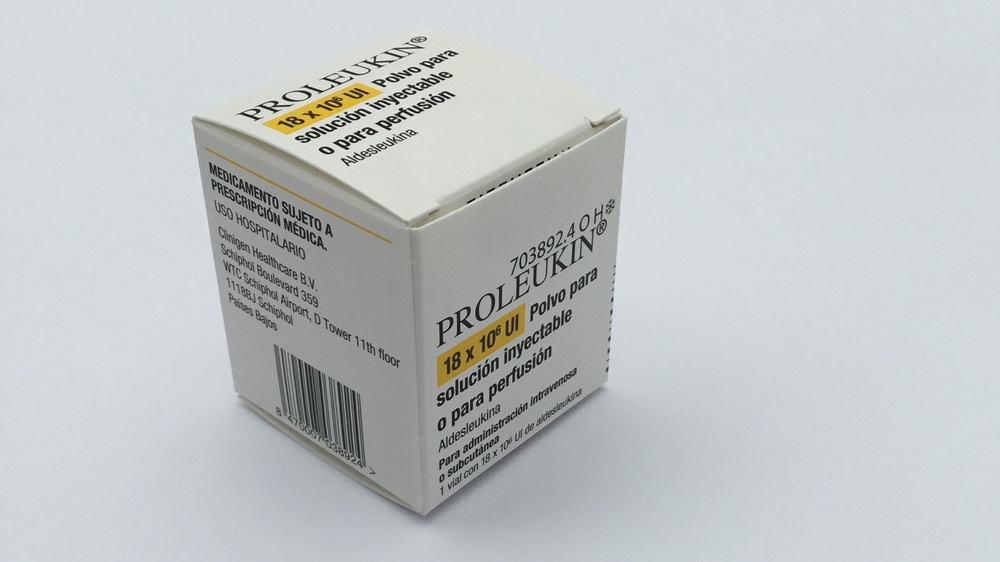
- Country of registration
- Dosage formINJECTABLE, 18 million IU Aldesleukine
- ATC codeL03AC01
- Availability in pharmacies
Supply issue reported
Data from the Spanish Agency of Medicines (AEMPS) indicates a supply issue affecting this medicine.<br><br>Availability may be limited in some pharmacies.<br><br>For updates or alternatives, consult your pharmacist. - Active substance
- Prescription requiredYes
- Manufacturer
- This information is for reference only and does not constitute medical advice. Always consult a doctor before taking any medication. Oladoctor is not responsible for medical decisions based on this content.
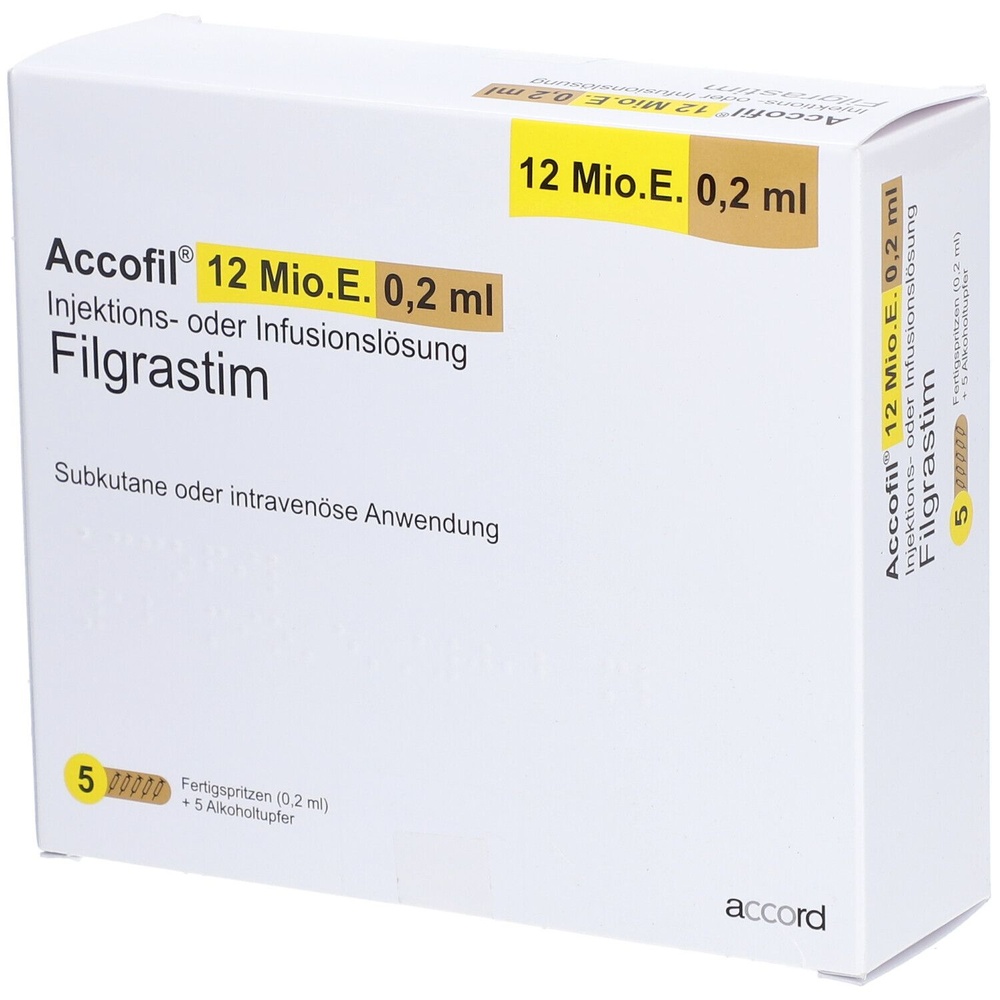
- Alternatives to PROLEUKIN 18 X 10⁶ IU POWDER FOR INJECTABLE SOLUTION OR FOR INFUSIONDosage form: INJECTABLE, 12 IU/0.2 mlActive substance: filgrastimManufacturer: Accord Healthcare S.L.U.Prescription requiredDosage form: INJECTABLE, 0.3 mg / prefilled syringeActive substance: filgrastimManufacturer: Accord Healthcare S.L.U.Prescription requiredDosage form: INJECTABLE, 0.3 mg / prefilled syringeActive substance: filgrastimManufacturer: Accord Healthcare S.L.U.Prescription required
Online doctors for PROLEUKIN 18 X 10⁶ IU POWDER FOR INJECTABLE SOLUTION OR FOR INFUSION
Discuss questions about PROLEUKIN 18 X 10⁶ IU POWDER FOR INJECTABLE SOLUTION OR FOR INFUSION, including use, safety considerations and prescription review, subject to medical assessment and local regulations.

Get PROLEUKIN 18 X 10⁶ IU POWDER FOR INJECTABLE SOLUTION OR FOR INFUSION Prescription Online
Fill in a 2-min form
Tell us your symptoms, history, and what medicine you're requesting.
Pick a doctor or let us assign
Choose a specialist or we'll match you with the next available doctor.
Doctor reviews your case
Usually within 30 minutes. They may ask follow-up questions via chat.
Collect from any pharmacy
Electronic prescription sent to your email — valid across Spain.
Frequently Asked Questions
PROLEUKIN 18 X 10⁶ IU POWDER FOR INJECTABLE SOLUTION OR FOR INFUSION requires a prescription in Spain. You can check with a doctor online whether this medicine may be appropriate for your situation.
The active ingredient in PROLEUKIN 18 X 10⁶ IU POWDER FOR INJECTABLE SOLUTION OR FOR INFUSION is aldesleukin. This information helps identify medicines with the same composition but different brand names.
PROLEUKIN 18 X 10⁶ IU POWDER FOR INJECTABLE SOLUTION OR FOR INFUSION is manufactured by Iovance Biotherapeutics B.V.. Pharmacy brands and packaging may differ depending on the distributor.
Doctors such as Family doctors, Psychiatrists, Dermatologists, Cardiologists, Endocrinologists, Gastroenterologists, Pulmonologists, Nephrologists, Rheumatologists, Hematologists, Infectious disease physicians, Allergists, Geriatricians, Paediatricians, Oncologists may assess whether PROLEUKIN 18 X 10⁶ IU POWDER FOR INJECTABLE SOLUTION OR FOR INFUSION is appropriate, depending on your situation and local regulations. You can book an online consultation to discuss your symptoms and possible next steps.
Spain has a well-developed healthcare infrastructure across major cities such as Madrid, Barcelona, Valencia, and Seville. Pharmacies are widely available and operate under strict regulations, ensuring access to prescribed medications.
You can buy PROLEUKIN 18 X 10⁶ IU POWDER FOR INJECTABLE SOLUTION OR FOR INFUSION in Madrid, Barcelona, Seville, or Valencia at any local pharmacy with a valid prescription.
To obtain a prescription, you can use Oladoctor:
Other medicines with the same active substance (aldesleukin) include ACCOFIL 12 IU/0.2 mL Injectable Solution and Perfusion Solution in Pre-filled Syringe, Accofil 30 IU/0.5 ml injectable solution and perfusion in pre-filled syringe, Accofil 30 IU/0.5 ml injectable solution and perfusion in pre-filled syringe. These may have different brand names or formulations but contain the same therapeutic ingredient. Always consult a doctor before switching or starting a new medicine.
