


PRE-PAR 10 mg/ml INJECTABLE SOLUTION



How to use PRE-PAR 10 mg/ml INJECTABLE SOLUTION
Translated with AI
This page provides general information and does not replace a doctor’s consultation. Always consult a doctor before taking any medication. Seek urgent medical care if symptoms are severe.
Show originalContents of the leaflet
Introduction
Patient Information Leaflet
Pre-par 10 mg/ml injectable solution
Ritodrine hydrochloride
Read all of this leaflet carefully before you start using this medicine because it contains important information for you.
- Keep this leaflet, you may need to read it again.
- If you have any further questions, ask your doctor or nurse.
- If you get any side effects, talk to your doctor or nurse. This includes any possible side effects not listed in this leaflet. See section 4.
Contents of the pack
- What is Pre-par and what is it used for
- What you need to know before you use Pre-par
- How to use Pre-par
- Possible side effects
- Storing Pre-par
- Contents of the pack and other information
1. What is Pre-par and what is it used for
Pre-par is a medicine that belongs to the group of medicines called tocolytics.
Pre-par contains ritodrine, which has uterine relaxant properties and inhibits uterine contractions.
Pre-par is used in women who have unexpectedly gone into labor (premature labor) between 22 and 37 weeks of gestation, to provide a brief delay in premature birth of the baby.
You will receive Pre-par for a maximum of 48 hours. This will give your doctor or midwife time to take additional measures to help improve the health of your baby.

2. What you need to know before you use Pre-par
Do not use Pre-par:
- Hypersensitivity to the active substance or to any of the excipients of this medicine (listed in section 6).
- If you are pregnant for less than 22 weeks.
- If you suffer from or are at known risk of developing ischemic heart disease (a disease characterized by a reduction in blood supply to the heart, causing symptoms such as chest pain).
- If you have ever had a spontaneous abortion in the first two trimesters of pregnancy.
- If you are pregnant and you or your baby have certain conditions in which prolonging the pregnancy could be dangerous (such as very high blood pressure, uterine infection, bleeding, the placenta covering the birth canal or being detached, or if your baby has died inside the uterus).
- If you suffer from heart diseases with palpitations (such as heart valve disease) or long-term lung disease (such as chronic bronchitis, emphysema) that causes an increase in blood pressure in the lungs (pulmonary hypertension).
Warnings and precautions
Talk to your doctor or nurse before you start using Pre-par if:
- You have had problems with your pregnancy.
- Your waters have broken.
- You have a placental infection.
- You have a lot of fluid in your lungs that makes it hard to breathe (pulmonary edema).
- You have high blood pressure.
- You have diabetes. In this case, it may be necessary to perform additional blood sugar (glucose) tests when you are given Pre-par.
- You have an overactive thyroid gland (hyperthyroidism).
- You have a history of heart disease (characterized by difficulty breathing, palpitations, or chest pain). If you have heart disease, see Do not use Pre-par.
- You are more than 37 weeks pregnant.
Your doctor will monitor your heart and your unborn baby. Your doctor may also perform blood tests to monitor any changes that may occur in your blood.
Prolonged administration of this medicine by intravenous route is not recommended.
Using Pre-par with other medicines
Tell your doctor or nurse if you are using, have recently used, or might use any other medicines, including those bought without a prescription. This includes herbal medicines. Pre-par may affect how some medicines work and some medicines may have effects on Pre-par.
In particular, tell your doctor or nurse if you are using:
- Medicines to treat irregular or fast heartbeat (such as digoxin).
- Other beta-blocker medicines (such as atenolol or propranolol), including eye drops (such as timolol).
- Xanthines (such as theophylline or aminophylline).
- Steroids (such as prednisolone).
- Diuretics (such as furosemide).
- Medicines for diabetes that lower blood sugar (glucose) levels (such as insulin, metformin, and glibenclamide).
- Antidepressant medicines of the monoamine oxidase inhibitor group.
If you are scheduled to have surgery with general anesthesia, your doctor may stop the administration of Pre-par 6 hours before surgery to avoid possible side effects (such as irregular heartbeat or uterine bleeding).
Pregnancy, breastfeeding, and fertility
Pre-par is not recommended during the first 22 weeks of pregnancy.
It has been shown that ritodrine crosses the placental barrier. Therefore, it is recommended to monitor the newborn for possible side effects of ritodrine.
Driving and using machines
Not applicable.
Pre-par contains sodium metabisulfite, which may cause severe allergic reactions and bronchospasm (sudden feeling of suffocation).
This medicine contains less than 23 mg (1 mmol) of sodium per ampoule, so it is considered "essentially sodium-free".
3. How to use Pre-par
Pre-par can be administered by intravenous or intramuscular route.
You should never administer this medicine yourself. It will always be administered by a qualified person after careful evaluation of the balance between the benefits of Pre-par for your baby and the possible side effects that treatment may have on you.
Pre-par will be administered by a doctor or nurse in facilities where it is possible to continuously monitor your health and that of your baby.
If necessary, the following measures will be taken:
- Blood pressure and heart rate. Your doctor may consider reducing the dose or stopping the administration of Pre-par if your heart rate exceeds 120 beats per minute.
- Electrocardiogram (ECG, heart electrical activity). Tell your doctor immediately if you experience chest pain during treatment.If changes occur in the electrocardiogram recording and you have chest pain, your doctor will interrupt the administration of Pre-par.
- Water and salt balance in your body. Tell your doctor immediately if you experience coughing or shortness of breath during treatment.Your doctor may stop the administration of Pre-par if there are any signs (such as coughing or difficulty breathing) that indicate fluid accumulation in your lungs (also known as pulmonary edema).
- Blood sugar (glucose) levels and low pH of the body with lactate accumulation in the blood (also known as lactic acidosis).
- Potassium levels in the blood (low potassium levels may be associated with an increased risk of irregular heartbeat).
The recommended dose is:
- Short-term treatment of uncomplicated premature labor
- Intravenous infusion (slow administration of a liquid by intravenous route):the initial dose of 0.05 mg/minute will be gradually increased according to response, at a rate of 0.05 mg/minute every 10 minutes, until the desired results are achieved, or until undesirable effects occur or labor continues despite treatment with the maximum dose of 0.35 mg/minute. Once uterine contractions have decreased, the infusion should be continued for 12-48 hours.
- Intramuscular injection: If the necessary elements for infusion are not available, treatment can be started with an intramuscular injection of 1 ml (10 mg). If the effect obtained is insufficient, another 10 mg will be administered after 1 hour, followed by 10-20 mg every 2-6 hours and then every 12-48 hours. The dosage will be increased or decreased according to the patient's response or the possible occurrence of side effects.
- Acute fetal distress
The goal of using ritodrine in these cases is to gain the necessary time to make a final decision on the best way to deliver the baby.
- Intravenous infusion: the initial dose of 0.05 mg/minute will be rapidly increased until uterine activity is suppressed. The effective dose is usually between 0.15 and 0.35 mg/minute.
- Prevention of premature labor after surgical interventions
If undesirable uterine motility occurs, the recommended procedure is the same as for threatened premature labor.
For preparation of the infusion, see the section "Instructions for correct use of Pre-par ampoules" at the end of this leaflet.
If you use more Pre-par than you should
The symptoms of overdose are: nausea, vomiting, tremors, tachycardia, dyspnea (difficulty breathing). In case of overdose, symptomatic treatment will be initiated.
In case of overdose or accidental ingestion, consult your doctor or pharmacist or call the Toxicology Information Service. Telephone 915 620 420, indicating the medicine and the amount used.

4. Possible side effects
Like all medicines, this medicine can cause side effects, although not everybody gets them.
The possible side effects that Pre-par can cause are:
Rare (affect less than 1 in 1,000 people)
- Chest pain (due to heart problems, such as angina pectoris). Tell your doctor or nurse immediately if you experience this symptom.
The following side effects have also been observed with all beta-agonist medicines (Pre-par belongs to this group of medicines) when used to delay premature labor.
Very common (affect more than 1 in 10 people)
- Fast heartbeat (tachycardia).
- Flushing of the face.
- Nausea, vomiting
- Tremors, headache
- Erythema (redness)
Common (affect less than 1 in 10 people)
- Strong heartbeats (palpitations).
- Low blood pressure that can cause dizziness or vertigo.
- Low potassium levels in the blood that can cause muscle weakness, thirst, or "pins and needles".
- Sweating, skin rash
- Nervousness, agitation, restlessness, emotional lability, anxiety
- Fever, general malaise
Uncommon (affect less than 1 in 100 people)
- Fluid accumulation in the lungs (pulmonary edema), which can cause difficulty breathing.
Rare (affect less than 1 in 1,000 people)
- Unusual or irregular heartbeats.
- High blood sugar (glucose) and/or lactic acid levels in the blood.
-Dilation of blood vessels.
- Liver function changes (increased transaminases), hepatitis
- Changes in the salivary or parotid glands
- Changes in blood cells (white blood cells), decreased white blood cells (leukopenia), decreased neutrophils (agranulocytosis)
- Very rare (may affect less than 1 in 10,000 patients)
- Vasculitis (inflammation of blood vessels)
- Epilepsy
- Anaphylactic shock (severe allergic reaction)
- Increased enzymes (creatine phosphokinase)
- Rhabdomyolysis
The most frequent adverse reactions of Pre-par are related to the pharmacological activity of beta-agonists and can be limited or avoided by close monitoring of blood circulation parameters, such as blood pressure and heart rate, and appropriate dose adjustment. These reactions usually disappear with the suspension of treatment.
Reporting of side effects
If you experience any side effects, talk to your doctor or nurse, even if it is possible side effects not listed in this leaflet. You can also report them directly through the Spanish Pharmacovigilance System for Human Use Medicines: www.notificaRAM.es. By reporting side effects, you can help provide more information on the safety of this medicine.
5. Storing Pre-par
Do not store above 30°C.
Keep this medicine out of the sight and reach of children.
Do not use this medicine after the expiry date that appears on the carton after EXP. The expiry date is the last day of the month indicated.
Do not use this medicine if you notice precipitation or discoloration in the ampoules.
6. Contents of the pack and other information
Composition of Pre-par
- The active substance is ritodrine hydrochloride. Each ml of solution contains 10 mg of ritodrine hydrochloride.
- The other ingredients (excipients) are: acetic acid, sodium hydroxide, sodium metabisulfite (E-223), sodium chloride, water for injectable preparations.
Appearance and pack contents
A pack containing 3 glass ampoules type I with 5 ml of clear solution.
Marketing authorization holder and manufacturer
Laboratorio Reig Jofre, S.A.
Gran Capitán, 10 - 08970 Sant Joan Despí (Barcelona)
Date of last revision of this leaflet: August 2017
Other sources of information
Detailed and updated information on this medicine is available on the website of the Spanish Agency for Medicines and Health Products (AEMPS) http://www.aemps.gob.es/
-------------------------------------------------------------------------------------------------------------------
This information is intended only for healthcare professionals:
Instructions for correct use of Pre-par ampoules
Preparation of the infusion:
Administration with infusion pump: dilute 150 mg of ritodrine (3 ampoules) in 50 ml of 5% dextrose. The resulting concentration is 3 mg/ml and the solution is colorless. Administer according to the specified speed in the section "How to use Pre-par".
Administration without infusion pump: dilute 150 mg (3 ampoules) in 500 ml of 5% dextrose. The resulting concentration is 0.3 mg/ml and the solution is colorless. Administer according to the specified speed in the posology "How to use Pre-par", considering that 20 drops of the prepared solution are equivalent to 1 ml.
The diluent fluid should normally be 5% dextrose solution because saline diluents increase the likelihood of pulmonary edema. Saline diluents will be reserved for cases where the dextrose solution is medically contraindicated, for example, in diabetes mellitus.
Infusion type | Dilution | Concentration |
Infusion pump | 3 amp. (150 mg) in 50 ml | 3 mg/ml |
Without infusion pump | 3 amp. (150 mg) in 500 ml | 0.3 mg/ml (20 drops=1 ml) |
- Country of registration
- Dosage formINJECTABLE, 10 mg/ml
- ATC codeG02CA01
- Active substance
- Prescription requiredYes
- Manufacturer
- This information is for reference only and does not constitute medical advice. Always consult a doctor before taking any medication. Oladoctor is not responsible for medical decisions based on this content.
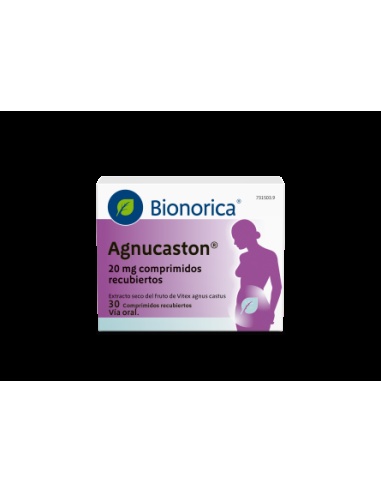
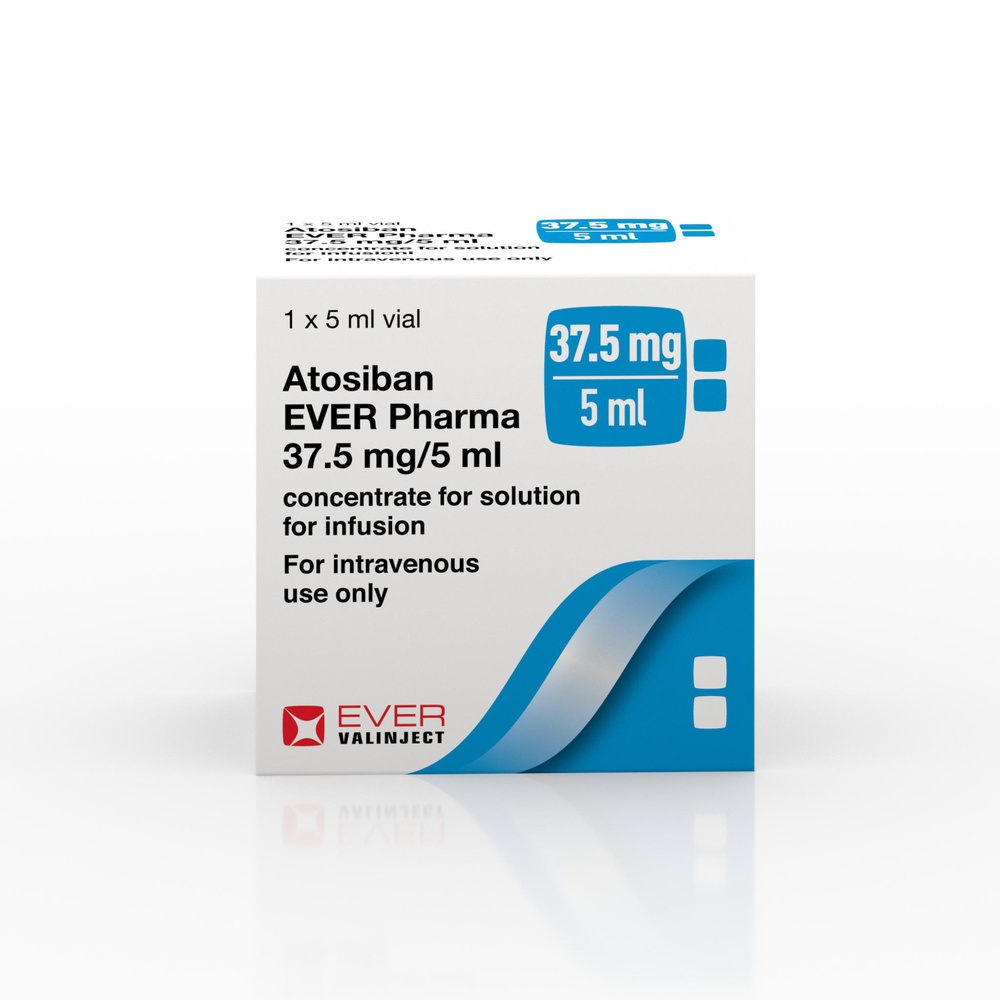
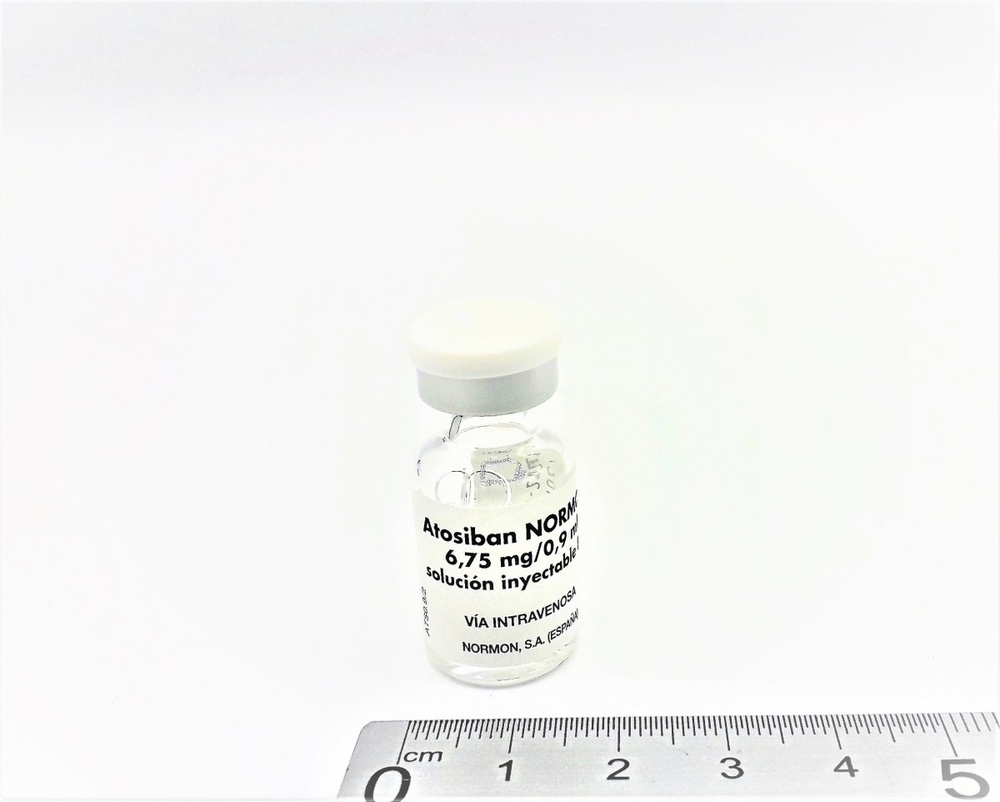
- Alternatives to PRE-PAR 10 mg/ml INJECTABLE SOLUTIONDosage form: TABLET, 20 mgActive substance: Agni casti fructusManufacturer: Bionorica SePrescription not requiredDosage form: INJECTABLE PERFUSION, 7.5 mg/mlActive substance: atosibanManufacturer: Altan Pharmaceuticals SaPrescription requiredDosage form: INJECTABLE, 7.5 mg/mlActive substance: atosibanManufacturer: Altan Pharmaceuticals SaPrescription required
Online doctors for PRE-PAR 10 mg/ml INJECTABLE SOLUTION
Discuss questions about PRE-PAR 10 mg/ml INJECTABLE SOLUTION, including use, safety considerations and prescription review, subject to medical assessment and local regulations.


Frequently Asked Questions
