

PRASUGREL 10 mg Film-Coated Tablets




How to use PRASUGREL QUALIGEN 10 mg FILM-COATED TABLETS
Translated with AI
This page provides general information and does not replace a doctor’s consultation. Always consult a doctor before taking any medication. Seek urgent medical care if symptoms are severe.
Show originalContents of the leaflet
Introduction
Leaflet: information for the user
Prasugrel Qualigen 10 mg film-coated tablets EFG
Prasugrel Qualigen 5 mg film-coated tablets EFG
Read the entire leaflet carefully before starting to take this medication, as it contains important information for you.
- Keep this leaflet, as you may need to read it again.
- If you have any doubts, consult your doctor or pharmacist.
- This medication has been prescribed to you only, and you should not give it to others, even if they have the same symptoms as you, as it may harm them.
- If you experience side effects, consult your doctor or pharmacist, even if they are not listed in this leaflet. See section 4.
Contents of the leaflet
- What is Prasugrel Qualigen and what is it used for
- What you need to know before taking Prasugrel Qualigen
- How to take Prasugrel Qualigen
- Possible side effects
5 Conservation of Prasugrel Qualigen
- Package contents and additional information
1. What is Prasugrel Qualigen and what is it used for
Prasugrel Qualigen contains the active ingredient prasugrel, which belongs to a group of medications called antiplatelet agents. Platelets are very small cells that circulate in the blood. When a blood vessel is damaged, for example, cut, platelets aggregate to help form a blood clot (thrombus). Therefore, platelets are essential to help stop bleeding. The formation of clots in hardened blood vessels, such as arteries, can be very dangerous as they prevent blood flow, causing a heart attack (myocardial infarction), stroke, or death. Clots in arteries that carry blood to the heart can also reduce blood supply, causing unstable angina (severe chest pain).
Prasugrel Qualigen inhibits platelet aggregation, reducing the possibility of forming blood clots.
You have been prescribed Prasugrel Qualigen because you have suffered a myocardial infarction or unstable angina and have been treated with a procedure to open the blocked heart arteries. You may have had one or more stents placed in the blocked or narrowed artery to restore blood flow to the heart. Prasugrel Qualigen reduces the risk of future myocardial infarctions or stroke, or the risk of death due to one of these atherothrombotic events. Your doctor will also prescribe acetylsalicylic acid (e.g., aspirin), another antiplatelet agent.

2. What you need to know before taking Prasugrel Qualigen
Do not take Prasugrel Qualigen:
- If you are allergic (hypersensitive) to prasugrel or any of the other components of Prasugrel Qualigen. An allergic reaction can be recognized as a skin rash, itching, swelling of the face, swelling of the lips, or difficulty breathing. If this has happened to you, consult your doctor immediately.
- If you have a disease that is causing bleeding, such as stomach or intestinal bleeding.
- If you have ever had a stroke or a transient ischemic attack.
- If you have severe liver disease.
Warnings and precautions
- Before taking Prasugrel Qualigen:
Consult your doctor or pharmacist before starting to take Prasugrel Qualigen if you are in any of the situations described below:
- If you are at high risk of bleeding because:
- you are 75 years or older. Your doctor should prescribe a daily dose of 5 mg, as patients over 75 years have a higher risk of bleeding.
- you have recently had a severe injury.
- you have recently undergone surgery (including some dental procedures).
- you have recently had or recurrent stomach or intestinal bleeding (e.g., stomach ulcer or colon polyps).
- you weigh less than 60 kg. In this case, your doctor should prescribe a daily dose of 5 mg of prasugrel.
- you have kidney disease or moderate liver problems.
- you are using other medications (see "Use of other medications").
- you are scheduled to undergo surgery (including some dental procedures) in the next seven days. Your doctor may instruct you to temporarily discontinue treatment with prasugrel due to an increased risk of bleeding.
- If you have had allergic reactions (hypersensitivity) to clopidogrel or any other antiplatelet agent, please inform your doctor before starting treatment with prasugrel. If you experience an allergic reaction after taking Prasugrel Qualigen, which can be recognized by a rash, itching, swelling of the face, swelling of the lips, or difficulty breathing, contact your doctor immediately.
- While taking Prasugrel Qualigen:
You should contact your doctor immediately if you develop a disease called Thrombotic Thrombocytopenic Purpura (or TTP). TTP is associated with fever and bruising (hematomas) under the skin that appear as localized red spots, with or without extreme unexplained fatigue, confusion, yellowing of the skin or eyes (jaundice) (see section 4 "Possible side effects").
Children and adolescents
Prasugrel Qualigen should not be used in children or adolescents under 18 years of age.
Use of Prasugrel Qualigenwith other medications
Inform your doctor if you are taking, have recently taken, or may need to take any other medication, including those purchased without a prescription, dietary supplements, and herbal products. It is especially important that you inform your doctor if you are being treated with clopidogrel (an antiplatelet agent), warfarin (an anticoagulant), or "non-steroidal anti-inflammatory medications" for pain and fever (such as ibuprofen, naproxen, etoricoxib). If administered with prasugrel, these medications may increase the risk of bleeding.
Inform your doctor if you are taking morphine or other opioids (used to treat acute pain).
Use other medications while taking Prasugrel Qualigen only if your doctor instructs you to do so.
Pregnancy and breastfeeding
If you are pregnant or plan to become pregnant, consult your doctor before using this medication. You should take prasugrel only after discussing the potential benefits and any potential risks to the fetus with your doctor.
If you are pregnant or breastfeeding, think you may be pregnant, or plan to become pregnant, consult your doctor or pharmacist before using this medication.
Driving and using machines
It is unlikely that Prasugrel Qualigen will affect your ability to drive and use machines.
Prasugrel Qualigen contains lactose and sucrose
This medication contains lactose. If your doctor has told you that you have an intolerance to certain sugars, consult with them before taking this medication.
This medication contains sucrose. If your doctor has told you that you have an intolerance to certain sugars, consult with them before taking this medication.
This medication contains less than 1 mmol of sodium (23 mg) per dose; it is essentially "sodium-free".
3. How to take Prasugrel Qualigen
Follow your doctor's instructions for taking this medication exactly. If in doubt, consult your doctor or pharmacist again.
The recommended dose is 10 mg per day. Your treatment will start with a single dose of 60 mg.
If your weight is less than 60 kg or you are over 75 years old, the dose is 5 mg of prasugrel per day. Your doctor will also instruct you to take acetylsalicylic acid and the exact dose you should take (usually between 75 mg and 325 mg per day).
You can take Prasugrel Qualigen with or without food. Take your dose every day at approximately the same time. Do not break or split the tablet.
It is important that you inform your doctor, dentist, and pharmacist that you are taking Prasugrel Qualigen.
If you take more Prasugrel Qualigen than you should
Contact your doctor or hospital directly, as you may be at risk of excessive bleeding. You should show your doctor the Prasugrel Qualigen package.
In case of overdose or accidental ingestion, consult your doctor or pharmacist immediately or call the Toxicology Information Service, Phone 91 562 04 20, indicating the medication and the amount ingested.
If you forget to take Prasugrel Qualigen
If you forget to take your scheduled daily dose, take Prasugrel Qualigen when you remember. If you forget to take your dose for a whole day, take your usual dose of Prasugrel Qualigen the next day. Do not take a double dose to make up for missed doses.
If you interrupt treatment with Prasugrel Qualigen
Do not interrupt your treatment without consulting your doctor, as interrupting treatment with Prasugrel Qualigen too soon may increase the risk of myocardial infarction.
If you have any other questions about using this medication, ask your doctor or pharmacist.

4. Possible side effects
Like all medications, this medication can cause side effects, although not everyone will experience them.
Contact your doctor immediatelyif you experience any of the following signs:
- Sudden numbness or weakness of the arm, leg, or face, especially if it only affects one side of the body.
- Sudden confusion, difficulty speaking or understanding others.
- Sudden difficulty walking or loss of balance or coordination.
- Sudden dizziness or severe headache without known cause.
These can be signs of a stroke. Stroke is a rare side effect of prasugrel in patients who have never had a stroke or a transient ischemic attack.
You should also contact your doctor immediatelyif you notice any of the following signs:
- Fever and bruising (hematomas) under the skin that appear as localized red spots, with or without extreme unexplained fatigue, confusion, yellowing of the skin or eyes (jaundice) (see section 2 "What you need to know before taking Prasugrel Qualigen").
- A rash, itching, swelling of the face, swelling of the lips, or difficulty breathing. These can be signs of a severe allergic reaction (see section 2 "What you need to know before taking Prasugrel Qualigen").
Inform your doctor promptlyif you experience any of the following signs:
- Blood in urine.
- Rectal bleeding, blood in stool, or black stools.
- Uncontrolled bleeding, for example, after a cut.
These can be signs of bleeding, the most common side effect with prasugrel. Although rare, severe bleeding can be life-threatening.
Common side effects (may affect up to 1 in 10 people)
- Bleeding in the stomach or intestine
- Bleeding at the injection site
- Nasal bleeding
- Skin rash
- Small red hematomas on the skin (ecchymosis)
- Blood in urine
- Hematoma (bleeding under the skin at the injection site, or in a muscle, causing swelling)
- Low hemoglobin or red blood cell count (anemia)
- Bruising
Uncommon side effects (may affect up to 1 in 100 people)
- Allergic reaction (rash, itching, swelling of the lips/tongue, or difficulty breathing)
- Spontaneous bleeding in the eye, rectum, gums, or in the abdomen around the internal organs
- Bleeding after surgery
- Bleeding when coughing
- Blood in stool
Rare side effects (may affect up to 1 in 1,000 people)
- Low platelet count in blood
- Subcutaneous hematoma (bleeding under the skin, causing swelling)
Reporting side effects
If you experience any side effects, consult your doctor or pharmacist, even if they are not listed in this leaflet. You can also report them directly through the Spanish Medicines Monitoring System for Human Use: https://www.notificaram.es. By reporting side effects, you can help provide more information on the safety of this medication.
5. Conservation of Prasugrel Qualigen
Keep this medication out of sight and reach of children.
Do not use this medication after the expiration date shown on the blister pack and carton after EXP. The expiration date is the last day of the month indicated.
This medication does not require special storage conditions.
Medications should not be disposed of through wastewater or household waste. Deposit the packaging and any unused medication in the SIGRE collection point at the pharmacy. If in doubt, ask your pharmacist how to dispose of the packaging and any unused medication. This will help protect the environment.
6. Package contents and additional information
Composition of Prasugrel Qualigen
- The active ingredient is prasugrel.
- Prasugrel Qualigen 5 mg: each film-coated tablet contains 5 mg of prasugrel.
- Prasugrel Qualigen 10 mg: each film-coated tablet contains 10 mg of prasugrel.
- The other ingredients are: crospovidone, lactose monohydrate, sodium croscarmellose (E468), microcrystalline cellulose (E460), sucrose stearate, hypromellose (E464), titanium dioxide (E171), triacetin (E1518), red iron oxide (E172) (10 mg dose), yellow iron oxide (E172), and talc (E553b).
Appearance of the product and package contents
Prasugrel Qualigen 5 mg are yellow, oblong, and biconvex film-coated tablets with the inscription "F1" on one side.
Prasugrel Qualigen 10 mg are orange, oblong, and biconvex film-coated tablets with the inscription "F2" on one side.
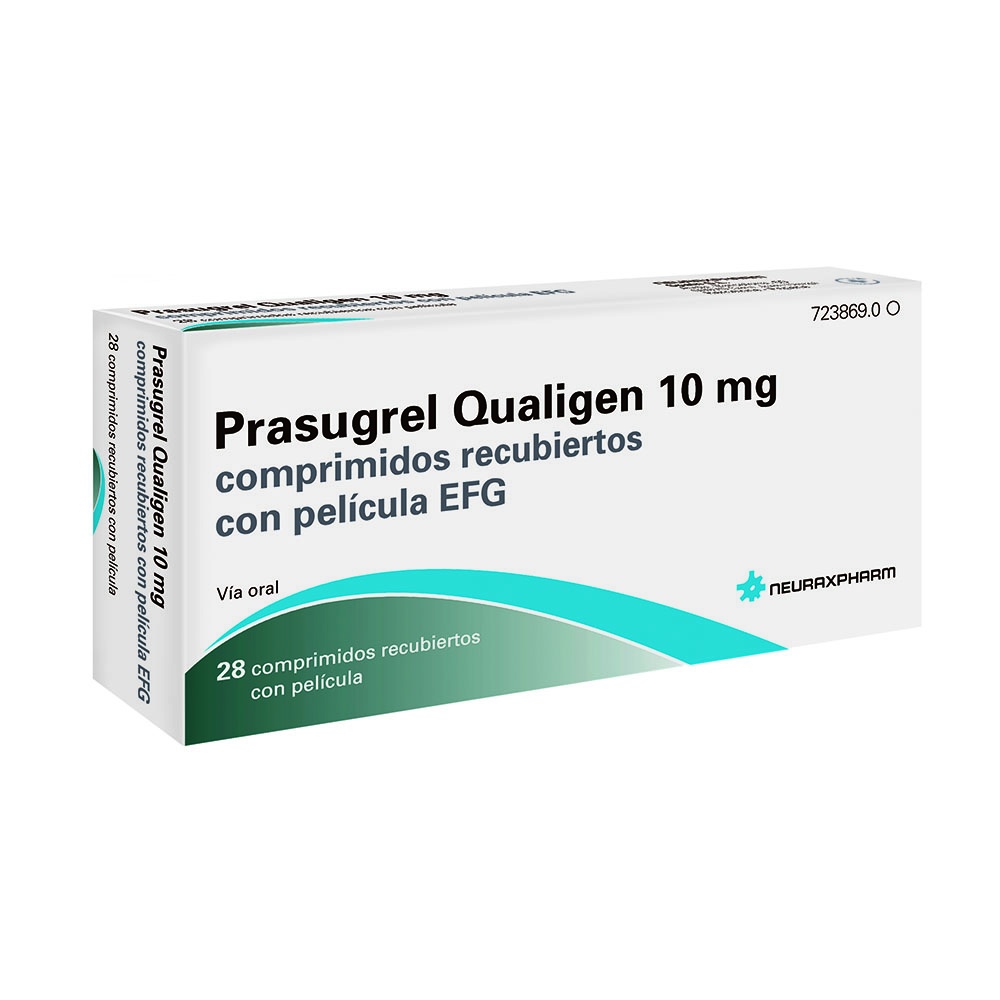
Prasugrel Qualigen is available in aluminum/aluminum blister packs of 28 film-coated tablets.
Marketing authorization holder and manufacturer
Marketing authorization holder
Neuraxpharm Spain, S.L.U.
Avda. Barcelona, 69
08970 Sant Joan Despí – Barcelona
Spain
Manufacturer
Neuraxpharm Pharmaceuticals, S.L.
Avda. Barcelona, 69
08970 Sant Joan Despí – Barcelona
Spain
Date of the last revision of this leaflet: August 2021
Detailed information about this medication is available on the website of the Spanish Agency for Medicines and Health Products (AEMPS) (http://www.aemps.gob.es/)
-

- Country of registration
- Dosage formTABLET, 10 mg
- ATC codeB01AC22
- Average pharmacy price33.41 EUR
- Active substance
- Prescription requiredYes
- Manufacturer
- CompositionLACTOSA MONOHIDRATO (111,38 mg mg), CROSCARMELOSA SODICA (30 mg mg), ESTEARATO DE SACAROSA (9 mg mg)
- This information is for reference only and does not constitute medical advice. Always consult a doctor before taking any medication. Oladoctor is not responsible for medical decisions based on this content.
- Alternatives to PRASUGREL QUALIGEN 10 mg FILM-COATED TABLETSDosage form: TABLET, 10 mgActive substance: prasugrelManufacturer: SubstipharmPrescription requiredDosage form: TABLET, 10 mgActive substance: prasugrelManufacturer: SubstipharmPrescription requiredDosage form: TABLET, 5 mgActive substance: prasugrelManufacturer: SubstipharmPrescription required
Online doctors for PRASUGREL QUALIGEN 10 mg FILM-COATED TABLETS
Discuss questions about PRASUGREL QUALIGEN 10 mg FILM-COATED TABLETS, including use, safety considerations and prescription review, subject to medical assessment and local regulations.

 Book a video appointment
  Book a video appointment




 Book a video appointment
Get PRASUGREL QUALIGEN 10 mg FILM-COATED TABLETS Prescription Online
Fill in a 2-min form
Tell us your symptoms, history, and what medicine you're requesting.
Pick a doctor or let us assign
Choose a specialist or we'll match you with the next available doctor.
Doctor reviews your case
Usually within 30 minutes. They may ask follow-up questions via chat.
Collect from any pharmacy
Electronic prescription sent to your email — valid across Spain.
Frequently Asked Questions
Is a prescription required for PRASUGREL QUALIGEN 10 mg FILM-COATED TABLETS?
PRASUGREL QUALIGEN 10 mg FILM-COATED TABLETS requires a prescription in Spain. You can check with a doctor online whether this medicine may be appropriate for your situation.
What is the active substance in PRASUGREL QUALIGEN 10 mg FILM-COATED TABLETS?
The active ingredient in PRASUGREL QUALIGEN 10 mg FILM-COATED TABLETS is prasugrel. This information helps identify medicines with the same composition but different brand names.
How much does PRASUGREL QUALIGEN 10 mg FILM-COATED TABLETS cost in pharmacies?
The average pharmacy price for PRASUGREL QUALIGEN 10 mg FILM-COATED TABLETS is around 33.41 EUR. Prices may vary depending on the manufacturer and dosage form.
Who manufactures PRASUGREL QUALIGEN 10 mg FILM-COATED TABLETS?
PRASUGREL QUALIGEN 10 mg FILM-COATED TABLETS is manufactured by Neuraxpharm Spain S.L.. Pharmacy brands and packaging may differ depending on the distributor.
Which doctors can assess the use of PRASUGREL QUALIGEN 10 mg FILM-COATED TABLETS online?
Doctors such as Family doctors, Psychiatrists, Dermatologists, Cardiologists, Endocrinologists, Gastroenterologists, Pulmonologists, Nephrologists, Rheumatologists, Hematologists, Infectious disease physicians, Allergists, Geriatricians, Paediatricians, Oncologists may assess whether PRASUGREL QUALIGEN 10 mg FILM-COATED TABLETS is appropriate, depending on your situation and local regulations. You can book an online consultation to discuss your symptoms and possible next steps.
How to buy PRASUGREL QUALIGEN 10 mg FILM-COATED TABLETS in Spain?
Spain has a well-developed healthcare infrastructure across major cities such as Madrid, Barcelona, Valencia, and Seville. Pharmacies are widely available and operate under strict regulations, ensuring access to prescribed medications.
You can buy PRASUGREL QUALIGEN 10 mg FILM-COATED TABLETS in Madrid, Barcelona, Seville, or Valencia at any local pharmacy with a valid prescription.
To obtain a prescription, you can use Oladoctor:
What are the alternatives to PRASUGREL QUALIGEN 10 mg FILM-COATED TABLETS?
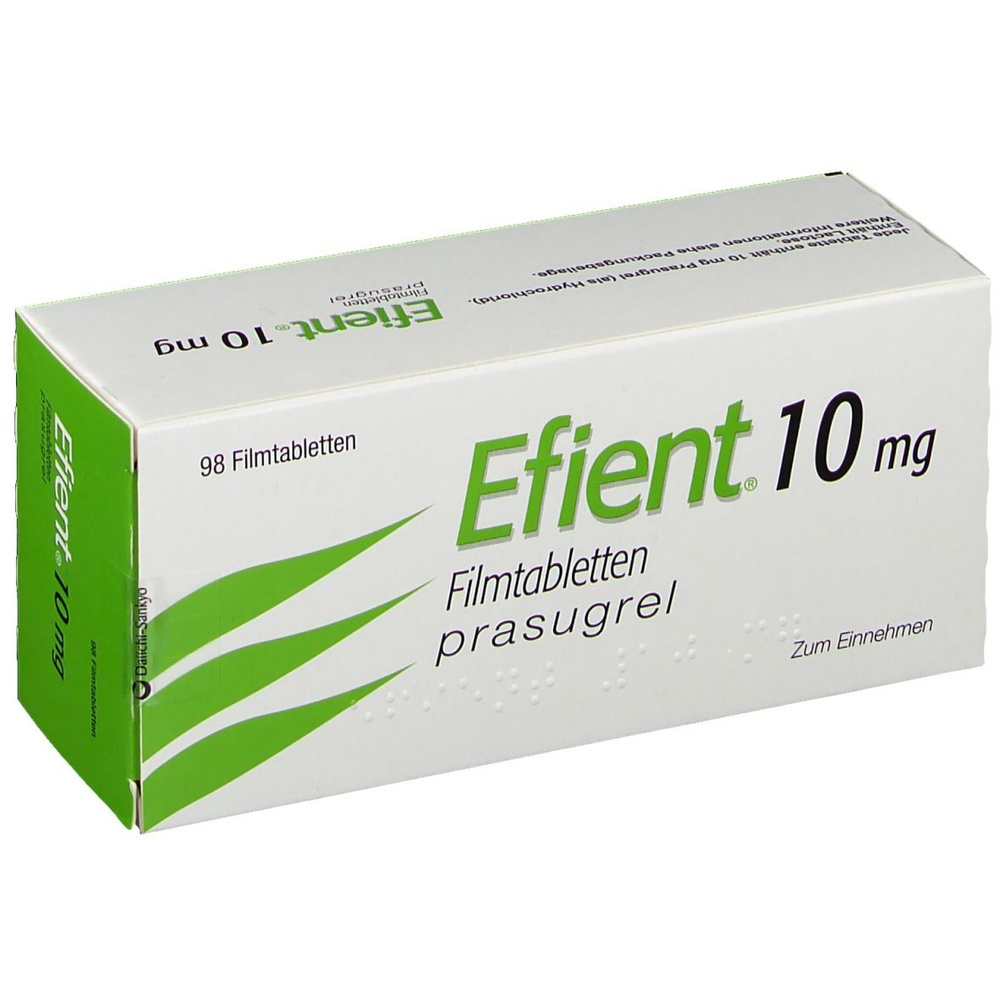
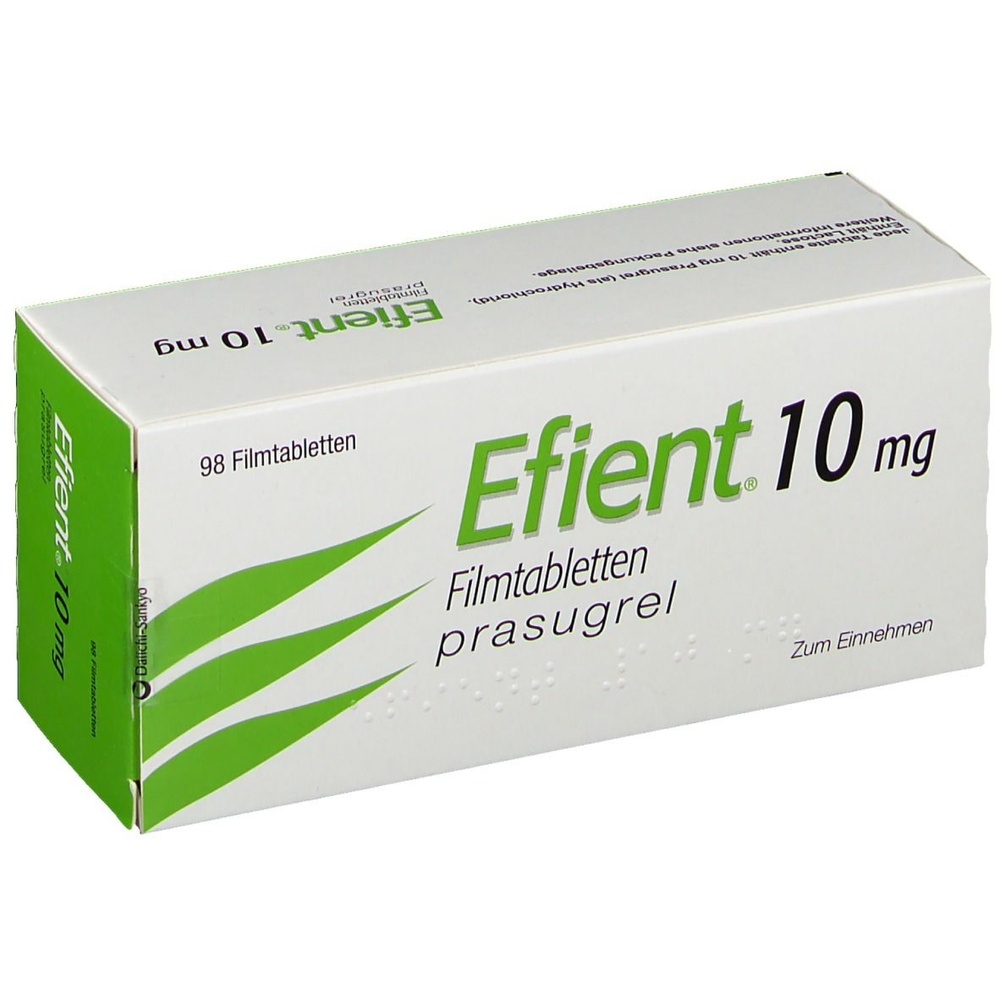
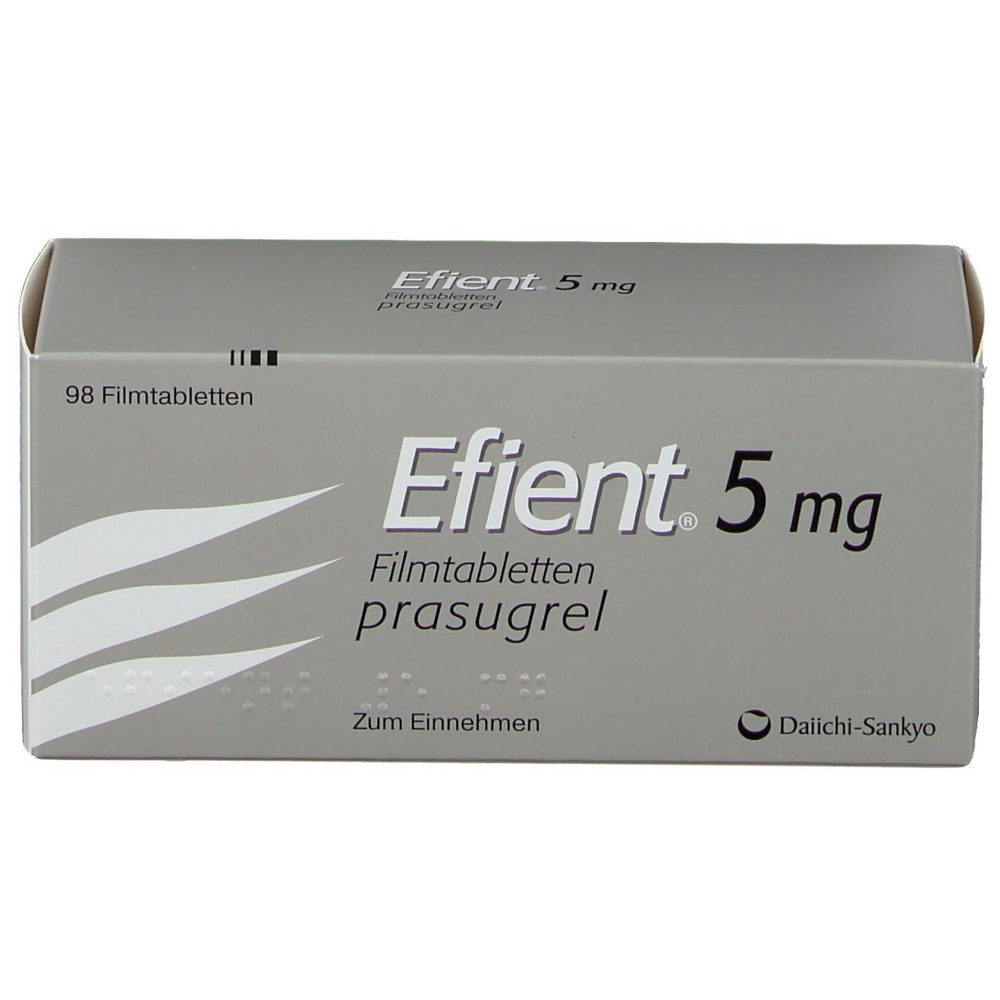
Other medicines with the same active substance (prasugrel) include EFIENT 10 mg FILM-COATED TABLETS, EFIENT 10 mg FILM-COATED TABLETS, EFIENT 5 mg FILM-COATED TABLETS. These may have different brand names or formulations but contain the same therapeutic ingredient. Always consult a doctor before switching or starting a new medicine.
