






How to use PRAMIPEXOL STADA 0.7 mg TABLETS
Translated with AI
This page provides general information and does not replace a doctor’s consultation. Always consult a doctor before taking any medication. Seek urgent medical care if symptoms are severe.
Show originalContents of the leaflet
Introduction
Package Leaflet: Information for the Patient
Pramipexol Stada 0.7 mg Tablets EFG
Read all of this leaflet carefully before you start taking this medicine because it contains important information for you.
- Keep this leaflet, you may need to read it again.
- If you have any further questions, ask your doctor or pharmacist.
- This medicine has been prescribed for you only. Do not pass it on to others. It may harm them, even if their signs of illness are the same as yours.
- If you get any side effects, talk to your doctor or pharmacist. This includes any possible side effects not listed in this leaflet. See section 4.
Contents of the pack
- What is Pramipexol Stada and what is it used for
- What you need to know before you take Pramipexol Stada
- How to take Pramipexol Stada
- Possible side effects
- Storage of Pramipexol Stada
- Pack contents and further information
1. What is Pramipexol Stada and what is it used for
Pramipexol Stada contains the active substance pramipexole and belongs to a group of medicines called dopamine agonists that stimulate dopamine receptors in the brain. Stimulation of dopamine receptors triggers nerve impulses in the brain that help control body movements.
Pramipexole is used to:
- treat symptoms of idiopathic Parkinson's disease in adults. It can be used alone or in combination with levodopa (another medicine for Parkinson's disease).
- treat symptoms of moderate to severe idiopathic Restless Legs Syndrome in adults.

2. What you need to know before you take Pramipexol Stada
Do not take Pramipexol Stada
- if you are allergic to pramipexole or any of the other ingredients of this medicine (listed in section 6).
Warnings and precautions
Tell your doctor before you start taking Pramipexol Stada. Inform your doctor if you have or have had any disease or symptoms, especially any of the following:
- Kidney disease.
- Hallucinations (seeing, hearing or feeling things that are not there). Most hallucinations are visual.
- Dyskinesia (e.g. abnormal involuntary movements of the limbs). If you have advanced Parkinson's disease and are also using levodopa, you may experience dyskinesia during the gradual increase in pramipexole dose.
- Dystonia
- Inability to keep the trunk and neck straight and upright (axial dystonia). In particular, you may experience forward bending of the head and neck (also called antecollis), forward bending of the lumbar region (also called camptocormia) or sideways bending of the back (also called pleurothotonus or Pisa syndrome).
- Somnolence and sudden episodes of sleep.
- Psychosis (e.g. similar to symptoms of schizophrenia).
- Visual disturbances.
- You should have regular eye examinations during treatment with pramipexole.
- Severe heart or blood vessel disease. You should have regular blood pressure checks, especially at the start of treatment, in order to avoid postural hypotension (a drop in blood pressure when standing up).
- Increased Restless Legs Syndrome. If you experience that symptoms start earlier than usual at night (or even in the afternoon), are more intense or affect larger parts of the affected limbs or affect other limbs. Your doctor may reduce your dose or stop treatment.
Tell your doctor if you, your family or caregivers notice that you are developing impulses or cravings to behave in ways that are unusual for you and that you cannot resist the impulse, urge or temptation to carry out certain activities that may harm you or others. This is called impulse control disorder and can include behaviors such as addiction to gambling, excessive eating or spending, abnormally high sexual drive or increased sexual thoughts and feelings. Your doctor may need to adjust or stop your dose.
Tell your doctor if you, your family or caregivers notice that you are developing mania (agitation, feeling elated or overexcited) or delirium (decreased consciousness, confusion, loss of contact with reality). Your doctor may need to adjust or stop your dose.
Tell your doctor if you notice symptoms such as depression, apathy, anxiety, fatigue, sweating or pain when stopping or reducing treatment with pramipexole. If problems persist for more than a few weeks, your doctor may need to adjust your treatment.
Tell your doctor if you notice inability to keep the trunk and neck straight and upright (axial dystonia). In this case, your doctor may decide to adjust or modify your treatment.
Children and adolescents
Pramipexole is not recommended for use in children or adolescents under 18 years.
Using Pramipexol Stada with other medicines
Tell your doctor or pharmacist if you are using, have recently used or might use any other medicines. This includes medicines, herbal remedies, natural products or nutritional supplements that you have obtained without a prescription.
You should avoid using pramipexole with antipsychotic medicines.
Be cautious if you are using the following medicines:
- cimetidine (for the treatment of excess acid and stomach ulcers);
- amantadine (which may be used in the treatment of Parkinson's disease);
- mexiletine (for the treatment of irregular heartbeats, a disease known as ventricular arrhythmia).
- zidovudine (which may be used to treat acquired immune deficiency syndrome (AIDS), a disease of the human immune system);
- cisplatin (to treat various types of cancer);
- quinine (which may be used to prevent painful leg cramps that occur at night and to treat a type of malaria known as falciparum malaria (malignant malaria));
- procainamide (to treat irregular heartbeat).
If you are using levodopa, it is recommended to reduce your levodopa dose when starting treatment with pramipexole.
Be cautious if you are using sedative medicines (with a calming effect) or if you drink alcohol. In these cases, pramipexole may affect your ability to drive and operate machinery.
Taking Pramipexol Stada with food, drinks and alcohol
Be cautious if you drink alcohol during treatment with pramipexole. You can take pramipexole with or without food.
Pregnancy and breastfeeding
If you are pregnant or breastfeeding, think you may be pregnant or are planning to have a baby, ask your doctor for advice before taking this medicine. Your doctor will tell you if you should continue treatment with pramipexole.
The effect of pramipexole on the fetus is not known. Therefore, do not take pramipexole if you are pregnant unless your doctor tells you to.
Pramipexole should not be used during breastfeeding. Pramipexole may decrease milk production. Additionally, it may pass into breast milk and reach your baby. If the use of pramipexole is essential, breastfeeding should be discontinued.
Ask your doctor or pharmacist for advice before taking any medicine.
Driving and using machines
Pramipexole may cause hallucinations (seeing, hearing or feeling things that are not there). If this happens, do not drive or operate machinery.
Pramipexole has been associated with somnolence and sudden episodes of sleep, especially in patients with Parkinson's disease. If you experience these side effects, do not drive or operate machinery.
Tell your doctor if this happens to you.
3. How to take Pramipexol Stada
Take this medicine exactly as your doctor has told you. If you are not sure, ask your doctor. Your doctor will tell you the correct dosage.
You can take pramipexole with or without food. The tablets should be swallowed with water.
Parkinson's disease
The daily dose should be taken divided into 3 equal doses.
During the first week, the usual dose is 1 tablet of pramipexole 0.088 mg three times a day (equivalent to 0.264 mg daily):
1st week | |
Number of tablets | 1 tablet of pramipexole 0.088 mg three times a day |
Daily dose (mg) | 0.264 |
This dose will be increased every 5-7 days according to your doctor's instructions, until your symptoms are controlled (maintenance dose).
2nd week | 3rd week | |
Number of tablets | 1 tablet of pramipexole 0.18 mg three times a day or 2 tablets of pramipexole 0.088 mg three times a day | 1 tablet of pramipexole 0.35 mg three times a day or 2 tablets of pramipexole 0.18 mg three times a day |
Daily dose (mg) | 0.54 | 1.1 |
The usual maintenance dose is 1.1 mg per day. However, it may be necessary to increase your dose further. If necessary, your doctor may increase your tablet dose up to a maximum of 3.3 mg of pramipexole per day. It is also possible to reduce the maintenance dose to three tablets of pramipexole 0.088 mg per day.
Minimum maintenance dose | Maximum maintenance dose | |
Number of tablets | 1 tablet of pramipexole 0.088 mg three times a day | 1 tablet of pramipexole 1.1 mg three times a day |
Daily dose (mg) | 0.264 | 3.3 |
Patient with kidney disease
If you have moderate or severe kidney disease, your doctor will prescribe a lower dose. In this case, you should take the tablets only once or twice a day. If you have moderate kidney impairment, the usual starting dose is 1 tablet of pramipexole 0.088 mg twice a day. If you have severe kidney impairment, the usual starting dose is 1 tablet of pramipexole 0.088 mg per day.
Restless Legs Syndrome
The dose is usually given once a day, 2-3 hours before bedtime. During the first week, the usual dose is 1 tablet of pramipexole 0.088 mg once a day (equivalent to 0.088 mg per day):
1st week | |
Number of tablets | 1 tablet of pramipexole 0.088 mg |
Daily dose (mg) | 0.088 |
This dose will be increased every 4-7 days according to your doctor's instructions, until your symptoms are controlled (maintenance dose).
2nd week | 3rd week | 4th week | |
Number of tablets | 1 tablet of pramipexole 0.18 mg or 2 tablets of pramipexole 0.088 mg | 1 tablet of pramipexole 0.35 mg or 2 tablets of pramipexole 0.18 mg or 4 tablets of pramipexole 0.088 mg | 1 tablet of pramipexole 0.35 mg and 1 tablet of pramipexole 0.18 mg or 3 tablets of pramipexole 0.18 mg or 6 tablets of pramipexole 0.088 mg |
Daily dose (mg) | 0.18 | 0.35 | 0.54 |
The daily dose for the treatment of Restless Legs Syndrome should not exceed 6 tablets of pramipexole 0.088 mg or a dose of 0.54 mg (0.75 mg of pramipexole salt).
If you stop taking your tablets for a few days and want to start treatment again, you should start again with the smallest dose and then gradually increase the dose as you did the first time. Ask your doctor if you have any doubts.
Your doctor will assess your treatment after 3 months to decide whether to continue or not with treatment.
Patient with kidney disease
If you have severe kidney disease, pramipexole may not be a suitable treatment for your Restless Legs Syndrome.
If you take more Pramipexol Stada than you should
If you accidentally take too many tablets,
- contact your doctor or the nearest hospital emergency department immediately.
- You may experience vomiting, restlessness or any of the side effects described in section 4 (Possible side effects).
In case of overdose or accidental ingestion, contact the Toxicology Information Service. Telephone (91) 562 04 20.
If you forget to take Pramipexol Stada
Do not worry. Omit that dose completely and take the next dose at the correct time. Do not take a double dose to make up for forgotten doses.
If you stop taking Pramipexol Stada
Do not stop your treatment with pramipexole without consulting your doctor. If you need to stop your treatment with this medicine, your doctor will reduce your dose gradually. This reduces the risk of worsening symptoms.
If you have Parkinson's disease, do not stop your treatment with pramipexole abruptly.
A sudden stop can cause a condition called neuroleptic malignant syndrome, which can be a serious risk to your health. These symptoms include:
- akinesia (loss of muscle movement)
- muscle rigidity
- fever
- unstable blood pressure
- tachycardia (increased heart rate)
- confusion
- decreased level of consciousness (e.g. coma)
If you stop treatment or reduce the dose of pramipexole, you may also experience a medical condition called dopamine agonist withdrawal syndrome. The symptoms include depression, apathy, anxiety, fatigue, sweating or pain. If you experience these symptoms, you should contact your doctor.
If you have any further questions on the use of this medicine, ask your doctor or pharmacist.

4. Possible Adverse Effects
Like all medicines, this medicine can cause adverse effects, although not all people suffer from them. If you have Parkinson's disease, you may experience the following adverse effects:
Very Common(may affect more than 1 in 10 people)
- Dyskinesia (e.g., abnormal involuntary movements of the limbs)
- Somnolence
- Dizziness
- Nausea
Common(may affect up to 1 in 10 people)
- Necessity to behave in an unusual way
- Hallucinations (seeing, hearing, or feeling things that are not present)
- Confusion
- Fatigue
- Insomnia
- Excess fluid, usually in the legs (peripheral edema)
- Headache
- Hypotension (low blood pressure)
- Abnormal dreams
- Constipation
- Visual disturbance
- Vomiting (nausea)
- Weight loss, including loss of appetite
Uncommon(may affect up to 1 in 100 people)
- Paranoia (e.g., excessive concern for one's health)
- Delirium
- Excessive daytime somnolence and sudden sleep episodes
- Amnesia (memory impairment)
- Hypokinesia (increased movement and inability to remain still)
- Weight gain
- Allergic reactions (e.g., skin rash, itching, hypersensitivity)
- Fainting
- Restlessness
- Difficulty breathing
- Hiccup
- Pneumonia (lung infection)
- Inability to resist the impulse, instinct, or temptation to perform an action that may be harmful to yourself or others, which may include:
- Strong impulse to gamble excessively despite serious personal or family consequences.*
- Altered or increased sexual interest and behavior that may concern you or others, for example, increased sexual desire.*
- Uncontrolled and excessive buying or spending.*
 Binge eating (large amounts of food in a short period) or compulsive eating (more food than normal and necessary to satisfy hunger)*
- Delirium (decreased consciousness, confusion, loss of contact with reality)
Rare(may affect up to 1 in 1,000 people)
- Mania (agitation, feeling elated or overexcited)
Frequency Not Known (cannot be estimated from the available data):
- After stopping or reducing treatment with pramipexole, depression, apathy, anxiety, fatigue, sweating, or pain (known as dopamine agonist withdrawal syndrome or DAWS) may occur.
Inform your doctor if you experience any of these behaviors; he will explain how to manage or reduce the symptoms.
For the adverse effects marked with *, it is not possible to provide a precise estimate of the frequency, as these adverse effects were not observed in clinical trials among 2,762 patients treated with pramipexole. The frequency category is likely not higher than "uncommon".
If you have Restless Legs Syndrome, you may experience the following adverse effects:
Very Common(may affect more than 1 in 10 people)
- Nausea
- Symptoms that start earlier than usual, are more intense, or affect other limbs (increase in restless legs syndrome).
Common(may affect up to 1 in 10 people)
- Change in sleep pattern, such as insomnia and somnolence
- Fatigue
- Headache
- Abnormal dreams
- Constipation
- Dizziness
- Vomiting (nausea)
Uncommon(may affect up to 1 in 100 people)
- Necessity to behave in an unusual way*
- Heart failure (heart problems that can cause shortness of breath or swelling of the ankles)*
- Inadequate secretion of antidiuretic hormone*
- Dyskinesia (e.g., abnormal involuntary movements of the limbs)
- Hypokinesia (increased movement and inability to remain still)
- Paranoia (e.g., excessive concern for one's health)
- Delirium
- Amnesia (memory impairment)
- Hallucinations (seeing, hearing, or feeling things that are not present)
- Confusion
- Excessive daytime somnolence and sudden sleep episodes
- Weight gain
- Hypotension (low blood pressure)
- Excess fluid, usually in the legs (peripheral edema)
- Allergic reactions (e.g., skin rash, itching, hypersensitivity)
- Fainting
- Restlessness
- Visual disturbance
- Weight loss, including loss of appetite
- Difficulty breathing
- Hiccup
- Pneumonia (lung infection)*
- Inability to resist the impulse, desire, or temptation to perform an action that may be harmful to yourself or others, which may include:
- Strong impulse to gamble excessively despite serious personal or family consequences.
- Altered or increased sexual interest and behavior that may concern you or others, for example, increased sexual desire.*
- Uncontrolled and excessive buying or spending.*
- Eating excessively (large amounts of food in a short period) or compulsively (more food than normal and necessary to satisfy hunger)*
- Mania (agitation, feeling elated or overexcited)*
- Delirium (decreased consciousness, confusion, loss of contact with reality)*
Frequency Not Known (cannot be estimated from the available data):
- After stopping or reducing treatment with pramipexole, depression, apathy, anxiety, fatigue, sweating, or pain (known as dopamine agonist withdrawal syndrome or DAWS) may occur.
Tell your doctor if you experience any of these behaviors; he will indicate ways to control or reduce the symptoms.
For the adverse effects marked with *, it is not possible to provide a precise estimate of the frequency, as these adverse effects were not observed in clinical trials among 1,395 patients treated with pramipexole. The frequency category is likely not higher than "uncommon".
Reporting of Adverse Effects:
If you experience any type of adverse effect, consult your doctor or pharmacist, even if it is a possible adverse effect that is not listed in this leaflet. You can also report them directly through the Spanish Pharmacovigilance System for Human Use Medicines: https://www.notificaram.es. By reporting adverse effects, you can contribute to providing more information on the safety of this medicine.
5. Storage of Pramipexol Stada
Keep this medicine out of the sight and reach of children.
Do not use this medicine after the expiration date stated on the packaging. The expiration date is the last day of the month indicated.
Store in the original packaging to protect it from light.
Medicines should not be disposed of via wastewater or household waste. Deposit the packaging and any unused medicines at the SIGRE collection point in your pharmacy. If in doubt, ask your pharmacist how to dispose of the packaging and any unused medicines. This will help protect the environment.
6. Package Contents and Additional Information
Composition of Pramipexol Stada
The active ingredient is pramipexole
Each Pramipexol Stada tablet contains 0.7 mg of pramipexole (as pramipexole dihydrochloride monohydrate).
The other ingredients are:
Betadex
Cornstarch
Povidone K 30
Microcrystalline cellulose
Anhydrous colloidal silica
Magnesium stearate
Appearance and Packaging of the Product
White to off-white, round, scored tablet on both sides. The tablet can be divided into two equal halves.
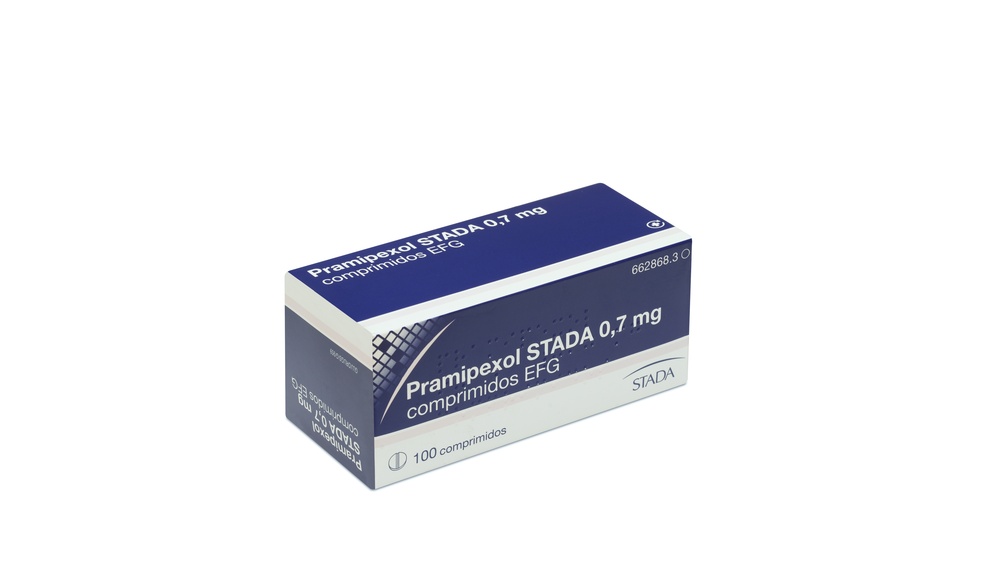
Pramipexol Stada 0.7 mg tablets are available in blister packs of 10 tablets per strip, in boxes containing 3, 6, 10, or 2 x 10 blister packs (30, 60, 100, or 200 (2 x 100) tablets).
Only some pack sizes may be marketed.
Marketing Authorization Holder and Manufacturer
Marketing Authorization Holder
Laboratorio STADA, S.L.
Frederic Mompou, 5
08960 Sant Just Desvern (Barcelona)
Spain
Manufacturer
STADA Arzneimittel AG
Stadastraße 2 – 18
D-61118 Bad Vilbel
Germany
or
Clonmel Healthcare Ltd. Waterford Road, Clonmel,
Co. Tipperary
Ireland
or
LAMP SANPROSPERO S.p.A Via della Pace, 25/A
41030 San Prospero (Modena)
Italy
This medicine has been authorized in the EEA Member States with the following names:
DE: Pramipexol Stada 0.7 mg Tabletten
DK: Pramipexol Stada 0.7 mg tabletter
FI: Pramipexol Stada 0.7 mg tabletti
FR: PRAMIPEXOLE EG 0.7 mg comprimé
HU: Pramipexol Stada 0.7 mg tabletta
IE: Miramel 0.7 mg tablets
IT: Pramipexolo EG 0.7 mg compresse
LU: Pramipexole EG 0.7 mg comprimés
PL: Pramipexol Stada 0.7 mg tabletki
RO: Pramipexol Stada 0.7 mg comprimate
SK: Pramipexol Stada 0.7 mg tablety
ES: Pramipexol Stada 0.7 mg comprimidos EFG
SE: Pramipexol Stada 0.7 mg tabletter
NL: Pramipexol CF 0.7 mg tabletten
Date of the Last Revision of this Leaflet:March 2024
Detailed and updated information on this medicine is available on the website of the Spanish Agency for Medicines and Health Products (AEMPS) http://www.aemps.gob.es/
-

- Country of registration
- Dosage formTABLET, 0.7mg pramipexole
- ATC codeN04BC05
- Average pharmacy price98.74 EUR
- Active substance
- Prescription requiredYes
- Manufacturer
- This information is for reference only and does not constitute medical advice. Always consult a doctor before taking any medication. Oladoctor is not responsible for medical decisions based on this content.
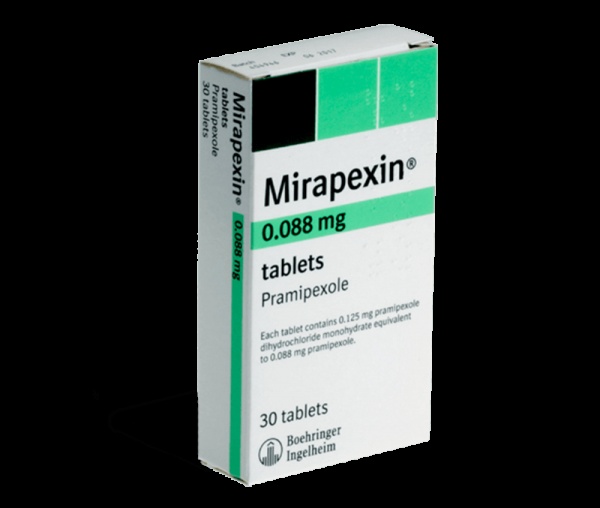
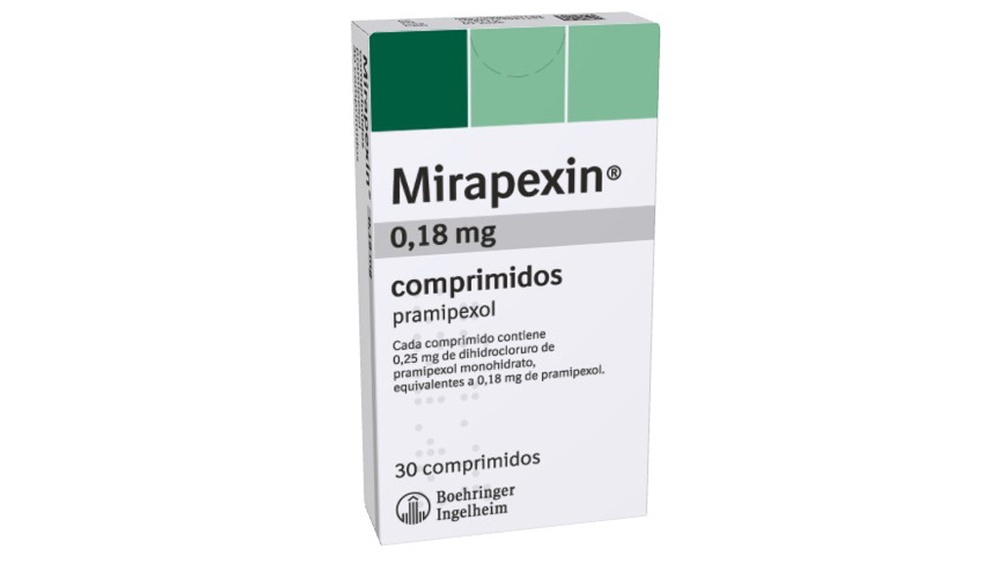
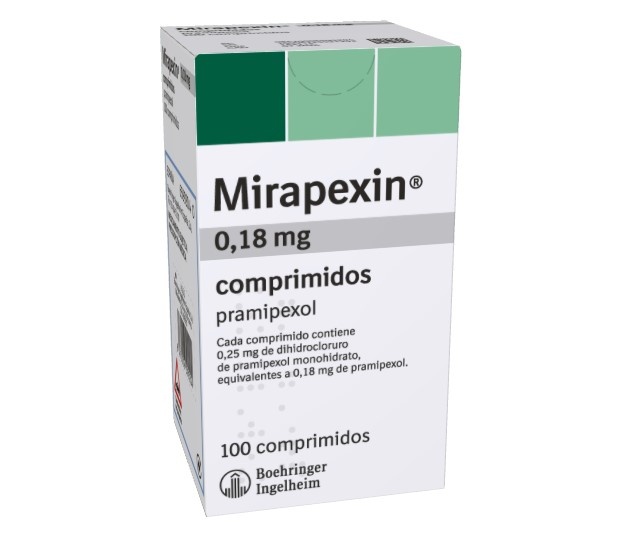
- Alternatives to PRAMIPEXOL STADA 0.7 mg TABLETSDosage form: TABLET, 0.088 mgActive substance: pramipexoleManufacturer: Boehringer Ingelheim International GmbhPrescription requiredDosage form: TABLETActive substance: pramipexoleManufacturer: Boehringer Ingelheim International GmbhPrescription requiredDosage form: TABLETActive substance: pramipexoleManufacturer: Boehringer Ingelheim International GmbhPrescription required
Online doctors for PRAMIPEXOL STADA 0.7 mg TABLETS
Discuss questions about PRAMIPEXOL STADA 0.7 mg TABLETS, including use, safety considerations and prescription review, subject to medical assessment and local regulations.


Get PRAMIPEXOL STADA 0.7 mg TABLETS Prescription Online
Fill in a 2-min form
Tell us your symptoms, history, and what medicine you're requesting.
Pick a doctor or let us assign
Choose a specialist or we'll match you with the next available doctor.
Doctor reviews your case
Usually within 30 minutes. They may ask follow-up questions via chat.
Collect from any pharmacy
Electronic prescription sent to your email — valid across Spain.
Frequently Asked Questions
PRAMIPEXOL STADA 0.7 mg TABLETS requires a prescription in Spain. You can check with a doctor online whether this medicine may be appropriate for your situation.
The active ingredient in PRAMIPEXOL STADA 0.7 mg TABLETS is pramipexole. This information helps identify medicines with the same composition but different brand names.
The average pharmacy price for PRAMIPEXOL STADA 0.7 mg TABLETS is around 98.74 EUR. Prices may vary depending on the manufacturer and dosage form.
PRAMIPEXOL STADA 0.7 mg TABLETS is manufactured by Laboratorio Stada S.L.. Pharmacy brands and packaging may differ depending on the distributor.
Doctors such as Family doctors, Psychiatrists, Dermatologists, Cardiologists, Endocrinologists, Gastroenterologists, Pulmonologists, Nephrologists, Rheumatologists, Hematologists, Infectious disease physicians, Allergists, Geriatricians, Paediatricians, Oncologists may assess whether PRAMIPEXOL STADA 0.7 mg TABLETS is appropriate, depending on your situation and local regulations. You can book an online consultation to discuss your symptoms and possible next steps.
Spain has a well-developed healthcare infrastructure across major cities such as Madrid, Barcelona, Valencia, and Seville. Pharmacies are widely available and operate under strict regulations, ensuring access to prescribed medications.
You can buy PRAMIPEXOL STADA 0.7 mg TABLETS in Madrid, Barcelona, Seville, or Valencia at any local pharmacy with a valid prescription.
To obtain a prescription, you can use Oladoctor:
Other medicines with the same active substance (pramipexole) include MIRAPEXIN 0.088 mg TABLETS, MIRAPEXIN 0.18 mg TABLETS, MIRAPEXIN 0.18 mg TABLETS. These may have different brand names or formulations but contain the same therapeutic ingredient. Always consult a doctor before switching or starting a new medicine.
