


POSACONAZOL GLENMARK 40 mg/ml ORAL SUSPENSION




How to use POSACONAZOL GLENMARK 40 mg/ml ORAL SUSPENSION
Translated with AI
This page provides general information and does not replace a doctor’s consultation. Always consult a doctor before taking any medication. Seek urgent medical care if symptoms are severe.
Show originalContents of the leaflet
Introduction
Package Leaflet: Information for the User
Posaconazole Glenmark 40 mg/ml Oral Suspension EFG
Read all of this leaflet carefully before you start taking this medicine because it contains important information for you.
- Keep this leaflet, you may need to read it again.
- If you have any further questions, ask your doctor, pharmacist, or nurse.
- This medicine has been prescribed for you only. Do not pass it on to others. It may harm them, even if their signs of illness are the same as yours.
- If you get any side effects, talk to your doctor, pharmacist, or nurse. This includes any possible side effects not listed in this leaflet. See section 4.
Contents of the pack
- What is Posaconazole Glenmark and what is it used for
- What you need to know before you take Posaconazole Glenmark
- How to take Posaconazole Glenmark
- Possible side effects
- Storage of Posaconazole Glenmark
- Contents of the pack and other information
1. What is Posaconazole Glenmark and what is it used for
This medicine contains a medicine called posaconazole, which belongs to a group of medicines called "antifungals". It is used to prevent and treat many different fungal infections.
This medicine works by killing or stopping the growth of some types of fungi that can cause infections.
Posaconazole can be used in adults to treat the following types of fungal infections when other antifungal medicines have not worked or you have had to stop taking them:
- infections caused by fungi of the Aspergillusfamily that have not improved during treatment with the antifungal medicines amphotericin B or itraconazole or when treatment with these medicines has had to be stopped;
- infections caused by fungi of the Fusariumfamily that have not improved during treatment with amphotericin B or when treatment with amphotericin B has had to be stopped;
- infections caused by fungi that cause diseases known as "chromoblastomycosis" and "mycetoma" that have not improved during treatment with itraconazole or when treatment with itraconazole has had to be stopped;
- infections caused by a fungus called Coccidioidesthat have not improved during treatment with one or more medicines, amphotericin B, itraconazole, or fluconazole, or when treatment with these medicines has had to be stopped;
- infections in the mouth or throat area (called "thrush") caused by fungi called Candida, that have not been previously treated.
This medicine can also be used to prevent fungal infections in adults who are at high risk of getting a fungal infection, such as:
- patients who have a weakened immune system as a result of having received chemotherapy for "acute myelogenous leukemia" (AML) or "myelodysplastic syndromes" (MDS)
- patients who are receiving "high-dose immunosuppressive treatment" after a "hematopoietic stem cell transplant" (HSCT).

2. What you need to know before you take Posaconazole Glenmark
Do not take Posaconazole Glenmark if:
- you are allergic to posaconazole or any of the other ingredients of this medicine (listed in section 6).
- you are taking: terfenadine, astemizole, cisapride, pimozide, halofantrine, quinidine, any medicine that contains "ergot alkaloids", such as ergotamine or dihydroergotamine, or a "statin", such as simvastatin, atorvastatin, or lovastatin.
- you have just started taking venetoclax or your dose of venetoclax is being slowly increased for the treatment of chronic lymphocytic leukemia (CLL).
Do not take posaconazole if you are in any of the above situations. If in doubt, consult your doctor or pharmacist before taking posaconazole.
See the section "Other medicines and Posaconazole Glenmark" later for more information, including information about other medicines that may interact with posaconazole.
Warnings and precautions
Consult your doctor, pharmacist, or nurse before starting to take posaconazole if:
- you have had an allergic reaction to another antifungal medicine, such as ketoconazole, fluconazole, itraconazole, or voriconazole.
- you have or have had liver problems. You may need to have blood tests while taking this medicine.
- you develop severe diarrhea or vomiting, as these conditions can limit the effectiveness of this medicine.
- you have a heart rhythm problem (ECG) that shows a problem called QTc interval prolongation.
- you have weakness of the heart muscle or heart failure.
- you have a very slow heart rate.
- you have any heart rhythm problems.
- you have any problems with the amounts of potassium, magnesium, or calcium in your blood.
- you are taking vincristine, vinblastine, and other "vinca alkaloids" (medicines used to treat cancer).
- you are taking venetoclax (a medicine used to treat cancer).
If you are in any of the above situations (or in doubt), consult your doctor, pharmacist, or nurse before taking posaconazole.
You should avoid exposure to the sun while taking this treatment. It is important to cover exposed skin areas with protective clothing and use sunscreen with a high sun protection factor (SPF), as you may be more sensitive to the UV rays of the sun.
If you develop severe diarrhea or vomiting (feel sick) while taking posaconazole, consult your doctor, pharmacist, or nurse immediately, as this condition can prevent the medicine from working properly. For more information, see section 4.
Children and adolescents
Posaconazole should not be used in children and adolescents (17 years of age and under).
Other medicines and Posaconazole Glenmark
Tell your doctor or pharmacist if you are taking, have recently taken, or might take any other medicines.
Do not take posaconazole if you are taking any of the following medicines:
- terfenadine (used to treat allergies)
- astemizole (used to treat allergies)
- cisapride (used to treat stomach problems)
- pimozide (used to treat symptoms of Tourette's syndrome and mental illnesses)
- halofantrine (used to treat malaria)
- quinidine (used to treat heart rhythm problems).
Posaconazole may increase the amount of these medicines in your blood, which could cause serious changes in your heart rhythm:
- any medicine that contains "ergot alkaloids", such as ergotamine or dihydroergotamine, used to treat migraines. Posaconazole may increase the amount of these medicines in your blood, which could cause a serious decrease in blood flow to your fingers or toes and damage them.
- a "statin", such as simvastatin, atorvastatin, or lovastatin, used to treat high cholesterol.
- venetoclax when used at the start of treatment for a type of cancer, chronic lymphocytic leukemia (CLL).
Do not take posaconazole if you are in any of the above situations. If in doubt, consult your doctor or pharmacist before taking this medicine.
Other medicines
Consult the list provided earlier with medicines that you should not use while taking posaconazole. In addition to the medicines mentioned earlier, there are other medicines that may increase the risk of heart rhythm problems, which may be greater when taken with posaconazole. Make sure to inform your doctor of all medicines you are taking (with or without a prescription).
Some medicines may increase the risk of side effects of posaconazole by increasing the amount of posaconazole in your blood.
The following medicines may decrease the effectiveness of posaconazole by reducing its levels in the blood:
- rifabutin and rifampicin (used to treat certain infections). If you are already taking rifabutin, you will need to have a blood test, as well as be aware of some possible side effects of rifabutin.
- phenytoin, carbamazepine, phenobarbital, or primidone (used to treat or prevent seizures).
- efavirenz and fosamprenavir, used to treat HIV infection.
- medicines used to reduce stomach acid, such as cimetidine and ranitidine or omeprazole and similar medicines called proton pump inhibitors.
- Flucloxacillin (an antibiotic used against bacterial infections).
Posaconazole may increase the risk of side effects of other medicines by increasing the amount of these medicines in your blood. These medicines include:
- vincristine, vinblastine, and other "vinca alkaloids" (used to treat cancer)
- venetoclax (used to treat cancer)
- ciclosporin (used during or after transplants)
- tacrolimus and sirolimus (used during or after transplants)
- rifabutin (used to treat certain infections)
- medicines used to treat HIV called protease inhibitors (including lopinavir and atazanavir, which are given with ritonavir)
- midazolam, triazolam, alprazolam, or other "benzodiazepines" (used as sedatives or muscle relaxants)
- diltiazem, verapamil, nifedipine, nisoldipine, or other "calcium channel blockers" (used to treat high blood pressure)
- digoxin (used to treat heart failure)
- glipizide or other "sulfonylureas" (used to treat high blood sugar levels).
- all-trans retinoic acid (ATRA), also called tretinoin (used to treat some blood cancers).
If you are in any of the above situations (or in doubt), consult your doctor or pharmacist before taking posaconazole.
Taking Posaconazole Glenmark with food and drinks
To improve the absorption of posaconazole, it should be taken during or immediately after a meal or a nutritional drink (see section 3 "How to take Posaconazole Glenmark oral suspension EFG"). There is no information on the effect of alcohol on posaconazole.
Pregnancy and breast-feeding
Tell your doctor if you are pregnant or think you may be pregnant before you start taking posaconazole.
Do not take posaconazole if you are pregnant, unless your doctor tells you to.
If you are a woman who can become pregnant, you must use effective contraception while taking this medicine. If you become pregnant while taking posaconazole, contact your doctor immediately.
Do not breast-feed while taking posaconazole, as small amounts may pass into breast milk.
Driving and using machines
You may feel dizzy, sleepy, or have blurred vision while taking posaconazole, which may affect your ability to drive or use tools or machines. If this happens, do not drive or use any tools or machines and contact your doctor.
Posaconazole Glenmark contains sodium benzoate (E-211)
This medicine contains 10 mg of sodium benzoate (E-211) per 5 ml of suspension.
Posaconazole Glenmark contains glucose
This medicine contains glucose. If your doctor has told you that you have an intolerance to some sugars, consult them before taking this medicine.
Posaconazole Glenmark contains sodium
This medicine contains less than 1 mmol of sodium (23 mg) per 5 milliliters; i.e., it is "essentially sodium-free".
3. How to take Posaconazole Glenmark
Do not switch between posaconazole oral suspension and posaconazole tablets or gastro-resistant oral suspension without consulting your doctor or pharmacist, as this may lead to a lack of effectiveness or increase the risk of adverse reactions.
Follow exactly the administration instructions of this medicine given by your doctor or pharmacist. If in doubt, consult your doctor or pharmacist again. Your doctor will monitor your response and condition to determine how long you need to take posaconazole and if any change in your daily dose is needed.
The table below shows the recommended dose and duration of treatment, which depend on the type of infection you have and may be adapted individually for you by your doctor. Do not adjust your dose yourself before consulting your doctor, or change your treatment schedule.
Whenever possible, take posaconazole during or immediately after a meal or a nutritional drink.
Indication | Recommended dose and duration of treatment |
Treatment of Fungal Infections (invasive aspergillosis, fusariosis, chromoblastomycosis/mycetoma, coccidioidomycosis) | The recommended dose is 200 mg (one 5 ml spoon) taken four times a day. Alternatively, if your doctor recommends it, you may take 400 mg twice a day (two 5 ml spoons), making sure that you are able to take both doses during or after a meal or a nutritional drink. |
Treatment of Thrush for the first time | On the first day of treatment, take 200 mg (one 5 ml spoon) once. After the first day, take 100 mg (2.5 ml) once a day. |
Prevention of Serious Fungal Infections | Take 200 mg (one 5 ml spoon) three times a day. |
If you take more Posaconazole Glenmark than you should
If you are concerned that you may have taken too much of a dose, inform your doctor or healthcare professional immediately.
In case of overdose or accidental ingestion, consult your doctor or pharmacist or call the Toxicology Information Service, phone: 91 562 04 20, indicating the medicine and the amount taken.
If you forget to take Posaconazole Glenmark
If you have missed a dose, take it as soon as you remember and then continue as before. However, if it is almost time for your next dose, take your dose when it is due. Do not take a double dose to make up for forgotten doses.
If you have any other questions about the use of this medicine, ask your doctor, pharmacist, or nurse.

4. Possible Adverse Effects
Like all medicines, this medicine can cause adverse effects, although not all people suffer from them.
Severe Adverse Effects
Tell your doctor, pharmacist, or nurse immediately if you notice any of the following severe adverse effects; you may need urgent medical treatment:
- nausea or vomiting (feeling or being sick), diarrhea
- signs of liver problems, including yellowing of the skin or whites of the eyes, unusually dark urine or pale stools, feeling sick without apparent reason, stomach problems, loss of appetite or unusual fatigue or weakness, elevated liver enzymes detected in blood tests
- allergic reaction
Other Adverse Effects
Tell your doctor, pharmacist, or nurse if you notice any of the following adverse effects:
Frequent: the following may affect up to 1 in 10 patients
- a change in blood salt levels detected in blood tests, whose signs include a feeling of confusion or weakness
- abnormal skin sensations, such as numbness, tingling, itching, crawling, pinching, or burning
- headache
- low potassium levels, detected in blood tests
- low magnesium levels, detected in blood tests
- high blood pressure
- loss of appetite, stomach pain or stomach discomfort, flatulence, dry mouth, changes in taste
- heartburn (a burning sensation in the chest that rises to the throat)
- low levels of "neutrophils", a type of white blood cell (neutropenia), which can make you more prone to infections and are detected in blood tests
- fever
- feeling of weakness, dizziness, fatigue, or drowsiness
- rash
- itching
- constipation
- rectal discomfort
Infrequent: the following may affect up to 1 in 100 patients
- anemia, whose signs include headaches, feeling of fatigue or dizziness, difficult breathing, or paleness and low hemoglobin levels detected in blood tests
- low platelet levels (thrombocytopenia), detected in blood tests. This can cause bleeding
- low levels of "leukocytes", a type of white blood cell (leukopenia), detected in blood tests. This can make you more susceptible to infections
- high levels of "eosinophils", a type of white blood cell (eosinophilia). This can appear if you have an inflammatory process
- inflammation of blood vessels
- heart rhythm problems
- seizures (convulsions)
- nerve damage (neuropathy)
- abnormal heart rhythm, detected in an electrocardiogram (ECG), palpitations, slow or fast heartbeat, high or low blood pressure
- low blood pressure
- pancreatitis (inflammation of the pancreas). This can cause severe stomach pain
- interruption of oxygen supply to the spleen (splenic infarction), which can cause severe stomach pain
- severe kidney problems, whose signs include increased or decreased urination with urine of a different color than usual
- high blood creatinine levels, detected in blood tests
- cough, hiccups
- nasal bleeding
- sharp and intense chest pain when breathing (pleuritic pain)
- inflammation of the lymph nodes (lymphadenopathy)
- decreased sensitivity, especially in the skin
- tremors
- high or low blood sugar levels
- blurred vision, sensitivity to light
- hair loss (alopecia)
- mouth ulcers
- chills, feeling of discomfort
- pain, back pain or neck pain, pain in arms or legs
- fluid retention (edema)
- menstrual problems (abnormal vaginal bleeding)
- inability to sleep (insomnia)
- complete or partial inability to speak
- mouth swelling
- abnormal dreams or sleep problems
- coordination or balance problems
- mucosal inflammation
- nasal congestion
- breathing difficulties
- chest discomfort
- feeling bloated
- nausea, vomiting, cramps, and diarrhea from mild to severe, usually caused by a virus, stomach pain
- belching
- feeling of restlessness
Rare: the following may affect up to 1 in 1,000 patients
- pneumonia, whose signs include shortness of breath and production of discolored mucus
- high blood pressure in the blood vessels of the lungs (pulmonary hypertension), which can cause serious damage to the lungs and heart
- blood problems such as unusual blood clotting or prolonged bleeding
- severe allergic reactions, including widespread skin rash with blisters and skin peeling
- mental problems, such as hearing voices or seeing things that are not there
- fainting
- problems thinking or speaking, sudden movements, especially in your hands, that you cannot control
- stroke, whose signs include pain, weakness, numbness, or tingling in the limbs
- presence of a blind spot or dark spot in the field of vision
- heart failure or heart attack, which can cause cardiac arrest and death, heart rhythm problems with sudden death
- blood clots in the legs (deep vein thrombosis), whose signs include intense pain or swelling of the legs
- blood clots in the lungs (pulmonary embolism), whose signs include shortness of breath or pain when breathing
- bleeding in the stomach or intestine, whose signs include vomiting blood or blood in the stool
- blockage of the intestine (intestinal obstruction), especially of the "ileum". This blockage prevents the contents of the intestine from passing through the colon and whose signs include feeling bloated, vomiting, severe constipation, loss of appetite, and cramps
- "hemolytic uremic syndrome" that appears when there is destruction of red blood cells (hemolysis), which can occur with or without kidney failure
- "pancytopenia", low levels of all blood cells (red, white, and platelets), detected in blood tests
- large purple spots on the skin (thrombocytopenic purpura)
- inflammation of the face or tongue
- depression
- double vision
- breast pain
- inadequate functioning of the adrenal glands, which can cause weakness, fatigue, loss of appetite, skin discoloration
- inadequate functioning of the pituitary gland, which can cause low levels of certain hormones in the blood that affect the function of male or female sexual organs
- hearing problems
- pseudoaldosteronism, which causes high blood pressure with low potassium levels (appears in blood tests).
Frequency not known: cannot be estimated from the available data
- Some patients have also reported feeling confused after taking posaconazole
- Redness of the skin
Tell your doctor, pharmacist, or nurse if you experience any of the adverse effects described above.
Reporting Adverse Effects
If you experience any type of adverse effect, consult your doctor or pharmacist, even if it is a possible adverse effect that is not listed in this prospectus. You can also report them directly through the Spanish Medicines Surveillance System for Human Use: www.notificaRAM.es. By reporting adverse effects, you can contribute to providing more information on the safety of this medicine.
5. Storage of Posaconazol Glenmark
- Keep this medicine out of the sight and reach of children.
- Do not use this medicine after the expiration date that appears on the label. The expiration date is the last day of the month indicated.
- Do not refrigerate or freeze.
- Use before 30 days after opening the container.
- If there is suspension left in the bottle after more than four weeks of its first opening, you should not use this medicine. Return the bottle with the remaining suspension to your pharmacist.
- Medicines should not be thrown down the drain or into the trash. Ask your pharmacist how to dispose of the containers and medicines you no longer need. This will help protect the environment.
6. Package Contents and Additional Information
Composition of Posaconazol Glenmark Oral Suspension EFG
- The active ingredient is posaconazole. Each milliliter of oral suspension contains 40 milligrams of posaconazole.
- The other components of the suspension are citric acid monohydrate, anhydrous sodium citrate, sodium benzoate (E-211), sodium lauryl sulfate, 30% simethicone emulsion (containing simethicone, methylcellulose, sorbic acid, and purified water), glycerol, xanthan gum, liquid glucose, titanium dioxide (E-171), cherry flavor, and purified water.
Appearance of the Product and Package Contents
Posaconazol Glenmark Oral Suspension EFG is a white to yellowish oral suspension with a cherry flavor, packaged in amber glass bottles (type III) closed with a child-resistant plastic screw cap (polypropylene or polyethylene) with a three-layer polyethylene coating that contains 105 ml of oral suspension. Each bottle is provided with a plastic dosing spoon suitable for administering doses of 2.5 ml and 5 ml.
Marketing Authorization Holder and Manufacturer:
Marketing Authorization Holder:
Glenmark Arzneimittel GmbH
Industriestr. 31
82194 Gröbenzell
Germany
Manufacturer:
Genepharm, S.A.
Marathonos Avenue 18 Th Km
153 51 Pallini. Attikis
Greece
RAFARM S.A.
Thesi Pousi-Xatzi Agiou Louka
TK 19002 Paiania Attiki
Greece
Glenmark Pharmaceuticals s.r.o.
Fibichova 143
56617 Vysoké Mýto
Czech Republic
You can request more information about this medicine by contacting the local representative of the marketing authorization holder:
Glenmark Farmacéutica, S.L.U.
C/ Retama 7, 7ª planta
28045 Madrid
Spain
This medicine is authorized in the member states of the European Economic Area with the following names:
Germany | Posaconazol Glenmark 40 mg/ml Suspension zum Einnehmen |
Spain | Posaconazol Glenmark 40 mg/ml oral suspension EFG |
Netherlands | Posaconazol Glenmark 40 mg/ml suspensie voor oraal gebru |
Poland | Posaconazole Glenmark |
Date of the last revision of this prospectus:November 2024.
Detailed information about this medicine is available on the website of the Spanish Agency for Medicines and Health Products (AEMPS) (http://www.aemps.gob.es)
- Country of registration
- Dosage formORAL SOLUTION/SUSPENSION, 40 mg/ml
- ATC codeJ02AC04
- Active substance
- Prescription requiredYes
- Manufacturer
- This information is for reference only and does not constitute medical advice. Always consult a doctor before taking any medication. Oladoctor is not responsible for medical decisions based on this content.
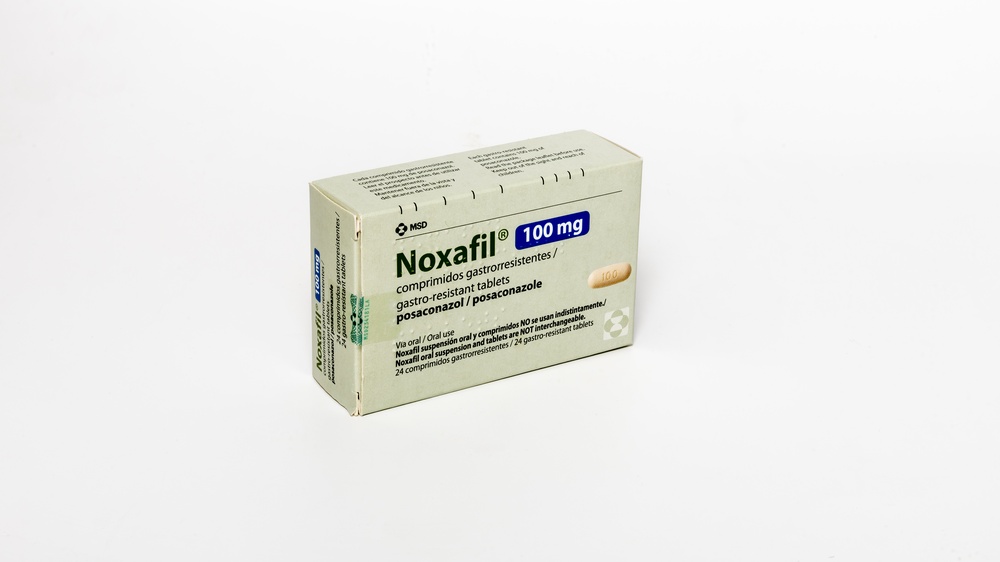
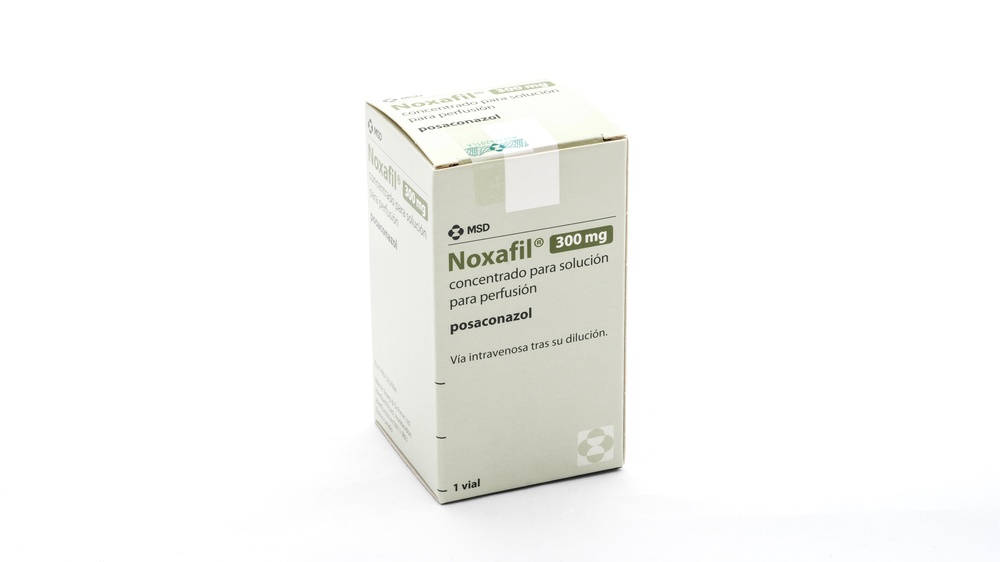
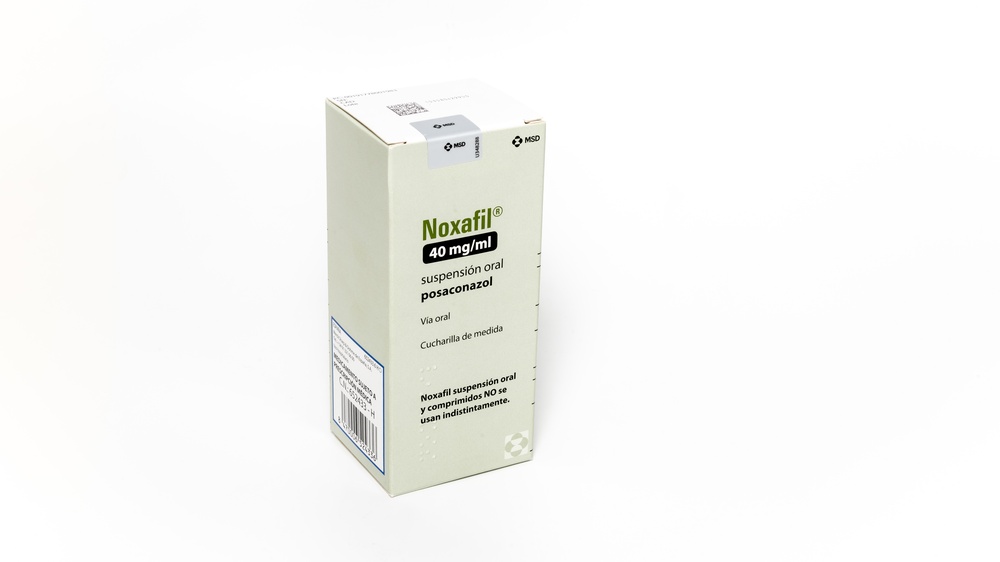
- Alternatives to POSACONAZOL GLENMARK 40 mg/ml ORAL SUSPENSIONDosage form: TABLET, 100 mg/tabletActive substance: posaconazoleManufacturer: Merck Sharp & Dohme B.V.Prescription requiredDosage form: INJECTABLE PERFUSION, 300 mg/vial (18 mg/ml)Active substance: posaconazoleManufacturer: Merck Sharp & Dohme B.V.Prescription requiredDosage form: ORAL SOLUTION/SUSPENSIONActive substance: posaconazoleManufacturer: Merck Sharp & Dohme B.V.Prescription required
Online doctors for POSACONAZOL GLENMARK 40 mg/ml ORAL SUSPENSION
Discuss questions about POSACONAZOL GLENMARK 40 mg/ml ORAL SUSPENSION, including use, safety considerations and prescription review, subject to medical assessment and local regulations.











Frequently Asked Questions
