


PLAVIX 75 mg FILM-COATED TABLETS
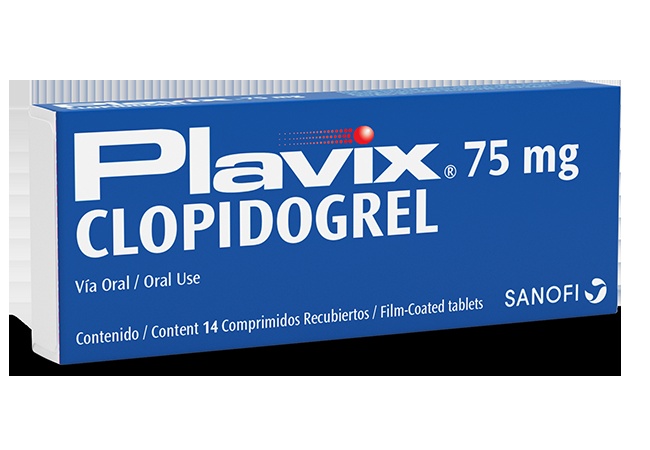



How to use PLAVIX 75 mg FILM-COATED TABLETS
Translated with AI
This page provides general information and does not replace a doctor’s consultation. Always consult a doctor before taking any medication. Seek urgent medical care if symptoms are severe.
Show originalContents of the leaflet
Introduction
Package Leaflet: Information for the User
Plavix 75 mg Film-Coated Tablets
clopidogrel
Read all of this leaflet carefully before you start taking this medicine because it contains important information for you.
- Keep this leaflet, you may need to read it again.
- If you have any further questions, ask your doctor or pharmacist.
- This medicine has been prescribed for you only. Do not pass it on to others. It may harm them, even if their signs of illness are the same as yours.
- If you get any side effects, talk to your doctor or pharmacist. This includes any possible side effects not listed in this leaflet. See section 4.
Contents of the pack
- What is Plavix and what is it used for
- What you need to know before you take Plavix
- How to take Plavix
- Possible side effects
- Storing Plavix
- Contents of the pack and other information
1. What is Plavix and what is it used for
Plavix contains clopidogrel and belongs to a group of medicines called antiplatelet agents. Platelets are very small cells in the blood that help it to clot. Antiplatelet agents prevent platelet clumping, reducing the risk of blood clots (a process called thrombosis).
Plavix is given to adults to prevent blood clots (thrombi) from forming in hardened blood vessels (arteries), a process known as atherothrombosis, which can lead to atherothrombotic events (such as stroke, heart attack, or death).
You have been prescribed Plavix to help prevent blood clots and reduce the risk of these serious events because:
- you have a condition that increases the risk of you having a heart attack or stroke, and
- you have had a heart attack, stroke, or have a condition known as peripheral arterial disease, or
- you have had a severe type of chest pain known as "unstable angina" or "heart attack". For the treatment of this condition, your doctor may also place a stent in the blocked or narrowed artery to restore adequate blood flow. Your doctor may also prescribe you acetylsalicylic acid (a substance present in many medicines used to relieve pain and lower fever, as well as to prevent blood clots).
- you have experienced symptoms of a stroke that have disappeared within a short period (also known as a transient ischaemic attack) or a mild ischaemic stroke. Your doctor may also administer acetylsalicylic acid to you within the first 24 hours.
- you have an irregular heartbeat, a condition called "atrial fibrillation", and cannot take medicines known as "oral anticoagulants" (vitamin K antagonists) that prevent the formation of new clots and prevent the growth of existing clots. You will have been told that "oral anticoagulants" are more effective than acetylsalicylic acid or the combined use of Plavix and acetylsalicylic acid for this condition. Your doctor will have prescribed Plavix plus acetylsalicylic acid if you cannot take "oral anticoagulants" and do not have a high risk of major bleeding.

2. What you need to know before you take Plavix
Do not take Plavix
- If you are allergic (hypersensitive) to clopidogrel or any of the other ingredients of this medicine (listed in section 6).
- If you have an active bleeding (such as a stomach ulcer or bleeding in the brain).
- If you have a severe liver disease.
If you think any of these apply to you, or if you are in any doubt, consult your doctor before taking Plavix.
Warnings and precautions
Before starting treatment with Plavix, inform your doctor if you:
- have a risk of bleeding (bleeding) because:
- you have a disease that involves a risk of internal bleeding (such as a stomach ulcer).
- you have a blood disorder that makes you prone to internal bleeding (bleeding in tissues, organs, or joints of the body).
- you have recently had a serious injury.
- you have recently undergone surgery (including dental surgery).
- you are going to have surgery (including dental surgery) in the next seven days.
- have had a blood clot in an artery of the brain (ischaemic stroke) in the last 7 days.
- have liver or kidney disease.
- have had an allergy or reaction to any medicine used to treat your condition.
- have had a non-traumatic brain haemorrhage.
During treatment with Plavix:
- Tell your doctor if you are going to have surgery (including dental surgery).
- Tell your doctor immediately if you develop a disorder (also known as Thrombotic Thrombocytopenic Purpura or TTP) that includes fever and bruising (bruises) under the skin that can appear as red spots, with or without unexplained extreme tiredness, confusion, yellow colour of the skin or eyes (jaundice) (see section 4 "Possible side effects").
- If you cut or injure yourself, the bleeding may take longer than usual to stop. This is related to the way the medicine works, as it prevents the blood from forming clots. For minor cuts or injuries, such as cuts while shaving, this is not a problem. However, if you are concerned about your bleeding, consult your doctor immediately (see section 2 "Warnings and precautions").
- Your doctor may ask you to have blood tests.
Children and adolescents
This medicine should not be given to children as it is not effective.
Taking Plavix with other medicines
Tell your doctor or pharmacist if you are taking, have recently taken or might take any other medicines, including those obtained without a prescription.
Some medicines may affect the use of Plavix or vice versa.
You must tell your doctor if you are taking:
- medicines that may increase the risk of bleeding such as:
- oral anticoagulants, medicines used to decrease blood clotting,
- non-steroidal anti-inflammatory drugs, medicines used to treat pain and/or inflammation of muscles or joints,
- heparin, or any other injectable medicine used to decrease blood clotting,
- ticlopidine, another antiplatelet agent,
- a serotonin reuptake inhibitor (such as fluoxetine or fluvoxamine and other medicines of the same type), medicines used to treat depression,
- rifampicin (used for severe infections)
- omeprazole or esomeprazole, medicines to treat stomach upset,
- fluconazole or voriconazole, medicines to treat fungal infections,
- efavirenz, or other antiretroviral medicines (used to treat HIV infections),
- carbamazepine, a medicine to treat some forms of epilepsy,
- moclobemide, a medicine for depression,
- repaglinide, a medicine for diabetes,
- paclitaxel, a medicine for cancer,
- opioids: if you are being treated with clopidogrel, you must tell your doctor before they prescribe you any opioid (used to treat severe pain),
- rosuvastatin (used to lower cholesterol levels).
If you have had severe chest pain (unstable angina or heart attack), a transient ischaemic attack, or a mild ischaemic stroke, you may have been prescribed Plavix in combination with acetylsalicylic acid, a substance present in many medicines used to relieve pain and lower fever. An occasional dose of acetylsalicylic acid (not exceeding 1,000 mg in 24 hours) is not likely to cause any problems, but prolonged use in other circumstances should be discussed with your doctor.
Taking Plavix with food and drinks
Plavix can be taken with or without food.
Pregnancy and breast-feeding
It is preferable not to take this medicine during pregnancy.
If you are pregnant or think you may be pregnant, you must tell your doctor or pharmacist before taking Plavix. If you become pregnant while taking Plavix, you should immediately inform your doctor, as it is not recommended to take clopidogrel during pregnancy.
You should not breast-feed while taking this medicine.
If you are breast-feeding or plan to breast-feed, you must tell your doctor before taking this medicine.
Ask your doctor or pharmacist for advice before taking any medicine.
Driving and using machines
It is unlikely that Plavix will affect your ability to drive or use machines.
Plavix contains lactose
If your doctor has told you that you have an intolerance to some sugars, contact them before taking this medicine.
Plavix contains hydrogenated castor oil
This may cause stomach upset and diarrhoea.
3. How to take Plavix
Take this medicine exactly as your doctor or pharmacist has told you. If you are not sure, ask your doctor or pharmacist again.
The recommended dose, even for patients with a condition called "atrial fibrillation" (an irregular heartbeat), is one 75 mg Plavix tablet per day, to be taken orally with or without food, and at the same time each day.
If you have had severe chest pain (unstable angina or heart attack), your doctor may prescribe you 300 mg or 600 mg of Plavix (1 or 2 tablets of 300 mg or 4 or 8 tablets of 75 mg) to be taken once at the start of treatment. After that, the recommended dose is one 75 mg Plavix tablet per day as described above.
If you have experienced symptoms of a stroke that have disappeared within a short period (also known as a transient ischaemic attack) or a mild ischaemic stroke, your doctor may prescribe you 300 mg of Plavix (1 tablet of 300 mg or 4 tablets of 75 mg) once at the start of treatment. After that, the recommended dose is one 75 mg Plavix tablet per day as described above, with acetylsalicylic acid for 3 weeks. After that, your doctor will prescribe you either Plavix alone or acetylsalicylic acid alone.
You should take Plavix for as long as your doctor continues to prescribe it for you.
If you take more Plavix than you should
Contact your doctor or go to the nearest hospital emergency department immediately, as there is an increased risk of bleeding.
If you forget to take Plavix
If you forget to take a dose of Plavix but remember before 12 hours have passed since the time you should have taken the medicine, take the tablet immediately and the next one at the usual time.
If you forget during more than 12 hours, simply take the next dose at the usual time. Do not take a double dose to make up for a forgotten tablet.
In the 7, 14, 28, and 84 tablet formats, you can check the last day you took a Plavix tablet by looking at the calendar printed on the blister pack.
If you stop taking Plavix
Do not stop taking your treatment unless your doctor tells you to. Contact your doctor or pharmacist before stopping treatment with this medicine.
If you have any further questions on the use of this medicine, ask your doctor or pharmacist.

4. Possible side effects
Like all medicines, Plavix can cause side effects, although not everybody gets them.
Contact your doctor immediately if you experience:
- Fever, signs of infection or extreme tiredness. These symptoms may be due to a rare decrease in some blood cells.
- Signs of liver problems, such as yellowing of the skin and/or eyes (jaundice), associated or not with bleeding that appears under the skin as red spots and/or confusion (see section 2 "Warnings and precautions").
- Swelling of the mouth or skin disorders such as rashes and itching, blisters on the skin. These can be signs of an allergic reaction.
The most common side effect reported with Plavixis bleeding. Bleeding may appear in the stomach or intestine, bruising, haematomas (abnormal or prolonged bleeding or bruising under the skin), nosebleeds, blood in urine. A small number of cases of bleeding in the blood vessels of the eyes, intracranial, pulmonary, or joint bleeding have also been reported.
If you experience prolonged bleeding while taking Plavix
If you cut or injure yourself, it is possible that the bleeding may take a little longer to stop. This is related to the mechanism of action of the medicine, as it prevents the blood from forming clots. For minor cuts or injuries, such as cuts while shaving, this is not a problem. However, if you are concerned about your bleeding, consult your doctor immediately (see section 2 "Warnings and precautions").
Other side effects include:
Common side effects (may affect up to 1 in 10 people):
Diarrhoea, abdominal pain, indigestion or heartburn.
Uncommon side effects (may affect up to 1 in 100 people):
Headache, stomach ulcer, vomiting, nausea, constipation, excess gas in the stomach or intestine, rash, itching, dizziness, tingling sensation and numbness.
Rare side effects (may affect up to 1 in 1,000 people):
Dizziness, breast enlargement in men.
Very rare side effects (may affect up to 1 in 10,000 people):
Jaundice; severe abdominal pain with or without back pain; fever, difficulty breathing, sometimes associated with cough; generalised allergic reactions (e.g. feeling of heat with general discomfort leading to fainting); swelling of the mouth; blisters on the skin; skin allergy; inflammation of the mouth mucosa (stomatitis); low blood pressure; confusion; hallucinations; joint pain; muscle pain; changes in taste or loss of taste of food.
Side effects with unknown frequency (cannot be estimated from the available data): Hypersensitivity reactions with chest or abdominal pain, persistent symptoms of low blood sugar levels.
Your doctor may also observe changes in the results of your blood or urine tests.
Reporting of side effects
If you experience any side effects, talk to your doctor or pharmacist. This includes any possible side effects not listed in this leaflet. You can also report side effects directly via the national reporting system listed in Appendix V. By reporting side effects, you can help provide more information on the safety of this medicine.
5. Storing Plavix
Keep this medicine out of the sight and reach of children.
Do not use this medicine after the expiry date which is stated on the carton and on the blister after EXP. The expiry date refers to the last day of that month.
See the storage conditions in the carton.
Store below 30°C when Plavix is presented in PVC/PVDC/aluminium blisters.
When Plavix is presented in any aluminium blister, it does not require any special storage conditions.
Do not use this medicine if you notice any visible signs of deterioration.
Medicines should not be disposed of via wastewater or household waste. Ask your pharmacist how to dispose of medicines no longer required. These measures will help protect the environment.
6. Container contents and additional information
Composition of Plavix
The active ingredient is clopidogrel. Each tablet contains 75 mg of clopidogrel (as hydrogen sulfate).
The other components are (see section 2 "Plavix contains lactose" and "Plavix contains hydrogenated castor oil"):
- Core of the tablet: mannitol (E421), hydrogenated castor oil, microcrystalline cellulose, macrogol 6000, and low-substituted hydroxypropylcellulose.
- Coating of the tablet: lactose monohydrate (milk sugar), hypromellose (E464), triacetin (E1518), red iron oxide (E172), and titanium dioxide (E171).
- Varnish: carnauba wax.
Appearance of the product and container contents
Plavix 75 mg film-coated tablets are round, biconvex, pink, and engraved on one side with the number "75" and on the other side with the number "1171". Plavix is available in cardboard boxes of:
- 7, 14, 28, 30, 84, 90, and 100 tablets in PVC/PVDC/Aluminum or Aluminum/Aluminum blisters,
- 50x1 tablets in PVC/PVDC/Aluminum blisters or unit-dose aluminum blisters.
Only some pack sizes may be marketed.
Marketing authorization holder and manufacturer
Marketing authorization holder:
Sanofi Winthrop Industrie
82 avenue Raspail
94250 Gentilly
France
Manufacturers:
Sanofi Winthrop Industrie
1, Rue de la Vierge, Ambarès & Lagrave, F-33565 Carbon Blanc cedex, France.
or
Delpharm Dijon
6, Boulevard de l’Europe, F - 21800 Quétigny, France
or
Sanofi S.r.l.
Strada Statale 17, Km 22
67019 Scoppito (AQ) – Italy
or
Sanofi Winthrop Industrie
30-36 avenue Gustave Eiffel
37100 Tours
France
You can request more information about this medicinal product by contacting the local representative of the marketing authorization holder.
Belgium/Belgique/Belgien Sanofi Belgium Tel: +32 (0)2 710 54 00 | Luxembourg/Luxemburg Sanofi Belgium Tel: +32 (0)2 710 54 00 (Belgique/Belgien) |
Bulgaria Swixx Biopharma EOOD Tel: +359 (0)2 4942 480 | Hungary SANOFI-AVENTIS Zrt. Tel: +36 1 505 0050 |
Czech Republic sanofi-aventis, s.r.o. Tel: +420 233 086 111 | Malta Sanofi S.r.l. Tel: +39 02 39394275 |
Denmark Sanofi A/S Tlf: +45 45 16 70 00 | Netherlands Sanofi B.V. Tel: +31 20 245 4000 |
Germany Sanofi-Aventis Deutschland GmbH Tel: 0800 52 52 010 Tel. from abroad: +49 69 305 21 131 | Norway sanofi-aventis Norge AS Tlf: +47 67 10 71 00 |
Estonia Swixx Biopharma OÜ Tel: +372 640 10 30 | Austria sanofi-aventis GmbH Tel: +43 1 80 185 – 0 |
Greece Sanofi-Aventis Μονοπρ?σωπη AEBE Tel: +30 210 900 16 00 | Poland sanofi-aventis Sp. z o.o. Tel: +48 22 280 00 00 |
Spain sanofi-aventis, S.A. Tel: +34 93 485 94 00 France Sanofi Winthrop Industrie Tel: 0 800 222 555 Call from abroad: +33 1 57 63 23 23 | Portugal Sanofi - Produtos Farmacêuticos, Lda. Tel: +351 21 35 89 400 |
Croatia Swixx Biopharma d.o.o. Tel: +385 1 2078 500 | Romania Sanofi Romania SRL Tel: +40 (0) 21 317 31 36 |
Ireland sanofi-aventis Ireland Ltd. T/A SANOFI Tel: +353 (0) 1 403 56 00 | Slovenia Swixx Biopharma d.o.o. Tel: +386 1 235 51 00 |
Iceland Vistor hf. Tel: +354 535 7000 | Slovakia Swixx Biopharma s.r.o. Tel: +421 2 208 33 600 |
Italy Sanofi S.r.l. Tel: 800.536 389 | Finland Sanofi Oy Tel: +358 (0) 201 200 300 |
Cyprus C.A. Papaellinas Ltd. Tel: +357 22 741741 | Sweden Sanofi AB Tel: +46 (0)8 634 50 00 |
Latvia Swixx Biopharma SIA Tel: +371 6 616 47 50 | United Kingdom (Northern Ireland) sanofi-aventis Ireland Ltd. T/A SANOFI Tel: +44 (0) 800 035 2525 |
Lithuania Swixx Biopharma UAB Tel: +370 5 236 91 40 |
Date of the last revision of this leaflet:
Detailed information on this medicinal product is available on the European Medicines Agency website: http://www.ema.europa.eu/
- Country of registration
- Dosage formTABLET, 75 mg of Clopidogrel
- ATC codeB01AC04
- Average pharmacy price16.81 EUR
- Active substance
- Prescription requiredYes
- Manufacturer
- This information is for reference only and does not constitute medical advice. Always consult a doctor before taking any medication. Oladoctor is not responsible for medical decisions based on this content.
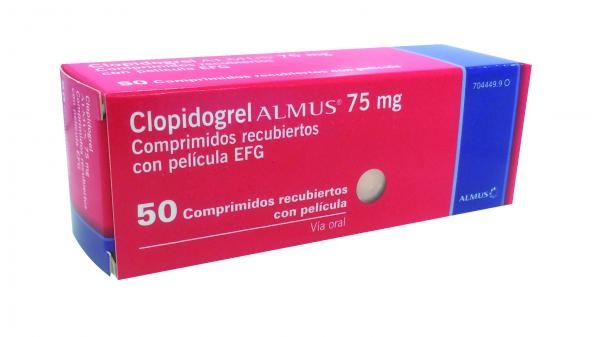
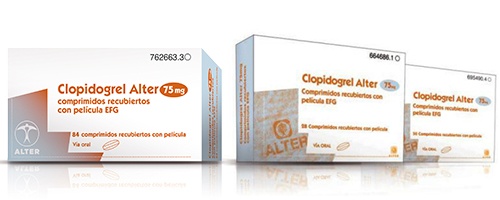
- Alternatives to PLAVIX 75 mg FILM-COATED TABLETSDosage form: TABLET, 75 mg Clopidogrel (112.10 mg Clopidogrel Besilate)Active substance: clopidogrelManufacturer: Especialidades Farmaceuticas Centrum S.A.Prescription requiredDosage form: TABLET, 75 mg clopidogrelActive substance: clopidogrelManufacturer: Almus Farmaceutica S.A.U.Prescription requiredDosage form: TABLET, 75 mgActive substance: clopidogrelManufacturer: Laboratorios Alter S.A.Prescription required

Online doctors for PLAVIX 75 mg FILM-COATED TABLETS
Discuss questions about PLAVIX 75 mg FILM-COATED TABLETS, including use, safety considerations and prescription review, subject to medical assessment and local regulations.





.jpg)





Frequently Asked Questions
