






How to use PERSANTIN 100 mg FILM-COATED TABLETS
Translated with AI
This page provides general information and does not replace a doctor’s consultation. Always consult a doctor before taking any medication. Seek urgent medical care if symptoms are severe.
Show originalContents of the leaflet
Introduction
Package Leaflet: Information for the Patient
Persantin 100 mg Coated Tablets
Dipyridamole
Read the entire package leaflet carefully before starting to take this medication, as it contains important information for you.
- Keep this package leaflet, as you may need to read it again.
- If you have any questions, consult your doctor or pharmacist.
- This medication has been prescribed to you only, and you should not give it to others, even if they have the same symptoms as you, as it may harm them.
- If you experience side effects, consult your doctor or pharmacist, even if they are side effects not listed in this package leaflet. See section 4.
Contents of the Package Leaflet
- What is Persantin and what is it used for
- What you need to know before taking Persantin
- How to take Persantin
- Possible side effects
- Storage of Persantin
- Package Contents and Additional Information
1. What is Persantin and what is it used for
This medication belongs to a group of medications that prevent platelet aggregation. As a result, blood clot formation is prevented.
This medication is used, in combination with oral anticoagulant medications, to prevent blood clot formation in patients with mechanical heart valve implants.

2. What you need to know before taking Persantin
Do not take Persantin:
- if you are allergic to dipyridamole or any of the other components of this medication (listed in section 6).
- in case of hereditary diseases that may be incompatible with any of the excipients of this medication (see "Persantin contains sucrose").
Warnings and Precautions
- if you are to undergo a pharmacological stress test with intravenous dipyridamole or other adenosinergic agents (e.g., adenosine, regadenoson), you should discontinue treatment with medications containing oral dipyridamole, such as Persantin, 24 hours before intravenous dipyridamole administration or 48 hours before administration of other adenosinergic agents, as this may increase the risk of cardiovascular side effects. Taking oral dipyridamole 24 hours before the stress test with intravenous dipyridamole may affect the sensitivity of the test.
- if you have coronary artery disease, as it may worsen existing angina or cause it for the first time
- if you have severe coronary artery disease, including unstable angina, recent myocardial infarction, circulatory instability, or subvalvular aortic stenosis
- if you have myasthenia gravis (a chronic disease characterized by variable degrees of muscle weakness, which can progress to paralysis), as dose adjustment may be necessary (see "Other Medications and Persantin")
- if you have gallstones and suffer from ascending cholangitis, as cases of dipyridamole incorporation into these stones have been described, although these patients had taken oral dipyridamole for years.
Consult your doctor even if any of the above circumstances have occurred to you at any time.
Consult your doctor or pharmacist before starting to take this medication.
Other Medications and Persantin
Tell your doctor or pharmacist if you are using, have recently used, or may need to use any other medication.
Dipyridamole may potentiate the effects of a medication called adenosine and medications that lower blood pressure. Dipyridamole also increases the cardiovascular effects of regadenoson. It may increase the risk of cardiovascular side effects when dipyridamole is not administered 48 hours before the stress test with intravenous adenosinergic agents. It may also reduce the effects of cholinesterase inhibitor medications, potentially worsening myasthenia gravis (a chronic disease characterized by variable degrees of muscle weakness, which can progress to paralysis; see "Warnings and Precautions").
When dipyridamole is administered with any substance that affects coagulation, such as anticoagulants and antiplatelet agents (medications used to prevent blood clots), the safety profile of these medications should be monitored. Concomitant administration with acetylsalicylic acid and warfarin does not result in an increased incidence of bleeding or hemorrhage.
Pregnancy and Breastfeeding
If you are pregnant or breastfeeding, or think you may be pregnant or plan to become pregnant, consult your doctor or pharmacist before using this medication. Your doctor will then decide whether you should take this medication.
Dipyridamole is excreted in breast milk, so you should consult your doctor about the convenience of taking this medication while breastfeeding your child.
Driving and Using Machines
While taking this medication, you may experience side effects such as dizziness. You should be cautious when driving a car or operating machinery. If you experience dizziness, you should avoid potentially hazardous activities such as driving or using machines.
Persantin Contains Sucrose
This medication contains sucrose. If your doctor has told you that you have an intolerance to certain sugars, consult with them before taking this medication.
3. How to Take Persantin
Follow your doctor's instructions for taking this medication exactly. If you are unsure, consult your doctor or pharmacist again. Your doctor will indicate the duration of your treatment with this medication.
It should be taken orally. Swallow the coated tablets with a sufficient amount of water.
The recommended dose for adults is 3-4 coated tablets, divided into several doses throughout the day (300-400 mg of dipyridamole per day). The maximum daily dose is 6 coated tablets (600 mg of dipyridamole).
If you think the effect of this medication is too strong or too weak, tell your doctor or pharmacist.
Use in Children
This medication should not be given to children, as there is not enough information available for this age group.
If You Take More Persantin Than You Should
Symptoms such as a feeling of heat, flushing, sweating, restlessness, weakness, dizziness, and angina-like symptoms, as well as a decrease in blood pressure and an increase in heart rate, may occur.
If you have taken more medication than you should, consult your doctor, pharmacist, or call the Toxicology Information Service, phone 91 562 04 20, indicating the medication and the amount taken. Bring the package and package leaflet to the healthcare professional.
Information for the Doctor: Symptomatic treatment is recommended, and the need for gastric lavage should be considered. Administration of xanthine derivatives (e.g., aminophylline) may counteract the hemodynamic effects of a dipyridamole overdose. Due to its wide distribution to tissues and predominantly hepatic elimination, procedures that enhance elimination are not suitable.
If You Forget to Take Persantin
Do not take a double dose to make up for forgotten doses.
If You Interrupt Treatment with Persantin
If you have any further questions about the use of this medication, ask your doctor or pharmacist.

4. Possible Side Effects
Like all medications, this medication can cause side effects, although not everyone experiences them.
The following adverse reactions have been reported during the use of Persantin in clinical trials and during post-marketing experience.
Side effects usually appear at the start of treatment and are usually mild and transient.
Side effects are listed below, grouped by frequency of occurrence.
Very common side effects (affecting more than 1 in 10 patients):
- headache
- dizziness
- nausea
- diarrhea
Common side effects (affecting between 1 and 10 in 100 patients):
- angina pectoris
- vomiting
- rash (exanthema)
- muscle pain (myalgia)
Side effects of unknown frequency (cannot be estimated from available data):
- decrease in platelet count (thrombocytopenia)
- allergic reactions (hypersensitivity)
- rapid swelling of the skin and mucous membranes (angioedema)
- increased heart rate (tachycardia)
- low blood pressure (hypotension)
- flushing
- contraction of bronchial muscle that makes breathing difficult (bronchospasm)
- hives (urticaria)
- bleeding during a medical procedure
- bleeding after surgery
Reporting Side Effects
If you experience any side effects, consult your doctor or pharmacist, even if they are possible side effects not listed in this package leaflet. You can also report them directly through the Spanish Medication Surveillance System for Human Use: https://www.notificaRAM.es. By reporting side effects, you can help provide more information on the safety of this medication.
5. Storage of Persantin
Keep this medication out of the sight and reach of children.
No special storage conditions are required.
Do not use this medication after the expiration date stated on the package. The expiration date is the last day of the month indicated.
Medications should not be disposed of via wastewater or household waste. Deposit the packages and medications you no longer need at the SIGRE collection point in your pharmacy. Ask your pharmacist how to dispose of packages and medications you no longer need. This will help protect the environment.
6. Package Contents and Additional Information
Persantin Composition
- The active ingredient is dipyridamole.
- The other ingredients are anhydrous monocalcium phosphate, cornstarch, anhydrous colloidal silica, magnesium stearate, sucrose, talc, gum arabic, titanium dioxide (E 171), macrogol 6000, bleached beeswax, and carnauba wax.
Appearance of the Product and Package Contents
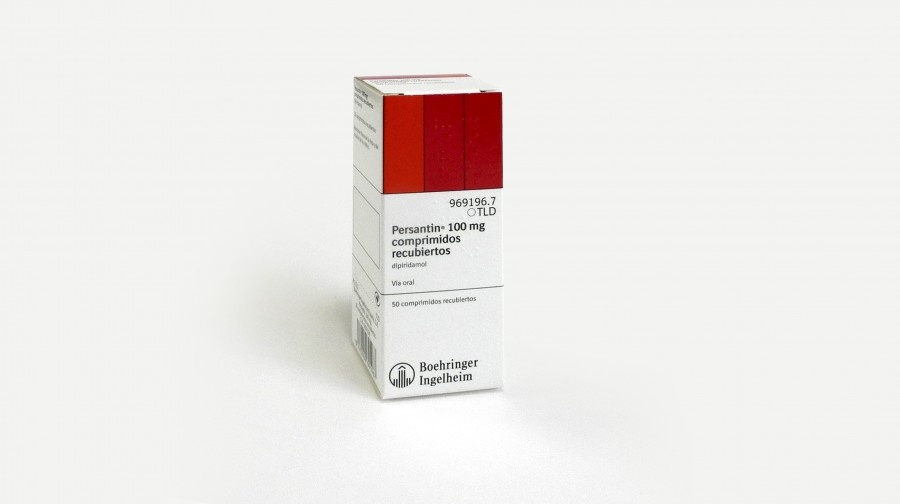
Persantin are round, biconvex, white coated tablets with a yellow core. They are available in a package containing 50 coated tablets.
Marketing Authorization Holder
Glenwood GmbH Pharmazeutische Erzeugnisse
Arabellastr.17
81925 Munich
Germany
Manufacturer
Delpharm Reims, S.A.S.
10 Rue Colonel Charbonneaux
51100 Reims (France)
Date of the Last Revision of this Package Leaflet:October 2021
Detailed and updated information on this medication is available on the website of the Spanish Agency for Medicines and Health Products (AEMPS) http://www.aemps.gob.es
-

- Country of registration
- Dosage formTABLET, 100 mg
- ATC codeB01AC07
- Average pharmacy price4.95 EUR
- Active substance
- Prescription requiredYes
- Manufacturer
- This information is for reference only and does not constitute medical advice. Always consult a doctor before taking any medication. Oladoctor is not responsible for medical decisions based on this content.
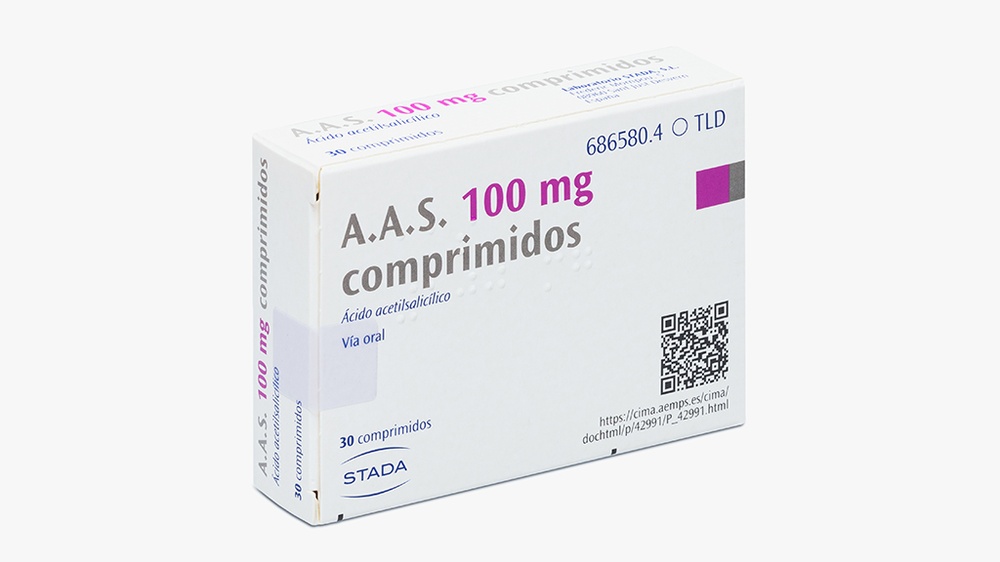
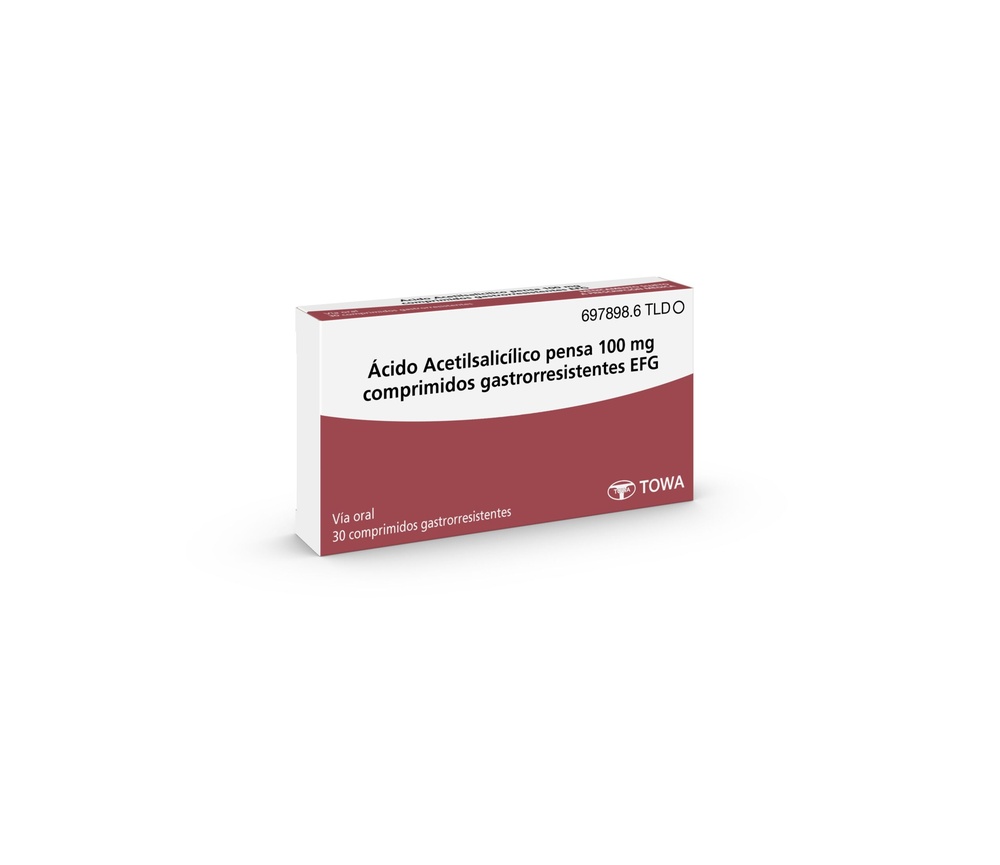
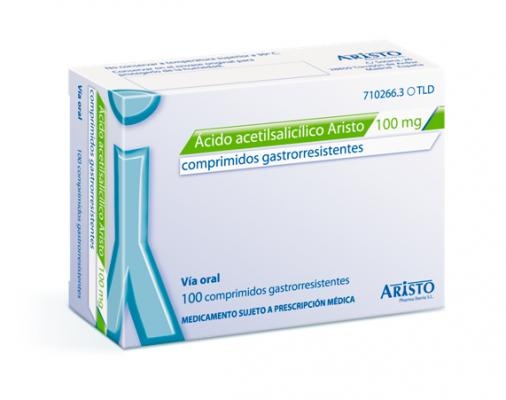
- Alternatives to PERSANTIN 100 mg FILM-COATED TABLETSDosage form: TABLET, 100 mgActive substance: acetylsalicylic acidManufacturer: Laboratorio Stada S.L.Prescription requiredDosage form: TABLET, 100 mgActive substance: acetylsalicylic acidManufacturer: Laboratorios Alter S.A.Prescription requiredDosage form: TABLET, 100 mgActive substance: acetylsalicylic acidManufacturer: Aristo Pharma Iberia S.L.Prescription required
Online doctors for PERSANTIN 100 mg FILM-COATED TABLETS
Discuss questions about PERSANTIN 100 mg FILM-COATED TABLETS, including use, safety considerations and prescription review, subject to medical assessment and local regulations.





Get PERSANTIN 100 mg FILM-COATED TABLETS Prescription Online
Fill in a 2-min form
Tell us your symptoms, history, and what medicine you're requesting.
Pick a doctor or let us assign
Choose a specialist or we'll match you with the next available doctor.
Doctor reviews your case
Usually within 30 minutes. They may ask follow-up questions via chat.
Collect from any pharmacy
Electronic prescription sent to your email — valid across Spain.
Frequently Asked Questions
PERSANTIN 100 mg FILM-COATED TABLETS requires a prescription in Spain. You can check with a doctor online whether this medicine may be appropriate for your situation.
The active ingredient in PERSANTIN 100 mg FILM-COATED TABLETS is dipyridamole. This information helps identify medicines with the same composition but different brand names.
The average pharmacy price for PERSANTIN 100 mg FILM-COATED TABLETS is around 4.95 EUR. Prices may vary depending on the manufacturer and dosage form.
PERSANTIN 100 mg FILM-COATED TABLETS is manufactured by Glenwood Gmbh Pharmazeutische Erzeugnisse. Pharmacy brands and packaging may differ depending on the distributor.
Doctors such as Family doctors, Psychiatrists, Dermatologists, Cardiologists, Endocrinologists, Gastroenterologists, Pulmonologists, Nephrologists, Rheumatologists, Hematologists, Infectious disease physicians, Allergists, Geriatricians, Paediatricians, Oncologists may assess whether PERSANTIN 100 mg FILM-COATED TABLETS is appropriate, depending on your situation and local regulations. You can book an online consultation to discuss your symptoms and possible next steps.
Spain has a well-developed healthcare infrastructure across major cities such as Madrid, Barcelona, Valencia, and Seville. Pharmacies are widely available and operate under strict regulations, ensuring access to prescribed medications.
You can buy PERSANTIN 100 mg FILM-COATED TABLETS in Madrid, Barcelona, Seville, or Valencia at any local pharmacy with a valid prescription.
To obtain a prescription, you can use Oladoctor:
Other medicines with the same active substance (dipyridamole) include A.A.S. 100 mg TABLETS, Acetylsalicylic Acid ALTER 100 mg Gastro-Resistant Tablets, ACETIC ACID SALICYLIC ARISTO 100 mg GASTRO-RESISTANT TABLETS. These may have different brand names or formulations but contain the same therapeutic ingredient. Always consult a doctor before switching or starting a new medicine.
