

PERINDOPRIL 2 mg /0.625 Mg Tablets





How to use PERINDOPRIL/INDAPAMIDE STADA 2 mg/0.625 mg TABLETS
Translated with AI
This page provides general information and does not replace a doctor’s consultation. Always consult a doctor before taking any medication. Seek urgent medical care if symptoms are severe.
Show originalContents of the leaflet
Introduction
Package Leaflet: Information for the Patient
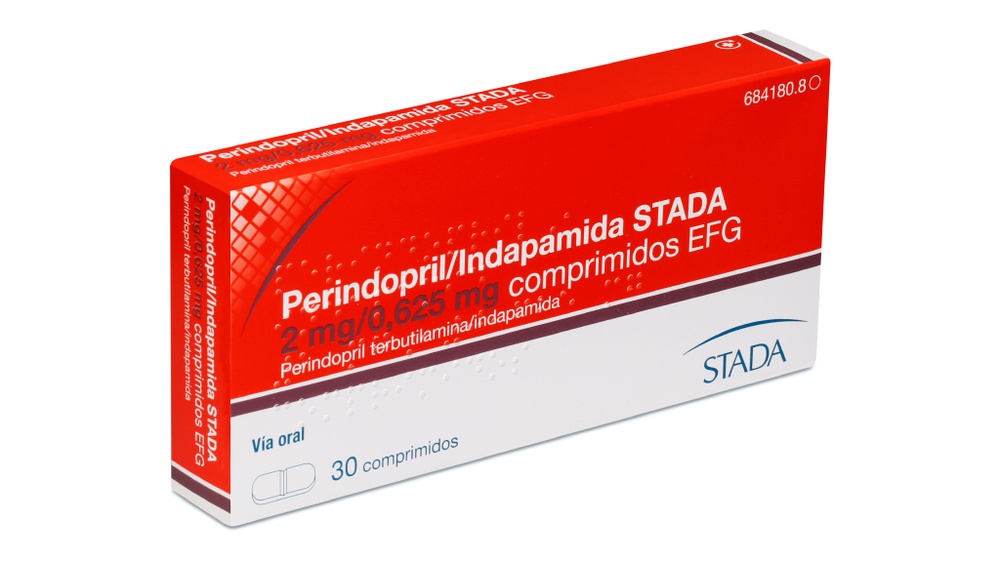
Perindopril/Indapamide Stada 2 mg/0.625 mg Tablets EFG
perindopril tert-butylamine/indapamide
Read all of this leaflet carefully before you start taking this medicine because it contains important information for you.
- Keep this leaflet, you may need to read it again.
- If you have any further questions, ask your doctor or pharmacist.
- This medicine has been prescribed for you only. Do not pass it on to others. It may harm them, even if their signs of illness are the same as yours.
- If you get any side effects, talk to your doctor or pharmacist. This includes any possible side effects not listed in this leaflet. See section 4.
Contents of the pack
- What is Perindopril/Indapamide Stada and what is it used for
- What you need to know before you take Perindopril/Indapamide Stada
- How to take Perindopril/Indapamide Stada
- Possible side effects
- Storage of Perindopril/Indapamide Stada
- Contents of the pack and further information
1. What is Perindopril/Indapamide Stada and what is it used for
Perindopril/Indapamide Stada is an association of perindopril and indapamide. They belong to the group of antihypertensive medicines, used for the treatment of high blood pressure.
Perindopril belongs to the group of medicines called ACE inhibitors. They work by widening the blood vessels, so your heart can pump blood more easily through them.
Indapamide belongs to the group of medicines called diuretics. They work by allowing the kidney to produce more urine than normal.
Each of the medicines acts together to reduce blood pressure and control it.

2. What you need to know before you take Perindopril/Indapamida Stada
Do not take Perindopril/Indapamida Stada
- if you are allergic to perindopril, indapamide or any of the other ingredients of this medicine (listed in section 6).
- if you are allergic to any other ACE inhibitor or diuretic (sulfonamides).
- if you have experienced swelling of the face, lips, tongue or throat that may cause difficulty in swallowing or breathing, during previous therapy with an ACE inhibitor. This is a condition called angioedema (Quincke's edema).
- alternatively, if you or any member of your family has had these symptoms, inform your doctor as soon as possible.
- if you have heart problems or are taking medicines (see "Other medicines and Perindopril/Indapamida Stada").
- if you are pregnant more than 3 months (it is also preferable to avoid Perindopril/Indapamida Stada in the first months of pregnancy, see "Pregnancy and
 lactation").
- if you are breast-feeding (see "Pregnancy and lactation").
- if you have kidney failure or are on dialysis treatment.
- if you have diabetes or kidney failure and are being treated with a blood pressure-lowering medicine that contains aliskiren.
- if you have severe liver damage or suffer from a condition called hepatic encephalopathy (a brain and nervous system disorder caused by severe liver damage).
- if your doctor has told you that you have low or high potassium levels in your blood.
- if you have taken or are taking sacubitril/valsartan, a medicine used to treat a type of long-term (chronic) heart failure in adults, as the risk of angioedema (rapid swelling under the skin in areas such as the throat) is high.
Warnings and precautions
Consult your doctor or pharmacist before starting to take Perindopril/Indapamida Stada:
- if you have bilateral renal artery stenosis (narrowing of the main blood vessel that goes to the kidney) or a single functioning kidney.
- if you have diabetes.
- if you are on a low-salt diet or use salt substitutes that contain potassium.
- if you are taking lithium or potassium-sparing diuretics (e.g. spironolactone, triamterene).
- if you are taking a medicine that is a combination with a potassium-sparing diuretic.
- if you are going to have surgery with general anesthesia, as you will need to stop treatment a few days before.
- if you have atherosclerosis (a disease of the arteries in which the blood vessels become thick and hard due to cholesterol deposits).
- if you are undergoing LDL apheresis (removal of cholesterol from your blood by a machine).
- if you are going to receive desensitization treatment to reduce the effects of an allergy (e.g. to bee or wasp stings).
- if you are going to undergo any medical test that requires injecting a substance that allows organs such as the kidney or stomach to be visible with X-rays (iodinated contrast agent).
- if you have anemia (a condition in which the red blood cells in your body carry less oxygen, some symptoms of anemia are fatigue, headache, dizziness).
- if you have gout (a disease in which uric acid crystals cause swelling of the joints).
- if you suffer from a collagen disease such as systemic lupus erythematosus or scleroderma.
- you must inform your doctor if you think you are (or might be) pregnant. Perindopril/Indapamida Stada is not recommended at the start of pregnancy, and should not be taken if you are pregnant more than 3 months, as it may cause serious harm to your baby if taken during this period (see "Pregnancy and lactation").
- if you are taking any of the following medicines used to treat high blood pressure (hypertension):
- an angiotensin II receptor antagonist (ARA) (also known as "sartans" - e.g. valsartan, telmisartan, irbesartan), especially if you have kidney problems related to diabetes.
- aliskiren.
- if you are taking any of the following medicines, the risk of angioedema (rapid swelling under the skin in areas such as the throat) may increase:
- racecadotril, a medicine used to treat diarrhea
- medicines used to prevent organ transplant rejection and for cancer (e.g. temsirolimus, sirolimus, everolimus)
- vildagliptin, a medicine used to treat diabetes
- if you experience a decrease in vision or eye pain, they could be symptoms of fluid accumulation in the vascular layer of the eye (choroidal effusion) or an increase in pressure in the eye and can occur within a few hours to a few weeks after taking perindopril/indapamide. This can lead to permanent vision loss if not treated. You may be at greater risk of developing this if you have previously been allergic to penicillin or sulfonamides.
Your doctor may monitor your kidney function, blood pressure, and blood electrolyte levels (e.g. potassium) at regular intervals.
See also the information under the heading "Do not take Perindopril/Indapamida Stada".
Use in athletes
This medicine contains indapamide, which may produce a positive result in doping tests.
Other medicines and Perindopril/Indapamida Stada
Tell your doctor or pharmacist if you are taking, have recently taken or might take any other medicines.
You should avoid taking Perindopril/Indapamida Stada with:
- lithium
- potassium supplements (including salt substitutes), potassium-sparing diuretics (e.g. spironolactone, triamterene, alone or in combination) and other medicines that may increase potassium levels in the blood (e.g. trimethoprim and cotrimoxazole for bacterial infections; cyclosporin, an immunosuppressant used to prevent organ transplant rejection; and heparin, a medicine used to thin the blood to prevent clots).
- allopurinol (for the treatment of gout)
- procainamide (for the treatment of irregular heartbeat)
- systemic corticosteroids (used to treat various disorders including severe asthma and rheumatoid arthritis)
- other medicines used to treat high blood pressure
Your doctor may need to change your dose and/or take precautions:
If you are taking an angiotensin II receptor antagonist (ARA) or aliskiren (see also the information under the headings "Do not take Perindopril/Indapamida Stada" and "Warnings and precautions").
- immunosuppressants used to treat autoimmune disorders or after a transplant to prevent rejection (e.g. cyclosporin)
Treatment with Perindopril/Indapamida Stada may be affected by other medicines. Tell your doctor if you are taking any of the following medicines, as you may need special care:
- astemizole or terfenadine (antihistamines for spring allergic rhinitis or allergies)
- bepridil (used to treat angina pectoris - a feeling of discomfort in the chest)
- erythromycin injectable, moxifloxacin, esparfloxacin (antibiotics)
- halofantrine (used to treat some types of malaria)
- pentamidine (used to treat pneumonia, a serious lung infection)
- vincamine (used to treat cerebral disorders in the elderly)
- baclofen (for the treatment of muscle stiffness that occurs in diseases such as multiple sclerosis)
- medicines for the treatment of diabetes such as insulin or metformin, or hypoglycemic sulfonamides
- non-steroidal anti-inflammatory drugs (e.g. ibuprofen) or high doses of salicylates (e.g. acetylsalicylic acid)
- medicines that reduce potassium, e.g. amphotericin B (injectable, for the treatment of serious fungal diseases), glucocorticoids and mineralocorticoids (systemic), or stimulant laxatives (e.g. senna)
- potassium-sparing diuretics (amiloride, spironolactone, triamterene)
- loop diuretics or thiazides
- medicines for the treatment of irregular heartbeat such as quinidine, hydroquinidine, disopyramide, amiodarone, bretylium, dofetilide, ibutilide, and sotalol
- medicines for the treatment of mental disorders such as depression, anxiety, schizophrenia (e.g. tricyclic antidepressants and neuroleptics such as chlorpromazine, ciamemazine, levomepromazine, thioridazine, trifluoperazine, amisulpride, tiaprida, droperidol, haloperidol, pimozide)
- cisapride, difemanil, mizolastine
- methadone
- sultopride (used in the treatment of psychotic disorders)
- tetracosactide (for the treatment of Crohn's disease)
- calcium salts
- medicines that are most commonly used to treat diarrhea (racecadotril) or prevent organ transplant rejection (sirolimus, everolimus, temsirolimus, and other medicines that belong to the class of so-called mTOR inhibitors). See the section "Warnings and precautions".
Taking Perindopril/Indapamida Stada with food and drinks
It is recommended to take Perindopril/Indapamida Stada in the morning on an empty stomach. Swallow the tablets with a glass of water.
Pregnancy and breast-feeding
If you are pregnant or breast-feeding, think you may be pregnant or are planning to have a baby, ask your doctor for advice before taking this medicine.
Pregnancy
You should inform your doctor if you think you are (or might be) pregnant. Your doctor will normally advise you to stop taking Perindopril/Indapamida Stada before you become pregnant or as soon as you know you are pregnant and will advise you to take another medicine instead of Perindopril/Indapamida Stada.
Perindopril/Indapamida Stada is not recommended at the start of pregnancy, and should not be taken after the first 3 months of pregnancy, as it may cause serious harm to your baby if taken after the third month of pregnancy.
Breast-feeding
Tell your doctor if you are breast-feeding or about to start breast-feeding. Perindopril/Indapamida Stada is not recommended for mothers who are breast-feeding, and your doctor may choose another treatment if you wish to breast-feed, especially if your baby is newborn or premature.
Driving and using machines
Perindopril/Indapamida Stada has a minor to moderate influence on the ability to drive and use machines. This medicine does not alter the state of alertness, but reactions related to blood pressure lowering may occur in certain patients. It can cause dizziness or weakness. Your ability to drive or use machines may be affected, so be careful.
Perindopril/Indapamida Stada contains lactose
If your doctor has told you that you have an intolerance to some sugars, consult with them before taking this medicine.
3. How to take Perindopril/Indapamida Stada
Follow exactly the administration instructions of this medicine given by your doctor. In case of doubt, consult your doctor or pharmacist again. The dose may be increased depending on your condition or other medicines you are taking. Take Perindopril/Indapamida Stada orally only.
The recommended dose is:
High blood pressure:
It is recommended to take one Perindopril/Indapamida Stada 2 mg/0.625 mg tablet in the morning before breakfast. If your blood pressure is not controlled, your doctor may increase the dose to one Perindopril/Indapamida Stada 4 mg/1.25 mg tablet per day.
In elderly patients with high blood pressure:
It is recommended to take one Perindopril/Indapamida Stada 2 mg/0.625 mg tablet in the morning before breakfast.
If you take more Perindopril/Indapamida Stada than you should
If you take more Perindopril/Indapamida Stada than you should or someone has taken your medicine, contact your doctor or pharmacist immediately. The most frequent symptom in case of overdose is a decrease in blood pressure, symptoms can be dizziness, drowsiness, or nausea. It may help to lie down with your legs raised.
In case of overdose or accidental ingestion, consult the Toxicology Information Service, phone 91 562 04 20, indicating the medicine and the amount taken.
If you forget to take Perindopril/Indapamida Stada
Take the next dose at the usual time, unless it is the time for the next dose. Take your next dose at the usual time. Do not take a double dose to make up for forgotten doses.
If you stop taking Perindopril/Indapamida Stada
If you stop taking Perindopril/Indapamida Stada, inform your doctor as soon as possible. Normally, treatment for high blood pressure is long-term.
If you have any further questions on the use of this medicine, ask your doctor or pharmacist.

4. Possible Adverse Effects
Like all medicines, this medicine can cause adverse effects, although not all people suffer from them.
Frequent (may affect up to 1 in 10 people)
- dry cough
- dry mouth
- constipation
- nausea
- stomach pain or discomfort
- loss of appetite
- loss of taste
- low blood potassium levels
Uncommon (may affect up to 1 in 100 people)
- low blood pressure
- headache
- dizziness when standing up
- dizziness
- mood changes
- sleep disturbances
- hypersensitivity reaction (allergic reaction)
- cramps
- paresthesia (hypersensitivity or tingling in hands and feet)
- depression
- low blood sodium levels that can cause dehydration and low blood pressure
- impotence (inability to have or maintain an erection)
Rare (may affect up to 1 in 1,000 people)
- high blood calcium levels
- worsening of psoriasis
- acute kidney failure
- decreased or absent diuresis
- concentrated urine, feeling of discomfort (nausea) or being sick (vomiting), muscle cramps, confusion, and convulsions. These symptoms can be due to a disease called SIADH (inadequate secretion of antidiuretic hormone).
- facial flushing
- low blood chloride levels
- low blood magnesium levels
Very Rare (may affect up to 1 in 10,000 people)
- thrombocytopenia: low platelet count in the blood. Symptoms may include bleeding or bruising more easily than normal.
- leukopenia or agranulocytosis: lack of white blood cells. Symptoms may include frequent infections such as fever, chills, sore throat, or mouth ulcers.
- aplastic anemia: a rare type of anemia with reduced red, white, and platelet cells.
- hemolytic anemia: a disease resulting from the destruction of red blood cells.
- anemia in patients after a kidney transplant or on hemodialysis.
- pancreatitis: inflammation of the pancreas in case of liver failure.
- hepatic encephalopathy: brain and nervous system damage related to liver disease complications.
Unknown frequency (cannot be estimated from available data)
- color change, numbness, and pain in the fingers of the hands or feet (Raynaud's disease).
- decreased vision or eye pain due to high pressure (possible signs of fluid accumulation in the vascular layer of the eye (choroidal effusion) or acute angle-closure glaucoma).
If a blood test needs to be performed, inform your doctor that you are taking Perindopril/Indapamida Stada, as the following may appear:
- high potassium levels
- high uric acid and glucose levels
- slightly elevated creatinine and urea levels
Reporting of adverse effects:
If you experience any type of adverse effect, consult your doctor or pharmacist, even if it is a possible adverse effect that is not listed in this prospectus. You can also report them directly through the Spanish Pharmacovigilance System for Human Use Medicines: https://www.notificaram.es. By reporting adverse effects, you can contribute to providing more information on the safety of the medicine.
5. Storage of Perindopril/Indapamida Stada
Keep this medicine out of sight and reach of children.
Store in the original package to protect it from moisture.
When closed, this medicine does not require any special storage temperature.
Once the protective bag is opened, the blisters should be stored in the case at a temperature below 30°C. All unused tablets should be discarded 2 months after opening the protective bag.
Do not use this medicine after the expiration date stated on the packaging after CAD. The expiration date is the last day of the month indicated.
Medicines should not be thrown away via wastewater or household waste. Deposit the packaging and unused medicines in the SIGRE Point of the pharmacy. In case of doubt, ask your pharmacist how to dispose of the packaging and unused medicines. This way, you will help protect the environment.
6. Package Contents and Additional Information
Composition of Perindopril/Indapamida Stada
- The active ingredients are perindopril terbutylamine and indapamide. Each tablet contains 2 mg of perindopril terbutylamine equivalent to 1.669 mg of perindopril and 0.625 mg of indapamide.
- The other ingredients are: lactose monohydrate, magnesium stearate, hydrophobic colloidal silica, and microcrystalline cellulose.
Appearance of the Product and Package Contents
White tablets, capsule-shaped, engraved with "P" and "I" on either side of the score line on one face and a score line on the other face. The tablet can be divided into equal doses.
The tablets are presented in PVC/PVdC-Aluminum blisters with an aluminum protective bag, including a desiccant to protect the tablets from moisture. Do not ingest the desiccant.
Package sizes: 30, 90, and 100
Not all package sizes may be marketed.
Marketing Authorization Holder and Manufacturer
Marketing Authorization Holder
Laboratorio STADA, S.L.
Frederic Mompou, 5
08960 Sant Just Desvern (Barcelona)
Spain
Manufacturer
STADA Arzneimittel AG
Stadastr. 2-18
D-61118 Bad Vilbel
Germany
This medicine is authorized in the EEA member states with the following names:
Bulgaria: Pontea
Spain: Perindopril/Indapamida Stada 2 mg/0.625 mg tablets EFG
Netherlands: Perindopril/Indapamide STADA 2/0.625 mg, tablets
Slovak Republic: Perindostad Kombi 2 mg/0.625 mg tablets
Date of the last revision of this prospectus: March 2022
Detailed and updated information on this medicine is available on the website of the Spanish Agency for Medicines and Health Products (AEMPS) http://www.aemps.gob.es/
-

- Country of registration
- Dosage formTABLET, 2 mg/0.625 mg
- ATC codeC09BA04
- Average pharmacy price8.82 EUR
- Active substance
- Prescription requiredYes
- Manufacturer
- CompositionLACTOSA MONOHIDRATO (58,47 mg mg)
- This information is for reference only and does not constitute medical advice. Always consult a doctor before taking any medication. Oladoctor is not responsible for medical decisions based on this content.
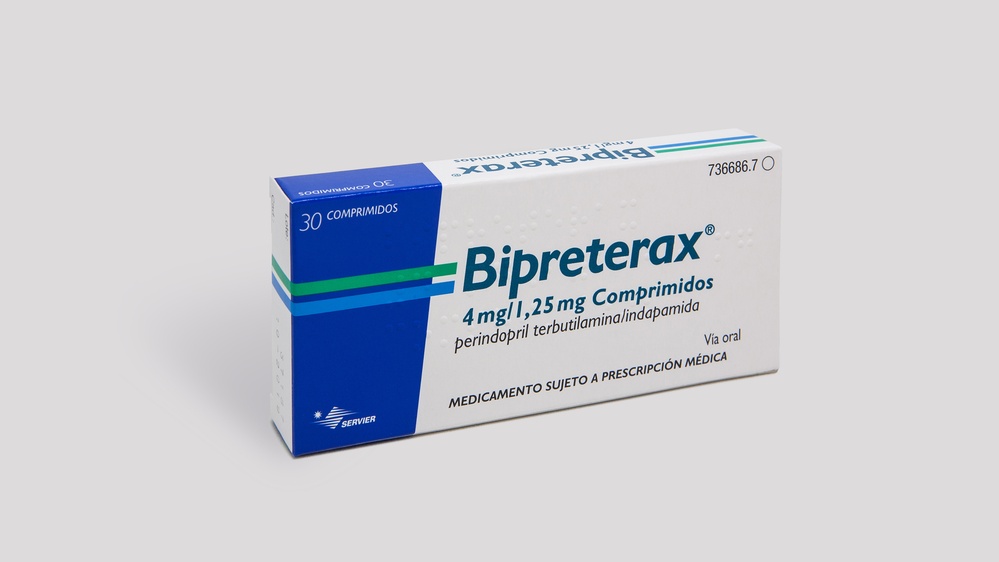
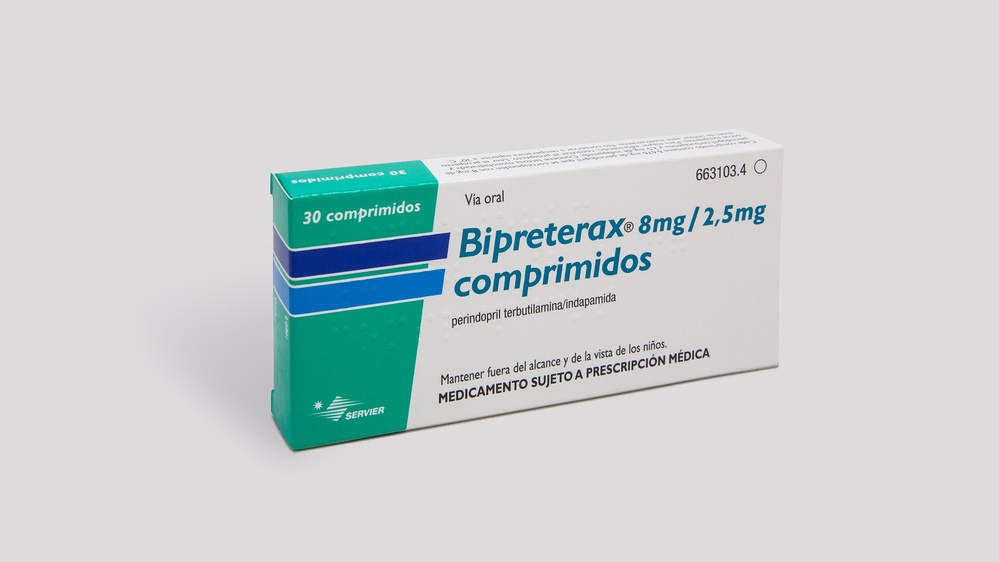
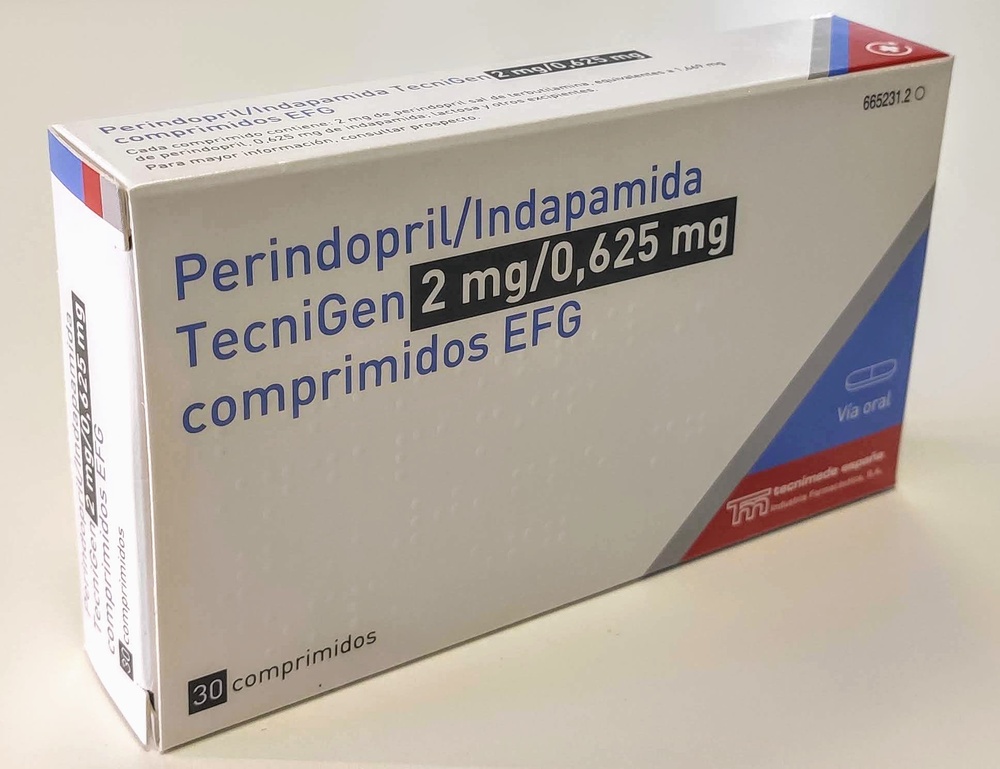
- Alternatives to PERINDOPRIL/INDAPAMIDE STADA 2 mg/0.625 mg TABLETSDosage form: TABLET, 4 mg/1.25 mgActive substance: perindopril and diureticsManufacturer: Les Laboratoires ServierPrescription requiredDosage form: TABLET, 8 mg/2.5 mgActive substance: perindopril and diureticsManufacturer: Les Laboratoires ServierPrescription requiredDosage form: TABLET, 2 mg/0.625 mgActive substance: perindopril and diureticsManufacturer: Laboratorios Combix S.L.U.Prescription required
Online doctors for PERINDOPRIL/INDAPAMIDE STADA 2 mg/0.625 mg TABLETS
Discuss questions about PERINDOPRIL/INDAPAMIDE STADA 2 mg/0.625 mg TABLETS, including use, safety considerations and prescription review, subject to medical assessment and local regulations.
Get PERINDOPRIL/INDAPAMIDE STADA 2 mg/0.625 mg TABLETS Prescription Online
Fill in a 2-min form
Tell us your symptoms, history, and what medicine you're requesting.
Pick a doctor or let us assign
Choose a specialist or we'll match you with the next available doctor.
Doctor reviews your case
Usually within 30 minutes. They may ask follow-up questions via chat.
Collect from any pharmacy
Electronic prescription sent to your email — valid across Spain.
Frequently Asked Questions
Is a prescription required for PERINDOPRIL/INDAPAMIDE STADA 2 mg/0.625 mg TABLETS?
PERINDOPRIL/INDAPAMIDE STADA 2 mg/0.625 mg TABLETS requires a prescription in Spain. You can check with a doctor online whether this medicine may be appropriate for your situation.
What is the active substance in PERINDOPRIL/INDAPAMIDE STADA 2 mg/0.625 mg TABLETS?
The active ingredient in PERINDOPRIL/INDAPAMIDE STADA 2 mg/0.625 mg TABLETS is perindopril and diuretics. This information helps identify medicines with the same composition but different brand names.
How much does PERINDOPRIL/INDAPAMIDE STADA 2 mg/0.625 mg TABLETS cost in pharmacies?
The average pharmacy price for PERINDOPRIL/INDAPAMIDE STADA 2 mg/0.625 mg TABLETS is around 8.82 EUR. Prices may vary depending on the manufacturer and dosage form.
Who manufactures PERINDOPRIL/INDAPAMIDE STADA 2 mg/0.625 mg TABLETS?
PERINDOPRIL/INDAPAMIDE STADA 2 mg/0.625 mg TABLETS is manufactured by Laboratorio Stada S.L.. Pharmacy brands and packaging may differ depending on the distributor.
Which doctors can assess the use of PERINDOPRIL/INDAPAMIDE STADA 2 mg/0.625 mg TABLETS online?
Doctors such as Family doctors, Psychiatrists, Dermatologists, Cardiologists, Endocrinologists, Gastroenterologists, Pulmonologists, Nephrologists, Rheumatologists, Hematologists, Infectious disease physicians, Allergists, Geriatricians, Paediatricians, Oncologists may assess whether PERINDOPRIL/INDAPAMIDE STADA 2 mg/0.625 mg TABLETS is appropriate, depending on your situation and local regulations. You can book an online consultation to discuss your symptoms and possible next steps.
How to buy PERINDOPRIL/INDAPAMIDE STADA 2 mg/0.625 mg TABLETS in Spain?
Spain has a well-developed healthcare infrastructure across major cities such as Madrid, Barcelona, Valencia, and Seville. Pharmacies are widely available and operate under strict regulations, ensuring access to prescribed medications.
You can buy PERINDOPRIL/INDAPAMIDE STADA 2 mg/0.625 mg TABLETS in Madrid, Barcelona, Seville, or Valencia at any local pharmacy with a valid prescription.
To obtain a prescription, you can use Oladoctor:
What are the alternatives to PERINDOPRIL/INDAPAMIDE STADA 2 mg/0.625 mg TABLETS?
Other medicines with the same active substance (perindopril and diuretics) include BIPRETERAX 4 mg/1.25 mg TABLETS, BIPRETERAX 8 mg/2.5 mg TABLETS, PERINDOPRIL/INDAPAMIDE COMBIX 2 mg/0.625 mg TABLETS. These may have different brand names or formulations but contain the same therapeutic ingredient. Always consult a doctor before switching or starting a new medicine.
