


PENTASA 1 g SUPPOSITORIES
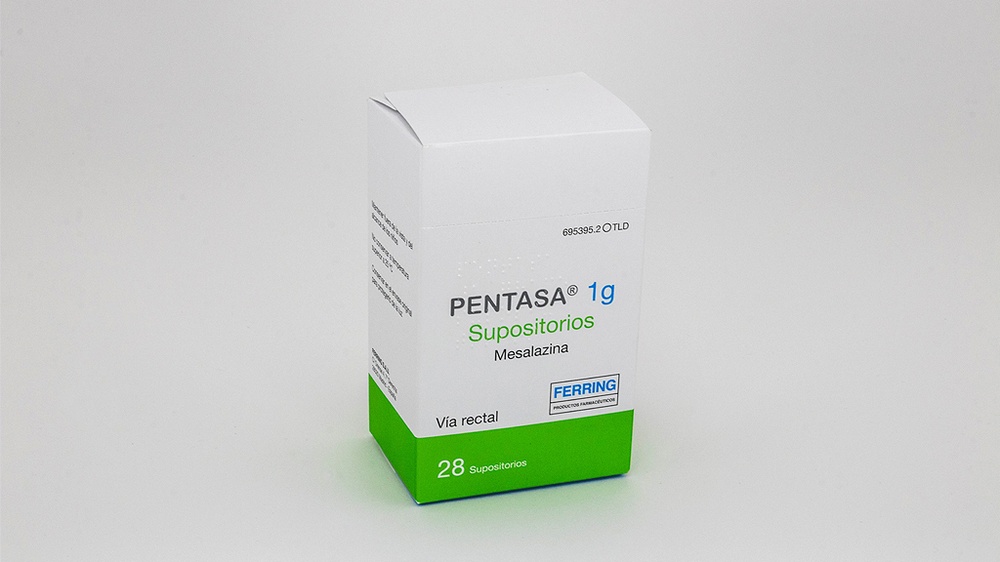



How to use PENTASA 1 g SUPPOSITORIES
Translated with AI
This page provides general information and does not replace a doctor’s consultation. Always consult a doctor before taking any medication. Seek urgent medical care if symptoms are severe.
Show originalContents of the leaflet
- Introduction
- What Pentasa suppositories are and what they are used for
- What you need to know before you use Pentasa suppositories
- How to use Pentasa suppositories
- Possible side effects
- Storing Pentasa suppositories
- Medicines should not be disposed of via wastewater or household waste. Place the packaging and any unused medicine in the SIGRE collection point at your pharmacy. If you have any doubts, ask your pharmacist how to dispose of the packaging and any unused medicine. This will help protect the environment.
- Contents of the pack and other information
Introduction
Package Leaflet: Information for theuser
PENTASA 1 gram suppositories
Mesalazine
Read all of this leaflet carefully before you start usingthis medicine because it contains important information for you.
- Keep this leaflet, you may need to read it again.
- If you have any further questions, ask your doctor or pharmacist.
- This medicine has been prescribed for you only. Do not pass it on to others. It may harm them, even if their signs of illness are the same as yours.
- If you experience any side effects, talk to your doctor or pharmacist. This includes any possible side effects not listed in this leaflet. See section 4.
Contents of the pack
- What Pentasa suppositories are and what they are used for
- What you need to know before you use Pentasa suppositories
- How to use Pentasa suppositories
- Possible side effects
- Storing Pentasa suppositories
- Contents of the pack and other information
1. What Pentasa suppositories are and what they are used for
Pentasa suppositories contain mesalazine. Mesalazine belongs to a group of medicines called intestinal anti-inflammatory agents.
Pentasa suppositories are indicated for the treatment of ulcerative proctitis.

2. What you need to know before you use Pentasa suppositories
Do not use Pentasa suppositories:
- if you are allergic to mesalazine or any of the other ingredients of this medicine (listed in section 6).
- if you are allergic to acetylsalicylic acid.
- if you have impaired renal or hepatic function. Renal function should be regularly monitored, especially during the initial phase of treatment.
Warnings and precautions
Consult your doctor or pharmacist before starting treatment with Pentasa suppositories.
Before starting treatment with this medicine, tell your doctor:
- if you are allergic to sulfasalazine (risk of salicylate allergies).
- if you currently have or have had liver or kidney function impairment.
- if you have a disease that may make you prone to bleeding
- if you are undergoing treatment that may affect kidney function, for example non-steroidal anti-inflammatory drugs (NSAIDs) such as aspirin
- if you have respiratory problems, particularly asthma.
- treatment should be discontinued immediately in case of cramps, abdominal pain, fever, severe headache, and rash.
- Kidney stones may occur with the use of mesalazine. Symptoms include pain in the sides of the abdomen and blood in the urine. Make sure to drink a sufficient amount of liquid during treatment with mesalazine.
- If you have ever suffered from a severe skin rash, desquamation, blisters, or ulcers in the mouth after using mesalazine
Mesalazine may cause a discoloration of the urine to a reddish-brown color after contact with sodium hypochlorite bleach in the toilet water. This is a chemical reaction between mesalazine and bleach and is harmless.
Be careful with mesalazine:
Severe skin reactions, such as drug reaction with eosinophilia and systemic symptoms (DRESS), Stevens-Johnson syndrome (SSJ), and toxic epidermal necrolysis (NET), have been observed with mesalazine treatment. Stop taking mesalazine and seek medical attention immediately if you observe any of the symptoms related to these severe skin reactions described in section 4.
If you experience severe or recurrent headache, vision changes, or ringing or buzzing in the ears, contact your doctor immediately.
While you are being treated with this medicine, your doctor will perform blood and urine tests to monitor your kidney function, especially at the start of treatment.
Use in elderly:
It should be used with caution in elderly patients and only in patients with normal renal function.
Use in children:
There is limited experience and documentation on the effect in children.
Interaction of Pentasa suppositories with other medicines:
Tell your doctor or pharmacist if you are using, have recently used, or might use any other medicines.
This is especially important if you are taking any of the following medicines:
- azathioprine (used after transplants or to treat autoimmune diseases)
- 6-mercaptopurine or thioguanine (chemotherapy, used to treat leukemia)
- certain drugs that inhibit blood coagulation (medicines for thrombosis or to fluidize your blood).
Pregnancy, breastfeeding, and fertility
If you are pregnant or breastfeeding, or think you may be pregnant or are planning to have a baby, ask your doctor or pharmacist for advice before taking this medicine.
There is limited experience with the use of mesalazine during pregnancy and breastfeeding. Blood disorders have been observed in newborns of mothers treated with this medicine. Newborns may develop allergic reactions after breastfeeding, such as diarrhea. If the newborn presents with diarrhea, breastfeeding should be discontinued.
Fertility:
Data on mesalazine in animals show that it has no effect on male or female fertility.
Driving and using machines:
Treatment with Pentasa suppositories does not appear to have any influence on the ability to drive and/or use machines.
3. How to use Pentasa suppositories
Follow the instructions for administration of this medicine exactly as indicated by your doctor or pharmacist. If you are unsure, consult your doctor or pharmacist again.
Remember to use your medicine.
Each Pentasa 1 gram suppository is protected by an aluminum blister that should be opened immediately before use.
- It is recommended to evacuate before administering the suppository.
- Remove a suppository from the aluminum blister.
- Insert the suppository until resistance disappears.
- If the suppository is expelled during the first 10 minutes, a new one should be administered.
Recommended dose:
Adults: 1 suppository one to two times a day rectally.
Children: There is limited experience and documentation on the effect in children.
The dosage should be adjusted according to the patient's response.
If you think the effect of this medicine is too strong or too weak, talk to your doctor or pharmacist.
Your doctor will indicate the duration of your treatment with Pentasa suppositories.
If you use more Pentasa suppositories than you should
No cases of overdose have been reported in humans, but if an overdose is suspected, consult your doctor or pharmacist immediately.
In case of overdose or accidental ingestion, consult your doctor or pharmacist immediately or call the Toxicology Information Service. Phone: 91 562 04 20, indicating the medicine and the amount ingested.
If you forget to use Pentasa suppositories:
Insert the suppository as soon as you remember and continue with the next one at the usual time.
Do not use a double dose to make up for forgotten doses.
If you stop treatment with Pentasa 1 gram suppositories
Your doctor will indicate the duration of your treatment with Pentasa 1 gram suppositories. Do not stop treatment before, even if you feel better, as symptoms may return if treatment is stopped too soon. Follow the treatment strictly according to your doctor's instructions for the maintenance period.
If you have any other questions about the use of this product, ask your doctor or pharmacist.

4. Possible side effects
Like all medicines, Pentasa suppositories can cause side effects, although not everybody gets them.
Severe side effects:
Very few cases of severe allergic reactions (including severe skin erosion) have been reported. The allergic reaction could lead to swelling of the face and neck and/or difficulty breathing or swallowing. If this happens, contact your doctor or emergency service immediately.
Tell your doctor immediately if you experience severe or recurrent headache, vision changes, or ringing or buzzing in the ears. These could be symptoms of increased pressure inside your skull (idiopathic intracranial hypertension).
Stop taking mesalazine and seek medical attention immediately if you present any of the following symptoms:
- red patches, or circular or coin-shaped patches on the chest, often with central blisters, desquamation of the skin, ulcers in the mouth, throat, nose, genitals, and eyes, generalized rash, fever, and swollen lymph nodes. These severe skin reactions are often preceded by fever or flu-like symptoms.
The following common side effectsaffect between 1 and 10 in every 100 patients treated:
- headache
- diarrhea
- abdominal pain
- nausea
- vomiting
- skin rash
- flatulence (gas)
- local reactions such as itching, rectal discomfort, and urgency to defecate
Anal discomfort and irritation at the site of administration, itching, feeling of needing to defecate.
The following rare side effectsaffect between 1 and 10 in every 10,000 patients treated:
- inflammation of certain areas of the heart (myocarditis and pericarditis) that can cause difficulty breathing and chest pain or palpitations (rapid or irregular heartbeat)
- inflammation of the pancreas (including symptoms of back and/or stomach pain) and increased amylase
- dizziness
- increased sensitivity of the skin to sunlight and ultraviolet light (photosensitivity)
The following very rare side effectsaffect less than 1 in 10,000 patients treated:
- eosinophilia (as part of an allergic reaction) and blood disorders such as reduced red blood cells (anemia), white blood cells (leukopenia), or platelets (thrombocytopenia), which can increase the risk of infections or bleeding.
- liver disorders (hepatitis) characterized by symptoms including jaundice (yellowing of the skin and/or eyes) and/or pale stools.
- kidney disorders of an inflammatory nature (nephritis) including signs and symptoms such as blood in the urine, edema (swelling due to increased fluids), and increased blood pressure
- peripheral neuropathy (a condition affecting the nerves of the hands and feet, including symptoms of tingling and numbness)
- pulmonary and fibrotic allergic reactions (symptoms include cough, difficulty breathing, bronchospasm, bloody or excessive sputum)
- hair loss (this is reversible)
- muscle or joint pain
- inflammation that can affect several parts of the body, such as joints, skin, kidneys, heart, etc. (symptoms include painful joints, fatigue, fever, unexplained bleeding, bruising, purple skin discoloration, spots under the skin, including severe skin erosion and severe burns that can affect the skin as a protective barrier)
- semen with low sperm concentration (oligospermia) (this is reversible)
- occasionally, allergic reactions and fever may occur
Frequency not known(cannot be estimated from the available data)
- kidney stones and associated kidney pain (see also section 2)
- change in urine color
- If you experience severe or recurrent headache, vision changes, or ringing or buzzing in the ears. These could be symptoms of increased pressure inside your skull (idiopathic intracranial hypertension).
Some of these adverse reactions may also be attributed to the disease itself.
If these symptoms continue or worsen, consult your doctor.
Reporting of side effects:
If you experience any side effects, talk to your doctor or pharmacist. This includes any possible side effects not listed in this leaflet. You can also report side effects directly through the Spanish Medicines and Healthcare Products Agency (AEMPS) website: http://www.aemps.gob.es/. By reporting side effects, you can help provide more information on the safety of this medicine.
5. Storing Pentasa suppositories
Keep this medicine out of the sight and reach of children.
Do not store above 25°C. Store in the original package to protect from light.
Do not use this medicine after the expiry date stated on the package. The expiry date is the last day of the month stated.
Medicines should not be disposed of via wastewater or household waste. Place the packaging and any unused medicine in the SIGRE collection point at your pharmacy. If you have any doubts, ask your pharmacist how to dispose of the packaging and any unused medicine. This will help protect the environment.
6. Contents of the pack and other information
Composition of Pentasa 1 gram suppositories:
- The active ingredient is mesalazine. Each Pentasa suppository contains 1 gram of mesalazine.
- The other ingredients are: macrogol 6000, povidone, magnesium stearate, and talc.
Appearance of the product and pack contents
Pentasa 1 gram suppositories are for rectal administration. The suppositories are white to light brown, speckled, and oval in shape.
They are available in packs of 28 suppositories or 56 suppositories.
Not all presentations are marketed.
Marketing authorization holder and manufacturer
Marketing authorization holder:
Ferring S.A.U
C/ del Arquitecto Sánchez Arcas nº3, 1º
28040 Madrid
Spain
Manufacturer:
Ferring GmbH
Wittland 11
D-24109 Kiel
Germany
Date of last revision of this leaflet: January 2025
Detailed and updated information on this medicine is available on the website of the Spanish Agency for Medicines and Healthcare Products (AEMPS) http://www.aemps.gob.es/
- Country of registration
- Dosage formSUPPOSITORY, 1000 mg
- ATC codeA07EC02
- Average pharmacy price42.13 EUR
- Active substance
- Prescription requiredYes
- Manufacturer
- This information is for reference only and does not constitute medical advice. Always consult a doctor before taking any medication. Oladoctor is not responsible for medical decisions based on this content.
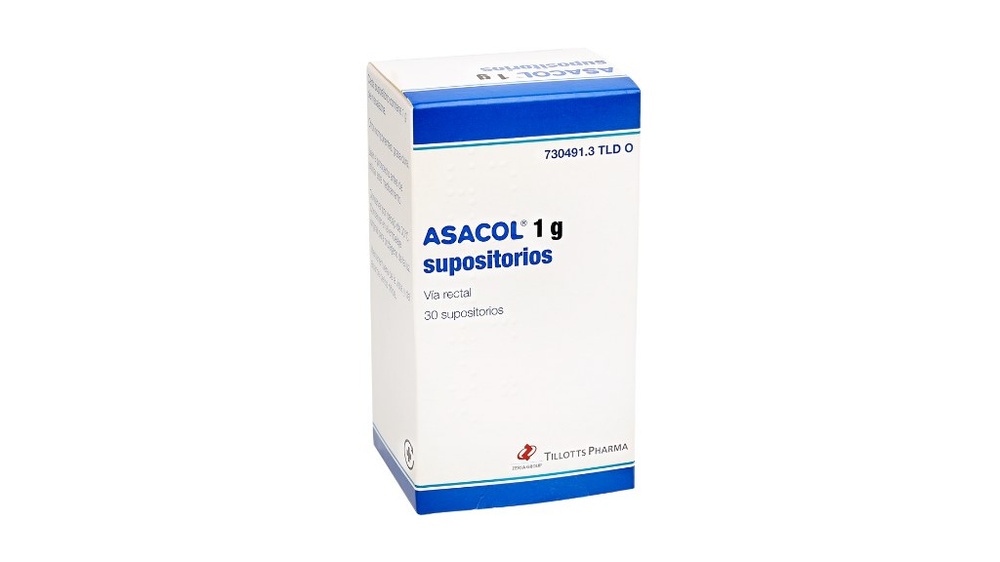
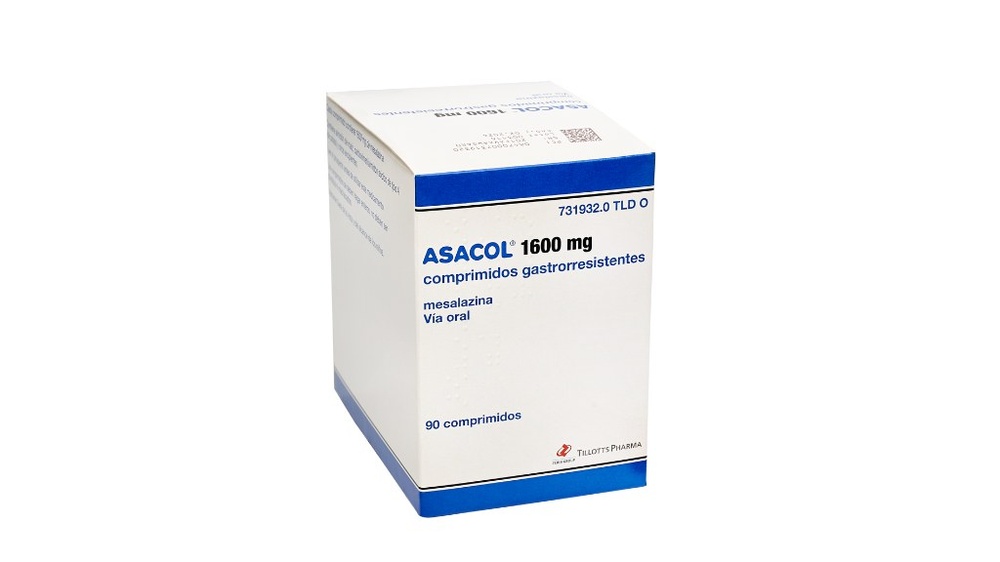
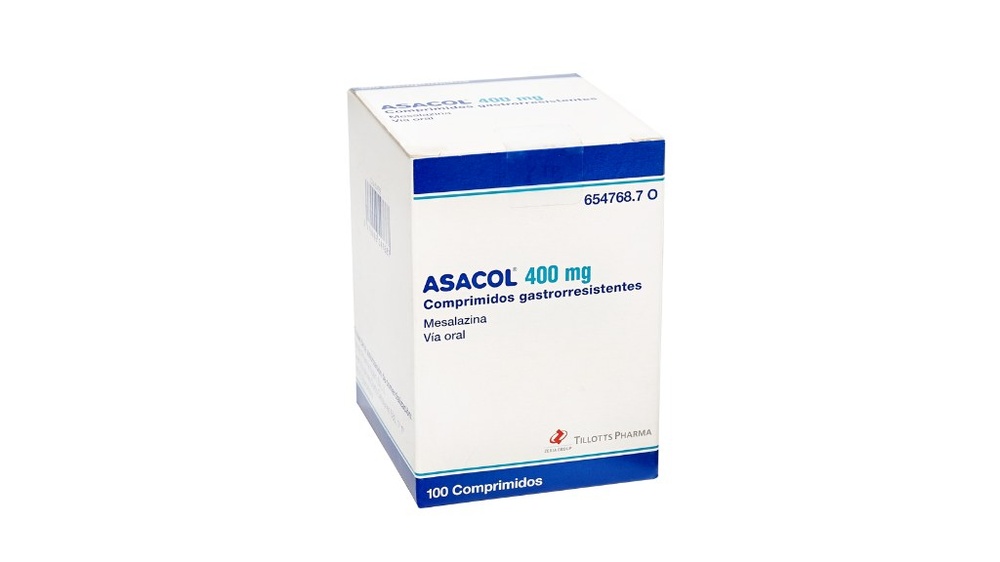
- Alternatives to PENTASA 1 g SUPPOSITORIESDosage form: SUPPOSITORY, 1 gActive substance: mesalazineManufacturer: Tillotts Pharma Spain S.L.U.Prescription requiredDosage form: TABLET, 1600 mgActive substance: mesalazineManufacturer: Tillotts Pharma Spain S.L.U.Prescription requiredDosage form: TABLET, 400 mgActive substance: mesalazineManufacturer: Tillotts Pharma Spain S.L.U.Prescription required
Online doctors for PENTASA 1 g SUPPOSITORIES
Discuss questions about PENTASA 1 g SUPPOSITORIES, including use, safety considerations and prescription review, subject to medical assessment and local regulations.











Frequently Asked Questions
