


PARACETAMOL PHARMACLAN 500 mg FILM-COATED TABLETS
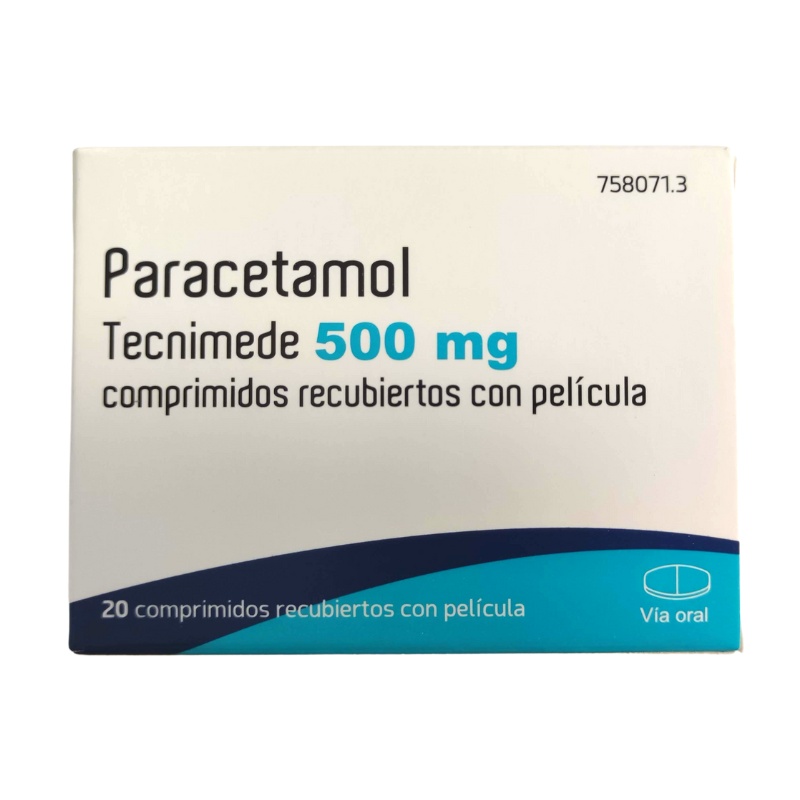



How to use PARACETAMOL PHARMACLAN 500 mg FILM-COATED TABLETS
Translated with AI
This page provides general information and does not replace a doctor’s consultation. Always consult a doctor before taking any medication. Seek urgent medical care if symptoms are severe.
Show originalContents of the leaflet
Introduction
Package Leaflet: Information for the User
Paracetamol Pharmaclan 500 mg Film-Coated Tablets EFG
Read the entire package leaflet carefully before starting to take this medication because it contains important information for you.
Follow the administration instructions for the medication contained in this package leaflet or as indicated by your doctor, pharmacist, or nurse.
- Keep this package leaflet, as you may need to read it again.
- If you need advice or more information, consult your pharmacist.
- If you experience side effects, consult your doctor, pharmacist, or nurse, even if they are side effects not listed in this package leaflet. See section 4.
- You should consult a doctor if your symptoms worsen or do not improve after 5 days in the case of pain and 3 days in the case of fever.
Contents of the Package Leaflet
- What is Paracetamol Pharmaclan and what is it used for
- What you need to know before taking Paracetamol Pharmaclan
- How to take Paracetamol Pharmaclan
- Possible side effects
- Storage of Paracetamol Pharmaclan
- Package Contents and Additional Information
1. What is Paracetamol Pharmaclan and what is it used for
Paracetamol Pharmaclan contains the active ingredient paracetamol, which belongs to a group of medications called analgesics (pain-relieving medications).
Paracetamol is used to relieve pain and help reduce fever. The tablets can treat short-term mild to moderate pain and/or fever.
This medication can be used in adults and adolescents, but it is not suitable for use in children under 6 years of age.

2. What you need to know before taking Paracetamol Pharmaclan
Do not take Paracetamol Pharmaclan
- if you are allergic to paracetamol or any of the other components of this medication (listed in section 6).
Warnings and Precautions
Consult your doctor or pharmacist before starting to take this medication.
- if you are taking other medications that contain paracetamol, as this can cause serious liver damage.
- if you have kidney or liver disease (including Gilbert's syndrome or acute hepatitis).
- if you have a deficiency of a certain enzyme called glucose-6-phosphate dehydrogenase.
- if you have hemolytic anemia (anemia caused by abnormal breakdown of red blood cells).
- if you regularly consume large amounts of alcohol. Never take more than 4 tablets per day.
- if you are asthmatic and have hypersensitivity to acetylsalicylic acid.
- if you have a low body weight (less than 50 kg).
- In case of fluid deficiency in the body (dehydration), for example, due to low fluid intake, diarrhea, or vomiting, or chronic malnutrition.
In cases of high fever, signs of a secondary infection, or persistence of symptoms for more than three days, consult your doctor or pharmacist.
Headaches caused by excessive use of analgesics should not be managed by increasing the dose. In such cases, the use of analgesics should be taken after consulting a doctor.
In general, the habitual use of analgesics, especially when combined with several analgesic agents, can lead to permanent kidney damage with the risk of kidney failure (analgesic nephropathy).
The simultaneous use of this medication with other medications that contain paracetamol, such as flu and cold medications, should be avoided, as high doses can cause liver damage. Do not use more than one medication that contains paracetamol without consulting your doctor.
Do not take more medication than recommended in section 3. How to take Paracetamol Pharmaclan.
A single intake of the total daily dose that exceeds the recommended dose can cause potentially fatal poisoning. In this case, if an overdose is suspected, consult a doctor immediately as mentioned in Section 3 'If you take more Paracetamol Pharmaclan than you should'.
Children and Adolescents
This medication should not be administered to children under 6 years of age. For children under 6 years of age, other forms of dosage or concentrations that contain paracetamol should be used.
Other Medications and Paracetamol Pharmaclan
Inform your doctor or pharmacist if you are taking, have recently taken, or may need to take any other medication, including those purchased without a prescription.
DO NOT USE Paracetamol Pharmaclan IN COMBINATION WITH OTHER MEDICATIONS THAT CONTAIN PARACETAMOL.
Please talk to your doctor before taking paracetamol if you are using one of the following medications:
- cholestyramine (medications to lower cholesterol levels in the blood).
- warfarin and other coumarin derivatives (blood-thinning medication), particularly if you need to take paracetamol daily for a long period. Prolonged use of paracetamol in patients treated with anticoagulants should only be done under medical supervision.
- salicylamide (a pain reliever).
- probenecid (a medication used to treat gout). A dose reduction may be necessary because paracetamol degradation may be slower.
- isoniazid or rifampicin (a medication used to treat tuberculosis) which can cause liver damage. Under certain circumstances, liver damage can occur if taken at the same time as paracetamol.
- lamotrigine or phenytoin (a medication used to treat epilepsy).
- barbiturates or carbamazepines (medications that cause relaxation and drowsiness).
- St. John's Wort (a medication used to treat depression).
- chloramphenicol (an antibiotic).
- zidovudine (a medication used to treat AIDS). Zidovudine should only be taken/use at the same time as paracetamol on the advice of a doctor.
- Flucloxacillin (antibiotic). When used simultaneously with paracetamol, your doctor will monitor your levels closely.
- Medications used to prevent nausea and vomiting (metoclopramide and domperidone): these can cause an acceleration of paracetamol absorption and onset of action.
- In the case of simultaneous use of agents that lead to a slowing of gastric emptying, the absorption and onset of action of paracetamol may be delayed.
If you are going to undergo any laboratory tests (e.g., blood test, urine test, skin allergy test, etc.), you should inform your doctor that you are taking this medication, as it may affect the results of these tests. Paracetamol alters blood glucose and uric acid results.
Taking Paracetamol Pharmaclan with Food and Drinks and Alcohol
It is advised not to drink large amounts of alcohol while taking this medication.
The use of paracetamol in patients who habitually consume alcohol (3 or more alcoholic drinks: beer, wine, liquor, etc. per day) can cause liver damage.
Pregnancy, Breastfeeding, and Fertility
If you are pregnant or breastfeeding, think you may be pregnant, or plan to become pregnant, consult your doctor or pharmacist before using this medication.
Pregnancy
In case of need, paracetamol can be used during pregnancy. You should use the lowest possible dose that reduces pain or fever and use it for the shortest possible time. Contact your doctor or midwife if the pain or fever does not decrease or if you need to take the medication more frequently.
Breastfeeding
Although paracetamol is excreted in breast milk in small amounts, it has no undesirable effects on the breastfed child. Paracetamol can be used by breastfeeding women as long as the recommended dose is not exceeded. In case of long-term use, caution should be exercised.
Fertility
No harmful effects on fertility have been observed with normal use of paracetamol.
Driving and Using Machines
The influence of this medication on the ability to drive and use machines is negligible or nonexistent.
Paracetamol Pharmaclan Contains Sodium
This medication contains less than 1 mmol of sodium (23 mg) per tablet, which is essentially "sodium-free).
3. How to Take Paracetamol Pharmaclan
Follow the administration instructions for the medication contained in this package leaflet or as indicated by your doctor, pharmacist, or nurse. In case of doubt, ask your doctor or pharmacist.
The tablet can be divided into equal doses.
The recommended dose is:
Adults and adolescents over 15 years old (> 55 kg body weight):
1 to 2 tablets (500-1000 mg) per intake, up to a maximum of 6 tablets (3000 mg) in 24 hours. The intakes should be spaced at least 4 hours apart.
The simultaneous intake of two tablets is recommended only if sufficient relief is not obtained with one tablet, or if there is a greater need due to more intense pain.
Use in Children and Adolescents
Children from 6 to 9 years old (22-30 kg body weight):
Half a tablet (250 mg) per intake, every 4-6 hours as needed, up to a maximum of 4 doses in 24 hours (corresponding to 1000 mg of Paracetamol) in exceptional cases, up to 6 x 1/2 of the daily dosage form, at an interval of at least 4 hours, i.e., up to 1500 mg of paracetamol per day.
Children from 9 to 12 years old (30-40 kg body weight):
One tablet (500 mg) per intake, every 4-6 hours as needed, up to a maximum of 4 doses in 24 hours (corresponding to 1500-2000 mg of Paracetamol).
Children from 12 to 15 years old (40-55 kg body weight):
One tablet (500 mg) per intake, every 4-6 hours as needed, up to a maximum of 4 doses in 24 hours (corresponding to 2000 mg of Paracetamol) in exceptional cases, at an interval of at least 4 hours, i.e., up to 3000 mg of paracetamol per day.
The lowest dosing frequency is intended for children according to the lowest weight and/or age group.
Method of Administration
This medication is administered orally.
The tablet should be taken whole with water. Optionally, insert the tablet into a sufficient amount of water to dissolve, shake well, and drink.
Indications for Use
For children under 6 years of age, other presentations and doses are available, which may be more suitable.
Do not use in combination with other preparations that contain paracetamol.
The use of high daily doses of paracetamol should be avoided during prolonged periods, as it increases the risk of adverse effects such as liver damage. Treatment should be as short as possible.
If the pain persists for more than 5 days or the fever lasts more than 3 days or worsens, or other symptoms appear, you should stop treatment and consult a doctor.
The effective daily dose should not exceed 60 mg/kg/day (up to 2 g/day) in the following situations:
- adults with a weight below 50 kg
- dehydration
- chronic malnutrition
Follow these instructions unless your doctor has given you different instructions.
If you feel that this medication is too strong or too weak, consult your doctor or pharmacist.
Special Patient Groups
Hepatic and mild renal insufficiency.
In patients with hepatic or renal insufficiency and Gilbert's syndrome, the dose should be reduced or the interval between doses should be prolonged.
A total daily dose of 2g should not be exceeded without medical advice.
Severe Renal Insufficiency
Unless otherwise prescribed, a dose reduction is recommended in patients with severe renal insufficiency. Consult your doctor about adjusting the dosing interval between individual doses.
If you take more Paracetamol Pharmaclan than you should
SEEK MEDICAL ADVICE IMMEDIATELY IN CASE OF OVERDOSE, EVEN IF YOU FEEL WELL, due to the risk of severe and delayed liver damage. The symptoms of paracetamol overdose are nausea, vomiting, and decreased appetite. Unconsciousness is not usual.
In case of overdose or accidental ingestion, consult your doctor or pharmacist immediately or call the Toxicology Information Service, phone: 91 562 04 20, indicating the medication and the amount ingested.
If you forget to take Paracetamol Pharmaclan
Do not take a double dose to make up for forgotten doses. Instead, simply continue with the next dose at the scheduled time.
If you stop taking Paracetamol Pharmaclan
If you have any other doubts about the use of this medication, ask your doctor or pharmacist.

4. Possible Side Effects
Like all medications, this medication can cause side effects, although not everyone experiences them.
Possible side effects are listed below and classified as:
Rare side effects (affect 1 to 10 in every 10,000 people):
- Various blood disorders including agranulocytosis, thrombocytopenia, thrombocytopenic purpura, hemolytic anemia, leukopenia, platelet disorders, and stem cell disorders (disorders of the cells that produce blood in the bone marrow).
- Allergic reactions.
- Depression, confusion, hallucinations.
- Tremors, headache.
- Visual disturbances.
- Edema (abnormal accumulation of fluid under the skin).
- Abdominal pain, stomach or intestinal bleeding, diarrhea, nausea, vomiting.
- Abnormal liver function, liver failure, jaundice (with symptoms such as yellowing of the skin and eyes), liver necrosis (death of liver cells).
- Rash, itching, sweating, urticaria, red spots on the skin, angioedema with symptoms such as swelling of the face, lips, throat, or tongue.
- Dizziness, generally a feeling of discomfort, fever, sedation, drug interactions.
- Overdose and poisoning.
Very rare side effects (affect less than 1 in every 10,000 people):
- Pancytopenia (reduction in the number of blood cells).
- Allergic reactions that require treatment to be discontinued, including angioedema, difficulty breathing, sweating, nausea, hypotension, shock, and anaphylaxis.
- Low blood glucose levels.
- Hepatotoxicity (liver damage caused by chemicals).
- Cloudy urine and kidney disorders.
- Bronchospasm (difficulty breathing) in patients with hypersensitivity to aspirin and other anti-inflammatory medications.
- Hematuria (blood in the urine).
- Anuria (inability to urinate).
Frequency not known (cannot be estimated from available data):
- Acute generalized exanthematous pustulosis (a drug rash characterized by the appearance of numerous small sterile pustules, mainly non-follicular).
- Severe skin rash or skin peeling.
- Stevens-Johnson syndrome (a potentially life-threatening skin disorder).
- Redness of the skin, blisters, or rash due to paracetamol intake.
These symptoms should disappear after stopping the medication. If any of the side effects become severe, consult your doctor or pharmacist.
Reporting Side Effects
If you experience any type of side effect, consult your doctor or pharmacist, even if it is a possible side effect not listed in this package leaflet. You can also report them directly through the Spanish Pharmacovigilance System for Human Use Medications: www.notificaRAM.es. By reporting side effects, you can contribute to providing more information on the safety of this medication.
5. Storage of Paracetamol Pharmaclan
- Keep this medication out of the sight and reach of children.
- Do not use this medication after the expiration date shown on the box, label on the bottle, or blister pack after EXP. The expiration date is the last day of the month indicated.
- Do not use this medication if you notice it is damaged, discolored, or has any other visible signs of deterioration.
- This medication does not require any special storage conditions.
- Medications should not be disposed of through wastewater or household waste. Deposit the packaging and medications you no longer need at the pharmacy's SIGRE point. If in doubt, ask your pharmacist how to dispose of the packaging and medications you no longer need. This will help protect the environment.
6. Packaging Content and Additional Information
Composition of Paracetamol Pharmaclan
The active ingredient is paracetamol.
Each film-coated tablet contains 500 mg of paracetamol.
The other components are povidone K-30, pregelatinized corn starch, sodium carboxymethyl starch Type A (corn), stearic acid (E570), hypromellose (E464), and macrogol 400 (E1521).
Appearance of Paracetamol Pharmaclan and Packaging Content
White to off-white film-coated tablets with flat edges, with "PARA500" on one face and a score line on the other face. The tablet dimensions are approximately 17.5 mm x 7.3 mm.
The tablets are packaged in blisters (PVC/Aluminum or PVC/PVdC/Aluminum) containing 10 and 20 film-coated tablets or high-density polyethylene (HDPE) containers with polypropylene closures containing 24, 100, 300, 500, and 1000 film-coated tablets.
Only some package sizes may be marketed.
Marketing Authorization Holder
Pharmaclan s.r.o.
Trtinová 260/1
Prague 9, 19600
Czech Republic
Manufacturer
Pharmazet Group s.r.o.
Trtinová 260/1
Prague 9, 19600
Czech Republic
This medicinal product is authorized in the Member States of the European Economic Areaunder the following names:
Germany | Paracetamol Pharmaclan 500 mg Filmtabletten |
Hungary | Paracetamol Pharmaclan 500 mg filmtabletta |
Ireland | Paracetamol Clonmel 500 mg Film-coated Tablets |
Netherlands | Paracetamol Pharmaclan 500 mg Filmomhulde tabletten |
Spain | Paracetamol Pharmaclan 500 mg comprimidos recubiertos con película EFG |
Date of the last revision of this leaflet:March 2023
Detailed and updated information on this medicinal product is available on the website of the Spanish Agency for Medicines and Health Products (AEMPS) http://www.aemps.es/
- Country of registration
- Dosage formTABLET, 500 mg
- ATC codeN02BE01
- Active substance
- Prescription requiredNo
- Manufacturer
- This information is for reference only and does not constitute medical advice. Always consult a doctor before taking any medication. Oladoctor is not responsible for medical decisions based on this content.
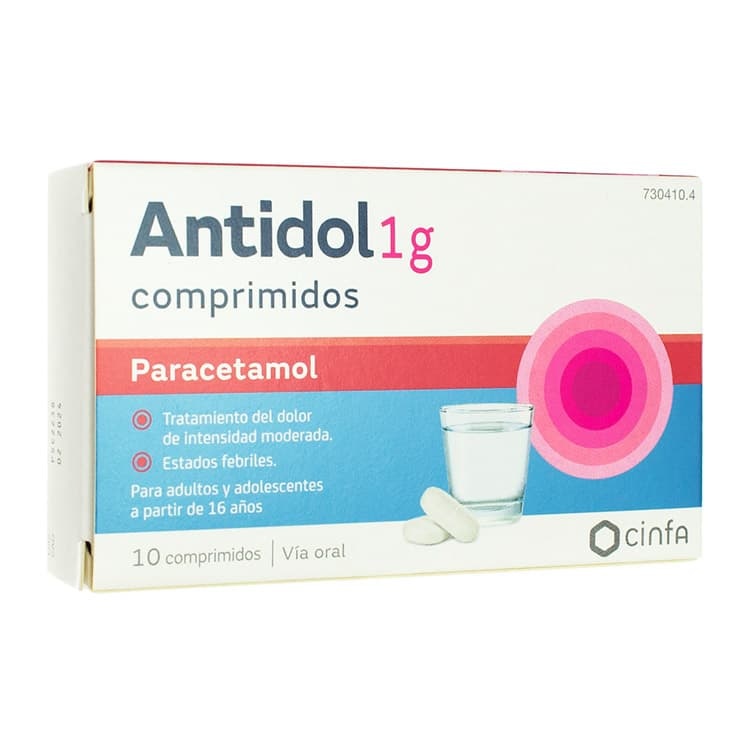
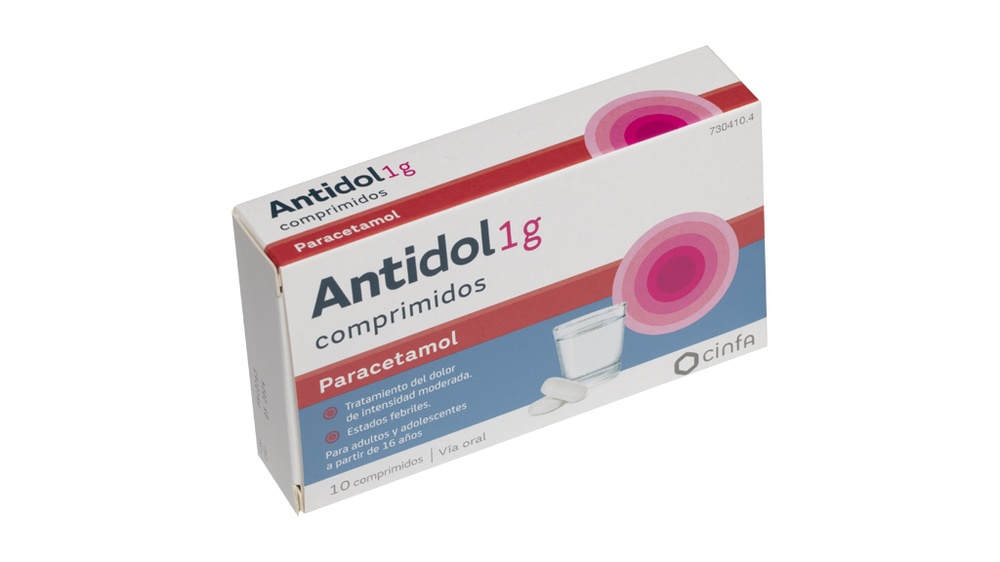
- Alternatives to PARACETAMOL PHARMACLAN 500 mg FILM-COATED TABLETSDosage form: TABLET, 1 gActive substance: paracetamolManufacturer: Uxa Farma S.A.Prescription requiredDosage form: TABLET, 1 gActive substance: paracetamolManufacturer: Laboratorios Cinfa S.A.Prescription not requiredDosage form: TABLET, 1 gActive substance: paracetamolManufacturer: Laboratorios Cinfa S.A.Prescription not required

Online doctors for PARACETAMOL PHARMACLAN 500 mg FILM-COATED TABLETS
Discuss questions about PARACETAMOL PHARMACLAN 500 mg FILM-COATED TABLETS, including use, safety considerations and prescription review, subject to medical assessment and local regulations.











Frequently Asked Questions
