


PARACETAMOL AUROVITAS 1 g ORAL SOLUTION POWDER



How to use PARACETAMOL AUROVITAS 1 g ORAL SOLUTION POWDER
Translated with AI
This page provides general information and does not replace a doctor’s consultation. Always consult a doctor before taking any medication. Seek urgent medical care if symptoms are severe.
Show originalContents of the leaflet
Introduction
Package Leaflet: Information for the User
Paracetamol Aurovitas 1 g Powder for Oral Solution EFG
Read all of this leaflet carefully before you start taking this medicine because it contains important information for you.
- Keep this leaflet, you may need to read it again.
- If you have any further questions, ask your doctor or pharmacist.
- This medicine has been prescribed for you only. Do not pass it on to others. It may harm them, even if their signs of illness are the same as yours.
- If you get any side effects, talk to your doctor or pharmacist. This includes any possible side effects not listed in this leaflet. See section 4.
Contents of the pack
- What is Paracetamol Aurovitas and what is it used for
- What you need to know before you take Paracetamol Aurovitas
- How to take Paracetamol Aurovitas
- Possible side effects
- Storage of Paracetamol Aurovitas
- Contents of the pack and other information
1. What is Paracetamol Aurovitas and what is it used for
Paracetamol belongs to the pharmacotherapeutic group of analgesics (pain-relieving medicines) that also act as antipyretics (medicines that reduce fever), with weak anti-inflammatory effects.
This medicine is used to reduce fever and relieve mild to moderate pain.

2. What you need to know before you take Paracetamol Aurovitas
Do not takeParacetamol Aurovitas
- If you are allergic to paracetamol or any of the other ingredients of this medicine (listed in section 6).
Warnings and precautions
Consult your doctor or pharmacist before taking Paracetamol Aurovitas.
- If you have kidney or liver disease (including Gilbert's syndrome or acute hepatitis).
- If you have a deficiency of an enzyme called glucose-6-phosphate dehydrogenase.
- If you have hemolytic anemia (abnormal breakdown of red blood cells).
- If you habitually consume large amounts of alcohol. Never take more than 2 g of paracetamol per day.
- If you are asthmatic and sensitive to acetylsalicylic acid.
- In case of dehydration or chronic malnutrition.
- If you weigh less than 50 kg.
If you are being treated with any medication for epilepsy, you should consult your doctor before taking paracetamol, as when used together, the efficacy is decreased and the risk of liver damage from paracetamol is increased, especially with high doses of paracetamol.
Prolonged or frequent use is not recommended. You should not take other medicines that contain paracetamol at the same time. Taking multiple daily doses in a single administration can seriously damage the liver; in this case, there is no loss of consciousness. However, you should seek medical attention immediately.
If you have a high fever, signs of a secondary infection, or if symptoms persist for more than 3 days, consult your doctor or pharmacist.
Headache due to analgesic abuse should not be treated by increasing the dose of analgesic. In these cases, the use of analgesics should only be done after consulting a doctor.
Do not take paracetamol unless your doctor prescribes it if you have an alcohol addiction or liver damage, and do not use paracetamol with alcohol. Paracetamol does not potentiate the effect of alcohol.
The risk of overdose is higher in patients with non-cirrhotic alcoholic liver disease. Caution should be exercised in cases of chronic alcoholism.
If you are already taking other analgesics that contain paracetamol, do not take this medicine without consulting your doctor or pharmacist first.
Never take more paracetamol than recommended. A higher dose will not increase pain relief and may cause serious liver damage. Symptoms of liver damage appear after a few days. It is very important that you contact your doctor as soon as possible if you have taken more paracetamol than recommended in this leaflet.
With prolonged use of high doses of analgesics, headaches can occur that should not be treated by increasing the dose of analgesic.
In general, the habitual administration of analgesics, particularly a combination of several analgesic medicines, can cause permanent damage to the kidneys with a risk of renal failure (analgesic nephropathy).
Do not take this medicine for a long time or at high doses without consulting your doctor or dentist.
During treatment with paracetamol, inform your doctor immediately if:
If you have serious illnesses, such as severe renal failure or sepsis (when bacteria and their toxins circulate in the blood, causing damage to organs), or if you suffer from malnutrition, chronic alcoholism, or if you are also taking flucloxacillin (an antibiotic). A serious disease called metabolic acidosis (an anomaly in the blood and fluids) has been reported in patients in these situations when paracetamol is used at regular doses for a prolonged period or when paracetamol is taken with flucloxacillin. Symptoms of metabolic acidosis may include: severe breathing difficulties with deep and rapid breathing, drowsiness, feeling unwell (nausea) and vomiting.
TakingParacetamolAurovitaswith other medicines
Tell your doctor or pharmacist if you are taking, have recently taken, or might take any other medicines.
Medicines that may influence the effects of paracetamol:
- Alcohol.
- Probenecid (a medicine used to treat gout).
- Medicines that can cause liver damage, for example, phenobarbital (a sleeping medicine), phenytoin, carbamazepine, primidone (medicines used to treat epilepsy), isoniazid, rifampicin (medicines used to treat tuberculosis), St. John's Wort (a plant-based medicine for treating depression). The simultaneous use of these medicines with paracetamol can cause liver damage.
- Metoclopramide and domperidone (medicines used to treat nausea). They can increase the absorption and onset of the effect of paracetamol.
- Medicines that delay gastric emptying. They can delay the absorption and onset of the effect of paracetamol.
- Colestyramine (a medicine used to reduce high serum lipid levels). It can decrease the absorption and onset of the effect of paracetamol. Therefore, you should not take colestyramine within one hour after administration of paracetamol.
- Medicines to make the blood more fluid (oral anticoagulants, especially warfarin). Repeated administration of paracetamol for more than one week increases the tendency to have bleeding. Therefore, prolonged administration of paracetamol should only be done under medical supervision. Occasional administration of paracetamol has no significant effects on the tendency to bleed.
- Flucloxacillin (an antibiotic), due to a serious risk of blood and fluid anomaly (called metabolic acidosis) that requires urgent treatment (see section 2).
The simultaneous use of paracetamol and zidovudine (a medicine used to treat HIV infection) increases the tendency to decrease white blood cells (neutropenia). This can affect the immune system and increase the risk of infections. Therefore, paracetamol should only be administered with zidovudine under medical advice.
Effect of paracetamol administration on laboratory tests
Analyses of uric acid and blood sugar may be affected.
TakingParacetamolAurovitaswith food, drinks, and alcohol
Alcohol consumption should be avoided during treatment with paracetamol.
Pregnancy, breastfeeding, and fertility
If you are pregnant or breastfeeding, think you may be pregnant, or are planning to have a baby, ask your doctor or pharmacist for advice before taking this medicine.
In case of need, paracetamol can be used during pregnancy. You should use the lowest possible dose that reduces pain or fever and use it for the shortest possible time. Contact your doctor if the pain or fever does not decrease or if you need to take the medicine more frequently.
Driving and using machines
The use of paracetamol does not affect the ability to drive or use machines.
Paracetamol Aurovitas contains saccharose and aspartame (E951)
This medicine contains saccharose. If your doctor has told you that you have an intolerance to some sugars, consult them before taking this medicine.
This medicine contains 40.00 mg of aspartame per gram of powder for oral solution. Aspartame is a source of phenylalanine that may be harmful in cases of phenylketonuria (a rare genetic disorder in which phenylalanine accumulates because the body is unable to eliminate it properly).
This medicine contains less than 23 mg of sodium (1 mmol) per dose; it is essentially "sodium-free".
3. How to take Paracetamol Aurovitas
Follow exactly the administration instructions of this medicine indicated by your doctor or pharmacist. In case of doubt, consult your doctor or pharmacist again.
The dose depends on the data in the following table. The dose of paracetamol depends on age and body weight.
The respective administration intervals depend on the symptoms and the maximum daily dose. An interval between doses of at least 6 hours should be respected, which means a maximum of 4 administrations per day.
If symptoms persist for more than 3 days, you should consult a doctor.
Sachets of 1 g:
Body weight (age) | Individual dose (sachets) | Maximum daily dose (sachets) |
Over 55 kg (adolescents over 16 years and adults) | 1 g of paracetamol (1 sachet) | 3 g of paracetamol (3 sachets) |
This medicine is not recommended for children and adolescents under 16 years.
Form/Route of administration
Paracetamol is administered orally.
Shake the sachet before use. Pour the contents of the sachet into a glass and add a small amount of liquid (e.g., water, milk, fruit juice).
Special patient groups
Renal function impairment
When administering paracetamol to patients with impaired renal function, it is recommended to reduce the dose and increase the minimum interval between each intake to at least 6 hours, unless a doctor indicates otherwise.
This medicine is not suitable for patients with impaired renal function who require a dose reduction. Other pharmaceutical forms more suitable for these cases are available.
Hepatic function impairment
In the following situations, the maximum daily dose should not exceed 60 mg/kg/day (up to 2 g/day):
- Adults with a weight below 50 kg.
- Mild to moderate hepatic insufficiency, Gilbert's syndrome (familial non-hemolytic jaundice).
- Dehydration.
- Chronic malnutrition.
Elderly patients
Experience indicates that the normal adult dose is usually adequate. However, in elderly patients, fragile and immobile or in elderly patients with renal or hepatic insufficiency, it may be convenient to reduce the dose or the frequency of administration.
Children and adolescents with low body weight
The dose of 1 g of paracetamol is not suitable for children or adolescents under 16 years and with a weight below 55 kg, as the dose is not suitable for this age group. For these patients, other doses/formulations more suitable are available.
If you take moreParacetamolAurovitasthan you should
IN CASE OF OVERDOSE, SEEK MEDICAL ATTENTION IMMEDIATELY, EVEN IF YOU FEEL WELL, due to the risk of serious late liver damage. The symptoms of paracetamol overdose are nausea, vomiting, and decreased appetite. Loss of consciousness usually does not occur.
In case of overdose or accidental ingestion, consult your doctor or pharmacist immediately or call the Toxicology Information Service, telephone 91 562 04 20, indicating the medicine and the amount ingested.
If you forget to takeParacetamolAurovitas
Do not take a double dose to make up for forgotten doses.
If you have any further questions on the use of this medicine, ask your doctor or pharmacist.

4. Possible side effects
Like all medicines, this medicine can cause side effects, although not everybody gets them.
Possible side effects are listed below and classified as:
Rare side effects(may affect up to 1 in 1,000 people)
- Various blood disorders including agranulocytosis, thrombocytopenia, thrombocytopenic purpura, hemolytic anemia, leukopenia, platelet disorders, and cytoblastic disorders (disorders of blood cell-forming cells in the bone marrow).
- Allergic reactions.
- Depression, confusion, hallucinations.
- Tremors, headache.
- Visual disturbance.
- Edema (abnormal accumulation of fluid under the skin).
- Abdominal pain, stomach or intestinal bleeding, diarrhea, nausea, vomiting.
- Abnormal liver function, liver failure, jaundice (with symptoms such as yellowing of the skin and eyes), liver necrosis (death of liver cells).
- Skin rash, itching, sweating, urticaria, red spots on the skin, angioedema with symptoms such as swelling of the face, lips, throat, or tongue.
- Dizziness, general malaise, fever, sedation, interaction with other medicines.
- Overdose and poisoning.
Very rare side effects(may affect up to 1 in 10,000 people)
- Pancytopenia (reduction of the number of blood cells).
- Allergic reactions that require discontinuation of treatment, including angioedema, difficulty breathing, sweating, nausea, hypotension, shock, and anaphylaxis.
- Low blood sugar levels.
- Hepatotoxicity (liver damage caused by chemicals).
- Cloudy urine and kidney disorders.
- Bronchospasm (difficulty breathing) in patients sensitive to acetylsalicylic acid and other anti-inflammatory medicines.
- Hematuria (blood in the urine).
- Anuria (inability to urinate).
Frequency not known(frequency cannot be estimated from the available data)
- A serious disease that can make the blood more acidic (called metabolic acidosis) in patients with serious illness using paracetamol (see section 2).
- Acute generalized exanthematous pustulosis (a drug rash characterized by numerous small sterile pustules, mainly non-follicular).
- Severe skin rash or peeling.
- Stevens-Johnson syndrome (a potentially life-threatening skin disorder).
- Redness of the skin, blisters, or rash due to paracetamol ingestion.
Once you stop taking the medicine, these side effects should disappear. If any of them get worse, consult your doctor or pharmacist.
Reporting of side effects
If you experience any side effects, talk to your doctor or pharmacist. This includes any possible side effects not listed in this leaflet. You can also report side effects directly through the Spanish Medicines Surveillance System for Human Use: www.notificaram.es. By reporting side effects, you can help provide more information on the safety of this medicine.
5. Storage of Paracetamol Aurovitas
Keep this medicine out of the sight and reach of children.
Do not use this medicine after the expiry date which is stated on the sachet and on the carton after EXP. The expiry date is the last day of the month shown.
No special storage conditions are required.
Medicines should not be disposed of via wastewater or household waste. Ask your pharmacist how to dispose of medicines no longer required. These measures will help protect the environment.
6. Contents of the pack and other information
Composition ofParacetamol Aurovitas
- The active substance is paracetamol. Each sachet contains 1 g of paracetamol.
- The other ingredients are: saccharose, sodium saccharin, aspartame (E951), povidone (K-30), and orange flavor.
Appearance of the product and contents of the pack
Powder for oral solution.
Paracetamol Aurovitas is available in packs of 10, 12, 16, 20, and 40 sachets.
Not all pack sizes may be marketed.
Marketing authorization holder and manufacturer
Marketing authorization holder:
Aurovitas Spain, S.A.U.
Avda. de Burgos, 16-D
28036 Madrid
Spain
Manufacturer:
APL Swift Services (Malta) Limited
HF26, Hal Far Industrial Estate, Hal Far
Birzebbugia, BBG 3000
Malta
Or
Generis Farmacêutica, S.A.
Rua João de Deus, 19
Amadora, 2700-487
Portugal
This medicine is authorized in the Member States of the European Economic Area under the following names:
Spain: | Paracetamol Aurovitas 1 g powder for oral solution EFG |
Italy: | Paracetamol Aurobindo Pharma Italia |
Portugal: | Paracetamol Aurobindo |
Date of last revision of this leaflet: January 2025
Detailed information on this medicine is available on the website of the Spanish Agency for Medicines and Health Products (AEMPS) (http://www.aemps.gob.es/).
- Country of registration
- Dosage formORAL SOLUTION/SUSPENSION, 1000 mg
- ATC codeN02BE01
- Active substance
- Prescription requiredYes
- Manufacturer
- This information is for reference only and does not constitute medical advice. Always consult a doctor before taking any medication. Oladoctor is not responsible for medical decisions based on this content.
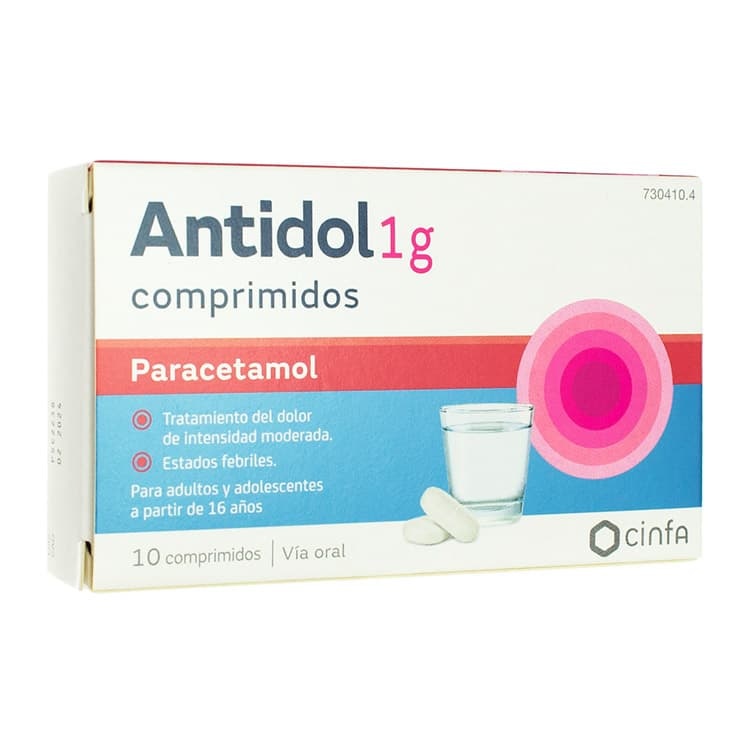
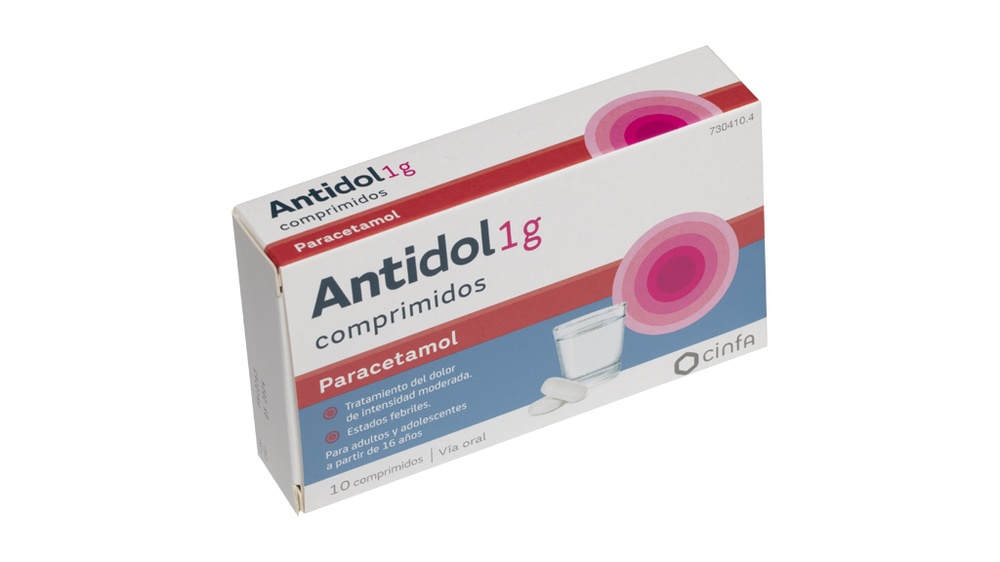
- Alternatives to PARACETAMOL AUROVITAS 1 g ORAL SOLUTION POWDERDosage form: TABLET, 1 gActive substance: paracetamolManufacturer: Uxa Farma S.A.Prescription requiredDosage form: TABLET, 1 gActive substance: paracetamolManufacturer: Laboratorios Cinfa S.A.Prescription not requiredDosage form: TABLET, 1 gActive substance: paracetamolManufacturer: Laboratorios Cinfa S.A.Prescription not required

Online doctors for PARACETAMOL AUROVITAS 1 g ORAL SOLUTION POWDER
Discuss questions about PARACETAMOL AUROVITAS 1 g ORAL SOLUTION POWDER, including use, safety considerations and prescription review, subject to medical assessment and local regulations.











Frequently Asked Questions
