



OXIGENO 100% V/V Pulmonary Inhalation

Prescription review online
A doctor will review your case and decide whether a prescription is medically appropriate.

Talk to a doctor about this medicine
Discuss your symptoms and possible next steps in a quick online consultation.



How to use MEDICAL LIQUID OXYGEN NIPPON GASES 99.5% v/v, MEDICINAL CRYOGENIC GAS IN A FIXED CRYOGENIC CONTAINER
Contents of the leaflet
- Introduction
- What Medical Liquid Oxygen Nippon Gases is and what it is used for
- What you need to know before starting to use Medical Liquid Oxygen Nippon Gases
- How to use Medical Liquid Oxygen Nippon Gases
- Possible side effects
- Storage of Medical Liquid Oxygen Nippon Gases
- Contents of the packaging and additional information
Introduction
Package Leaflet: Information for the User
Medical Liquid Oxygen Nippon Gases 99.5% v/v, Cryogenic Medical Gas in Fixed Cryogenic Container
Oxygen
Read the entire package leaflet carefully before starting to use this medication, as it contains important information for you.
- Keep this package leaflet, as you may need to read it again.
- If you have any questions, consult your doctor, pharmacist, or nurse.
- This medication has been prescribed to you only, and you should not give it to others, even if they have the same symptoms as you, as it may harm them.
- If you experience side effects, consult your doctor, pharmacist, or nurse, even if they are not listed in this package leaflet.
Contents of the Package Leaflet
- What Medical Liquid Oxygen Nippon Gases is and what it is used for.
- What you need to know before starting to use Medical Liquid Oxygen Nippon Gases.
- How to use Medical Liquid Oxygen Nippon Gases.
- Possible side effects.
- Storage of Medical Liquid Oxygen Nippon Gases.
- Contents of the packaging and additional information.
1. What Medical Liquid Oxygen Nippon Gases is and what it is used for
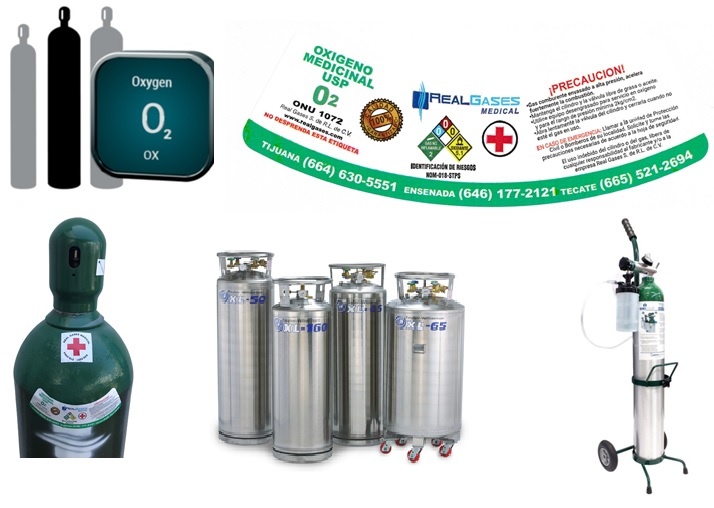
Medical Liquid Oxygen Nippon Gases 99.5% v/v, inhalation gas is an inhalation gas supplied in fixed cryogenic containers of various capacities made of stainless steel.
It contains oxygen at a concentration of more than 99.5% v/v.
It does not contain other excipients.
Oxygen is an essential element for the body.
Treatment with oxygen is indicated in the following cases:
- Correction of oxygen deficiency of various origins that require the administration of oxygen at normal or elevated pressure.
- Feeding respirators in anesthesia-resuscitation.
- Administration of medications for inhalation via a nebulizer.
Treatment of acute cluster headache attacks (a specific type of headache that causes short but very strong crises on one side of the head).

Not sure if this medicine is right for you?
Discuss your symptoms and treatment with a doctor online.
2. What you need to know before starting to use Medical Liquid Oxygen Nippon Gases
Do not useMedical Liquid Oxygen Nippon Gases
This medication cannot be used at high pressure in cases of untreated pulmonary collapses (untreated pneumothorax). A pulmonary collapse is an accumulation of gas in the thoracic cavity between the two pulmonary membranes. If you have previously suffered a pulmonary collapse.
Warnings and precautions:
Consult your doctor, pharmacist, or nurse before starting to use Medical Liquid Oxygen Nippon Gases.
You must inform your doctor if you have a chronic pulmonary disease such as bronchitis, emphysema, or asthma, and in severe cases of oxygen deficiency.
No fatty substances (petroleum jelly, ointments, etc.) should be applied to the face, due to the risk of inflammation of this medication (see section 6).
In certain severe cases of oxygen deficiency, after 6 hours of exposure to a concentration of oxygen of 100%, or after 24 hours of exposure to a concentration of oxygen above 70%, pulmonary or neurological toxicity may appear (see sections 3 and 6). Therefore, high concentrations should be used for as short a time as possible and controlled by analyzing the gases in the arterial blood, while measuring the inhaled oxygen concentration. It is advisable to use the lowest effective dose to maintain the partial arterial oxygen pressure (PaO2) at 50-60 mm Hg (i.e., 5.65-7.96 kPa) and, after 24 hours of exposure, to maintain, as far as possible, an oxygen concentration below 45%.
Oxygen is not a substitute for other medications prescribed for the treatment of cluster headaches.
Precautions for use:
- This medication should not be used in the presence of flammable materials: oils, lubricants, tissues, wood, paper, plastic materials (see section 6).
- If oxygen is applied at high pressure (hyperbaric oxygen therapy), there may be injuries caused by the high pressure in body cavities that contain air and are in communication with the outside, and compression and decompression should be slow (see section 4).
- If you are going to receive high-pressure oxygen therapy (hyperbaric oxygen therapy), you should inform your doctor of any of the following situations:
- If you have COPD (chronic obstructive pulmonary disease).
- If you have a pulmonary disorder caused by the loss of elasticity of the lung tissue accompanied by severe respiratory difficulty (pulmonary emphysema).
- If you have an infection in the upper respiratory tract.
- If you have recently undergone middle ear surgery.
- If you have undergone thoracic surgery at any point in your life.
- If you have a high and uncontrolled fever.
- If you have severe epilepsy.
- If you have a fear of enclosed spaces (claustrophobia). If you have previously suffered a pulmonary collapse (accumulation of air or gas in the thoracic cavity between the two pulmonary membranes (pneumothorax).
Children:
In newborns, especially if they are premature, eye damage (retrolental fibroplasia) may occur with certain concentrations of oxygen.
For infants who need a concentration above 30%, the partial arterial oxygen pressure (PaO2) should be regularly controlled so that it does not exceed 100 mm Hg (i.e., 13.3 kPa).
Other medications and Medical Liquid Oxygen Nippon Gases
Inform your doctor or pharmacist that you are taking, have recently taken, or may need to take any other medication.
The toxicity of oxygen may be increased by: corticosteroids, some cancer medications, paraquat, sympathomimetics, X-rays, or in cases of hyperthyroidism or deficiency of vitamins C and E or glutathione.
Pregnancy, breastfeeding, and fertility
If you are pregnant or breastfeeding, or think you may be pregnant or plan to become pregnant, consult your doctor or pharmacist before using this medication.
This medication has been widely used without any notable effects.
Driving and using machines
There is no data on the effect of Medical Liquid Oxygen Nippon Gases on driving and using machines.
3. How to use Medical Liquid Oxygen Nippon Gases
Follow the administration instructions for this medication exactly as indicated by your doctor or pharmacist. In case of doubt, consult your doctor or pharmacist again.
Your doctor will determine the correct dose of Medical Liquid Oxygen Nippon Gases and administer it through a system suitable for your needs, ensuring the supply of the correct amount of oxygen.
If you think the effect of Medical Liquid Oxygen Nippon Gases is too strong or too weak, inform your doctor.
If you use more Medical Liquid Oxygen Nippon Gases than you should:
In case of overdose or accidental ingestion, consult your doctor or pharmacist immediately or call the Toxicology Information Service, phone 91 562 04 20, indicating the medication and the amount ingested.
In case of overdose, the inhaled oxygen concentration should be decreased, and symptomatic treatment is recommended.

Started taking the medicine and have questions?
Discuss your symptoms and treatment with a doctor online.
4. Possible side effects
Like all medications, Medical Liquid Oxygen Nippon Gases may cause side effects, although not everyone will experience them.
In chronic respiratory failure, in particular, there is a possibility of apnea.
Inhaling high concentrations of oxygen can cause small lung collapses.
Administering oxygen at high pressures can cause injuries to the inner ear (which may pose a risk of rupturing the eardrum), sinuses, lungs (which may pose a risk of pneumothorax).
Convulsive crises have been reported after administration of oxygen with a concentration of 100% for more than 6 hours, particularly with high-pressure administration.
Lung injuries may occur after administration of oxygen concentrations above 80%.
Patients undergoing high-pressure oxygen therapy in chambers may experience claustrophobia crises.
Other side effects in children
In newborns, especially if they are premature, exposed to high concentrations of oxygen (FiO2 > 40%; PaO2 above 80 mm Hg, i.e., 10.64 kPa) or for a prolonged period (more than 10 days at a FiO2 concentration > 30%), there is a risk of retinopathies, which appear between 3 and 6 weeks after treatment, and may experience regression or cause retinal detachment, or even permanent blindness. If you experience side effects, consult your doctor or pharmacist or nurse, even if they are not listed in this package leaflet.
Reporting side effects
If you experience any side effects, consult your doctor or pharmacist or nurse, even if they are not listed in this package leaflet. You can also report them directly through the Spanish Pharmacovigilance System for Human Use Medicines: www.notificaRAM.es. By reporting side effects, you can contribute to providing more information on the safety of this medication.
5. Storage of Medical Liquid Oxygen Nippon Gases
Keep this medication out of the sight and reach of children.
Do not use this medication after the expiration date stated on the packaging.
The expiration date is the last day of the month indicated.
All regulations regarding the handling of pressure vessels must be followed.
Regarding storage and transportation, the following must be taken into account:
Storage of containers:
Containers must be installed in well-ventilated areas, and the installation site must be surrounded by a fence that can be locked, and the enclosure must be kept clean and free of flammable materials.
Containers must be protected from heat sources or ignition, temperatures equal to or above 50°C, and combustible materials, and the entry of water into the containers must be prevented.
Transportation of containers:
Do not park vehicles in the oxygen transfer area.
.
6. Contents of the packaging and additional information
Composition of Medical Liquid Oxygen Nippon Gases:
- The active ingredient is Oxygen.
- It does not contain excipients.
Appearance of the product and contents of the packaging
The packaging is fixed cryogenic containers of various capacities made of stainless steel.
The different sizes are classified by their approximate capacity in liters of liquid oxygen and the gas content at a supply pressure of 1 bar at 15°C:
- Fixed cryogenic container 2200 liters provides 1870 m3 of gas at a pressure of 1 bar at 15°C.
- Fixed cryogenic container 3300 liters provides 2805 m3 of gas at a pressure of 1 bar at 15°C.
- Fixed cryogenic container 6100 liters provides 5185 m3 of gas at a pressure of 1 bar at 15°C.
- Fixed cryogenic container 11000 liters provides 9350 m3 of gas at a pressure of 1 bar at 15°C.
- Fixed cryogenic container 13400 liters provides 11390 m3 of gas at a pressure of 1 bar at 15°C.
- Fixed cryogenic container 17000 liters provides 14450 m3 of gas at a pressure of 1 bar at 15°C.
- Fixed cryogenic container 20000 liters provides 17000 m3 of gas at a pressure of 1 bar at 15°C.
- Fixed cryogenic container 28000 liters provides 23800 m3 of gas at a pressure of 1 bar at 15°C.
- Fixed cryogenic container 32000 liters provides 27200 m3 of gas at a pressure of 1 bar at 15°C.
- Fixed cryogenic container 37000 liters provides 31450 m3 of gas at a pressure of 1 bar at 15°C.
- Fixed cryogenic container 41000 liters provides 34850 m3 of gas at a pressure of 1 bar at 15°C.
- Fixed cryogenic container 50000 liters provides 42500 m3 of gas at a pressure of 1 bar at 15°C.
- Fixed cryogenic container 60000 liters provides 51000 m3 of gas at a pressure of 1 bar at 15°C.
- Fixed cryogenic container 230 liters provides 182 m3 of gas at a pressure of 1 bar at 15°C.
- Fixed cryogenic container 600 liters provides 500 m3 of gas at a pressure of 1 bar at 15°C.
- Fixed cryogenic container 600 liters provides 510 m3 of gas at a pressure of 1 bar at 15°C.
- Fixed cryogenic container 1000 liters provides 756 m3 of gas at a pressure of 1 bar at 15°C.
- Fixed cryogenic container 1500 liters provides 1156 m3 of gas at a pressure of 1 bar at 15°C.
- Fixed cryogenic container 2000 liters provides 1541 m3 of gas at a pressure of 1 bar at 15°C.
- Fixed cryogenic container 3000 liters provides 2250 m3 of gas at a pressure of 1 bar at 15°C.
- Fixed cryogenic container 5000 liters provides 4250 m3 of gas at a pressure of 1 bar at 15°C.
- Fixed cryogenic container 12700 liters provides 10795 m3 of gas at a pressure of 1 bar at 15°C.
- Fixed cryogenic container 27000 liters provides 22950 m3 of gas at a pressure of 1 bar at 15°C.
- Portable fixed cryogenic container 13600 liters provides 12970 m3 of gas at a pressure of 1 bar at 15°C.
Not all packaging sizes may be marketed.
Marketing Authorization Holder and Manufacturer
Marketing Authorization Holder:
NIPPON GASES ESPAÑA S.L.U.
C/Orense, 11
28020 Madrid.
Spain
Manufacturer:
NIPPON GASES ESPAÑA S.L.U.
Ctra. Madrid-Irun, Km. 418
20212 Olaberria (Guipúzcoa)
Spain
Or
NIPPON GASES ESPAÑA S.L.U.
Pasaje del Metal 14-15
Pol. Ind. San Vicente
08755 Castellbisbal (Barcelona)
Spain
Or
NIPPON GASES ESPAÑA S.L.U.
C/ Gavilanes, 12
Pol. Ind. La Estación
28320 Pinto (Madrid)
Spain
Or
NIPPON GASES ESPAÑA S.L.U.
Pol. Ind. Somonte II
33393 Gijón (Asturias)
Spain
Or
SE CARBUROS METÁLICOS S.A.
C/ Aragón 300, 08009 Barcelona
Spain
Or
ANDALUZA DE GASES S.A (AGSA)
Pol. Ind. Hacienda de Dolores, Crta Sevilla-Málaga km 6,3
41500 Alcalá de Guadaira, Sevilla.
Spain
Or
GASES OXINORTE A.I.E C/ Buen Pastor s/n
48903 Baracaldo (Vizcaya) Spain
Or
SOCIEDAD PORTUGUESA DE OXIGENIO, LDA (SPO)
Rua Professor Antonio Marques, 99. Apartado 1188- Lugar de São Frutuoso-Folgosa
4425-390 Maia, Portugal
Date of the last revision of this package leaflet: August 2019
Detailed information on this medication is available on the website of the Spanish Agency for Medicines and Health Products (AEMPS) (http://www.aemps.gob.es/)
------------------------------------------------------------------------------------------------------------------------
This information is intended only for healthcare professionals.
Instructions for use/manipulation
Do not smoke.
Do not approach an open flame.
Do not grease.
For the specific case of liquid oxygen, additional particularities of the product must be considered, which must be taken into account as precautions for its use and handling:
- Oxygen is a gas heavier than air, which can accumulate in low points after vaporization of the liquid and make the atmosphere dangerous.
- At atmospheric pressure, oxygen is a liquid at very low temperature (around -183°C), and it can cause frostbite if it comes into contact with the skin due to splashes or handling of the liquid without adequate protective equipment.
- One liter of liquid oxygen releases 850 liters of gas by vaporization and heating to ambient temperature. The expansion of liquid oxygen by heating is 850 times its liquid volume, and therefore, precautions must be taken against overpressure in closed volumes (equipment and facilities) and over-oxygenation of materials and the atmosphere of the premises.
Medical oxygen containers are exclusively reserved for therapeutic use.
To avoid any incidents, it is necessary to strictly follow the following instructions:
- Never introduce this gas into a device that is suspected to contain combustible materials, especially if they are greasy.
- Never clean the devices that contain this gas or the valves, joints, gaskets, closing devices, and valves with combustible products, especially if they are greasy.
- Do not apply any greasy substances (petroleum jelly, ointments, etc.) to the face of patients.
- Do not use aerosols (hair spray, deodorant, etc.) or solvents (alcohol, perfume, etc.) on the material or near it.
- Check the good condition of the material before use.
- Handle the material with clean and grease-free hands.
- For handling cryogenic containers, the indicated protective equipment (glasses or visors, clean gloves intended for this use, adaptation of clothing, etc.) must be used, and the instructions and precautions described for the operation must be followed.
- Use connections or flexible connection elements specifically designed for oxygen.
- Use only equipment specifically approved for this product and for the pressure and temperature of use.
.
- Country of registration
- Dosage formPULMONARY INHALATION, 100% V/V
- ATC codeV03AN01
- Active substance
- Prescription requiredYes
- Manufacturer
- This information is for reference only and does not constitute medical advice. Always consult a doctor before taking any medication. Oladoctor is not responsible for medical decisions based on this content.
- Alternatives to MEDICAL LIQUID OXYGEN NIPPON GASES 99.5% v/v, MEDICINAL CRYOGENIC GAS IN A FIXED CRYOGENIC CONTAINERDosage form: PULMONARY INHALATION, 21-22.5% v/vActive substance: oxygenManufacturer: Nippon Gases Espana SluPrescription requiredDosage form: PULMONARY INHALATION, Oxygen 21.0% v/v to 22.5% v/vActive substance: oxygenManufacturer: Oxigen Salud S.A.Prescription requiredDosage form: PULMONARY INHALATION, 100% oxygenActive substance: oxygenManufacturer: Linde Gas Espana S.A.U.Prescription required
Online doctors for MEDICAL LIQUID OXYGEN NIPPON GASES 99.5% v/v, MEDICINAL CRYOGENIC GAS IN A FIXED CRYOGENIC CONTAINER
Discuss questions about MEDICAL LIQUID OXYGEN NIPPON GASES 99.5% v/v, MEDICINAL CRYOGENIC GAS IN A FIXED CRYOGENIC CONTAINER, including use, safety considerations and prescription review, subject to medical assessment and local regulations.









Get MEDICAL LIQUID OXYGEN NIPPON GASES 99.5% v/v, MEDICINAL CRYOGENIC GAS IN A FIXED CRYOGENIC CONTAINER Prescription Online
Fill in a 2-min form
Tell us your symptoms, history, and what medicine you're requesting.
Pick a doctor or let us assign
Choose a specialist or we'll match you with the next available doctor.
Doctor reviews your case
Usually within 30 minutes. They may ask follow-up questions via chat.
Collect from any pharmacy
Electronic prescription sent to your email — valid across Spain.
Frequently Asked Questions
MEDICAL LIQUID OXYGEN NIPPON GASES 99.5% v/v, MEDICINAL CRYOGENIC GAS IN A FIXED CRYOGENIC CONTAINER requires a prescription in Spain. You can check with a doctor online whether this medicine may be appropriate for your situation.
The active ingredient in MEDICAL LIQUID OXYGEN NIPPON GASES 99.5% v/v, MEDICINAL CRYOGENIC GAS IN A FIXED CRYOGENIC CONTAINER is oxygen. This information helps identify medicines with the same composition but different brand names.
MEDICAL LIQUID OXYGEN NIPPON GASES 99.5% v/v, MEDICINAL CRYOGENIC GAS IN A FIXED CRYOGENIC CONTAINER is manufactured by Nippon Gases Espana Slu. Pharmacy brands and packaging may differ depending on the distributor.
Doctors such as Family doctors, Psychiatrists, Dermatologists, Cardiologists, Endocrinologists, Gastroenterologists, Pulmonologists, Nephrologists, Rheumatologists, Hematologists, Infectious disease physicians, Allergists, Geriatricians, Paediatricians, Oncologists may assess whether MEDICAL LIQUID OXYGEN NIPPON GASES 99.5% v/v, MEDICINAL CRYOGENIC GAS IN A FIXED CRYOGENIC CONTAINER is appropriate, depending on your situation and local regulations. You can book an online consultation to discuss your symptoms and possible next steps.
Spain has a well-developed healthcare infrastructure across major cities such as Madrid, Barcelona, Valencia, and Seville. Pharmacies are widely available and operate under strict regulations, ensuring access to prescribed medications.
You can buy MEDICAL LIQUID OXYGEN NIPPON GASES 99.5% v/v, MEDICINAL CRYOGENIC GAS IN A FIXED CRYOGENIC CONTAINER in Madrid, Barcelona, Seville, or Valencia at any local pharmacy with a valid prescription.
To obtain a prescription, you can use Oladoctor:
Other medicines with the same active substance (oxygen) include SYNTHETIC MEDICAL AIR NIPPON GASES 200 BAR, COMPRESSED MEDICAL GAS, SYNTHETIC MEDICINAL AIR OXYGEN HEALTH 22% V/V COMPRESSED MEDICINAL GAS, CONOXIA 99.5% (v/v) MEDICINAL CRYOGENIC GAS IN FIXED TANK. These may have different brand names or formulations but contain the same therapeutic ingredient. Always consult a doctor before switching or starting a new medicine.
