


NITROUS OXIDE LIQUID LINDE 98%, MEDICINAL CRYOGENIC GAS IN A MOBILE CRYOGENIC CONTAINER
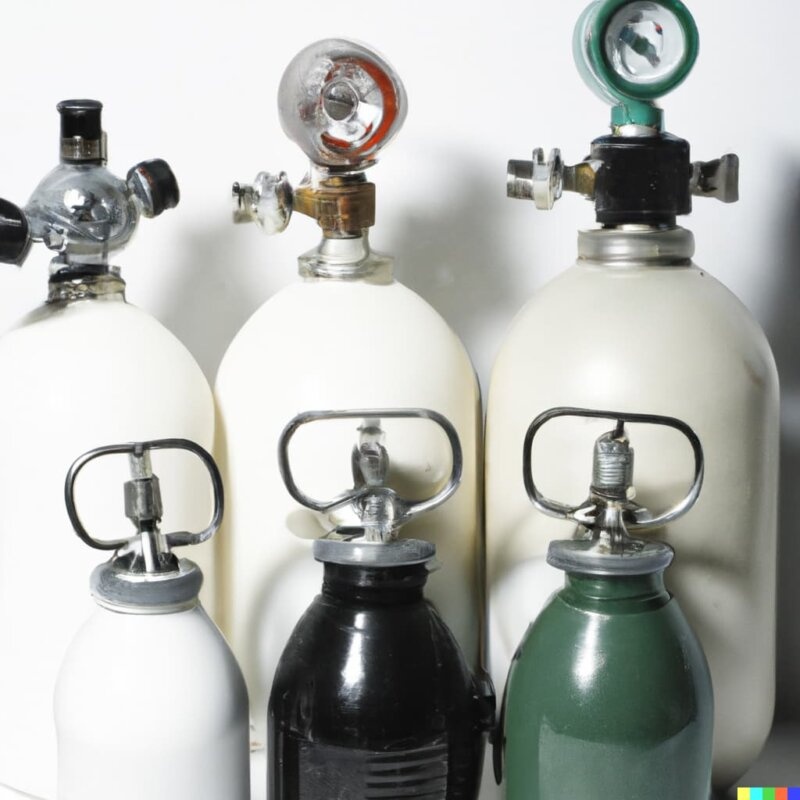



How to use NITROUS OXIDE LIQUID LINDE 98%, MEDICINAL CRYOGENIC GAS IN A MOBILE CRYOGENIC CONTAINER
Translated with AI
This page provides general information and does not replace a doctor’s consultation. Always consult a doctor before taking any medication. Seek urgent medical care if symptoms are severe.
Show originalContents of the leaflet
Introduction
PACKAGE LEAFLET: INFORMATION FOR THE USER
MEDICINAL NITROUS OXIDE LINDE,
98.0% medicinal cryogenic gas in a mobile cryogenic container
Nitrous Oxide
Read the entire package leaflet carefully before starting to use this medication.
- Keep this package leaflet, as you may need to read it again.
- If you have any questions, consult your doctor or pharmacist.
- If you experience side effects, consult your doctor or pharmacist, even if they are not listed in this package leaflet. See section 4.
Contents of the package leaflet
- What is MEDICINAL NITROUS OXIDE LINDE and what is it used for
- What you need to know before starting to use MEDICINAL NITROUS OXIDE LINDE
- How to use MEDICINAL NITROUS OXIDE LINDE
- Possible side effects
- Storage of MEDICINAL NITROUS OXIDE LINDE
- Package contents and additional information
1. What is MEDICINAL NITROUS OXIDE LINDE and what is it used for
Nitrous oxide is an inhalation gas that belongs to the group of general anesthetics (nervous system and central).
This medication is for hospital use only.
Treatment with nitrous oxide is indicated in the following cases:
- As an adjunct to general anesthesia, in combination with all anesthetic agents administered intravenously or by inhalation.
As an adjunct to analgesia in the operating room or delivery room.

2. What you need to know before starting to use MEDICINAL NITROUS OXIDE LINDE
Nitrous oxide is a combustible gas that allows and accelerates combustion.
Do not use MEDICINAL NITROUS OXIDE LINDE:
Inhalation of nitrous oxide can cause gas bubbles and gases trapped in body cavities can expand due to increased diffusion of nitrous oxide. Therefore, do not use nitrous oxide:
- If you need ventilation with pure oxygen.
- In patients with intraocular gas injection (e.g., SF6 or C3F8).
- If you have pneumothorax (air in the pleural cavity), emphysema (bronchial obstruction), or have air in the pericardium (membrane surrounding the heart) due to injury or disease, e.g., due to smoking, air, or gas bubbles in the body.
- Do not use it for more than 24 hours consecutively.
- If you have recently engaged in diving activities and may be at risk of decompression sickness.
- If you have recently undergone cardiopulmonary bypass.
- If you have abdominal gas distension
- If you have severe heart failure (e.g., after cardiac surgery), as nitrous oxide could increase cardiac dysfunction.
- If you have persistent signs of confusion, altered cognitive function, or other signs that may be related to increased intracranial pressure, as nitrous oxide could increase intracranial pressure.
- If you have decreased level of consciousness or ability to collaborate and follow instructions, as nitrous oxide could decrease protective reflexes.
- If you have a diagnosed deficiency of folic acid or vitamin B12, untreated, or have genetic alterations in the enzymatic system related to vitamin metabolism, as the use of nitrous oxide could increase this deficiency.
Be careful with MEDICINAL NITROUS OXIDE LINDE:
Also, inform your doctor if you have or present any of the following symptoms/signs:
- If you have intestinal obstruction or heart failure.
- If you suffer from vitamin B12 deficiency.
Ear discomfort, such as ear inflammation, as nitrous oxide could increase middle ear pressure.
- If you have a history of drug abuse, as there is a high risk of dependence on nitrous oxide if taken repeatedly. Your doctor will decide when MEDICINAL NITROUS OXIDE LINDE is possible in your case.
Prolonged or repeated use of nitrous oxide can increase the risk of vitamin B12 deficiency, which can lead to damage to the bone marrow or nervous system. Your doctor may require blood tests before and after treatment to evaluate the consequences of a possible vitamin B12 deficiency.
Using MEDICINAL NITROUS OXIDE LINDE with other medications
MEDICINAL NITROUS OXIDE LINDE potentiates the hypnotic effects of intravenous or inhaled anesthetics (thiopental, benzodiazepines, morphine, halogenated), so the dosage of these should be reduced.
Inform your doctor or pharmacist if you are using or have recently used other medications, including those purchased without a prescription.
If you are taking other medications that affect the brain or brain function, such as benzodiazepines (tranquilizers) or morphine, you should inform your doctor. Nitrous oxide can increase the effects of these medications. Nitrous oxide, taken together with other sedatives or medications that affect the central nervous system, increases the risk of side effects.
You should also inform your doctor if you are taking medications with methotrexate (e.g., for rheumatoid arthritis), as nitrous oxide increases the side effects of these medications.
Pregnancy, breastfeeding, and fertility
If you are pregnant or breastfeeding, think you may be pregnant, or plan to become pregnant, consult your doctor or nurse before using this medication.
Pregnancy
During pregnancy, it is recommended not to exceed a concentration of 50% of MEDICINAL NITROUS OXIDE LINDE in the inhaled mixture.
- Obstetric anesthesia:
Due to the rapid transfer across the placental barrier, it is recommended to interrupt the administration of MEDICINAL NITROUS OXIDE LINDE if the time between induction of anesthesia and fetal extraction exceeds 20 minutes. Avoid using MEDICINAL NITROUS OXIDE LINDE in case of fetal distress.
- Obstetric analgesia:
The use of MEDICINAL NITROUS OXIDE LINDE for this indication can only be performed if a safety flowmeter is available to prevent the administration of MEDICINAL NITROUS OXIDE LINDE at a concentration greater than 50%.
Breastfeeding
Consult your doctor before using this medication.
Driving and using machines
It is recommended not to drive vehicles and not to use machines for 24 hours after anesthesia with MEDICINAL NITROUS OXIDE LINDE.
3. How to use MEDICINAL NITROUS OXIDE LINDE
Your doctor will determine the correct dose of MEDICINAL NITROUS OXIDE LINDE and it will be administered through a system suitable for your needs, ensuring the supply of the correct amount of oxygen.
During treatment with nitrous oxide, you and the administration of this medication must be monitored to ensure that the nitrous oxide is administered safely. After completing the administration, you should be monitored by healthcare personnel until you have recovered.
Nitrous oxide is normally administered in a gas mixture containing at least 21% oxygen to avoid the risk of hypoxia (oxygen deficiency). Nitrous oxide is normally used at doses between 50 and 70% of the inhaled gas volume.
If you use more MEDICINAL NITROUS OXIDE LINDE than you should
There is a risk of cyanosis and hypoxia. The administration of MEDICINAL NITROUS OXIDE LINDE should be interrupted and the patient ventilated (air or oxygen).

4. Possible side effects
Like all medications, MEDICINAL NITROUS OXIDE LINDE can cause side effects, although not everyone will experience them.
Frequent adverse reactions (at least 1 in 100, but less than 1 in 10 patients):
- Nausea and vomiting.
- Dizziness, mild headache, euphoria.
- Feeling of intoxication.
Uncommon adverse reactions (at least 1 in 1000, but less than 1 in 100 patients):
- Feeling of pressure in the middle ear.
- Swelling, increased intestinal air.
Rare adverse reactions (at least 1 in 10,000, but less than 1 in 1000)
- Effects on nervous system function, feeling of numbness or decreased strength or weakness, normally in the legs.
Very rare adverse reactions (at least 1 in 10,000 people experience them):
-Paraparesis
Adverse reactions of unknown frequency (cannot be estimated with available data):
- Effects on nervous system function, sensations of numbness and weakness, generally in the legs.
- Disorders of the bone marrow and nervous system functions, such as: megaloblastic anemia (increase in red blood cell size), leukopenia (reduction in white blood cell count), polyneuropathy (peripheral nervous system damage), myelopathy (bone marrow disorders), headache
- Generalized convulsions.
- Psychiatric disorders, such as psychosis, confusion, anxiety, addiction, can also be experienced.
- Respiratory depression
If you consider that some of the side effects you are experiencing are serious or if you notice any side effect not mentioned in this package leaflet, inform your doctor.
5. Storage of MEDICINAL NITROUS OXIDE LINDE
Keep this medication out of sight and reach of children.
All regulations regarding the handling of pressure vessels must be followed. With regard to storage and transportation, the following must be taken into account:
Transportation and storage of mobile cryogenic containers with volumes between 7260 and 20,000 liters:
When transporting and storing these containers, safety precautions related to the transportation of hazardous substances must be taken into account. Avoid transporting in vehicles where the cargo space is not separated from the driver's compartment.
Ensure that the driver is aware of the potential risks of the cargo and knows what to do in case of an accident or emergency.
Storage of mobile cryogenic containers of 600 liters:
Liquid containers must be stored dry and clean in a covered area, protected from atmospheric agents and wind, and dedicated to the storage of medicinal gases.
They must also be protected from heat sources or ignition, temperatures equal to or greater than 50°C, and combustible materials.
Precautions must be taken to avoid shocks, blows, or falls.
Empty and full containers must be stored separately.
Transportation of containers:
Containers must be transported with the help of suitable material to protect them from the risk of blows or falls.
During transportation in vehicles, containers must be properly secured. Permanent ventilation of the vehicle is mandatory, and smoking is strictly prohibited.
Expiration date:
Do not use MEDICINAL NITROUS OXIDE LINDE after the expiration date shown on the packaging. The expiration date is the last day of the month indicated.
6. Package contents and additional information
Composition of MEDICINAL NITROUS OXIDE LINDE:
- The active ingredient is: Nitrous oxide (N2O) in a concentration greater than 98.0% (v/v).
- It does not contain excipients.
Appearance of the product and package contents:
Nitrous oxide packaged in cryogenic containers is a liquid at cryogenic temperature.
- Large mobile cryogenic container: capacity ranges from 7260 to 20,000 liters approx.
- Mobile cryogenic container: 600 liters vertical, 600 liters horizontal.
Not all package sizes are marketed.
Marketing authorization holder:
LINDE GAS ESPAÑA, S.A.U.
Camino de Liria, s/n, 46530 Puzol, Valencia, Spain.
Phone: 93.476.74.00 and 902.426.462
Manufacturer:
LINDE GAS ESPAÑA, S.A.U.
P.I. Can Pí de Vilaroch. Avd. Antonio Gaudí, 151. Rubí-08191 Barcelona, Spain.
LINDE GAS ESPAÑA, S.A.U.
P.I. Bañuelos. Ctra. Alcalá-Daganzo, km 3,8. C/ Haití 1, Alcalá de Henares - 28806. (Madrid), Spain.
Date of last revision of this package leaflet:January 2020.
Detailed and updated information on this medication is available on the website of the Spanish Agency for Medicines and Health Products (AEMPS)
http://www.aemps.es
This information is intended only for healthcare professionals
MEDICINAL NITROUS OXIDE LINDE is reserved for exclusive hospital use.
MEDICINAL NITROUS OXIDE LINDE must be used exclusively in combination with Medical Oxygen, the oxygen concentration (FiO2) should never be less than 21%.
Repeated exposure or administration of nitrous oxide can lead to addiction. Healthcare professionals should be cautious with occupational exposure to nitrous oxide.
Do not smoke, do not approach a flame, and do not grease.
To avoid any incidents, it is necessary to strictly follow the following instructions:
- Check the good condition of the material before use.
- Handle the material with clean and grease-free hands.
- Use protective glasses and clean gloves when handling the container.
- Do not touch cold or frosty parts.
- In case of cryogenic burn, rinse with plenty of water.
- If clothing becomes saturated with MEDICINAL NITROUS OXIDE LINDE, move away from the source of MEDICINAL NITROUS OXIDE LINDE and from places that may pose a risk of inflammation, and remove the clothing.
- Open the valve of the cryogenic containers progressively.
- Never exceed the maximum service pressure.
- Use specific fittings for MEDICINAL NITROUS OXIDE LINDE.
- Do not use intermediate fittings that allow connecting two devices that do not fit.
- Do not subject the flexible tube to a radius of curvature that is too small. Do not leave the flexible tube on the floor.
- Provide safety devices against overpressure in MEDICINAL NITROUS OXIDE LINDE circuits where there is a risk of liquid accumulation between two valves.
- In case of leakage, close the valve with the leak and check that the emergency device is activated.
IMPORTANT:
- Never introduce this liquid into a device that may contain combustible materials, and in particular, fatty substances.
- Never clean the containers that contain this liquid, the valves, the gaskets, the closing devices, as well as the circuits, with combustible products, and in particular, fatty substances.
- Do not apply greasy substances (vaseline, ointments, etc.) to the face of patients.
- Do not use aerosol generators (hair spray, deodorants, etc.), solvents (alcohol, gasoline, etc.) on the material, or in its proximity.
- Close the valve of the container after use.
- Do not attempt to repair a faulty valve.
- Do not transfer liquid from one container to another.
- In case of leakage, close the valve with the leak.
- Never use a container that has a leak.
- In case of opening the valve with a high flow rate and frost formation, do not use the container and contact the manufacturer.
- Keep empty containers with the valve closed to avoid any corrosion due to the presence of moisture.
The average limit of exposure (for 8 hours) to MEDICINAL NITROUS OXIDE LINDE is set at 25 ppm for personnel exposure.
- Perform systematic ventilation of the place of use, evacuating the exhaled gases to the outside and avoiding places where they could accumulate. It is convenient, before any use, to ensure the possibility of evacuating the gases in case of an accident or unexpected leak.
- Country of registration
- Dosage formPULMONARY INHALATION, 100 % (v/v)
- ATC codeN01AX13
- Active substance
- Prescription requiredYes
- Manufacturer
- This information is for reference only and does not constitute medical advice. Always consult a doctor before taking any medication. Oladoctor is not responsible for medical decisions based on this content.
- Alternatives to NITROUS OXIDE LIQUID LINDE 98%, MEDICINAL CRYOGENIC GAS IN A MOBILE CRYOGENIC CONTAINERDosage form: PULMONARY INHALATION, 100%Active substance: nitrous oxideManufacturer: Air Liquide Sante InternationalPrescription requiredDosage form: PULMONARY INHALATION, 98% V/VActive substance: nitrous oxideManufacturer: Sociedad Española De Carburos Metalicos S.A.Prescription requiredDosage form: PULMONARY INHALATION, 98% V/VActive substance: nitrous oxideManufacturer: Sociedad Española De Carburos Metalicos S.A.Prescription required
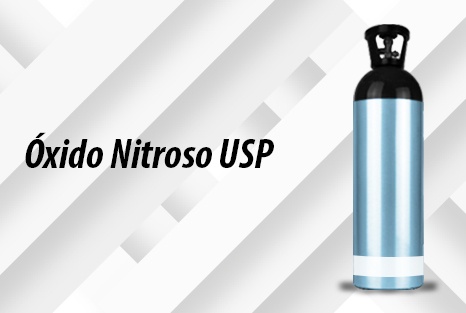
Online doctors for NITROUS OXIDE LIQUID LINDE 98%, MEDICINAL CRYOGENIC GAS IN A MOBILE CRYOGENIC CONTAINER
Discuss questions about NITROUS OXIDE LIQUID LINDE 98%, MEDICINAL CRYOGENIC GAS IN A MOBILE CRYOGENIC CONTAINER, including use, safety considerations and prescription review, subject to medical assessment and local regulations.











Frequently Asked Questions
