


ONDANSETRON AUROVITAS 2 mg/ml INJECTABLE SOLUTION AND PERFUSION SOLUTION



How to use ONDANSETRON AUROVITAS 2 mg/ml INJECTABLE SOLUTION AND PERFUSION SOLUTION
Translated with AI
This page provides general information and does not replace a doctor’s consultation. Always consult a doctor before taking any medication. Seek urgent medical care if symptoms are severe.
Show originalContents of the leaflet
Introduction
Package Leaflet: Information for the User
Ondansetron Aurovitas 2 mg/ml Solution for Injection and Infusion EFG
Read all of this leaflet carefully before you start using this medicine because it contains important information for you.
- Keep this leaflet, you may need to read it again.
- If you have any further questions, ask your doctor or nurse.
- This medicine has been prescribed for you only. Do not pass it on to others. It may harm them, even if their signs of illness are the same as yours.
- If you get any side effects, talk to your doctor or nurse. This includes any possible side effects not listed in this leaflet. See section 4.
Contents of the pack
- What Ondansetron Aurovitas is and what it is used for
- What you need to know before you use Ondansetron Aurovitas
- How to use Ondansetron Aurovitas
- Possible side effects
- Storage of Ondansetron Aurovitas
- Contents of the pack and other information
1. What Ondansetron Aurovitas is and what it is used for
Ondansetron Aurovitas contains the active substance ondansetron, which belongs to a group of medicines called antiemetics (prevents nausea and vomiting).
Ondansetron injection is used to:
- Prevent nausea and vomiting caused by chemotherapy (in adults and children) or radiotherapy in the treatment of cancer (only adults).
- Prevent post-operative nausea and vomiting in adults and children from 1 month of age.
Ask your doctor, nurse or pharmacist if you need more information about the use of this medicine.

2. What you need to know before you use Ondansetron Aurovitas
Do not useOndansetronAurovitas
- if you are allergic to ondansetron or any of the other ingredients of this medicine (listed in section 6).
- if you are taking apomorphine (a medicine used to treat Parkinson's disease).
If you are in doubt, consult your doctor, nurse or pharmacist before using ondansetron injection.
Warnings and precautions
Consult your doctor or nurse before starting to use Ondansetron Aurovitas.
- if you have liver problems.
- if you have ever had heart problems (e.g. congestive heart failure, which causes shortness of breath and swelling of the ankles).
- if you have irregular heartbeats (arrhythmias).
- if you are allergic to medicines similar to ondansetron, such as granisetron or palonosetron (do not use this medicine).
- if you have chronic constipation.
- if you have an intestinal obstruction.
- if you have problems with the levels of salts in your blood, such as potassium, sodium and magnesium.
- prevention of nausea and vomiting with ondansetron may mask a hidden bleeding after a tonsil operation. Therefore, patients affected should be closely monitored after administration of ondansetron.
If you are in any of these situations, or if you are in doubt, consult your doctor, nurse or pharmacist before using ondansetron injection.
Other medicines andOndansetronAurovitas
Tell your doctor or pharmacist if you are taking, have recently taken or might take any other medicines. This includes medicines that you can buy without a prescription and herbal medicines. Ondansetron may affect the way some medicines work and other medicines may affect the way ondansetron works.
In particular, tell your doctor, nurse or pharmacist if you are taking any of the following medicines:
- carbamazepine or phenytoin, used to treat epilepsy.
- rifampicin, used to treat infections such as tuberculosis.
- antibiotics such as erythromycin or ketoconazole.
- anti-arrhythmic medicines, used to treat irregular heartbeats.
- beta-blocker medicines, used to treat certain heart or eye problems, anxiety or to prevent migraines.
- tramadol, a painkiller.
- medicines that affect the heart (such as haloperidol or methadone).
- cancer medicines (especially anthracyclines or trastuzumab).
- selective serotonin reuptake inhibitors (SSRIs) used to treat depression and/or anxiety, including fluoxetine, paroxetine, sertraline, fluvoxamine, citalopram, escitalopram.
- serotonin and noradrenaline reuptake inhibitors (SNRIs) used to treat depression and/or anxiety, including venlafaxine, duloxetine.
- do not use ondansetron if you are taking apomorphine for Parkinson's disease.
If you are in any of these situations, or if you are in doubt, consult your doctor, nurse or pharmacist before using ondansetron injection.
Ondansetron injection should not be given in the same syringe or infusion (drip) as other medicines.
Pregnancy and breast-feeding
Pregnancy
Ondansetron should not be used during the first trimester of pregnancy. This is because ondansetron may slightly increase the risk of a baby being born with a cleft lip and/or cleft palate (openings or gaps in the upper lip or in the roof of the mouth). If you are already pregnant, think you may be pregnant or are planning to have a baby, ask your doctor or pharmacist for advice before using ondansetron. If you are a woman of childbearing age, you are advised to use an effective method of contraception.
Breast-feeding
Do not breast-feed if you are using ondansetron as small amounts of ondansetron may pass into breast milk. Ask your doctor or midwife for advice.
Fertility
There are no data on the effects of ondansetron on fertility in humans.
Driving and using machines
Ondansetron has no or negligible influence on the ability to drive and use machines.
OndansetronAurovitas contains sodium
Patients on low sodium diets should be aware that this medicinal product contains 57 mg (or 2.5 mmol) of sodium per maximum daily dose of 32 mg.
3. How to use Ondansetron Aurovitas
Follow exactly the administration instructions of this medicine given by your doctor, pharmacist or nurse. If you are in doubt, consult your doctor, pharmacist or nurse again.
Ondansetron Aurovitas is usually given by a nurse or a doctor. The dose you have been prescribed will depend on the treatment you are receiving.
To prevent nausea and vomiting due to chemotherapy or radiotherapy
On the day of chemotherapy or radiotherapy:
- the usual dose in adults is 8 mg, given as an injection into a vein or a muscle immediately before your treatment, and another 8 mg 12 hours later.
In the following days:
- the usual intravenous dose in adults will not exceed 8 mg.
- it may be given for a period of up to 5 days.
If it is likely that your chemotherapy or radiotherapy will cause severe nausea and vomiting, you may be given a higher dose of ondansetron than usual. Your doctor will decide what to do.
To prevent nausea and vomiting due to chemotherapy in children over 6 months and adolescents
The doctor will decide the dose based on the child's body surface area or weight.
On the day of chemotherapy:
- the first dose is given as a slow injection into a vein, immediately before your child's treatment. After chemotherapy, your child's medicine will usually be given by mouth. The usual dose is 4 mg.
To prevent nausea and vomiting after an operation
Adults:
- the usual dose in adults is 4 mg, given as a slow injection into a vein or an injection into a muscle. This dose will be given to you immediately before the operation.
Children (over 1 month) and adolescents:
- for children over 1 month and adolescents, the doctor will decide the dose. The maximum dose is 4 mg, given as a slow injection into a vein. This dose will be given to you immediately before the operation.
Patients with impaired renal function
No dose adjustment is needed.
Patients with moderate or severe hepatic impairment
The total daily dose should not exceed 8 mg.
If you continue to feel unwell
Ondansetron injection should start to work quickly after the injection. If you continue to feel unwell, tell your doctor or nurse.
If you use more Ondansetron Aurovitas than you should
Your doctor or nurse will give you the injection of ondansetron, so it is unlikely that you will be given too much. If you think you have been given too much or have not been given a dose, tell your doctor or nurse. In some patients, the following effects have been seen after an overdose: visual disturbances, severe constipation, low blood pressure, irregular heartbeat and loss of consciousness.
In case of overdose or accidental ingestion, consult your doctor or pharmacist immediately or call the Toxicology Information Service, telephone 91 562 04 20, indicating the medicine and the amount administered.
If you have any further questions on the use of this product, ask your doctor or nurse.

4. Possible side effects
Like all medicines, this medicine can cause side effects, although not everybody gets them.
Allergic reactions
If you have an allergic reaction, tell your doctor or a member of the medical staff immediately. The signs may include:
- sudden wheezing and chest pain or tightness.
- swelling of the eyelids, face, lips, mouth or tongue.
- skin rash - red spots or lumps under the skin (hives) anywhere on the body.
- collapse.
Other side effects include:
Very common (may affect more than 1 in 10 people)
- headache.
Common (may affect up to 1 in 10 people)
- feeling of warmth or flushing.
- constipation.
- changes in liver function tests (if you are given ondansetron injection with a medicine called cisplatin, otherwise this side effect is uncommon).
- irritation and redness at the injection site.
Uncommon (may affect up to 1 in 100 people)
- seizures.
- unusual body movements or tremors.
- irregular heartbeats.
- chest pain.
- low blood pressure, which can make you feel faint or dizzy.
- hypo.
- hypersensitivity reactions around the injection site (e.g. skin rash, hives, itching), which sometimes extend along the vein in which the medicine is given.
- abnormal blood test results checking the liver function.
Rare (may affect up to 1 in 1,000 people)
- feeling dizzy.
- blurred vision.
- change in heart rhythm (which can sometimes cause sudden loss of consciousness).
- diarrhoea and abdominal pain.
Very rare (may affect up to 1 in 10,000 people)
- poor vision or temporary loss of vision, which usually resolves within 20 minutes.
- depression.
- widespread rash with blisters and peeling of the skin over much of the body surface (toxic epidermal necrolysis).
Frequency not known (cannot be estimated from the available data)
- myocardial ischaemia.
The signs include:
- sudden chest pain or
- chest tightness
Reporting of side effects
If you experience any side effects, talk to your doctor, pharmacist or nurse, even if you think they are not related to the medicine. You can also report side effects directly to the Spanish Medicines Agency (AEMPS) at www.notificaram.es. By reporting side effects, you can help provide more information on the safety of this medicine.
5. Storage of Ondansetron Aurovitas
Keep this medicine out of the sight and reach of children.
Do not use this medicine after the expiry date which is stated on the carton after EXP. The expiry date refers to the last day of the month shown.
This medicine does not require any special storage conditions.
Keep the ampoules in the outer packaging to protect them from light.
Do not use this medicine if you notice particles or signs of discoloration.
Medicines should not be disposed of via wastewater or household waste. Ask your pharmacist how to dispose of medicines no longer required. These measures will help protect the environment.
6. Container Content and Additional Information
Composition ofOndansetron Aurovitas
- The active ingredient is ondansetron (as ondansetron hydrochloride dihydrate). Each ml of injectable solution and infusion contains 2 mg of ondansetron (as ondansetron hydrochloride dihydrate).
Each 2 ml ampoule contains 4 mg of ondansetron (as ondansetron hydrochloride dihydrate).
Each 4 ml ampoule contains 8 mg of ondansetron (as ondansetron hydrochloride dihydrate).
- The other components are citric acid monohydrate, sodium citrate, sodium chloride, and water for injectable preparations.
Appearance of the Product and Container Content
Transparent and colorless solution, without visible particles.
Ondansetron Aurovitas is a transparent colorless solution packaged in type I transparent glass ampoules. To facilitate opening, the ampoules may have a break point (OPC) or may be scored.
Ondansetron Aurovitas 2 mg/ml is available in 2 ml and 4 ml ampoules, packaged in boxes of 1, 5, or 10 ampoules.
Only some pack sizes may be marketed.
Marketing Authorization Holder
Eugia Pharma (Malta) Limited
Vault 14, Level 2, Valletta Waterfront
Floriana, FRN 1914
Malta
Manufacturer
APL Swift Services (Malta) Limited
HF26, Hal Far Industrial Estate, Hal Far
Birzebbugia, BBG 3000
Malta
You can request more information about this medicine by contacting the local representative of the marketing authorization holder:
Aurovitas Spain, S.A.U.
Avda. de Burgos, 16-D
28036 Madrid
Spain
This medicine is authorized in the Member States of the European Economic Area under the following names:
Germany: | Ondansetron Aurobindo 2 mg/ml injection and infusion solution |
Belgium: | Ondansetron Eugia 2 mg/ml solution for injection or infusion / solution injectable ou pour perfusion / Injektions-/Infusionslösung |
Spain: | Ondansetron Aurovitas 2 mg/ml injectable and infusion solution EFG |
Italy: | Ondansetrone Aurobindo |
Luxembourg: | Ondansetron Eugia 2 mg/ml solution injectable ou pour perfusion |
Portugal: | Ondansetrom Aurovitas |
Date of the Last Revision of this Leaflet:April 2023
Detailed information on this medicine is available on the website of the Spanish Agency for Medicines and Health Products (AEMPS) (http://www.aemps.gob.es/).
This information is intended only for healthcare professionals:
Chemotherapy and Radiotherapy-Induced Nausea and Vomiting
Adults
The emetogenic potential of cancer treatment varies according to the dose and combinations of chemotherapy and radiotherapy regimens used. The route of administration and dose of ondansetron should be flexible in the range of 8-32 mg per day, and should be selected as shown below.
Emetogenic Chemotherapy and Radiotherapy:In most patients receiving emetogenic chemotherapy or radiotherapy, 8 mg of ondansetron should be administered by slow intravenous injection (over at least 30 seconds) or intramuscularly, or by other routes of administration, 15 minutes before treatment. However, this medicine is only for administration by injection or infusion.
To protect against delayed or prolonged emesis after the first 24 hours, treatment with ondansetron by the oral route should continue for 5 days after a treatment cycle.
Highly Emetogenic Chemotherapy:For patients receiving highly emetogenic chemotherapy, e.g., high-dose cisplatin, ondansetron can be administered by the intravenous or intramuscular route.
Ondansetron has been shown to be equally effective in the following dosing regimens in the first 24 hours of chemotherapy:
- A single dose of 8 mg by slow intravenous injection (over at least 30 seconds) or by intramuscular injection over 15 minutes, immediately before chemotherapy.
- A dose of 8 mg by slow intravenous injection (over at least 30 seconds) or by intramuscular injection over 15 minutes, immediately before chemotherapy, followed by two additional doses of 8 mg intravenously (over at least 30 seconds) or intramuscularly, spaced 4 hours apart, or by a constant infusion of 1 mg/hour for 24 hours.
- Doses greater than 8 mg and up to a maximum of 16 mg diluted in 50-100 ml of saline or other compatible infusion fluid (see Instructions for Use/Handling) and infused over at least 15 minutes immediately before chemotherapy.
- A single dose greater than 16 mg should not be administered due to the increased risk of dose-dependent QT interval prolongation (see sections 4.4, 4.8, and 5.1 of the Summary of Product Characteristics).
The selection of the dosing regimen should be determined based on the intensity of the emetogenic treatment.
The efficacy of ondansetron in highly emetogenic chemotherapy may be enhanced by the administration of a single intravenous dose of 20 mg of sodium dexamethasone phosphate before chemotherapy.
To protect against delayed or prolonged emesis after the first 24 hours, treatment with ondansetron by the oral route should continue for 5 days after a treatment cycle.
Pediatric Population
Chemotherapy-Induced Nausea and Vomiting in Children ≥6 months and Adolescents
The dose for chemotherapy-induced nausea and vomiting can be calculated based on body surface area (BSA) or weight (see below). In pediatric clinical studies, ondansetron was administered by intravenous infusion diluted in 25 to 50 ml of saline or other compatible infusion fluid and administered over at least 15 minutes. The dosing based on weight results in a higher total daily dose than that calculated from BSA (see sections 4.4 and 5.1 of the Summary of Product Characteristics).
Ondansetron hydrochloride should be diluted in 5% dextrose or 0.9% sodium chloride or other compatible infusion fluid (see Instructions for Use/Handling) and administered by intravenous infusion over at least 15 minutes.
There are no data from controlled clinical trials on the use of ondansetron injectable in the prevention of delayed or prolonged chemotherapy-induced nausea and vomiting. There are no data from controlled clinical trials on the use of ondansetron injectable for radiation-induced nausea and vomiting in children.
Dose Calculation by Body Surface Area:
Ondansetron should be administered immediately before chemotherapy as a single intravenous dose of 5 mg/m2. The single intravenous dose should not exceed 8 mg. Oral dosing can start 12 hours later and can continue for up to 5 days (see dosing tables in the Summary of Product Characteristics). The total daily dose in 24 hours should not exceed the adult dose of 32 mg.
Dose Calculation by Body Weight:
The dosing based on weight results in a higher total daily dose than that calculated from BSA. Ondansetron should be administered immediately before chemotherapy as a single intravenous dose of 0.15 mg/kg. The single intravenous dose should not exceed 8 mg. Two additional intravenous doses can be administered at 4-hour intervals. Oral dosing can start 12 hours later and can continue for up to 5 days. The total dose in 24 hours (administered in divided doses) should not exceed the adult dose of 32 mg (for more information, see the Summary of Product Characteristics).
Elderly
For patients aged 65 to 74 years, the same dosing regimens as for adults can be followed. All intravenous doses should be diluted in 50-100 ml of saline or other compatible infusion fluids (see Instructions for Use/Handling) and administered by infusion over 15 minutes.
For patients aged 75 years or older, the initial intravenous dose of ondansetron should not exceed 8 mg. All intravenous doses should be diluted in 50-100 ml of saline or other compatible infusion fluids (see Instructions for Use/Handling) and administered by infusion over 15 minutes. After the initial dose of 8 mg, two additional doses of 8 mg can be administered by infusion over 15 minutes, allowing a minimum of 4 hours between the administration of each dose (see Summary of Product Characteristics).
Postoperative Nausea and Vomiting (PONV)
Adults
For the prevention of PONV, ondansetron can be administered by the oral route or by intravenous or intramuscular injection.
Ondansetron can be administered as a single dose of 4 mg by intramuscular injection or by slow intravenous injection at the time of induction of anesthesia.
For the treatment of established PONV, a single dose of 4 mg by intramuscular injection or by slow intravenous injection is recommended.
Pediatric Population
Children (over 1 month and adolescents)
Injection:
For the prevention of PONV in pediatric patients undergoing surgery with general anesthesia, a single dose of ondansetron can be administered by slow intravenous injection (over at least 30 seconds) at a dose of 0.1 mg/kg up to a maximum of 4 mg before, during, or after the induction of anesthesia. For the treatment of PONV in pediatric patients after surgery with general anesthesia, a single dose of ondansetron can be administered by slow intravenous injection (over at least 30 seconds) at a dose of 0.1 mg/kg up to a maximum of 4 mg. There are no data on the use of ondansetron injectable for the treatment of postoperative vomiting in children under 2 years.
Elderly
There is limited experience with the use of ondansetron in the prevention and treatment of PONV in the elderly, although ondansetron is well tolerated in patients over 65 years treated with chemotherapy.
For all Indications:
Patients with Renal Impairment:No modification of the daily dose, frequency of administration, or route of administration is required.
Patients with Hepatic Impairment:The clearance of ondansetron is significantly reduced and the serum half-life significantly prolonged in subjects with moderate or severe hepatic impairment. In these patients, the total daily dose should not exceed 8 mg.
Patients who are Slow Metabolizers of Sparsteine/Debrisoquine:The elimination half-life of ondansetron is not altered in individuals classified as slow metabolizers of sparteine and debrisoquine. Consequently, the levels of exposure to the drug after repeated administration in these patients do not differ from those achieved in the general population. No modification of the daily dose or frequency of administration is required.
Instructions for Use/Handling
The injectable solution and infusion of ondansetron should not be sterilized in an autoclave.
Incompatibilities:
The injectable solution and infusion of ondansetron are physically compatible and chemically stable when mixed with the following infusion solutions in the concentration range of 0.016 mg/ml to 0.64 mg/ml.
- Sodium chloride 0.9% w/v.
- Glucose 5% w/v.
- Mannitol 10% w/v.
- Ringer's solution.
- Potassium chloride 0.3% w/v and sodium chloride 0.9% w/v.
- Potassium chloride 0.3% w/v and glucose 5% w/v.
Compatibility studies with the above diluents have been conducted in polyvinyl chloride infusion bags and polyvinyl chloride administration sets. The use of polyethylene infusion bags or type I glass bottles is also considered to provide adequate stability. It has been demonstrated that dilutions of the injectable solution and infusion of ondansetron in an intravenous infusion solution of sodium chloride 0.9% w/v or dextrose 5% w/v are stable in polypropylene syringes. The injectable solution and infusion of ondansetron diluted with other compatible infusion fluids are considered to be stable in polypropylene syringes.
Validity Period and Storage:
Unopened: 3 years.
Injection: The medicine should be used immediately after the first opening.
Infusion: Physical and chemical stability has been demonstrated for 7 days at 15-25°C and at 2-8°C.
From a microbiological point of view, the product should be used immediately. If not used immediately, the in-use storage times and conditions are the responsibility of the user and normally should not exceed 24 hours at 2-8°C, unless the dilution has taken place in controlled and validated aseptic conditions.
- Country of registration
- Dosage formINJECTABLE, 2 mg/ml
- ATC codeA04AA01
- Active substance
- Prescription requiredYes
- Manufacturer
- This information is for reference only and does not constitute medical advice. Always consult a doctor before taking any medication. Oladoctor is not responsible for medical decisions based on this content.
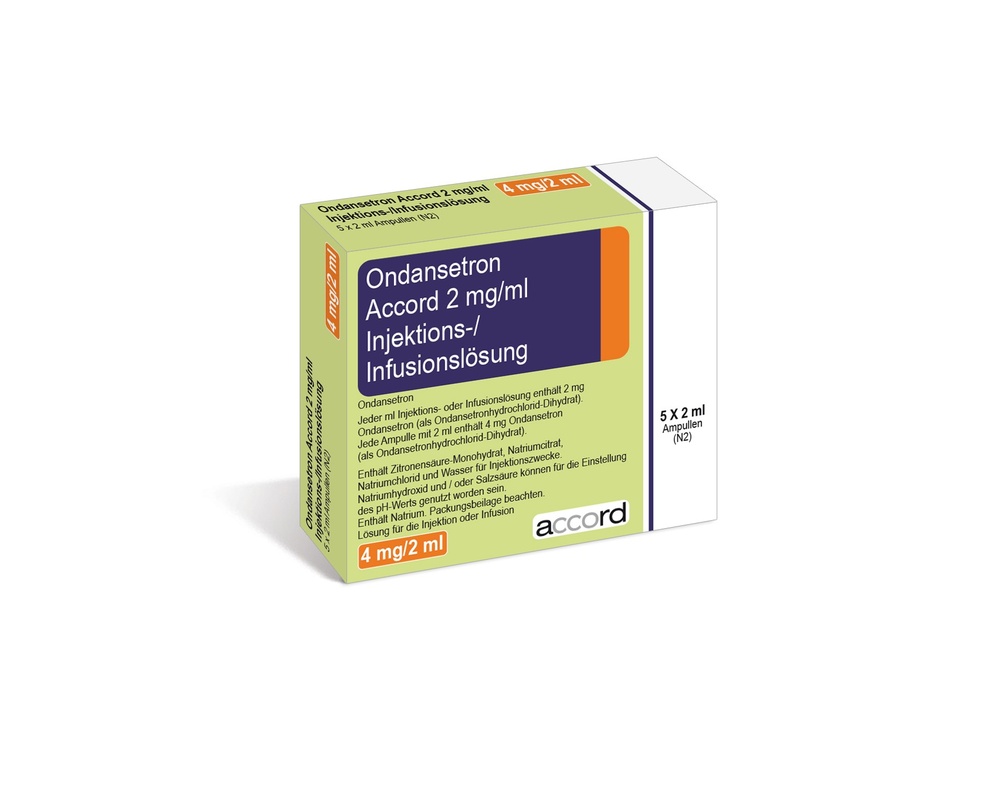
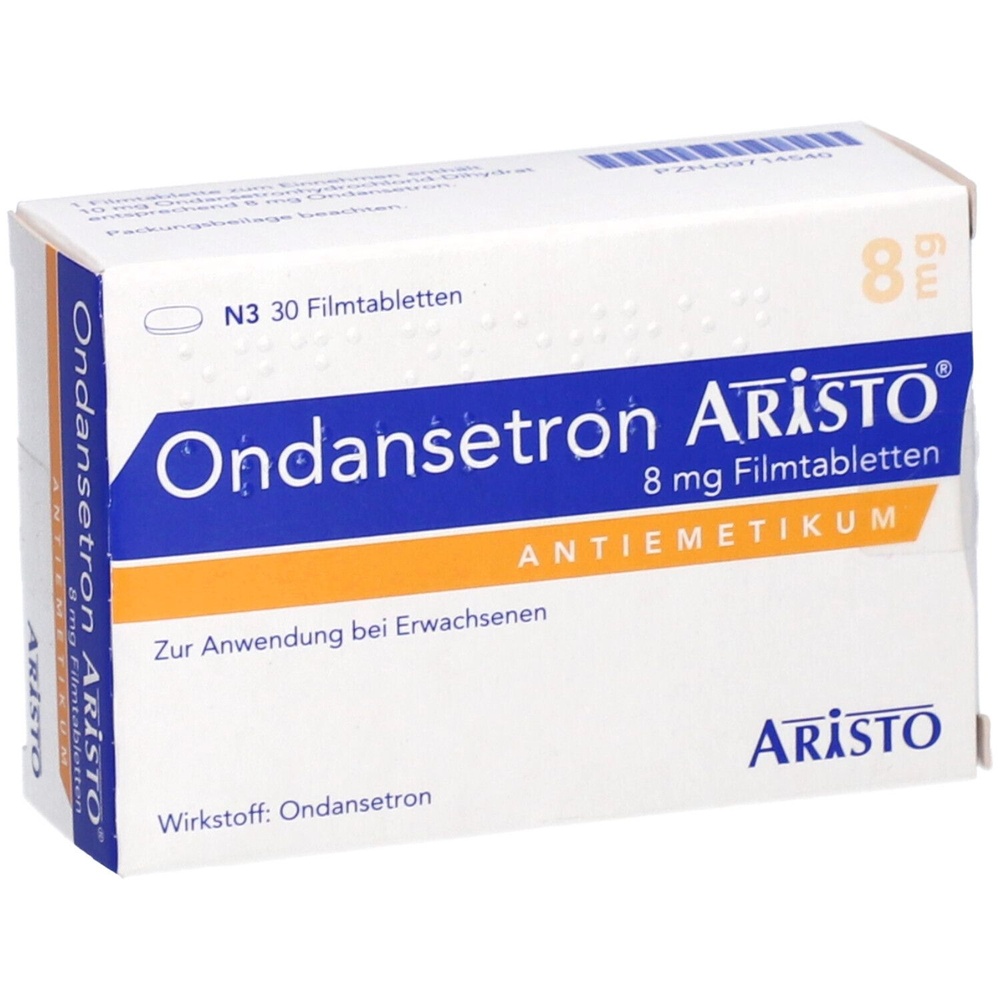
- Alternatives to ONDANSETRON AUROVITAS 2 mg/ml INJECTABLE SOLUTION AND PERFUSION SOLUTIONDosage form: INJECTABLE, 2 mg/mLActive substance: ondansetronManufacturer: Accord Healthcare S.L.U.Prescription requiredDosage form: ORALLY DISINTEGRATING TABLET/LIOTAB, 4 mgActive substance: ondansetronManufacturer: Aristo Pharma Iberia S.L.Prescription requiredDosage form: ORALLY DISINTEGRATING TABLET/LIOTAB, 8 mgActive substance: ondansetronManufacturer: Aristo Pharma Iberia S.L.Prescription required

Online doctors for ONDANSETRON AUROVITAS 2 mg/ml INJECTABLE SOLUTION AND PERFUSION SOLUTION
Discuss questions about ONDANSETRON AUROVITAS 2 mg/ml INJECTABLE SOLUTION AND PERFUSION SOLUTION, including use, safety considerations and prescription review, subject to medical assessment and local regulations.









.jpg)

Frequently Asked Questions
