


NOVAG ANTIGRIPAL GRANULADO FOR ORAL SOLUTION
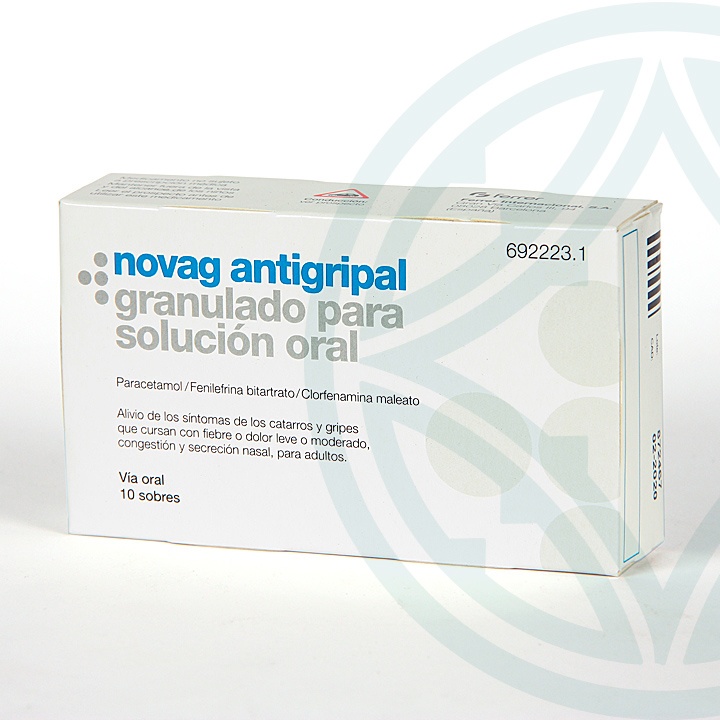



How to use NOVAG ANTIGRIPAL GRANULADO FOR ORAL SOLUTION
Translated with AI
This page provides general information and does not replace a doctor’s consultation. Always consult a doctor before taking any medication. Seek urgent medical care if symptoms are severe.
Show originalContents of the leaflet
Introduction
Leaflet: Information for the Patient
Novag Antigripal Granules for Oral Solution
Paracetamol / Phenylephrine Bitartrate / Chlorphenamine Maleate
Read the entire leaflet carefully before starting to take this medication, as it contains important information for you.
Follow the administration instructions for the medication contained in this leaflet or as indicated by your doctor or pharmacist exactly.
- Keep this leaflet, as you may need to read it again.
- If you need advice or more information, consult your pharmacist.
- If you experience side effects, consult your doctor or pharmacist, even if they are side effects not listed in this leaflet. See section 4.
- You should consult a doctor if your symptoms worsen or do not improve, or if the fever persists for more than 3 days or the pain or other symptoms persist for more than 5 days.
Contents of the Leaflet
- What is Novag Antigripal and what is it used for
- What you need to know before taking Novag Antigripal
- How to take Novag Antigripal
- Possible side effects
- Storage of Novag Antigripal
- Package contents and additional information
1. What is Novag Antigripal and what is it used for
This medication is an association of paracetamol, chlorphenamine, and phenylephrine.
Paracetamol is an analgesic that reduces pain and fever.
Chlorphenamine is an antihistamine that relieves nasal secretion
Phenylephrine is a sympathomimetic that reduces nasal congestion.
It is indicated in adults and adolescents over 15 years old for the relief of symptoms of colds and flu that occur with fever or mild to moderate pain, congestion, and nasal secretion.
You should consult a doctor if your symptoms worsen or do not improve, or if the fever persists for more than 3 days or the pain or other symptoms persist for more than 5 days.

2. What you need to know before taking Novag Antigripal
Do not take Novag Antigripal
- If you are allergic to the active ingredients or to any of the other components of this medication (listed in section 6).
- If you have arterial hypertension.
- If you have hyperthyroidism.
- If you have diabetes mellitus.
- If you have tachycardia (rapid heartbeats).
- If you are being treated with a monoamine oxidase inhibitor (MAOI) medication (such as some antidepressants or medications for Parkinson's disease).
- If you are being treated with sympathomimetic medications (medications used to treat asthma or medications to accelerate heart rate).
- If you are being treated with beta-blocker medications (medications for the heart or to treat arterial diseases) (see: Taking Novag Antigripal with other medications).
- If you have glaucoma (elevated eye pressure).
- If you have a serious heart or arterial disease (such as coronary artery disease or angina pectoris).
Warnings and precautions
Consult your doctor or pharmacist before starting to take Novag Antigripal.
Do not take more medication than recommended in section 3. How to take Novag Antigripal
Avoid simultaneous use of this medication with other medications that contain paracetamol, as high doses can lead to liver damage. Do not use more than one medication that contains paracetamol without consulting your doctor.
Chronic alcoholics should be cautious not to take more than 2 grams of paracetamol (equivalent to 3 sachets of Novag Antigripal) in 24 hours.
While taking this medication, you cannot take other medications that contain paracetamol because a paracetamol overdose can occur, which could damage the liver.
Consult your doctor or pharmacist before starting to take this medication in the following cases:
- Patient with kidney, liver, heart, or lung disease, and patients with anemia.
- Asthmatic patients sensitive to acetylsalicylic acid.
- Patient sensitive (allergic) to an antihistamine, as they may be sensitive to other antihistamines (such as chlorphenamine).
- Patient being treated with medications for: prostate hypertrophy, bronchial asthma, very slow heartbeats, hypotension, cerebral arteriosclerosis, pancreatitis, peptic ulcer, pyloroduodenal obstruction, thyroid diseases, patient sensitive to the sedative effects of some medications.
- If you are being treated with tricyclic antidepressants or medications with a similar effect and you experience gastrointestinal problems, you should stop taking this medication and consult a doctor immediately, as you may develop paralytic ileus (stop of normal bowel movements).
Children and adolescents
This medication should not be administered to children under 15 years old due to the paracetamol dose (650 mg).
Interference with analytical tests
If you are going to have any diagnostic tests (including blood tests, urine tests, skin tests using allergens, etc.), inform your doctor that you are taking this medication, as it may alter the results.
Other medications and Novag Antigripal
Inform your doctor or pharmacist if you are taking or have recently taken or may need to take any other medication.
In particular, if you are using any of the following medications, it may be necessary to modify the dose of some of them or interrupt treatment:
- Medications for treating epilepsy: Antiepileptics (lamotrigine, phenytoin, or other hydantoins, phenobarbital, methylphenobarbital, primidone, carbamazepine).
- Medications for treating tuberculosis: (isoniazid, rifampicin).
- Medications for treating convulsions and depression (barbiturics), used as hypnotics, sedatives, and anticonvulsants.
- Medication to prevent blood clot formation: Oral anticoagulants (acenocoumarol, warfarin).
- Medications used to increase urine elimination (loop diuretics such as furosemide, or others), and other diuretics that cause potassium loss (such as diuretics for treating hypertension or others).
- Medications used to prevent nausea and vomiting (metoclopramide and domperidone).
- Medications used to treat gout (probenecid and sulfinpyrazone).
- Medications used to treat high blood pressure and heart rhythm disorders (arrhythmias): Propranolol.
- Medications used to lower cholesterol levels in the blood (cholestyramine).
- Medications used to treat depression, Parkinson's disease, or other diseases (Monoamine Oxidase Inhibitors (MAOIs)). Novag Antigripal and these medications should be taken at least 15 days apart after finishing treatment.
- Medications used to treat migraines; medications taken for childbirth; medications taken to treat blood pressure or other diseases (alpha-adrenergic blocking medications).
- Alpha and beta-adrenergic blocking medications (labetalol and carvedilol) used for the heart or to treat arterial diseases.
- Medications for treating depression (tricyclic and tetracyclic antidepressants).
- General anesthetic medications (medications used for general anesthesia).
- Antihypertensives (medications used to lower blood pressure).
- Medications used for the heart, such as cardiac glycosides, antiarrhythmics, and beta blockers.
- Medications containing thyroid hormones (used to treat thyroid diseases).
- Medications used for heart or digestive diseases, such as atropine sulfate.
- Medications that depress the central nervous system (such as those used for insomnia or anxiety).
- Ototoxic medications (which can damage the ear as a side effect).
- Photosensitizing medications (which can cause light allergy as a side effect).
Flucloxacillin (antibiotic), due to a serious risk of alteration of blood and fluids (metabolic acidosis with high anion gap) that should be treated urgently and may occur especially in cases of severe renal insufficiency, sepsis (when bacteria and their toxins circulate in the blood, leading to organ damage), malnutrition, chronic alcoholism, and if the maximum daily doses of paracetamol are used.
Interference with analytical tests
If you are going to have any analytical tests (including blood tests, urine tests, etc.), inform your doctor that you are taking this medication, as it may alter the results.
Taking Novag Antigripal with food, drinks, and alcohol
While taking this medication, you should not consume alcoholic beverages, as it may enhance the appearance of side effects of this medication.
Additionally, the use of medications containing paracetamol by patients who habitually consume alcohol (3 or more alcoholic beverages: beer, wine, liquor, etc. per day) can cause liver damage.
The medication can be taken with or without food.
Pregnancy, breastfeeding, and fertility
If you are pregnant or breastfeeding, think you may be pregnant, or plan to become pregnant, consult your doctor or pharmacist before taking this medication.
This medication should not be taken during pregnancy unless your doctor considers it strictly necessary.
This medication cannot be taken during breastfeeding, as it may cause side effects in the baby.
Driving and using machines
This medication may cause drowsiness. If you experience drowsiness during treatment with this medication, avoid driving vehicles or using machines.
Novag Antigripal contains mannitol (E-421)
This medication may have a mild laxative effect because it contains mannitol.
3. How to take Novag Antigripal
Follow the administration instructions for the medication contained in this leaflet or as indicated by your doctor or pharmacist exactly. In case of doubts, ask your doctor or pharmacist.
Taking this medication is subject to the appearance of symptoms. As they disappear, you should suspend this medication.
The recommended dose is:
Adults and adolescents over 15 years old: 1 sachet every 6-8 hours (3 or 4 sachets per day) as needed. Do not take more than 4 sachets (equivalent to 2.6 grams of paracetamol) every 24 hours.
Do not take more than 3 grams of paracetamol every 24 hours (see "Warnings and precautions" section).
Patient with kidney disease: Should consult a doctor. These patients cannot take this medication due to the paracetamol dose it contains.
Patient with liver disease: Should consult a doctor. They should not take more than 3 sachets (equivalent to 2 grams of paracetamol) in 24 hours, and the minimum interval between doses will be 8 hours.
Use in children
This medication should not be administered to children and adolescents under 15 years old.
Use in elderly patients
Elderly people should not use this medication without consulting a doctor.
How to take
Novag Antigripal is taken orally. Pour the entire contents of the sachet into approximately half a glass of water. Shake and drink immediately.
Always take the smallest effective dose.
Taking this medication is subject to the appearance of symptoms. As they disappear, you should suspend treatment.
If the fever persists for more than 3 days of treatment, the pain or other symptoms persist for more than 5 days, or worsen, or new symptoms appear, you should consult a doctor.
If you take more Novag Antigripal than you should
If you have ingested an overdose, you should go to a medical center immediately, even if you do not notice symptoms, as they often do not appear until 3 days after ingestion, even in cases of severe poisoning.
The symptoms of overdose may be: dizziness, vomiting, loss of appetite, yellowing of the skin and eyes (jaundice), and abdominal pain. Anxiety, fear, agitation, headache (can be a symptom of high blood pressure), convulsions, insomnia (or intense drowsiness), clumsiness, feeling of fainting, instability, confusion, irritability, tremors, anorexia; psychosis with hallucinations (especially in children). Dryness of the mouth, nose, or throat. You may also notice effects such as high blood pressure, arrhythmias (rapid or irregular heartbeats), palpitations, decreased urine output, metabolic acidosis (decrease in blood alkaline reserve). In case of prolonged use, a decrease in blood volume may occur.
Treatment of overdose is most effective if started within 4 hours after taking the overdose of the medication.
Patient being treated with barbiturics or chronic alcoholics may be more susceptible to the toxicity of a paracetamol overdose.
In case of overdose or accidental ingestion, go to a medical center immediately or call the Toxicological Information Service (Telephone 91 562 04 20), indicating the medication and the amount ingested.

4. Possible side effects
Like all medications, this medication can cause side effects, although not everyone will experience them.
During the period of use of paracetamol, phenylephrine, and chlorphenamine, the following side effects have been reported, whose frequency has not been established with precision:
- The side effects that may appear most frequently are: Mild drowsiness, dizziness, muscle weakness: these side effects may disappear after 2-3 days of treatment. Difficulty in facial movements, clumsiness, tremors, alterations in sensations and tingling, dry mouth, loss of appetite, alterations in taste or smell, gastrointestinal disorders (which may decrease if the medication is administered with food), nausea, vomiting, diarrhea, constipation, stomach pain, urinary retention, dryness of the nose and throat, thickening of mucus, sweating, blurred vision or other vision disorders.
- The side effects that may appear with low frequency (rare) are: Malaise, low blood pressure (hypotension), and increased levels of transaminases in the blood. Myocardial infarction, ventricular arrhythmia (irregular heartbeats), pulmonary edema (increased fluid volume in the lungs), and cerebral hemorrhage (at high doses or in sensitive patients).
Excitement (generally with high doses, and more frequent in the elderly and children), which may include symptoms such as: restlessness, insomnia, nervousness, and even convulsions. Other side effects that may appear with low frequency are: chest tightness, lung noises, rapid or irregular heartbeats (generally with overdose), liver disorders (which may present with stomach pain or abdominal pain, dark urine, or other symptoms), allergic reaction, severe hypersensitivity reactions (cough, difficulty swallowing, rapid heartbeats, itching, swelling of the eyelids or around the eyes, face, tongue, difficulty breathing, etc.), photosensitivity (sensitivity to sunlight), cross-sensitivity (allergy) to medications related to chlorphenamine. Blood disorders (changes in the blood cell formula, such as agranulocytosis, leukopenia, aplastic anemia, thrombocytopenia) with symptoms such as unusual bleeding, sore throat, or fatigue; low or high blood pressure, edema (swelling), ear disorders, impotence, menstrual disorders.
- The side effects that may appear with very low frequency (very rare) are:Kidney disease, cloudy urine, allergic dermatitis (skin rash), jaundice (yellowing of the skin), blood disorders (neutropenia, hemolytic anemia), and hypoglycemia (low blood sugar).
Paracetamol may damage the liver when taken in high doses or in prolonged treatments.
Very rare cases of severe skin reactions have been reported.
- The side effects whose frequency of appearance is not known are: Anxiety, irritability, weakness, high blood pressure (hypertension, generally with high doses and in sensitive patients), headache (with high doses and may be a symptom of hypertension), very slow heartbeats (severe bradycardia), reduction of peripheral blood vessel caliber (peripheral vasoconstriction), reduction of heart performance that especially affects the elderly and patients with poor cerebral or coronary circulation, possible production or worsening of heart disease, urinary retention, paleness, hair standing on end, high blood sugar (hyperglycemia), low potassium levels in the blood, metabolic acidosis (alteration of metabolism), cold in the extremities (legs or arms), flushing, feeling of fainting (hypotension). With high doses, the following may occur: vomiting, palpitations, psychotic states with hallucinations; in prolonged use, a decrease in blood volume may occur.
Reporting of side effects
If you experience any type of side effect, consult your doctor or pharmacist or nurse, even if it is a possible side effect not listed in this leaflet. You can also report them directly through the Spanish Medication Surveillance System for Human Use: https://www.notificaRAM.es/. By reporting side effects, you can contribute to providing more information on the safety of this medication.
5. Storage of Novag Antigripal
Keep this medicine out of the sight and reach of children.
Do not use this medicine after the expiration date that appears on the packaging, after CAD. The expiration date is the last day of the month indicated.
No special storage conditions are required.
Medicines should not be disposed of via wastewater or household waste. Deposit the packaging and any unused medicines at the SIGRE collection point in your pharmacy. If in doubt, ask your pharmacist how to dispose of the packaging and any unused medicines. This will help protect the environment.
6. Package Contents and Additional Information
Composition of Novag Antigripal
Each sachet contains:
- As active ingredients: 650 mg of paracetamol, 15.58 mg of phenylephrine bitartrate (equivalent to 8.21 mg of phenylephrine) and 4 mg of chlorphenamine maleate (equivalent to 2.8 mg of chlorphenamine)
- The other components (excipients) are: Mannitol (E-421), sodium saccharin, anhydrous colloidal silica, orange flavor (containing maltodextrin, which is a corn starch derivative) and povidone.
Appearance of the Product and Package Contents
Novag Antigripal is a white or yellowish-white granulate for oral solution with an orange flavor, presented in sachets packaged in cardboard boxes containing 10 sachets.
Marketing Authorization Holder
Tarbis Farma S.L.
Gran Via Carlos III, 94
08028 Barcelona
Manufacturer
Laboratorios Alcalá Farma, S.L
Avenida de Madrid, 82
28802 Alcalá de Henares (Madrid)
Date of the Last Revision of this Leaflet: November 2022
Detailed and updated information on this medicine is available on the website of the Spanish Agency for Medicines and Health Products (AEMPS) http://www.aemps.gob.es/
- Country of registration
- Dosage formORAL SOLUTION/SUSPENSION, 650 / 15.58 / 4 mg
- ATC codeN02BE51
- Active substance
- Prescription requiredNo
- Manufacturer
- This information is for reference only and does not constitute medical advice. Always consult a doctor before taking any medication. Oladoctor is not responsible for medical decisions based on this content.
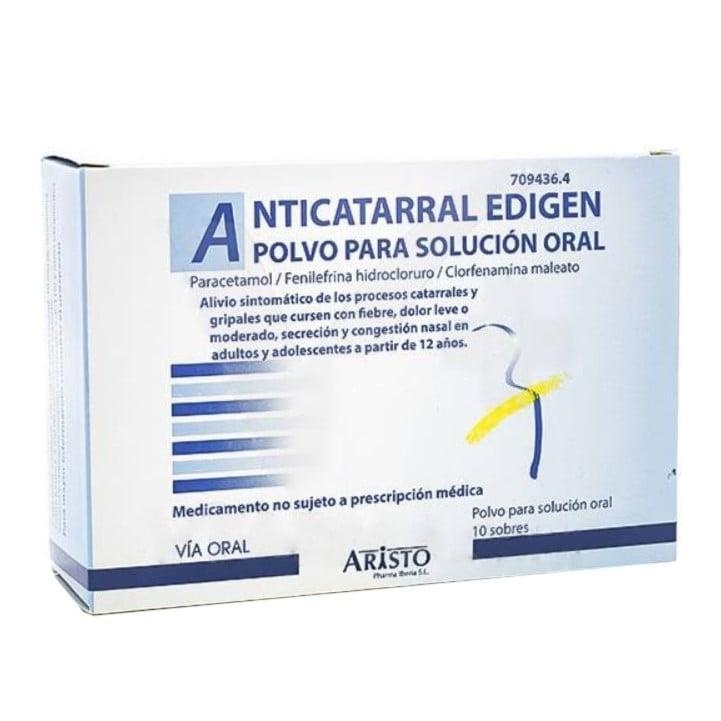
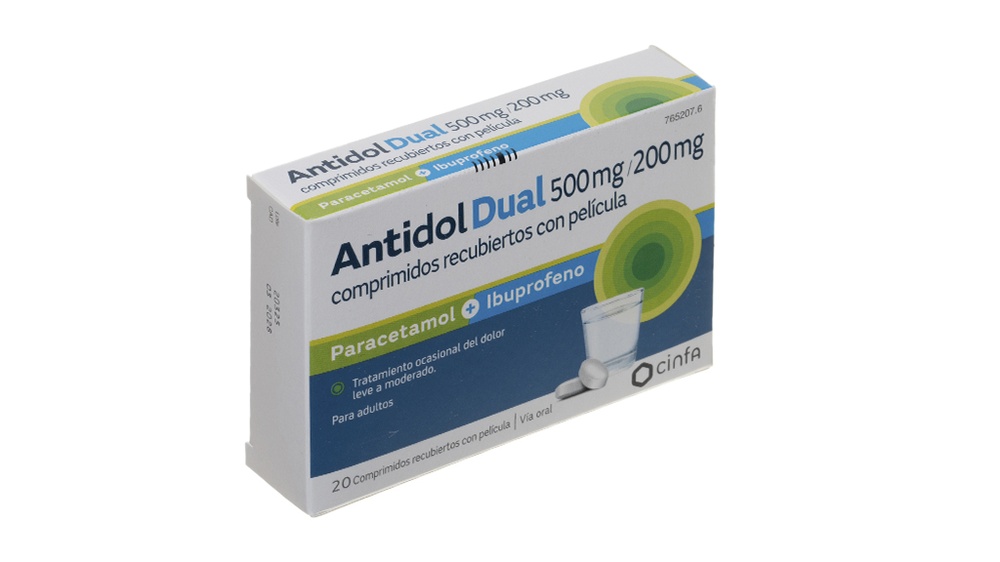
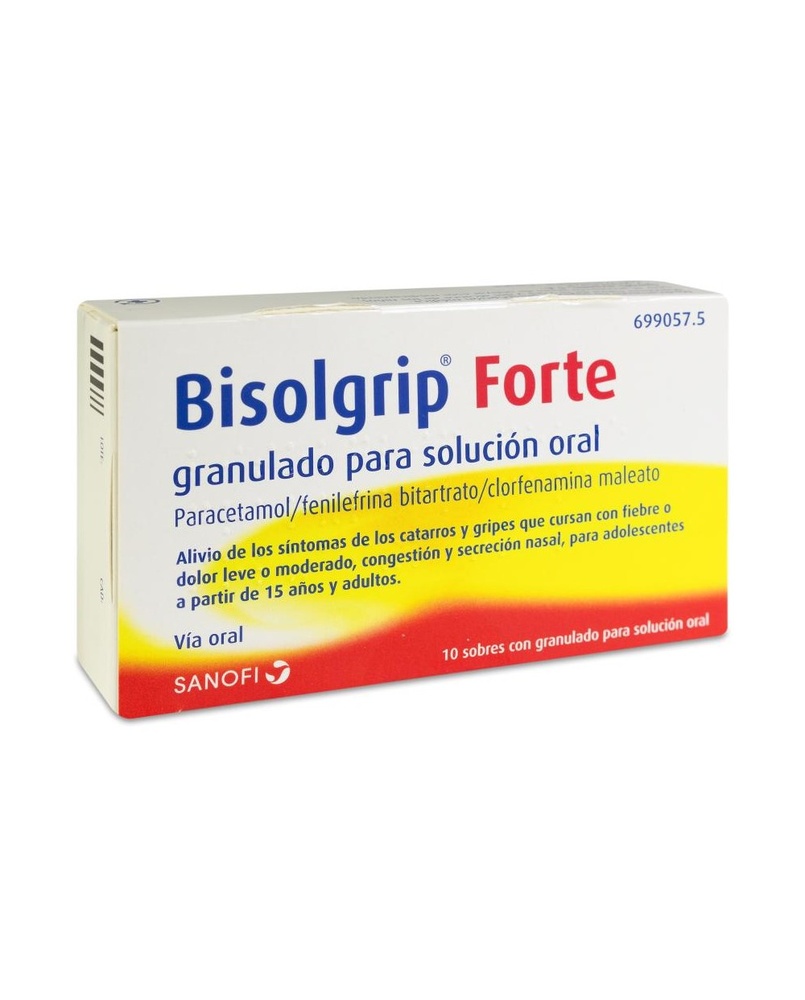
- Alternatives to NOVAG ANTIGRIPAL GRANULADO FOR ORAL SOLUTIONDosage form: ORAL SOLUTION/SUSPENSION, 500 mg; 4 mg; 10 mgActive substance: paracetamol, combinations excl. psycholepticsManufacturer: Aristo Pharma Iberia S.L.Prescription not requiredDosage form: TABLET, 500 mg/200 mgActive substance: paracetamol, combinations excl. psycholepticsManufacturer: Laboratorios Cinfa S.A.Prescription not requiredDosage form: ORAL SOLUTION/SUSPENSION, 650 mg/2.8 mg/8.21 mgActive substance: paracetamol, combinations excl. psycholepticsManufacturer: Opella Healthcare Spain S.L.Prescription not required
Online doctors for NOVAG ANTIGRIPAL GRANULADO FOR ORAL SOLUTION
Discuss questions about NOVAG ANTIGRIPAL GRANULADO FOR ORAL SOLUTION, including use, safety considerations and prescription review, subject to medical assessment and local regulations.






.jpg)




Frequently Asked Questions
