



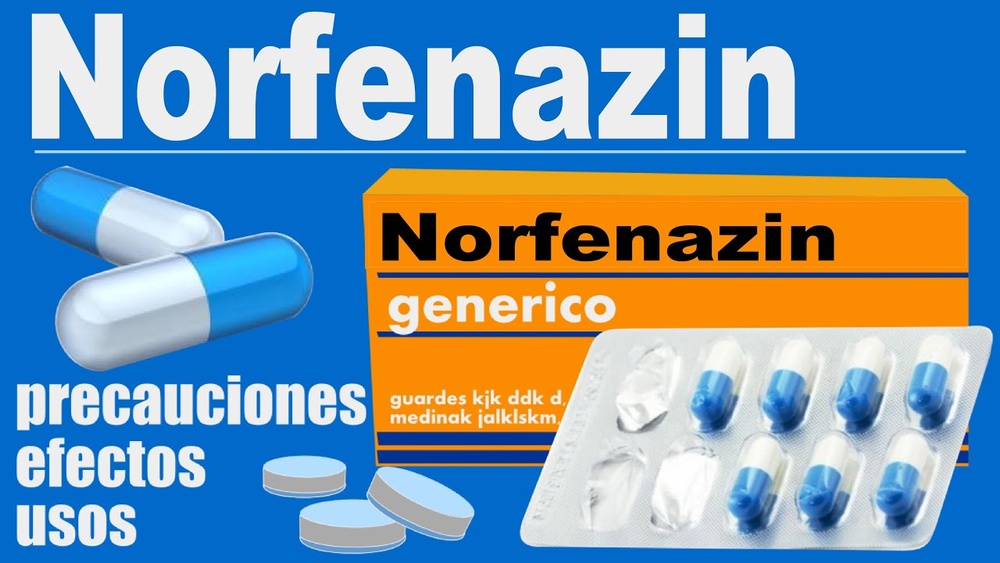
NORFENAZIN 25 mg Tablets

Prescription review online
A doctor will review your case and decide whether a prescription is medically appropriate.

Talk to a doctor about this medicine
Discuss your symptoms and possible next steps in a quick online consultation.



How to use NORFENAZINE 25 mg TABLETS
Contents of the leaflet
- Introduction
- What is Norfenazin and what is it used for
- What you need to know before you take Norfenazin
- How to take Norfenazin
- Possible Adverse Effects
- Conservation of Norfenazin
- Package Contents and Additional Information
- Composition ofNorfenazin
Introduction
Package Leaflet: Information for the Patient
Norfenazin 25 mg Tablets
Nortriptyline Hydrochloride
Read all of this leaflet carefully before you start taking this medicine because it contains important information for you.
- Keep this leaflet, you may need to read it again.
- If you have any further questions, ask your doctor or pharmacist.
- This medicine has been prescribed for you only. Do not pass it on to others. It may harm them, even if their signs of illness are the same as yours.
- If you get any side effects, talk to your doctor or pharmacist. This includes any possible side effects not listed in this leaflet. See section 4.
Contents of the pack
- What is Norfenazin and what is it used for
- What you need to know before you take Norfenazin
- How to take Norfenazin
- Possible side effects
5 Conservation of Norfenazin
- Contents of the pack and other information
1. What is Norfenazin and what is it used for
Norfenazin contains the active substance nortriptyline.
Nortriptyline belongs to a group of medicines called tricyclic antidepressants, used to treat major depressive episodes in adults.

Not sure if this medicine is right for you?
Discuss your symptoms and treatment with a doctor online.
2. What you need to know before you take Norfenazin
Do not takeNorfenazin
- if you are allergic to nortriptyline or any of the other ingredients of this medicine (listed in section 6),
- if you have recently had a myocardial infarction (heart attack) or have arrhythmias detected on the electrocardiogram (ECG) or any other cardiovascular problem,
- if you have bipolar disorder,
- if you are taking medicines called monoamine oxidase inhibitors (MAOIs - other medicines used for depression) or selegiline (used to treat Parkinson's disease) or have taken them in the last 14 days: if you have taken any of these medicines, you must wait 14 days before starting to take this medicine.
(MAOIs - other medicines used for depression) or selegiline (used to treat Parkinson's disease) or have taken them in the last 14 days: if you have taken any of these medicines, you must wait 14 days before starting to take this medicine.
- if you have taken moclobemide (for the treatment of depression), you must wait one day before starting to take this medicine
Warnings and precautions
Consult your doctor or pharmacist before starting to take this medicine.
Suicidal thoughts and worsening of depression
If you are depressed and/or have anxiety disorders, you may sometimes think about harming yourself or taking your own life. This type of thought can increase when you first start taking antidepressants, as all these medicines take time to work, usually about two weeks, but sometimes longer.
You are more likely to have these thoughts:
- If you have had thoughts of taking your own life or harming yourself before.
- If you are a young adult. Clinical trial data have shown an increased risk of suicidal behavior in young adults (less than 25 years old) with psychiatric disorders who were treated with an antidepressant.
If you have thoughts of harming yourself or taking your own life, contact your doctor or go to a hospital immediately.
It may be helpful to tell a relative or close friendthat you are depressed and ask them to read this leaflet. You can ask them to tell you if they think your depression or anxiety is getting worse, or if they are worried about changes in your behavior.
Tell your doctor if you have or have had any medical problems, especially
- if you have epilepsy, a history of seizures or epileptic fits
- if you are agitated, overactive or have schizophrenia
- if you have difficulty urinating
- if you have an enlarged prostate
- if you have severe liver disease
- if you have severe heart disease
- if you have thyroid disease
- if you have narrow-angle glaucoma (loss of vision due to abnormally high pressure in the eye)
- if you are being treated for diabetes, as it may be necessary to adjust your diabetic medication when starting treatment with nortriptyline.
- if you have a different mental disorder (psychiatric disorder) than depression.
- if you are going to have surgery. Tell your doctor that you are taking this medicine.
- if you have low blood pressure.
- If you have a sore throat, fever, and flu-like symptoms in the first 10 weeks.
- if you have pyloric stenosis (narrowing of the gastric outlet) and paralytic ileus (obstruction of the intestine)
- if you have a high fever (hyperpyrexia).
- if you have a heart condition called Brugada syndrome
- if you are taking opioids (e.g., buprenorphine). The use of these medicines with nortriptyline can cause serotonin syndrome, a potentially life-threatening disease (see "Other medicines and Norfenazin").
Some patients with manic-depressive disorders may go through a manic phase. It is characterized by unusual and rapidly changing thoughts, excessive joy, and excessive physical activity. In these cases, it is essential to consult a doctor.
QT interval prolongation
A heart problem called "QT interval prolongation" (which appears on the electrocardiogram [ECG]) and heart rhythm disorders (fast or irregular heartbeat) have been reported with nortriptyline. Tell your doctor if:
- you have a slow heart rate
- you have or have had a problem where the heart cannot pump blood to the body as it should (a situation called heart failure)
- you are taking any other medication that may cause heart problems, or
- you have a problem that causes low potassium or magnesium or high potassium levels in the blood.
If you are scheduled to have surgery, as it may be necessary to stop treatment with nortriptyline before you are given anesthetics. In case of emergency surgery, the anesthesiologist should be informed about the treatment with nortriptyline, as it may increase the risk of arrhythmias and hypotension.
- If you have an overactive thyroid gland or are taking thyroid medication
If you are taking antidepressants such as selective serotonin reuptake inhibitors (SSRIs), your doctor may consider changing the dose of the medicine (see also section 2 "Taking Norfenazin with other medicines" and section 3).
Children and adolescents
Do not give this medicine to children and adolescents under 18 years of age for these treatments, as safety and efficacy have not been established in this age group.
Elderly
The dosage should be reduced in the elderly. Elderly people are more likely to suffer from certain side effects, such as dizziness when standing up due to low blood pressure (see also section 4 "Possible side effects").
Other medicines and Norfenazin
Tell your doctor or pharmacist if you are taking, have recently taken, or might take any other medicines. Some medicines may affect the way other medicines work, and this can sometimes cause serious side effects.
You should be especially careful if you are taking any of the following medicines: monoamine oxidase inhibitors (MAOIs) such as moclobemide (for the treatment of depression) or selegiline (used to treat Parkinson's disease). These medicines must not be taken at the same time as nortriptyline (see section 2 "Do not take Norfenazin").
- Certain antihypertensive drugs such as clonidine and methyldopa. Medicines like nortriptyline can counteract the antihypertensive action.
- thioridazine (used to treat schizophrenia)
- tramadol (for pain relief)
- opioids (e.g., buprenorphine) may interact with nortriptyline and may experience symptoms such as involuntary rhythmic muscle contractions, including the muscles that control eye movement, agitation, hallucinations, coma, excessive sweating, tremors, exaggerated reflexes, increased muscle tension, body temperature above 38°C. Contact your doctor if you experience these symptoms
- stimulants of a certain part of the nervous system (sympathomimetics) such as adrenaline, ephedrine, isoprenaline, noradrenaline, phenylephrine, and phenylpropanolamine (which may be present in cough and cold medicines and some anesthetics)
- anticholinergic drugs such as certain medicines for Parkinson's disease and gastrointestinal disorders (e.g., atropine)
- medicines for high blood pressure such as calcium channel blockers (e.g., diltiazem, verapamil),
- medicines for fungal infections (e.g., fluconazole, terbinafine, ketoconazole, and itraconazole)
- sedatives (e.g., barbiturates)
- antidepressants (e.g., SSRIs [fluoxetine, paroxetine, fluvoxamine], duloxetine, and bupropion)
- medicines for certain heart conditions (e.g., beta-blockers and antiarrhythmics)
- cimetidine (used to treat stomach ulcers)
- methylphenidate (used to treat ADHD)
- rifampicin (for infections)
- phenytoin and carbamazepine (used to treat epilepsy)
- thyroid medicines
- valproic acid (a medicine used to treat epilepsy and bipolar disorder).
- anticoagulant medicines derived from coumarin or indandione.
- St. John's Wort (Hypericum perforatum), a herbal medicine used for depression
You should also tell your doctor if you are taking or have recently taken medicines that may affect heart rhythm, such as medicines for irregular heartbeats (e.g., quinidine and sotalol)
- astemizole and terfenadine (used to treat allergies and seasonal rhinitis)
- medicines used to treat certain mental illnesses (e.g., pimozide and sertindole)
- cisapride (used to treat certain types of indigestion)
- halofantrine (used to treat malaria)
- methadone (used to treat pain and for detoxification)
- diuretics ("water pills" such as furosemide
Taking Norfenazin with alcohol
It is not recommended to drink alcohol during treatment with this medicine, as it may increase its sedative effect.
Pregnancy and breast-feeding
If you are pregnant or breast-feeding, think you may be pregnant, or are planning to have a baby, ask your doctor or pharmacist for advice before taking this medicine.
Nortriptyline is not recommended during pregnancy unless your doctor considers it clearly necessary and only after careful consideration of the benefit and risk. If you have taken this medicine during the last part of pregnancy, the newborn may have withdrawal symptoms such as irritability, increased muscle tone, tremor, irregular breathing, poor sucking, loud crying, urinary retention, and constipation.
Your doctor will advise you whether to start/continue/stop breast-feeding or interrupt the use of this medicine, taking into account the benefit of breast-feeding for the child and the benefit of treatment for you.
Driving and using machines
This medicine may cause drowsiness and dizziness, especially at the start of treatment. Do not drive or work with tools or machinery until you know how the treatment with nortriptyline affects you
Norfenazin contains lactose
If your doctor has told you that you have an intolerance to some sugars, consult them before taking this medicine.
This medicine contains less than 23 mg of sodium (1 mmol) per tablet; this is essentially "sodium-free"
3. How to take Norfenazin
Follow exactly the administration instructions of this medicine given by your doctor. In case of doubt, consult your doctor or pharmacist again.
Adults
The daily dose in adults is 25 mg, 3 or 4 times a day, starting therapy with a low level and adjusting the dose. It can be administered once a day, usually at night, or 3 or 4 times a day. It may take between 2 and 4 weeks to achieve a response. Doses above 150 mg per day are not recommended.
Elderly
The dosage for elderly patients is 25 to 50 mg per day in divided doses.
Treatment should be started with a low dose (10-20 mg per day) and increased as needed up to a maximum dose of 50 mg.
If it is considered necessary to increase the dose in an elderly patient, the ECG should be checked and nortriptyline plasma levels should be monitored.
Pediatric population
Do not give this medicine to children and adolescents under 18 years of age for these treatments, as safety and efficacy have not been established in this age group.
Hepatic and renal impairment
The dose should be reduced in cases of hepatic or renal impairment, as nortriptyline is extensively metabolized in the liver and mainly eliminated by the kidneys.
Duration of treatment
Do not change the dose of the medicine or stop treatment with it without consulting your doctor first. Continue taking this medicine for as long as your doctor recommends.
The underlying disease may persist for a long time. If you stop treatment too soon, the symptoms may come back.
It is recommended to continue treatment for at least 6 months after feeling better.
If you take more Norfenazin than you should
In case of overdose or accidental ingestion, consult your doctor, pharmacist, or call the Toxicology Information Service, phone: 91 562 04 20, indicating the medicine and the amount taken.
If you have taken an extra nortriptyline tablet by mistake, side effects such as drowsiness, dry mouth, dizziness, or nausea may appear or worsen.
Overdose symptoms may include:
- drowsiness or excitement
- agitation and hallucinations
- loss of consciousness
- difficulty breathing, bluish discoloration of the skin
- dilation of the pupils
- seizures/convulsions
- heart disorders, including cardiac arrhythmias (observed on an ECG, an investigation to evaluate heart function)
- hypotension, weak pulse, paleness
- metabolic disorders
- dry mouth and tongue
- pulmonary edema
- fever
- coma
- urinary retention in the bladder due to alterations in bladder emptying (urinary retention).
- reduced intestinal movements (which can cause obstruction [constipation])
- confusion
Treatment in overdose should be done with general measures, gastric lavage, and assisted respiration.
If you forget to take Norfenazin
Take the next dose at the usual time. Do not take a double dose to make up for forgotten doses.
If you stop taking Norfenazin
Your doctor will decide when and how to stop treatment to avoid any unpleasant symptoms that may occur if treatment is stopped abruptly (e.g., headache, feeling unwell, insomnia, and irritability).
Therefore, treatment with nortriptyline should not be stopped suddenly. The dose should be gradually reduced over a week or more.
If you have any further questions on the use of this medicine, ask your doctor or pharmacist.

Started taking the medicine and have questions?
Discuss your symptoms and treatment with a doctor online.
4. Possible Adverse Effects
Like all medicines, this medicine can cause adverse effects, although not all people suffer from them.
If you notice any of the following symptoms, you should see your doctor immediately:
Rare adverse effects, may affect up to 1 in 1,000 people).
- Yellowing of the skin and the white part of the eyes (jaundice). Your liver may be affected.
- Bruises, bleeding, pallor, or throat pain and persistent fever.
- These symptoms may be the first signs of a possible blood or bone marrow disorder. Blood effects can be a decrease in the number of red blood cells (which carry oxygen throughout the body), white blood cells (which help fight infections), and platelets (which help with blood clotting).
- Suicidal thoughts or behaviors.
- A heart problem "prolonged QT interval" (which can be seen on your electrocardiogram). Frequent adverse effect, may affect up to 1 in 10 people.
- Involuntary and rhythmic muscle contractions, including muscles that control eye movements, agitation, hallucinations, coma, excessive sweating, tremors, exaggerated reflexes, increased muscle tension, body temperature above 38 °C. (signs of serotonin syndrome, a potentially fatal condition). (signs of serotonin syndrome, a potentially fatal condition).
- Severe constipation, stomach swelling, fever, and vomiting. These symptoms may be due to paralysis of parts of the intestine.
Very rare adverse effect, may affect up to 1 in 10,000 people).
- Intermittent blurred vision attacks, rainbow vision, and eye pain.
You should have an eye examination immediately before being able to continue treatment with this medicine. These symptoms may be a sign of acute glaucoma (Very rare adverse effect, may affect up to 1 in 10,000 people).
The following adverse effects have been reported at the following frequencies:
Very frequent: may affect more than 1 in 10 people
- numbness/drowsiness
- tremor, dizziness, headache
- irregular, strong, or rapid heartbeat (palpitations)
- dry mouth
- constipation
- nausea
- excessive sweating
- weight gain
- aggression
- nasal congestion
- accommodation disorders, adaptation disorder to see from afar (accommodation disorder that makes objects appear blurry)
Frequent: may affect up to 1 in 10 people
- confusion
- sexual disorders (decreased sexual appetite, erection problems)
- attention disorders
- changes in taste
- numbness or tingling in the arms or legs
- coordination disorders
- dilated pupils (mydriasis)
- heart block
- dizziness when standing up due to low blood pressure (orthostatic hypotension)
- fatigue
- low sodium levels in the blood
- agitation
- urinary disorders
- feeling of thirst
Infrequent: may affect up to 1 in 100 people
- excitement, anxiety, difficulty sleeping, nightmares
- seizures
- ringing in the ears (tinnitus)
- increased blood pressure
- diarrhea, vomiting
- skin rash, hives (urticaria), swelling of the face and tongue
- difficulty urinating
- increased milk production during breastfeeding or milk secretion without breastfeeding.
- increased pressure in the eyeball
- collapse situations
- worsening of heart failure
- worsening of liver function (e.g., cholestatic liver disease)
Rare: may affect up to 1 in 1,000 people
- decreased appetite
- delirium (especially in elderly patients), hallucinations
- abnormal heart rhythm or pattern
- swelling of the salivary glands
- hair loss
- increased sensitivity to sunlight
- increased breast size in men
- fever
- weight loss
- abnormal liver function test results
- decrease in blood cells, such as white blood cells, eosinophils, and platelets
Very rare: may affect up to 1 in 10,000 people
- heart muscle diseases
- acute increase in eye pressure
- particular forms of abnormal heart rhythm (also called torsades de pointes)
- allergic inflammation of the pulmonary alveolus and lung tissue
Frequency not known (cannot be estimated from available data)
- loss of appetite
- increase or decrease in blood sugar levels
- feeling of restlessness and need to be in constant motion
- paranoia
- suicidal thoughts or behaviors
- movement disorders (involuntary movements or decreased movements)
- hypersensitivity inflammation of the heart muscle
- elevated body temperature
- hepatitis
- Brugada syndrome (unmasking) (symptoms may include rapid heartbeats, dizziness, fainting, seizures). Report immediately to your doctor if you experience these symptoms.
- low sodium levels in the blood
An increased risk of bone fractures has been observed in patients treated with this type of medication.
Reporting of Adverse Effects
If you experience any type of adverse effect, consult your doctor or pharmacist, even if it is a possible adverse effect that does not appear in this prospectus. You can also report them directly through the Spanish Pharmacovigilance System for Human Use Medicines: www.notificaram.es. By reporting adverse effects, you can contribute to providing more information on the safety of this medicine.
5. Conservation of Norfenazin
Keep this medicine out of the sight and reach of children.
This medicine does not require special storage conditions.
Do not use this medicine after the expiration date that appears on the packaging after CAD.
Medicines should not be thrown down the drain or into the trash. Deposit the packaging and unused medicines at the SIGRE point in the pharmacy. In case of doubt, ask your pharmacist how to dispose of the packaging and unused medicines. This way, you will help protect the environment.
6. Package Contents and Additional Information
Composition ofNorfenazin
- The active ingredient is nortriptyline hydrochloride.
Each tablet contains 25 mg of nortriptyline hydrochloride.
The other excipients are: Lactose, microcrystalline cellulose, sodium glycolate starch Type A (derived from potato), cornstarch, talc, and magnesium stearate.
Appearance of the Product and Package Contents
Norfenazin 25 mg tablets are white, round, and scored on one side.
The tablets are presented in a PVC/aluminum blister pack with 30 tablets
Marketing Authorization Holder and Manufacturer
Marketing Authorization Holder:
BIOWISE PHARMACEUTICALS, S.L.
C/Teixidors 22, Pol. Can Rubiol
07141 Marratxí - Illes Balears
Spain
Manufacturer:
TOLL MANUFACTURING SERVICES, S.L.
Aragoneses, 2
28108 Alcobendas (Madrid)
Spain
Date of the Last Revision of this Prospectus: July 2024
Detailed information about this medicine is available on the website of the Spanish Agency for Medicines and Health Products (AEMPS) (http://www.aemps.gob.es/)
- Country of registration
- Dosage formTABLET, 25mg
- ATC codeN06AA10
- Average pharmacy price2.06 EUR
- Active substance
- Prescription requiredYes
- Manufacturer
- CompositionCARBOXIMETILALMIDON SODICO (15 mg mg), LACTOSA (109,25 mg mg)
- This information is for reference only and does not constitute medical advice. Always consult a doctor before taking any medication. Oladoctor is not responsible for medical decisions based on this content.
- Alternatives to NORFENAZINE 25 mg TABLETSDosage form: TABLET, 10mgActive substance: nortriptylineManufacturer: Biowise Pharmaceuticals, S.L.Prescription requiredDosage form: TABLET, 25 mg nortriptyline hydrochlorideActive substance: nortriptylineManufacturer: Teva B.V.Prescription requiredDosage form: TABLET, 10 mgActive substance: amitriptylineManufacturer: Neuraxpharm Spain S.L.Prescription required
Online doctors for NORFENAZINE 25 mg TABLETS
Discuss questions about NORFENAZINE 25 mg TABLETS, including use, safety considerations and prescription review, subject to medical assessment and local regulations.







Get NORFENAZINE 25 mg TABLETS Prescription Online
Fill in a 2-min form
Tell us your symptoms, history, and what medicine you're requesting.
Pick a doctor or let us assign
Choose a specialist or we'll match you with the next available doctor.
Doctor reviews your case
Usually within 30 minutes. They may ask follow-up questions via chat.
Collect from any pharmacy
Electronic prescription sent to your email — valid across Spain.
Frequently Asked Questions
NORFENAZINE 25 mg TABLETS requires a prescription in Spain. You can check with a doctor online whether this medicine may be appropriate for your situation.
The active ingredient in NORFENAZINE 25 mg TABLETS is nortriptyline. This information helps identify medicines with the same composition but different brand names.
The average pharmacy price for NORFENAZINE 25 mg TABLETS is around 2.06 EUR. Prices may vary depending on the manufacturer and dosage form.
NORFENAZINE 25 mg TABLETS is manufactured by Biowise Pharmaceuticals, S.L.. Pharmacy brands and packaging may differ depending on the distributor.
Doctors such as Family doctors, Psychiatrists, Dermatologists, Cardiologists, Endocrinologists, Gastroenterologists, Pulmonologists, Nephrologists, Rheumatologists, Hematologists, Infectious disease physicians, Allergists, Geriatricians, Paediatricians, Oncologists may assess whether NORFENAZINE 25 mg TABLETS is appropriate, depending on your situation and local regulations. You can book an online consultation to discuss your symptoms and possible next steps.
Spain has a well-developed healthcare infrastructure across major cities such as Madrid, Barcelona, Valencia, and Seville. Pharmacies are widely available and operate under strict regulations, ensuring access to prescribed medications.
You can buy NORFENAZINE 25 mg TABLETS in Madrid, Barcelona, Seville, or Valencia at any local pharmacy with a valid prescription.
To obtain a prescription, you can use Oladoctor:
Other medicines with the same active substance (nortriptyline) include NORFENAZINE 10 mg TABLETS, PAXTIBI 25 mg FILM-COATED TABLETS, AMITRIPTYLINE HYDROCHLORIDE NEURAXPHARM 10 mg FILM-COATED TABLETS. These may have different brand names or formulations but contain the same therapeutic ingredient. Always consult a doctor before switching or starting a new medicine.
