


NIFLACTOL 250 mg CAPSULES



How to use NIFLACTOL 250 mg CAPSULES
Translated with AI
This page provides general information and does not replace a doctor’s consultation. Always consult a doctor before taking any medication. Seek urgent medical care if symptoms are severe.
Show originalContents of the leaflet
Introduction
Package Leaflet: Information for the User
Niflactol 250 mg Capsules
Niflurmic Acid
Read all of this leaflet carefully before you start taking this medicine because it contains important information for you.
- Keep this leaflet, you may need to read it again.
- If you have any further questions, ask your doctor or pharmacist.
- This medicine has been prescribed for you only. Do not pass it on to others. It may harm them, even if their signs of illness are the same as yours.
- If you get any side effects, talk to your doctor or pharmacist. This includes any possible side effects not listed in this leaflet. See section 4.
Contents of the pack
- What is Niflactol and what is it used for
- What you need to know before you take Niflactol
- How to take Niflactol
- Possible side effects
- Storing Niflactol
- Contents of the pack and other information
1. What is Niflactol and what is it used for
Niflactol belongs to a group of medicines called non-steroidal anti-inflammatory drugs (to reduce inflammation) and antirheumatics (for the treatment of rheumatism).
Niflactol is indicated in adults and children over 12 years:
- for prolonged treatment of:
certain types of chronic inflammatory rheumatism,
certain types of osteoarthritis.
- for short-term treatment of pain in acute osteoarthritis and certain types of joint inflammation, such as tendinitis and bursitis.
- for the treatment of pain caused by inflammation of the throat, ears, or mouth.
This medicine should be taken under medical supervision.

2. What you need to know before you take Niflactol
It is important to use the smallest dose that relieves-controls the pain and do not take this medicine for longer than necessary to control your symptoms.
Do not take Niflactol
- If you are in the third trimester of pregnancy.
- If you have a history of allergy or asthma caused by this medicine or similar, in particular with other non-steroidal anti-inflammatory drugs (NSAIDs), or acetylsalicylic acid (aspirin).
- If you are allergic (hypersensitive) to niflurmic acid or any of the other components of this medicine (listed in section 6).
- If you have had a stomach or duodenal ulcer or have suffered a perforation of the digestive tract.
- If you have severe liver disease.
- If you have severe kidney disease.
- If you have severe heart failure.
- In children under 12 years.
Be careful with Niflactol if:
- You have had or develop an ulcer, bleeding, or perforation in the stomach or duodenum, which may be manifested by intense or persistent abdominal pain and/or black stools, or even without previous warning symptoms.
- This risk is greater when high doses and prolonged treatments are used, in patients with a history of peptic ulcer and in the elderly. In these cases, your doctor will consider the possibility of associating a stomach protective medication.
- Allergic symptoms to this medicine appear, especially asthma attacks, facial or neck swelling (see section 4. Possible side effects). STOP TREATMENT AND CONTACT YOUR DOCTOR OR EMERGENCY MEDICAL SERVICES IMMEDIATELY.
- You have heart disease, a history of stroke, or think you may be at risk for these conditions (for example, you have high blood pressure, diabetes, high cholesterol, or are a smoker) you should consult your doctor or pharmacist about this treatment.
- This type of medicine can also cause fluid retention, especially in patients with heart failure and/or high blood pressure (hypertension). Your doctor will closely monitor your blood pressure at the start of treatment with Niflactol and throughout the treatment.
Children
Do not give to children under 12 years.
Other medicines and Niflactol
Tell your doctor or pharmacist if you are taking or have recently taken or might take any other medicines.
Especially if you are taking any of the following medicines:
- Pain relievers and other non-steroidal anti-inflammatory drugs (NSAIDs), including acetylsalicylic acid (aspirin) and other salicylates (which reduce pain and inflammation), without consulting your doctor.
- Oral anticoagulants of the dicumarinic type (acenocoumarol, warfarin).
- Platelet anti-aggregants such as ticlopidine, clopidogrel, tirofiban, eptifibatide, and abciximab, iloprost, including those containing acetylsalicylic acid (to prevent blood clots).
- Unfractionated heparins, low molecular weight heparins, and other related medications, as the use of these with Niflactol may increase the risk of bleeding.
- Thrombolytics (medicines that dissolve or break down blood clots).
- Oral corticosteroids.
- Antidepressants, especially selective serotonin reuptake inhibitors and lithium.
- Methotrexate (used in the treatment of cancer and rheumatoid arthritis).
- Medicines that increase potassium in the blood: potassium salts, potassium-sparing diuretics, angiotensin II inhibitors, converting enzyme inhibitors, low molecular weight heparins, cyclosporine, tacrolimus, trimethoprim.
- Diuretics: Furosemide and other thiazide diuretics (for urine elimination).
- Medicines to lower blood pressure: such as angiotensin-converting enzyme inhibitors, angiotensin II inhibitors, and beta blockers.
- Cyclosporine, tacrolimus (used to prevent organ rejection in transplants).
- Medicines for diabetes.
Taking Niflactol with food and drinks
It is recommended to take the capsules with food and with a sufficient amount of water.
Pregnancy, breastfeeding, and fertility
If you are pregnant or breastfeeding, think you may be pregnant, or plan to become pregnant, consult your doctor or pharmacist before using this medicine.
Precautions during pregnancy and in women of childbearing age
Do not take Niflactol if you are in the last 3 months of pregnancy, as it may harm the fetus or cause problems during delivery. It can cause kidney and heart problems in your fetus. It can affect your and your baby's tendency to bleed and delay or prolong delivery more than expected. You should not take Niflactol during the first 6 months of pregnancy unless it is clearly necessary and as directed by your doctor. If you need treatment during this period or while trying to become pregnant, you should take the minimum dose for the shortest possible time. From the 20th week of pregnancy, Niflactol may cause kidney problems in your fetus if taken for more than a few days, which can cause low levels of amniotic fluid surrounding the baby (oligohydramnios) or narrowing of a blood vessel (ductus arteriosus) in the baby's heart. If you need treatment for more than a few days, your doctor may recommend additional monitoring.
For women of childbearing age, it should be noted that medicines like Niflactol have been associated with a decrease in fertility.
Breastfeeding
This medicine is excreted in breast milk. As a precaution, its use should be avoided during breastfeeding.
Consult your doctor or pharmacist before taking this medicine.
Driving and using machines
In some cases, dizziness and drowsiness have been reported in patients taking Niflactol.
Do not drive or operate machinery if you experience dizziness and/or drowsiness when using Niflactol.
Niflactol contains azorubine and sodium
This medicine may cause allergic reactions because it contains azorubine (E122).
This medicine contains less than 23 mg of sodium (1 mmol) per capsule; it is essentially "sodium-free".
3. How to take Niflactol
Follow the instructions for taking Niflactol exactly as indicated by your doctor. If in doubt, consult your doctor or pharmacist again.
Remember to take your medicine.
The recommended dose is:
Adults:
The dosage should be adjusted according to the severity of the disorder and the patient's discomfort.
Generally, the recommended daily dose is 1 capsule every 4 or 6 hours, spaced throughout the day. The maximum recommended dose is 1000 mg per day. The dose can be increased to 1500 mg of niflurmic acid (6 capsules) spaced throughout the day in cases of severe inflammation.
If you think the action of Niflactol is not what is expected, inform your doctor or pharmacist.
Children:
In children over 12 years, the recommended dose is 2 to 3 capsules per day, spaced every 12 or 8 hours, i.e., 500-750 mg of niflurmic acid in 24 hours. The maximum daily dose should not exceed 750 mg per day.
Elderly:
As with other NSAIDs, precautions should be taken when treating elderly patients, as they are generally more prone to adverse effects and have a higher likelihood of presenting alterations in renal, cardiovascular, or hepatic function and receiving concomitant medication. In particular, it is recommended to use the lowest effective dose in these patients. Only after verifying that there is good tolerance can the dose be increased to reach the established dose in the general population.
Patient with kidney and/or liver disease:
The use of niflurmic acid is contraindicated in patients with severe renal and/or hepatic insufficiency. In patients with mild or moderate renal and/or hepatic insufficiency, it is recommended to use the lowest effective dose.
If you take more Niflactol than you should
If you have taken more Niflactol than you should, consult your doctor or pharmacist immediately.
In case of overdose or accidental ingestion, consult your doctor or pharmacist or call the Toxicological Information Service, phone: 91 562 04 20 (indicating the medicine and the amount ingested).
If a severe poisoning has occurred, the doctor will take the necessary measures.
The most frequent symptoms in case of overdose are: gastrointestinal irritation, nausea, vomiting, diarrhea, and abdominal pain.
Other manifestations include: drowsiness and headache.
If you forget to take Niflactol
Do not take a double dose to make up for forgotten doses.
If you forget to take your corresponding dose, take it as soon as you remember. However, if the time for the next dose is near, skip the forgotten dose and take the next dose at the usual time.
If you have any other doubts about the use of this medicine, ask your doctor or pharmacist.

4. Possible side effects
Like all medicines, this medicine can cause side effects, although not everybody gets them.
Gastrointestinal:
The most frequent side effects that occur with medicines like Niflactol are gastrointestinal: peptic ulcers, gastrointestinal bleeding, perforations (in some cases fatal), especially in the elderly. Nausea, vomiting, diarrhea, flatulence, constipation, heartburn, abdominal pain, blood in stools, oral ulcers, worsening of ulcerative colitis, and Crohn's disease have also been observed. Less frequently, gastritis has been observed.
Cardiovascular:
Medicines like Niflactol, especially when used in high doses and for prolonged periods, may be associated with a moderate increase in the risk of suffering a heart attack ("myocardial infarction") or stroke.
Skin:
Medicines like Niflactol can be associated, in very rare cases, with severe blistering reactions such as Stevens-Johnson syndrome and toxic epidermal necrolysis.
Hepatic:
Medicines like Niflactol can be associated with liver disorders that cause yellowing of the skin and eyes, sometimes with high fever or swelling and sensitivity of the upper abdomen.
If you experience any of the following reactions: yellowing of the skin or eyes, stop treatment and inform your doctor IMMEDIATELY.
Some effects are rare but serious.
You must stop treatment immediately and inform your doctor in the following cases:
- Allergic reactions:
- that affect the skin, such as rash, itching, severe skin reactions to sun exposure or ultraviolet rays; rarely, vesicular lesions (blisters) on mucous membranes or skin,
- that affect the lungs, such as asthma attacks,
- generalized, such as anaphylactic shock.
- Gastrointestinal bleeding (blood loss through the mouth or in stools, dark stools). These effects are more frequent with high doses.
- Exceptionally, severe skin infections have been observed in cases of chickenpox.
Additionally, cases of duodenal ulcers and perforations have been observed.
There are other effects that require you to inform your doctor. Only he can tell you what to do in case of:
- Gastrointestinal disorders such as abdominal pain, vomiting, nausea, changes in bowel movements.
- Certain changes in laboratory test results may require monitoring of blood count or liver or kidney function.
- Purple spots on the skin.
- General discomfort with decreased blood pressure.
- Headache.
- Ringing in the ears.
- Drowsiness.
- Dizziness.
- Swelling of the limbs.
- Anorexia.
If you think any of the side effects you are suffering from is serious, or if you notice any side effect not mentioned in this leaflet, tell your doctor or pharmacist.
Reporting of side effects
If you experience any type of side effect, consult your doctor or pharmacist, even if it is a possible side effect not listed in this leaflet. You can also report them directly through the Spanish Pharmacovigilance System for Human Use Medicines: www.notificaRAM.es. By reporting side effects, you can contribute to providing more information on the safety of this medicine.
5. Storing Niflactol
Keep this medicine out of the sight and reach of children.
Do not store above 30°C.
Do not use Niflactol after the expiry date stated on the packaging after EXP. The expiry date is the last day of the month indicated.
Medicines should not be disposed of via wastewater or household waste. Place the packaging and medicines you no longer need in the SIGRE collection point at the pharmacy. If in doubt, ask your pharmacist how to dispose of the packaging and medicines you no longer need. This will help protect the environment.
6. Packaging Content and Additional Information
Niflactol Composition
- The active ingredient is nifluridic acid.
- The other components are cornstarch, talc, and magnesium stearate.
- Capsule composition: gelatin, azorubine (E122).
Product Appearance and Packaging Content
Niflactol is presented in a package containing 30 capsules. Each Niflactol capsule contains 250 mg of nifluridic acid.
Marketing Authorization Holder and Manufacturer
Marketing Authorization Holder
UPSA SAS
3 rue Joseph Monier
92500 Rueil-Malmaison
France
Local Representative
NEWLINE PHARMA, S.L.U.
Calle Tarragona 151-157, Planta 11, Puerta 1, Bloque A
08014 Barcelona (Spain)
Tel.: 931851380
Manufacturer:
UPSA
304, Av. Dr. Jean Bru
F- 47000 – Agen
FRANCE
or
UPSA
979, Avenue des Pyrénées
47520 - Le Passage
France
Date of the Last Revision of this Prospectus:February 2023.
Other Sources of Information
Detailed information about this medication is available on the website of the Spanish Agency for Medicines and Health Products (AEMPS) http://www.aemps.gob.es/
- Country of registration
- Dosage formCAPSULE, 250 mg niflumic acid
- ATC codeM01AX02
- Average pharmacy price3.39 EUR
- Active substance
- Prescription requiredYes
- Manufacturer
- This information is for reference only and does not constitute medical advice. Always consult a doctor before taking any medication. Oladoctor is not responsible for medical decisions based on this content.
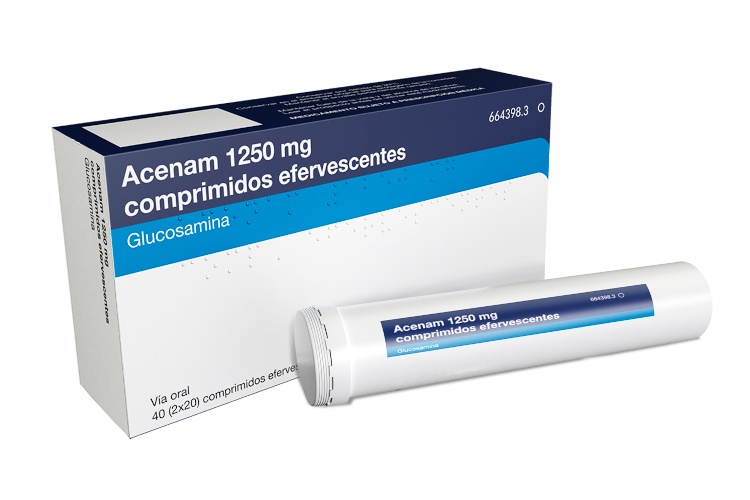
- Alternatives to NIFLACTOL 250 mg CAPSULESDosage form: EFFERVESCENT TABLET, 1250 mgActive substance: glucosamineManufacturer: Especialidades Farmaceuticas Centrum S.A.Prescription requiredDosage form: ORAL SOLUTION/SUSPENSION, 1500 mg of glucosamine sulfateActive substance: glucosamineManufacturer: Laboratorio Reig Jofre, S.A.Prescription requiredDosage form: CAPSULE, 400 mgActive substance: chondroitin sulfateManufacturer: Laboratorio Reig Jofre, S.A.Prescription required

Online doctors for NIFLACTOL 250 mg CAPSULES
Discuss questions about NIFLACTOL 250 mg CAPSULES, including use, safety considerations and prescription review, subject to medical assessment and local regulations.










Frequently Asked Questions
