


NEXIUM 10 mg GASTRO-RESISTANT GRANULES FOR ORAL SUSPENSION
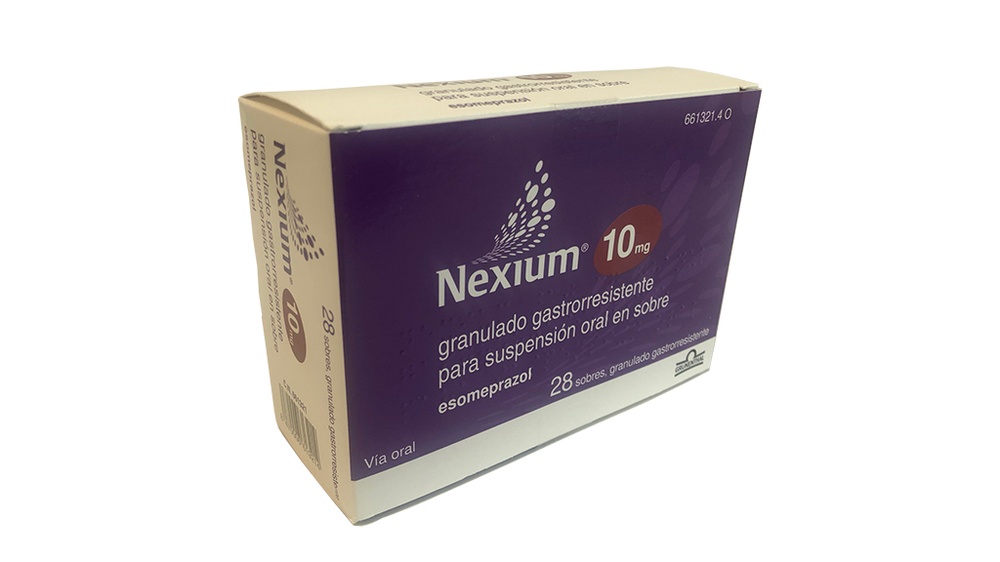



How to use NEXIUM 10 mg GASTRO-RESISTANT GRANULES FOR ORAL SUSPENSION
Translated with AI
This page provides general information and does not replace a doctor’s consultation. Always consult a doctor before taking any medication. Seek urgent medical care if symptoms are severe.
Show originalContents of the leaflet
Introduction
Package Leaflet: Information for the User
Nexium 10 mg Gastro-Resistant Granules for Oral Suspension in Sachet
esomeprazole
Read all of this leaflet carefully before you start taking this medicine because it contains important information for you.
- Keep this leaflet, you may need to read it again.
- If you have any further questions, ask your doctor or pharmacist.
- This medicine has been prescribed for you only. Do not pass it on to others. It may harm them, even if their signs of illness are the same as yours.
- If you get any side effects, talk to your doctor or pharmacist. This includes any possible side effects not listed in this leaflet. See section 4.
Contents of the pack
- What is Nexium and what is it used for
- What you need to know before you take Nexium
- How to take Nexium
- Possible side effects
- Storing Nexium
- Contents of the pack and other information
1. What is Nexium and what is it used for
Nexium contains a medicine called esomeprazole. This belongs to a group of medicines called ‘proton pump inhibitors’. They work by reducing the amount of acid that the stomach produces.
Nexium is used to treat the following conditions:
Children from 1 year of age
Nexium is used for the treatment of a condition called ‘gastroesophageal reflux disease’ (GORD).
- This is where the acid in the stomach escapes into the gullet (the tube which carries food from the throat to the stomach) causing pain and inflammation.
- In children, the symptoms of this condition can include the return of food into the mouth (regurgitation), being sick (vomiting) and poor weight gain.
Children from 4 years of age
- Ulcers caused by an infection called ‘Helicobacter pylori’. If your child has this condition, their doctor may also prescribe two antibiotics to treat the infection and allow the ulcer to heal.

2. What you need to know before you take Nexium
Do not take Nexium
- If you are allergic to esomeprazole or any other proton pump inhibitor (e.g. pantoprazole, lansoprazole, rabeprazole, omeprazole) or any of the other ingredients of this medicine (listed in section 6).
- If you are taking a medicine that contains nelfinavir (used to treat HIV infection).
- If you have ever had a skin reaction after treatment with a medicine similar to Nexium that reduces stomach acid.
If any of the above apply to you, do not take Nexium. If you are not sure, talk to your doctor or pharmacist before taking Nexium.
Warnings and precautions
Talk to your doctor or pharmacist before taking Nexium
- If you have severe liver problems.
- If you have severe kidney problems.
- If you have ever had a skin reaction after treatment with a medicine similar to Nexium that reduces stomach acid.
- If you are due to have a specific blood test (Chromogranin A).
Nexium may hide the symptoms of other diseases. Therefore, if you get any of the following symptoms while taking Nexium, contact your doctor immediately:
- Unintentional weight loss.
- Stomach pain or indigestion.
- Repeated vomiting.
- Difficulty swallowing.
- Vomiting blood or black tarry stools.
If you have been prescribed Nexium ‘on demand’ you should contact your doctor if your symptoms persist or change. Treatment ‘on demand’ is not recommended for children and adolescents.
Taking a proton pump inhibitor like Nexium, especially over a period of more than one year, may slightly increase your risk of fracture in the hip, wrist or spine. Tell your doctor if you have osteoporosis or if you are taking corticosteroids (which can increase the risk of osteoporosis).
Skin rash and skin reactions
If you get a rash on your skin, especially in areas exposed to the sun, you should contact your doctor as soon as possible to rule out the possibility of an unexpected severe reaction. Also remember to mention any other symptoms that you may notice, such as joint pain.
Severe skin reactions such as Stevens-Johnson syndrome, toxic epidermal necrolysis, drug reaction with eosinophilia and systemic symptoms (DRESS) and acute generalized exanthematous pustulosis (AGEP) have been reported in association with the use of esomeprazole (see section 4). If you get any of the following symptoms, stop taking Nexium and contact your doctor immediately:
Using Nexium with other medicines
Tell your doctor or pharmacist if you are taking, have recently taken or might take any other medicines. This includes medicines that you can buy without a prescription. This is because Nexium can affect the way some medicines work and some medicines can increase the chance of you getting side effects.
Do not take Nexium if you are taking nelfinavir (used to treat HIV infection).
Tell your doctor if you are taking:
- Atazanavir (used to treat HIV infection).
- Clopidogrel (used to prevent blood clots).
- Ketoconazole, itraconazole or voriconazole (used to treat fungal infections).
- Erlotinib (used to treat cancer).
- Diazepam (used to treat anxiety or as a muscle relaxant).
- Citalopram, imipramine, clomipramine (used to treat depression).
- Phenytoin (used to treat epilepsy).
- Warfarin or other medicines used to thin the blood (such as acenocoumarol, phenindione, fluindione).
- Cilostazol (used to treat intermittent claudication – a condition where the legs do not get enough blood).
- Cisapride (used for indigestion and heartburn).
- Digoxin (used for heart problems).
- Methotrexate (a chemotherapy medicine used to treat cancer) – if you are taking high doses of methotrexate, your doctor may need to temporarily stop your Nexium treatment.
- Tacrolimus (used to prevent organ rejection after transplant).
- Rifampicin (used to treat tuberculosis).
- St John’s Wort (Hypericum perforatum) (used to treat mild depression).
If your doctor has prescribed the antibiotics amoxicillin and clarithromycin with Nexium for treatment of ulcers caused by Helicobacter pylori, it is very important that you tell your doctor about any other medicines you are taking.
Taking Nexium with food and drink
The gastro-resistant granules of Nexium can be taken with or without food.
Pregnancy, breast-feeding and fertility
If you are pregnant or breast-feeding, think you may be pregnant or are planning to have a baby, ask your doctor or pharmacist for advice before taking this medicine. Your doctor will decide whether you can take Nexium during this time.
It is not known if Nexium passes into breast milk. Therefore, you should not take Nexium if you are breast-feeding.
Driving and using machines
Nexium is not likely to affect your ability to drive or use any tools or machines. However, side effects such as dizziness or blurred vision may uncommonly or rarely occur (see section 4). Do not drive or use any tools or machines if you are affected by these side effects.
Nexium contains sucrose and glucose
Nexium contains sucrose and glucose. If you have been told by your doctor that you have an intolerance to some sugars, contact your doctor before taking this medicinal product.
3. How to take Nexium
Always take this medicine exactly as your doctor has told you. Check with your doctor or pharmacist if you are not sure.
Your medicine is available in the form of granules in sachets. Each sachet contains 10 mg of esomeprazole. Your doctor will tell you how many sachets to take each day and for how long.
- Open the sachet and pour the granules into a glass containing some water (non-fizzy). Do not use a carbonated beverage (e.g. mineral water).
- Use 15 ml of water for each sachet. This means you will need 15 ml for one sachet and 30 ml for two sachets.
- Stir the mixture well.
- Let it sit for a few minutes to allow the mixture to thicken.
- Stir again and drink the mixture. The granules must not be chewed or crushed. Do not leave the mixture to stand for more than 30 minutes before drinking it.
- If any sediment is left in the glass, add a little more water, stir and drink immediately.
You can take Nexium with or without food.
If you are being fed by a nasogastric tube, your doctor or healthcare professional may give you Nexium through the tube. Further information is provided at the end of this leaflet for your doctor or healthcare professional.
The recommended dose is as follows:
Use in children 1 to 11 years of age
- Nexium is not recommended for children under 1 year of age.
For the treatment of gastroesophageal reflux disease (GORD)
- The recommended dose is one sachet (10 mg) or two sachets (20 mg) once a day. The dose for children is based on their weight and your doctor will decide the correct dose.
Use in children from 4 years of age
For the treatment of ulcers caused by Helicobacter pylori and to stop them coming back.
- The dose for children is based on their weight and your doctor will decide the correct dose. Your doctor will also prescribe two antibiotics for your child.
Use in adults and adolescents
Nexium oral suspension can also be used by patients who have difficulty swallowing the gastro-resistant tablets of Nexium. Information on the dosage for patients 12 years of age and above is given in the package leaflet for Nexium gastro-resistant tablets (ask your doctor or pharmacist if you need more information).
Elderly
No dose adjustment is necessary for the elderly.
Patients with liver problems
- For patients with severe liver problems, the maximum daily dose of Nexium is two sachets (20 mg). For children 1 to 11 years of age with severe liver problems, the maximum dose is one sachet (10 mg).
Patients with kidney problems
- There are no special dose recommendations for patients with kidney problems. However, if you have severe kidney problems, your doctor may need to keep a closer check on you.
If you take more Nexium than you should
If you have taken more Nexium than you should, talk to your doctor or pharmacist.
In case of overdose, contact the national Poison Information Centre on 91 562 0420, indicating the medicine and the amount taken.
If you forget to take Nexium
If you forget to take a dose, take it as soon as you remember. However, if it is almost time for your next dose, skip the missed dose and continue as usual. Do not take a double dose to make up for a forgotten dose.
If you have any further questions on the use of this product, ask your doctor or pharmacist.

4. Possible side effects
Like all medicines, this medicine can cause side effects, although not everybody gets them.
If you get any of the following serious side effects, stop taking Nexium and contact your doctor immediately:
- Yellow skin, dark urine and tiredness which can be signs of liver problems.
These effects are rare and may affect up to 1 in 1,000 people.
- Sudden onset of a severe rash or blistering or peeling of the skin and/or mucous membranes, possibly with fever, and/or enlarged lymph nodes, possibly with a drop in blood pressure (hypotension) or with symptoms of organ failure (e.g. kidney and liver failure). This could be a condition known as Stevens-Johnson syndrome or toxic epidermal necrolysis, which can be life-threatening. These conditions are very rare and may affect up to 1 in 10,000 people.
Other side effects include:
Common (may affect up to 1 in 10 people)
- Headache.
- Effects on the stomach or intestines: stomach pain, constipation, diarrhea, wind (flatulence).
- Feeling sick (nausea) or being sick (vomiting).
- Benign polyps in the stomach.
Uncommon (may affect up to 1 in 100 people)
- Swelling of feet and ankles.
- Disturbed sleep (insomnia).
- Dizziness, tingling or numbness, feeling sleepy.
- Spinning sensation (vertigo).
- Dry mouth.
- Abnormal liver function tests which can show changes in the way the liver is working.
- Rash, itching, or hives (urticaria).
- Fracture of the hip, wrist or spine (if Nexium is used in high doses and over a long period).
Rare (may affect up to 1 in 1,000 people)
- Low count of blood cells such as agranulocytosis (low white blood cells), thrombocytopenia (low platelets) and anaemia (low red blood cells). This may cause weakness, bruising or make infections more likely.
- Low levels of sodium in the blood. This may cause weakness, vomiting and cramps.
- Agitation, confusion, depression.
- Changes in the way the liver is working, inflammation of the liver, reduced liver function.
- Eye problems such as blurred vision, double vision or decreased vision.
- Sudden onset of severe breathing problems (bronchospasm) which may cause wheezing, coughing, shortness of breath and chest tightness.
- Inflammation of the mouth (stomatitis), taste disturbance.
- Severe skin reactions, including Stevens-Johnson syndrome, toxic epidermal necrolysis, drug reaction with eosinophilia and systemic symptoms (DRESS) and acute generalized exanthematous pustulosis (AGEP) (see section 2 ‘Warnings and precautions’).
Very rare (may affect up to 1 in 10,000 people)
- Changes in blood values such as a decrease in blood platelets, which may cause an increased risk of bleeding or bruising, decrease in white blood cells which may lead to increased risk of infection, or a decrease in red blood cells which may cause anaemia.
- Aggression.
- Seeing, hearing or feeling things that are not there (hallucinations).
- Severe liver problems leading to liver failure and encephalopathy in patients with pre-existing liver disease.
- Sudden onset of severe rash or blistering or peeling of the skin and/or mucous membranes, possibly with fever, and/or swollen lymph nodes, and/or low blood pressure (hypotension) or with symptoms of organ failure (e.g. kidney and liver failure) (see section 2 ‘Warnings and precautions’).
- Muscle weakness.
- Kidney problems, which can be serious and may cause problems with urination, and can be life-threatening.
- Increased size of the breasts in men.
Unknown frequency (cannot be estimated from the available data)
- If you are taking Nexium for more than three months it is possible that the levels of magnesium in your blood may fall. Low levels of magnesium can make you feel tired, confused, dizzy, and cause muscle twitches, fits or a fast or slow heart beat. If you get any of these symptoms, you should tell your doctor as soon as possible. Low levels of magnesium can also lead to a reduction in the levels of other salts (potassium and calcium) in the blood. Your doctor may decide to carry out tests to monitor your levels of magnesium.
- Inflammation of the gut (leading to diarrhea) which can be serious and life-threatening.
In very rare cases, Nexium may affect the white blood cells, leading to immune deficiency. If you have an infection with symptoms such as fever with a severely deteriorated general condition or fever with symptoms of a local infection such as pain in the neck, throat or mouth, or difficulty in urinating, you must consult your doctor as soon as possible so that a lack of white blood cells (agranulocytosis) can be ruled out by a blood test. It is important that you inform your doctor about your medicine.
Reporting of side effects
If you get any side effects, talk to your doctor or pharmacist. This includes any possible side effects not listed in this leaflet. You can also report side effects directly via the Spanish Pharmacovigilance System for Medicinal Products for Human Use: https://www.notificaram.es. By reporting side effects, you can help provide more information on the safety of this medicine.
5. Storage of Nexium
This medication does not require special storage conditions.
Keep out of sight and reach of children.
Do not use this medication after the expiration date shown on the packaging and carton after CAD. The expiration date is the last day of the month indicated.
The reconstituted suspension should be used within 30 minutes.
Medicines should not be disposed of via wastewater or household waste. Deposit the packaging and any unused medication in the pharmacy's SIGRE collection point. If in doubt, ask your pharmacist how to dispose of the packaging and any unused medication. This will help protect the environment.
6. Package Contents and Additional Information
Composition of Nexium Gastro-Resistant Granules for Oral Suspension
The active ingredient is esomeprazole. Each sachet contains 10 mg of esomeprazole (as magnesium trihydrate).
The other ingredients are:
Esomeprazole Granules:
Glycerol monostearate 40-55
Hydroxypropylcellulose
Hypromellose
Magnesium stearate
Methacrylic acid - ethyl acrylate copolymer (1:1) dispersion 30%
Polysorbate 80
Sugar spheres (sucrose and corn starch)
Talc
Triethyl citrate
Excipient Granules:
Anhydrous citric acid (for pH adjustment)
Crospovidone
Glucose
Hydroxypropylcellulose
Yellow iron oxide (E172)
Xanthan gum
Product Appearance and Package Contents
Each Nexium sachet contains fine, light yellow granules. Brown granules may be visible.
The oral suspension is a thick, yellow liquid containing suspended granules.
Each package contains 28 or 30 sachets. Only certain package sizes may be marketed.
Marketing Authorization Holder and Manufacturer
Marketing Authorization Holder:
Grünenthal Pharma, S.A.
Doctor Zamenhof, 36 – 28027 Madrid, Spain
Manufacturer:
AstraZeneca AB
152 57 Södertälje
Sweden
Grünenthal GmbH
Zieglerstrasse 6
D- 52078 Aachen
Germany
This medication is authorized in the Member States of the European Economic Area under the following names:
Member State | Medicinal Product Name |
Austria, Cyprus, Denmark, Finland, Germany, Greece, Iceland, Ireland, Italy, Lithuania, Netherlands, Norway, Portugal, Romania, Slovenia, Spain, Sweden | Nexium |
Belgium, Luxembourg | Nexiam |
France | Inexium |
Date of the Last Revision of this Leaflet: May 2025
Other Sources of Information
Detailed and updated information on this medication is available on the website of the Spanish Agency for Medicines and Health Products (AEMPS) http://www.aemps.gob.es/
-----------------------------------------------------------------------------------------------------------------------
This information is intended only for healthcare professionals:
Information for Administration in Patients with a Nasogastric or Gastric Tube:
- Shake.
- Allow to thicken for a few minutes.
- Shake again.
- Fill a syringe with the suspension.
- Inject through the enteral tube (French size 6 or larger) into the stomach within 30 minutes of reconstitution.
- Refill the syringe with 15 ml of water for a 10 mg dose and 30 ml for a 20 mg dose.
- Shake and flush any remaining sediment through the enteral tube into the stomach.
Any unused suspension should be discarded.
- Country of registration
- Dosage formORAL SOLUTION/SUSPENSION, 10 mg
- ATC codeA02BC05
- Active substance
- Prescription requiredYes
- Manufacturer
- This information is for reference only and does not constitute medical advice. Always consult a doctor before taking any medication. Oladoctor is not responsible for medical decisions based on this content.
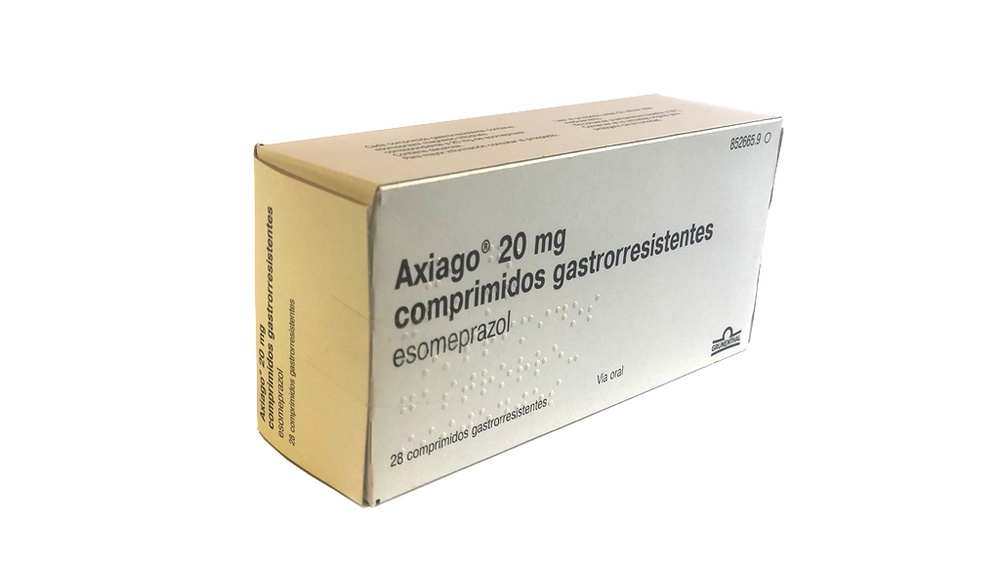
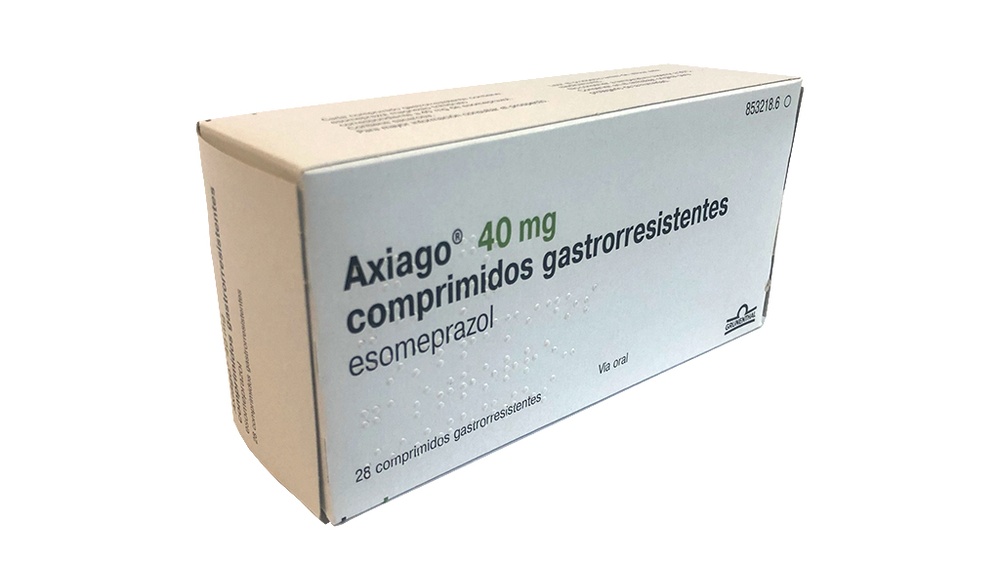
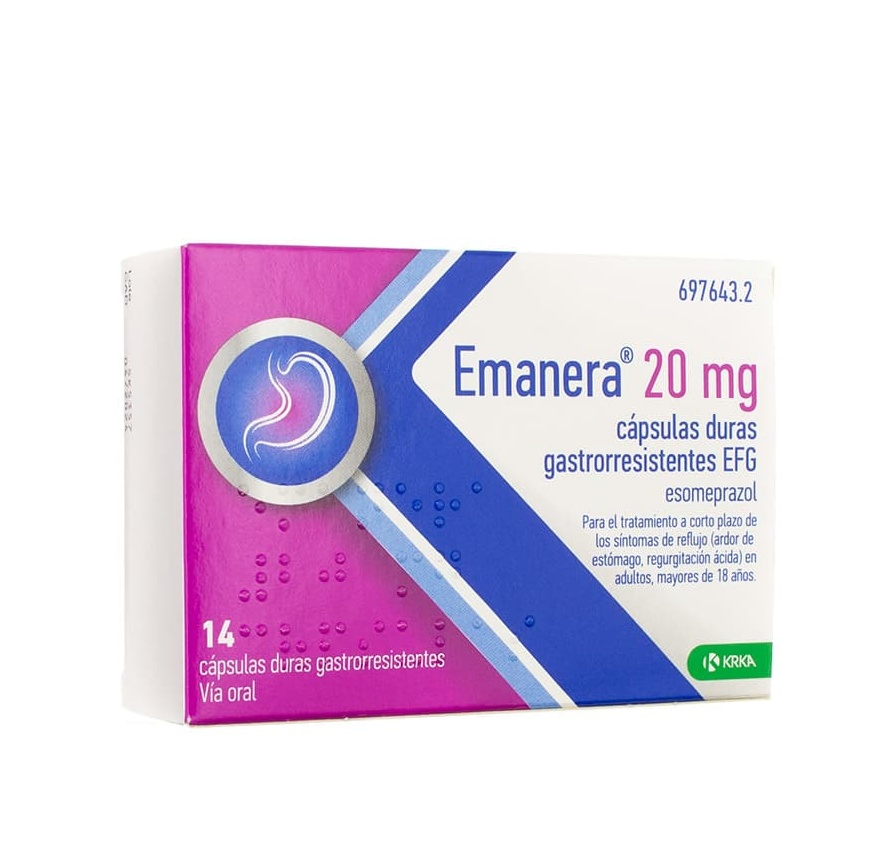
- Alternatives to NEXIUM 10 mg GASTRO-RESISTANT GRANULES FOR ORAL SUSPENSIONDosage form: TABLET, 20 mg esomeprazoleActive substance: esomeprazoleManufacturer: Grünenthal Pharma S.A.Prescription requiredDosage form: TABLET, 40 mg esomeprazoleActive substance: esomeprazoleManufacturer: Grünenthal Pharma S.A.Prescription requiredDosage form: CAPSULE, 20 mgActive substance: esomeprazoleManufacturer: Krka D.D. Novo MestoPrescription not required
Online doctors for NEXIUM 10 mg GASTRO-RESISTANT GRANULES FOR ORAL SUSPENSION
Discuss questions about NEXIUM 10 mg GASTRO-RESISTANT GRANULES FOR ORAL SUSPENSION, including use, safety considerations and prescription review, subject to medical assessment and local regulations.











Frequently Asked Questions
