


MYOZYME 50 mg CONCENTRATED POWDER FOR PERFUSION SOLUTION
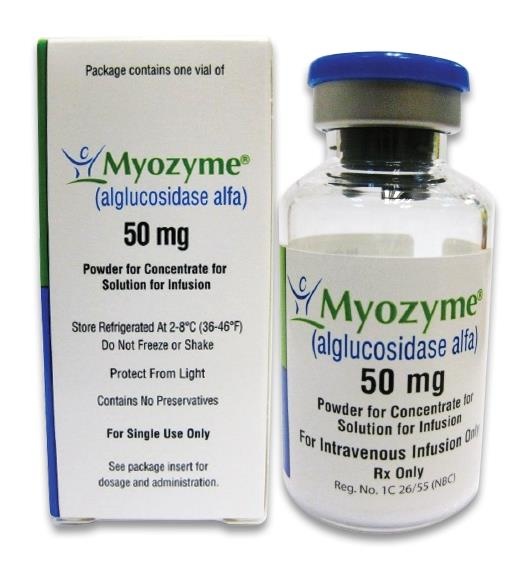



How to use MYOZYME 50 mg CONCENTRATED POWDER FOR PERFUSION SOLUTION
Translated with AI
This page provides general information and does not replace a doctor’s consultation. Always consult a doctor before taking any medication. Seek urgent medical care if symptoms are severe.
Show originalContents of the leaflet
Introduction
Package Leaflet: Information for the User
Myozyme 50mg powder for concentrate for solution for infusion
Alglucosidase alfa
Read all of this leaflet carefully before you start using this medicine because it contains important information for you.
- Keep this leaflet, you may need to read it again.
- If you have any further questions, ask your doctor, pharmacist, or nurse.
- If you experience any side effects, talk to your doctor, pharmacist, or nurse, even if they are not listed in this leaflet. See section 4.
Contents of the pack:
- What Myozyme is and what it is used for
- What you need to know before you use Myozyme
- How to use Myozyme
- Possible side effects
- Storage of Myozyme
- Contents of the pack and other information
1. What Myozyme is and what it is used for
Myozyme is used for the treatment of adults, children, and adolescents of all ages with a confirmed diagnosis of Pompe disease.
People with Pompe disease have low levels of an enzyme called acid alpha-glucosidase (acid maltase). This enzyme helps the body control levels of glycogen (a type of carbohydrate). Glycogen provides energy to the body, but in Pompe disease, glycogen levels can become too high.
Myozyme contains an artificial enzyme called alglucosidase alfa that can replace the natural enzyme that is lacking in Pompe disease (acid maltase).

2. What you need to know before you use Myozyme
Do not use Myozyme:
If you have experienced life-threatening allergic reactions (hypersensitivity) to alglucosidase alfa or any of the other components of this medicine (listed in section 6) and if a new administration of the medicine was not successful. The symptoms of life-threatening allergic reactions include, among others, low blood pressure, very rapid heart rate, difficulty breathing, vomiting, facial swelling, hives, or rash.
Warnings and precautions
If you are being treated with Myozyme, you may experience an infusion-associated reaction while you are receiving the medicine or during the hours after the infusion. Such a reaction consists of various symptoms such as low blood pressure, chest discomfort, throat tightness, facial swelling, lip or tongue swelling (angioedema), hives, dizziness, rash, itching, nausea, vomiting, cough, and bronchospasm (see section 4 for an overview of all infusion-associated reactions). The infusion-associated reaction can sometimes be very severe. If you experience a reaction like this, you must tell yourdoctor immediately. You may need to receive pre-treatment medication to prevent an allergic reaction (e.g., antihistamines and/or corticosteroids) or to reduce fever (antipyretics).
In studies, doctors have used medications to suppress the immune system and reduce antibody production. Since you have Pompe disease, there is a risk that you may acquire a severe respiratory or lung infection. The use of these medications to suppress the immune system may further increase this risk.
If you notice severe ulcerative skin lesions, contact your doctor. If you notice swelling of the lower limbs or generalized swelling, contact your doctor. He or she should consider stopping treatment with Myozyme and starting appropriate medical treatment. Your doctor should weigh the benefits and risks of restarting treatment with Myozyme.
Using Myozyme with other medicines
Tell your doctor or pharmacist if you are using, have recently used, or might use any other medicines.
Pregnancy, breastfeeding, and fertility
There is limited experience with the use of Myozyme in pregnant women. Myozyme should not be used during pregnancy unless clearly necessary. Inform your doctor if you are breastfeeding. There is limited experience suggesting that Myozyme passes into human breast milk in very small amounts. No effects on the breastfed child are expected. Therefore, breastfeeding can be considered during treatment. However, you may consult your doctor if you should interrupt breastfeeding as a precautionary measure during the first 24 hours after each dose of Myozyme. If you are pregnant or breastfeeding, think you may be pregnant, or are planning to have a baby, ask your doctor or pharmacist for advice before using this medicine.
Driving and using machines
Be careful if you drive or use tools or machines immediately after Myozyme infusion, as you may experience dizziness, drowsiness, tremors, and/or low blood pressure.
Myozyme contains sodium
This medicine contains less than 1 mmol (23 mg) of sodium per vial; it is essentially "sodium-free".
3. How to use Myozyme
Myozyme should only be used under the supervision of a doctor with experience in treating patients with Pompe disease.
The dose you should receive varies depending on your body weight. The recommended dose of Myozyme is 20 mg/kg body weight, administered every 2 weeks.
Home infusion
Your doctor may consider that you can receive home infusion of Myozyme if it is safe and convenient to do so. If you experience any side effects during a Myozyme infusion, the person responsible for the home infusion may stop the infusion and start appropriate medical treatment.
Use in children and adolescents
The recommended dose of Myozyme in children and adolescents is the same as in adults.
Instructions for proper use
Myozyme is administered through a drip into a vein (by intravenous infusion). This medicine is provided as a powder that must be mixed with sterile water before administration.
If you use more Myozyme than you should
If you are given Myozyme at a higher dose or infusion rate than recommended, you may experience infusion-associated reactions. Such a reaction may include symptoms such as:
- blue discoloration of the skin and lips due to lack of oxygen in the body's tissues, increased heart rate, palpitations
- difficulty breathing, cough
- dizziness, headache, altered taste
- high blood pressure, flushing
- swelling of the tongue, vomiting, diarrhea, feeling of discomfort (nausea)
- chest pain, chest discomfort, throat tightness, fever, chills, feeling of cold, redness at the infusion site
- muscle pain
- redness of the skin
If you experience a reaction like this, you must inform your doctor immediately (see section 2). The infusion rate will be reduced or the infusion will be stopped, and you may receive corrective treatment.
If you forget to use Myozyme
If you have missed an infusion, contact your doctor.
If you have any further questions on the use of this medicine, ask your doctor, pharmacist, or nurse.

4. Possible side effects
Like all medicines, this medicine can cause side effects, although not everybody gets them.
Side effects have been mainly seen when patients were receiving the medicine or shortly after ("infusion-associated effects"). Some of these infusion-associated effects were serious or life-threatening. In some patients, life-threatening reactions such as severe generalized allergic reactions and anaphylactic shock have been observed. The symptoms of such reactions include low blood pressure, very rapid heart rate, difficulty breathing, vomiting, facial swelling, lip or tongue swelling, hives, or rash.
Some patients have experienced infusion-associated effects in the form of flu-like symptoms, which lasted for a few days after the infusion.
If you experience a reaction like this, tell your doctor immediately. You may need to receive pre-treatment medication to prevent an allergic reaction (e.g., antihistamines and/or corticosteroids) or to reduce fever (antipyretics).
Very common: may affect more than 1 in 10 people
- Hives (itching)
- Rash
- Increased heart rate
- Flushing (facial)
- Fever or elevated body temperature
- Cough
- Increased respiratory rate
- Vomiting
- Low oxygen level in the blood
Common: may affect up to 1 in 10 people
- Pallor
- High or increased blood pressure
- Blue discoloration of the skin
- Chills
- Agitation
- Tremors
- Headache
- Numbness
- Pain or reaction at the infusion site
- Dizziness
- Irritability
- Itching of the skin
- Hiccup
- Severe facial, throat, or tongue swelling due to a severe allergic reaction
- Swelling of arms and legs
- Nausea
- Chest discomfort
- Throat tightness
- Diarrhea
- Fatigue
- Muscle pain
- Muscle spasms
- Severe ulcerative skin lesions
- Redness of the skin
Frequency not known: cannot be estimated from the available data
- Swelling around the eyes
- Asthma
- Abnormal breathing sounds, including wheezing
- Difficulty breathing (including dyspnea)
- Cold extremities (i.e., hands and feet)
- Low or decreased blood pressure
- Narrowing of the blood vessels that causes a decrease in blood circulation
- Sudden constriction of the airways that restricts the air that enters and leaves the lungs (bronchospasm)
- Feeling of heat
- Feeling of cold
- Feeling of discomfort (discomfort)
- Feeling of weakness
- Drowsiness
- Fainting
- Feeling of burning
- Increased sweating
- Tearing
- Spotted skin
- Restlessness
- Wheezing
- Throat irritation
- Lack of oxygen in the body's tissues
- Decreased heart rate
- Cardiac arrest
- Strong, rapid, or irregular heartbeats (palpitations)
- Chest pain (not heart-related)
- Inflammation of the membrane that covers the eyeball and eyelid
- Abdominal pain
- Indigestion
- Difficulty swallowing
- Joint pain
- Temporary or sudden stop of breathing
- Loss of protein in the urine
- Nephrotic syndrome: swelling of the lower limbs, generalized swelling, and loss of protein in the urine
- Swelling and thickening of the skin at the infusion site in case of extravasation of the medicine outside the blood vessels
- Redness of the palms
- Transient skin discoloration
- Redness at the infusion site
- Rash at the infusion site
- Itching at the infusion site
- Blisters
Reporting of side effects
If you experience any side effects, talk to your doctor, pharmacist, or nurse, even if they are not listed in this leaflet. You can also report side effects directly through the national reporting system listed in Appendix V. By reporting side effects, you can help provide more information on the safety of this medicine.
5. Storage of Myozyme
Keep this medicine out of the sight and reach of children.
Do not use this medicine after the expiry date which is stated on the label after "EXP". The expiry date is the last day of the month shown.
Store in a refrigerator (between 2°C and 8°C).
After dilution, the solution should be used immediately. However, the chemical and physical stability has been demonstrated for 24 hours if stored at a temperature between 2°C and 8°C and protected from light.
Medicines should not be disposed of via wastewater or household waste. Ask your pharmacist how to dispose of medicines no longer required. This will help protect the environment.
6. Container contents and additional information
Myozyme composition
- The active substance is alglucosidase alfa. One vial contains 50 mg of alglucosidase alfa. After reconstitution, the solution contains 5 mg of alglucosidase alfa per ml and after dilution, the concentration ranges from 0.5 mg to 4 mg/ml.
- The other components are:
- mannitol (E421)
- sodium dihydrogen phosphate monohydrate (E339)
- disodium phosphate heptahydrate (E339)
- polysorbate 80 (E433).
Appearance of Myozyme and container contents
Myozyme is a powder for concentrate for solution for infusion in a vial (50 mg/vial). Each container contains 1, 10 or 25 vials. Only some pack sizes may be marketed.
The powder is white or off-white. After reconstitution, the solution is clear, colorless to pale yellow and may contain particles. The reconstituted solution must be diluted subsequently.
Marketing authorization holder and manufacturer
Marketing authorization holder
Sanofi B.V.
Paasheuvelweg 25
1105 BP Amsterdam
Netherlands
Manufacturer
Genzyme Ireland Limited, IDA Industrial Park, Old Kilmeaden Road, Waterford, Ireland
For further information on this medicinal product, please contact the local representative of the marketing authorization holder:
België/Belgique/Belgien/Luxembourg/Luxemburg Sanofi Belgium Tél/Tel: + 32 2 710 54 00 | Lietuva Swixx Biopharma UAB Tel: +370 5 236 91 40 |
| Magyarország SANOFI-AVENTIS Zrt. Tel: +36 1 505 0050 |
Ceská republika sanofi-aventis, s.r.o. Tel: +420 233086 111 | Malta Sanofi S.r.l. Tel: +39 02 39394275 |
Danmark Sanofi A/S Tlf: +45 45 16 70 00 | Nederland Sanofi B.V. Tel: +31 20 245 4000 |
Deutschland Sanofi-Aventis Deutschland GmbH Tel.: 0800 04 36 996 Tel. from abroad: +49 69 305 70 13 | Norge sanofi-aventis Norge AS Tlf: + 47 67 10 71 00 |
Eesti Swixx Biopharma OÜ Tel: +372 640 10 30 | Österreich sanofi-aventis GmbH Tel: + 43 1 80 185 – 0 |
Ελλ?δα Sanofi-Aventis Μονοπρ?σωπη AEBE Τηλ: +30 210 900 1600 | Polska sanofi-aventis Sp. z o.o. Tel.: +48 22 280 00 00 |
España sanofi-aventis, S.A. Tel: +34 93 485 94 00 | Portugal Sanofi – Produtos Farmacêuticos, Lda. Tel: +351 21 35 89 400 |
France Sanofi Winthrop Industrie Tél: 0 800 222 555 Appel depuis l’étranger: +33 1 57 63 23 23 | România Sanofi Romania SRL Tel: +40 (0) 21 317 31 36 |
Hrvatska Swixx Biopharma d.o.o. Tel: +385 1 2078 500 | Slovenija Swixx Biopharma d.o.o. Tel: +386 1 235 51 00 |
Ireland Sanofi-aventis Ireland Ltd. T/A SANOFI Tel: +353 (0) 1 403 56 00 | Slovenská republika Swixx Biopharma s.r.o. Tel: +421 2 208 33 600 |
Ísland Vistor hf. Sími: +354 535 7000 | Suomi/Finland Sanofi Oy Puh/Tel: + 358 201 200 300 |
Italia Sanofi S.r.l. Tel: 800536389 | Sverige Sanofi AB Tel: +46 (0)8 634 50 00 |
Κ?προς C.A. Papaellinas Ltd. Τηλ: +357 22 741741 | United Kingdom(Northern Ireland) sanofi-aventis Ireland Ltd. T/A SANOFI Tel: +44 (0) 800 035 2525 |
Latvija Swixx Biopharma SIA Tel: +371 6 616 47 50 |
Date of last revision of this prospectus:
Detailed information on this medicinal product is available on the European Medicines Agency website: http://www.ema.europa.eu. There are also links to other websites on rare diseases and orphan medicines.
-------------------------------------------------------------------------------------------------------------------
This information is intended solely for healthcare professionals:
Instructions for use - reconstitution, dilution and administration
Myozyme should be reconstituted with water for injections and subsequently diluted with a 9 mg/ml (0.9%) sodium chloride injection solution for administration by intravenous infusion. Reconstitution and dilution should be performed in accordance with good manufacturing practice guidelines, particularly with regard to asepsis.
Due to the protein nature of the product, particle formation may occur in the reconstituted solution and in the final infusion bags. Therefore, a 0.2-micron low-protein-binding in-line filter should be used for administration. It has been demonstrated that the use of a 0.2-micron in-line filter removes visible particles and does not result in any apparent loss of protein activity.
Calculate the number of vials needed for reconstitution based on the dosing regimen (mg/kg) for each patient and remove the required vials from the refrigerator to reach room temperature (approximately 30 minutes). Each Myozyme vial is for single use only.
Use aseptic technique
- Reconstitution
Reconstitute each 50 mg Myozyme vial with 10.3 ml of water for injections using a syringe with a needle diameter not greater than 20 gauge. Add the water for injections slowly by dripping down the side of the vial and not directly into the lyophilized powder. Tilt each vial carefully and rotate it gently. Do not invert, shake vigorously, or agitate the vial. The volume, once reconstituted, is 10.5 ml with a concentration of 5 mg/ml, and the solution has a clear, colorless to pale yellow appearance and may contain particles in the form of fine white or translucent fibers. Perform an immediate inspection of the reconstituted vials to check for particles and any color change. Do not use the vial if, upon immediate inspection, you observe any foreign particles other than those described above or if the solution changes color. The pH of the reconstituted solution is approximately 6.2.
After reconstitution, it is recommended to dilute the vials immediately (see below).
- Dilution
As reconstituted above, the reconstituted solution in the vial contains 5 mg of alglucosidase alfa per ml. The reconstituted volume allows for precise withdrawal of 10.0 ml (equal to 50 mg) from each vial. The subsequent dilution of the solution should be performed as follows: slowly withdraw the reconstituted solution from each vial until the volume for the patient's dose is obtained using a syringe with a needle diameter not greater than 20 gauge. The final recommended concentration of alglucosidase in the infusion bags ranges from 0.5 mg/ml to 4 mg/ml. Remove the air from the infusion bag. Also, remove an equivalent volume of 9 mg/ml (0.9%) sodium chloride injection solution, which will be replaced with the reconstituted Myozyme. Slowly inject the reconstituted Myozyme directly into the 9 mg/ml (0.9%) sodium chloride injection solution. Gently rotate the infusion bag to mix the diluted solution. Do not shake or agitate the infusion bag.
The final infusion solution should be administered immediately after preparation.
Disposal of unused products or waste materials should be in accordance with local requirements.
- Administration
It is recommended to start administration of the diluted solution within 3 hours. The total time between reconstitution and completion of infusion should not exceed 24 hours.
The recommended dosage regimen for Myozyme is 20 mg/kg body weight, administered every 2 weeks by intravenous infusion.
The infusion rate should be gradually increased. It is recommended that the initial infusion rate be 1 mg/kg/hour, and that it be gradually increased by 2 mg/kg/hour every 30 minutes if no signs of infusion-associated reactions appear until a maximum rate of 7 mg/kg/hour is reached.
- Country of registration
- Dosage formINJECTABLE PERFUSION, 50 mg
- ATC codeA16AB07
- Active substance
- Prescription requiredYes
- Manufacturer
- This information is for reference only and does not constitute medical advice. Always consult a doctor before taking any medication. Oladoctor is not responsible for medical decisions based on this content.
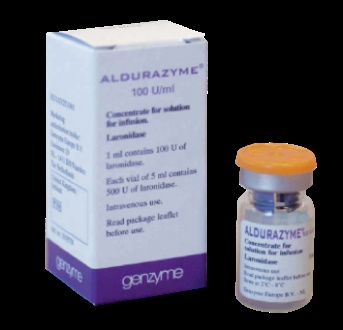
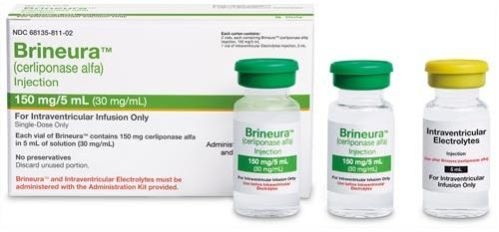
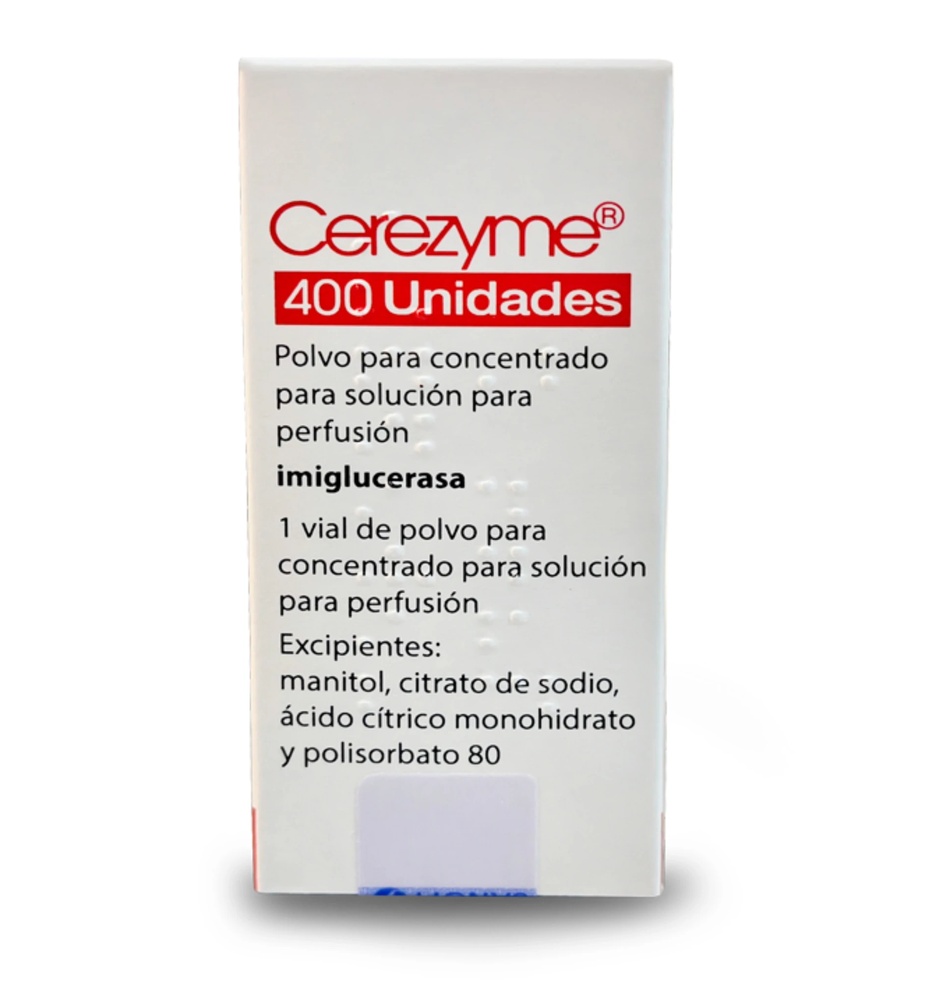
- Alternatives to MYOZYME 50 mg CONCENTRATED POWDER FOR PERFUSION SOLUTIONDosage form: INJECTABLE INFUSION, 100 UActive substance: laronidaseManufacturer: Sanofi B.V.Prescription requiredDosage form: INJECTABLE PERFUSION, 30 mg/mlActive substance: cerliponase alfaManufacturer: Biomarin International LimitedPrescription requiredDosage form: INJECTABLE INFUSION, UnknownActive substance: imigluceraseManufacturer: Sanofi B.V.Prescription required
Online doctors for MYOZYME 50 mg CONCENTRATED POWDER FOR PERFUSION SOLUTION
Discuss questions about MYOZYME 50 mg CONCENTRATED POWDER FOR PERFUSION SOLUTION, including use, safety considerations and prescription review, subject to medical assessment and local regulations.


.jpg)






Frequently Asked Questions
