

MISYO 10 mg /Ml Concentrate For Oral Solution



How to use MISYO 10 mg/ml CONCENTRATE FOR ORAL SOLUTION
Translated with AI
This page provides general information and does not replace a doctor’s consultation. Always consult a doctor before taking any medication. Seek urgent medical care if symptoms are severe.
Show originalContents of the leaflet
Introduction
Package Leaflet: Information for the Patient
MISYO 10 mg/ml Concentrate for Oral Solution
Methadone, Hydrochloride
Read all of this leaflet carefully before you start taking this medicine because it contains important information for you.
- Keep this leaflet, you may need to read it again.
- If you have any further questions, ask your doctor or pharmacist.
- This medicine has been prescribed for you only. Do not pass it on to others. It may harm them, even if their symptoms are the same as yours.
- If you experience any side effects, talk to your doctor or pharmacist. This includes any possible side effects not listed in this leaflet. See section 4.
Contents of the Pack
- What Misyo is and what it is used for
- What you need to know before you take Misyo
- How to take Misyo
- Possible side effects
- Storing Misyo
- Contents of the pack and other information
1. What Misyo is and what it is used for
This medicine contains methadone hydrochloride, which belongs to a group of medicines called narcotic analgesics. It is used to treat addiction as it reduces the symptoms of withdrawal.
All patients taking Misyo must be regularly monitored to identify signs of misuse, abuse, and addiction during treatment.

2. What you need to know before you take Misyo
Do not take Misyo:
- if you are allergic to methadone, benzoate or any of the other ingredients of this medicine (listed in section 6). The allergic reaction can include a rash, itching, or difficulty breathing;
- if you have asthma attacks (you should not take this medicine during an asthma attack). If you are taking this medicine by yourself (self-administration), wait until the asthma attack has passed and you have fully recovered;
- if you are an alcoholic;
- if you are taking monoamine oxidase inhibitors (MAOIs) for depression or if you have taken medicines of this type in the last two weeks (see "Taking other medicines");
- if you are not addicted to opioid drugs;
- if you have heart problems (QT prolongation);
- if you have severe liver disorders;
- if you are in labor.
If you are unsure about the above situations that may apply to your case, consult your doctor or pharmacist before taking Misyo.
Warnings and precautions
Consult your doctor or pharmacist before starting to take Misyo if you have:
- severe respiratory disorders;
- recently suffered a head injury;
- liver or kidney disorders;
- epilepsy;
- slow thyroid function (hypothyroidism);
- adrenal gland disorders;
- enlarged prostate;
- low blood pressure;
- you are in shock;
- a disease characterized by muscle weakness, called myasthenia gravis;
- you have intestinal disorders;
- you have one of the verified risk factors for QT prolongation:
- history of irregular heartbeat;
- history of heart disease;
- family history of sudden death without apparent cause;
- low levels of potassium, sodium, or magnesium;
- you are pregnant or breastfeeding;
- you are very ill or are an elderly patient. In these cases, you may be more sensitive to the medicine.
Talk to your doctor or pharmacist if you experience any of the following symptoms while taking Misyo:
- weakness, fatigue, loss of appetite, nausea, vomiting, or low blood pressure. This may be a symptom that your adrenal glands are producing very low levels of the hormone cortisol, so you may need to take a hormonal supplement.
Long-term use can cause a decrease in sex hormone levels and an increase in prolactin hormone. Consult your doctor if you experience symptoms such as decreased libido, impotence, or absence of menstruation (amenorrhea).
Sleep-related breathing disorders
Misyo can cause sleep-related breathing disorders, such as sleep apnea (pauses in breathing during sleep) and sleep-related hypoxemia (low oxygen levels in the blood). Symptoms may include pauses in breathing during sleep, nighttime awakenings due to lack of breath, difficulty maintaining sleep, or excessive daytime sleepiness. If you or someone else observes these symptoms, contact your doctor. Your doctor may consider reducing the dose.
Tolerance, dependence, and addiction
This medicine contains an opioid medicine called methadone. Repeated use of opioids can decrease the effectiveness of the medicine (your body gets used to the medicine, this is known as tolerance). Repeated use of Misyo can also cause dependence, abuse, and addiction, which can lead to a potentially fatal overdose.
Dependence or addiction can make you feel like you no longer have control over the amount of medicine you need to take or how often you need to take it.
The risk of becoming dependent or addicted varies from person to person. You may have a higher risk of becoming dependent or addicted to Misyo if:
- You or a family member have a history of abuse or dependence on alcohol, prescription medicines, or illegal substances ("addiction").
- You are a smoker.
- You have ever had problems with your mood (depression, anxiety, or a personality disorder) or have received treatment from a psychiatrist for other mental illnesses.
If you notice any of the following signs while taking Misyo, it could be a sign that you have become dependent or addicted.
- You need to take the medicine for a longer period than recommended by your doctor.
- You need to take more doses than recommended.
- You are using the medicine for reasons other than those prescribed, for example, "to calm down" or "to help you sleep".
- You have made repeated attempts to stop or control the use of the medicine without success.
- You do not feel well when you stop taking the medicine and feel better when you take it again ("withdrawal symptoms").
If you notice any of these signs, talk to your doctor to address the most appropriate therapeutic strategy in your case, including when it is appropriate to stop taking it and how to do it safely (see section 3 "If you stop taking Misyo").
If you are unsure about the above situations that may apply to your case, consult your doctor or pharmacist before taking Misyo.
Taking Misyo with other medicines
Tell your doctor or pharmacist if you are taking, have recently taken, or might take any other medicines.
Methadone hydrochloride may affect the way other medicines work. Similarly, other medicines may affect the way methadone works.
Do not take Misyo if:
- you are taking or have taken monoamine oxidase inhibitors (MAOIs) in the last two weeks.
In particular, tell your doctor if you are taking any of the following medicines:
- other opioid analgesics;
- medicines that affect the mind (e.g., thioridazine, phenothiazines, haloperidol, and sertindol);
- medicines for heart disorders such as verapamil and quinidine;
- medicines for depression (desipramine, nefazodone, fluvoxamine, fluoxetine, paroxetine, and sertraline);
- anti-inflammatory and immunosuppressive medicines (e.g., dexamethasone and cyclosporine);
- antiviral medicines, such as those used to treat HIV infection (nevirapine, zidovudine, efavirenz, nelfinavir, ritonavir, amprenavir, delavirdina, lopinavir/ritonavir, ritonavir/saquinavir, abacavir, didanosine, and stavudine);
- antibiotics (medicines used to treat bacterial infections) such as ciprofloxacin and macrolides such as clarithromycin, telithromycin, and erythromycin;
- medicines used to treat fungal infections, such as fluconazole, itraconazole, and ketoconazole;
- cimetidine, used to treat stomach ulcers;
- naloxone, used to reverse the effects of opioid medicines;
- medicines used to stop the action of opioid medicines, such as naltrexone and buprenorphine;
- rifampicin, used to treat tuberculosis (TB);
- medicines used to treat epilepsy, such as phenytoin, carbamazepine, phenobarbital, and primidone;
- cannabidiol (a medicine used to treat seizures);
- gabapentin and pregabalin (medicines used to treat epilepsy, nerve pain, or anxiety). These may increase the risk of opioid overdose, respiratory depression (difficulty breathing), and may be potentially fatal;
- medicines that make urine acidic, such as ascorbic acid (vitamin C) and ammonium chloride;
- medicines used to treat diarrhea (e.g., loperamide, diphenoxylate);
- diuretic medicines (e.g., spironolactone);
- medicines that cause drowsiness;
- metamizole, a medicine used to treat pain and fever;
- St. John's Wort (a herb used to treat depression);
The concomitant use of Misyo and other sedatives, such as benzodiazepines or related drugs, increases the risk of drowsiness, difficulty breathing (respiratory depression), coma, and may involve the risk of death. Therefore, concomitant use is only considered when there are no alternative treatment options.
In the event that your doctor prescribes Misyo along with other sedative medicines, the dose and duration of concomitant treatment should be limited by your doctor.
You should inform your doctor about all sedatives you are taking and follow your doctor's recommendations regarding the dose. It may be helpful to inform your friends and family about the signs and symptoms described above. Consult your doctor if you experience any of these symptoms.
The risk of side effects increases if methadone is taken simultaneously with antidepressants (such as citalopram, duloxetine, escitalopram, fluoxetine, fluvoxamine, paroxetine, sertraline, venlafaxine, amitriptyline, clomipramine, imipramine, nortriptyline). Consult your doctor if you experience symptoms such as:
- changes in mental state (such as restlessness, hallucinations, coma)
- rapid heartbeat, unstable blood pressure, fever
- exaggerated reflexes, lack of coordination, muscle stiffness
- gastrointestinal symptoms (such as nausea, vomiting, diarrhea)
Other medicines you may be taking can also affect the heart (e.g., sotalol, amiodarone, and flecainide).
You should inform your doctor about any other type of medicine you are taking, as they may be hazardous when taken with methadone. In these cases, your doctor will decide whether it is necessary to monitor your heart with an electrocardiogram (ECG) before starting treatment to avoid these effects.
Methadone can also affect some blood and urine tests (including doping tests). Please inform your doctor if you are taking methadone before undergoing any tests.
Taking Misyo with food, drinks, and alcohol
Misyo can be taken with or without food.
Do not drink alcohol if you are taking Misyo, as methadone can cause drowsiness and alcohol will increase the feeling of sleepiness.
Do not drink grapefruit juice if you are taking Misyo, as grapefruit juice can alter the effect of methadone.
Pregnancy, breastfeeding, and fertility
If you are pregnant or breastfeeding, think you may be pregnant, or are planning to have a baby, consult your doctor or pharmacist before using this medicine.
Pregnancy
Misyo can be used during pregnancy after a careful evaluation of the risk-benefit ratio by a doctor, preferably under the supervision of a specialized medical center. An increase in the dose to a maximum of twice a day may be necessary to maintain the effectiveness of the treatment due to changes in metabolism during pregnancy.
Chronic use during pregnancy can cause changes in the habituation and addiction of the fetus to methadone, as well as withdrawal symptoms after birth, which usually requires hospitalization.
Be careful if you have a pregnancy test, as Misyo may interfere with the results.
Do not take this medicine if you are in labor.
Breastfeeding
Talk to your doctor if you are breastfeeding or thinking of breastfeeding while taking methadone, as it may affect your baby. Monitor your baby for any abnormal signs or symptoms, such as increased sleepiness (more than usual), difficulty breathing, or weakness. Consult your doctor immediately if you observe any of these symptoms.
Fertility
Methadone has been reported to cause sexual dysfunction in male patients undergoing maintenance treatment.
Driving and using machines
Methadone can seriously affect your ability to drive or use machines, both while taking it and after taking it. You should only resume these activities after consulting your doctor.
Misyo contains sorbitol
This medicine contains 300 mg of non-crystallizable liquid sorbitol (equivalent to 210 mg of sorbitol) per 1 ml.
Sorbitol is a source of fructose. If your doctor has told you that you are intolerant to some sugars, or if you have been diagnosed with hereditary fructose intolerance (HFI), a rare genetic disorder that makes it difficult for your body to metabolize fructose, consult your doctor before taking this medicine.
In some cases, sorbitol may alter the amount of methadone absorbed compared to the amount ingested. In such cases, switching from Misyo 10 mg/ml concentrate for oral solution to other methadone-based medicines that do not contain sorbitol may change the methadone blood concentration, and symptoms may reappear. If this happens, contact your doctor.
Misyo contains sodium benzoate
This medicine contains 3 mg of sodium benzoate per 1 ml.
Although this medicine should not be used in newborns, it is essential to know that sodium benzoate increases the risk of jaundice (yellow skin and eyes) in newborn babies (up to 4 weeks old).
This medicine contains less than 1 mmol of sodium (23 mg) per ml, so it is considered "sodium-free".
3. How to take Misyo
Always take this medicine exactly as your doctor or pharmacist has told you. Ask your doctor or pharmacist if you are unsure.
Misyo should only be taken by mouth. Under no circumstances should you inject this medicine, as injection could cause severe and permanent damage to your body or have fatal consequences. This medicine must be diluted by a healthcare professional. You will receive Misyo in a solution.
Your doctor will tell you how much Misyo to take and how often. It is essential that you do not take more than the dose indicated by your doctor.
Adults
The usual dose is initially 10 to 30 mg per day. The dose will be gradually increased until you no longer have withdrawal symptoms or symptoms of intoxication. The usual dose is 60 to 120 mg per day. Your doctor will decide what dose you need and when to reduce it.
Elderly patients and patients who are very ill
If you need to take several doses of this medicine, your doctor may monitor you especially closely. If you are an elderly patient, are ill, or have liver or kidney disorders, you should be cautious, and the dose should be reduced.
Use in children
Misyo is not suitable for children.
If you take more Misyo than you should
If you take too much methadone, the following effects may occur:
- breathing problems;
- extreme drowsiness, unconsciousness, or coma;
- very small pupils;
- muscle weakness;
- cold and sweaty skin;
- low blood sugar
- slow heartbeat, low blood pressure, heart attack, or shock;
- a brain disorder (known as toxic leukoencephalopathy);
- in severe cases, it can be fatal.
In case of overdose, seek medical attention immediately. Even if you feel well, you may be intoxicated with methadone.
If you forget to take Misyo
If you forget a dose, do not take it. Wait until the next dose and take only that amount. Do not take a double dose to make up for forgotten doses.
If you stop taking Misyo
Do not stop taking this medicine unless your doctor tells you to, as you may experience withdrawal symptoms. Your doctor will tell you how to gradually reduce the dose.
If you have any further questions on the use of this medicine, ask your doctor or pharmacist.

4. Possible Adverse Effects
Like all medicines, this medicine can cause adverse effects, although not all people suffer from them.
Stop taking this medicine and consult a doctor immediately if you experience any of the following effects:
- Allergic reaction that may consist of any of the following symptoms: swelling of the face, lips, tongue, or throat, or difficulty breathing, or severe skin swelling or itching with hives.
- Cardiac disorders. The signs of this type of disorder may be changes in the way the heart beats, both rapid and missed beats, difficulty breathing, and dizziness if breathing becomes slow and shallow. These side effects are rare and may affect 1 in 1,000 patients.
- If your breathing becomes slow and shallow.
- Worsening of pressure inside the head, if you already suffer from this condition after a head injury or brain disease.
Continue taking this medicine, but consult a doctor immediately if you experience any of the following effects:
- If you have asthma and it worsens.
Other possible side effects may be the following:
Very common (may affect more than 1 in 10 patients):
- Feeling unwell.
Common (may affect up to 1 in 10 patients):
- Fluid retention.
- Feeling excited (euphoria), seeing or hearing things that are not real (hallucinations).
- Feeling sleepy.
- Blurred vision, small pupils, dry eyes.
- Feeling dizzy or like everything is spinning.
- Constipation.
- Redness, sweating.
- Fatigue.
- Weight gain.
Uncommon (may affect up to 1 in 100 patients):
- Feeling subdued (dysphoria), agitation, confusion, difficulty sleeping, reduced sexual appetite.
- Headache, fainting.
- Low blood pressure, facial redness.
- Breathing difficulties (including coughing), dry nose.
- Dry mouth, tongue inflammation.
- Spasm of the bile ducts (abdominal pain).
- Itching, hives, rash.
- Urinary retention, difficulty urinating.
- Difficulty getting or maintaining an erection.
- Menstrual disorders and milk production problems.
- Swelling of the legs.
- Weakness.
- Low body temperature.
Rare (may affect up to 1 in 1,000 patients):
- Cardiac disorders, slow pulse, feeling heartbeats (palpitations).
- Shock.
- Respiratory arrest.
- Reduced intestinal motility (ileus).
The following side effects have also been reported (frequency unknown):
- Low platelet count in the blood, which increases the risk of bleeding or bruising.
- Increased prolactin levels.
- Lack of appetite.
- Potassium or magnesium deficiency in the blood.
- Low blood sugar levels.
- Hearing loss.
- You may become dependent on Misyo (for more information, see section 2 "Warnings and precautions");
- Sleep apnea (breathing pauses during sleep).
There may also be a deficiency of potassium or magnesium in the blood, hearing loss, or a low platelet count in the blood, but the frequency is unknown.
Reporting of Adverse Effects
If you experience any type of adverse effect, consult your doctor, pharmacist, or nurse, even if it is a possible side effect that is not listed in this leaflet. You can also report them directly through the Spanish Pharmacovigilance System for Human Use Medicines, www.notificaRAM.es. By reporting side effects, you can help provide more information on the safety of this medicine.
5. Storage of Misyo
Keep this medicine out of the sight and reach of children. Store this medicine in a safe place, protected from other people who may not be authorized to access it. It can cause serious harm and be fatal to people who have not been prescribed it.
Do not use this medicine after the expiration date that appears on the box, the bottle after CAD. The expiration date is the last day of the month indicated.
Store at a temperature below 25 °C in the original packaging and protected from light.
After the first opening, store at a temperature below 25 °C in the original packaging and protected from light for no more than 90 days. Use before 90 days from opening.
Once the 1 mg/ml or 5 mg/ml concentration has been diluted, it has a shelf life of 14 days if stored in PET bottles at a temperature below 25 °C and protected from light. Use before 14 days from opening.
Medicines should not be disposed of through wastewater or household waste. Ask your pharmacist how to dispose of the packaging and medicines you no longer need. This will help protect the environment.
6. Package Contents and Additional Information
Misyo Composition
- The active ingredient is methadone.
Each ml of concentrate for oral solution contains 10 mg of methadone hydrochloride.
- The other ingredients are: sorbitol, non-crystallizing liquid (E420); glycerol (E422); sodium benzoate (E211); citric acid monohydrate (E330), brilliant blue FCF colorant (E 133), and purified water.
Product Appearance and Package Contents
Misyo is a light blue solution.
100 ml package:
Cardboard box with a glass bottle containing 100 ml of concentrate for oral solution with a plastic cap or child-resistant plastic cap and leaflet inside.
1000 ml package (clinical package):
Cardboard box with a glass bottle containing 1000 ml of concentrate for oral solution with a plastic cap or child-resistant plastic cap and leaflet inside.
Only some package sizes may be marketed.
Marketing Authorization Holder
INN-FARM d.o.o., Maleševa ulica 014, 1000 Ljubljana, Slovenia
phone: +386 70 390 711
fax: +386 5191 116
email: [email protected]
Manufacturer
ALKALOID-INT d.o.o., Šlandrova ulica 4, 1231 Ljubljana – Crnuce, Slovenia
phone: 386 1 300 42 90
fax: 386 1 300 42 91
email: [email protected]
You can request more information about this medicine by contacting the local representative of the marketing authorization holder:
Laboratorios Tillomed Spain S.L.U.
C/ Cardenal Marcelo Spínola 8, 1º, F
28016 Madrid, Spain
This medicine is authorized in the Member States of the European Economic Area and in the United Kingdom (Northern Ireland) with the following names:
United Kingdom (Northern Ireland) MISYO 10 mg/ml Concentrate for oral solution
Austria MISYO 10 mg/ml Konzentrat zur Herstellung einer Lösung zum Einnehmen
Czech Republic MISYO 10 mg/ml
Germany MISYO 10 mg/ml Konzentrat zur Herstellung einer Lösung zum Einnehmen
Hungary MISYO 10 mg/ml koncentrátum belsoleges oldathoz
Poland MISYO
Portugal MISYO 10 mg/ml Concentrado para solução oral
Romania MISYO 10 mg/ml Concentrat pentru solutie orala
Slovak Republic MISYO 10 mg/ml
Spain MISYO 10 mg/ml Concentrado para solución oral
Date of the last revision of this leaflet: 06/2023
-

- Country of registration
- Dosage formORAL SOLUTION/SUSPENSION, 10 mg/ml
- ATC codeN07BC02
- Availability in pharmacies
Supply issue reported
Data from the Spanish Agency of Medicines (AEMPS) indicates a supply issue affecting this medicine.
Availability may be limited in some pharmacies.
For updates or alternatives, consult your pharmacist. - Active substance
- Prescription requiredYes
- Manufacturer
- CompositionSORBITOL (300,00 mg mg), GLICEROL (E 422) (100,00 mg mg), BENZOATO DE SODIO (E 211) (0,50 mg mg)
- This information is for reference only and does not constitute medical advice. Always consult a doctor before taking any medication. Oladoctor is not responsible for medical decisions based on this content.
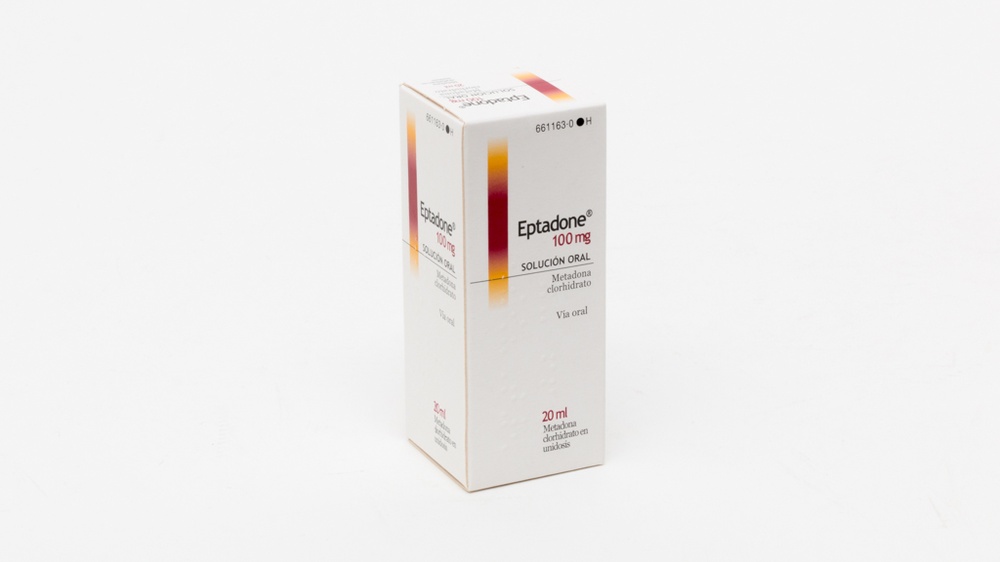
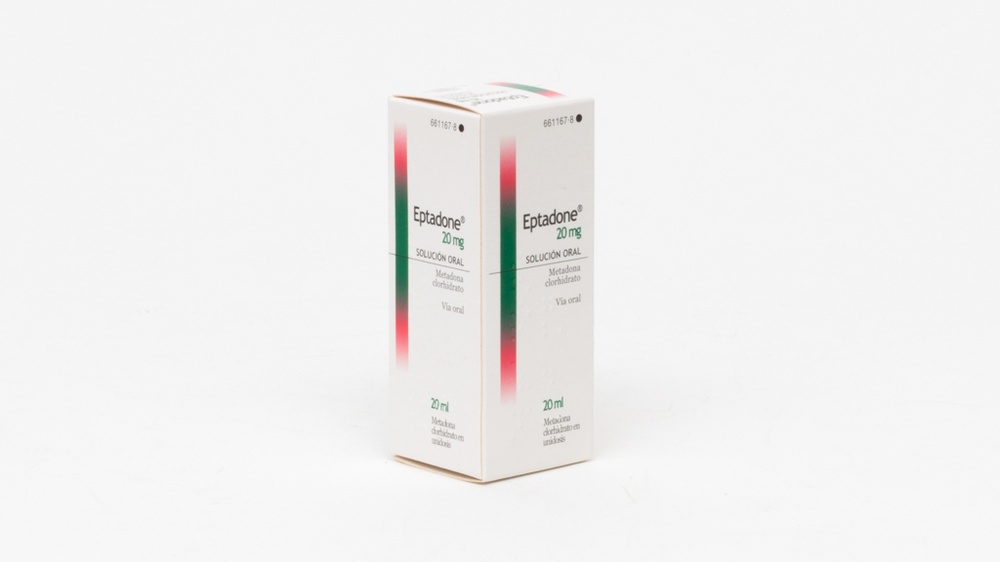
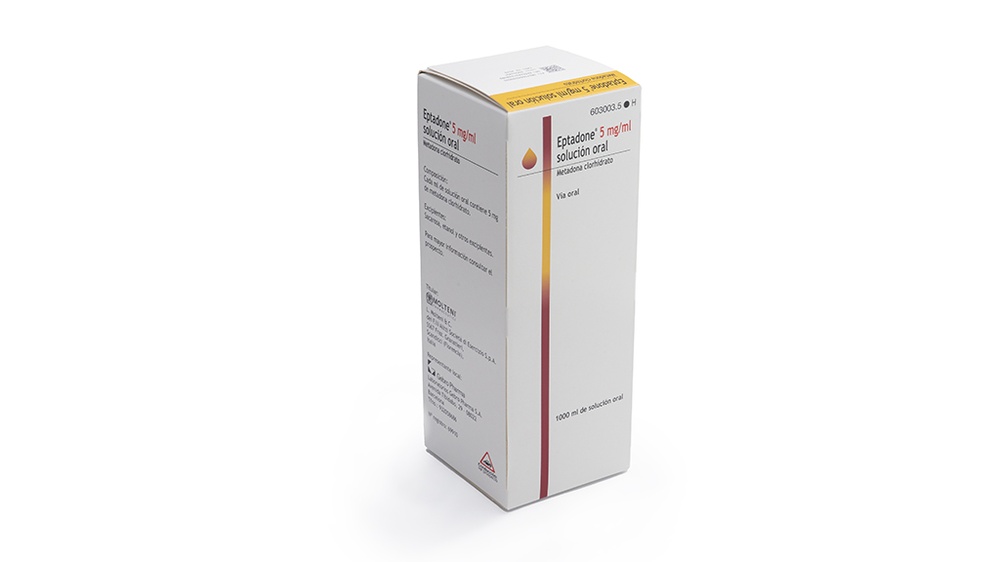
- Alternatives to MISYO 10 mg/ml CONCENTRATE FOR ORAL SOLUTIONDosage form: ORAL SOLUTION/SUSPENSION, 100 mg methadone hydrochloride / 20 mlActive substance: methadonePrescription requiredDosage form: ORAL SOLUTION/SUSPENSION, 20 mg methadone hydrochloride / 20 mlActive substance: methadonePrescription requiredDosage form: ORAL SOLUTION/SUSPENSION, 5 mg/mlActive substance: methadonePrescription required
Online doctors for MISYO 10 mg/ml CONCENTRATE FOR ORAL SOLUTION
Discuss questions about MISYO 10 mg/ml CONCENTRATE FOR ORAL SOLUTION, including use, safety considerations and prescription review, subject to medical assessment and local regulations.

 Book a video appointment
 Book a video appointment
  Book a video appointment
  Book a video appointment
  Book a video appointment
 Book a video appointment
Get MISYO 10 mg/ml CONCENTRATE FOR ORAL SOLUTION Prescription Online
Fill in a 2-min form
Tell us your symptoms, history, and what medicine you're requesting.
Pick a doctor or let us assign
Choose a specialist or we'll match you with the next available doctor.
Doctor reviews your case
Usually within 30 minutes. They may ask follow-up questions via chat.
Collect from any pharmacy
Electronic prescription sent to your email — valid across Spain.
Frequently Asked Questions
Is a prescription required for MISYO 10 mg/ml CONCENTRATE FOR ORAL SOLUTION?
MISYO 10 mg/ml CONCENTRATE FOR ORAL SOLUTION requires a prescription in Spain. You can check with a doctor online whether this medicine may be appropriate for your situation.
What is the active substance in MISYO 10 mg/ml CONCENTRATE FOR ORAL SOLUTION?
The active ingredient in MISYO 10 mg/ml CONCENTRATE FOR ORAL SOLUTION is methadone. This information helps identify medicines with the same composition but different brand names.
Who manufactures MISYO 10 mg/ml CONCENTRATE FOR ORAL SOLUTION?
MISYO 10 mg/ml CONCENTRATE FOR ORAL SOLUTION is manufactured by Inn-Farm D.D.O. Pharmacy brands and packaging may differ depending on the distributor.
Which doctors can assess the use of MISYO 10 mg/ml CONCENTRATE FOR ORAL SOLUTION online?
Doctors such as Family doctors, Psychiatrists, Dermatologists, Cardiologists, Endocrinologists, Gastroenterologists, Pulmonologists, Nephrologists, Rheumatologists, Hematologists, Infectious disease physicians, Allergists, Geriatricians, Paediatricians, Oncologists may assess whether MISYO 10 mg/ml CONCENTRATE FOR ORAL SOLUTION is appropriate, depending on your situation and local regulations. You can book an online consultation to discuss your symptoms and possible next steps.
How to buy MISYO 10 mg/ml CONCENTRATE FOR ORAL SOLUTION in Spain?
Spain has a well-developed healthcare infrastructure across major cities such as Madrid, Barcelona, Valencia, and Seville. Pharmacies are widely available and operate under strict regulations, ensuring access to prescribed medications.
You can buy MISYO 10 mg/ml CONCENTRATE FOR ORAL SOLUTION in Madrid, Barcelona, Seville, or Valencia at any local pharmacy with a valid prescription.
To obtain a prescription, you can use Oladoctor:
What are the alternatives to MISYO 10 mg/ml CONCENTRATE FOR ORAL SOLUTION?
Other medicines with the same active substance (methadone) include EPTADONE 100 mg ORAL SOLUTION, EPTADONE 20 mg ORAL SOLUTION, EPTADONE 5 mg/ml ORAL SOLUTION. These may have different brand names or formulations but contain the same therapeutic ingredient. Always consult a doctor before switching or starting a new medicine.
