


LIDOCAINE KABI 20 mg/ml INJECTABLE SOLUTION



How to use LIDOCAINE KABI 20 mg/ml INJECTABLE SOLUTION
Translated with AI
This page provides general information and does not replace a doctor’s consultation. Always consult a doctor before taking any medication. Seek urgent medical care if symptoms are severe.
Show originalContents of the leaflet
Introduction
Package Leaflet: Information for the User
Lidocaine Kabi 20 mg/ml Solution for InjectionEFG
Lidocaine hydrochloride (as monohydrate)
Read all of this leaflet carefully before you start using this medicine because it contains important information for you.
- Keep this leaflet, you may need to read it again.
- If you have any further questions, ask your doctor, pharmacist, or nurse.
- If you get any side effects, talk to your doctor, pharmacist, or nurse. This includes any possible side effects not listed in this leaflet. See section 4.
Contents of the pack
- What Lidocaine Kabi is and what it is used for
- What you need to know before you use Lidocaine Kabi
- How to use Lidocaine Kabi
- Possible side effects
- Storage of Lidocaine Kabi
- Contents of the pack and other information
1. What Lidocaine Kabi is and what it is used for
Lidocaine Kabi is a local anesthetic. It is used to:
- produce local numbness (anesthesia) and relieve pain in the area of the body where it is administered.

2. What you need to know before you use Lidocaine Kabi
Do not use Lidocaine Kabi:
- if you are allergic to lidocaine hydrochloride, to other similar anesthetics of the amide type, or to any of the other ingredients of this medicine (listed in section 6).
- if your blood volume is decreased (hypovolemia).
- if you have certain heart problems (irregular or slow heartbeat).
Warnings and precautions
Tell your doctor, pharmacist, or nurse before you start using Lidocaine Kabi:
- if you have ever had an allergic reaction or a severe reaction, for example, skin rash or difficulty breathing, to any local anesthetic.
- if you have a heart disorder, especially if it affects your heart rate.
- if you are taking medicines to treat irregular heartbeats, such as amiodarone.
- if you are in shock.
- if you have a lung or respiratory disorder.
- if you have seizures or epilepsy.
- if you have muscle weakness (myasthenia gravis).
- if you have a bleeding disorder in your blood and are being treated with medicines that prevent blood clotting.
- if you are elderly or in a weakened state.
- if you feel unwell or tired for any reason.
- if you have kidney or liver disease.
- if you have a blood disorder or any imbalance in the components of your blood, particularly if you have low potassium levels in your blood, which can cause muscle cramps and constipation (hypokalemia).
- if you have been told you have too much acid in your blood and tissues, or that you do not have enough oxygen.
- if you have recently vomited, had diarrhea, or bled, or if you have not been drinking normal amounts of fluid.
- if you have a rare inherited blood pigment disorder that affects your skin and nervous system called porphyria, or if anyone in your family has it.
- if you have inflammation or infection in the area to be injected.
- if you are pregnant, likely to become pregnant, or are breastfeeding.
Children
Lidocaine Kabi is not recommended for use in neonates (less than one month old).
Using Lidocaine Kabi with other medicines
Tell your doctor or pharmacist if you are using, have recently used, or might use any other medicines.
In particular, tell your doctor if you are taking any of the following medicines, as they may interact with Lidocaine Kabi:
- Medicines used to treat high blood pressure, such as diuretics (medicines that promote urine production), beta-blockers like propranolol, timolol, and calcium channel blockers like verapamil, prenylamine.
- Medicines used to treat irregular heartbeats, such as amiodarone, mexiletine, phenytoin.
- Medicines used to stimulate the heart and treat shock, such as dopamine.
- Medicines for treating heart failure and shock, such as dopamine.
- Medicines used to prevent blood clotting (anticoagulants), such as heparin.
- Medicines used in the treatment of stomach ulcers, such as cimetidine, ranitidine.
- Medicines for treating infections, such as quinupristin, dalfopristin.
- Medicines for treating viral infections, such as amprenavir, atazanavir, darunavir, lopinavir.
- Medicines for relieving severe pain, such as fentanyl, codeine, and pethidine.
- Medicines for treating migraines, ergotamine.
- Medicines used to relax muscles, such as suxamethonium.
- Medicines used to treat certain types of muscle spasms (such as serotonin).
- Medicines for treating mental disorders, such as sertindole, pimozide, fluvoxamine, olanzapine, quetiapine, zotepine.
- Medicines for treating nausea and vomiting, such as dolasetron, tropisetron.
- Medicines used to reduce pressure inside the eye, such as acetazolamide.
- Oral contraceptives or oral hormone replacement therapy.
If adrenaline (epinephrine) is to be added to your lidocaine injection, you should also tell your doctor if you have high blood pressure, lack of blood supply to the brain, an overactive thyroid gland, or if you are taking antidepressant medicines. If you are going to receive a strong anesthetic to put you to sleep, you should tell your doctor if you have already received a lidocaine injection containing adrenaline (epinephrine).
If you are already taking one of these medicines, talk to your doctor before using Lidocaine Kabi.
Pregnancy and breastfeeding
If you are pregnant or breastfeeding, think you may be pregnant, or are planning to have a baby, ask your doctor or pharmacist for advice before using this medicine.
Your doctor will only give you this medicine during pregnancy or breastfeeding if it is necessary.
Driving and using machines
Depending on where and how this medicine is used, it may affect your ability to drive or use machines. Your doctor will tell you if you can drive or use machines.
Do not drive or use machines if you are under the effects of Lidocaine Kabi.
Lidocaine Kabi 20 mg/ml solution for injection contains sodium
This medicine contains 32 mg (approximately 1.39 mmol) of sodium (the main component of table salt) per dose. This is equivalent to 1.6% of the maximum daily dietary intake of 2 mg of sodium recommended by the WHO for an adult.
3. How to use Lidocaine Kabi
Your doctor will decide the most suitable dose for you according to your age and physical circumstances, as well as the site of injection, the method used, and your response to the injection.
If you are given too much Lidocaine Kabi
Because this medicine will be given to you by a trained professional, it is unlikely that you will be given too much Lidocaine Kabi.
However, if you think you have been given too much, or if you start to feel dizzy or lightheaded, numbness or tingling in your lips or around your mouth, or ringing in your ears, you should tell the person giving you the injection immediately.
If you have any other questions about the use of this medicine, ask your doctor.

4. Possible side effects
Like all medicines, this medicine can cause side effects, although not everybody gets them.
Tell your doctor or nurse immediately if you experience an allergic reaction, which includes:
- swelling of your hands, feet, face, lips, tongue, or throat.
- difficulty breathing.
- severe itching of the skin (with hives).
- fever.
- low blood pressure and shock.
Other possible side effects are:
Very common(may affect more than 1 in 10 people)
- Low blood pressure
- Nausea
Common(may affect up to 1 in 10 people)
- Paresthesia (tingling, numbness)
- Dizziness
- Slow heart rate
- High blood pressure
- Vomiting (being sick)
Uncommon(may affect up to 1 in 100 people)
- Seizures
- Drowsiness, dizziness, loss of consciousness, tremors, numbness of the tongue, difficulty speaking (sometimes these symptoms can indicate that you have been given too much lidocaine)
Rare(may affect up to 1 in 1,000 people)
- Hypersensitivity reactions such as hives (appearance of hives), skin rash, rapid swelling of the subcutaneous tissue and mucous membranes, difficulty breathing, and in severe cases, low blood pressure and shock
- Rash, itching, and swelling of the face
- Pain, inflammation, or numbness at the injection site after the effects of the injection have worn off
- Damage to the balance and coordination (peripheral nerve damage)
- Inflammation of the membranes surrounding the nerves (arachnoiditis)
- Blurred or double vision
- Temporary loss of vision (amaurosis)
- Changes in heart rhythm
- Cardiac arrest
Not known(cannot be estimated from the available data)
- You may experience a bluish discoloration of the skin, headache, difficulty breathing, and fatigue as a result of abnormal amounts of methemoglobin (a form of hemoglobin that has a lower ability to bind oxygen) in the blood
- Agitation (nervousness)
- Unconsciousness
- Tinnitus (a ringing in the ears)
- Hyperacusis (increased sensitivity to everyday sounds)
- You may find it harder to breathe or your breathing may stop
After spinal injection of Lidocaine Kabi, you should tell your doctor if you experience any of the following symptoms:
- Pain or numbness in your back or lower legs.
- Difficulty walking.
- Problems controlling your bladder or bowels.
- Feeling weak or dizzy.
- Slow heart rate or pulse.
For patients who go home before the numbness or loss of sensation caused by a local anesthetic has worn off:
During the time you feel numbness in the injected area, serious injuries can occur without you realizing it. To avoid injuries, be careful until the anesthesia has worn off or sensation and touch have returned.
Reporting of side effects
If you experience any side effects, talk to your doctor, pharmacist, or nurse, even if it is possible side effects not listed in this leaflet. You can also report side effects directly through the Medicines and Healthcare products Regulatory Agency (MHRA) Yellow Card Scheme at www.mhra.gov.uk/yellowcard. By reporting side effects, you can help provide more information on the safety of this medicine.
5. Storage of Lidocaine Kabi
Keep this medicine out of the sight and reach of children.
This medicine does not require any special storage conditions.
After opening the ampoule, use immediately and discard the unused portion of the solution.
Do not use if the ampoule is damaged or broken.
If it is diluted in a sodium chloride 9 mg/ml (0.9%) solution or a glucose 50 mg/ml (5%) solution under strict aseptic conditions, the solution should also be used immediately.
However, if the diluted solution is not used immediately, it should not be stored for more than 12 hours under strict aseptic conditions below 25°C.
Do not use this medicine after the expiry date which is stated on the carton after EXP. The expiry date is the last day of the month shown.
Medicines should not be disposed of via wastewater or household waste. Ask your pharmacist how to dispose of medicines no longer required. This will help protect the environment.
6. Contents of the pack and other information
Composition of Lidocaine Kabi
- The active substance is lidocaine hydrochloride (as monohydrate).
Lidocaine Kabi 20 mg/ml solution for injection:
Each ml of solution for injection contains 20 mg of lidocaine hydrochloride (as monohydrate) corresponding to 16.22 mg of lidocaine.
Each 5 ml of solution for injection contains 100 mg of lidocaine hydrochloride.
Each 10 ml of solution for injection contains 200 mg of lidocaine hydrochloride.
Each 20 ml of solution for injection contains 400 mg of lidocaine hydrochloride.
- The other ingredients are sodium chloride, hydrochloric acid (for pH adjustment), sodium hydroxide (for pH adjustment), and water for injections.
Appearance of Lidocaine Kabi and pack contents
Lidocaine Kabi is a clear, colorless aqueous solution, practically free from visible particles.
Lidocaine Kabi is available in low-density polyethylene ampoules with a twist-off cap.
Pack sizes
Ampoules of 5 ml in packs of 5, 10, 20, 50, or 100.
Ampoules of 10 ml in packs of 5, 10, 20, 50, or 100.
Ampoules of 20 ml in packs of 5, 10, 20, 50, or 100.
Not all pack sizes may be marketed.
Marketing authorization holder and manufacturer:
Marketing authorization holder
Fresenius Kabi España, S.A.U.
C/Marina 16-18
08005 Barcelona
Spain
Manufacturer
Labesfal – Laboratórios Almiro, S.A.
Zona Industrial do Lagedo
3465-157 - Santiago de Besteiros
Portugal
This medicine is authorized in the Member States of the European Economic Area under the following names:
Member State | Medicine name |
Belgium | Lidocaine Fresenius Kabi 10 mg/ml, 20 mg/ml oplossing voor injectie |
France | Lidocaïne Kabi 10 mg/ml, 20 mg/ml solution injectable |
Italy | Lidocaina Kabi |
Ireland | Lidocaine Hydrochloride 1%, 2% w/v solution for injection |
Poland | Lidocaine 1%, 2% Fresenius Kabi |
Portugal | Lidocaína Fresenius Kabi |
Romania | Lidocaina Fresenius Kabi 10mg/ml, 20mg/ml solutie injectabila |
Slovenia | Lidokain Kabi 10 mg/ml, 20 mg/ml raztopina za injiciranje |
Spain | Lidocaína Kabi 10 mg/ml, 20 mg/ml solución inyectable |
United Kingdom | Lidocaine Hydrochloride 1%, 2% w/v solution for injection |
This leaflet was last revised in:May 2018.
<------------------------------------------------------------------------------------------------------------------------>
This information is intended only for healthcare professionals:
Special precautions
Lidocaine Kabi solution for injection is not recommended for use in neonates. In this age group, the optimal serum concentration of lidocaine required to avoid toxicity, such as seizures and cardiac arrhythmias, is unknown.
Handling and compatibility
Lidocaine Kabi solution for injection may be diluted in sodium chloride 9 mg/ml (0.9%) or glucose 50 mg/ml (5%) solutions.
The diluted solution should be inspected visually and not used if it shows opalescence, visible particles, or precipitates.
If it is diluted in sodium chloride 9 mg/ml (0.9%) or glucose 50 mg/ml (5%) solutions under strict aseptic conditions, the solution should also be used within 12 hours.
Lidocaine is incompatible with solutions containing amphotericin B, sulfadiazine sodium, methohexital sodium, cefazolin sodium, phenytoin, glyceryl trinitrate, and other alkaline solutions. Therefore, it is not advisable to mix Lidocaine Kabi with other agents.
Drugs stable in acidic media, such as adrenaline hydrochloride, noradrenaline tartrate, or isoprenaline, may deteriorate after mixing with lidocaine hydrochloride, and lidocaine solutions may raise the pH above the maximum pH for their stability.
Disposal of waste
Any unused product or waste material should be disposed of in accordance with local requirements.
- Country of registration
- Dosage formINJECTABLE, 20 mg
- ATC codeN01BB02
- Availability in pharmacies
Supply issue reported
Data from the Spanish Agency of Medicines (AEMPS) indicates a supply issue affecting this medicine.<br><br>Availability may be limited in some pharmacies.<br><br>For updates or alternatives, consult your pharmacist. - Active substance
- Prescription requiredYes
- Manufacturer
- This information is for reference only and does not constitute medical advice. Always consult a doctor before taking any medication. Oladoctor is not responsible for medical decisions based on this content.
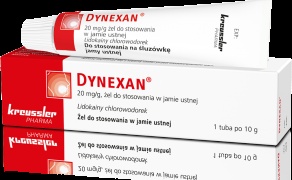
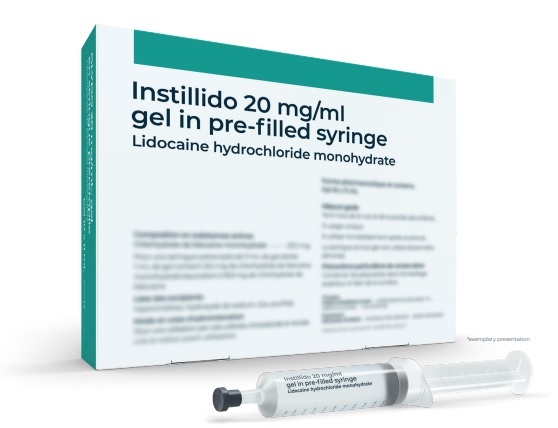
- Alternatives to LIDOCAINE KABI 20 mg/ml INJECTABLE SOLUTIONDosage form: DRESSING, 700 mgActive substance: lidocaineManufacturer: Grünenthal Pharma S.A.Prescription requiredDosage form: GEL/PASTE/ORAL LIQUID, 20 mg/gActive substance: lidocaineManufacturer: Chemische Fabrik Kreussler & Co GmbhPrescription not requiredDosage form: GEL, 20 mg/mlActive substance: lidocaineManufacturer: Farco-Pharma GmbhPrescription required

Online doctors for LIDOCAINE KABI 20 mg/ml INJECTABLE SOLUTION
Discuss questions about LIDOCAINE KABI 20 mg/ml INJECTABLE SOLUTION, including use, safety considerations and prescription review, subject to medical assessment and local regulations.








Frequently Asked Questions
