


LEVETIRACETAM 250 mg Film-Coated Tablets



How to use LEVETIRACETAM AUROVITAS 250 mg FILM-COATED TABLETS
Translated with AI
This page provides general information and does not replace a doctor’s consultation. Always consult a doctor before taking any medication. Seek urgent medical care if symptoms are severe.
Show originalContents of the leaflet
Introduction
Package Leaflet: Information for the User
Levetiracetam Aurovitas 250 mg Film-Coated Tablets EFG
Read the entire package leaflet carefully before you start taking this medicine because it contains important information for you.
- Keep this package leaflet, you may need to read it again.
- If you have any further questions, ask your doctor or pharmacist.
- This medicine has been prescribed for you only. Do not pass it on to others. It may harm them, even if their signs of illness are the same as yours.
- If you get any side effects, talk to your doctor or pharmacist. This includes any possible side effects not listed in this leaflet. See section 4.
Contents of the Package Leaflet
- What is Levetiracetam Aurovitas and what is it used for
- What you need to know before you take Levetiracetam Aurovitas
- How to take Levetiracetam Aurovitas
- Possible side effects
- Storage of Levetiracetam Aurovitas
- Contents of the pack and other information
1. What is Levetiracetam Aurovitas and what is it used for
Levetiracetam is an antiepileptic medicine (a medicine used to treat seizures in epilepsy).
Levetiracetam is used:
- on its own in adults and adolescents from 16 years of age with newly diagnosed epilepsy to treat a certain form of epilepsy. Epilepsy is a disease where patients have seizures (fits). Levetiracetam is used to treat a form of epilepsy where the seizures initially affect only one side of the brain but may subsequently spread to other parts of the brain (partial onset seizures with or without secondary generalisation). Your doctor has prescribed levetiracetam for you to reduce the number of seizures.
- with other antiepileptic medicines to treat:
- partial onset seizures with or without generalisation in adults, adolescents, children, and infants from 1 month of age;
- myoclonic seizures (short, shock-like jerks of a muscle or a group of muscles) in adults and adolescents from 12 years of age with juvenile myoclonic epilepsy;
- primary generalised tonic-clonic seizures (major fits, including loss of consciousness) in adults and adolescents from 12 years of age with idiopathic generalised epilepsy (a type of epilepsy that is thought to have a genetic cause).

2. What you need to know before you take Levetiracetam Aurovitas
Do not take Levetiracetam Aurovitas
- if you are allergic to levetiracetam, to pyrrolidone derivatives or to any of the other ingredients of this medicine (listed in section 6).
Warnings and precautions
Consult your doctor or pharmacist before starting to take levetiracetam:
- if you have kidney problems, follow the advice of your doctor who will decide if you need a dose adjustment.
- if you notice any decrease in your child’s growth rate or an unexpected delay in puberty, contact your doctor.
- a small number of people taking antiepileptics such as levetiracetam have had thoughts of harming themselves or suicidal thoughts. If you have any symptoms of depression and/or suicidal thoughts, contact your doctor.
- if you have a family history of or have a history of cardiac conduction disturbances (visible on an electrocardiogram) or if you have a disease or are taking a medicine that may lead to heart rhythm disturbances or electrolyte disturbances.
Tell your doctor or pharmacist if any of the following side effects get worse or last more than a few days:
- abnormal thoughts, feeling irritable or more aggressive than usual or if you or your family and friends notice significant changes in mood or behaviour.
- worsening of epilepsy
Rarely, epilepsy may worsen or new types of seizures may appear, mainly during the first month after the start of treatment or after a dose increase.
In very rare cases of an early form of epilepsy (epilepsy associated with SCN8A mutations) that causes multiple types of seizures and loss of skills, you may notice that seizures persist or worsen during treatment.
If you experience any of these new symptoms while taking levetiracetam, contact your doctor as soon as possible.
Children and adolescents
Monotherapy with levetiracetam (single treatment) is not indicated in children and adolescents under 16 years.
Use of Levetiracetam Aurovitas with other medicines
Tell your doctor or pharmacist if you are taking, have recently taken or might take any other medicines.
Do not take macrogol (a laxative medicine) for one hour before and one hour after taking levetiracetam as it may reduce the effect of levetiracetam.
Pregnancy, breast-feeding and fertility
If you are pregnant or breast-feeding, think you may be pregnant or are planning to have a baby, ask your doctor for advice before taking this medicine.
Levetiracetam can be used during pregnancy only if your doctor considers it essential. Do not stop your treatment without discussing it with your doctor. It cannot be excluded that the risk of birth defects for your baby is higher than for women who do not take levetiracetam.
Breast-feeding is not recommended during treatment with levetiracetam.
Driving and using machines
Levetiracetam may impair your ability to drive or operate tools or machinery, as it may cause somnolence. This is more likely at the beginning of treatment or when the dose is increased. You should not drive or use machines until it is established that your ability to perform such activities is not affected.
3. How to take Levetiracetam Aurovitas
Always take this medicine exactly as your doctor or pharmacist has told you. If you are not sure, check with your doctor or pharmacist.
Take the number of tablets that your doctor has prescribed you.
Levetiracetam must be taken twice a day, once in the morning and once in the evening, at approximately the same time each day.
Concomitant therapy and monotherapy (from 16 years of age)
Adults (≥ 18 years) and adolescents (12 to 17 years) weighing 50 kg or more:
Recommended dose: between 1,000 mg and 3,000 mg each day.
When you first start taking levetiracetam, your doctor will prescribe you a lower doseduring two weeks before giving you the lowest daily dose.
For example: for a daily dose of 1,000 mg, your reduced starting dose is 1 tablet of 250 mg in the morning and 1 tablet of 250 mg in the evening and the dose should be gradually increased to 1,000 mg per day after 2 weeks of treatment.
Adolescents (12 to 17 years) weighing less than 50 kg:
Your doctor will prescribe the most appropriate pharmaceutical form of levetiracetam according to your weight and dose.
Dose in infants (1 to 23 months) and children (2 to 11 years) weighing less than 50 kg:
Your doctor will prescribe the most appropriate pharmaceutical form of levetiracetam according to the age, weight, and dose.
Levetiracetam 100 mg/ml oral solution is a more appropriate formulation for infants and children under 6 years and for children and adolescents (6 to 17 years) weighing less than 50 kg and when tablets do not allow accurate dosing.
Method of administration
Swallow the levetiracetam tablets with a sufficient amount of liquid (e.g. a glass of water). You may take levetiracetam with or without food. After oral administration, a bitter taste of levetiracetam may be experienced.
Duration of treatment
- Levetiracetam is used as chronic treatment. You should continue to take levetiracetam for as long as your doctor has told you.
- Do not stop your treatment without your doctor’s advice as this may increase your seizures.
If you take more Levetiracetam Aurovitas than you should
Possible side effects of an overdose of levetiracetam are somnolence, agitation, aggression, decreased alertness, respiratory depression, and coma. Contact your doctor if you have taken more tablets than you should. Your doctor will establish the best possible treatment for the overdose.
If you forget to take Levetiracetam Aurovitas
Contact your doctor if you have missed one or more doses.
Do not take a double dose to make up for a forgotten dose.
If you stop taking Levetiracetam Aurovitas
Stopping treatment with levetiracetam should be done gradually to avoid an increase in seizures. If your doctor decides to stop your treatment with levetiracetam, he/she will tell you how to gradually reduce the dose.
If you have any further questions on the use of this medicine, ask your doctor or pharmacist.

4. Possible side effects
Like all medicines, this medicine can cause side effects, although not everybody gets them.
Tell your doctor immediately, or go to the casualty department of your nearest hospital if you experience:
- weakness, feeling of fainting or dizziness or difficulty breathing, as these may be signs of a severe allergic reaction (anaphylaxis);
- swelling of the face, lips, tongue or throat (Quincke’s oedema);
- flu-like symptoms and a rash on the face followed by a prolonged rash with high fever, elevated liver enzymes in blood tests, and an increased number of a type of white blood cell (eosinophilia), swollen lymph nodes, and involvement of other body organs (Drug Reaction with Eosinophilia and Systemic Symptoms (DRESS));
- symptoms such as decreased urine output, tiredness, nausea, vomiting, confusion, and swelling of the feet, ankles, or hands, as these may be signs of sudden kidney failure;
- a rash that may form blisters and may look like targets (central red spot surrounded by a paler area, with a red ring around the edge) (erythema multiforme);
- a widespread rash with blisters and peeling of the skin, particularly around the mouth, nose, eyes, and genitals (Stevens-Johnson syndrome);
- a more severe form causing skin peeling over more than 30% of the body surface (toxic epidermal necrolysis);
- signs of severe mental changes or if someone around you notices signs of confusion, somnolence (drowsiness), amnesia (loss of memory), memory impairment (memory loss), abnormal behaviour, or other neurological signs including involuntary or uncontrolled movements. These may be symptoms of encephalopathy.
The most frequently reported side effects are nasopharyngitis, somnolence (feeling drowsy), headache, fatigue, and dizziness. Side effects such as somnolence, fatigue, and dizziness may be more frequent at the beginning of treatment or when the dose is increased. However, these side effects should decrease over time.
Very common:may affect more than 1 in 10 people
- nasopharyngitis;
- somnolence (feeling drowsy), headache.
Common:may affect up to 1 in 10 people
- loss of appetite (anorexia);
- depression, hostility or aggression, anxiety, insomnia, nervousness, or irritability;
- seizures, balance disorder, dizziness (feeling unsteady), lethargy (lack of energy and enthusiasm), tremor (involuntary shaking);
- vertigo (feeling of spinning);
- cough;
- abdominal pain, diarrhoea, dyspepsia (indigestion), vomiting, nausea;
- skin rash;
- asthenia/fatigue (feeling weak).
Uncommon:may affect up to 1 in 100 people
- decreased number of platelets, decreased number of white blood cells;
- weight loss, weight gain;
- suicidal attempt and suicidal thoughts, mental disorders, abnormal behaviour, hallucinations, anger, confusion, panic attack, emotional instability/mood swings, agitation;
- amnesia (loss of memory), memory impairment (memory loss), abnormal coordination/ataxia (impaired coordination of movements), paraesthesia (tingling), attention disturbances (loss of concentration);
- diplopia (double vision), blurred vision;
- elevated/abnormal liver enzymes in blood tests;
- hair loss, eczema, itching;
- muscle weakness, myalgia (muscle pain);
- injury.
Rare:may affect up to 1 in 1,000 people
- infection;
- decrease of all blood cell types;
- severe allergic reactions (DRESS, anaphylactic reaction, Quincke’s oedema);
- decreased sodium levels in the blood;
- suicide, personality disorders (behavioural problems), abnormal thinking (slow thinking, difficulty concentrating);
- delirium;
- encephalopathy (see section “Tell your doctor immediately” for a detailed description of the symptoms);
- seizures may worsen or become more frequent;
- uncontrolled muscle spasms affecting the head, torso, and limbs, difficulty controlling movements, hyperkinesia (hyperactivity);
- change in heart rhythm (Electrocardiogram);
- pancreatitis;
- liver failure, hepatitis;
- sudden kidney failure;
- skin rash that may lead to blisters and may look like targets (central dark spots surrounded by a paler area, with a dark ring around the edge) (erythema multiforme), a widespread rash with blisters and peeling of the skin, particularly around the mouth, nose, eyes, and genitals (Stevens-Johnson syndrome), and a more severe form causing skin peeling over more than 30% of the body surface (toxic epidermal necrolysis);
- rhabdomyolysis (breakdown of muscle tissue) and increased creatine phosphokinase in the blood. The prevalence is significantly higher in Japanese patients compared to non-Japanese patients;
- limping or difficulty walking;
- a combination of fever, muscle stiffness, unstable blood pressure and heart rate, confusion, decreased consciousness (these may be signs of a disorder called neuroleptic malignant syndrome). The prevalence is significantly higher in Japanese patients compared to non-Japanese patients.
Very rare:may affect up to 1 in 10,000 people
- unwanted or repeated thoughts or urges to do something (obsessive-compulsive disorder).
Reporting of side effects
If you get any side effects, talk to your doctor or pharmacist. This includes any possible side effects not listed in this leaflet. You can also report side effects directly via the Spanish Medicines Monitoring System for Human Use: https://www.notificaram.es. By reporting side effects, you can help provide more information on the safety of this medicine.
5. Storage of Levetiracetam Aurovitas
Keep this medicine out of the sight and reach of children.
Do not use this medicine after the expiry date which is stated on the carton after EXP. The expiry date refers to the last day of that month.
This medicine does not require any special storage conditions.
Medicines should not be disposed of via wastewater or household waste. Ask your pharmacist how to dispose of medicines no longer required. These measures will help to protect the environment.
6. Container Content and Additional Information
Composition of Levetiracetam Aurovitas
- The active ingredient is levetiracetam. Each film-coated tablet contains 250 mg of levetiracetam.
- The other components are:
Core of the tablet:corn starch, anhydrous colloidal silica, povidone (K-30), talc, magnesium stearate.
Coating:hypromellose 3 cp and 6 cp (E-464), titanium dioxide (E-171), macrogol 4000, aluminum lake of carmine (E-132).
Appearance of the Product and Container Content
Film-coated tablets.
Levetiracetam Aurovitas 250mg film-coated tablets EFG
Film-coated tablets, blue in color, biconvex, oval, and marked with a deep score line separating "E" and "10" on one face of the tablet and flat on the other face. The tablet can be divided into equal doses.
Levetiracetam Aurovitas film-coated tablets are available in blister packs.
Container Sizes:
Blister: 20, 30, 50, 60, 100, and 120 film-coated tablets.
Only some container sizes may be marketed.
Marketing Authorization Holder and Manufacturer
Marketing Authorization Holder:
Aurovitas Spain, S.A.U.
Avda. de Burgos, 16-D
28036 Madrid
Spain
Manufacturer:
APL Swift Services (Malta) Limited
HF26, Hal Far Industrial Estate, Hal Far
Birzebbugia, BBG 3000
Malta
Or
Generis Farmacêutica, S.A.
Rua João de Deus, n.o 19,
Venda Nova, 2700-487 Amadora
Portugal
This Medicinal Product is Authorized in the Member States of the European Economic Area under the Following Names:
Spain: | Levetiracetam Aurovitas 250 mg film-coated tablets EFG |
Portugal: | Levetiracetam Aurovitas |
Date of the Last Revision of this Leaflet: April 2025
Detailed information on this medicinal product is available on the website of the Spanish Agency for Medicines and Health Products (AEMPS) (http://www.aemps.gob.es).
- Country of registration
- Dosage formTABLET, 250 mg
- ATC codeN03AX14
- Average pharmacy price27.27 EUR
- Active substance
- Prescription requiredYes
- Manufacturer
- This information is for reference only and does not constitute medical advice. Always consult a doctor before taking any medication. Oladoctor is not responsible for medical decisions based on this content.
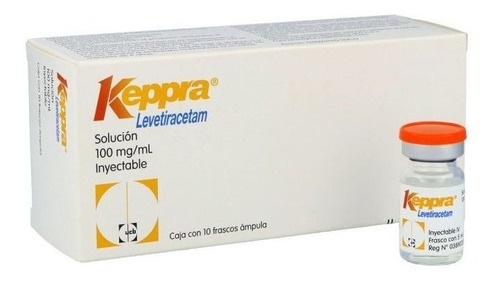
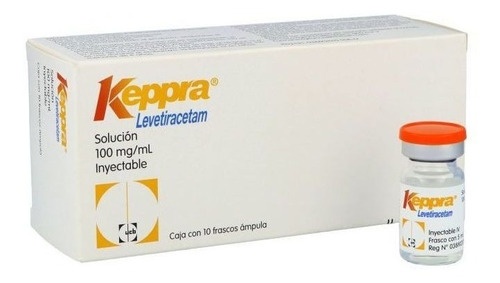
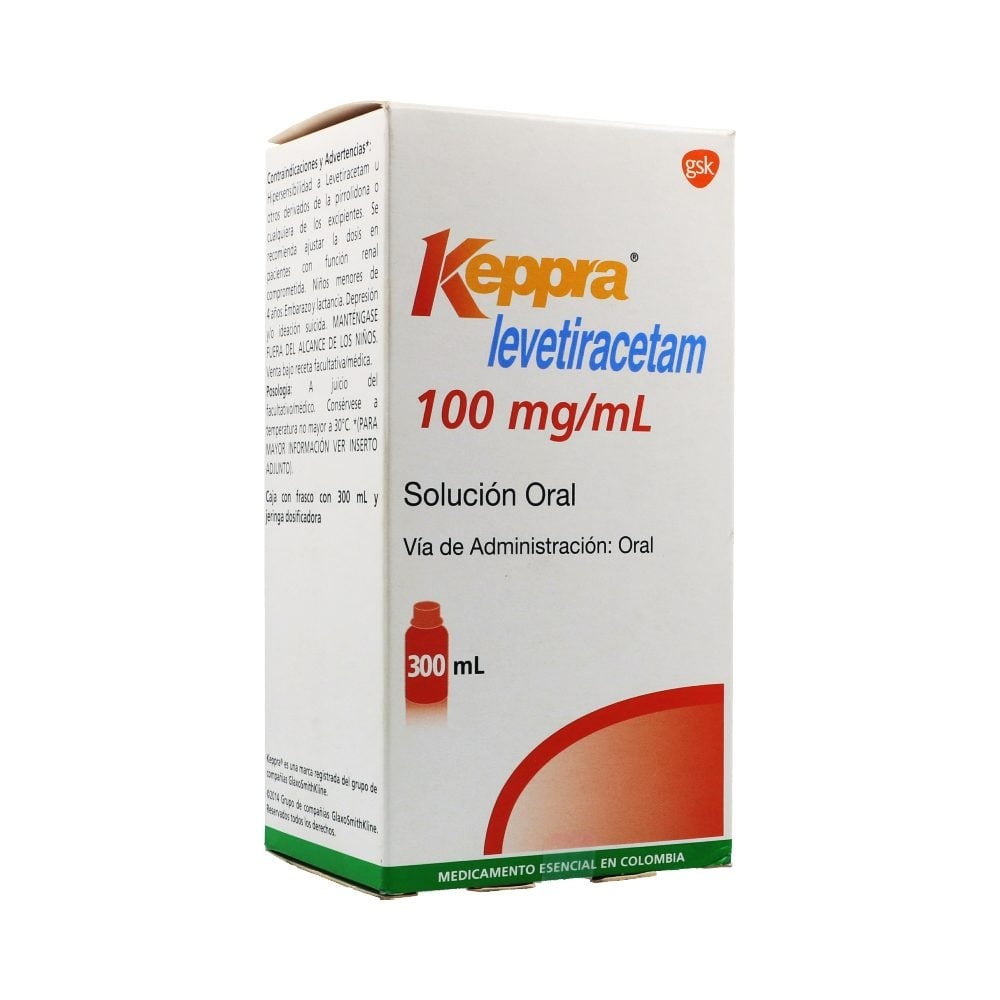
- Alternatives to LEVETIRACETAM AUROVITAS 250 mg FILM-COATED TABLETSDosage form: INJECTABLE PERFUSION, 100 mgActive substance: levetiracetamManufacturer: Ucb PharmaPrescription requiredDosage form: INJECTABLE PERFUSION, 100 mg/mlActive substance: levetiracetamManufacturer: Ucb PharmaPrescription requiredDosage form: ORAL SOLUTION/SUSPENSION, 100 mgActive substance: levetiracetamManufacturer: Ucb PharmaPrescription required
Online doctors for LEVETIRACETAM AUROVITAS 250 mg FILM-COATED TABLETS
Discuss questions about LEVETIRACETAM AUROVITAS 250 mg FILM-COATED TABLETS, including use, safety considerations and prescription review, subject to medical assessment and local regulations.

 Book a video appointment
  Book a video appointment
Get LEVETIRACETAM AUROVITAS 250 mg FILM-COATED TABLETS Prescription Online
Fill in a 2-min form
Tell us your symptoms, history, and what medicine you're requesting.
Pick a doctor or let us assign
Choose a specialist or we'll match you with the next available doctor.
Doctor reviews your case
Usually within 30 minutes. They may ask follow-up questions via chat.
Collect from any pharmacy
Electronic prescription sent to your email — valid across Spain.
Frequently Asked Questions
Is a prescription required for LEVETIRACETAM AUROVITAS 250 mg FILM-COATED TABLETS?
LEVETIRACETAM AUROVITAS 250 mg FILM-COATED TABLETS requires a prescription in Spain. You can check with a doctor online whether this medicine may be appropriate for your situation.
What is the active substance in LEVETIRACETAM AUROVITAS 250 mg FILM-COATED TABLETS?
The active ingredient in LEVETIRACETAM AUROVITAS 250 mg FILM-COATED TABLETS is levetiracetam. This information helps identify medicines with the same composition but different brand names.
How much does LEVETIRACETAM AUROVITAS 250 mg FILM-COATED TABLETS cost in pharmacies?
The average pharmacy price for LEVETIRACETAM AUROVITAS 250 mg FILM-COATED TABLETS is around 27.27 EUR. Prices may vary depending on the manufacturer and dosage form.
Who manufactures LEVETIRACETAM AUROVITAS 250 mg FILM-COATED TABLETS?
LEVETIRACETAM AUROVITAS 250 mg FILM-COATED TABLETS is manufactured by Aurovitas Spain, S.A.U.. Pharmacy brands and packaging may differ depending on the distributor.
Which doctors can assess the use of LEVETIRACETAM AUROVITAS 250 mg FILM-COATED TABLETS online?
Doctors such as Family doctors, Psychiatrists, Dermatologists, Cardiologists, Endocrinologists, Gastroenterologists, Pulmonologists, Nephrologists, Rheumatologists, Hematologists, Infectious disease physicians, Allergists, Geriatricians, Paediatricians, Oncologists may assess whether LEVETIRACETAM AUROVITAS 250 mg FILM-COATED TABLETS is appropriate, depending on your situation and local regulations. You can book an online consultation to discuss your symptoms and possible next steps.
How to buy LEVETIRACETAM AUROVITAS 250 mg FILM-COATED TABLETS in Spain?
Spain has a well-developed healthcare infrastructure across major cities such as Madrid, Barcelona, Valencia, and Seville. Pharmacies are widely available and operate under strict regulations, ensuring access to prescribed medications.
You can buy LEVETIRACETAM AUROVITAS 250 mg FILM-COATED TABLETS in Madrid, Barcelona, Seville, or Valencia at any local pharmacy with a valid prescription.
To obtain a prescription, you can use Oladoctor:
What are the alternatives to LEVETIRACETAM AUROVITAS 250 mg FILM-COATED TABLETS?
Other medicines with the same active substance (levetiracetam) include KEPPRA 100 mg/ml CONCENTRATE FOR INFUSION SOLUTION, KEPPRA 100 mg/ml CONCENTRATE FOR INFUSION SOLUTION, KEPPRA 100 mg/ml ORAL SOLUTION. These may have different brand names or formulations but contain the same therapeutic ingredient. Always consult a doctor before switching or starting a new medicine.
