


LAMIVUDINE NORMON 300 mg FILM-COATED TABLETS
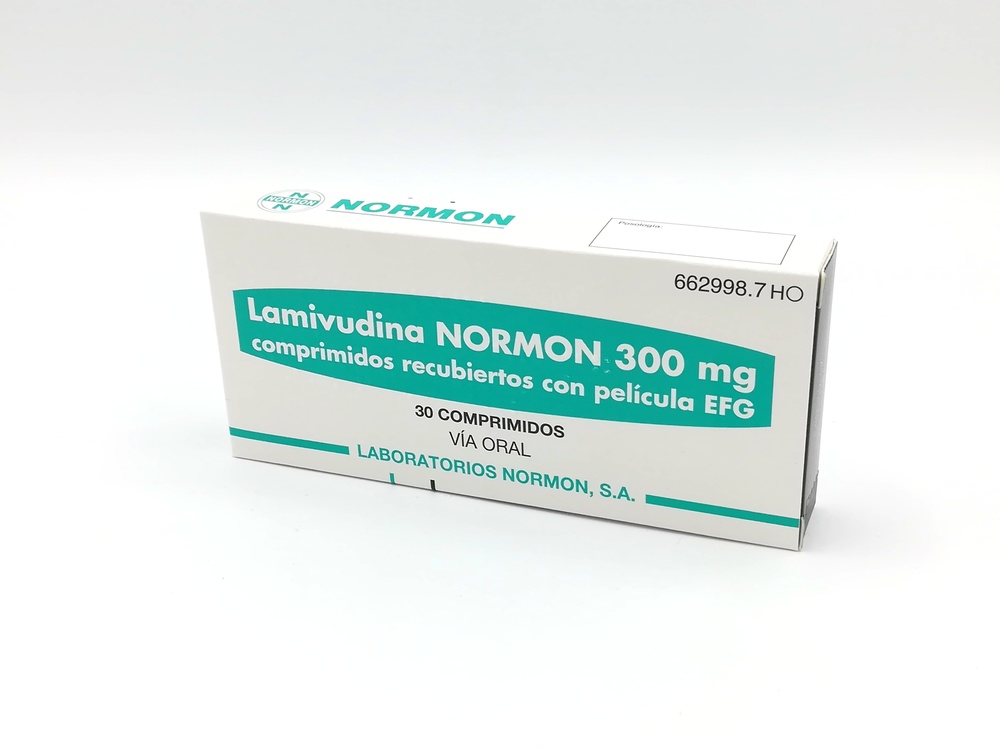



How to use LAMIVUDINE NORMON 300 mg FILM-COATED TABLETS
Translated with AI
This page provides general information and does not replace a doctor’s consultation. Always consult a doctor before taking any medication. Seek urgent medical care if symptoms are severe.
Show originalContents of the leaflet
Introduction
Package Leaflet: Information for the User
Lamivudine Normon 300 mg Film-Coated Tablets EFG
Lamivudine
Read all of this leaflet carefully before you start taking this medicine.
- Keep this leaflet, you may need to read it again.
- If you have any further questions, ask your doctor or pharmacist.
- This medicine has been prescribed for you, do not pass it on to others. It may harm them, even if their symptoms are the same as yours.
- If you experience any side effects, talk to your doctor or pharmacist. This includes any possible side effects not listed in this leaflet.
Contents of the Package Leaflet
- What is Lamivudine Normon 300 mg Tablets and what is it used for
- What you need to know before you take Lamivudine Normon 300 mg Tablets
- How to take Lamivudine Normon 300 mg Tablets
- Possible side effects
- Storage of Lamivudine Normon 300 mg Tablets
- Package Contents and Further Information
1. What is Lamivudine Normon 300 mg Tablets and what is it used for
Lamivudine belongs to a group of antiviral medicines called nucleoside analogue reverse transcriptase inhibitors (NRTIs), which are used to treat HIV infection.
Lamivudine Normon 300 mg is used in combination antiretroviral therapy for the treatment of HIV infection in adults and children. Lamivudine Normon reduces the amount of HIV in your body, keeping it at low levels. It also increases the number of CD4 cells in your blood. CD4 cells are a type of white blood cell that plays an important role in maintaining a healthy immune system to help fight infection. The response to treatment with Lamivudine Normon 300 mg varies between patients. Your doctor will monitor the effectiveness of your treatment.

2. What you need to know before you take Lamivudine Normon 300 mg Tablets
- Do not take Lamivudine Normon 300 mg Tablets:
- If you are allergic to lamivudine or any of the other ingredients of Lamivudine Normon Tablets.
If you are not sure, please ask your doctor.
- Take special care with Lamivudine Normon 300 mg Tablets:
Talk to your doctor about taking Lamivudine Normon if you have kidney disease. You may need to take a lower dose of Lamivudine Normon.
The class of medicines to which lamivudine belongs (NRTIs) can cause a condition called lactic acidosis (build-up of lactic acid in the body), as well as an increase in the size of the liver. Lactic acidosis, if it occurs, usually develops after a few months of treatment. Rapid breathing, deep and fast, drowsiness and non-specific symptoms such as nausea, vomiting and stomach pain may indicate the development of lactic acidosis. This rare but serious side effect has been fatal in some cases. Lactic acidosis occurs more often in women, particularly if they are overweight. If you have liver disease, you may also have a higher risk of developing this condition. While you are being treated with Lamivudine Normon, your doctor will regularly check for any signs that you may be developing lactic acidosis.
Redistribution, accumulation or loss of body fat may occur in patients receiving combination antiretroviral therapy. Contact your doctor if you notice changes in body fat.
In some patients with advanced HIV infection (AIDS) and a history of opportunistic infections, signs and symptoms of inflammation from previous infections may occur soon after anti-HIV treatment is started. It is believed that these symptoms are due to an improvement in the body's immune response, enabling it to fight infections that have been present without causing symptoms. If you notice any symptoms of infection, please inform your doctor immediately.
Please talk to your doctor if you have a history of liver disease. Patients with chronic hepatitis B or C and treated with antiretroviral agents have a higher risk of severe and potentially fatal liver reactions and may require blood tests to monitor liver function.
If you have chronic hepatitis B, you should not stop taking Lamivudine Normon without your doctor's advice, as you may experience a recurrence of hepatitis. This recurrence can be more severe if you have severe liver disease.
You will need to take Lamivudine Normon every day. This medicine helps control your condition, but it does not cure HIV infection. You may still develop other infections and illnesses associated with HIV. You must keep regular contact with your doctor. Do not stop taking the medicine without talking to your doctor first.
Treatment with Lamivudine Normon has not been shown to reduce the risk of transmitting HIV to others through sexual contact or blood transfusion. You must continue to take precautions to avoid this.
Bone problems: some patients taking combination antiretroviral therapy may develop a bone disease called osteonecrosis (death of bone tissue due to loss of blood supply to the bone). Among the many risk factors for developing this disease are the duration of combination antiretroviral therapy, the use of corticosteroids, alcohol consumption, severe immunosuppression, and high body mass index. Symptoms of osteonecrosis are: stiffness in the joints, pain and discomfort especially in the hips, knees, and shoulders, and difficulty moving. If you notice any of these symptoms, inform your doctor.
- Use of other medicines:
Tell your doctor or pharmacist if you are taking or have recently taken any other medicines, including those obtained without a prescription. These may affect the action of Lamivudine Normon, or Lamivudine Normon may affect their action.
Lamivudine Normon should not be taken with zalcitabine, high doses of cotrimoxazole, or with ganciclovir or foscarnet infusions.
- Pregnancy and breastfeeding:
Consult your doctor or pharmacist before taking any medicine. If you become pregnant or plan to become pregnant, you should contact your doctor to discuss the potential adverse effects and the benefits and risks of your antiretroviral therapy for you and your child. Lamivudine Normon is not recommended during the first three months of pregnancy.
If you have taken Lamivudine Normon during your pregnancy, your doctor may require regular visits to monitor the development of your child. These visits may include blood tests and other diagnostic tests.
In children whose mothers took nucleoside and nucleotide analogues during pregnancy, the benefit of reducing the likelihood of being infected with HIV is greater than the risk of suffering adverse effects.
Since lamivudine and the virus pass into breast milk, mothers taking Lamivudine Normon should not breastfeed their children. It is recommended that HIV-infected women do not breastfeed their children under any circumstances to avoid transmitting HIV.
- Lamivudine Normon contains sodium
This medicine contains less than 23 mg of sodium (1 mmol) per tablet; this is essentially "sodium-free".
3. How to take Lamivudine Normon
Follow exactly the instructions for taking Lamivudine Normon 300 mg given by your doctor. Ask your doctor or pharmacist if you have any doubts. Swallow the Lamivudine Normon 300 mg tablets with water or another drink. These tablets can be taken with or without food.
The usual daily dose of Lamivudine Normon in adults and adolescents over 12 years of age is 300 mg. This dose can be taken as 1 tablet of 150 mg twice a day, approximately every 12 hours, or as 300 mg once a day (2 tablets of 150 mg or 1 tablet of 300 mg).
For children under 12 years of age and weighing less than 30 kg: this formulation is not suitable for achieving the optimal dose.
If you have kidney problems, your dose may be adjusted. Follow your doctor's instructions.
- If you take more Lamivudine Normon than you should,it is unlikely that accidentally taking too much Lamivudine Normon will cause serious problems. However, you should inform your doctor or pharmacist, or go to the emergency department of the nearest hospital for advice.
If you have taken more Lamivudine Normon than you should, consult your doctor, pharmacist, or call the Toxicology Information Service, telephone 91 562 04 20, indicating the medicine and the amount taken.
- If you forget to take Lamivudine Normon 300 mg Tablets:If you forget to take a dose of Lamivudine Normon, take it as soon as you remember and then continue as before. Do not take a double dose to make up for forgotten doses.
If you have any other questions about the use of this product, ask your doctor or pharmacist.

4. Possible side effects
Like all medicines, Lamivudine Normon 300 mg can cause side effects, although not everybody gets them. When treating HIV infection, it is not always possible to say whether a side effect is caused by Lamivudine Normon, by other medicines you are taking at the same time, or by the HIV disease itself. For this reason, it is very important that you inform your doctor about any change in your health.
The most frequently reported side effects (more than 1 in every 100 patients treated) are nausea, vomiting, stomach pain, diarrhea, headache, joint pain, muscle problems, cough, nasal symptoms (irritation, runny nose), fever, fatigue, general feeling of being unwell, skin rash, hair loss, and difficulty sleeping.
The following side effects are not common (between 1 in every 1,000 and 1 in every 100 patients treated): anemia (low red blood cell count), neutropenia (low white blood cell count), and reductions in the number of platelets (blood cells important for blood clotting). If the number of red blood cells is reduced, you may experience symptoms of fatigue or difficulty breathing. A reduction in the white blood cell count can make you more prone to infection. If you have a low platelet count, you may notice that you bruise more easily. Increases in some liver enzymes have also been observed in blood samples from patients treated with lamivudine.
Rarely, the following side effects have been reported (between 1 in every 10,000 and 1 in every 1,000 patients treated): liver inflammation (hepatitis), pancreas inflammation (pancreatitis), muscle tissue rupture.
Very rarely, the following side effects have been reported (less than 1 in every 10,000 patients treated): numbness, tingling, or weakness in the limbs, severe anemia, and severe neutropenia.
In rare cases, a condition called lactic acidosis has been reported, which is an increase in the production of lactic acid in the body, which can cause dehydration and coma in patients taking NRTIs (for more information, see the section Take special care with Lamivudine Normon 300 mg Tablets).
Combination antiretroviral therapy may cause changes in body shape due to changes in fat distribution. These may include loss of fat from the legs, arms, and face, an increase in fat in the abdomen (belly) and other internal organs, breast enlargement, and accumulation of fat on the back of the neck ("buffalo hump"). At present, the cause and long-term effects on health of these events are not known.
Treatment with a combination of antiretrovirals can also cause an increase in lactic acid and sugar in the blood, hyperlipemia (increase in fat in the blood), and insulin resistance.
If you experience any side effects, talk to your doctor or pharmacist. This includes any possible side effects not listed in this leaflet.
5. Storage of Lamivudine Normon 300 mg Tablets
Keep out of the sight and reach of children.
Do not store above 25°C.
Expiry date:Do not use Lamivudine Normon after the expiry date stated on the packaging after "EXP". The expiry date is the last day of the month indicated.
Medicines should not be disposed of via wastewater or household waste. Return any unused medicine to a pharmacy for safe disposal. This will help protect the environment.
6. Package Contents and Further Information
Composition of Lamivudine Normon 300 mg Tablets:
The active substance is lamivudine. Each tablet contains 300 mg of lamivudine.
The other ingredients (excipients) are: microcrystalline cellulose, sodium starch glycolate (from potato), magnesium stearate, titanium dioxide (E-171), hypromellose, macrogol 6000, red iron oxide (E-172), and black iron oxide (E-172).
Appearance and package contents:
Lamivudine Normon 300 mg is presented in the form of film-coated tablets. The tablets are gray, elongated, and biconvex. Each package contains 30 tablets.
Marketing authorization holder and manufacturer:
LABORATORIOS NORMON, S.A.
Ronda de Valdecarrizo, 6 – 28760 Tres Cantos – Madrid (Spain)
OTHER PRESENTATIONS
Lamivudine Normon 150 mg film-coated tablets EFG
This leaflet was approved in May 2009
- Country of registration
- Dosage formTABLET, 300 mg
- ATC codeJ05AF05
- Active substance
- Prescription requiredYes
- Manufacturer
- This information is for reference only and does not constitute medical advice. Always consult a doctor before taking any medication. Oladoctor is not responsible for medical decisions based on this content.
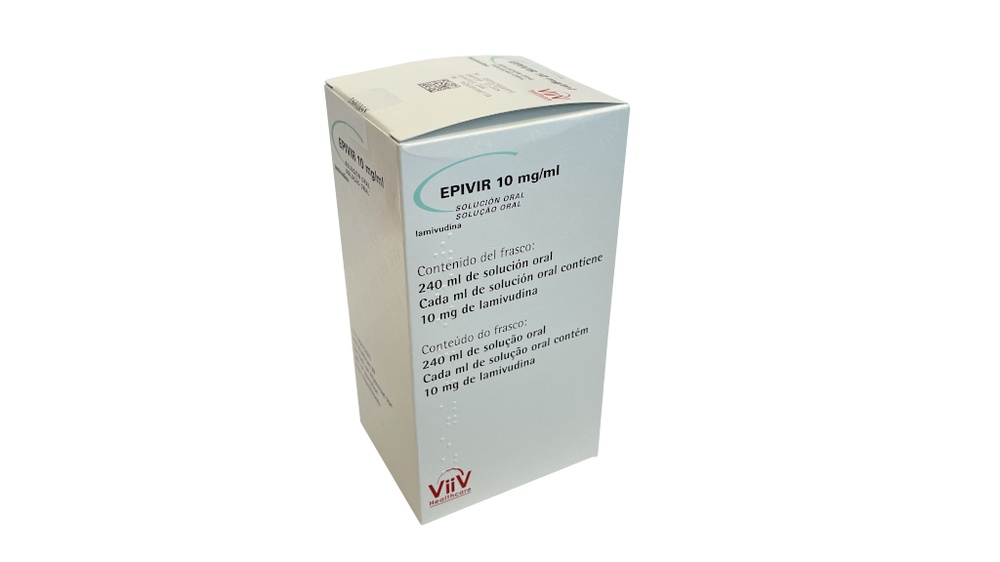
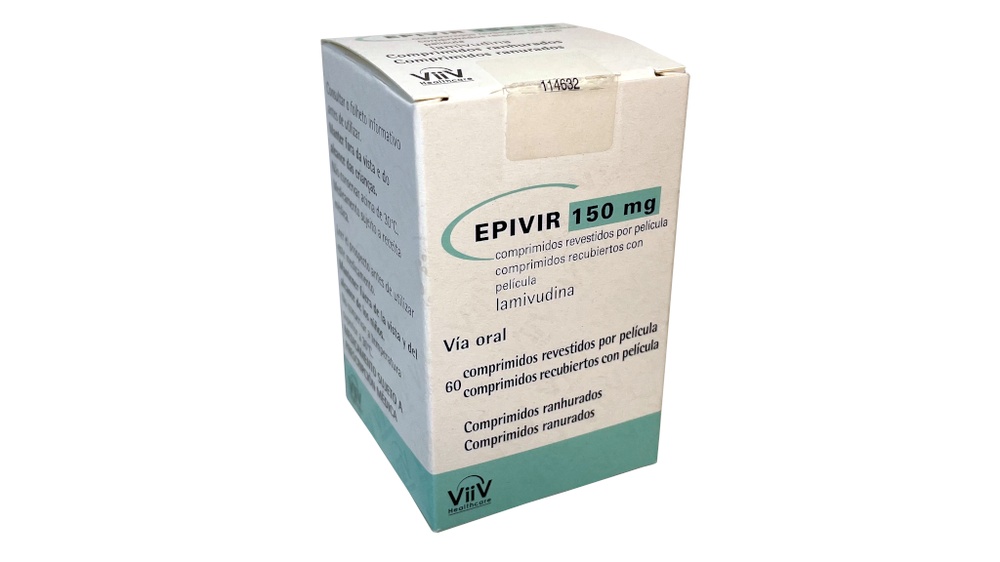
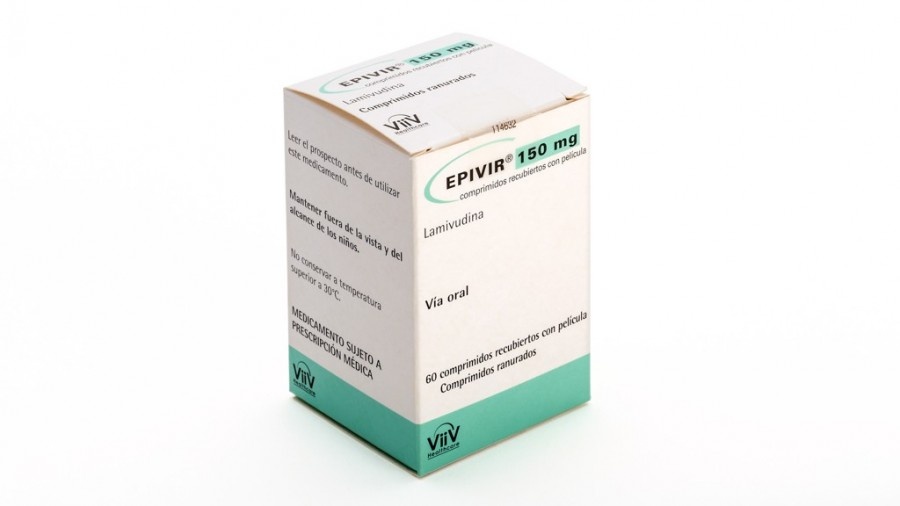
- Alternatives to LAMIVUDINE NORMON 300 mg FILM-COATED TABLETSDosage form: ORAL SOLUTION/SUSPENSION, 10 mgActive substance: lamivudineManufacturer: Viiv Healthcare B.V.Prescription requiredDosage form: TABLET, 150 mgActive substance: lamivudineManufacturer: Viiv Healthcare B.V.Prescription requiredDosage form: TABLET, 150 mgActive substance: lamivudineManufacturer: Viiv Healthcare B.V.Prescription required
Online doctors for LAMIVUDINE NORMON 300 mg FILM-COATED TABLETS
Discuss questions about LAMIVUDINE NORMON 300 mg FILM-COATED TABLETS, including use, safety considerations and prescription review, subject to medical assessment and local regulations.







.jpg)



Frequently Asked Questions
