







How to use HUMULINA NPH 100 IU/ML INJECTABLE SUSPENSION IN VIAL
Translated with AI
This page provides general information and does not replace a doctor’s consultation. Always consult a doctor before taking any medication. Seek urgent medical care if symptoms are severe.
Show originalContents of the leaflet
Introduction
Package Leaflet: Information for the User
HUMULINA NPH 100UI/ml injectable suspension in vial
(Human insulin)
Read all of this leaflet carefully before you start using this medicine because it contains important information for you.
- Keep this leaflet, you may need to read it again.
- If you have any further questions, ask your doctor, pharmacist, or nurse.
- This medicine has been prescribed for you only. Do not pass it on to others. It may harm them, even if their signs of illness are the same as yours.
- If you get any side effects, talk to your doctor, pharmacist, or nurse. This includes any possible side effects not listed in this leaflet. See section 4.
Contents of the pack
- What Humulina NPH is and what it is used for
- What you need to know before you use Humulina NPH
- How to use Humulina NPH
- Possible side effects
- Storing Humulina NPH
- Contents of the pack and other information
1. What Humulina NPH is and what it is used for
Humulina NPH contains the active substance human insulin, which is used to treat diabetes. You have diabetes if your pancreas does not produce enough insulin to control your blood sugar level. Humulina NPH is used for long-term blood sugar control. Its action is prolonged by the inclusion of protamine sulfate in the suspension.
Your doctor may tell you to use Humulina NPH with a fast-acting insulin. Each insulin has its own package leaflet that will tell you about it. Do not change your insulin unless your doctor tells you to. Be careful if you change your insulin. Each type of insulin has a different color and symbol on the packaging and on the vial so that you can easily tell them apart.

2. What you need to know before you use Humulina NPH
Do not useHumulina NPH:
- If you think you are starting to have hypoglycemia (low blood sugar).Later in this leaflet, you will be told how to treat mild hypoglycemia (see section 4, subsection A).
- If you are allergic to human insulin or any of the other ingredients of this medicine (listed in section 6).
Warnings and precautions
Consult your doctor, pharmacist, or nurse before starting Humulina NPH.
- If your blood sugar levels are well controlled with the insulin you are currently using, you may not feel the warning symptoms when your blood sugar level drops too low. The warning signs are listed later in this leaflet. You should think carefully about when to take your meals, how often to exercise, and how intensely. You should also check your blood sugar levels very carefully by doing frequent blood sugar tests.
- Some people who have had hypoglycemia (low blood sugar) after switching from animal insulin to human insulin have reported that the early warning symptoms were less obvious or different. If you frequently have hypoglycemia or have difficulty recognizing the symptoms, consult your doctor.
- If your answer to any of the following questions is YES, tell your doctor, pharmacist, or nurse.
- Have you been ill recently?
- Do you have kidney or liver problems?
- Are you doing more exercise than usual?
- If you drink alcohol, the amount of insulin you need may also change.
- You should also tell your doctor, pharmacist, or nurse if you plan to travel abroad. The time difference between countries may mean that your injections and meals need to be taken at different times than when you are at home.
- Some patients with type 2 diabetes who have had the disease for a long time and have heart problems or have had a previous stroke, treated with pioglitazone and insulin, have experienced the development of heart failure. Tell your doctor as soon as possible if you have signs of heart failure, such as unusual shortness of breath or rapid weight gain or localized swelling (edema).
- Changes in the skin at the injection site:
- You should rotate the injection site to avoid changes in the skin, such as lumps under the skin. Insulin may not work very well if it is injected into a lumpy area (see How to use Humulina NPH). Contact your doctor if you are currently injecting into a lumpy area, before starting to inject into a different area. Your doctor may tell you to check your blood sugar levels more closely and adjust your insulin or the dose of your other diabetes medications.
Using Humulina NPH with other medicines
Tell your doctor or pharmacist if you are taking, have recently taken, or might take any other medicines.
Your insulin needs may change if you are taking any of the following:
- Steroids,
- thyroid hormone replacement therapy,
- oral hypoglycemics (diabetes medication),
- acetylsalicylic acid (aspirin),
- growth hormone,
- octreotide, lanreotide,
- beta-2 stimulants (e.g., ritodrine, salbutamol, or terbutaline),
- beta-blockers,
- thiazides or certain antidepressants (monoamine oxidase inhibitors),
- danazol,
- certain angiotensin-converting enzyme inhibitors (e.g., captopril, enalapril) or angiotensin II receptor blockers.
Pregnancy, breastfeeding, and fertility
The amount of insulin you need usually decreases during the first three months of pregnancy and increases during the remaining six months. If you are breastfeeding, you may need to adjust your insulin dose or diet.
If you are pregnant or breastfeeding, think you may be pregnant, or are planning to have a baby, ask your doctor or pharmacist for advice before using this medicine.
Driving and using machines
Your ability to concentrate and react may be reduced if you are experiencing hypoglycemia (low blood sugar). Please keep this in mind in all situations where it may be a risk for you or others (e.g., driving a car or operating machinery). You should consult your doctor or nurse about the convenience of driving if you:
- have frequent episodes of hypoglycemia,
- have difficulty perceiving the symptoms of hypoglycemia or do not perceive them.
Humulina NPH contains sodium
This medicine contains less than 1 mmol of sodium (23 mg) per dose; it is essentially "sodium-free".
3. How to use Humulina NPH
Always check the name and type of insulin on the packaging and on the vial label when you get it from the pharmacy. Make sure you get theHumulinathat your doctor has told you to use.
Follow the instructions for administering this medicine exactly as indicated by your doctor or pharmacist. If in doubt, consult your doctor or pharmacist again.
Dose
- Humulina NPH is usually injected as your basal insulin. Your doctor has told you which insulin to use, how much, when, and how often to inject it. These instructions are only for you. Follow them exactly and attend your diabetes clinic regularly.
- If you change the type of insulin (e.g., from animal to human), you may need to use more or less than before. This may be only for the first injection or may be a gradual change over several weeks or months.
- Inject Humulina NPH under the skin. It should not be administered by any other route. Under no circumstances should Humulina NPH be injected into a vein.
Preparing Humulina NPH
- Vials containing Humulina NPH should be moved several times between the palms of the hands before use, in order to resuspend the insulin until it appears uniformly cloudy or milky. Do notshake vigorously to avoid creating foam, as this can interfere with the correct measurement of the dose. The vials should be examined frequently and should not be used if there are accumulations of material or white solid particles attached to the bottom or walls of the vial, giving it a frosty appearance. Check it every time you inject.
InjectingHumulina NPH
- First, wash your hands.
- Before injecting, clean the skin well as you have been instructed. Clean the rubber stopper of the vial, but do not remove it.
- Use a new and sterile syringe and needle to prick the rubber stopper and load the amount of Humulina NPH you need. Your doctor or nurse will tell you how to do it. Do not share your needles or syringes.
- Inject under the skin, as you have been taught. Do notinject directly into a vein. After the injection, keep the needle in the skin for 5 seconds to make sure you have administered the entire dose. Do not rub the area where you just injected. Make sure you inject at least 1 centimeter away from where you last injected and "alternate" the injection sites as you have been taught.
- Your doctor will tell you if you need to mix Humulina Regular with Humulina NPH. If, for example, you need to inject a mixture, load the syringe with Humulina Regular before doing so with the long-acting insulin. Inject the liquid as soon as you have mixed it. Repeat the same thing every time you need to inject a mixture. Normally, you should not mix Humulina NPH with a mixture of human insulins. Never mix Humulina NPH with insulins produced by other manufacturers or with animal insulins.
- Humulina NPH should not be injected into a vein. Inject Humulina NPH as your doctor or nurse has taught you.
If you use moreHumulina NPHthan you should
If you use more Humulina NPH than you should, your blood sugar level may drop. Check your blood sugar level (see section 4, subsection A).
In case of overdose or accidental ingestion, consult the Toxicology Information Service. Telephone 91 562 04 20.
If you forget to useHumulina NPH
If you use less Humulina NPH than you should, your blood sugar levels may rise. Check your blood sugar level. Do not inject a double dose to make up for forgotten doses.
If you stop usingHumulina NPH
If you use less Humulina NPH than you should, your blood sugar levels may become too high. Do not change your insulin unless your doctor tells you to.
If you have any further questions on the use of this product, ask your doctor, pharmacist, or nurse.

4. Possible side effects
Like all medicines, this medicine can cause side effects, although not everybody gets them.
Human insulin can cause hypoglycemia (low blood sugar). See more information about hypoglycemia below in the subsection "Common diabetes problems".
Possible side effects
Systemic allergy:it is very rare (affects less than 1 in 10,000 patients treated). The symptoms are:
|
|
|
|
|
|
If you think you have this type of allergy to insulin with Humulina NPH, inform your doctor immediately.
Local allergy:it is common (affects less than 1 in 10 patients treated). In some patients, the injection site becomes red, swollen, or itchy. These symptoms usually disappear in a few days or weeks. If this happens to you, consult your doctor.
Changes in the skin at the injection site:
If you inject insulin too frequently in the same place, the fatty tissue can shrink (lipoatrophy) or become thicker (lipohypertrophy) (can affect up to 1 in 100 people). Lumps under the skin can also occur due to the accumulation of a protein called amyloid (cutaneous amyloidosis; the frequency of this is unknown). Insulin may not work very well if it is injected into a lumpy area. Change the injection site to help avoid these skin changes.
Edema (e.g., swelling of the arms, ankles, fluid retention) has been reported, especially at the start of insulin treatment or during a change in treatment to improve blood sugar control.
Common diabetes problems
- Hypoglycemia
Hypoglycemia (low blood sugar) means that there is not enough sugar in the blood. This can happen if:
- you use too much Humulina NPH or other insulin;
- you skip or delay meals or change your diet;
- you exercise or work too hard just before or after a meal;
- you have an infection or illness (especially diarrhea or vomiting);
- you have a change in your need for insulin; or
- you have liver or kidney problems that get worse.
Alcohol and some other medicines can affect your blood sugar levels.
The first symptoms of low blood sugar usually appear quickly and include:
|
|
|
|
|
|
Until you are sure you can recognize the warning symptoms, avoid situations such as driving a car, as hypoglycemia can pose a risk to you or others.
Do not use Humulina NPH if you think you are starting to have hypoglycemia (low blood sugar).
If your blood sugar level is low, take glucose tablets, sugar, or drink a sugary drink. Then take some fruit, biscuits, or a snack as your doctor has told you and rest. This will probably make you recover from mild hypoglycemia or a small overdose of insulin. If you get worse and your breathing becomes shallow and your skin turns pale, inform your doctor immediately. An injection of glucagon can treat severe hypoglycemia. Take glucose or sugar after the glucagon injection. If you do not respond to glucagon, go to the hospital. Ask your doctor for information about glucagon.
- Hyperglycemia and diabetic ketoacidosis.
Hyperglycemia (high blood sugar) means that your body does not have enough insulin.
Hyperglycemia can be caused by:
- not taking your Humulina NPH or other insulin;
- taking less insulin than prescribed by your doctor;
- eating much more than your diet allows; or
- having a fever, infection, or emotional stress.
Hyperglycemia can lead to diabetic ketoacidosis. The first symptoms start slowly over several hours or days. The symptoms include:
|
|
|
|
|
|
Severe symptoms are heavy breathing and rapid pulse. Get medical help immediately.
If hypoglycemia (low blood sugar) or hyperglycemia (high blood sugar) are not treated, they can be very serious and cause headaches, nausea, vomiting, dehydration, loss of consciousness, coma, or even death.
Three simple stepsto avoid hypoglycemia or hyperglycemia are:
- Always carry spare syringes and a vial of Humulina NPH.
- Always carry something that identifies you as a diabetic patient.
- Always carry sugar with you.
- Illness
If you are ill, especially when you have nausea or vomiting, you may need to adjust the amount of insulin you use. You need to continue with insulin even when you are not eating as you normally do. Do urine or blood tests, follow the rules that you have been told to follow in these cases, and inform your doctor or nurse.
Reporting of side effects
If you experience any side effects, talk to your doctor, pharmacist, or nurse. This includes any possible side effects not listed in this leaflet. You can also report side effects directly through the Spanish Pharmacovigilance System for Human Use Medicines: www.notificaRAM.es. By reporting side effects, you can help provide more information on the safety of this medicine.
5. Storing Humulina NPH
Keep this medicine out of the sight and reach of children.
Before the first use, store your Humulina NPH in the refrigerator (between 2°C and 8°C). Do not freeze.
You can keep your "in-use" vial at room temperature (below 30°C) for up to 28 days. Do not leave it near a heat source or in the sun.
Do not use this medicine after the expiration date that appears on the packaging and on the label. The expiration date is the last day of the month indicated.
Do not use this medicine if you notice that there are accumulations of material or white solid particles attached to the bottom or walls of the vial, giving it a frosty appearance. Check it every time you inject.
Medicines should not be disposed of via wastewater or household waste. Deposit the packaging and medicines you no longer need at the SIGRE point in the pharmacy. Ask your pharmacist how to dispose of the packaging and medicines you no longer need. This will help protect the environment.
6. Container Content and Additional Information
Composition ofHumulina NPH
- The active ingredientis human insulin. Human insulin is obtained in the laboratory by "recombinant DNA technology" and has the same structure as the natural hormone produced by the pancreas. Therefore, it is different from animal insulins. The human insulin in Humulina NPH is presented in the form of a suspension along with protamine sulfate.
- The other componentsare protamine sulfate, metacresol, phenol, glycerol, disodium phosphate 7H2O, zinc oxide, and water for injectable preparations. During manufacturing, sodium hydroxide and/or hydrochloric acid may have been used to adjust the acidity.
Appearance of the Product and Container Content of Humulina NPH
Humulina NPH 100 IU/ml injectable suspension is a white and sterile suspension, containing 100 units of human insulin in each milliliter (100 IU/ml). Each vial contains 1,000 units (10 milliliters).
Humulina NPH 100 IU/ml is presented in a container of 1 vial or 2 vials or in multiple containers of 5 (5 x 1) vials.
Only some package sizes may be marketed.
Marketing Authorization Holder and Manufacturer
Marketing Authorization Holder:Lilly S.A., Avda. de la Industria, nº 30. 28108 Alcobendas, Madrid. Spain.
Manufacturer:
- Lilly S.A., Avda. de la Industria nº 30. 28108 Alcobendas, Madrid. Spain.
- Lilly France S.A.S., Rue du Colonel Lilly, 67640 Fegersheim, France.
This medicinal product is authorized in the Member States of the European Economic Area under the following names:
Huminsulin “Lilly” Basal (Austria)
Humuline NPH (Belgium, Luxembourg)
Humulin N (Czech Republic)
Huminsulin Basal (NPH) 100 (Germany)
Humulin NPH (Denmark, Greece, Sweden)
Humulina NPH (Spain)
Humulin I (Ireland, Italy, United Kingdom)
Umuline NPH (France)
Date of the Last Revision of this Leaflet: August 2020.
Detailed and updated information on this medicinal product is available on the website of the Spanish Agency for Medicines and Health Products (AEMPS) http://www.aemps.gob.es/
- Country of registration
- Dosage formINJECTABLE, 100 IU/ml
- ATC codeA10AC01
- Active substance
- Prescription requiredYes
- Manufacturer
- This information is for reference only and does not constitute medical advice. Always consult a doctor before taking any medication. Oladoctor is not responsible for medical decisions based on this content.
- Alternatives to HUMULINA NPH 100 IU/ML INJECTABLE SUSPENSION IN VIALDosage form: INJECTABLE, 100 IU/mlActive substance: insulin (human)Manufacturer: Lilly S.A.Prescription requiredDosage form: INJECTABLE, 100 IU/mlActive substance: insulin (human)Manufacturer: Novo Nordisk A/SPrescription requiredDosage form: INJECTABLE, 100 IU/mlActive substance: insulin (human)Manufacturer: Novo Nordisk A/SPrescription required
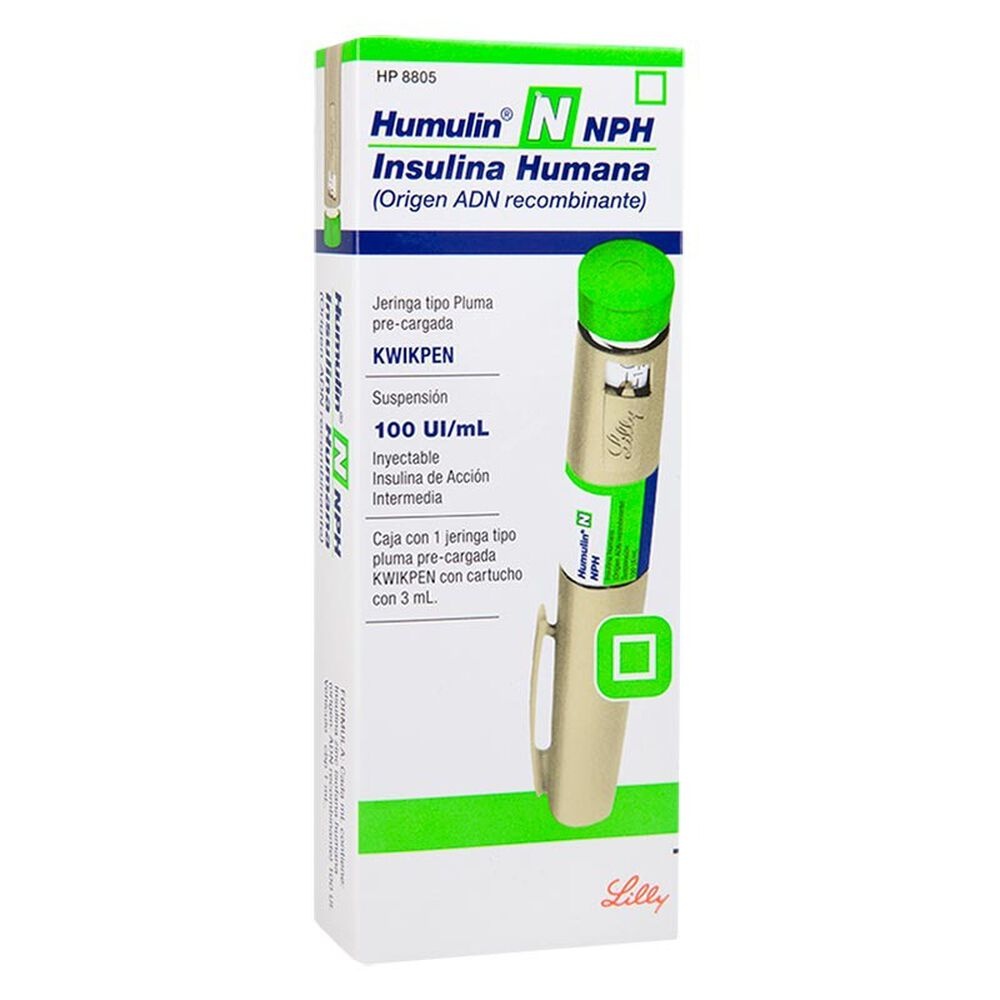
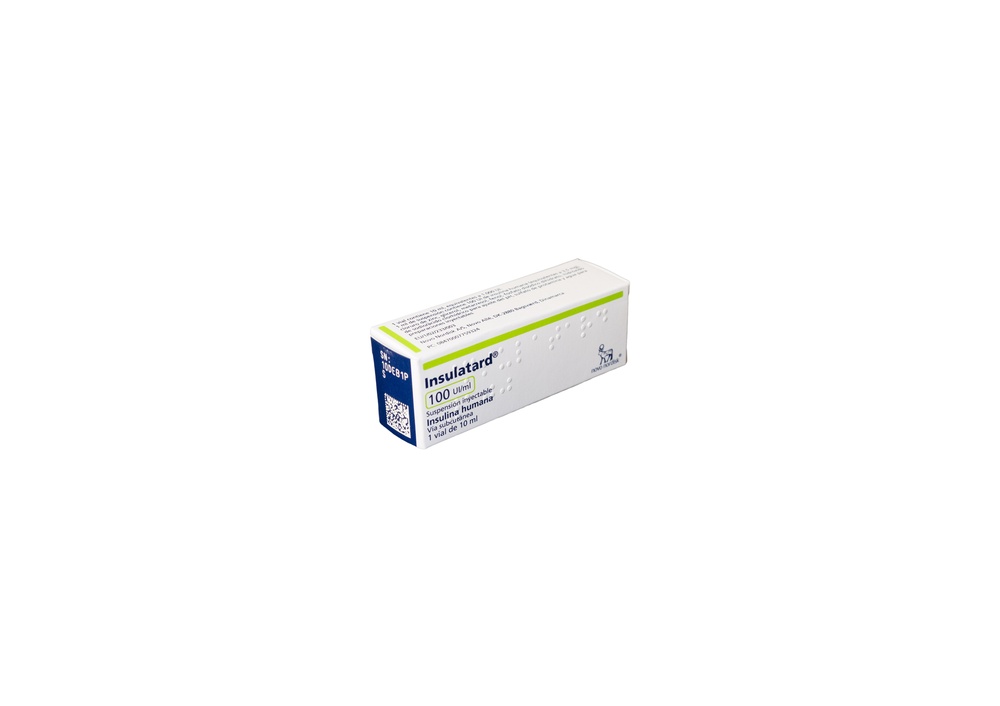
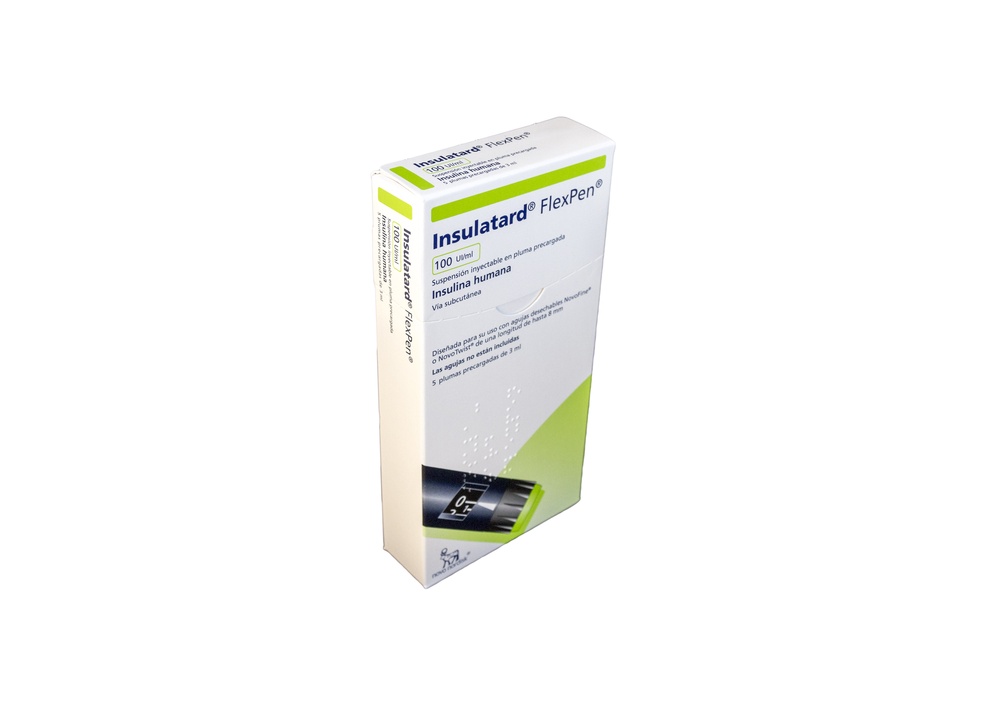
Online doctors for HUMULINA NPH 100 IU/ML INJECTABLE SUSPENSION IN VIAL
Discuss questions about HUMULINA NPH 100 IU/ML INJECTABLE SUSPENSION IN VIAL, including use, safety considerations and prescription review, subject to medical assessment and local regulations.





Get HUMULINA NPH 100 IU/ML INJECTABLE SUSPENSION IN VIAL Prescription Online
Fill in a 2-min form
Tell us your symptoms, history, and what medicine you're requesting.
Pick a doctor or let us assign
Choose a specialist or we'll match you with the next available doctor.
Doctor reviews your case
Usually within 30 minutes. They may ask follow-up questions via chat.
Collect from any pharmacy
Electronic prescription sent to your email — valid across Spain.
Frequently Asked Questions
HUMULINA NPH 100 IU/ML INJECTABLE SUSPENSION IN VIAL requires a prescription in Spain. You can check with a doctor online whether this medicine may be appropriate for your situation.
The active ingredient in HUMULINA NPH 100 IU/ML INJECTABLE SUSPENSION IN VIAL is insulin (human). This information helps identify medicines with the same composition but different brand names.
HUMULINA NPH 100 IU/ML INJECTABLE SUSPENSION IN VIAL is manufactured by Lilly S.A.. Pharmacy brands and packaging may differ depending on the distributor.
Doctors such as Family doctors, Psychiatrists, Dermatologists, Cardiologists, Endocrinologists, Gastroenterologists, Pulmonologists, Nephrologists, Rheumatologists, Hematologists, Infectious disease physicians, Allergists, Geriatricians, Paediatricians, Oncologists may assess whether HUMULINA NPH 100 IU/ML INJECTABLE SUSPENSION IN VIAL is appropriate, depending on your situation and local regulations. You can book an online consultation to discuss your symptoms and possible next steps.
Spain has a well-developed healthcare infrastructure across major cities such as Madrid, Barcelona, Valencia, and Seville. Pharmacies are widely available and operate under strict regulations, ensuring access to prescribed medications.
You can buy HUMULINA NPH 100 IU/ML INJECTABLE SUSPENSION IN VIAL in Madrid, Barcelona, Seville, or Valencia at any local pharmacy with a valid prescription.
To obtain a prescription, you can use Oladoctor:
Other medicines with the same active substance (insulin (human)) include HUMULINA NPH KWIKPEN 100 IU/ML INJECTABLE SUSPENSION, INSULATARD 100 IU/ml INJECTABLE SUSPENSION IN VIAL, INSULATARD FLEXPEN 100 IU/ml INJECTABLE SUSPENSION IN PRE-FILLED PEN. These may have different brand names or formulations but contain the same therapeutic ingredient. Always consult a doctor before switching or starting a new medicine.
