


HYDROXYCHLOROQUINE ARISTO 200 mg FILM-COATED TABLETS



How to use HYDROXYCHLOROQUINE ARISTO 200 mg FILM-COATED TABLETS
Translated with AI
This page provides general information and does not replace a doctor’s consultation. Always consult a doctor before taking any medication. Seek urgent medical care if symptoms are severe.
Show originalContents of the leaflet
Introduction
Package Leaflet: Information for the User
Hydroxychloroquine Aristo200 mg film-coated tablets EFG
Hydroxychloroquine sulfate
Read all of this leaflet carefully before you start taking this medicine because it contains important information for you.
- Keep this leaflet, you may need to read it again.
- If you have any further questions, ask your doctor or pharmacist.
- This medicine has been prescribed for you only. Do not pass it on to others. It may harm them, even if their signs of illness are the same as yours.
- If you get any side effects, talk to your doctor or pharmacist. This includes any possible side effects not listed in this leaflet. See section 4.
Contents of the pack:
- What is Hydroxychloroquine Aristo and what is it used for
- What you need to know before you take Hydroxychloroquine Aristo
- How to take Hydroxychloroquine Aristo
- Possible side effects
- Storing Hydroxychloroquine Aristo
- Contents of the pack and other information
1. What is Hydroxychloroquine Aristo and what is it used for
Each film-coated tablet of Hydroxychloroquine Aristo contains the active substance hydroxychloroquine sulfate.
Hydroxychloroquine Aristo is used in adults for:
- chronic rheumatoid arthritis (rheumatoid arthritis)
- certain connective tissue disorders (discoid and systemic lupus erythematosus)
- treatment of acute attacks of uncomplicated malaria and prophylaxis of malaria caused by Plasmodium vivax, P. falciparum, P.ovaleand P. malariae.
Hydroxychloroquine Aristo is used in children ≥ 6 years (≥ 35 kg) for:
- certain joint inflammations in children and adolescents (juvenile idiopathic arthritis)
- certain connective tissue disorders (discoid and systemic lupus erythematosus)
- treatment of acute attacks of uncomplicated malaria and prophylaxis of malaria caused by Plasmodium vivax, P. falciparum, P.ovaleand P. malariae.

2. What you need to know before you take Hydroxychloroquine Aristo
Do not takeHydroxychloroquine Aristoif:
- You are allergic to hydroxychloroquine, 4-aminoquinolines or any of the other ingredients (listed in section 6).
- You have pre-existing retinal disease (retinopathy), especially in the area of sharpest vision (maculopathy),
- You have pathological muscle weakness (myasthenia gravis);
- You are a child under 6 years (less than 35 kg).
Warnings and precautions
Talk to your doctor or pharmacist before you start taking Hydroxychloroquine Aristo
- if you have problems with your nervous system;
- if you have gastrointestinal or blood disorders;
- if you have a known condition called porphyria. Hydroxychloroquine may worsen this condition. Your blood will be tested regularly with long-term use.
- if you have a chronic inactive hepatitis B virus infection.
- if you have liver or kidney problems.
- if you have a genetic condition known as glucose-6-phosphate dehydrogenase deficiency.
- if you have a skin condition characterized by red, scaly patches on the skin that usually affect the knees, elbows, and scalp (psoriasis) (see section 4 “Possible side effects”). Your doctor will use this medicine with caution.
- if you are hypersensitive to quinine.
Before you start taking this medicine, your doctor will examine your eyes to determine if there are any abnormalities. This eye examination should be repeated with prolonged use of this medicine. If you experience problems while using this medicine (for example, if you notice a reduction in visual acuity, color quality, or a reduction in your field of vision), contact your doctor immediately. Concomitant use with medicines known to be harmful to the retina (such as tamoxifen) is not recommended.
Hydroxychloroquine may cause heart rhythm disorders in some patients. Caution should be exercised when using hydroxychloroquine
- if you were born with or have a family history of prolonged QT interval,
- if you have acquired a prolonged QT interval (observed on the ECG, heart's electrical record),
- if you have heart conditions or have a history of heart attack (myocardial infarction),
- if you have an electrolyte imbalance in the blood (especially low levels of potassium or magnesium),
- if you are taking medicines known to affect your heart rhythm (see section "Other medicines and
").
When using hydroxychloroquine, you should protect yourself from direct sunlight.
Severe cutaneous adverse reactions (SCARs)
During treatment with hydroxychloroquine, cases of severe cutaneous adverse reactions have been reported (see section 4 “Possible side effects”). Often, the rash can involve ulcers in the mouth, throat, nose, genitals, and conjunctivitis (red and swollen eyes). These severe skin rashes are usually preceded by symptoms similar to those of the flu, such as fever, headache, and body aches. The rash can progress to form generalized blisters and skin peeling. If you develop these skin symptoms, stop taking hydroxychloroquine and contact your doctor.
Hepatotoxicity
During the use of hydroxychloroquine, cases of severe drug-induced liver injury (DILI) have been reported, including hepatocellular injury, cholestatic liver injury, acute hepatitis, mixed hepatocellular/cholestatic liver injury, and fulminant liver failure (including fatal cases).
Risk factors may include pre-existing liver disease or predisposing conditions such as uroporphyrinogen decarboxylase deficiency or concomitant hepatotoxic medications.
If you experience symptoms that may indicate liver damage, your doctor will perform tests to evaluate liver function. If you have significant liver function abnormalities, your doctor will decide whether to discontinue treatment with hydroxychloroquine.
Cardiac arrhythmia
If you experience palpitations or irregular heartbeats during the treatment period, you should inform your doctor immediately. The risk of heart problems may increase with increasing dose. Therefore, the recommended dose should be followed.
Additionally, heart failure has been observed after the use of this medicine, in some cases with a fatal outcome. Symptoms of heart failure include fatigue, difficulty breathing, and swelling of the legs and ankles. Contact your doctor if these symptoms occur.
Drug-induced phospholipidosis
Cases of drug-induced phospholipidosis have been reported during the use of hydroxychloroquine. Drug-induced phospholipidosis can occur in several organ systems, such as the heart, kidneys, or muscles. Monitoring for toxicity is recommended. If phospholipidosis is suspected or confirmed by tissue biopsy, your doctor will decide whether to discontinue treatment with hydroxychloroquine.
Low blood sugar
This medicine may cause a severe decrease in blood sugar levels (hypoglycemia). If you notice any of the following symptoms (sweating, trembling, dizziness, irritability, headache, fatigue, hunger) or loss of consciousness, contact your doctor to check your blood sugar levels.
Long-term therapy controls
A complete blood count should be performed before starting long-term treatment and at intervals of 2 months. If changes occur in the blood count, your doctor will decide whether to discontinue treatment with hydroxychloroquine.
If you use this medicine for a prolonged period, your muscle and tendon function should be periodically monitored. If you suffer from weak muscles or tendons, consult your doctor. The doctor may decide to discontinue treatment.
Movement disorders
Movement disorders (extrapyramidal symptoms) may occur (see section 4 “Possible side effects”) when using this medicine.
Self-destructive behavior and mental health problems
Some people treated with hydroxychloroquine may experience mental health problems, such as irrational thoughts, anxiety, hallucinations, a feeling of confusion, or depression, including thoughts of self-harm or suicide. This also applies to people who have never had similar problems before. If you or others around you notice any of these side effects (see section 4), seek medical attention immediately and stop taking hydroxychloroquine if you have thoughts of self-harm or suicide.
Children
Keep the product out of the sight and reach of children. Young children are particularly sensitive to the potential harmful effects of this medicine.
Other medicines and Hydroxychloroquine Aristo
Tell your doctor or pharmacist if you are taking, have recently taken, or might take any other medicines. This includes, in particular:
- Medicines that are known to affect your heart rhythm. This includes medicines used for
- abnormal heart rhythm (antiarrhythmics)
- depression (tricyclic antidepressants)
- psychiatric disorders (antipsychotics)
- bacterial infections (e.g., moxifloxacina, azithromycin)
- HIV treatment (e.g., saquinavir)
- fungal infections (e.g., fluconazole)
- parasitic infections (e.g., pentamidine)
- malaria (e.g., halofantrine)
- Medicines for diabetes (such as insulin or metformin). Hydroxychloroquine may increase the effect these medicines have on blood sugar, and it may be necessary to reduce your dose.
- Rabies vaccine. Hydroxychloroquine may reduce the effectiveness of the rabies vaccine. It is not recommended to administer the rabies vaccine by injection into the skin when using hydroxychloroquine. When the vaccine is administered into a muscle, the protection is sufficient.
- Certain medicines for treating depression (monoamine oxidase inhibitors (MAOIs)). They should not be combined with hydroxychloroquine.
- Medicines for malaria, such as mefloquine (as they may increase the risk of seizures).
- Medicines for epilepsy (seizures), such as phenobarbital, phenytoin, carbamazepine. The effectiveness of antiepileptic drugs may be affected if taken simultaneously with hydroxychloroquine.
- Antacid medicines (for stomach acidity) and kaolin: Take hydroxychloroquine at least 2 hours apart from those.
- Cimetidine (used for stomach ulcers)
- Medicines for bacterial infections (such as rifampicin, clarithromycin)
- Medicines for fungal infections (such as itraconazole)
- Praziquantel (antihelmintic)
- Medicines for lipid disorders (such as gemfibrozil, statins)
- Medicines for HIV treatment (such as ritonavir)
- Medicines for organ transplantation or immune system disorders (such as cyclosporine)
- Medicines for depression (fluoxetine, paroxetine)
- Medicines for blood clots (such as dabigatran, clopidogrel)
- Medicines for heart conditions (such as digoxin, flecainide, propafenone, quinidine, and metoprolol)
- St. John's Wort (a herbal treatment for depression).
TakingHydroxychloroquine Aristowith food and drink
Avoid drinking grapefruit juice as it may increase the risk of side effects. Avoid drinking large amounts of alcohol.
Pregnancy, breastfeeding, and fertility
If you are pregnant or breastfeeding, think you may be pregnant, or are planning to have a baby, ask your doctor or pharmacist for advice before taking this medicine. Your doctor will discuss with you whether hydroxychloroquine is suitable for you.
Hydroxychloroquine may be associated with a small increased risk of major birth defects and should not be used during pregnancy unless your doctor considers that the benefits outweigh the risks.
Malaria prevention and treatment.
If your doctor considers that the benefits outweigh the risks, hydroxychloroquine may be used for the prophylaxis and treatment of malaria infections, as the malaria infection itself is harmful to the fetus.
Breastfeeding
This medicine is excreted in breast milk. It is known that young children are very sensitive to the side effects of this medicine.
Malaria prevention and treatment
Hydroxychloroquine should not be used during breastfeeding unless your doctor considers that the benefits outweigh the risks.
You do not need to stop breastfeeding if you use this medicine for malaria prevention. However, the amount of hydroxychloroquine that reaches the infant through breast milk is insufficient to prevent malaria in the infant.
Rheumatoid arthritis and lupus erythematosus
When this medicine is used in high doses for a prolonged period, breastfeeding should be interrupted.
Contraception
During treatment and at least 3 months after stopping treatment, pregnancy should be avoided. Hydroxychloroquine should not be used during breastfeeding unless your doctor considers that the benefits outweigh the risks.
Ask your doctor or pharmacist for advice before taking any medicine if you are pregnant or breastfeeding. Your doctor will discuss with you whether hydroxychloroquine is suitable for you.
Fertility
There is no information on the effects of hydroxychloroquine on fertility in humans.
Driving and using machines
You may experience eye problems and dizziness while taking this medicine. If this happens, do not drive or use tools or machines and inform your doctor immediately.
3. How to Take Hydroxychloroquine Aristo
Follow the administration instructions for this medication exactly as indicated by your doctor or pharmacist. If in doubt, consult your doctor or pharmacist again.
How Much to Take
The recommended dose is:
For Adults
Rheumatoid Arthritis
Initial dose: 400 mg per day, in a single dose or divided into two doses once a day.
Maintenance dose: 200 mg per day, possibly 200 mg every other day thereafter.
Systemic Lupus Erythematosus and Discoid
Initial dose: 400 mg (as a single dose or divided into two doses) to 600 mg (as a single dose or divided into two or three doses) per day.
Maintenance dose: 200 mg to 400 mg (as a single dose or divided into two doses) per day.
Malaria Prevention
Adults: 400 mg per week on the same day every week. In malaria prevention, you should receive treatment for one week before arriving in the malaria area and continue it for four weeks after leaving that area.
Treatment of an Acute Malaria Attack
The dose in case of an acute malaria attack depends on the nature of the infection. The total dose is up to 2 grams and is administered over a maximum of three days.
For Children
Your doctor will determine the dose based on body weight. The 200 mg tablet is not suitable for children with a body weight of less than 35 kg.
Renal and Hepatic Insufficiency
If you have renal or hepatic insufficiency, your doctor may prescribe a lower dose.
Duration of Treatment
Follow your doctor's instructions regarding the duration of treatment. Your doctor will give you the lowest possible dose for long-term treatment with this medication. In the treatment of joint disorders, this medication needs several weeks to achieve its best effect.
Taking this Medication
- Administer the medication orally.
- Swallow the tablets whole after a meal.
- If you are taking this medication for skin problems sensitive to sunlight, take hydroxychloroquine only during periods of high sun exposure.
- Your doctor will calculate the dose based on your body weight. If you feel that the effect of your medication is too weak or too strong, do not change the dose yourself; consult your doctor.
- If you have been taking this medication for rheumatoid arthritis for a long time (more than 6 months) and feel that it is not helping, consult your doctor. This is because it may be necessary to suspend treatment.
Method of Administration
The film-coated tablets should be taken without chewing, with food or with a glass of milk. It is possible to experience a bad taste when taking this product.
If You Take MoreHydroxychloroquine AristoThan You Should
- If you take more hydroxychloroquine than you should, inform your doctor or go immediately to the emergency department of a hospital. Bring the medication with you.
- This is so the doctor knows what you have taken. The following effects may occur: headache, vision problems, drop in blood pressure, seizures (attacks), heart problems, followed by severe and sudden respiratory problems and possibly a heart attack. Hydroxychloroquine overdose can be fatal.
- Small children and babies are at special risk if they accidentally take hydroxychloroquine. Take the child to a hospital immediately.
In case of overdose or accidental ingestion, consult your doctor or pharmacist immediately or call the Toxicology Information Service. Phone 91 562 04 20, indicating the medication and the amount ingested.
If You Miss a Dose ofHydroxychloroquine Aristo
If you miss a dose of hydroxychloroquine, you can take it as soon as you remember, unless it is almost time for your next dose, in which case you should continue with your medication as prescribed. Do not take a double dose to make up for a missed tablet. If you have missed more than one dose, contact your doctor or pharmacist.
If You Interrupt Treatment withHydroxychloroquine Aristo
Continue taking your medication until your doctor tells you to stop. Do not stop taking hydroxychloroquine just because you feel better. If you do, your illness may worsen again.
If you have any other questions about this medication, ask your doctor or pharmacist.

4. Possible Side Effects
Like all medications, this medication can cause side effects, although not everyone will experience them.
Stop Taking Hydroxychloroquine Aristo and Go to a Doctor Immediately if You Notice Any of the Following Side Effects:
Rare side effects (may affect up to 1 in 1,000 people)
- Eye Problems. This includes changes in the color of your eyes and vision problems such as blurred vision, sensitivity to light, or the way you see color. If these problems are detected in time, they will normally disappear after stopping treatment with hydroxychloroquine. If the problems are not noticed until later, they may still exist or even worsen after stopping treatment.
- Seizures/Attacks(convulsions).
- Weakening of the Heart Muscle(cardiomyopathy) that can cause heart failure and can be fatal. Symptoms include fatigue, difficulty breathing, and swelling of the legs and ankles.
Frequency not known (cannot be estimated from the available data)
- Severe Skin Reactions(see section 2 "Warnings and Precautions") such as:
- rash with fever and symptoms similar to those of the flu and swollen lymph nodes. This could be a condition called Drug Reaction with Eosinophilia and Systemic Symptoms (DRESS).
- blisters, scaly skin, pus-filled spots, and fever. This could be a condition called Acute Generalized Exanthematous Pustulosis (AGEP).
- blisters or peeling of the skin around the lips, eyes, mouth, nose, and genitals, flu-like symptoms, and fever. This could be a condition called Stevens-Johnson Syndrome (SJS).
- multiple skin lesions, itching, joint pain, fever, and general malaise. This could be a condition called Toxic Epidermal Necrolysis (TEN).
- skin reaction that includes painful, raised, purple-colored sores, especially on the arms, hands, fingers, face, and neck, which may also be accompanied by fever. This could be a condition called Sweet's Syndrome.
- If you have an Allergic Reaction. The signs may include: red or lumpy rash, difficulty swallowing or breathing, swelling of the eyelids, lips, face, throat, or tongue (angioedema).
- If you have Thoughts of Self-Harm or Suicide(see section 2 'Warnings and Precautions')
- If you have an Eye Problemthat affects the retina, the inside of the eye (maculopathy)
- If you Feel Weak, Tired, Feeble, or Dizzy, Have Pale Skin, Shortness of Breath, Bruise More Easily Than Usual, or Get Infections Such as Fever, Chills, Sore Throat, or Mouth Ulcers More Easily Than Usual. These could be signs of blood disorders called anemia, aplastic anemia, thrombocytopenia, leucopenia, or agranulocytosis.
- Liver Problems. The symptoms may include a general feeling of being unwell, with or without jaundice (yellowing of the skin and eyes), dark urine, nausea, vomiting, and/or abdominal pain. Rare cases of drug-induced liver injury (DILI) and liver failure (including fatal cases) have been observed.
- Abnormal Heart Rhythm, Potentially Fatal Irregular Heartbeat(observed on ECG) (see section 2 "Warnings and Precautions")
- Low Blood Sugar(hypoglycemia). You may feel nervous, shaky, or sweaty.
Other side effects associated with hydroxychloroquine sulfate
Frequent side effects (may affect up to 1 in 10 people)
- Decreased appetite (anorexia).
- Sensitivity (affects lability)
Uncommon side effects (may affect up to 1 in 100 people)
- Nausea, diarrhea, and abdominal pain. These symptoms usually disappear after reducing the dose or stopping treatment.
- Skin rash.
- Nervousness
- Insomnia
- Drowsiness, restlessness, dizziness, or sensory disturbances (paresthesia)
Rare side effects (may affect up to 1 in 1,000 people)
- Vomiting (which usually disappears after reducing the dose or stopping treatment).
- Reduced effect of the bone marrow (myelosuppression).
- Changes in the ECG (such as flattening of the T wave on the ECG). Chronic toxicity is suspected in case of functional disorders (branch block/AV block) and heart enlargement (biventricular hypertrophy). The symptoms may disappear after stopping hydroxychloroquine.
- Drop in blood pressure (hypotension)
Very rare side effects (may affect up to 1 in 10,000 people)
- Permanent hearing loss.
- Long-term treatment with a structurally related substance to chloroquine phosphate may very rarely cause a reversible phospholipidosis (increase in the accumulation of intracellular phospholipids), including renal phospholipidosis. Due to the structural similarity, this side effect may also occur with hydroxychloroquine. In this case, impaired renal function may worsen.
Frequency not known (cannot be estimated from the available data)
- Worsening of a red blood cell disorder (porphyria).
- Drowsiness/dizziness (vertigo).
- Exaggerated mood changes.
- Mental problems (such as delirium, hallucinations, and mood changes).
- Ringing in the ears (tinnitus).
- Headache.
- Movement disorders such as muscle tension and tremors.
- Changes in the retina, visual field disturbances, in which parts of the visual field cannot be seen (in paracentral rings, everything next to the center of the visual field is visible, in pericentral rings, only the center of the visual field is visible), temporary blind spots in the field of vision, and abnormal color perceptions.
- Changes in the cornea with clouding or fluid retention. Sometimes the changes do not cause discomfort, but you may also have vision disturbances, such as seeing colored rings, blurred vision, or photophobia. These problems are temporary or decrease after stopping treatment.
- Blurred vision because the focus of the eye is affected. This problem is temporary and decreases if the dose is reduced.
- Changes in heart rhythm (your doctor may observe the electrical activity of your heart using an electrocardiogram).
- Enlargement of both heart chambers (biventricular hypertrophy).
- Intense itching of the skin (pruritus).
- Redness of the skin with irregular, raised patches (erythema multiforme).
- Changes in the color of your skin or the inside of your nose or mouth, hair loss, or loss of hair color (these symptoms usually disappear after reducing the dose or stopping treatment).
- Cases of eruptions with blisters or bumps.
- Sensitivity to light (photosensitivity).
- Skin inflammation with redness and peeling (exfoliative dermatitis).
- A recurring skin condition accompanied by a dry, scaly rash (psoriasis).
- Hives, breathing difficulties.
- Muscle diseases (skeletal muscle myopathy or neuromyopathy) that cause progressive weakness and reduction of muscle strength (atrophy). This can be restored after stopping treatment with hydroxychloroquine, but recovery may take several months.
- Abnormal liver function tests.
Reporting Side Effects
If you experience any side effects, consult your doctor, even if it is a possible side effect not listed in this leaflet. You can also report them directly through the Spanish Medicines Monitoring System for Human Use: www.notificaRAM.es. By reporting side effects, you can help provide more information on the safety of this medication.
5. Storage of Hydroxychloroquine Aristo
Keep this medication out of sight and reach of children.
Do not use Hydroxychloroquine Aristo after the expiration date stated on the packaging, after EXP. The expiration date is the last day of the month indicated.
Store in the original packaging to protect it from light.
Medicines should not be disposed of via wastewater or household waste. Place the packaging and any unused medication in the SIGRE collection point at the pharmacy. If in doubt, ask your pharmacist how to dispose of the packaging and any unused medication. This will help protect the environment.
6. Package Contents and Additional Information
Composition ofHydroxychloroquine Aristo
- The active ingredient is hydroxychloroquine sulfate. Each film-coated tablet contains 200 mg of hydroxychloroquine sulfate.
- The other ingredients are: cornstarch, calcium hydrogen phosphate dihydrate, anhydrous colloidal silica, polysorbate 80, dried cornstarch, talc, magnesium stearate, hypromellose, talc, titanium dioxide (E 171), macrogol 6000.
Appearance of the Product and Package Contents
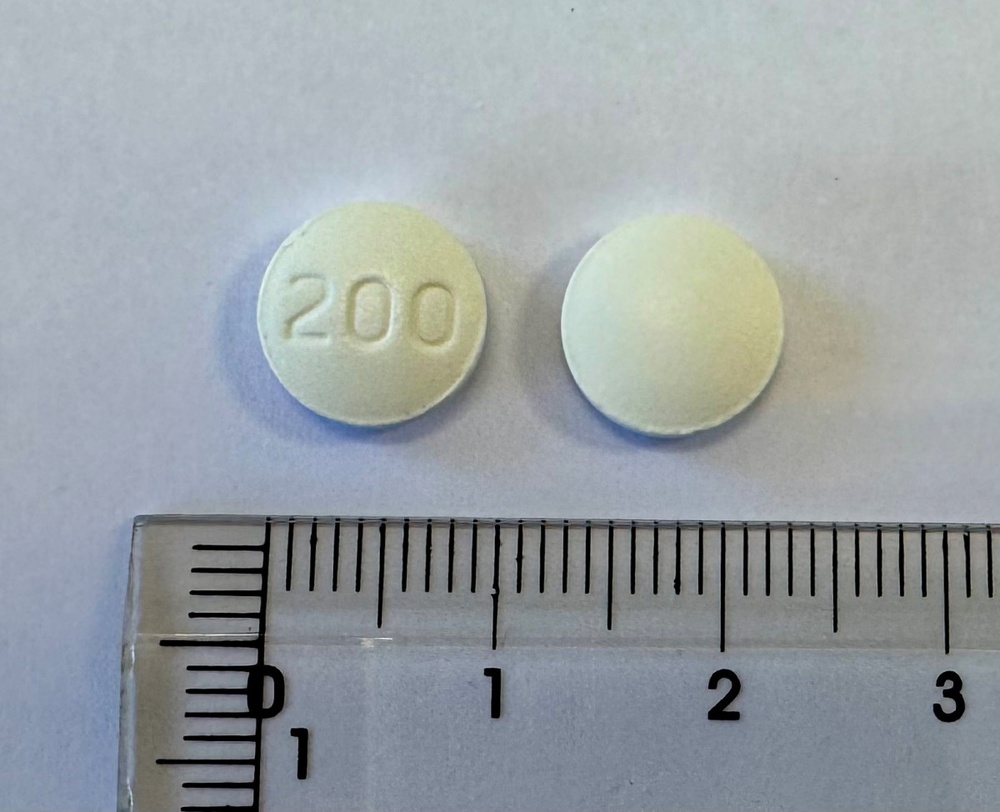
Hydroxychloroquine Aristo 200 mg film-coated tablets are white, circular, and biconvex, film-coated, marked with "200" on one side and smooth on the other. Hydroxychloroquine Aristo 200 mg film-coated tablets are presented in PVC/aluminum blisters. Packs of 30 and 100 film-coated tablets.
Not all pack sizes may be marketed.
Marketing Authorization Holder and Responsible for Marketing
Aristo Pharma GmbH
Wallenroder Straße 8-10
13435 Berlin
Germany
You can request more information about this medication by contacting the local representative of the marketing authorization holder:
Aristo Pharma Iberia, S.L.
C/ Solana, 26
28850, Torrejón de Ardoz
Madrid, Spain
This medication is authorized in the Member States of the European Economic Area under the following names:
Germany: Hydroxychloroquine Aristo 200 mg film-coated tablets
Spain: Hydroxychloroquine Aristo 200 mg film-coated tablets EFG
Date of the Last Revision of this Leaflet:June 2024
Detailed and updated information on this medication is available on the website of the Spanish Agency for Medicines and Health Products (AEMPS) http://aemps.gob.es/
- Country of registration
- Dosage formTABLET, 200 mg
- ATC codeP01BA02
- Active substance
- Prescription requiredYes
- Manufacturer
- This information is for reference only and does not constitute medical advice. Always consult a doctor before taking any medication. Oladoctor is not responsible for medical decisions based on this content.
- Alternatives to HYDROXYCHLOROQUINE ARISTO 200 mg FILM-COATED TABLETSDosage form: TABLET, 200 mgActive substance: hydroxychloroquineManufacturer: Products And Technology S.L.Prescription requiredDosage form: TABLET, 300 mgActive substance: hydroxychloroquineManufacturer: Products And Technology S.L.Prescription requiredDosage form: TABLET, 200 mgActive substance: hydroxychloroquineManufacturer: Laboratorios Gebro Pharma S.A.Prescription required


Online doctors for HYDROXYCHLOROQUINE ARISTO 200 mg FILM-COATED TABLETS
Discuss questions about HYDROXYCHLOROQUINE ARISTO 200 mg FILM-COATED TABLETS, including use, safety considerations and prescription review, subject to medical assessment and local regulations.











Frequently Asked Questions
