







How to use GASTRODENOL 120 mg FILM-COATED TABLETS
Translated with AI
This page provides general information and does not replace a doctor’s consultation. Always consult a doctor before taking any medication. Seek urgent medical care if symptoms are severe.
Show originalContents of the leaflet
Introduction
Leaflet: information for the user
Gastrodenol 120 mg film-coated tablets
Colloidal bismuth subcitrate
Read the entire leaflet carefully before starting to take this medication, as it contains important information for you.
- Keep this leaflet, as you may need to read it again.
- If you have any doubts, consult your doctor or pharmacist.
- This medication has been prescribed to you only, and you should not give it to others, even if they have the same symptoms as you, as it may harm them.
- If you experience side effects, consult your doctor or pharmacist, even if they are side effects not listed in this leaflet. See section 4.
Contents of the leaflet:
- What is Gastrodenol and what is it used for
- What you need to know before taking Gastrodenol
- How to take Gastrodenol
- Possible side effects
5 Conservation of Gastrodenol
- Package contents and additional information
1. What is Gastrodenol and what is it used for
Colloidal bismuth subcitrate is a medication with direct action on Helicobacter pylori, a pathogenic microorganism related to gastritis, duodenal ulcer, and gastric ulcer.
Gastrodenol is indicated for the treatment of:
- Chronic gastritis associated with Helicobacter pylori
- Gastric and duodenal ulcers

2. What you need to know before taking Gastrodenol
- If you are allergic to colloidal bismuth subcitrate or any of the other components of this medication (listed in section 6).
- If you have severe kidney disorders.
- If you are pregnant.
- Pediatric population (in children under 12 years of age).
Warnings and precautions
Prolonged use of high doses of bismuth compounds is not recommended, as it may occasionally cause neurological toxicity (encephalopathy) that is reversible. If Gastrodenol is used at the recommended doses, the probability of this occurring is very small. However, concomitant use of other medications containing bismuth is not recommended.
It is also not recommended to consume alcoholic beverages, as colloidal bismuth subcitrate is a potent inhibitor of alcohol dehydrogenase, an enzyme that prevents the bacterial oxidation of ethanol to acetaldehyde.
The typical symptoms of this excess acetaldehyde include skin rash, tachycardia, shortness of breath, nausea, and vomiting (disulfiram effect).
Warning about excipients
Patients with renal insufficiency or with low-potassium diets should be aware that this medication contains 40 mg (1 mmol) of potassium per tablet.
Children and adolescents
Gastrodenol is contraindicated in children under 12 years of age and is not recommended in patients between 12 and 18 years of age.
Other medications and Gastrodenol
Tell your doctor or pharmacist if you are taking or have recently taken or may need to take any other medication.
Concomitant administration of Gastrodenol and tetracyclines (a group of antibiotics) may inhibit the absorption of orally administered tetracyclines.
Do not ingest other medications, foods, or beverages, particularly antacids, milk, fruit, or fruit juices, half an hour before or half an hour after taking Gastrodenol, as they may alter its action.
During treatment with Gastrodenol, it is not recommended to take other medications that contain bismuth, as prolonged use of any bismuth compound in high doses may cause neurological toxicity (encephalopathy), which is reversible.
Taking Gastrodenol with food, beverages, and alcohol
During treatment, it is recommended not to drink milk, as it may interfere with the mechanism of action of Gastrodenol. Small amounts of milk can be taken with coffee or tea, taken with meals, as they do not cause significant interference.
During treatment with Gastrodenol, it is not recommended to consume alcoholic beverages.
Pregnancy, breastfeeding, and fertility
If you are pregnant or breastfeeding, think you may be pregnant, or plan to become pregnant, consult your doctor or pharmacist before using any medication.
There is not enough information available on the use of Gastrodenol during pregnancy and breastfeeding to assess the possibility of adverse effects. No adverse effects have been observed in animals. Due to the lack of data, its use during pregnancy is not recommended.
Driving and using machines
Gastrodenol has no significant influence on the ability to drive and use machines.
3. How to take Gastrodenol
Follow the administration instructions for this medication exactly as indicated by your doctor or pharmacist. If in doubt, consult your doctor or pharmacist again.
The recommended dose is 4 tablets per day.
The tablets should be swallowed whole with a little water, without chewing.
Posology
Adults: 240 mg (2 tablets), 2 times a day, on an empty stomach, half an hour before breakfast and half an hour before dinner or at bedtime.
Alternatively: 120 mg (1 tablet), 4 times a day, on an empty stomach, half an hour before breakfast, lunch, snack, and 2 hours after dinner.
Elderly patients: 240 mg (2 tablets), 2 times a day, on an empty stomach, half an hour before breakfast and half an hour before dinner or at bedtime.
Alternatively: 120 mg (1 tablet), 4 times a day, on an empty stomach, half an hour before breakfast, lunch, snack, and 2 hours after dinner.
Do not take Gastrodenol for more than two months consecutively. After that, a rest period of at least two months without taking Gastrodenol or other medications containing bismuth is recommended.
For the treatment of gastric or duodenal ulcers, the duration of treatment is 4 to 8 weeks.
For the eradication of Helicobacter pylori, a combined therapy with other medications and a treatment duration of 7 to 14 days is recommended.
Prolonged administration of the medication is not advisable, nor is it recommended as maintenance treatment.
Pediatric population:
Gastrodenol is contraindicated in children under 12 years of age and is not recommended in patients between 12 and 18 years of age.
If you take more Gastrodenol than you should
An acute or massive overdose may damage kidney function, which may take 10 days to appear.
After a very high single dose, treatment consists of gastric lavage, followed by repeated doses of activated charcoal and osmotic laxatives (medications that incorporate water into the stool, making it softer and easier to evacuate). Generally, the absorption of bismuth does not require additional treatment.
Your doctor will determine the bismuth concentrations in blood and urine, both in cases of acute and chronic intoxication, in order to confirm that the symptoms are due to increased bismuth absorption. In that case, you will be given the appropriate treatment (called chelation therapy).
If there is a severe alteration of kidney function after chelation therapy, hemodialysis will be applied (a procedure that removes waste from the blood when the kidneys can no longer perform their function).
In case of overdose or accidental ingestion, contact your doctor or pharmacist immediately or call the Toxicology Information Service. Phone (91) 562 04 20, indicating the medication and the amount taken.
If you forget to take Gastrodenol
Take the dose as soon as possible, provided that it does not result in taking a double dose.
Do not take a double dose to make up for forgotten doses.

4. Possible side effects
Like all medications, this medication can cause side effects, although not everyone will experience them.
Possible side effects are listed according to the following categories:
? Side effects very common(may affect more than 1 in 10 people)
? Side effects common(may affect up to 1 in 10 people)
- Side effects uncommon(may affect up to 1 in 100 people)
- Side effects of unknown frequency: cannot be estimated from the available data.
Very common side effects
- Blackening of the stool
Uncommon side effects
- Nausea
- Vomiting
- Constipation
- Diarrhea
- Rashes
- Pruritus (itching)
Side effects of unknown frequency
- Anaphylactic reaction (allergic reaction)
If you consider that any of the side effects you are experiencing is serious or if you notice any side effect not mentioned in this leaflet, inform your doctor or pharmacist.
Reporting side effects
If you experience any type of side effect, consult your doctor or pharmacist, even if it is a possible side effect not listed in this leaflet. You can also report them directly through the Spanish Medication Surveillance System for Human Use https://www.notificaram.es. By reporting side effects, you can contribute to providing more information on the safety of this medication.
5. Conservation of Gastrodenol
Keep this medication out of sight and reach of children. Store below 25°C.
Do not use this medication after the expiration date shown on the packaging after CAD. The expiration date is the last day of the month indicated.
Medications should not be disposed of through wastewater or household waste.
Deposit unused medications in the SIGRE collection point at the pharmacy. In case of doubt, ask your pharmacist how to dispose of the packaging and medications you no longer need. This will help protect the environment.
6. Package contents and additional information
- The active ingredient is colloidal bismuth subcitrate. Each tablet contains 120 mg of bismuth trioxide (Bi2O3).
- The other components are: potassium citrate E332, ammonium citrate, cornstarch, povidone K-30, potassium polyacrylate, macrogol 6000, magnesium stearate, and hypromellose E461.
Appearance of the product and package contentsPackage with 50 film-coated tablets. Marketing authorization holder
Tora Laboratories, S.L.U.
Avenida de Oporto, 60
28019 Madrid, Spain
Manufacturer
Industria Química y Farmacéutica VIR, S.A.
C/ Laguna, 66-68-70 Polígono Industrial Urtinsa II 28923 Alcorcón (Madrid)
Spain
Date of the last revision of this leaflet:
September 2020
Detailed and updated information on this medication is available on the website of the Spanish Agency for Medicines and Health Products (AEMPS) http://www.aemps.gob.es/
- Country of registration
- Dosage formTABLET, Bismuth Subcitrate 120 mg
- ATC codeA02BX05
- Average pharmacy price9.59 EUR
- Active substance
- Prescription requiredYes
- Manufacturer
- This information is for reference only and does not constitute medical advice. Always consult a doctor before taking any medication. Oladoctor is not responsible for medical decisions based on this content.
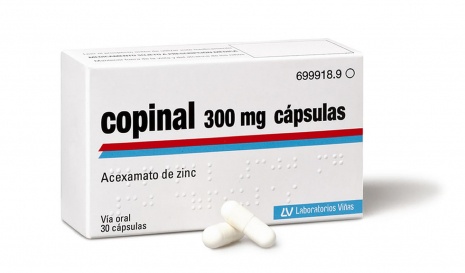
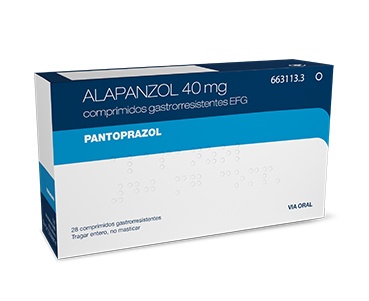
- Alternatives to GASTRODENOL 120 mg FILM-COATED TABLETSDosage form: CAPSULE, 300 mgManufacturer: Laboratorios Vinas S.A.Prescription requiredDosage form: ORAL SOLUTION/SUSPENSION, 300 mgManufacturer: Laboratorios Vinas S.A.Prescription requiredDosage form: TABLET, 40 mgActive substance: pantoprazoleManufacturer: Especialidades Farmaceuticas Centrum S.A.Prescription required
Online doctors for GASTRODENOL 120 mg FILM-COATED TABLETS
Discuss questions about GASTRODENOL 120 mg FILM-COATED TABLETS, including use, safety considerations and prescription review, subject to medical assessment and local regulations.









Get GASTRODENOL 120 mg FILM-COATED TABLETS Prescription Online
Fill in a 2-min form
Tell us your symptoms, history, and what medicine you're requesting.
Pick a doctor or let us assign
Choose a specialist or we'll match you with the next available doctor.
Doctor reviews your case
Usually within 30 minutes. They may ask follow-up questions via chat.
Collect from any pharmacy
Electronic prescription sent to your email — valid across Spain.
Frequently Asked Questions
GASTRODENOL 120 mg FILM-COATED TABLETS requires a prescription in Spain. You can check with a doctor online whether this medicine may be appropriate for your situation.
The active ingredient in GASTRODENOL 120 mg FILM-COATED TABLETS is bismuth subcitrate. This information helps identify medicines with the same composition but different brand names.
The average pharmacy price for GASTRODENOL 120 mg FILM-COATED TABLETS is around 9.59 EUR. Prices may vary depending on the manufacturer and dosage form.
GASTRODENOL 120 mg FILM-COATED TABLETS is manufactured by Tora Laboratories S.L.U.. Pharmacy brands and packaging may differ depending on the distributor.
Doctors such as Family doctors, Psychiatrists, Dermatologists, Cardiologists, Endocrinologists, Gastroenterologists, Pulmonologists, Nephrologists, Rheumatologists, Hematologists, Infectious disease physicians, Allergists, Geriatricians, Paediatricians, Oncologists may assess whether GASTRODENOL 120 mg FILM-COATED TABLETS is appropriate, depending on your situation and local regulations. You can book an online consultation to discuss your symptoms and possible next steps.
Spain has a well-developed healthcare infrastructure across major cities such as Madrid, Barcelona, Valencia, and Seville. Pharmacies are widely available and operate under strict regulations, ensuring access to prescribed medications.
You can buy GASTRODENOL 120 mg FILM-COATED TABLETS in Madrid, Barcelona, Seville, or Valencia at any local pharmacy with a valid prescription.
To obtain a prescription, you can use Oladoctor:
Other medicines with the same active substance (bismuth subcitrate) include COPINAL 300 mg CAPSULES, COPINAL 300 mg ORAL SUSPENSION, ALAPANZOL 40 mg GASTRO-RESISTANT TABLETS. These may have different brand names or formulations but contain the same therapeutic ingredient. Always consult a doctor before switching or starting a new medicine.
