


FRIONEX 600 MG EFFERVSCENT TABLETS
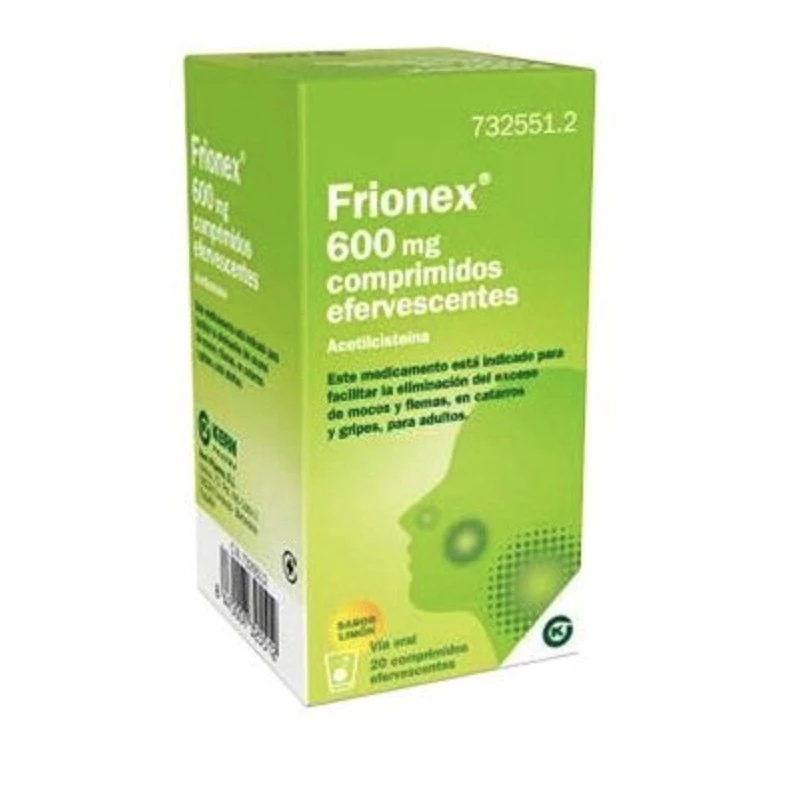



How to use FRIONEX 600 MG EFFERVSCENT TABLETS
Translated with AI
This page provides general information and does not replace a doctor’s consultation. Always consult a doctor before taking any medication. Seek urgent medical care if symptoms are severe.
Show originalContents of the leaflet
Introduction
Package Leaflet: Information for the User
Frionex 600 mg Effervescent Tablets
Acetylcysteine
Read this entire leaflet carefully before starting to take this medicine, as it contains important information for you.
Follow exactly the administration instructions of the medicine contained in this leaflet or as indicated by your doctor or pharmacist.
- Keep this leaflet, as you may need to read it again.
- If you need advice or more information, consult your pharmacist.
- If you experience side effects, consult your doctor or pharmacist, even if they are side effects not listed in this leaflet. See section 4.
- You should consult a doctor if your condition worsens or does not improve after 5 days.
Contents of the Package Leaflet
- What is Frionex and what is it used for
- What you need to know before taking Frionex
- How to take Frionex
- Possible side effects
- Storage of Frionex
- Package Contents and Additional Information
1. What is Frionex and what is it used for
Acetylcysteine, the active ingredient of this medicine, belongs to a group of medicines called mucolytics, which act by decreasing the viscosity of mucus, making it more fluid and facilitating its elimination.
This medicine is indicated to facilitate the elimination of excess mucus and phlegm in colds and flu, for adults.
You should consult a doctor if your condition worsens or does not improve after 5 days.

2. What you need to know before taking Frionex
Do not take Frionex:
- If you are allergic to acetylcysteine or to any of the other components of this medicine (listed in section 6).
- Do not administer to children under 2 years of age.
Warnings and Precautions
Consult your doctor or pharmacist before starting to take this medicine.
If you have asthma or a severe respiratory disease, you should consult your doctor before taking this medicine.
The possible sulfurous odor (like rotten eggs) of the medicine is characteristic of the active ingredient, but it does not indicate that the medicine is in poor condition.
If you experience stomach discomfort when taking the medicine, stop treatment and consult your doctor or pharmacist. Caution is recommended in patients with peptic ulcer or history of peptic ulcer.
During the first days of treatment, you may notice an increase in mucus and phlegm, which will decrease throughout the treatment.
Children and Adolescents
Children and adolescents should not take this medicine. There are other presentations more suitable for this population.
Taking Frionex with Other Medicines
Inform your doctor or pharmacist if you are using, have recently used, or may need to use any other medicine.
Concomitant therapy with nitroglycerin may cause headache and hypotension should be monitored, which can be severe.
Concomitant administration with the antiepileptic carbamazepine may cause a decrease in the efficacy of carbamazepine.
Do not take concomitantly with antitussive medicines (for cough) or with those that decrease bronchial secretions (such as antihistamines and anticholinergics), as it may cause an accumulation of fluidified mucus.
When taking any medicine that contains minerals such as iron or calcium, or any medicine with antibiotics such as amphotericin B, ampicillin sodium, cephalosporins, lactobionate, erythromycin, and some tetracyclines, you should separate the intake of this medicine by at least 2 hours.
It is not recommended to dissolve this medicine with other medicines.
Taking Frionex with Food and Drinks
The intake of food and drinks does not affect the efficacy of this medicine.
Pregnancy, Breastfeeding, and Fertility
If you are pregnant or breastfeeding, think you may be pregnant, or plan to become pregnant, consult your doctor or pharmacist before using this medicine.
Its use should be avoided during breastfeeding.
Driving and Using Machines
There is no evidence of effects on the ability to drive and use machines.
Frionex contains Lactose, Sorbitol (E-420), and Sodium
This medicine contains lactose. If your doctor has told you that you have an intolerance to certain sugars, consult with them before taking this medicine.
This medicine contains 0.52 mg of sorbitol in each tablet.
This medicine contains 138.83 mg of sodium (main component of table salt/cooking salt) in each tablet. This is equivalent to 6.9% of the maximum daily intake of sodium recommended for an adult.
3. How to Take Frionex
Follow exactly the administration instructions of the medicine contained in this leaflet or as indicated by your doctor or pharmacist. In case of doubt, consult your doctor or pharmacist.
The recommended dose is:
Adults: 1 tablet, 1 time a day. Do not exceed the dose of 1 tablet per day.
How to take:
This medicine is taken orally.
Dissolve in a glass of water, do not drink until the effervescence has completely stopped. It is recommended to drink plenty of liquid throughout the day.
You should consult a doctor if your condition worsens or does not improve after 5 days of treatment.
Use in Children and Adolescents
Children and adolescents should not take this medicine. There are other presentations more suitable for this population.
If You Take More Frionex Than You Should
If you take more acetylcysteine than you should, you may notice: nausea, vomiting, burning and stomach pain, diarrhea, or any other side effect described in section 4. Possible Side Effects.
In case of overdose or accidental ingestion, consult your doctor or pharmacist, or call the Toxicology Information Service, phone: 91.562.04.20, indicating the medicine and the amount taken.
If you have any other doubts about the use of this medicine, ask your doctor or pharmacist.

4. Possible Side Effects
Like all medicines, this medicine can cause side effects, although not everybody gets them.
The following side effects may occur:
Uncommon (may affect up to 1 in 100 patients): hypersensitivity, headache, tinnitus, tachycardia, vomiting, diarrhea, stomatitis, abdominal pain, nausea, urticaria, skin rash, angioedema, pruritus, increased body temperature, hypotension.
Rare (may affect up to 1 in 1,000 patients): somnolence, bronchospasm, respiratory distress, gastrointestinal disorders. Very rare (may affect up to 1 in 10,000 patients): allergic reactions, anaphylactic shock, hemorrhage, severe skin reactions such as Stevens-Johnson syndrome and Lyell syndrome, sometimes identified with the concomitant use of another drug.
Frequency not known (cannot be estimated from the available data): facial swelling.
In case of any alteration in the skin or mucous membranes, the administration of acetylcysteine should be immediately interrupted and medical assistance should be sought.
Reporting of Side Effects
If you experience any type of side effect, consult your doctor or pharmacist, even if it is a side effect not listed in this leaflet. You can also report them directly through the Spanish Medicines and Health Products Agency (AEMPS) https://www.notificaram.es. By reporting side effects, you can contribute to providing more information on the safety of this medicine.
5. Storage of Frionex
Keep this medicine out of the sight and reach of children.
No special storage conditions are required.
Do not use this medicine after the expiration date stated on the packaging after CAD. The expiration date is the last day of the month indicated.
Medicines should not be disposed of via wastewater or household waste. Deposit the packaging and medicines that you no longer need in the SIGRE collection point at the pharmacy. If in doubt, ask your pharmacist how to dispose of the packaging and medicines that you no longer need. This will help protect the environment.
6. Package Contents and Additional Information
Composition of Frionex
- The active ingredient is acetylcysteine. Each tablet contains 600 mg of acetylcysteine.
- The other components (excipients) are: anhydrous citric acid (E-330), ascorbic acid (E-300), sodium hydrogen carbonate (E-500), anhydrous sodium carbonate (E-500), lactose, mannitol (E-421), lemon flavor (contains sorbitol (E-420)), sodium cyclamate, sodium saccharin (E-954), sodium citrate (E-331).
Appearance of the Product and Package Contents
Frionex is presented in blister packs with round, white, effervescent tablets, with a smooth surface and no defects, and with a notch on one side.
Each package contains 20 effervescent tablets.
Marketing Authorization Holder and Manufacturer
Marketing Authorization Holder
Kern Pharma, S.L.
Venus, 72 - Pol. Ind. Colón II
08228 Terrassa - Barcelona
Spain
Manufacturer
Hermes Pharma Gmbh
Hans-Urmiller-Ring 52
82515, Wolfratshausen
Germany
Date of the Last Revision of this Leaflet: November 2021
Detailed information about this medicine is available on the website of the Spanish Agency for Medicines and Health Products (AEMPS) http://www.aemps.gob.es/.
- Country of registration
- Dosage formEFFERVESCENT TABLET, 600 mg
- ATC codeR05CB01
- Active substance
- Prescription requiredNo
- Manufacturer
- This information is for reference only and does not constitute medical advice. Always consult a doctor before taking any medication. Oladoctor is not responsible for medical decisions based on this content.
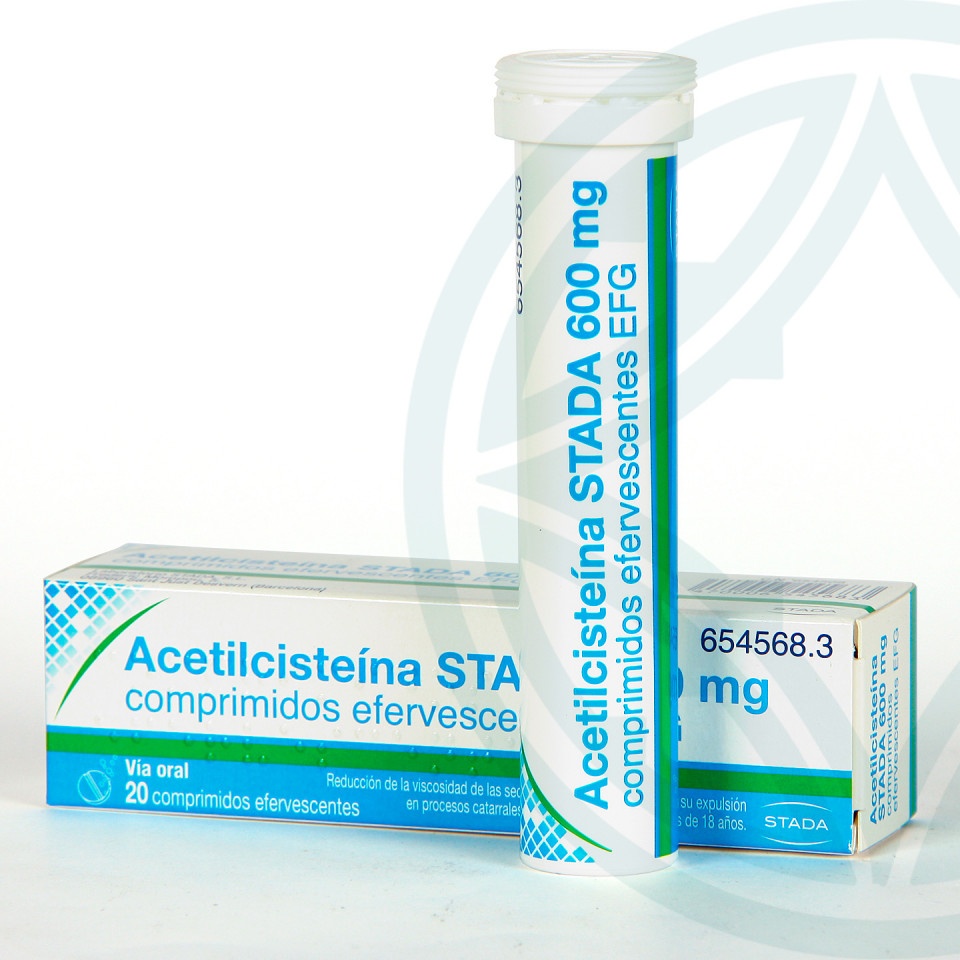
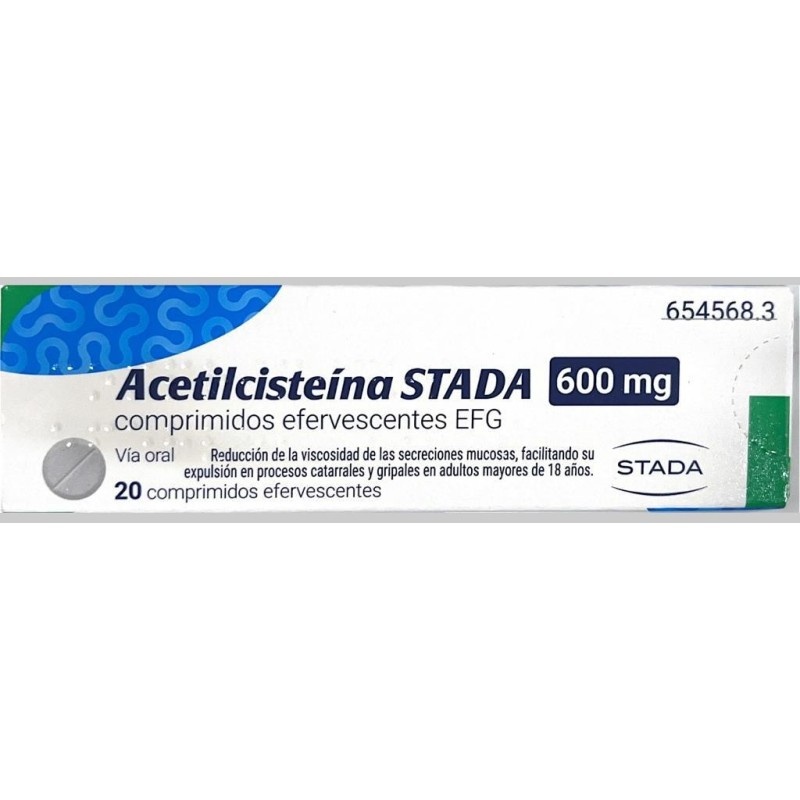
- Alternatives to FRIONEX 600 MG EFFERVSCENT TABLETSDosage form: EFFERVESCENT TABLET, 600 mgActive substance: acetylcysteineManufacturer: Kern Pharma S.L.Prescription not requiredDosage form: EFFERVESCENT TABLET, 600 mgActive substance: acetylcysteineManufacturer: Laboratorios Alter S.A.Prescription requiredDosage form: EFFERVESCENT TABLET, 200 mgActive substance: acetylcysteineManufacturer: Aurovitas Spain, S.A.U.Prescription required

Online doctors for FRIONEX 600 MG EFFERVSCENT TABLETS
Discuss questions about FRIONEX 600 MG EFFERVSCENT TABLETS, including use, safety considerations and prescription review, subject to medical assessment and local regulations.








.jpg)


Frequently Asked Questions
