



FLAMMAZINE 10 mg /G Cream

Prescription review online
A doctor will review your case and decide whether a prescription is medically appropriate.

Talk to a doctor about this medicine
Discuss your symptoms and possible next steps in a quick online consultation.



How to use FLAMMAZINE 10 mg/g CREAM
Contents of the leaflet
- Introduction
- What is Flammazine and what is it used for
- What you need to know before you use Flammazine
- How to use Flammazine 10 mg/g cream
- Possible side effects
- Storage of Flammazine 10 mg/g cream
- Contents of the pack and other information
Introduction
Package Leaflet: Information for the Patient
Flammazine 10mg/g Cream
Silver Sulfadiazine
Read all of this leaflet carefully before you start using this medicine because it contains important information for you.
- Keep this leaflet, you may need to read it again.
- If you have any further questions, ask your doctor or pharmacist.
- This medicine has been prescribed for you only. Do not pass it on to others. It may harm them, even if their signs of illness are the same as yours.
- If you get any side effects, talk to your doctor or pharmacist. This includes any possible side effects not listed in this leaflet. See section 4.
Contents of the pack
- What is Flammazine and what is it used for
- What you need to know before you use Flammazine
- How to use Flammazine
- Possible side effects
- Storage of Flammazine
- Contents of the pack and other information
1. What is Flammazine and what is it used for
Flammazine contains silver sulfadiazine, which is an antibiotic of the sulfonamide group (a medicine useful for the treatment of bacterial infections).
Antibiotics are used to treat bacterial infections and are not effective against viral infections (such as flu or colds). It is essential that you follow the instructions regarding dosage, administration interval, and treatment duration indicated by your doctor. Do not store or reuse this medicine. If you have any leftover antibiotic after finishing the treatment, return it to the pharmacy for proper disposal. Do not throw away medicines via wastewater or household waste.” |
Flammazine is indicated in adults, adolescents, children, and infants from 2 months to 23 months of age for the treatment and prevention of infections in second and third-degree burns, as well as in varicose and decubitus ulcers.

Not sure if this medicine is right for you?
Discuss your symptoms and treatment with a doctor online.
2. What you need to know before you use Flammazine
Do not use Flammazine
- If you are allergic (hypersensitive) to silver sulfadiazine or to any of the other components of this medicine (listed in section 6).
- If you are in the third trimester of pregnancy, or in preterm, newborn, or infant under 2 months.
Warnings and precautions
Consult your doctor or pharmacist before starting to use this medicine:
- if you are hypersensitive to sulfonamides
- if you have any liver or kidney disease, you should avoid applying the cream to large or open lesions, especially ulcers.
- if you are a slow acetylator, meaning that the enzymes in your liver metabolize medicines more slowly than usual
- if you have a reduction in the number of white blood cells in the blood, your doctor will perform control counts.
- if you have a deficiency of the enzyme glucose-6-phosphate dehydrogenase.
- if you are pregnant or breastfeeding.
- you should not expose the area treated with Flammazine 10mg/g cream to direct sunlight, as it may cause skin discoloration, as well as a gray coloration of the cream.
- life-threatening skin rashes (Stevens-Johnson syndrome and toxic epidermal necrolysis) have been reported with the use of Flammazine 10 mg/g cream, initially appearing as red spots or circular patches often with a central blister.
- other additional signs that may appear are sores in the mouth, throat, nose, genitals, and conjunctivitis (swollen and red eyes)
- these life-threatening skin rashes are often accompanied by flu-like symptoms. The rash may progress to the formation of generalized blisters or skin peeling.
- the period of highest risk of severe skin reactions is during the first few weeks of treatment.
- if you have developed Stevens-Johnson syndrome or toxic epidermal necrolysis with the use of Flammazine 10 mg/g cream, you should not use Flammazine 10mg/g cream again at any time.
- if you develop rashes or these symptoms on the skin, go immediately to a doctor and inform them that you are taking this medicine
- the use of Flammazine 10mg/g cream to treat large areas of the body may increase the possibility of adverse effects
Children
Do not use this cream in preterm, newborn, or infant under 2 months because sulfonamides can cause kernicterus (a very rare type of brain damage that occurs in a newborn with severe jaundice).
Other medicines and Flammazine
Tell your doctor or pharmacist if you are using, have recently used, or might use any other medicines, including those bought without a prescription.
Flammazine may alter the effect of medicines that are metabolized by the enzyme CYP2C9, such as warfarin, phenytoin, tolbutamide, losartan, and some non-steroidal anti-inflammatory drugs.
The use of Flammazine 10mg/g cream should be avoided 3 days before and 3 days after the administration of the typhoid vaccine.
Pregnancy and breastfeeding
If you are pregnant or breastfeeding, think you may be pregnant, or are planning to have a baby, ask your doctor or pharmacist for advice before using this medicine.
Pregnancy
Do not use Flammazine 10mg/g cream in the third trimester of pregnancy. You should only use this cream in other stages of pregnancy and on the advice of a doctor.
Breastfeeding
It should be used with caution when breastfeeding preterm or jaundiced (yellow skin or eyes) children. Inform your doctor if you are breastfeeding a child who is suspected or known to have a glucose-6-phosphate dehydrogenase deficiency, as Flammazine may harm them.
Driving and using machines:
It is unlikely that Flammazine 10 mg/g cream will affect your ability to drive or use machines.
Flammazine 10 mg/g creamcontains cetyl alcohol and propylene glycol:
This medicine may cause local skin reactions (such as contact dermatitis) because it contains cetyl alcohol.
This medicine contains 70 mg of propylene glycol in each gram. Propylene glycol may cause skin irritation.
3. How to use Flammazine 10 mg/g cream
Follow the instructions for administration of this medicine exactly as indicated by your doctor. If you are unsure, ask your doctor or pharmacist.
Instructions for use
Initially, you should wash and clean the wound. Then, with a sterile spatula or with your hand covered with a sterile glove, you should apply a 3 mm thick layer over the affected area, covering it with a suitable dressing.
Normally, the dressing should be renewed 1-2 times a day, and may be renewed every 4-6 hours in the case of highly contaminated wounds. The duration of treatment depends on the underlying disease. Ask your doctor for advice after 2 weeks.
At each dressing change and reapplication of the medicine, you should first remove any remaining application, carefully washing the wound with warm boiled water or isotonic saline solution.
Each container should be used for one patient only.
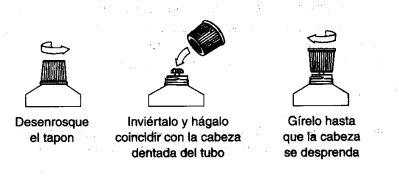
Instructions for opening the container
The tube is sealed to ensure the sterility of the cream. To open it, follow these instructions:
If you use more Flammazine 10 mg/g cream than you should
In case of overdose or accidental ingestion, stop using the cream and consult your doctor or pharmacist immediately or call the Toxicology Information Service, phone 91 562 04 20, indicating the medicine and the amount ingested or used.
High doses of silver sulfadiazine may cause symptoms that affect the brain, liver, kidney, lungs, digestive system, and blood.
If you forget to use Flammazine 10 mg/g cream
If you forget to apply a dose, apply it as soon as you remember. Do not use a double dose to make up for forgotten doses.
If you have any further questions on the use of this medicine, ask your doctor or pharmacist.

Started taking the medicine and have questions?
Discuss your symptoms and treatment with a doctor online.
4. Possible side effects
Like all medicines, this medicine can cause side effects, although not everybody gets them.
If you notice any of the following reactions, stop using Flammazine 10mg/g cream and inform your doctor immediately:
Very common: (may affect up to 1 in 10 people)
- Reduction of the number of white blood cells in the blood (leucopenia)
Very rare: (may affect up to 1 in 10,000 people)
- Life-threatening skin rashes (Stevens-Johnson syndrome, toxic epidermal necrolysis) (see section 2)
- Skin reactions such as eczema and dermatitis
- Gray skin discoloration (due to sun exposure)
Frequency not known: (frequency cannot be estimated from the available data)
- Dry and itchy skin (pruritus) or rash
- Burning sensation or pain in the application area
- Hypersensitivity
- Gray skin discoloration (due to silver absorption during prolonged periods)
- Alteration of the blood that leads to a lack of oxygen in the tissues (methemoglobinemia) with symptoms that may include paleness, gray or blue discoloration of the skin, lips, or nail beds, difficulty breathing, fatigue, confusion, headache, dizziness.
Other side effects:
- The absorption of propylene glycol contained in the cream may increase the osmolality in the serum, which may interfere with some laboratory tests.
Reporting of side effects
If you experience any side effects, talk to your doctor, pharmacist, or nurse. This includes any possible side effects not listed in this leaflet. You can also report side effects directly through the Spanish Pharmacovigilance System for Human Use Medicines: www.notificaram.es. By reporting side effects, you can help provide more information on the safety of this medicine.
5. Storage of Flammazine 10 mg/g cream
Keep this medicine out of the sight and reach of children.
Do not store above 25°C.
Store in the original packaging.
Do not use this medicine after the expiry date which is stated on the packaging after EXP. The expiry date is the last day of the month shown.
Medicines should not be disposed of via wastewater or household waste. Return the containers and any unused medicines to your usual pharmacy to be disposed of in accordance with the recycling program for pharmaceutical waste. Ask your pharmacist how to dispose of containers and any unused medicines. This will help protect the environment.
6. Contents of the pack and other information
Composition of Flammazine 10 mg/g cream
- The active substance is silver sulfadiazine. Each 1 gram of cream contains 10 milligrams of silver sulfadiazine.
- The other components are: liquid paraffin, propylene glycol (E-1520), polysorbate 60 (E-435), polysorbate 80 (E 433), glycerol monostearate, cetyl alcohol, and purified water.
Appearance of the product and contents of the pack
Flammazine 10 mg/g cream is a white or off-white cream, sterile.
Flammazine 10 mg/g cream is available in tubes with 50 grams of cream and in jars with 500 grams of cream (clinical packaging)
Marketing authorization holder
Alliance Pharma (Ireland) LTD
United Drug House, Magna Drive
Magna Business Park, Citywest Road
D24 X0CT- Dublin
Ireland
Manufacturer
Meribel Pharma Parets, S.L.U.
C/ Ramón y Cajal, 2
08150 Parets del Vallès (Barcelona)
Spain
Local representative:
Alliance Pharmaceuticals Spain, S.L.,
Regus Business Center,
Torre de Cristal,
Paseo de la Castellana 259 C, Planta 18,
Cuatro Torres business area,
28046 Madrid (Spain)
Date of last revision of this leaflet:March 2022
Detailed and updated information on this medicine is available on the website of the Spanish Agency for Medicines and Health Products (AEMPS) http://www.aemps.gob.es
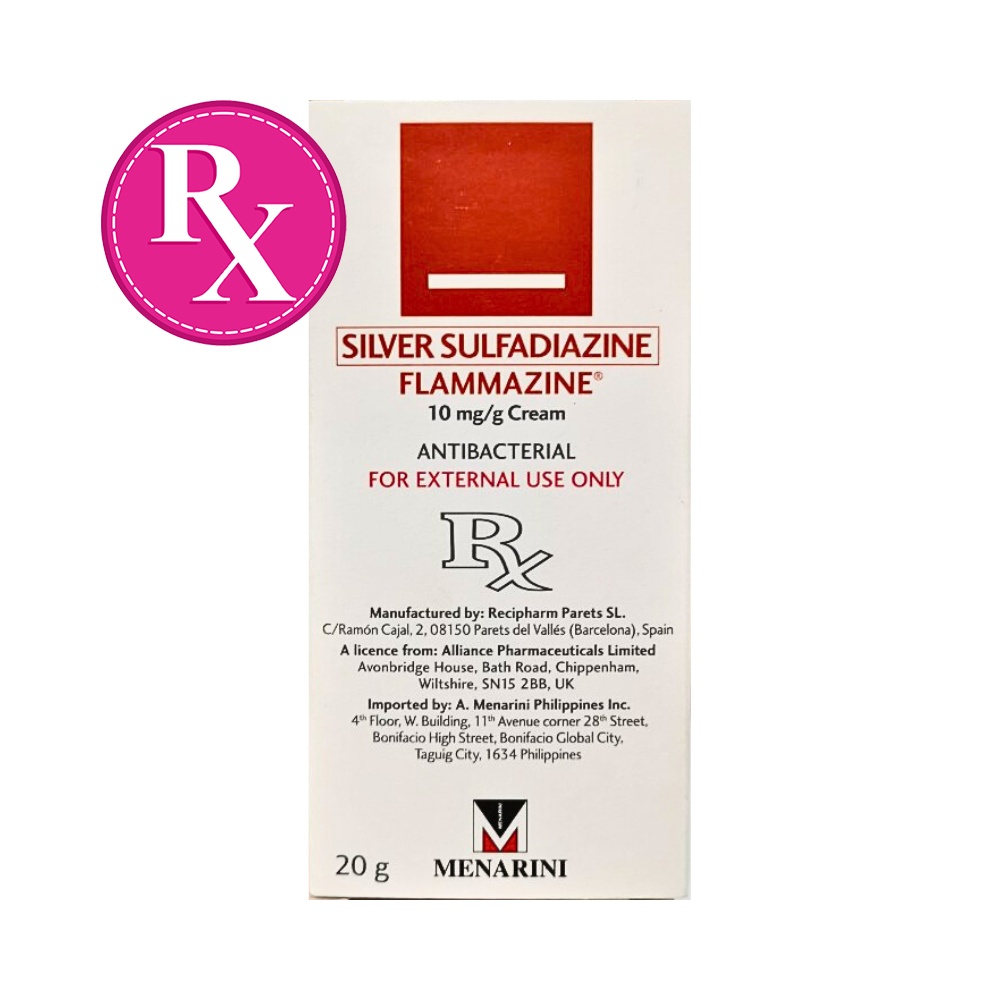
- Country of registration
- Dosage formCREAM, 10 mg silver sulfadiazine/g
- ATC codeD06BA01
- Active substance
- Prescription requiredYes
- Manufacturer
- CompositionCETILICO, ALCOHOL (40 mg mg), MONOESTEARATO DE GLICEROL (40 mg mg), POLISORBATO 60 (10 mg mg), POLISORBATO 80 (10 mg mg), PROPILENGLICOL (70 mg mg)
- This information is for reference only and does not constitute medical advice. Always consult a doctor before taking any medication. Oladoctor is not responsible for medical decisions based on this content.
- Alternatives to FLAMMAZINE 10 mg/g CREAMDosage form: CREAM, 1 gActive substance: silver sulfadiazineManufacturer: Laboratorio Aldo Union S.L.Prescription requiredDosage form: TOPICAL SOLUTION, 10 mg/mlActive substance: silver sulfadiazineManufacturer: Laboratorio Aldo Union S.L.Prescription requiredDosage form: CREAM, -Active substance: silver sulfadiazine, combinationsManufacturer: Alliance Pharma (Ireland) LimitedPrescription required
Online doctors for FLAMMAZINE 10 mg/g CREAM
Discuss questions about FLAMMAZINE 10 mg/g CREAM, including use, safety considerations and prescription review, subject to medical assessment and local regulations.



Get FLAMMAZINE 10 mg/g CREAM Prescription Online
Fill in a 2-min form
Tell us your symptoms, history, and what medicine you're requesting.
Pick a doctor or let us assign
Choose a specialist or we'll match you with the next available doctor.
Doctor reviews your case
Usually within 30 minutes. They may ask follow-up questions via chat.
Collect from any pharmacy
Electronic prescription sent to your email — valid across Spain.
Frequently Asked Questions
FLAMMAZINE 10 mg/g CREAM requires a prescription in Spain. You can check with a doctor online whether this medicine may be appropriate for your situation.
The active ingredient in FLAMMAZINE 10 mg/g CREAM is silver sulfadiazine. This information helps identify medicines with the same composition but different brand names.
FLAMMAZINE 10 mg/g CREAM is manufactured by Alliance Pharma (Ireland) Limited. Pharmacy brands and packaging may differ depending on the distributor.
Doctors such as Family doctors, Psychiatrists, Dermatologists, Cardiologists, Endocrinologists, Gastroenterologists, Pulmonologists, Nephrologists, Rheumatologists, Hematologists, Infectious disease physicians, Allergists, Geriatricians, Paediatricians, Oncologists may assess whether FLAMMAZINE 10 mg/g CREAM is appropriate, depending on your situation and local regulations. You can book an online consultation to discuss your symptoms and possible next steps.
Spain has a well-developed healthcare infrastructure across major cities such as Madrid, Barcelona, Valencia, and Seville. Pharmacies are widely available and operate under strict regulations, ensuring access to prescribed medications.
You can buy FLAMMAZINE 10 mg/g CREAM in Madrid, Barcelona, Seville, or Valencia at any local pharmacy with a valid prescription.
To obtain a prescription, you can use Oladoctor:
Other medicines with the same active substance (silver sulfadiazine) include SILVEDERMA 10 mg/g CREAM, SILVEDERMA 10 mg/ml CUTANEOUS SPRAY SUSPENSION, FLAMMAZINE CERIO 10 mg/g + 22 mg/g CREAM. These may have different brand names or formulations but contain the same therapeutic ingredient. Always consult a doctor before switching or starting a new medicine.
