






How to use FLAGYL 250 mg FILM-COATED TABLETS
Translated with AI
This page provides general information and does not replace a doctor’s consultation. Always consult a doctor before taking any medication. Seek urgent medical care if symptoms are severe.
Show originalContents of the leaflet
Introduction
Package Leaflet: Information for the User
Flagyl 250 mg Film-Coated Tablets
metronidazole
Read all of this leaflet carefully before you start taking this medicine because it contains important information for you.
- Keep this leaflet, you may need to read it again.
- If you have any further questions, ask your doctor or pharmacist.
- This medicine has been prescribed for you only. Do not pass it on to others. It may harm them, even if their signs of illness are the same as yours.
- If you get any side effects, talk to your doctor or pharmacist. This includes any possible side effects not listed in this leaflet. See section 4.
Contents of the package leaflet
- What is Flagyl and what is it used for
- What you need to know before you take Flagyl
- How to take Flagyl
- Possible side effects
- Storage of Flagyl
- Contents of the pack and other information
1. What is Flagyl 250 mg tablets and what is it used for
Flagyl 250 mg tablets is an anti-infectious medicine belonging to the imidazole group.
Antibiotics are used to treat bacterial infections and are not effective against viral infections such as flu or common cold.
It is essential that you follow the dosage instructions, administration intervals, and treatment duration indicated by your doctor.
Do not store or reuse this medicine. If you have any leftover antibiotic after completing treatment, return it to the pharmacy for proper disposal. Do not throw medicines down the drain or in the trash.
Metronidazole is used in both adults and children.
It is used to treat infections caused by parasites and bacteria that are sensitive to this medicine. The infections that can be treated with Flagyl 250 mg tablets are: lambliasis; intestinal and hepatic amebiasis; anaerobic bacterial infections, due to Bacteroides fragilis, Clostridium perfringensand other anaerobic bacteria; and Trichomonasinfections, such as urethritis (inflammation of the urethra) and vaginitis (inflammation of the vagina).
You should follow your doctor's instructions for its use.

2. What you need to know before you take Flagyl 250 mg tablets
Do not take Flagyl 250 mg tablets
- If you are allergic (hypersensitive) to metronidazole, imidazoles, or any of the other components of Flagyl (listed in section 6).
Warnings and precautions
Consult your doctor or pharmacist before starting to take Flagyl 250 mg:
- If you have severe liver disorders (hepatic).
- If your treatment is prolonged. Your doctor may request that you have regular blood tests, especially to check your white blood cell count. You will also be closely monitored for the risk of nervous system disorders such as paresthesia (tingling in feet or hands), ataxia (lack of coordination), dizziness, and convulsions.
- If you have acute or chronic severe central or peripheral nervous system diseases, due to the possible risk of worsening.
- If you have severe kidney disorders. In this case, your doctor may reduce your dose when you are not undergoing dialysis or when your blood levels of this medicine are not controlled.
- It may darken the color of your urine.
- If you experience dizziness (feeling of spinning).
There have been reports of severe liver toxicity/liver failure, some of which were fatal, in patients with Cockayne syndrome taking metronidazole-containing medications.
If you have Cockayne syndrome, your doctor should closely monitor your liver function while you are receiving treatment with metronidazole and afterwards.
Tell your doctor immediately and stop taking metronidazole if you experience:
- stomach pain, loss of appetite, nausea, vomiting, fever, general discomfort, fatigue, jaundice, dark urine, clay-colored stools, or itching.
There have been reports of severe cutaneous bullous reactions with metronidazole, such as Stevens-Johnson syndrome (SJS), toxic epidermal necrolysis (TEN), or acute generalized exanthematous pustulosis (AGEP) (see "Possible side effects"). If symptoms or signs of AGEP, SJS, or TEN appear, treatment with Flagyl should be discontinued immediately.
If you are going to have a blood test, inform your doctor or nurse that you are taking Flagyl. Flagyl may alter the results of some blood tests.
Taking Flagyl 250 mg tablets with other medicines
Tell your doctor or pharmacist if you are taking or have recently taken or might take any other medicines, including those obtained without a prescription.
It is not recommended to take metronidazole and disulfiram (a medicine used to help treat alcoholism) together, as there have been reports of mental disorders.
Taking metronidazole and oral anticoagulant medicines (medicines that help prevent blood clots, such as warfarin) together may increase the risk of bleeding. If you take metronidazole at the same time as these medicines, you should be closely monitored by your doctor.
There is a risk of elevated blood levels of lithium (a medicine for depression) and cyclosporin (a medicine that reduces the body's defenses) when these medicines are taken together with metronidazole. Therefore, if they are taken together, it should be under close medical supervision.
Phenytoin and phenobarbital (antiepileptic medicines) increase the elimination of metronidazole, thereby reducing its blood levels.
Metronidazole increases the toxicity of fluorouracil and busulfan (medicines used to treat cancer).
Tell your doctor if you are taking any medicine that may cause changes in heart rhythm (prolongation of the QT interval that can be seen on an ECG), such as certain anti-arrhythmic medicines, certain antibiotics, and medicines mainly used to control psychosis (including delusions, hallucinations, paranoia, or disordered thinking).
Taking Flagyl 250 mg tablets with food, drinks, and alcohol
Drinks and medicines containing alcohol should not be consumed during treatment with metronidazole until at least one day after treatment, due to the possibility of the so-called Antabus effect, a reaction characterized by skin reddening, vomiting, and rapid heartbeat.
Pregnancy, breastfeeding, and fertility
If you are pregnant or breastfeeding, think you may be pregnant, or plan to become pregnant, consult your doctor or pharmacist before using this medicine.
Since metronidazole crosses the placental barrier and there is not enough data to establish its safety during pregnancy, your doctor will carefully weigh the convenience of using Flagyl during pregnancy.
Metronidazole is excreted in breast milk, so its administration should be avoided during breastfeeding.
Driving and using machines
During the use of Flagyl, you may feel dizzy or experience dizziness (feeling of spinning), confusion, hallucinations (seeing or hearing things that do not exist), convulsions (having seizures), or vision problems (such as blurred vision or double vision). If this happens, do not drive vehicles or use machines.
Flagyl 250 mg tablets contain gluten
This medicine contains very low levels of gluten (from wheat starch) and is unlikely to cause problems if you have celiac disease.
One tablet does not contain more than 8.215 micrograms of gluten.
If you have a wheat allergy (different from celiac disease), you should not take this medicine.
3. How to take Flagyl 250 mg tablets
Follow your doctor's instructions for taking this medicine exactly.
If you are unsure, consult your doctor again.
Remember to take your medicine.
Your doctor will indicate your daily dose and the duration of your treatment. Do not stop your treatment early. The dose is individualized for you and may be modified by your doctor based on your response to treatment.
If you think the effect of Flagyl is too strong or too weak, tell your doctor or pharmacist.
Trichomonas infections:
Urogenital trichomoniasis:
- In adults and adolescents: 2,000 mg as a single dose or 200 mg three times a day for 7 days or 400 mg twice a day for 5-7 days.
- In children under 10 years of age: 40 mg/kg orally as a single dose or 15-30 mg/kg/day divided into 2-3 doses for 7 days; the dose should not exceed 2,000 mg.
Bacterial vaginitis:
- In adolescents: 400 mg twice a day for 5-7 days or 2,000 mg as a single dose.
Whether your partner has symptoms of Trichomonas vaginalis infection or not, even if laboratory tests are negative, it is necessary for them to be treated with oral metronidazole.
Lambliasis (Giardiasis):
- In individuals over 10 years of age: 2,000 mg once a day for 3 days, or 400 mg three times a day for 5 days, or 500 mg twice a day for 7-10 days.
- In children 7 to 10 years of age: 1,000 mg once a day for 3 days.
- In children 3 to 7 years of age: 600 to 800 mg once a day for 3 days.
- In children 1 to 3 years of age: 500 mg once a day for 3 days.
Or, expressed in mg per kilogram of body weight:
15-40 mg/kg/day divided into 2-3 doses.
Amebiasis:
- In individuals over 10 years of age: 400 to 800 mg three times a day for 5-10 days.
- In children 7 to 10 years of age: 200 to 400 mg three times a day for 5-10 days.
- In children 3 to 7 years of age: 100 to 200 mg four times a day for 5-10 days.
- In children 1 to 3 years of age: 100 to 200 mg three times a day for 5-10 days.
Or, the doses can be expressed per body weight:
35 to 50 mg/kg per day divided into 3 doses for 5-10 days, not exceeding 2,400 mg/day.
Anaerobic infections:
- In adults: 500 mg every 8 hours
- In children over 8 weeks to 12 years of age: The usual daily dose is 20-30 mg/kg/day as a single dose or divided into 7.5 mg/kg every 8 hours. The daily dose may be increased to 40 mg/kg, depending on the severity of the infection. The duration of treatment is usually 7 days.
- In children under 8 weeks of age: 15 mg/kg as a single daily dose or divided into 7.5 mg/kg every 12 hours. In newborns with a gestational age of less than 40 weeks, metronidazole accumulation may occur during the first week of life, so metronidazole plasma concentrations should be monitored, preferably after a few days of treatment.
If you take more Flagyl 250 mg tablets than you should
In case of overdose or accidental ingestion, consult your doctor or pharmacist immediately or call the Toxicology Information Service. Phone: (91) 562 04 20, indicating the medicine and the amount ingested.
An accidental overdose could cause vomiting, lack of coordination, and mild disorientation.
There is no specific antidote for metronidazole overdose. In cases where massive ingestion is suspected, treatment will be based on symptoms.
If you forget to take Flagyl 250 mg tablets
Do not take a double dose to make up for forgotten doses.

4. Possible side effects
Like all medicines, this medicine can cause side effects, although not everybody gets them.
- Blood and lymphatic system disorders: agranulocytosis and/or neutropenia (decrease in a type of white blood cell, granulocytes or neutrophils, respectively), and thrombocytopenia (reduction in platelet count).
- Immune system disorders: inflammation of feet, hands, throat, lips, and respiratory tract (angioedema).
Severe allergic reactions such as anaphylactic shock.
- Psychiatric disorders: psychotic disorders, including confusion and hallucinations. Depressive behavior.
- Nervous system disorders: loss of sensitivity in the limbs, headache, convulsions, dizziness, dizziness (feeling of spinning). Neurological disorders, such as confusion, lack of coordination, speech disorders, gait disturbances, involuntary eye movements, and tremors, which may disappear with discontinuation of treatment.
A certain type of inflammation of the meninges, the membranes that surround the brain and spinal cord (aseptic meningitis).
Frequency not known (cannot be estimated from available data): posterior reversible encephalopathy syndrome (PRES), a brain disorder characterized by symptoms such as headache, confusion, vision problems, and convulsions.
- Eye disorders: transient vision disorders such as double vision (diplopia), myopia, blurred vision, decreased visual acuity, changes in color vision. Damage or inflammation of the optic nerve that can cause sudden vision loss in the affected eye (optic neuropathy/neuritis).
- Ear and labyrinth disorders: frequency not known: altered hearing/hearing loss (including sensorineural), tinnitus (ringing in the ears).
- Cardiac disorders: frequency not known: changes in heart rhythm (prolongation of the QT interval that can be seen on an ECG), particularly when Flagyl is administered with other medicines that can cause changes in heart rhythm.
- Gastrointestinal disorders: pain in the upper abdomen, nausea, vomiting, diarrhea, inflammation of the oral mucosa, taste disorders, loss of appetite, and reversible cases of pancreatitis (inflammation of the pancreas), discoloration of the tongue/furry tongue (e.g., due to fungal overgrowth).
- Hepatobiliary disorders: increased liver enzymes (AST, ALT, alkaline phosphatase), liver inflammation with difficulty in bile flow, hepatocellular damage, sometimes with yellowing of the eyes and skin.
There have been reports of liver failure requiring liver transplantation in patients treated with metronidazole along with other antibiotics.
Acute liver failure in patients with Cockayne syndrome (see section 2 "Warnings and precautions").
- Skin and subcutaneous tissue disorders: skin rash, itching, flushing, urticaria (irritation and itching of the skin), and pustular eruptions (pustules), generalized acute exanthematous pustulosis (AGEP), fixed drug eruption, Stevens-Johnson syndrome, toxic epidermal necrolysis.
- General disorders and administration site conditions: fever.
The frequency, type, and severity of effects in children are the same as in adults.
Reporting of side effects
If you experience any of the side effects, talk to your doctor or pharmacist, even if they are not listed in this leaflet. You can also report them directly through the Spanish Pharmacovigilance System for Human Use Medicines: https://www.notificaram.es. By reporting side effects, you can help provide more information on the safety of this medicine.
5. Storage of Flagyl 250 mg tablets
Keep this medicine out of the sight and reach of children.
This medicine does not require any special storage temperature.
Keep the blister pack in the outer packaging to protect it from light.
Do not use this medicine after the expiry date stated on the packaging after EXP. The expiry date is the last day of the month indicated.
Medicines should not be disposed of via wastewater or household waste. Place the packaging and any unused medicine in the SIGRE collection point at the pharmacy. If in doubt, ask your pharmacist how to dispose of the packaging and any unused medicine. This will help protect the environment.
6. Contents of the pack and other information
Composition of Flagyl
- The active ingredient is metronidazole.
Each tablet contains 250 mg of metronidazole.
- The other ingredients are: wheat starch (contains gluten), magnesium stearate, povidone K30, hypromellose, macrogol 20,000, and purified water.
Appearance of the product and pack contents
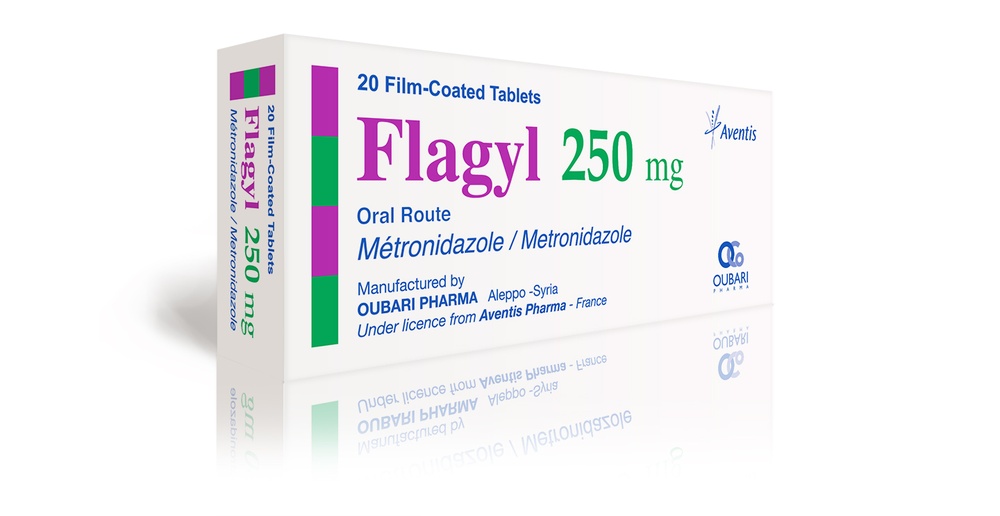
Each pack contains 21 tablets.
Marketing authorization holder and manufacturer
Marketing authorization holder
Laboratorios Fidia Farmacéutica S.L.U.
Parque Empresarial de la Moraleja - Edificio Torona
Avenida de Europa, 24 - Edificio A - 1 B
28108 Alcobendas - Madrid – Spain
Manufacturer
sanofi-aventis, S.A.
Ctra. C-35 (La Batllòria-Hostalric)
km 63.09
17404 Riells i Viabrea (Girona)
(Spain)
Date of last revision of this leaflet: June 2025
Detailed information on this medicine is available on the website of the Spanish Agency for Medicines and Health Products (AEMPS) http://www.aemps.gob.es/
-

- Country of registration
- Dosage formTABLET, 250 mg
- ATC codeJ01XD01
- Average pharmacy price1.76 EUR
- Active substance
- Prescription requiredYes
- Manufacturer
- This information is for reference only and does not constitute medical advice. Always consult a doctor before taking any medication. Oladoctor is not responsible for medical decisions based on this content.
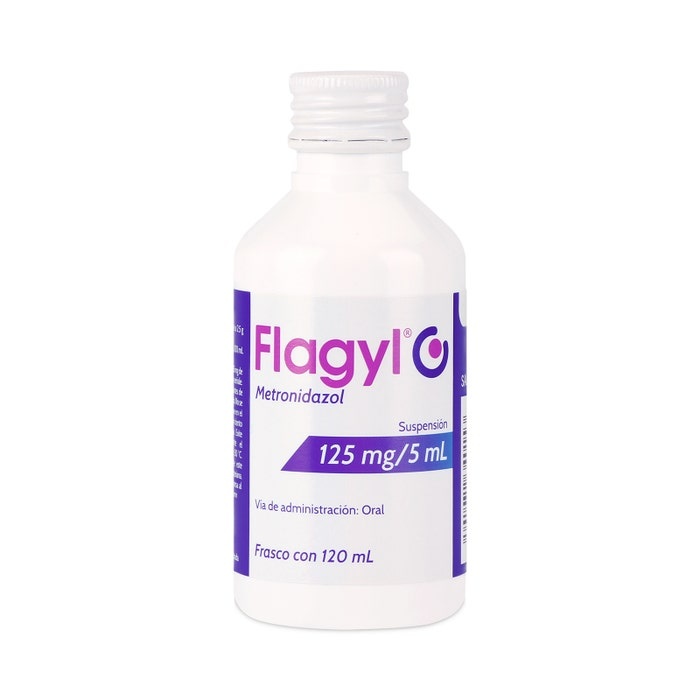
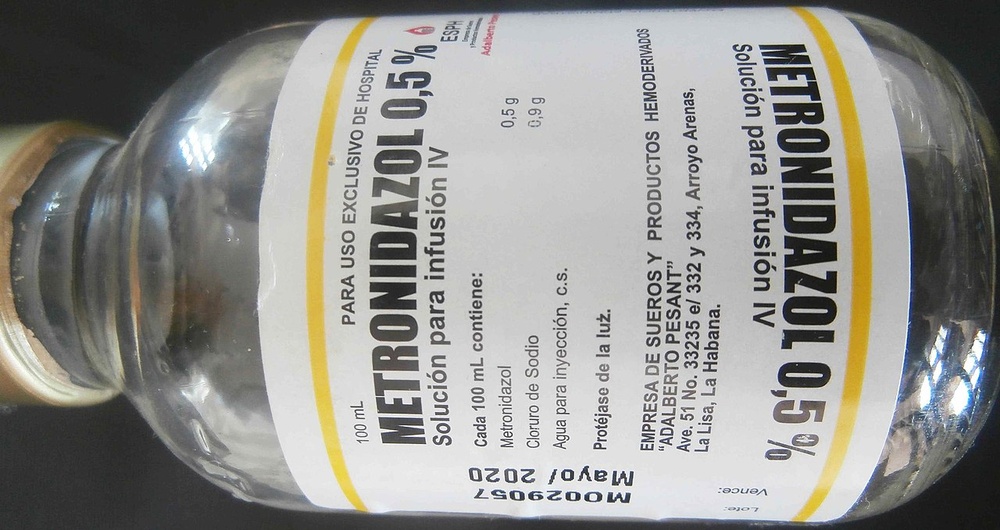
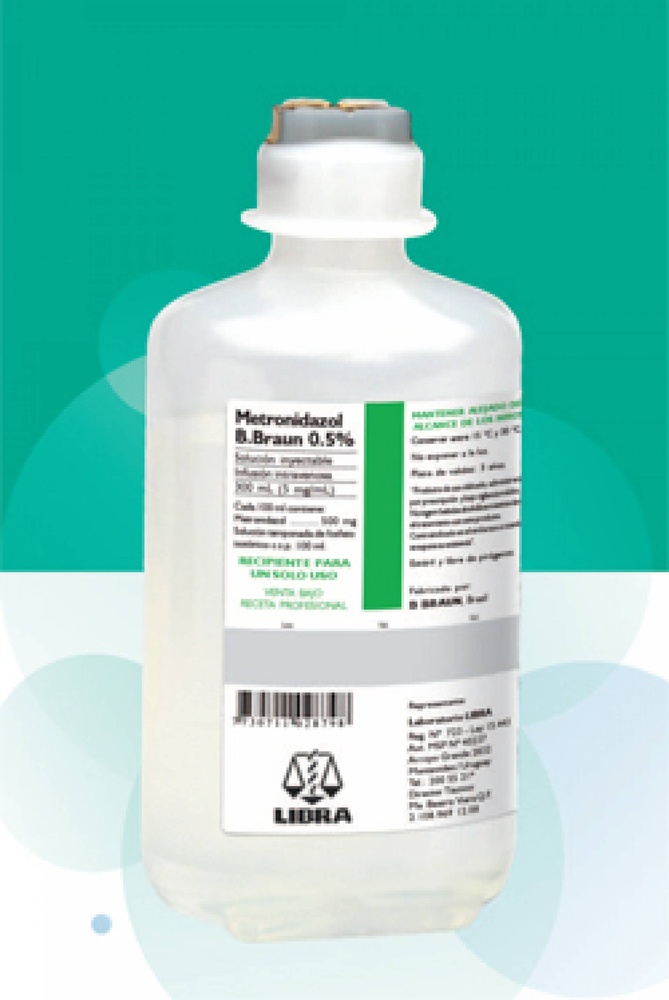
- Alternatives to FLAGYL 250 mg FILM-COATED TABLETSDosage form: ORAL SOLUTION/SUSPENSION, 125 mg metronidazole benzoateActive substance: metronidazoleManufacturer: Laboratorios Fidia Farmaceutica S.L.Prescription requiredDosage form: INJECTABLE PERFUSION, 5 mg/mlActive substance: metronidazoleManufacturer: Altan Pharmaceuticals SaPrescription requiredDosage form: INJECTABLE INFUSION, 500 mgActive substance: metronidazoleManufacturer: B Braun Medical S.A.Prescription required
Online doctors for FLAGYL 250 mg FILM-COATED TABLETS
Discuss questions about FLAGYL 250 mg FILM-COATED TABLETS, including use, safety considerations and prescription review, subject to medical assessment and local regulations.









Get FLAGYL 250 mg FILM-COATED TABLETS Prescription Online
Fill in a 2-min form
Tell us your symptoms, history, and what medicine you're requesting.
Pick a doctor or let us assign
Choose a specialist or we'll match you with the next available doctor.
Doctor reviews your case
Usually within 30 minutes. They may ask follow-up questions via chat.
Collect from any pharmacy
Electronic prescription sent to your email — valid across Spain.
Frequently Asked Questions
FLAGYL 250 mg FILM-COATED TABLETS requires a prescription in Spain. You can check with a doctor online whether this medicine may be appropriate for your situation.
The active ingredient in FLAGYL 250 mg FILM-COATED TABLETS is metronidazole. This information helps identify medicines with the same composition but different brand names.
The average pharmacy price for FLAGYL 250 mg FILM-COATED TABLETS is around 1.76 EUR. Prices may vary depending on the manufacturer and dosage form.
FLAGYL 250 mg FILM-COATED TABLETS is manufactured by Laboratorios Fidia Farmaceutica S.L.. Pharmacy brands and packaging may differ depending on the distributor.
Doctors such as Family doctors, Psychiatrists, Dermatologists, Cardiologists, Endocrinologists, Gastroenterologists, Pulmonologists, Nephrologists, Rheumatologists, Hematologists, Infectious disease physicians, Allergists, Geriatricians, Paediatricians, Oncologists may assess whether FLAGYL 250 mg FILM-COATED TABLETS is appropriate, depending on your situation and local regulations. You can book an online consultation to discuss your symptoms and possible next steps.
Spain has a well-developed healthcare infrastructure across major cities such as Madrid, Barcelona, Valencia, and Seville. Pharmacies are widely available and operate under strict regulations, ensuring access to prescribed medications.
You can buy FLAGYL 250 mg FILM-COATED TABLETS in Madrid, Barcelona, Seville, or Valencia at any local pharmacy with a valid prescription.
To obtain a prescription, you can use Oladoctor:
Other medicines with the same active substance (metronidazole) include FLAGYL 125mg/5 ml ORAL SUSPENSION, METRONIDAZOL ALTAN 5 mg/ml SOLUTION FOR INFUSION, METRONIDAZOL B.BRAUN 5 mg/ml SOLUTION FOR INFUSION. These may have different brand names or formulations but contain the same therapeutic ingredient. Always consult a doctor before switching or starting a new medicine.
