



ELTROMBOPAG 75 mg Film-Coated Tablets

Prescription review online
A doctor will review your case and decide whether a prescription is medically appropriate.

Talk to a doctor about this medicine
Discuss your symptoms and possible next steps in a quick online consultation.



How to use ELTROMBOPAG TEVA 75 mg FILM-COATED TABLETS
Contents of the leaflet
- Introduction
- What Eltrombopag Teva is and what it is used for
- What you need to know before you take Eltrombopag Teva
- How to take Eltrombopag Teva
- Possible Adverse Effects
- Conservation of Eltrombopag Teva
- Package contents and additional information
Introduction
Package Leaflet: Information for the Patient
EltrombopagTeva 25 mg Film-Coated Tablets EFG
Eltrombopag Teva 50 mg Film-Coated Tablets EFG
Eltrombopag Teva 75 mg Film-Coated Tablets EFG
Read all of this leaflet carefully before you start taking this medicine because it contains important information for you.
- Keep this leaflet, you may need to read it again.
- If you have any further questions, ask your doctor or pharmacist.
- This medicine has been prescribed for you only. Do not pass it on to others. It may harm them, even if their signs of illness are the same as yours.
- If you get any side effects, talk to your doctor or pharmacist. This includes any possible side effects not listed in this leaflet. See section 4.
Contents of the pack
- What Eltrombopag Teva is and what it is used for
- What you need to know before you take Eltrombopag Teva
- How to take Eltrombopag Teva
- Possible side effects
- Storage of Eltrombopag Teva
- Contents of the pack and other information
1. What Eltrombopag Teva is and what it is used for
Eltrombopag belongs to a group of medicines called thrombopoietin receptor agonists. It is used to help increase the number of platelets in the blood. Platelets are blood cells that help to prevent or stop bleeding.
- Eltrombopag is used to treat a blood disorder called immune (primary) thrombocytopenia (ITP) in patients aged 1 year and above who have had other treatments (such as corticosteroids or immunoglobulins) that have not worked.
ITP is caused by a low platelet count (thrombocytopenia). People with ITP have a higher risk of bleeding. Symptoms that patients with ITP may notice include petechiae (small, round, flat red spots under the skin), bruises, nosebleeds, bleeding gums, and an inability to stop bleeding if they cut or injure themselves.
- Eltrombopag may also be used to treat low platelet counts (thrombocytopenia) in adults with hepatitis C virus (HCV) infection, if they have had problems with the side effects of interferon treatment. Many people with hepatitis C have low platelet counts, not only due to the disease but also due to the antiviral treatments used to treat it. Taking eltrombopag may help you complete a full course of antiviral treatment (peginterferon and ribavirin).

Not sure if this medicine is right for you?
Discuss your symptoms and treatment with a doctor online.
2. What you need to know before you take Eltrombopag Teva
Do not take Eltrombopag Teva
- if you are allergic to eltrombopag or any of the other ingredients of this medicine (listed in section 6).
- Talk to your doctor if you think this may apply to you.
Warnings and precautions
Talk to your doctor or pharmacist before starting eltrombopag:
- if you have liver problems. People who have a low platelet count and advanced liver disease (such as cirrhosis) have a higher risk of side effects, liver damage that can be fatal, and blood clots. If your doctor thinks that the benefits of taking this medicine outweigh the risks, they will closely monitor you during treatment.
- if you are at risk of getting a blood clotin your veins or arteries, or if you have a family history of blood clots.
The risk of getting a blood clot may be higherin the following situations:
- if you are older
- if you have been bedridden for a long time
- if you have cancer
- if you are taking the contraceptive pill or hormone replacement therapy
- if you have recently had surgery or been injured
- if you are very overweight (obese)
- if you smoke
- if you have advanced liver disease
If you are in any of these situations, tell your doctorbefore starting treatment. You should not take eltrombopag unless your doctor thinks that the benefits outweigh the risk of blood clots.
- if you have cataracts(cloudy lens in the eye)
- if you have another blood disorder, such as myelodysplastic syndrome (MDS). Before starting eltrombopag, your doctor will do tests to check that you do not have this disorder. If you have MDS and take this medicine, MDS may get worse.
Tell your doctorif you are in any of these situations.
Eye examinations
Your doctor will recommend that you have an eye examination to check for cataracts. If you do not have regular eye checks, your doctor may ask you to have one. They should also check the retina (the light-sensitive layer at the back of the eye) for any bleeding in the retina or around it.
You will need to have regular blood tests
Before starting eltrombopag, your doctor will do a blood test to check your blood cells, including platelets. These tests will be repeated frequently while you are taking the medicine.
Blood tests to check your liver
Eltrombopag may cause changes in your liver blood tests that show liver damage - an increase in some liver enzymes, especially bilirubin and alanine/aspartate transaminase. If you are taking interferon-based treatments with eltrombopag to treat low platelet counts due to hepatitis C, some liver problems may get worse.
You will have blood tests before starting eltrombopag and frequently while taking it to check your liver. You may need to stop taking eltrombopag if the levels of these markers increase too much or if you have any other signs of liver damage.
- Read the information on “Liver problems” in section 4 of this leaflet
Blood tests to check your platelet count
If you stop taking eltrombopag, it is likely that your platelet count will fall within a few days. Your platelet count will be checked and your doctor will tell you what precautions to take. Very high platelet counts can increase the risk of blood clots. However, blood clots can also occur with normal or low platelet counts. Your doctor will adjust your dose of eltrombopag to make sure that your platelet count does not get too high.
Seek medical help immediatelyif you get any of these signs of a blood clot:
- swelling, painor tenderness in one leg
- sudden difficulty breathing, which may be accompanied by sharp chest pain or rapid breathing
- abdominal pain (stomach), enlarged abdomen, blood in the stools.
Tests to check your bone marrow
In people with bone marrow problems, medicines like eltrombopag may make these problems worse. Signs of changes in the bone marrow may appear as abnormal blood test results. Your doctor may also do tests to directly check your bone marrow during treatment with eltrombopag.
Checking for bleeding in the gut
If you are taking interferon-based treatments with eltrombopag, you will be monitored for any signs of bleeding in your stomach or intestines after stopping this medicine.
Heart monitoring
Your doctor may consider it necessary to monitor your heart while you are taking eltrombopag and may do an electrocardiogram (ECG) test.
Elderly (65 years and over)
There is limited information on the use of eltrombopag in patients aged 65 years and over. Caution should be used when taking eltrombopag if you are 65 years or older.
Children and adolescents
Eltrombopag is not recommended for use in children under 1 year of age with ITP. It is also not recommended for use in children under 18 years of age with low platelet counts due to hepatitis C.
Other medicines and Eltrombopag Teva
Tell your doctor or pharmacist if you are taking, have recently taken or might take any other medicines. This includes medicines that you buy without a prescription and vitamins.
Some common medicines may interact with eltrombopag(including prescription medicines, over-the-counter medicines, and minerals). These include:
- antacids for indigestion, heartburn, or stomach ulcers(see also section 3 “When to take it”)
- statins, to lower cholesterol
- certain medicines to treat HIV infection, such as lopinavir and/or ritonavir
- ciclosporin, used in transplantsor immune system diseases
- minerals such as iron, calcium, magnesium, aluminum, selenium, and zinc, which may be present in vitamin and mineral supplements(see also section 3 “When to take it”)
- medicines such as methotrexate and topotecan, used to treat cancer
- Talk to your doctorif you are taking any of these medicines. Some should not be taken with eltrombopag, the dose may need to be adjusted, or you may need to change the times when you take them.
Your doctor will review the medicines that you are taking and recommend alternatives if necessary.
If you are also taking medicines to prevent blood clots, there may be a higher risk of bleeding. Your doctor will discuss this with you.
If you are taking corticosteroids, danazol,and/or azathioprine, you may need to reduce the dose or stop taking these medicines.
Taking Eltrombopag Teva with food and drinks
Do not take eltrombopag with dairy foods or drinks, as the calcium in these products affects the absorption of the medicine. For more information, see section 3, “How to take Eltrombopag Teva”.
Pregnancy and breast-feeding
Do not take eltrombopag if you are pregnantunless your doctor recommends it. The effects of eltrombopag during pregnancy are not known.
- Tell your doctor if you are pregnant, think you may be pregnant, or plan to become pregnant.
- Use a reliable method of contraceptionto prevent pregnancy while taking eltrombopag.
- If you become pregnant while taking eltrombopag, tell your doctor.
Do not breast-feed while taking eltrombopag. It is not known if eltrombopag passes into breast milk.
- If you are breast-feedingor plan to breast-feed, tell your doctor.
Driving and using machines
Eltrombopag may cause dizzinessand have other effects that may make you less alert.
- Do not drive or use machinesunless you are sure that eltrombopag does not affect you.
Eltrombopag Teva contains sodium
This medicine contains less than 1 mmol sodium (23 mg) per tablet, which is essentially “sodium-free”.
3. How to take Eltrombopag Teva
Follow the instructions for taking this medicine exactly as your doctor has told you. If you are unsure, ask your doctor or pharmacist.
Do not change the dose or stop taking eltrombopag unless your doctor or pharmacist tells you to. While taking eltrombopag, you will be under the care of a specialist doctor with experience in treating your condition.
How much to take
For ITP
Adults and children(aged 6 to 17 years) - the recommended starting dose for ITP is one 50 mg tabletof eltrombopag per day. If you are of East or South-East Asian origin, you may need to start with a lower dose of 25 mg.
Children(aged 1 to 5 years) - the recommended starting dose for ITP is one 25 mg tabletof eltrombopag per day.
For hepatitis C
Adults- the recommended starting dose for hepatitis C is one 25 mg tabletof eltrombopag per day. If you are of East or South-East Asian origin, start with the same dose of 25 mg.
Eltrombopag may take 1 to 2 weeks to start working. Depending on your response to eltrombopag, your doctor may recommend changing your daily dose.
How to take the tablets
Swallow the tablet whole, with water.
Eltrombopag Teva 25 mg film-coated tablets can be divided into equal doses.
Eltrombopag Teva 50 mg film-coated tablets can be divided into equal doses.
When to take it
Make sure that -
- in the 4 hours beforetaking eltrombopag
- and in the 2 hours aftertaking eltrombopag
you do noteat or drink:
- dairy foodssuch as cheese, butter, yogurt, or ice cream
- milk or milk-based drinks, beverages containing milk, yogurt, or cream
- antacids, a type of medicine for indigestion and heartburn
- some vitamin and mineral supplements, including iron, calcium, magnesium, aluminum, selenium, and zinc.
If you do, your body may not absorb the medicine properly.

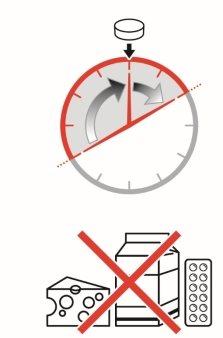


For more information on what foods and drinks are suitable, ask your doctor.
If you take more Eltrombopag Teva than you should
Talk to your doctor or pharmacist immediately. If possible, show them the pack or this leaflet. You will be monitored for signs or symptoms of side effects and given any necessary treatment.
In case of overdose or accidental ingestion, talk to your doctor or pharmacist immediately or call the Toxicology Information Service, telephone: 91 562 04 20, stating the medicine and the amount taken.
If you forget to take Eltrombopag Teva
Take the next dose at the usual time. Do not take more than one dose of eltrombopag per day.
If you stop taking Eltrombopag Teva
Do not stop taking eltrombopag without talking to your doctor first. If your doctor advises you to stop treatment, your platelet count will be checked every week for 4 weeks. See also “Bleeding or bruising after stopping treatment” in section 4.
If you have any other questions about taking this medicine, ask your doctor or pharmacist.

Started taking the medicine and have questions?
Discuss your symptoms and treatment with a doctor online.
4. Possible Adverse Effects
Like all medicines, this medicine can cause adverse effects, although not all people suffer from them.
Symptoms to which you need to pay attention: consult your doctor
People taking eltrombopag for both ITP and low platelet count associated with hepatitis C may exhibit signs related to serious adverse effects. It is essential that you inform your doctor if you develop these symptoms.
Increased Risk of Thrombosis
Some people may have an increased risk of suffering a thrombus, and medications like eltrombopag can worsen this problem. The sudden blockage of a blood vessel by a thrombus is a rare adverse effect that can affect up to 1 in 100 people.
Seek medical help immediately if you experience signs or symptoms of thrombosis, such as:
- swelling, pain, heat, redness, orsensitivity in one leg.
- sudden difficulty breathing, exceptionally accompanied by acute chest pain or agitated breathing.
- abdominal pain (stomach), ,enlarged abdomen, blood in your stool.
Liver Problems
Eltrombopag may cause changes that appear in blood tests, which can be signs of liver damage. Liver problems (increased liver enzymes in blood tests) are frequent and can affect up to 1 in 10 people. Other liver problems are rare and can affect up to 1 in 100 people.
If you have any signs of liver problems:
- yellowish coloron the skin or in the white area of the eyes (jaundice)
- dark-colored urineunusual
- contact your doctor immediately
Bleeding or Hematomas after Treatment Discontinuation
Within two weeks after discontinuing treatment with eltrombopag, your platelet levels will normally drop to levels similar to those before starting treatment with this medication. A decrease in platelet levels can increase the risk of bleeding or hematomas. Your doctor will check your platelet levels for at least 4 weeks after discontinuing treatment with eltrombopag.
- Contact your doctorif you experience bleeding or hematomas when stopping eltrombopag.
Some people have bleeding in the digestive systemafter stopping peginterferon, ribavirin, and eltrombopag. The symptoms include:
- black, tar-like stools (stool discoloration is a rare adverse effect that can affect up to 1 in 100 people).
- blood in the stool
- vomiting blood or something that looks like coffee grounds
- Contact your doctorimmediately if you experience any of these symptoms.
The following adverse effects have been reported in relation to treatment with eltrombopag in adult patients with ITP
Very Common Adverse Effects
May affect more than 1 in 10people
- cold
- feeling of dizziness (nausea)
- diarrhea
- cough
- infection of the nose, nasal sinuses, throat, and respiratory tract (upper respiratory tract infection)
- back pain
Very Common Adverse Effects that may appear in Blood Tests:
- increase in liver enzymes (alanine aminotransferase (ALT))
Common Adverse Effects
May affect up to 1 in 10people
- muscle pain, muscle spasm, muscle weakness
- bone pain
- heavy menstruation
- irritation of the throat and discomfort when swallowing
- eye problems including abnormal eye tests, dry eye, eye pain, and blurred vision
- vomiting
- flu
- cold sores
- pneumonia
- irritation and inflammation (swelling) of the breasts
- inflammation (swelling) and infection of the tonsils
- infection of the lungs, sinuses, nose, and throat
- inflammation of the gums
- loss of appetite
- feeling of tingling, itching, or numbness
- decreased sensitivity in the skin
- drowsiness
- ear pain
- pain, swelling, and sensitivity in one leg (generally the calf) with hot skin in the affected area (signs of a blood clot in a deep vein)
- localized swelling filled with blood from a rupture of a blood vessel (hematoma)
- hot flashes
- alterations in the mouth including dryness or irritation in the mouth, sensitivity in the tongue, bleeding gums, mouth ulcers
- runny nose
- toothache
- abdominal pain
- abnormal liver function
- skin changes including excessive sweating, rash with itching, red spots, changes in skin appearance
- hair loss
- foamy or bubbly urine (signs of protein in the urine)
- high temperature, feeling of heat
- chest pain
- feeling of weakness
- sleep problems, depression
- migraine
- decreased vision
- feeling that everything is spinning (vertigo)
- gas
Common Adverse Effects that may appear in Blood Tests:
- decrease in the number of red blood cells (anemia)
- decrease in the number of platelets (thrombocytopenia)
- decrease in the number of white blood cells
- decrease in hemoglobin levels
- increase in the number of eosinophils
- increase in the number of white blood cells (leukocytosis)
- increase in the level of uric acid
- decrease in potassium levels
- increase in creatinine levels
- increase in alkaline phosphatase levels
- increase in liver enzymes (aspartate aminotransferase (AST))
- increase in blood bilirubin (a substance produced by the liver)
- increase in some protein levels
Uncommon Adverse Effects
May affect up to 1 in 100people:
- allergic reaction
- interruption of blood supply to parts of the heart
- sudden difficulty breathing, especially when accompanied by acute chest pain and/or agitated breathing, which could be signs of a pulmonary thrombus (see “Increased Risk of Thrombosis” earlier in section 4)
- partial loss of lung function caused by a blockage in the pulmonary artery
- possible pain, swelling, and/or redness around a vein that could be signs of thrombosis in a vein
- yellowish skin and/or abdominal pain that could be signs of a bile duct obstruction, liver injury, liver damage due to inflammation (see “Liver Problems” earlier in section 4)
- liver damage due to medication
- rapid or irregular heartbeat, discoloration of the skin, alterations in heart rhythm (prolongation of the QT interval) that could be a sign of a heart and blood vessel disorder
- blood clots
- hot flashes
- joint pain and swelling due to uric acid (gout)
- lack of interest, mood changes, uncontrolled crying or that occurs unexpectedly
- balance problems, speech and nervous system alterations, tremors
- pain or abnormal sensations in the skin
- paralysis of one side of the body
- migraine with aura
- nerve pain
- dilation or swelling of blood vessels that cause headache
- eye problems, including increased tearing, clouding of the eye lens (cataracts), hemorrhage in the retina, dry eye
- nose, throat, and sinus problems, breathing problems when sleeping
- blisters/pain in mouth and throat
- loss of appetite
- digestive system problems, including frequent bowel movements, food poisoning, blood in stool, vomiting blood
- rectal bleeding, changes in stool color, abdominal swelling, constipation
- alterations in the mouth, including dryness or irritation in the mouth, tongue pain, bleeding gums, mouth ulcers
- sunburn
- feeling hot, feeling anxious
- redness or inflammation around wounds
- bleeding around a catheter (if you have one) in the skin
- feeling of a foreign body
- kidney problems, including kidney inflammation, frequent urination (increased need to urinate) at night, kidney failure, white blood cells in urine
- cold sweat
- feeling of general discomfort
- skin infection
- skin changes, including skin discoloration, peeling, redness, itching, and sweating
- muscle weakness
- colon and rectal cancer
Uncommon Adverse Effects that may appear in Blood Tests:
- changes in the shape of white blood cells
- presence of immature white blood cells that can be indicative of certain diseases
- increase in the number of platelets
- decrease in calcium levels
- decrease in the number of red blood cells (anemia) caused by excessive destruction of red blood cells (hemolytic anemia)
- increase in the number of myelocytes
- increase in neutrophils
- increase in blood urea
- increase in protein in urine
- increase in albumin levels in blood
- increase in total protein levels
- decrease in albumin levels in blood
- increase in urine pH
- increase in hemoglobin levels
The following adverse effects have been reported in relation to treatment with eltrombopag in children (1 to 17 years) with ITP
If these adverse effects worsen, please inform your doctor, pharmacist, or nurse.
Very Common Adverse Effects
May affect more than 1 in 10children
- infection of the nose, nasal sinuses, throat, and upper respiratory tract, cold (upper respiratory tract infection)
- diarrhea
- abdominal pain
- cough
- high temperature
- feeling of dizziness (nausea)
Common Adverse Effects
May affect up to 1 in 10children
- difficulty sleeping (insomnia)
- toothache
- throat and nose pain
- itching, runny nose, or stuffiness
- irritation of the throat, runny nose, nasal congestion, and sneezing
- alterations in the mouth, including dryness, irritation in the mouth, sensitivity in the tongue, bleeding gums, mouth ulcers
The following adverse effects have been reported in relation to treatment with eltrombopag in combination with peginterferon and ribavirin in patients with HCV
Very Common Adverse Effects
May affect more than 1 in 10people:
- headache
- loss of appetite
- cough
- feeling dizzy (nausea), diarrhea
- muscle pain, muscle weakness
- itching
- feeling tired
- fever
- hair loss
- feeling weak
- flu-like discomfort
- swelling of hands or feet
- chills
Very Common Adverse Effects that may appear in Blood Tests:
- decrease in the number of red blood cells (anemia)
Common Adverse Effects
May affect up to 1 in 10people:
- urinary tract infection
- inflammation of the nasal passages, throat, and mouth, flu-like symptoms, dryness, irritation, or inflammation of the mouth, toothache
- weight loss
- sleep disorders, abnormal drowsiness, depression, anxiety
- dizziness, attention and memory problems, mood changes
- decrease in brain function due to liver damage
- tingling or numbness in hands and feet
- fever, headache
- eye problems, including clouding of the eye lens (cataracts), dry eye, small yellow deposits in the retina, yellowish color in the white area of the eyes
- retinal bleeding
- feeling that everything is spinning
- rapid and irregular heartbeat (palpitations), difficulty breathing
- cough with phlegm, runny nose, flu (influenza), cold sores, throat irritation, and discomfort when swallowing
- digestive system alterations, including vomiting, stomach pain, indigestion, constipation, stomach swelling, alterations in taste, hemorrhoids (piles), abdominal pain/discomfort, swelling of blood vessels, and bleeding in the throat (esophagus)
- toothache
- liver problems, including liver tumor, yellowing of the white area of the eyes or skin (jaundice), liver damage due to medication (see “Liver Problems” earlier in section 4)
- skin changes, including rash, dry skin, eczema, skin redness, itching, excessive sweating, unusual skin growth, hair loss
- joint pain, back pain, bone pain, pain in the limbs (arms, legs, hands, and feet), muscle spasms
- irritability, feeling of general discomfort, skin reactions such as redness or swelling and pain at the injection site, chest pain, and discomfort
- infection of the nose, nasal sinuses, throat, and respiratory tract, cold (upper respiratory tract infection), inflammation of the mucous membrane lining the bronchi
- depression, anxiety, sleep problems, nervousness
Common Adverse Effects that may appear in Blood Tests:
- increase in blood sugar (glucose)
- decrease in the number of white blood cells
- decrease in the number of neutrophils
- decrease in blood albumin
- decrease in hemoglobin levels
- increase in blood bilirubin (a substance produced by the liver)
- changes in the enzymes that control blood clotting
Uncommon Adverse Effects
May affect up to 1 in 100people:
- pain when urinating
- alterations in heart rhythm (prolongation of the QT interval)
- stomach flu (gastroenteritis), sore throat
- blisters/pain in the mouth, stomach inflammation
- skin changes, including color changes, peeling, skin redness, itching, and night sweats
- blood clots in the liver veins (possible liver damage and/or digestive system damage)
- poor blood clotting in small blood vessels with kidney failure
- itching, bruising at the injection site, chest discomfort
- decrease in the number of red blood cells (anemia) caused by massive destruction of red blood cells (hemolytic anemia)
- confusion, agitation
- liver failure
The following adverse effects have been observed in relation to treatment with eltrombopag in patients with severe aplastic anemia (SAA)
If these adverse effects worsen, please inform your doctor, pharmacist, or nurse.
Very Common Adverse Effects
May affect more than 1 in 10people:
- cough
- headache
- pain in the mouth and throat
- diarrhea
- dizziness, nausea
- joint pain (arthralgia)
- pain in the limbs (arms, legs, hands, and feet)
- dizziness
- feeling very tired
- fever
- chills
- eye itching
- blisters in the mouth
- bleeding gums
- abdominal pain
- muscle spasms
Very Common Adverse Effects that may appear in a Blood Test
- abnormal changes in bone marrow cells
- increase in liver enzymes (aspartate aminotransferase (AST))
Common Adverse Effects
May affect up to 1 in 10people:
- anxiety
- depression
- feeling cold
- feeling of general discomfort
- eye problems, including vision problems, clouding of the eye lens (cataracts), spots or deposits in the eye (vitreous floaters), dry eye, eye itching, yellowing of the white area of the eyes or skin
- nosebleeds
- digestive problems, including difficulty swallowing, mouth pain, tongue swelling, vomiting, loss of appetite, stomach pain/discomfort, stomach swelling, gas/bloating, constipation, alterations in intestinal motility that can cause constipation, bloating, diarrhea, and/or the aforementioned symptoms, changes in stool color
- fainting
- skin problems, including red spots or purpura due to bleeding under the skin (petechiae), rash, itching, hives, skin lesions
- back pain
- muscle pain
- bone pain
- weakness (asthenia)
- swelling of the lower limbs due to fluid accumulation
- abnormal urine color
- interruption of blood circulation to the spleen (splenic infarction)
- runny nose
Common Adverse Effects that may appear in a Blood Test
- increase in some enzymes due to muscle breakdown (creatine phosphokinase)
- iron accumulation in the body (iron overload)
- decrease in blood sugar levels (hypoglycemia)
- increase in blood bilirubin (a substance produced by the liver)
- decrease in the number of white blood cells
Adverse Effects of Unknown FrequencyCannot be estimated from the available data
- skin discoloration
- skin darkening
- liver damage due to medication
Reporting of Adverse Effects
If you experience any type of adverse effect, consult your doctor or pharmacist, even if it is a possible adverse effect that does not appear in this list.
5. Conservation of Eltrombopag Teva
Keep this medicine out of the sight and reach of children.
Do not use this medicine after the expiration date that appears on the packaging and on the blister pack after "CAD". The expiration date is the last day of the month indicated.
This medicine does not require special storage conditions.
Medicines should not be thrown away in drains or in the trash. Deposit the packaging and medicines you no longer need at the SIGRE Point of the pharmacy. Ask your pharmacist how to dispose of the packaging and medicines you no longer need. This way, you will help protect the environment.
6. Package contents and additional information
Composition of Eltrombopag Teva film-coated tablets EFG
The active ingredient is eltrombopag
25 mg film-coated tablets
Each film-coated tablet contains eltrombopag olamine equivalent to 25 mg of eltrombopag.
50 mg film-coated tablets
Each film-coated tablet contains eltrombopag olamine equivalent to 50 mg of eltrombopag.
75 mg film-coated tablets
Each film-coated tablet contains eltrombopag olamine equivalent to 75 mg of eltrombopag.
The other components are: microcrystalline cellulose (PH 101)(E-460(i)), mannitol (E-421), povidone, microcrystalline cellulose (PH 102)(E-460(i)), sodium carboxymethyl starch type B (derived from potato starch), colloidal anhydrous silica, talc (E-553b), magnesium stearate.
The 25 mg film-coated tablets also contain hypromellose (E-464), titanium dioxide (E-171), Macrogol (E-1521).
The 50 mg film-coated tablets also contain hypromellose (E-464), titanium dioxide (E-171), Macrogol (E-1521), yellow iron oxide (E-172) and red iron oxide (E-172).
The 75 mg film-coated tablets also contain hypromellose (E-464), titanium dioxide (E-171), Macrogol (E-1521), red iron oxide (E-172) and black iron oxide (E-172).
Appearance of the product and package contents
Eltrombopag Teva 25 mg film-coated tablets EFG are round, white tablets, with "25" engraved on one face and scored on the other.
Eltrombopag Teva 50 mg film-coated tablets EFG are round, light brown tablets, with "50" engraved on one face and scored on the other.
Eltrombopag Teva 75 mg film-coated tablets EFG are round, pink tablets, with "75" engraved on one face.
Theyare supplied in aluminum blisters in a cardboard box containing 14, 28, 30, 84 film-coated tablets and unit-dose aluminum blisters in a cardboard box containing 14x1, 28x1, 30x1, 84x1 film-coated tablets.
Only some pack sizes may be marketed.
Marketing authorization holderand manufacturer
Marketing authorization holder
Teva Pharma, S.L.U.
C/ Anabel Segura 11, Edificio Albatros B, 1ª planta.
28108 Alcobendas. Madrid. Spain
Manufacturer
Actavis Ltd.,
BLB015, BLB016,
Bulebel Industrial Estate,
Zejtun, ZTN3000, Malta
Date of the last revision of this prospectus:December 2024
Detailed information about this medicine is available on the website of the Spanish Agency for Medicines and Health Products (AEMPS): (http://www.aemps.gob.es/)
- Country of registration
- Dosage formTABLET, 75 mg
- ATC codeB02BX05
- Active substance
- Prescription requiredYes
- Manufacturer
- CompositionMANITOL (E-421) (38,300 mg mg)
- This information is for reference only and does not constitute medical advice. Always consult a doctor before taking any medication. Oladoctor is not responsible for medical decisions based on this content.
- Alternatives to ELTROMBOPAG TEVA 75 mg FILM-COATED TABLETSDosage form: TABLET, 12.5 mgActive substance: eltrombopagManufacturer: Accord Healthcare S.L.U.Prescription requiredDosage form: TABLET, 25 mgActive substance: eltrombopagManufacturer: Accord Healthcare S.L.U.Prescription requiredDosage form: TABLET, 50 mgActive substance: eltrombopagManufacturer: Accord Healthcare S.L.U.Prescription required
Online doctors for ELTROMBOPAG TEVA 75 mg FILM-COATED TABLETS
Discuss questions about ELTROMBOPAG TEVA 75 mg FILM-COATED TABLETS, including use, safety considerations and prescription review, subject to medical assessment and local regulations.









Get ELTROMBOPAG TEVA 75 mg FILM-COATED TABLETS Prescription Online
Fill in a 2-min form
Tell us your symptoms, history, and what medicine you're requesting.
Pick a doctor or let us assign
Choose a specialist or we'll match you with the next available doctor.
Doctor reviews your case
Usually within 30 minutes. They may ask follow-up questions via chat.
Collect from any pharmacy
Electronic prescription sent to your email — valid across Spain.
Frequently Asked Questions
ELTROMBOPAG TEVA 75 mg FILM-COATED TABLETS requires a prescription in Spain. You can check with a doctor online whether this medicine may be appropriate for your situation.
The active ingredient in ELTROMBOPAG TEVA 75 mg FILM-COATED TABLETS is eltrombopag. This information helps identify medicines with the same composition but different brand names.
ELTROMBOPAG TEVA 75 mg FILM-COATED TABLETS is manufactured by Teva Pharma S.L.U.. Pharmacy brands and packaging may differ depending on the distributor.
Doctors such as Family doctors, Psychiatrists, Dermatologists, Cardiologists, Endocrinologists, Gastroenterologists, Pulmonologists, Nephrologists, Rheumatologists, Hematologists, Infectious disease physicians, Allergists, Geriatricians, Paediatricians, Oncologists may assess whether ELTROMBOPAG TEVA 75 mg FILM-COATED TABLETS is appropriate, depending on your situation and local regulations. You can book an online consultation to discuss your symptoms and possible next steps.
Spain has a well-developed healthcare infrastructure across major cities such as Madrid, Barcelona, Valencia, and Seville. Pharmacies are widely available and operate under strict regulations, ensuring access to prescribed medications.
You can buy ELTROMBOPAG TEVA 75 mg FILM-COATED TABLETS in Madrid, Barcelona, Seville, or Valencia at any local pharmacy with a valid prescription.
To obtain a prescription, you can use Oladoctor:
Other medicines with the same active substance (eltrombopag) include ELTROMBOPAG ACCORD 12.5 mg FILM-COATED TABLETS, ELTROMBOPAG ACCORD 25 mg FILM-COATED TABLETS, ELTROMBOPAG ACCORD 50 mg FILM-COATED TABLETS. These may have different brand names or formulations but contain the same therapeutic ingredient. Always consult a doctor before switching or starting a new medicine.
