






How to use EBASTEL 1 mg/ml ORAL SOLUTION
Translated with AI
This page provides general information and does not replace a doctor’s consultation. Always consult a doctor before taking any medication. Seek urgent medical care if symptoms are severe.
Show originalContents of the leaflet
Introduction
Package Leaflet: Information for the Patient
Ebastel 1 mg/ml Oral Solution
ebastine
- Read all of this leaflet carefully before you start taking this medicine because it contains important information for you.
- Keep this leaflet, you may need to read it again.
- If you have any further questions, ask your doctor or pharmacist.
- This medicine has been prescribed for you only. Do not pass it on to others. It may harm them, even if their signs of illness are the same as yours.
- If you get any side effects, talk to your doctor or pharmacist. This includes any possible side effects not listed in this leaflet.
Contents of the pack:
- What is Ebastel and what is it used for
- What you need to know before you take Ebastel
- How to take Ebastel
- Possible side effects
- Storage of Ebastel
- Contents of the pack and further information
1. What is Ebastel and what is it used for
Ebastel belongs to a group of medicines called antihistamines (antiallergics).
Ebastel is indicated for the treatment of symptoms of allergic processes such as seasonal or perennial allergic rhinitis, with or without allergic conjunctivitis (such as nasal discharge, nasal itching, eye itching, tearing, sneezing), chronic urticaria, and allergic dermatitis.

2. What you need to know before you take Ebastel
Do not take Ebastel
- if you are allergic to ebastine or any of the other ingredients of this medicine (listed in section 6).
Warnings and precautions
Consult your doctor or pharmacist before taking Ebastel.
This medicine should be used with caution:
- if your electrocardiogram results are altered (prolongation of the QT interval).
- if you have altered potassium levels in your blood.
- if you have severe liver disease (see "How to take Ebastel")
- if you are being treated with a type of antifungal medication called azoles or with antibiotics called macrolides (see "Taking Ebastel with other medicines").
- if you are being treated with rifampicin, a type of medication used to treat tuberculosis.
Do not use this medicine if you have an acute allergic emergency, as ebastine (the active ingredient of this medicine) takes 1 to 3 hours to take effect.
Children
Ebastel 1 mg/ml Oral Solution should not be administered to children under 2 years of age.
Other medicines and Ebastel
Tell your doctor or pharmacist that you are taking, have recently taken, or might take any other medicines.
The following medicines may interfere with Ebastel; in these cases, it may be necessary to change the dose or interrupt treatment with one of them:
- Ebastel may increase the effect of other medicines used to treat allergies (antihistamines).
- Ebastel should be used with caution in patients being treated with medications called ketoconazole and itraconazole used to treat fungal infections, or with an antibiotic used to treat certain infections called erythromycin (as they may cause an alteration in your electrocardiogram).
- The antihistamine effect of Ebastel may be reduced in patients being treated with a medication called rifampicin used to treat tuberculosis.
No interactions have been described between ebastine and theophylline, warfarin, cimetidine, diazepam, and alcohol.
Interference with diagnostic tests
Ebastel may interfere with the results of skin allergy tests, so it is recommended not to perform them until 5-7 days after stopping treatment.
Taking Ebastel with food and drinks
The solution can be taken with or without food.
Pregnancy and breastfeeding
If you are pregnant or breastfeeding, think you may be pregnant, or are planning to have a baby, ask your doctor or pharmacist for advice before taking this medicine.
Pregnancy
There is no experience in pregnant women, so it is recommended to consult a doctor before taking Ebastel. The doctor will decide whether or not to start treatment.
Breastfeeding
It is not known whether the medicine passes into breast milk, so it should not be used during breastfeeding.
Driving and using machines
In humans, no effects on psychomotor function or the ability to drive or use machinery have been observed at the recommended therapeutic doses. However, since somnolence and dizziness are among the side effects, observe your response to the medication before driving or using machinery.
Ebastel containsmethyl parahydroxybenzoate (E-219), propyl parahydroxybenzoate (E-217), sorbitol (E-420), hydrogenated castor oil, and benzoic acid (E-210)
It may cause allergic reactions (possibly delayed) because it contains methyl parahydroxybenzoate (E-219) and propyl parahydroxybenzoate (E-217).
This medicine contains 700 mg of sorbitol (E-420) per 10 ml.
Sorbitol is a source of fructose. If your doctor has told you that you (or your child) have an intolerance to some sugars, or have been diagnosed with hereditary fructose intolerance (HFI), a rare genetic disease, in which the patient cannot break down fructose, consult your doctor before taking this medicine.
This medicine may cause stomach upset and diarrhea because it contains hydrogenated castor oil.
This medicine contains 0.00028 mg of benzoic acid (E-210) (contained in the simethicone emulsion) in each 10 ml.
This medicine contains less than 23 mg of sodium (1 mmol) per 10 ml; it is essentially "sodium-free".
3. How to take Ebastel
Follow exactly the administration instructions of this medicine indicated by your doctor. If in doubt, consult your doctor or pharmacist again.
Remember to take your medicine.
Your doctor will indicate the duration of your treatment with Ebastel.
Posology
Use in adults and children over 12 years:The recommended dose is 1 dose of 10 ml (10 mg of ebastine) once a day.
Use in children from2 to12 years:
Use in children from 6 to 11 years: the recommended dose is 1 dose of 5 ml (5 mg of ebastine) once a day.
Use in children from 2 to 5 years: the recommended dose is 2.5 ml (2.5 mg of ebastine) once a day.
Use in patients with severe liver disease:The dose should not exceed 10 mg of ebastine per day (1 dose of 10 ml).
Method of administration
This medicine is for oral administration.
A measuring cup is included in the package to measure the amount of medicine to be taken. Take the dose and wash the cup after each use.
It can be administered directly or mixed with water.
If you think the effect of Ebastel is too strong or too weak, tell your doctor or pharmacist.
If you take more Ebastel than you should
In case of overdose or accidental ingestion, consult your doctor or pharmacist immediately, call the Toxicology Information Service, phone 915 620 420 (indicating the medicine and the amount taken), or go to the nearest hospital. Take the bottle and the complete box so that the healthcare staff can more easily identify the medicine you have taken.
Treatment of poisoning with this medicine consists of gastric lavage and administration of appropriate medication.
If you forget to take Ebastel
Do not take a double dose to make up for forgotten doses. Take the forgotten dose when you remember and then follow your regular schedule. However, if it is almost time for your next dose, do not take the forgotten dose, and wait for your next scheduled dose.
If you have any further questions on the use of this product, ask your doctor or pharmacist.

4. Possible side effects
Like all medicines, Ebastel can cause side effects, although not everybody gets them.
The following side effects have been observed in clinical trials and post-marketing experience:
Very common (may affect more than 1 in 10 people):
- Headache
Common (may affect up to 1 in 10 people):
- Somnolence
- Dry mouth
Rare (may affect up to 1 in 1,000 people):
- Hypersensitivity reactions: allergic reactions (such as anaphylaxis and angioedema)
- Nervousness, insomnia
- Dizziness, decreased sensation or sensitivity, decreased or altered taste
- Palpitations, tachycardia
- Abdominal pain, vomiting, nausea, digestive problems
- Hepatitis, cholestasis, abnormal liver function tests (increased transaminases, gamma-GT, alkaline phosphatase, and bilirubin)
- Urticaria, skin rash, dermatitis
- Menstrual disorders
- Edema (swelling due to fluid accumulation), fatigue
Frequency not known (cannot be estimated from the available data):
- Weight gain
- Increased appetite
Reporting of side effects
If you experience any side effects, talk to your doctor, pharmacist, or nurse. This includes any possible side effects not listed in this leaflet. You can also report side effects directly through the Spanish Pharmacovigilance System for Human Use Medicines: https://www.notificaram.es. By reporting side effects, you can help provide more information on the safety of this medicine.
5. Storage of Ebastel
Keep this medicine out of the sight and reach of children.
Do not store above 30°C.
Do not use this medicine after the expiry date which is stated on the carton after EXP. The expiry date is the last day of the month shown.
Medicines should not be disposed of via wastewater or household waste. Ask your pharmacist how to dispose of medicines no longer required. These measures will help protect the environment.
6. Contents of the pack and further information
Composition of Ebastel
- The active substance is ebastine. Each ml of oral solution contains 1 mg of ebastine.
- The other ingredients (excipients) are lactic acid (E-270), hydrogenated castor oil, sucralose, anethole, methyl parahydroxybenzoate, sodium salt (E-219), propyl parahydroxybenzoate, sodium salt (E-217), glycerol (E-422), 70% sorbitol solution (E-420), simethicone emulsion (purified water, simethicone, polyoxyethylene sorbitan trioleate (E-436), methylcellulose (E-461), polyethylene glycol stearate, glycerol monostearate (E-471), xanthan gum (E-415), benzoic acid (E-210), sulfuric acid (E-513), sorbic acid (E-200)), sodium hydroxide (E-524), and purified water.
Appearance of the product and contents of the pack
Ebastel is a clear, almost colorless liquid with an aniseed odor for oral administration.
Each pack contains a bottle with 120 ml of oral solution and a measuring cup.
Other presentations
Ebastel 10 mg Film-Coated Tablets
Marketing authorization holder and manufacturer
Marketing authorization holder
Almirall, S.A.
General Mitre, 151
08022 - Barcelona (Spain)
Manufacturer
Industrias Farmacéuticas Almirall, S.A.
Ctra. de Martorell, 41-61
08740 Sant Andreu de la Barca - Barcelona (Spain)
or
Manufacturer
ALMIRALL HERMAL GMBH Scholtzstrasse 3 D-21465 Reinbek (Germany)
Date of last revision of this leaflet: May 2019
Detailed and updated information on this medicine is available on the website of the Spanish Agency for Medicines and Health Products (AEMPS) http://www.aemps.gob.es/
-

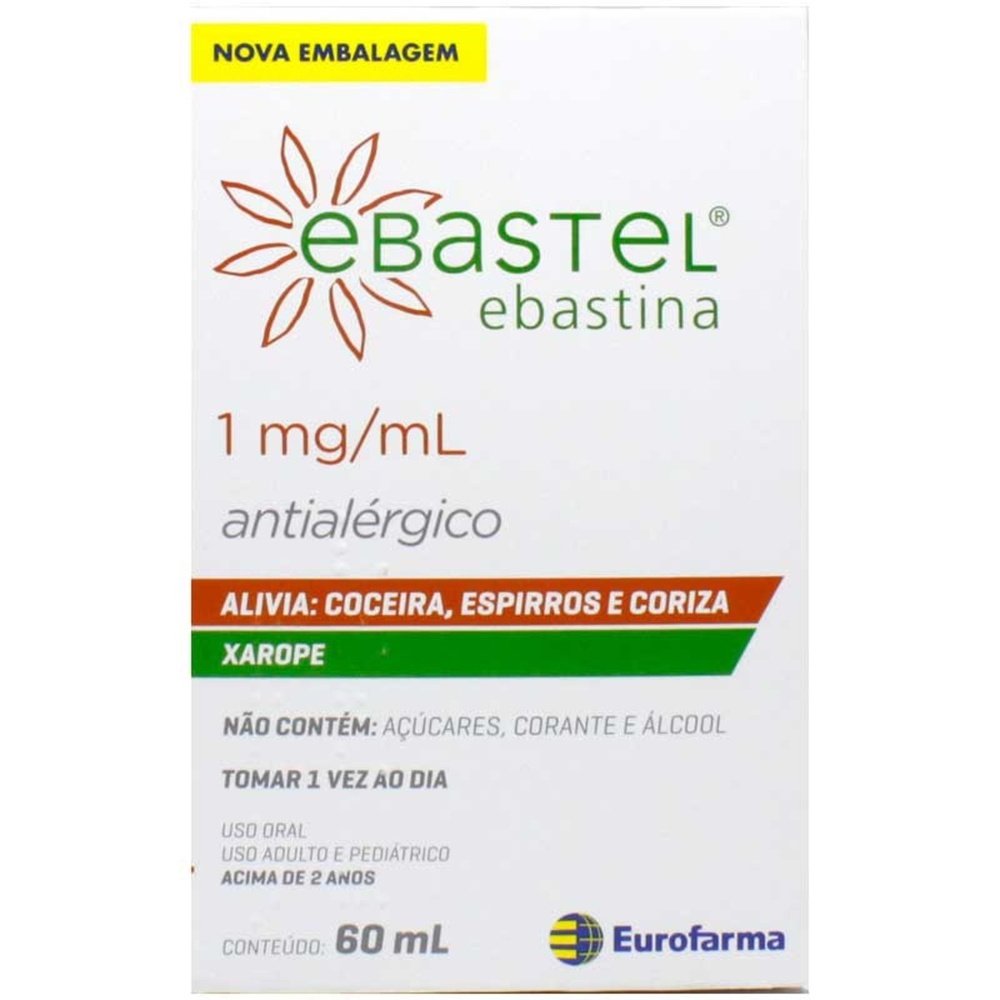
- Country of registration
- Dosage formORAL SOLUTION/SUSPENSION, 5 mg ebastine/ 5 ml
- ATC codeR06AX22
- Average pharmacy price2.64 EUR
- Active substance
- Prescription requiredYes
- Manufacturer
- This information is for reference only and does not constitute medical advice. Always consult a doctor before taking any medication. Oladoctor is not responsible for medical decisions based on this content.
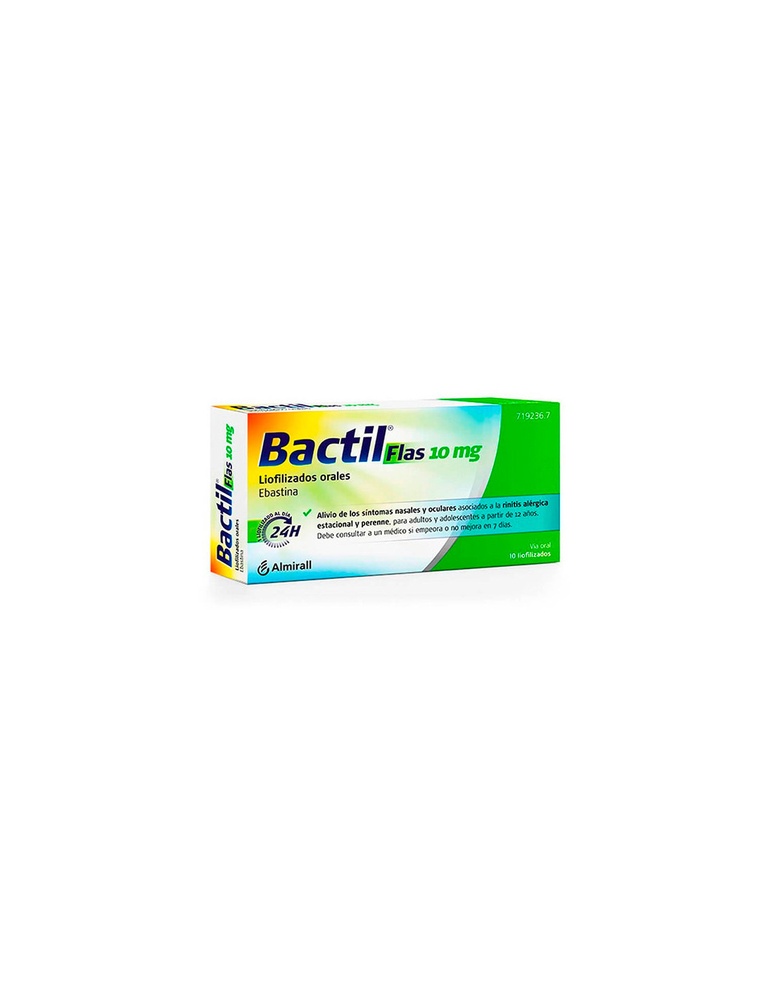
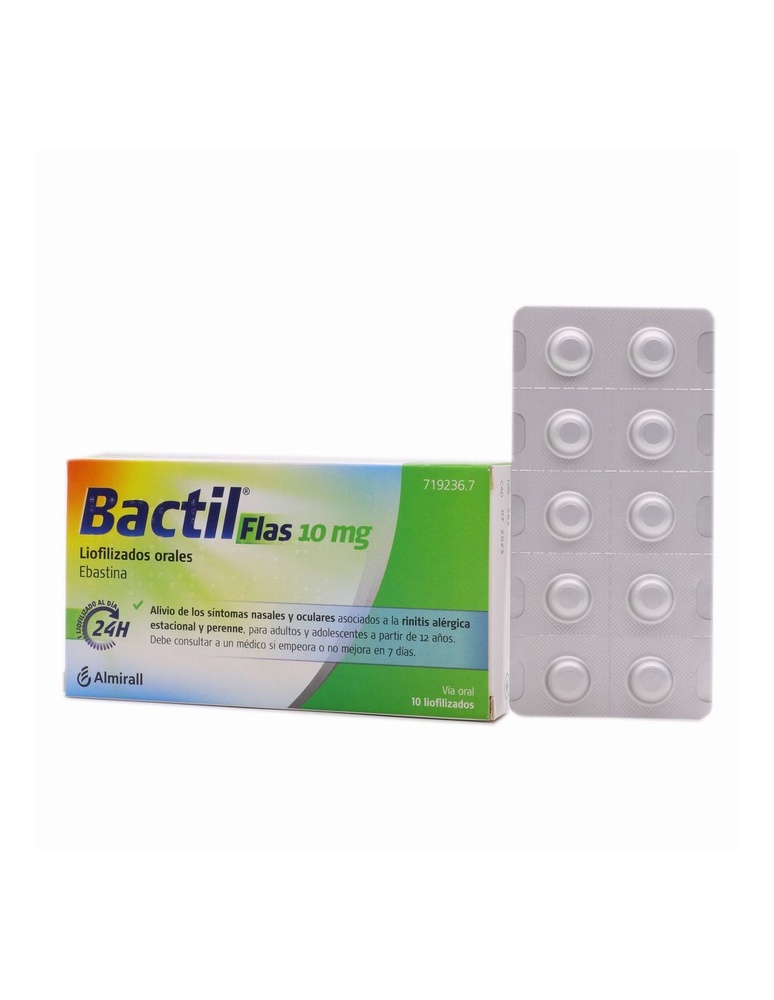
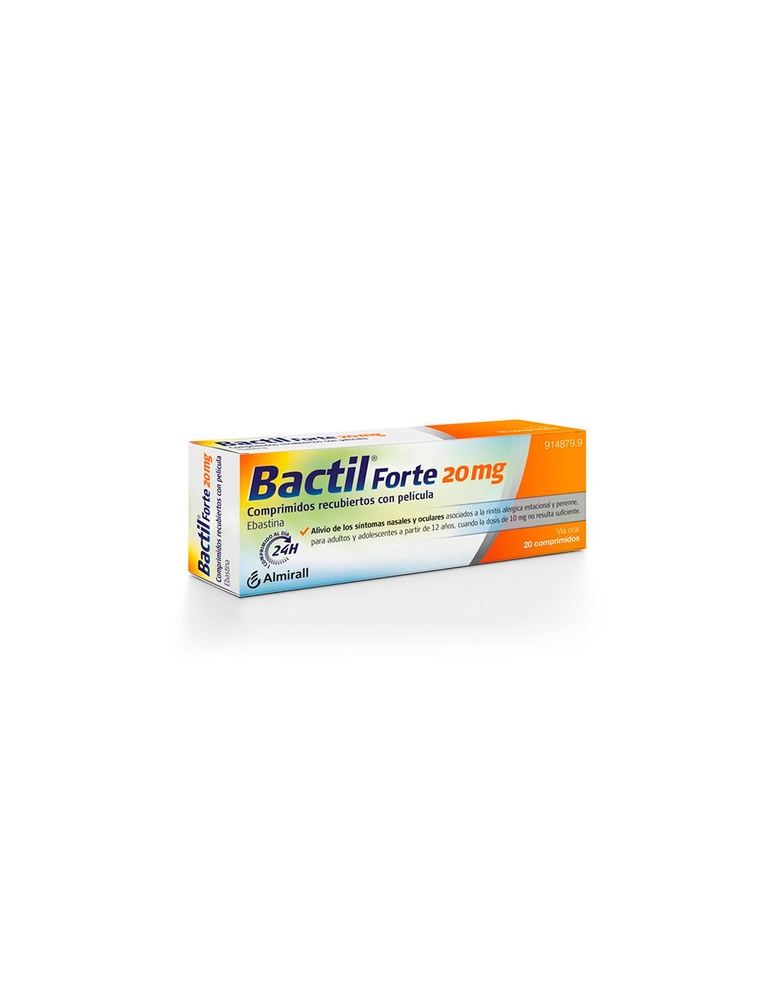
- Alternatives to EBASTEL 1 mg/ml ORAL SOLUTIONDosage form: TABLET, 10 mg ebastineActive substance: ebastineManufacturer: Laboratorios Almirall S.L.Prescription not requiredDosage form: ORALLY DISINTEGRATING TABLET/LIOTAB, 10 mgActive substance: ebastineManufacturer: Laboratorios Almirall S.L.Prescription not requiredDosage form: TABLET, 20 mg ebastineActive substance: ebastineManufacturer: Laboratorios Almirall S.L.Prescription not required
Online doctors for EBASTEL 1 mg/ml ORAL SOLUTION
Discuss questions about EBASTEL 1 mg/ml ORAL SOLUTION, including use, safety considerations and prescription review, subject to medical assessment and local regulations.









Get EBASTEL 1 mg/ml ORAL SOLUTION Prescription Online
Fill in a 2-min form
Tell us your symptoms, history, and what medicine you're requesting.
Pick a doctor or let us assign
Choose a specialist or we'll match you with the next available doctor.
Doctor reviews your case
Usually within 30 minutes. They may ask follow-up questions via chat.
Collect from any pharmacy
Electronic prescription sent to your email — valid across Spain.
Frequently Asked Questions
EBASTEL 1 mg/ml ORAL SOLUTION requires a prescription in Spain. You can check with a doctor online whether this medicine may be appropriate for your situation.
The active ingredient in EBASTEL 1 mg/ml ORAL SOLUTION is ebastine. This information helps identify medicines with the same composition but different brand names.
The average pharmacy price for EBASTEL 1 mg/ml ORAL SOLUTION is around 2.64 EUR. Prices may vary depending on the manufacturer and dosage form.
EBASTEL 1 mg/ml ORAL SOLUTION is manufactured by Almirall S.A.. Pharmacy brands and packaging may differ depending on the distributor.
Doctors such as Family doctors, Psychiatrists, Dermatologists, Cardiologists, Endocrinologists, Gastroenterologists, Pulmonologists, Nephrologists, Rheumatologists, Hematologists, Infectious disease physicians, Allergists, Geriatricians, Paediatricians, Oncologists may assess whether EBASTEL 1 mg/ml ORAL SOLUTION is appropriate, depending on your situation and local regulations. You can book an online consultation to discuss your symptoms and possible next steps.
Spain has a well-developed healthcare infrastructure across major cities such as Madrid, Barcelona, Valencia, and Seville. Pharmacies are widely available and operate under strict regulations, ensuring access to prescribed medications.
You can buy EBASTEL 1 mg/ml ORAL SOLUTION in Madrid, Barcelona, Seville, or Valencia at any local pharmacy with a valid prescription.
To obtain a prescription, you can use Oladoctor:
Other medicines with the same active substance (ebastine) include BACTIL 10 mg FILM-COATED TABLETS, BACTIL FLAS 10 mg ORAL LYOPHILIZED, BACTIL FORTE 20 mg FILM-COATED TABLETS. These may have different brand names or formulations but contain the same therapeutic ingredient. Always consult a doctor before switching or starting a new medicine.
