


DESMOPRESSIN TEVA 0.2 mg TABLETS
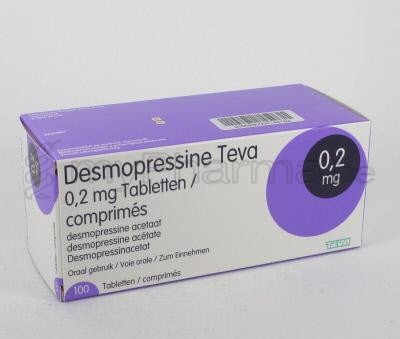



How to use DESMOPRESSIN TEVA 0.2 mg TABLETS
Translated with AI
This page provides general information and does not replace a doctor’s consultation. Always consult a doctor before taking any medication. Seek urgent medical care if symptoms are severe.
Show originalContents of the leaflet
Introduction
Package Leaflet: Information for the Patient
Desmopresina Teva 0.2 mg tablets EFG
Read the entire package leaflet carefully before starting to take this medication, as it contains important information for you.
- Keep this package leaflet, as you may need to read it again.
- If you have any questions, consult your doctor or pharmacist.
- This medication has been prescribed to you only, and you should not give it to others, even if they have the same symptoms, as it may harm them.
- If you experience side effects, consult your doctor or pharmacist, even if they are not listed in this package leaflet. See section 4.
Contents of the Package Leaflet:
- What is Desmopresina Teva and what is it used for
- What you need to know before taking Desmopresina Teva
- How to take Desmopresina Teva
- Possible side effects
- Storage of Desmopresina Teva
- Package contents and additional information
1. What is Desmopresina Teva and what is it used for
The active substance that makes the tablet work (the active ingredient) is desmopressin. Desmopressin is an antidiuretic, which reduces the amount of urine produced by the kidneys.
Desmopresina Teva is used to treat:
- A chronic disease called central diabetes insipidus, which causes excessive thirst and continuous production of large amounts of urine. Important: Do not confuse with Diabetes mellitus (sugar diabetes).
- Nocturnal enuresisin children (nocturnal urinary incontinence) over 5 years old.
- Frequent need to urinate during the night in adults (nocturia).

2. What you need to know before taking Desmopresina Teva
Do not take Desmopresina Teva
- if you are allergic (hypersensitive) to the active substance or any of the other components of this medication (listed in section 6).
- if you drinklargeamounts of fluids.
- if you have heart problemsor other diseasesthat require treatment with diuretics(tablets that facilitate the elimination of urine).
- if you have kidney failure.
- if you know you have low sodium levelsin your blood (hyponatremia).
- if you have the “Syndrome of Inadequate Secretion of Antidiuretic Hormone” (SIADH).
- if you have von Willebrand disease type IIB (hereditary bleeding disorder).
- if you have a rare blood disease called Thrombotic Thrombocytopenic Purpura (TTP).
Warnings and precautions
Consult your doctor or pharmacist before starting to take Desmopresina Teva.
- Regarding your fluid intake. Keep your fluid intake to a minimumfrom 1 hour beforetaking a tablet until 8 hoursafter a dose.
- If you are an elderly person.
- If you have a medical condition that causes fluid and/or electrolyte imbalancein the body, such as an infection, fever, or stomach upset.
- If you are at risk of high blood pressure in your brain.
- If you have a severe bladder problemor urination problems.
- If you have cystic fibrosis, as your doctor will need to monitor your blood sodium levels.
- If you suffer from asthma, epilepsy, or migraines.
Taking Desmopresina Teva with other medications
Tell your doctor or pharmacist if you are taking, have recently taken, or may need to take any other medication.
- Medications that increase the risk of water accumulation, which dilutes salt in the body.
- tricyclic antidepressants or ISRSs (used to treat depression)
- carbamazepine(used to treat epilepsy).
- chlorpromazine(used to treat psychosis or schizophrenia).
- sulfonylureas(used to treat high blood sugar levels).
- loperamide(used to treat diarrhea).
- medications for pain and/or inflammationcalled non-steroidal anti-inflammatory drugs (NSAIDs), such as indomethacin, ibuprofen.
- Medications that decrease the absorption of desmopressin.
- dimethicone(used to treat symptoms due to the accumulation of intestinal gases).
Taking Desmopresina Teva with food and drinks
- Do not take Desmopresina Teva with food, as it may reduce the effect of the tablets. To ensure correct dosing, it is very important that you always allow the same amount of time to pass between taking the tablets and eating your next meal.
- Before starting treatment with this medication, your doctor should give you advice on fluid intake.
- When using this medication for enuresis or nocturia, reduce fluid intake to a minimum 1 hour beforetaking a tablet until 8 hoursafter a dose.
- Excessive fluid intake can lead to fluid retention, which dilutes salt in the body. This can happen with or without warnings or symptoms, including unusual or prolonged headache, feeling or being sick, unexplained weight gain, and in severe cases, seizures and loss of consciousness. If you experience any of these symptoms, stop taking Desmopresinaand consult your doctor immediately.
Pregnancy, breastfeeding, and fertility
If you are pregnant or breastfeeding, think you may be pregnant, or plan to become pregnant, consult your doctor or pharmacist before using this medication.
Desmopressin can be used during breastfeeding, but it should only be used during pregnancy if prescribed by a doctor. There is limited experience with the use of desmopressin in pregnant women with diabetes insipidus.
Driving and using machines
There is no evidence to suggest that Desmopresina Teva affects the ability to drive or use machines.
Desmopresina Teva contains lactose
If your doctor has told you that you have an intolerance to certain sugars, consult with them before taking this medication.
3. How to take Desmopresina Teva
Follow your doctor's or pharmacist's instructions for taking this medication exactly. If you are unsure, consult your doctor or pharmacist again.
- During treatment with desmopressin, your body weight, blood sodium levels, and/or blood pressure should be regularly monitored.
The recommended dose is:
- Central diabetes insipidus
Adults and children: 100 micrograms (0.1 mg) three times a day. Your doctor may increase the dose based on your response to symptoms.
- Nocturnal enuresis(nocturnal urinary incontinence)
Children over 5 years old: 200 micrograms (0.2 mg) before bedtime. Your doctor may increase the dose up to 400 micrograms (0.4 mg) at bedtime based on your response to enuresis. The need to continue treatment is usually checked every three months, with a treatment-free period of at least one week in between.
- Frequent need to urinate during the night (nocturia)
Treatment of increased urination during the night with desmopressin in adults (nocturia) should be initiated and monitored by specialists with experience in this treatment.
Adults: 100 micrograms (0.1 mg) before bedtime. The dose may be increased to 200 micrograms (0.2 mg) and then up to a maximum of 400 micrograms (0.4 mg) at weekly intervals. Before starting treatment, urine production should be measured. If nocturia does not improve after four weeks, consult your doctor, as treatment should be discontinued.
Elderly people (over 65 years old): Treatment of nocturia is not recommended in the elderly. If your doctor decides to treat you, blood sodium levels should be measured before and three days after starting treatment, and if the dose is increased or at any time your doctor considers it necessary.
When using this medication for enuresis or nocturia, fluid intake should be reduced to a minimum 1 hour before taking a tablet until 8 hours after a dose.
Divide the tablets in half or swallow them whole. The score line is only to facilitate administration if you have difficulty swallowing the whole tablet.
Do not take this medication with food, as it may reduce the effectiveness of the treatment. To ensure correct dosing, it is very important that you always allow the same amount of time to pass between taking the tablets and eating your next meal.
If you take more Desmopresina Teva than you should
An overdose can prolong the effect of desmopressin and increase the risk of fluid retention in the body and low sodium levels in the blood. Symptoms of fluid retention include seizures and loss of consciousness. If you take more Desmopresina Teva than prescribed, contact your doctor, pharmacist, or go to the nearest hospital.
In case of overdose or accidental ingestion, consult the Toxicological Information Service, phone 91-562 04 20, indicating the medication and the amount ingested.
If you forget to take Desmopresina Teva
Do not take a double dose to make up for forgotten doses.
If you stop taking Desmopresina Teva
You should only change or stop treatment if your doctor tells you to.
If you have any other questions about the use of this medication, ask your doctor or pharmacist.

4. Possible side effects
Like all medications, this medication can cause side effects, although not everyone will experience them.
Stop treatment and consult your doctor immediately if the following occurs:
- Various or severe allergic symptoms of fluid retention. These include the side effects listed below with an asterisk (*).
- Hypersensitivity reactions such as skin rash, itching, fever, swelling of the mouth, tongue, or respiratory tract that cause difficulty swallowing or breathing problems.
Side effects observed in adults
Very common(may affect more than 1 in 10 people)
- headache*
Common(may affect up to 1 in 10 people)
- low sodium levels in the blood*
- dizziness*
- high blood pressure
- nausea*, abdominal pain*, vomiting*, diarrhea
- urination problems (such as passing small amounts of water frequently, having a strong need to urinate)
- fluid retention
- fatigue
Uncommon(may affect up to 1 in 100 people)
- insomnia
- sleepiness, abnormal skin sensations
- visual disturbances
- vertigo*
- palpitations
- decrease in blood pressure when standing up from a lying position
- breathing difficulties
- gastrointestinal disorders, e.g., stomach acid, flatulence, bloating
- sweating, itching, skin rash, hives
- muscle spasms, muscle pain
- urinary symptoms
- feeling unwell*
- chest pain
- flu-like symptoms
- weight gain*
- changes in liver function
- low potassium levels in the blood
Rare(may affect up to 1 in 1,000 people)
- confusion*
- skin allergic reaction
Frequency not known: (frequency cannot be estimated from available data)
- seizures*
- loss of consciousness*
- In the treatment of central diabetes insipidus, dehydration, high sodium levels in the blood, and muscle weakness may occur.
Side effects observed in children up to 18 years old
Common(may affect up to 1 in 10 people)
- headache*
Uncommon(may affect up to 1 in 100 people)
- emotional problems, aggression
- abdominal pain*, nausea*, vomiting*, diarrhea
- fluid retention in arms and legs
- fatigue
Rare(may affect up to 1 in 1,000 people)
- anxiety, in children under 12 years old, nightmares and mood changes may also occur
- sleepiness
- high blood pressure
- irritability
Frequency not known(cannot be estimated from available data)
- low sodium levels in the blood*
- abnormal behavior, emotional disorder, depression, hallucinations, insomnia
- attention disorders, hyperactivity, seizures*
- nasal bleeding
- allergic skin reaction, skin rash, sweating, hives.
Reporting side effects
If you experience any side effects, consult your doctor, pharmacist, or nurse, even if they are not listed in this package leaflet. You can also report them through the Spanish Medicines Agency's website: www.notificaram.es. By reporting side effects, you can help provide more information on the safety of this medication.
5. Storage of Desmopresina Teva
Keep this medication out of the sight and reach of children.
Do not use this medication after the expiration date stated on the packaging, blister, or bottle after "EXP". The expiration date is the last day of the month indicated.
Blister: Do not store above 30°C.
Bottle: Do not store above 30°C, keep the bottle tightly closed to protect it from moisture.
Medications should not be disposed of via wastewater or household waste. Deposit the packaging and any unused medications at the pharmacy's SIGRE collection point. If in doubt, ask your pharmacist how to dispose of the packaging and any unused medications. This will help protect the environment.
6. Package contents and additional information
Composition of Desmopresina Teva
- The active substance is desmopressin acetate. Each 0.2 mg tablet contains 0.2 mg, equivalent to 0.178 mg of desmopressin.
- The other ingredients are lactose monohydrate, cornstarch, povidone, pregelatinized starch, colloidal anhydrous silica, and magnesium stearate.
Appearance of Desmopresina Teva and package contents
White, biconvex, round tablets with the inscription 'D', scored and marked with '0.2' on one side and smooth on the other.
The score line is only for breaking the tablet if you have difficulty swallowing it whole.
They are packaged in OPA/Alu/PVC blisters.
Each package contains 10, 15, 30, 50 (hospital package), 60, 90, 100, and 200 (2x100) tablets.
Not all pack sizes may be marketed.
Marketing authorization holder
TEVA PHARMA, S.L.U.
Anabel Segura 11 Edificio Albatros B 1ª planta
28108 Alcobendas, Madrid
Manufacturer
Teva Pharmaceutical Works Private Limited Company
Pallagi út 13
Debrecen H-4042, (Hungary)
or
Pharmachemie B.V.
Swensweg 5, Postbus 552, 2003 RN Haarlem
Netherlands
This medication is authorized in the Member States of the European Economic Area under the following names
GERMANY: Desmopressin-TEVA 0.2 mg tablets
BELGIUM: Desmopressine TEVA 0.2 mg film-coated tablets
BULGARIA: MIRAM 0.2 mg tablets
DENMARK: Desmopressin Teva 0.2 mg tablets
SPAIN: Desmopresina Teva 0.2 mg tablets EFG
NETHERLANDS: Desmopressine-acetate Teva 0.2 mg tablets
PORTUGAL: Desmopressina Teva 0.2 mg tablets
This package leaflet was approved inJune 2024
Detailed and up-to-date information on this medication is available on the website of the Spanish Agency for Medicines and Health Products (AEMPS) http://www.aemps.es/
You can access detailed and up-to-date information about this medication by scanning the QR code included in the packaging with your smartphone. You can also access this information at the following internet address: https://cima.aemps.es/cima/dochtml/p/71385/P_71385.html
- Country of registration
- Dosage formTABLET, 0.2 mg
- ATC codeH01BA02
- Average pharmacy price27.9 EUR
- Availability in pharmacies
Supply issue reported
Data from the Spanish Agency of Medicines (AEMPS) indicates a supply issue affecting this medicine.<br><br>Availability may be limited in some pharmacies.<br><br>For updates or alternatives, consult your pharmacist. - Active substance
- Prescription requiredYes
- Manufacturer
- This information is for reference only and does not constitute medical advice. Always consult a doctor before taking any medication. Oladoctor is not responsible for medical decisions based on this content.
- Alternatives to DESMOPRESSIN TEVA 0.2 mg TABLETSDosage form: ORAL SOLUTION/SUSPENSION, 360mcg/ml desmopressin (anhydrous base)Active substance: desmopressinManufacturer: Laboratorio Reig Jofre, S.A.Prescription requiredDosage form: SUBLINGUAL TABLET, 120 microgramsActive substance: desmopressinManufacturer: Aristo Pharma GmbhPrescription requiredDosage form: SUBLINGUAL TABLET, 240 microgramsActive substance: desmopressinManufacturer: Aristo Pharma GmbhPrescription required
Online doctors for DESMOPRESSIN TEVA 0.2 mg TABLETS
Discuss questions about DESMOPRESSIN TEVA 0.2 mg TABLETS, including use, safety considerations and prescription review, subject to medical assessment and local regulations.



Frequently Asked Questions
