

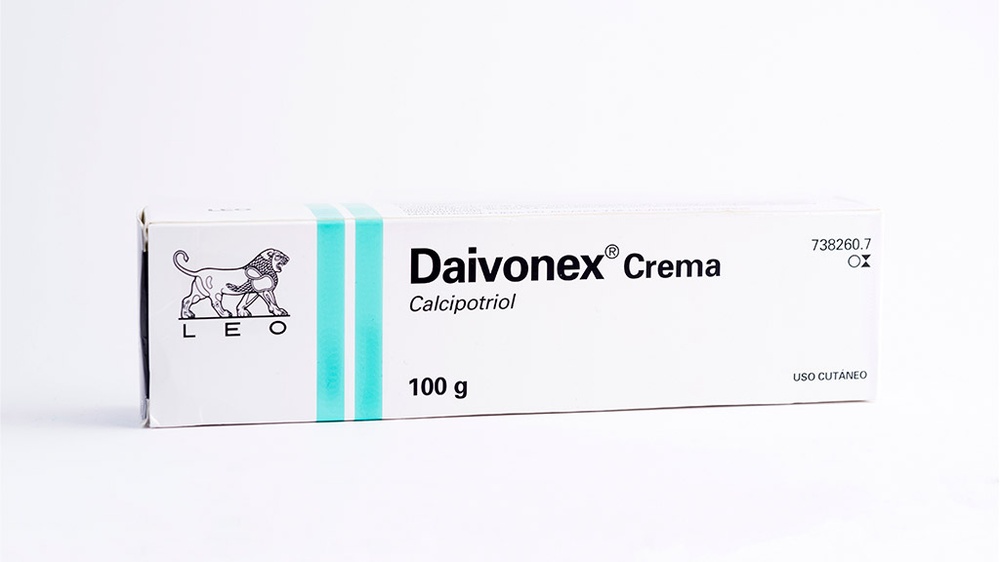
DAIVONEX 50 micrograms/g CREAM




How to use DAIVONEX 50 micrograms/g CREAM
Translated with AI
This page provides general information and does not replace a doctor’s consultation. Always consult a doctor before taking any medication. Seek urgent medical care if symptoms are severe.
Show originalContents of the leaflet
Introduction
Package Leaflet: Information for the User
Daivonex 50 micrograms/g cream
calcipotriol
Read all of this leaflet carefully before you start using this medicine because it contains important information for you.
- Keep this leaflet, you may need to read it again.
- If you have any further questions, ask your doctor or pharmacist.
- This medicine has been prescribed for you only. Do not pass it on to others. It may harm them, even if their signs of illness are the same as yours.
- If you get any side effects, talk to your doctor or pharmacist. This includes any possible side effects not listed in this leaflet. See section 4.
Contents of the pack and other information
- What is Daivonex cream and what is it used for
- What you need to know before you use Daivonex cream
- How to use Daivonex cream
- Possible side effects
- Storage of Daivonex cream
Contents of the pack and further information
1. What is Daivonex cream and what is it used for
Daivonex cream belongs to a group of medicines called topical psoriasis treatments.
Daivonex cream is a medicine used for the topical treatment of plaque psoriasis (psoriasis vulgaris).
The cause of psoriasis is the excessively rapid production of your skin cells. This causes redness, scaling, and thickening of your skin.
Daivonex cream contains calcipotriol. Calcipotriol helps to normalize the rate of growth of your skin cells.

2. What you need to know before you use Daivonex cream
Do not use Daivonex cream:
- if you are allergic (hypersensitive) to calcipotriol or any of the other ingredients of this medicine (listed in section 6).
- if you have problems with calcium levels in your blood (consult your doctor).
Warnings and precautions:
Consult your doctor or pharmacist before starting treatment with Daivonex cream.
- Daivonex cream should not be used on the face.
- Wash your hands well after using Daivonex cream (unless you are using the cream to treat your hands). This will prevent accidental contact with other parts of your body, especially the face and eyes.
- Do not exceed the maximum recommended dose (see section 3) to minimize the risk of increased calcium in the blood.
During treatment with Daivonex cream, you should limit or avoid excessive exposure to natural or artificial sunlight. Consult your doctor if you have any doubts about this.
Other medicines and Daivonex cream
Tell your doctor or pharmacist if you are using, have recently used, or might use any other medicines.
Pregnancy and breastfeeding
If you are pregnant or breastfeeding, think you may be pregnant, or plan to become pregnant, consult your doctor or pharmacist before using this medicine.
If your doctor agrees that you can breastfeed, be careful and do not apply Daivonex cream to the breast area.
Driving and using machines
This medicine does not affect your ability to drive or use machines.
Daivonex cream contains cetyl alcohol and diazolidinyl urea
This medicine may cause local skin reactions (such as contact dermatitis) because it contains cetyl alcohol and diazolidinyl urea, which releases formaldehyde.
3. How to use Daivonex cream
Follow exactly the instructions for administration of this medicine given by your doctor. If you are unsure, consult your doctor or pharmacist.
Remember to apply your medicine.
Your doctor will tell you how long to use Daivonex cream.
Adults
Daivonex cream should be applied to the affected area twice a day. The application of the cream can be reduced to once a day when the severity of the lesions has improved.
Do not use more than 100 grams of cream per week. If your doctor has also prescribed other medicines containing calcipotriol, the total weekly dose of all medicines containing calcipotriol should not exceed 100 grams.
Daivonex cream can be used in combination with topical corticosteroids. In such cases, one should be applied in the morning and the other in the evening.
Apply the cream to the affected skin area, previously cleaned. Gently massage until the cream is fully absorbed. Wash your hands after applying the cream.
Use in children
Daivonex cream is not recommended for use in children.
If you use more Daivonex cream than you should
If you have applied more Daivonex cream than you should, it may cause an increase in calcium levels in your blood. The calcium level in your blood will return to normal a few days after stopping treatment. In this case, consult your doctor or pharmacist.
In case of overdose or accidental ingestion, you can also contact the Toxicology Information Service. Telephone 91 562 04 20, indicating the medicine and the amount used.
If you forget to use Daivonex cream
Do not apply a double dose to make up for forgotten doses.
If you stop using Daivonex cream
The use of Daivonex cream should be stopped as indicated by your doctor. Do not stop treatment before, as the expected effects will not be achieved.
If you have any further questions about the use of this medicine, ask your doctor or pharmacist.

4. Possible side effects
Like all medicines, this medicine can cause side effects, although not everybody gets them.
Daivonex cream can cause some side effects, such as:
Very commonside effects (affecting more than 1 in 10 people):
- Skin irritation
Commonside effects (affecting less than 1 in 10 people):
- Worsening of your psoriasis
- Skin rash (dermatitis)
- Redness of the skin
- Skin eruption
- Peeling of the skin
- Burning sensation
- Itching (pruritus)
- Pain at the application site
Uncommonside effects (affecting less than 1 in 100 people):
- Allergic reactions with swelling of the face or other parts of the body, such as hands or feet. Swelling of the mouth/throat and respiratory problems may also occur.
- Calcium levels in your blood or urine may increase, causing symptoms such as frequent urination, constipation, muscle weakness, and confusion. When treatment is stopped, calcium levels return to normal.
- Skin sensitivity to light leading to a skin eruption
- Swelling of the skin
- Seborrheic dermatitis
- Dryness of the skin
Rareside effects (affecting less than 1 in 1,000 people):
- Hives
- Changes in skin color at the application site
Reporting of side effects
If you experience any side effects, talk to your doctor or pharmacist. This includes any possible side effects not listed in this leaflet. You can also report side effects directly to the Spanish Medicines and Healthcare Products Agency (AEMPS) via the website https://www.notificaram.es. By reporting side effects, you can help provide more information on the safety of this medicine.
5. Storage of Daivonex cream
Keep this medicine out of the sight and reach of children.
Do not use this medicine after the expiry date which is stated on the carton and tube after EXP. The expiry date is the last day of the month shown.
Do not store above 25°C. Do not freeze.
The container should be discarded 6 months after first opening.
Medicines should not be disposed of via wastewater or household waste. Place the container and any unused medicine in the SIGRE collection point at your pharmacy. If you are unsure, ask your pharmacist how to dispose of the container and any unused medicine. This will help protect the environment.
6. Contents of the pack and further information
Composition of Daivonex cream
- The active substance is calcipotriol (as hydrate).
- One gram of cream contains 50 micrograms of calcipotriol (as hydrate).
The other ingredients are disodium edetate, disodium hydrogen phosphate dihydrate, liquid paraffin, white petrolatum, glycerol 85%, cetylstearyl alcohol, cetyl alcohol, diazolidinyl urea, 2,4-dichlorobenzyl alcohol, all-rac-α-tocopherol, sodium hydroxide, and purified water.
Appearance and pack size
Daivonex cream is a white cream.
Available pack sizes: 30, 100, or 120 grams.
Not all pack sizes may be marketed.
Marketing authorisation holder
LEO Pharma A/S, Industriparken 55, DK-2750 Ballerup (Denmark).
Manufacturer
LEO Laboratories Limited, Cashel Road, Dublin 12 (Ireland).
Date of last revision of this leaflet:September 2018
Detailed and up-to-date information on this medicine is available on the website of the Spanish Agency for Medicines and Healthcare Products (AEMPS) http://www.aemps.gob.es/.
-

- Country of registration
- Dosage formCREAM, 50 mcg calcipotriol / 1 g
- ATC codeD05AX02
- Average pharmacy price32.5 EUR
- Active substance
- Prescription requiredYes
- Manufacturer
- CompositionGLICEROL (E 422) (30,0 mg mg), EDETATO DE DISODIO (0,5 mg mg), ETER CETOESTEARILICO DE POLIETILENGLICOL (BRIJ 72) (18,0 mg mg), CETOESTEARILICO, ALCOHOL (72,0 mg mg), HIDROGENOFOSFATO DE SODIO DIHIDRATO (2,5 mg mg), HIDROXIDO DE SODIO (E 524) (c.s. mg mg)
- This information is for reference only and does not constitute medical advice. Always consult a doctor before taking any medication. Oladoctor is not responsible for medical decisions based on this content.
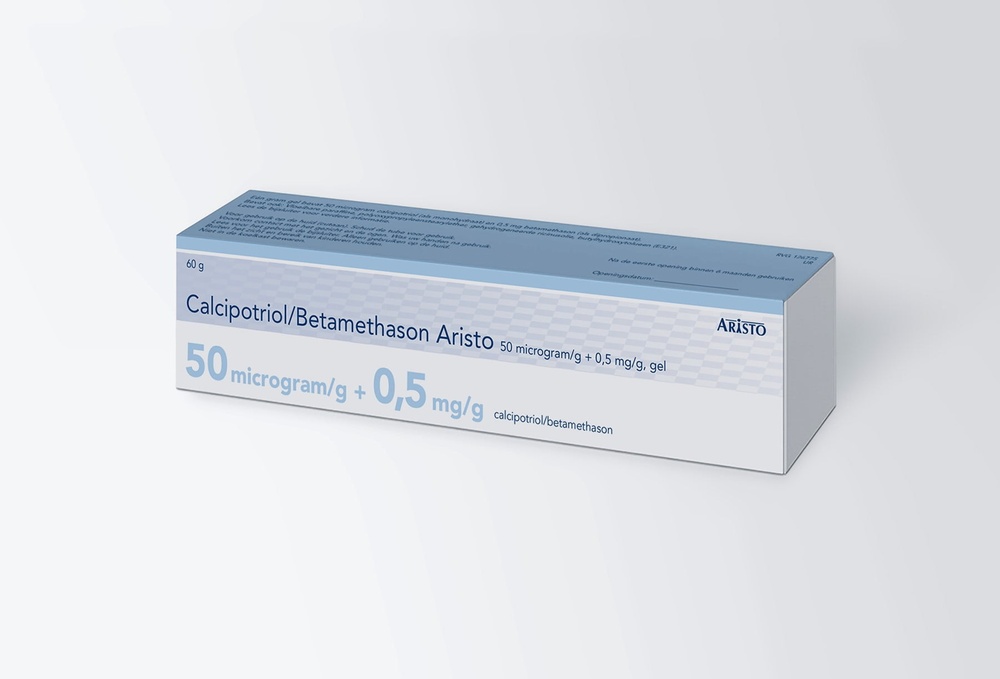
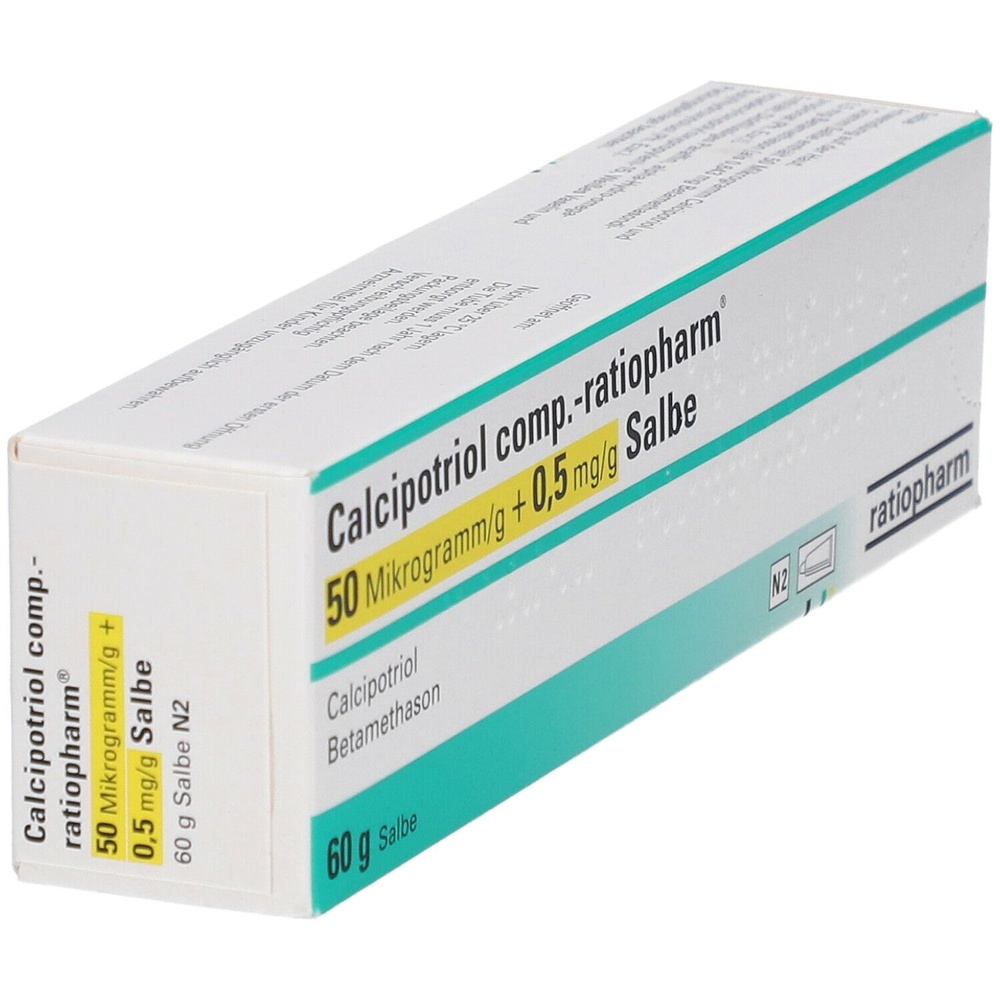
- Alternatives to DAIVONEX 50 micrograms/g CREAMDosage form: GEL, 50 micrograms/g 0.5 mg/gActive substance: calcipotriol, combinationsManufacturer: Aristo Pharma GmbhPrescription requiredDosage form: OINTMENT, 50 micrograms/g + 500 micrograms/gActive substance: calcipotriol, combinationsManufacturer: Teva Pharma S.L.U.Prescription requiredDosage form: OINTMENT, 50 micrograms/g + 500 micrograms/gActive substance: calcipotriol, combinationsManufacturer: Teva Pharma S.L.U.Prescription required
Online doctors for DAIVONEX 50 micrograms/g CREAM
Discuss questions about DAIVONEX 50 micrograms/g CREAM, including use, safety considerations and prescription review, subject to medical assessment and local regulations.


 Book a video appointment
  Book a video appointment
Get DAIVONEX 50 micrograms/g CREAM Prescription Online
Fill in a 2-min form
Tell us your symptoms, history, and what medicine you're requesting.
Pick a doctor or let us assign
Choose a specialist or we'll match you with the next available doctor.
Doctor reviews your case
Usually within 30 minutes. They may ask follow-up questions via chat.
Collect from any pharmacy
Electronic prescription sent to your email — valid across Spain.
Frequently Asked Questions
Is a prescription required for DAIVONEX 50 micrograms/g CREAM?
DAIVONEX 50 micrograms/g CREAM requires a prescription in Spain. You can check with a doctor online whether this medicine may be appropriate for your situation.
What is the active substance in DAIVONEX 50 micrograms/g CREAM?
The active ingredient in DAIVONEX 50 micrograms/g CREAM is calcipotriol. This information helps identify medicines with the same composition but different brand names.
How much does DAIVONEX 50 micrograms/g CREAM cost in pharmacies?
The average pharmacy price for DAIVONEX 50 micrograms/g CREAM is around 32.5 EUR. Prices may vary depending on the manufacturer and dosage form.
Who manufactures DAIVONEX 50 micrograms/g CREAM?
DAIVONEX 50 micrograms/g CREAM is manufactured by Leo Pharma A/S. Pharmacy brands and packaging may differ depending on the distributor.
Which doctors can assess the use of DAIVONEX 50 micrograms/g CREAM online?
Doctors such as Family doctors, Psychiatrists, Dermatologists, Cardiologists, Endocrinologists, Gastroenterologists, Pulmonologists, Nephrologists, Rheumatologists, Hematologists, Infectious disease physicians, Allergists, Geriatricians, Paediatricians, Oncologists may assess whether DAIVONEX 50 micrograms/g CREAM is appropriate, depending on your situation and local regulations. You can book an online consultation to discuss your symptoms and possible next steps.
How to buy DAIVONEX 50 micrograms/g CREAM in Spain?
Spain has a well-developed healthcare infrastructure across major cities such as Madrid, Barcelona, Valencia, and Seville. Pharmacies are widely available and operate under strict regulations, ensuring access to prescribed medications.
You can buy DAIVONEX 50 micrograms/g CREAM in Madrid, Barcelona, Seville, or Valencia at any local pharmacy with a valid prescription.
To obtain a prescription, you can use Oladoctor:
What are the alternatives to DAIVONEX 50 micrograms/g CREAM?
Other medicines with the same active substance (calcipotriol) include CALCIPOTRIOL/BETAMETHASONE ARISTO 50 micrograms/g + 0.5 mg/g GEL, CALCIPOTRIOL/BETAMETHASONE RATIOPHARM 50 micrograms/g + 0.5 mg/g OINTMENT, CALCIPOTRIOL/BETAMETHASONE TEVA-RATIOPHARM 50 micrograms/g + 0.5 mg/g OINTMENT. These may have different brand names or formulations but contain the same therapeutic ingredient. Always consult a doctor before switching or starting a new medicine.
