


CLARITHROMYCIN ALMUS 500 mg FILM-COATED TABLETS
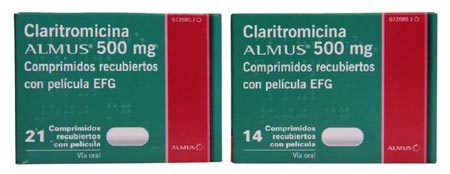



How to use CLARITHROMYCIN ALMUS 500 mg FILM-COATED TABLETS
Translated with AI
This page provides general information and does not replace a doctor’s consultation. Always consult a doctor before taking any medication. Seek urgent medical care if symptoms are severe.
Show originalContents of the leaflet
- Introduction
- What Clarithromycin ALMUS 500 mg tablets are and what they are used for
- What you need to know before you take Clarithromycin ALMUS 500 mg tablets
- How to take Clarithromycin ALMUS 500 mg tablets
- Possible Adverse Effects
- Conservation of Clarithromycin ALMUS 500 mg tablets
- Package Contents and Additional Information
Introduction
Package Leaflet: Information for the User
CLARITHROMYCIN ALMUS 500 mg film-coated tablets EFG
Read all of this leaflet carefully before you start taking this medicine, because it contains important information for you.
- Keep this leaflet, as you may need to read it again.
- If you have any further questions, ask your doctor or pharmacist.
- This medicine has been prescribed for you only. Do not pass it on to others. It may harm them, even if their signs of illness are the same as yours.
- If you get any side effects, talk to your doctor or pharmacist. This includes any possible side effects not listed in this leaflet. See section 4.
Contents of the pack:
- What Clarithromycin ALMUS 500 mg tablets are and what they are used for
- What you need to know before you take Clarithromycin ALMUS 500 mg tablets
- How to take Clarithromycin ALMUS 500 mg tablets
- Possible side effects
- Storage of Clarithromycin ALMUS 500 mg tablets
- Contents of the pack and other information
1. What Clarithromycin ALMUS 500 mg tablets are and what they are used for
Clarithromycin ALMUS is an antibiotic belonging to the macrolide group, active against many germs that cause stomach or intestinal infections, respiratory tract infections, or skin and soft tissue infections, as well as those produced by less common germs.
Antibiotics are used to treat bacterial infections and are not effective against
viral infections such as the flu or the common cold.
It is essential to follow the instructions regarding dosage, administration interval, and treatment duration as indicated by your doctor.
Do not store or reuse this medication. If you have any leftover antibiotic after completing treatment, return it to the pharmacy for proper disposal. Do not throw away medications through the drain or in the trash.
Clarithromycin ALMUS is used to treat infections caused by sensitive germs in:
- Gastric and duodenal ulcers.
- Prevention and treatment of infections produced by mycobacteria.
- Upper respiratory tract infections, such as pharyngitis (infection of the pharynx that causes sore throat), tonsillitis (infection of the tonsils), and sinusitis (infection of the paranasal sinuses around the forehead, cheeks, and eyes).
- Lower respiratory tract infections, such as acute bronchitis (infection and inflammation of the bronchi), exacerbation of chronic bronchitis (worsening of prolonged or recurrent lung inflammation), and bacterial pneumonia (inflammation of the lungs caused by bacteria).
- Skin and soft tissue infections, such as folliculitis (infection of one or more hair follicles), cellulitis (acute inflammation of the skin), and erysipelas (a type of skin infection).

2. What you need to know before you take Clarithromycin ALMUS 500 mg tablets
Do not take Clarithromycin ALMUS
- If you are allergic to clarithromycin or any of the other ingredients of this medication (listed in section 6).
- If you are allergic to macrolide antibiotics.
- If your doctor has told you that you have abnormally low levels of potassium or magnesium in your blood (hypokalemia or hypomagnesemia).
- If you are taking other medications such as cisapride (for gastrointestinal problems), pimozide (for psychiatric disorders), terfenadine, or astemizole (for allergy or hay fever).
- If you have a history of heart rhythm disorders (ventricular cardiac arrhythmia, including torsades de pointes) or abnormalities in the electrocardiogram (ECG) such as "prolonged QT syndrome".
- If you are taking other medications known to cause severe heart rhythm disorders.
- If you take these medications along with clarithromycin, you may have cardiac problems that can be severe. Consult your doctor for alternative medication.
- If you are taking ergotamine or dihydroergotamine (for migraine).
- If you are taking simvastatin or lovastatin (to reduce cholesterol),
- If you have severe liver disease with concurrent kidney disease.
- If you are taking ticagrelor, ivabradine, or ranolazine (for angina pectoris or to reduce the risk of myocardial infarction or stroke).
- If you have hypokalemia (low potassium levels in the blood).
- If you are taking colchicine (to prevent gout).
- If you are taking a medication with lomitapide.
Warnings and precautions:
Consult your doctor before starting to take Clarithromycin Almus.
- If you are pregnant, especially if you are less than 3 months pregnant. (See section Pregnancy and lactation).
- If you have kidney disease (moderate to severe renal insufficiency).
- If you have liver disease.
- If you have heart problems, especially heart rhythm problems (e.g., QT prolongation syndrome).
- If you experience diarrhea, as treatment with clarithromycin, like most antibiotics, can cause pseudomembranous colitis (inflammation of the large intestine that causes diarrhea and abdominal pain) due to the microorganism Clostridium difficile, and your doctor should rule out this diagnosis.
- If you are taking triazolam or midazolam (sedatives).
- If you are taking any medication that may affect your hearing. Your doctor will perform an auditory check during and after treatment.
- If you have taken other macrolide antibiotics or lincomycin and clindamycin antibiotics and the infection has not been resolved due to being caused by a resistant germ, or you have not been able to use these antibiotics for this reason. There is a possibility that clarithromycin may not be effective and the infection may not be cured because the causative germ of your infection is also resistant to clarithromycin. Consult your doctor about any questions you may have. There have been reports of antibiotic resistance, such as macrolides, in infections caused by Staphylococcus aureus, Streptococcus pyogenes, or Streptococcus pneumoniae.
- If you experience an acute reaction such as anaphylaxis, Stevens-Johnson syndrome, or toxic epidermal necrolysis (skin disease), your doctor will immediately interrupt treatment.
- If you are taking lovastatin or simvastatin to reduce your cholesterol levels, as taking them with clarithromycin may increase the risk of rhabdomyolysis (a disorder that affects your muscles).
- If you are taking insulin and/or hypoglycemic agents (medications that reduce blood sugar levels), careful monitoring of blood glucose levels is recommended.
- If you are taking certain medications that may reduce the effectiveness of clarithromycin (inducers of the cytochrome CYP3A4 enzyme).
- If you are taking oral anticoagulants, as it is recommended to monitor your prothrombin time.
Use of other medications
Tell your doctor or pharmacist if you are taking, have recently taken, or might take any other medications.
- The following medications should not be taken with clarithromycin ALMUS: astemizole and terfenadine (for allergy) and cisapride (for gastrointestinal problems), as these medications, when administered with clarithromycin, may increase the risk of severe cardiac problems.
- Also, do not use ergotamine or dihydroergotamine, as taking them with clarithromycin may cause ergotism (acute toxicity produced by ergot-derived medications) characterized by vasospasm (contraction of the walls of the arteries that makes it difficult for blood to pass through them) and ischemia (lack of oxygen) of the extremities and other tissues, including the central nervous system.
- Medications that reduce cholesterol levels, such as lovastatin and simvastatin.
The risk of rhabdomyolysis (muscle disorder) is increased.
The following medications should be taken with caution during treatment with clarithromycin, and you should consult your doctor beforehand, as it may be necessary to reduce the dose and closely monitor:
- Oral anticoagulants (warfarin or other anticoagulants, such as dabigatran, rivaroxaban, apixaban, and edoxaban) (to thin the blood). The risk of bleeding may increase.
- Antiarrhythmics such as quinidine or disopyramide,
- Antiepileptics, for epilepsy: phenytoin, carbamazepine, valproate.
- Phenobarbital, used as a sedative and anticonvulsant.
- Certain immunosuppressants, which reduce the body's defense against foreign substances and are used, for example, in organ transplantation: cyclosporine, tacrolimus, and sirolimus.
- Certain anticancer agents, such as vinca alkaloids: vinblastine.
- Benzodiazepines, for anxiety and insomnia: alprazolam, midazolam, triazolam.
- St. John's Wort, used to treat depression.
- Antifungals, for fungal infections: fluconazole, itraconazole, ketoconazole.
- Antiretrovirals, for HIV infection: zidovudine, efavirenz, nevirapine, atazanavir, saquinavir, etravirine.
Concomitant treatment with clarithromycin and zidovudine may result in a decrease in zidovudine blood concentrations due to clarithromycin interfering with the oral absorption of zidovudine. Therefore, it is recommended to space out the administration of both medications.
- Insulin, glibenclamide, repaglinide, medications used to treat diabetes.
- Calcium channel blockers such as verapamil, amlodipine, diltiazem, as there is a risk of hypotension.
- Antibiotics such as rifampicin, rifabutin, or rifapentine.
- Others: digoxin (for the heart), theophylline (for asthma), tolterodine (for overactive bladder).
- There have been reports of colchicine toxicity (medication used for gout) when taken with clarithromycin, especially in the elderly, some of whom had kidney problems.
- Hydroxychloroquine or chloroquine (used to treat diseases such as rheumatoid arthritis or to treat or prevent malaria). Taking these medications at the same time as clarithromycin may increase the possibility of experiencing abnormal heart rhythms and other severe adverse reactions that affect the heart.
- Corticosteroids, administered orally, by injection, or inhaled (used to suppress the immune system; this is useful in the treatment of a wide variety of diseases).
The following medications increase the amount of clarithromycin absorbed from the administered dose, so you should consult your doctor before taking them:
- Omeprazole (for digestive disorders such as ulcers and gastroesophageal reflux). Concomitant administration of clarithromycin and omeprazole increases the blood levels of both medications.
- Ritonavir (for HIV infection). Concomitant administration of ritonavir and clarithromycin results in a significant reduction in the elimination of clarithromycin, so it remains unchanged in the body for a longer time. However, due to the wide therapeutic margin of clarithromycin, dose adjustment should not be necessary if you have normal kidney function. Nevertheless, if you have kidney disease (creatinine clearance between 30-60 ml/min and <30 ml min), your doctor should adjust the dose of clarithromycin by 50% and 75%, respectively.< li>
- In post-marketing, interactions have been observed between the following medications that have similar metabolism to erythromycin or clarithromycin: alprazolam, astemizole, carbamazepine, cilostazol, cisapride, disopyramide, ergotamine, dihydroergotamine, lovastatin, methylprednisolone, midazolam, omeprazole, pimozide, quinidine, sildenafil, tadalafil, terfenadine, triazolam, and vardenafil.
- Clarithromycin may negatively affect the efficacy of antibiotics known as "betalactamics," which include penicillins (amoxicillin, ampicillin, etc.) and cephalosporins (cefuroxime, cefaclor, etc.), as well as the effects of lincomycin and clindamycin antibiotics.
Taking Clarithromycin ALMUS with food and drinks
Clarithromycin ALMUS tablets can be taken before, during, or after meals, as the presence of food in the digestive tract does not modify the activity of the medication.
Pregnancy and lactation
If you are pregnant or breastfeeding, think you may be pregnant, or plan to become pregnant, consult your doctor or pharmacist before using this medication.
The safety of clarithromycin during pregnancy and lactation has not been established. Clarithromycin is excreted in breast milk. If you are breastfeeding, do not take this medication.
Driving and using machines
There is no evidence that Clarithromycin has effects on the ability to drive or use machines. In case of dizziness, vertigo, confusion, and disorientation, avoid driving or operating machinery.
Clarithromycin Almus 500 mg tablets contain propylene glycol and sodium
This medication contains 2.610 mg of propylene glycol (E1520) in each tablet.
This medication contains less than 1 mmol of sodium (23 mg) per tablet; this is, essentially "sodium-free".
3. How to take Clarithromycin ALMUS 500 mg tablets
Clarithromycin ALMUS is administered orally.
Follow the administration instructions for this medication exactly as indicated by your doctor. If in doubt, consult your doctor or pharmacist again.
Adults: in patients with peptic ulcer associated with Helicobacter pylorithe recommended treatments are:
Triple therapy: 500 mg of clarithromycin, twice a day, with 1000 mg of amoxicillin twice a day and 20 mg of omeprazole once a day, for 10 days, or 500 mg of clarithromycin, with 1000 mg of amoxicillin and 20 mg of omeprazole, all administered twice a day, for 7 days.
Double therapy: 500 mg of clarithromycin, three times a day, with 40 mg of omeprazole, once a day, for 2 weeks. To ensure healing in patients with duodenal ulcer with poor therapeutic response, treatment with 40 mg of omeprazole may be extended up to 4 weeks.
The average recommended dose for the prevention and treatment of mycobacterial infections is 500 mg of clarithromycin every 12 hours. The duration of treatment should be determined by the doctor.
In the treatment of respiratory, skin, and soft tissue infections, the duration of treatment should be determined by the doctor and depends on the severity and type of infection.
It ranges from 6 to 14 days. The patient should strictly follow the doctor's instructions, even if the discomfort disappears. The usual recommended dose for adults is 250 mg twice a day. In more severe infections, the dose may be increased to 500 mg twice a day.
Remember to take your medication. Take the tablets at the same time every day.
Your doctor will indicate the duration of your treatment. Do not stop treatment before, as even if you are feeling better, your illness could worsen or reappear.
If you think the effect of Clarithromycin ALMUS is too strong or too weak, consult your doctor or pharmacist.
If you take more Clarithromycin ALMUS than you should
If you have taken more Clarithromycin ALMUS than you should, you can expect the appearance of gastrointestinal disorders, and consult your doctor or pharmacist immediately, as they will try to quickly eliminate the clarithromycin that your body has not yet absorbed. Hemodialysis or peritoneal dialysis is not effective.
In case of overdose or accidental ingestion, consult the Toxicology Information Service, phone 91.562.04.20, indicating the medication and the amount ingested.
If you forget to take Clarithromycin ALMUS
Do not take a double dose to make up for forgotten doses. Take the tablet as soon as possible and continue taking it every day at the same time.
If you interrupt treatment with Clarithromycin ALMUS
If you have any other questions about the use of this product, ask your doctor or pharmacist.

4. Possible Adverse Effects
Like all medicines, this medicine can cause adverse effects, although not all people suffer from them.
Adverse effects can be classified into very frequent (may affect more than 1 in 10 people), frequent (may affect up to 1 in 10 people), infrequent (may affect up to 1 in 100 people), rare (may affect up to 1 in 1,000 people), and very rare (may affect up to 1 in 10,000 people).
Frequent (may affect up to 1 in 10 people)
- Insomnia
- Headache, alteration of taste
- Diarrhea, vomiting, nausea, abdominal pain, intestinal motility disorders
- Rash, excessive sweating
- Abnormal liver function test results
Infrequent (may affect up to 1 in 100 people)
- Candidiasis, vaginal infection
- Alteration of some blood cell levels
- Hypersensitivity
- Anorexia, decreased appetite
- Anxiety
- Somnolence, dizziness, tremors
- Vertigo, hearing loss, ringing in the ears
- Prolongation of a specific interval in the electrocardiogram, called QT interval prolongation, palpitations
- Inflammation of the stomach lining, constipation, gas, dry mouth, belching, abdominal swelling or inflammation
- Elevated levels of some liver enzymes
- Increased serum levels of alkaline phosphatase or lactate dehydrogenase
- Urticaria, itching
- Malaise, fatigue, chest pain, weakness or muscle pain, chills
Frequency not known (cannot be estimated from available data)
- Infections such as: Pseudomembranous colitis, erysipelas
- Decrease in some blood cells
- Anaphylactic reaction, inflammation of the skin and mucous membranes
- Psychosis, confusion, feeling of loss of identity, depression, hallucinations, nightmares
- Seizures, loss of taste, loss or alteration of sense of smell, tingling
- Deafness
- Rapid or irregular heartbeat
- Bleeding
- Discoloration of the tongue or teeth, pancreatitis
- Liver failure
- Acne, skin diseases, rash with blood alterations (which can be a sign of a hypersensitivity syndrome called DRESS)
- Muscle disease, rhabdomyolysis
- Kidney failure, kidney disorders caused by inflammation of parts of it
- Abnormal urine color
Contact a doctor as soon as possible if you experience a severe skin reaction: a red and scaly rash with bumps under the skin and blisters (pustular exanthematous eruption). The frequency of this adverse effect is considered unknown (cannot be estimated from available data).
Reporting of Adverse Effects
If you experience any type of adverse effect, consult your doctor, even if it is a possible adverse effect that does not appear in this prospectus. You can also report it directly through the Spanish Pharmacovigilance System for Human Use Medicines Website: www.notificaram.es. By reporting adverse effects, you can contribute to providing more information on the safety of this medicine.
5. Conservation of Clarithromycin ALMUS 500 mg tablets
Keep this medicine out of sight and reach of children.
This medicine does not require special storage conditions.
Do not use this medicine after the expiration date that appears on the packaging after CAD. The expiration date is the last day of the month indicated.
Medicines should not be thrown away through wastewater or household waste. Deposit the packaging and medicines you no longer need in the SIGRE Point of the pharmacy. In case of doubt, ask your pharmacist how to dispose of the packaging and medicines you no longer need. This way, you will help protect the environment.
6. Package Contents and Additional Information
Composition of Clarithromycin ALMUS 500 mg tablets
The active ingredient is clarithromycin. Each tablet contains 500 mg of clarithromycin.
The other components (excipients) are: pregelatinized corn starch, sodium croscarmellose (E468), povidone, microcrystalline cellulose (E460), anhydrous colloidal silica (E550), magnesium stearate (E573), hypromellose (E464), titanium dioxide (E171), talc (E533b), propylene glycol (E1520).
Appearance of the Product and Package Contents
Clarithromycin ALMUS 500 mg tablets are oblong, biconvex, white or almost white, coated.
The tablets are presented in PVC/PVDC blisters attached to an aluminum sheet. This medicine is presented in packages of 14, 21, or 500 tablets.
Marketing Authorization Holder and Manufacturer
Holder:
Almus Pharmaceutical, S.A.U.
Marie Curie, 54
08840 Viladecans (Barcelona), Spain
Phone: 93 739 71 80
Email: [email protected]
Manufacturer:
BLUEPHARMA – Indústria Farmacêutica, S.A.
- Martinho do Bispo. 3045-016 Coimbra
Portugal
Date of the Last Revision of this Prospectus: February 2024
Detailed and updated information on this medicine is available on the website of the Spanish Agency for Medicines and Health Products (AEMPS) http://www.aemps.gob.es/
- Country of registration
- Dosage formTABLET, 500 mg clarithromycin
- ATC codeJ01FA09
- Average pharmacy price12.24 EUR
- Active substance
- Prescription requiredYes
- Manufacturer
- This information is for reference only and does not constitute medical advice. Always consult a doctor before taking any medication. Oladoctor is not responsible for medical decisions based on this content.
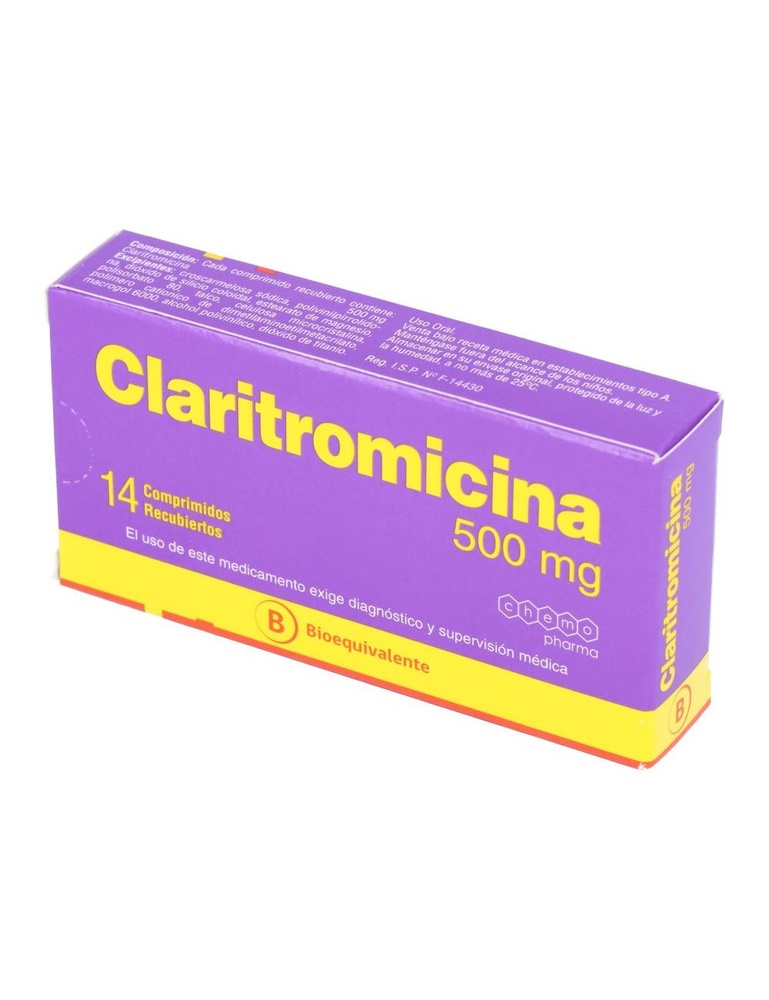
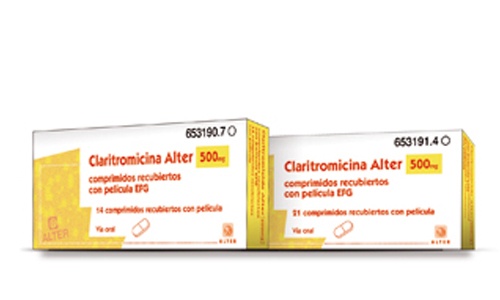
- Alternatives to CLARITHROMYCIN ALMUS 500 mg FILM-COATED TABLETSDosage form: TABLET, 500 mgActive substance: clarithromycinManufacturer: Accord Healthcare S.L.U.Prescription requiredDosage form: INJECTABLE INFUSION, 500 mgActive substance: clarithromycinManufacturer: Altan Pharmaceuticals SaPrescription requiredDosage form: TABLET, 500 mg clarithromycinActive substance: clarithromycinManufacturer: Laboratorios Alter S.A.Prescription required

Online doctors for CLARITHROMYCIN ALMUS 500 mg FILM-COATED TABLETS
Discuss questions about CLARITHROMYCIN ALMUS 500 mg FILM-COATED TABLETS, including use, safety considerations and prescription review, subject to medical assessment and local regulations.








.jpg)


Frequently Asked Questions
