



BIMI 0.3 mg/ml Eye Drops Solution

Prescription review online
A doctor will review your case and decide whether a prescription is medically appropriate.

Talk to a doctor about this medicine
Discuss your symptoms and possible next steps in a quick online consultation.



How to use BIMI 0.3 mg/ml EYE DROPS SOLUTION
Contents of the leaflet
- Introduction
- What is Bimi and what is it used for
- What you need to know before you use Bimi
- How to use Bimi
- Possible side effects
- Storage of Bimi
- Contents of the pack and other information
Introduction
Package Leaflet: Information for the Patient
Bimi 0.3 mg/ml eye drops, solution
Bimatoprost
Read this package leaflet carefully before you start using this medicine, because it contains important information for you.
Keep this package leaflet, as you may need to read it again.
- Keep this package leaflet, as you may need to read it again.
- If you have any further questions, ask your doctor or pharmacist.
- This medicine has been prescribed for you only. Do not pass it on to others. It may harm them, even if their signs of illness are the same as yours.
- If you get any side effects, talk to your doctor or pharmacist. This includes any possible side effects not listed in this package leaflet. See section 4.
Contents of the package leaflet
- What is Bimi and what is it used for
- What you need to know before you use Bimi
- How to use Bimi
- Possible side effects
- Storage of Bimi
- Contents of the pack and other information
1. What is Bimi and what is it used for
Bimi is a medicine for glaucoma. It belongs to a group of medicines called prostamides.
This medicine is used to reduce high pressure in the eye. This medicine can be used alone or with other eye drops called beta-blockers that also reduce pressure.
The eye contains a clear, watery liquid that keeps the inside of the eye healthy. This liquid is constantly drained out of the eye and new liquid is produced to replace it. If the liquid does not drain quickly enough, the pressure inside the eye increases. This medicine works by increasing the drainage of the liquid. This reduces the pressure inside the eye. If this pressure is not reduced, it could lead to a disease called glaucoma and damage your vision.
This medicine does not contain preservatives.

Not sure if this medicine is right for you?
Discuss your symptoms and treatment with a doctor online.
2. What you need to know before you use Bimi
Do not use Bimi
- If you are allergic to bimatoprost or any of the other ingredients of this medicine (listed in section 6).
Warnings and precautions
Talk to your doctor or pharmacist before you start using this medicine, if:
- you have any respiratory problems
- you have liver or kidney problems
- you have had cataract surgery in the past
- you have low blood pressure or a slow heart rate
- you have had a viral infection or inflammation of the eye
- you use contact lenses (see section 3)
During treatment, Bimi may cause fat loss around the eye that can cause deepening of the eyelid sulcus, sinking of the eyes (enophthalmos), drooping of the eyelids (ptosis), stretching of the skin around the eye (involution of the dermatocalasis), and the white part of the eye becomes more visible (inferior scleral exposure). The changes are usually mild, but if they become more pronounced, they can affect your field of vision. The changes may disappear if you stop using Bimi.
Bimatoprost may also cause darkening and growth of the eyelashes, as well as darkening of the skin around the eyelid. The color of the iris may darken. These changes may be permanent and more visible if only one eye is being treated.
If you have a history of contact hypersensitivity to silver, you should not use this medicine.
Children and adolescents
This medicine has not been studied in patients under 18 years of age and should not be used in patients under 18 years of age.
Other medicines and Bimi
Tell your doctor or pharmacist if you are using, have recently used, or might use any other medicines.
If you are using other eye drops, leave at least 5 minutes between the application of Bimi and the other eye drops. Ophthalmic ointments should be administered last.
Pregnancy, breastfeeding, and fertility
If you are pregnant or breastfeeding, think you may be pregnant, or are planning to have a baby, ask your doctor or pharmacist for advice before using this medicine.
This medicine may pass into breast milk, so you should not use it if you are breastfeeding.
Driving and using machines
After instillation of bimatoprost, blurred vision may occur for a short time. Do not drive or use machines until your vision is clear.
Bimi contains phosphates
This medicine contains 0.95 mg of phosphates per milliliter. If you have severe damage to the clear layer on the front of the eye (the cornea), treatment with phosphates, in very rare cases, may cause cloudy patches on the cornea due to calcium.
3. How to use Bimi
Follow the instructions for administration of this medicine exactly as told by your doctor. If you are not sure, talk to your doctor or pharmacist.
This medicine should only be applied to the eyes. The recommended dose is one drop of bimatoprost once a day, at night, in each eye that needs treatment.
Bimatoprost has not been studied in patients who use contact lenses. Contact lenses should be removed before installation and may be reinserted 15 minutes after administration.
Do not use it more than once a day, as the effectiveness of the treatment may be reduced.
Bimi is a sterile solution that does not contain preservatives. See section 6, Appearance of Bimi and contents of the pack.
Before instilling the eye drops:
- When you first use it, before putting a drop in your eye, you should first practice using the dropper bottle by squeezing it slowly to release a drop in the air, away from your eye.
- When you are confident that you can put one drop in your eye, you should choose the position that is most comfortable for you to instill the drops (you can sit, lie on your back, or stand in front of a mirror).
Instructions for use:
- Wash your hands carefully before using this medicine.
- If the pack or bottle is damaged, do not use the medicine.
- When you use the medicine for the first time, unscrew the cap after making sure that the tamper-evident ring on the cap has not been broken. You should feel a slight resistance until the tamper-evident ring breaks (see image 1).
- If the tamper-evident ring is loose, discard it because it could fall into your eye and cause injury.
- Tilt your head back and gently pull down the lower eyelid to form a pouch between your eye and the eyelid (see image 2). Avoid touching the tip of the bottle to your eye, eyelids, or fingers.
- Instill one drop into the pouch by gently squeezing the bottle (see image 3). Squeeze the bottle gently in the middle and let one drop fall into your eye. There may be a delay of a few seconds between squeezing and the drop coming out. Do not squeeze too hard. If you are not sure how to administer your medicine, talk to your doctor, pharmacist, or nurse.
- Press the tear duct for about 2 minutes (by pressing a finger against the corner of your eye next to your nose) and keep your eyes closed and closed for this time. This ensures that the drop is absorbed by the eye and that the amount of medicine that drains through the tear duct into the nose is probably reduced.
- Repeat steps 5 and 6 in the other eye if your doctor has told you to do so.
- After use and before closing, the bottle should be shaken once downwards, without touching the dropper tip, to remove any residual liquid from the tip. This is necessary to ensure the delivery of subsequent drops. After instillation, screw the cap back onto the bottle (see image 4).
- Additional information for the bottle containing 9 ml of solution: At the end of the 90-day period of validity of the medicine after opening, a little Bimi will remain in the bottle. Do not attempt to use the remaining excess medicine in the bottle. Do not use the eye drops for more than 90 days after the first opening of the bottle.
If a drop misses your eye, try again.
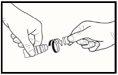
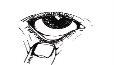
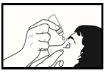
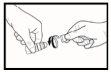
image 1image 2image 3image 4
If you use more Bimi than you should
If you use more of this medicine than you should, it is unlikely to harm you. Apply the next dose at the usual time. If you are concerned, talk to your doctor or pharmacist.
In case of overdose or accidental ingestion, talk to your doctor or pharmacist or call the Toxicology Information Service, phone: 91 562 04 20, indicating the medicine and the amount taken.
If you forget to use Bimi
If you forget to apply this medicine, use one drop as soon as you remember and then go back to your usual routine. Do not apply a double dose to make up for the forgotten dose.
If you stop using Bimi
This medicine should be used every day for it to work well. If you stop using it, the pressure in your eye may increase, so talk to your doctor before stopping treatment.
If you have any further questions about the use of this medicine, ask your doctor or pharmacist.

Started taking the medicine and have questions?
Discuss your symptoms and treatment with a doctor online.
4. Possible side effects
Like all medicines, this medicine can cause side effects, although not everybody gets them.
If you experience any side effect, talk to your doctor or pharmacist. This includes any possible side effects not listed in this package leaflet.
Very common side effects
These may affect more than 1 in 10 people
Affecting the eye
- Mild redness (up to 24% of people)
- Fat loss in the eye area that can cause deepening of the eyelid sulcus, sinking of the eyes (enophthalmos), drooping of the eyelids (ptosis), stretching of the skin around the eye (involution of the dermatocalasis), and the white part of the eye becomes more visible (inferior scleral exposure).
Common side effects
These may affect up to 1 in 10 people
Affecting the eye
- Small erosions on the surface of the eye, with or without inflammation
- Irritation
- Itching in the eyes
- Pain
- Dryness
- Sensation of having something in the eye
- Longer eyelashes
- Darker skin around the eye
- Red eyelids
Uncommon side effects
These may affect up to 1 in 100 people
Affecting the eye
- Tired eyes
- Sensitivity to light
- Darker iris
- Inflamed and itchy eyelids
- Watery eyes
- Inflammation of the clear layer that covers the surface of the eye
- Blurred vision
Affecting the body
- Headaches
- Excessive hair growth around the eye
Rare side effects
Affecting the eye
- Sticky eyes
- Eye discomfort
Affecting the body
- Asthma
- Worsening of asthma
- Worsening of the lung disease called chronic obstructive pulmonary disease (COPD)
- Difficulty breathing
- Symptoms of an allergic reaction (inflammation, redness of the eye, and skin rash)
- Dizziness
- High blood pressure
- Discoloration of the skin (around the eye)
In addition to the side effects of bimatoprost 0.3 mg/ml single-dose, the following side effects have been observed with the multi-dose formulation with preservatives for bimatoprost 0.3 mg/ml and may occur in patients using bimatoprost 0.3 mg/ml single-dose:
- Burning sensation in the eye
- Allergic reaction in the eye
- Inflammation of the eyelid
- Difficulty seeing clearly
- Worsening of vision
- Darker eyelashes
- Retinal hemorrhage
- Inflammation inside the eye
- Cystoid macular edema (inflammation of the retina inside the eye that leads to worsening of vision)
- Inflammation of the iris
- Lid twitching
- The eyelid has contracted and separated from the surface of the eye
- Nausea
- Redness of the skin around the eye
- Weakness
- Increased values in some blood tests that indicate how the liver is working
Other side effects reported with eye drops that contain phosphates:
If you have severe damage to the clear layer on the front of the eye (the cornea), treatment with phosphates, in very rare cases, may cause cloudy patches on the cornea due to calcium.
Reporting of side effects
If you experience any side effects, talk to your doctor or pharmacist. This includes any possible side effects not listed in this package leaflet. You can also report side effects directly through the Spanish Pharmacovigilance System for Human Use Medicines: www.notificaRAM.es.
By reporting side effects, you can help provide more information on the safety of this medicine.
5. Storage of Bimi
Keep this medicine out of the sight and reach of children.
Do not use this medicine after the expiry date which is stated on the carton and on the bottle after “EXP”. The expiry date is the last day of the month shown.
This medicine does not require any special storage conditions.
After opening the bottle for the first time, store for 90 days at a temperature below 25°C.
Discard 90 days after the first opening of the bottle.
Medicines should not be disposed of via wastewater or household waste. Ask your pharmacist how to dispose of medicines no longer required. These measures will help protect the environment.
6. Contents of the pack and other information
Composition of Bimi
- The active substance is bimatoprost.
Each milliliter of solution contains 0.3 mg of bimatoprost.
Each drop contains approximately 0.0087 mg of bimatoprost.
Each bottle contains 3 ml or 9 ml of solution.
- The other ingredients are sodium hydrogen phosphate dodecahydrate, citric acid monohydrate, sodium chloride, hydrochloric acid diluted (for pH adjustment), water for injections.
Appearance of the product and contents of the pack
Bimi is a clear and colorless solution.
This medicine is available in a white LDPE bottle (5 ml or 11 ml) with a multidose dropper applicator made of HDPE, which prevents contamination of the contents due to a silicone valve system, air return filter to the bottle, and a tamper-evident HDPE screw cap, and a cardboard box.
Pack sizes: cartons containing 1 or 3 bottles of 3 ml of solution or 1 bottle of 9 ml of solution.
Not all pack sizes may be marketed.
Marketing authorization holder
BRILL PHARMA, S.L.
C/ Munner, 8
08022 Barcelona
Spain
Manufacturer
Rafarm S.A.
Thesi Pousi Xatzi Agiou Louka
Paiania, 190 02
Greece
Date of last revision of this package leaflet:July 2022
Detailed and updated information on this medicine is available on the website of the Spanish Agency for Medicines and Health Products (AEMPS) (http://www.aemps.gob.es/)
- Country of registration
- Dosage formEYEDROP, 0.3 mg/ml
- ATC codeS01EE03
- Average pharmacy price39.71 EUR
- Active substance
- Prescription requiredYes
- Manufacturer
- CompositionHIDROGENOFOSFATO DISODICO DODECAHIDRATADO (3,58 mg/ml mg), CLORURO DE SODIO (8,3 mg/ml mg)
- This information is for reference only and does not constitute medical advice. Always consult a doctor before taking any medication. Oladoctor is not responsible for medical decisions based on this content.
- Alternatives to BIMI 0.3 mg/ml EYE DROPS SOLUTIONDosage form: EYEDROP, 0.3 mg/mlActive substance: bimatoprostManufacturer: Tiedra Farmaceutica S.L.Prescription requiredDosage form: EYE DROP, 0.3 mg/mlActive substance: bimatoprostManufacturer: Sifi S.P.A.Prescription requiredDosage form: EYEDROP, 0.3 mg/mlActive substance: bimatoprostManufacturer: Laboratorio Stada S.L.Prescription required
Online doctors for BIMI 0.3 mg/ml EYE DROPS SOLUTION
Discuss questions about BIMI 0.3 mg/ml EYE DROPS SOLUTION, including use, safety considerations and prescription review, subject to medical assessment and local regulations.









Get BIMI 0.3 mg/ml EYE DROPS SOLUTION Prescription Online
Fill in a 2-min form
Tell us your symptoms, history, and what medicine you're requesting.
Pick a doctor or let us assign
Choose a specialist or we'll match you with the next available doctor.
Doctor reviews your case
Usually within 30 minutes. They may ask follow-up questions via chat.
Collect from any pharmacy
Electronic prescription sent to your email — valid across Spain.
Frequently Asked Questions
BIMI 0.3 mg/ml EYE DROPS SOLUTION requires a prescription in Spain. You can check with a doctor online whether this medicine may be appropriate for your situation.
The active ingredient in BIMI 0.3 mg/ml EYE DROPS SOLUTION is bimatoprost. This information helps identify medicines with the same composition but different brand names.
The average pharmacy price for BIMI 0.3 mg/ml EYE DROPS SOLUTION is around 39.71 EUR. Prices may vary depending on the manufacturer and dosage form.
BIMI 0.3 mg/ml EYE DROPS SOLUTION is manufactured by Brill Pharma S.L.. Pharmacy brands and packaging may differ depending on the distributor.
Doctors such as Family doctors, Psychiatrists, Dermatologists, Cardiologists, Endocrinologists, Gastroenterologists, Pulmonologists, Nephrologists, Rheumatologists, Hematologists, Infectious disease physicians, Allergists, Geriatricians, Paediatricians, Oncologists may assess whether BIMI 0.3 mg/ml EYE DROPS SOLUTION is appropriate, depending on your situation and local regulations. You can book an online consultation to discuss your symptoms and possible next steps.
Spain has a well-developed healthcare infrastructure across major cities such as Madrid, Barcelona, Valencia, and Seville. Pharmacies are widely available and operate under strict regulations, ensuring access to prescribed medications.
You can buy BIMI 0.3 mg/ml EYE DROPS SOLUTION in Madrid, Barcelona, Seville, or Valencia at any local pharmacy with a valid prescription.
To obtain a prescription, you can use Oladoctor:
Other medicines with the same active substance (bimatoprost) include ABIPROST 0.3 mg/ml EYE DROPS SOLUTION IN SINGLE-DOSE CONTAINERS, AMIRIOX 0.3 mg/ml EYE DROPS SOLUTION, BIMATOPROST STADA 0.3 mg/ml EYE DROPS SOLUTION IN SINGLE-DOSE CONTAINERS. These may have different brand names or formulations but contain the same therapeutic ingredient. Always consult a doctor before switching or starting a new medicine.
