


BENADON 300 mg INJECTABLE SOLUTION



How to use BENADON 300 mg INJECTABLE SOLUTION
Translated with AI
This page provides general information and does not replace a doctor’s consultation. Always consult a doctor before taking any medication. Seek urgent medical care if symptoms are severe.
Show originalContents of the leaflet
- Introduction
- What Benadon 300 mg Injectable Solution is and what it is used for
- What you need to know before taking Benadon 300 mg Injectable Solution
- How to use Benadon 300 mg Injectable Solution
- Possible Side Effects
- Storage of Benadon 300 mg Injectable Solution
- Package Contents and Additional Information
Introduction
Package Leaflet: Information for the User
Benadon 300 mg Injectable Solution
Pyridoxine Hydrochloride (Vitamin B6)
Read the entire package leaflet carefully before starting to use this medication, as it contains important information for you.
- Keep this package leaflet, as you may need to read it again.
- If you have any questions, consult your doctor or pharmacist.
- This medication has been prescribed to you only, and you should not give it to others, even if they have the same symptoms as you, as it may harm them.
- If you experience side effects, consult your doctor or pharmacist, even if they are not listed in this package leaflet. See section 4.
Contents of the Package Leaflet
- What Benadon 300 mg Injectable Solution is and what it is used for
- What you need to know before taking Benadon 300 mg Injectable Solution
- How to take Benadon 300 mg Injectable Solution
- Possible side effects
- Storage of Benadon 300 mg Injectable Solution
- Package Contents and Additional Information
1. What Benadon 300 mg Injectable Solution is and what it is used for
It contains Pyridoxine, Vitamin B6, a water-soluble vitamin that plays a role in many human metabolic processes.
Benadon Injectable Solution is indicated in:
- Drug-induced Vitamin B6 deficiency.
- Treatment of Vitamin B6 deficiency states, such as those due to increased requirements or insufficient intake.
Benadon Injectable Solution is indicated in adults over 14 years of age.

2. What you need to know before taking Benadon 300 mg Injectable Solution
Do not use Benadon Injectable Solution
- if you are allergic to pyridoxine or any of the other components of this medication (listed in section 6).
- if you are being treated with levodopa (a medication used for Parkinson's disease).
Due to the high dose it contains, Benadon should not be used:
- if you are pregnant or breastfeeding
- in children under 14 years of age
- if you have kidney or liver disease (renal and/or hepatic insufficiency).
Warnings and Precautions
Consult your doctor or pharmacist before starting to use Benadon Injectable Solution.
- Do not take a higher dose than recommended or for a longer period than indicated. Continuous administration and high doses of pyridoxine may cause significant neurological side effects (tingling sensation, reduced sensitivity, etc.) (see "If you use more Benadon than you should" in section 3).
- There have been cases of dependence and withdrawal when taking daily doses of Vitamin B6 for a month, even at doses lower than those contained in this medication.
- You should avoid exposure to the sun, as pyridoxine may cause photosensitivity, with skin symptoms such as rash or blisters.
- Whenever possible, the preferred route of administration for the indications of this medication will be oral (with another oral medication). Otherwise, intramuscular route, administered by a qualified healthcare professional as slowly as possible.
Interference with Laboratory Tests
If you are going to have any diagnostic tests (including blood tests, urine tests, skin tests that use allergens, etc.), inform your doctor that you are being treated with this medication, as it may alter the results.
Children
This medication is contraindicated in children under 14 years of age.
Using Benadon with Other Medications
Inform your doctor or pharmacist if you are using, have recently used, or may need to use any other medication.
If you are using any of the following medications, it may be necessary to modify the dose of one of them or discontinue treatment, as their effects may be altered by Benadon Injectable Solution:
- Altretamine (used to treat cancer)
- Levodopa (for Parkinson's disease)
- Phenobarbital, Phenytoin (for epilepsy)
- Amiodarone (for heart conditions).
Several medications interfere with pyridoxine (Vitamin B6) and may reduce its levels, including:
- Tuberculosis antibiotics: (isoniazid, cycloserine, ethionamide, pyrazinamide)
- Hydralazine (for hypertension)
- Penicillamine (for rheumatic diseases)
- Oral contraceptives
- Immunosuppressants, such as corticosteroids.
- Alcohol
Using Benadon Injectable Solution with Alcohol
Excessive alcohol consumption decreases the absorption of vitamins.
Pregnancy, Breastfeeding, and Fertility
If you are pregnant or breastfeeding, think you may be pregnant, or plan to become pregnant, consult your doctor or pharmacist before using this medication.
This medication is contraindicated in pregnancy and breastfeeding (see "Do not use Benadon Injectable Solution" in section 2).
Women of childbearing age must use an effective contraceptive method during treatment.
Driving and Using Machines
The influence of Benadon Injectable Solution on the ability to drive and use machines is negligible or non-existent.
However, this medication may cause drowsiness in a few patients, who should not drive and/or operate machines during treatment.
Benadon 300 mg Injectable Solution contains:
This medication contains less than 23 mg (1 mmol) of sodium per 2 ml vial, making it essentially "sodium-free".
3. How to use Benadon 300 mg Injectable Solution
Follow your doctor's instructions for administering this medication exactly. If you have any doubts, consult your doctor again.
The recommended dose is:
Intramuscular route.
Adults and patients over 14 years of age
When absorption is clearly impaired or in the case of treating severe Vitamin B6 deficiency, the average daily dose is 1 vial per day (corresponding to 2 ml of injectable solution containing 300 mg of Vitamin B6) via intramuscular route.
In the case of drug-induced deficiency, it is recommended to administer 1 vial (300 mg) every 2 days for 3 weeks.
As a maintenance dose, your doctor will indicate a lower dose with another oral medication.
Treatment with Benadon should not exceed two weeks in general, although, at the doctor's discretion, depending on the indication, it may be extended for a longer period.
The solution should be administered by a qualified healthcare professional as slowly as possible.
Patients with renal or hepatic insufficiency
Benadon Injectable Solution is contraindicated in patients with renal or hepatic insufficiency due to the high dose of Vitamin B6 it contains.
Use in Children
Benadon Injectable Solution is contraindicated in children under 14 years of age (see "Do not use Benadon Injectable Solution" in section 2).
If you use more Benadon Injectable Solution than you should
If you use more than the recommended dose, you may experience nervous system disorders such as altered or reduced sensitivity, tingling, numbness in hands and feet, etc. In case of overdose, depending on the dose, you may experience nausea, vomiting; also, photosensitivity with skin lesions such as redness, blisters; headache, drowsiness, lethargy, difficulty breathing.
In children, accidental administration of very high doses may cause deep sedation and weakness.
In case of overdose or accidental ingestion, consult your doctor or pharmacist immediately, or call the Toxicology Information Service, phone: 91 562 04 20, indicating the medication and the amount ingested (or go to a medical center).
If you forget to use Benadon Injectable Solution
Do not use a double dose to make up for the forgotten dose.
If you interrupt treatment with Benadon Injectable Solution.
If you have any other questions about using this medication, ask your doctor or pharmacist.

4. Possible Side Effects
Like all medications, this medication can cause side effects, although not everyone experiences them.
Related side effects are based on spontaneous reports, and it is not possible to estimate their frequency.
A disorder characterized by reduced sensitivity, tingling sensation in arms and legs (paresthesia), gait disturbances, numbness in hands and feet, etc. may occur, especially with prolonged treatment and high doses; these symptoms usually disappear when treatment is discontinued. It may happen that doses of 200 mg of pyridoxine per day for approximately 30 days may produce a pyridoxine dependence and withdrawal syndrome.
Gastrointestinal disorders such as nausea, abdominal pain (with high doses), vomiting, and loss of appetite may also occur.
Photosensitivity may appear on the skin, with lesions such as vesicles, blisters, rash, urticaria, redness, or itching; in very rare cases, a condition characterized by nodules and pustules on the face and neck.
Nervous system side effects such as lethargy, drowsiness (in sensitive individuals), insomnia; also, memory impairment (with high doses) may occur.
Reporting Side Effects
If you experience any side effects, consult your doctor, pharmacist, or nurse, even if they are not listed in this package leaflet. You can also report them directly through the Spanish Medicines and Healthcare Products Agency's website: www.notificaRAM.es.
By reporting side effects, you can help provide more information on the safety of this medication.
5. Storage of Benadon 300 mg Injectable Solution
Do not store above 30°C.
Keep this medication out of the sight and reach of children.
Do not use this medication after the expiration date stated on the packaging after CAD. The expiration date is the last day of the month indicated.
Medications should not be disposed of through wastewater or household waste. Deposit the packaging and any unused medications in the pharmacy's SIGRE point. Ask your pharmacist how to dispose of the packaging and any unused medications. This will help protect the environment.
Administration of the medication and handling of needles should be done with caution.
6. Package Contents and Additional Information
Composition of Benadon 300 mg Injectable Solution
- The active ingredient is Pyridoxine Hydrochloride (Vitamin B6). Each ml of injectable solution contains 150 mg of pyridoxine hydrochloride. Each 2 ml ampoule contains 300 mg of pyridoxine hydrochloride.
- The other components (excipients) are: disodium edetate, sodium metabisulfite, sodium hydroxide, water for injectable preparations, and low-oxygen nitrogen.
Appearance of the Product and Package Contents
This medication is presented as a clear, colorless to slightly yellowish injectable solution, in 2 ml glass vials.
Each package contains 6 vials.
- Other presentations:
Benadon 300 mg Film-Coated Tablets.
Marketing Authorization Holder and Manufacturer
Marketing Authorization Holder
TEOFARMA S.r.l.
Via F.lli Cervi, 8
27010 Valle Salimbene (Pavia) – Italy
Manufacturer
CENEXI SAS
Rue Marcel and Jacques Gaucher, 52.
F-94120 Fontenay Sous Bois (France)
Date of the Last Revision of this Package Leaflet:September 2014
Detailed and updated information on this medication is available on the Spanish Agency for Medicines and Healthcare Products (AEMPS) website: http://www.aemps.gob.es/
- Country of registration
- Dosage formINJECTABLE, 300 mg pyridoxine hydrochloride
- ATC codeA11HA02
- Average pharmacy price6.29 EUR
- Active substance
- Prescription requiredYes
- Manufacturer
- This information is for reference only and does not constitute medical advice. Always consult a doctor before taking any medication. Oladoctor is not responsible for medical decisions based on this content.
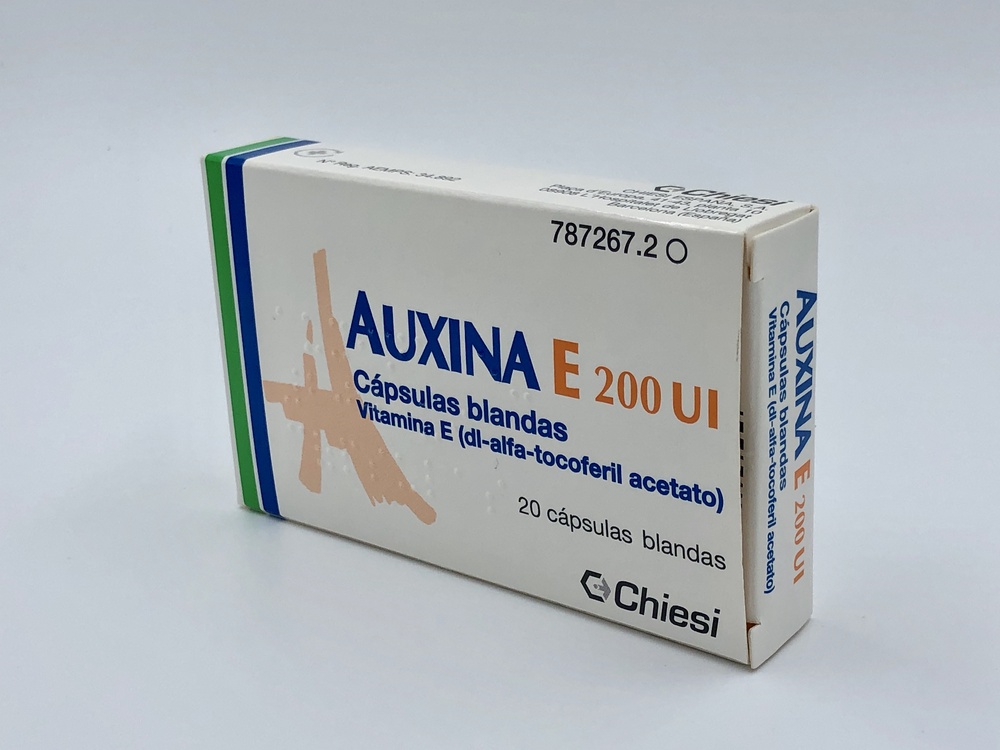
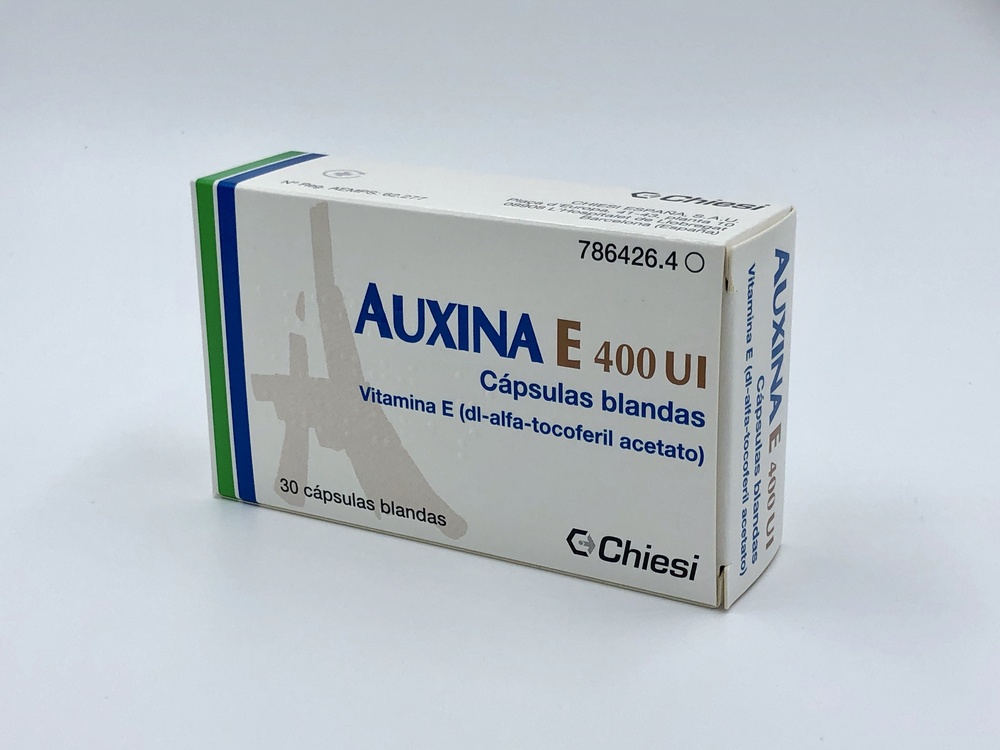
- Alternatives to BENADON 300 mg INJECTABLE SOLUTIONDosage form: TABLET, 300 mg pyridoxine hydrochlorideActive substance: pyridoxine (vit B6)Manufacturer: Teofarma S.R.L.Prescription not requiredDosage form: CAPSULE, 2000 mgActive substance: tocopherol (vit E)Manufacturer: Chiesi España S.A.U.Prescription requiredDosage form: CAPSULE, 400 mgActive substance: tocopherol (vit E)Manufacturer: Chiesi España S.A.U.Prescription required
Online doctors for BENADON 300 mg INJECTABLE SOLUTION
Discuss questions about BENADON 300 mg INJECTABLE SOLUTION, including use, safety considerations and prescription review, subject to medical assessment and local regulations.











Frequently Asked Questions
