






How to use AZITHROMYCIN TECNIGEN 500 mg FILM-COATED TABLETS
Translated with AI
This page provides general information and does not replace a doctor’s consultation. Always consult a doctor before taking any medication. Seek urgent medical care if symptoms are severe.
Show originalContents of the leaflet
Introduction
Package Leaflet: Information for the User
Azithromycin TecniGen 500 mg film-coated tablets E FG Azithromycin (as dihydrate)
Read all of this leaflet carefully before you start taking this medicine.
- Keep this leaflet. You may need to read it again.
- If you have any further questions, ask your doctor or pharmacist.
- This medicine has been prescribed for you. Do not pass it on to others. It may harm them, even if their symptoms are the same as yours.
- If you experience any of the side effects, or if you notice any side effects not mentioned in this leaflet, please inform your doctor or pharmacist.
Contents of the pack:
- What Azithromycin TecniGen is and what it is used for
- Before taking Azithromycin TecniGen
- How to take Azithromycin TecniGen
- Possible side effects
- Storage of Azithromycin TecniGen
- Further information
1. What Azithromycin TecniGen is and what it is used for
Azithromycin belongs to a group of medicines called macrolide antibiotics. It is used to treat infections caused by microorganisms such as bacteria. These infections include:
- Chest infections, such as bronchitis and pneumonia
- Infections of the paranasal sinuses, throat, tonsils, or ears
- Mild or moderate skin and soft tissue infections, e.g., folliculitis (infection of the hair follicles), bacterial skin and subcutaneous infections (cellulitis), or erysipelas (infection with redness and inflammation)
- Infections caused by a bacterium called Chlamydia trachomatis, which can cause inflammation of the urinary tract or the cervix.

2. Before taking Azithromycin TecniGen
Do not take Azithromycin TecniGen
- if you are allergic (hypersensitive) to azithromycin or any of the other ingredients of this medicine, or to other macrolide antibiotics, e.g., erythromycin
Take special care with Azithromycin TecniGen
Before starting treatment with this medicine, inform your doctor if:
- you have ever had a severe allergic reaction characterized by symptoms such as swelling of the face or throat, possibly with difficulty breathing
- you have severe kidney problems; your doctor may need to change the dose.
- you have liver problems: your doctor may need to monitor your liver function or decide to discontinue the medication
- you know you have been diagnosed with a prolonged QT interval (heart problem): azithromycin is not recommended
- you know you have an irregular or slow pulse, or reduced cardiac function: azithromycin is not recommended
- you know you have low potassium or magnesium levels in your blood: azithromycin is not recommended
- you are taking medications known as antiarrhythmics (used to treat irregular heartbeat), cisapride (used to treat stomach problems), or terfenadine (an antihistamine used to treat allergies): azithromycin is not recommended
- you take medications called ergot alkaloids (e.g., ergotamine) used to treat migraines: azithromycin is not recommended (see 'Using other medicines')
- you have ever been diagnosed with a neurological disorder, which is a disease of the brain or nervous system
- you have mental, emotional, or behavioral problems
If you experience severe or persistent diarrhea during or after treatment, particularly if you notice blood or mucus, you should inform your doctor immediately.
If symptoms persist after completing treatment with azithromycin, or if you notice new persistent symptoms, contact your doctor.
Using other medicines
Consult your doctor if you are taking any of the following medicines:
- Antacids, e.g., aluminum hydroxide: take azithromycin at least 1 hour before or 2 hours after taking the antacid
- Ergot derivatives, e.g., ergotamine (used to treat migraines): azithromycin should not be taken simultaneously, as ergotism (a potentially serious adverse reaction with numbness or tingling in the extremities, muscle cramps, headaches, seizures, chest or abdominal pain) may occur
- Coumarin derivatives, e.g., warfarin (used to prevent blood clotting): may increase the risk of bleeding
- Digoxin (used to treat heart failure): may increase digoxin levels in the blood
- Colchicine (used for gout and familial Mediterranean fever)
- Zidovudine (used in HIV treatment): may increase zidovudine levels
- Rifabutin (used in HIV and bacterial infections, including tuberculosis): levels of both rifabutin and azithromycin in the blood may be affected, with a possible decrease in the number of white blood cells
- Theophylline (used to treat asthma and other lung diseases): the effect of theophylline may be increased
- Quinidine (used to control heart rhythm): quinidine levels may increase
- Cyclosporin (an immunosuppressant used after transplantation): your doctor should monitor your cyclosporin levels in the blood
- Pimozide (used to treat schizophrenia or other mental problems): pimozide levels may increase
- Cisapride (used to treat stomach problems): cardiac problems may occur
- Astemizole, terfenadine (antihistamines used to treat allergic reactions): effects may be increased
- Triazolam and midazolam (sedatives): their effects may be increased
- Alfentanil (a pain reliever): the effect of alfentanil may be increased
Inform your doctor or pharmacist if you are using or have recently used any other medicines, including those obtained without a prescription.
Pregnancy and breastfeeding
Available information on the safety of azithromycin during pregnancy is insufficient. Therefore, azithromycin is not recommended if you are pregnant or trying to become pregnant. However, your doctor may decide to prescribe it under severe circumstances.
Do not breastfeed while taking azithromycin, as it may cause adverse reactions in the infant, including diarrhea and infections. You can resume breastfeeding two days after discontinuing treatment with azithromycin.
Consult your doctor or pharmacist before using any medicine.
Driving and using machines
Azithromycin may cause dizziness and convulsions. If this is the case, do not drive or use machinery.
Important information about some of the ingredients of Azithromycin TecniGen
This medicine contains lactose. If your doctor has told you that you have an intolerance to some sugars, consult with them before taking this medicine.
3. How to take Azithromycin TecniGen
Follow the instructions for administration of azithromycin exactly as indicated by your doctor. Consult your doctor or pharmacist if you have any doubts.
The tablets should be swallowed preferably with water and can be taken with or without food. The usual dose is:
Adults (including elderly patients) and children over 45 kg in weight:
The usual dose is 1,500 mg divided over 3 or 5 days as follows:
- For 3 days, 500 mg per day.
- For 5 days, 500 mg on the first day and then 250 mg on days 2 to 5.
- Urethritis or cervicitis caused by Chlamydia: 1,000 mg taken as a single dose, in one day.
Children and adolescents under 45 kg in weight:
Tablets are not indicated for these patients. Other pharmaceutical forms of azithromycin-containing medicines (e.g., suspensions) may be used.
Patient with renal or hepatic impairment:
You should inform your doctor immediately if you have kidney or liver problems, as your doctor may need to modify the usual dose.
If you take more Azithromycin TecniGen than you should
If you (or someone else) have taken too many tablets, or if you think a child has taken some of the tablets, contact your doctor or pharmacist immediately or call the Toxicological Information Service, telephone 91 562 04 20, indicating the medicine and the amount used. It is recommended to take the package and leaflet to the healthcare professional. An overdose may cause reversible hearing loss, severe nausea (feeling of dizziness), vomiting, and diarrhea.
If you forget to take Azithromycin TecniGen
If you forget to take a tablet, take it as soon as possible, unless it is almost time for the next dose. Do not take a double dose to make up for forgotten doses.
If you stop taking Azithromycin TecniGen
Do not stop taking the medicine without consulting your doctor first, even if you feel better. It is important that you continue taking azithromycin for the period of time indicated by your doctor; otherwise, the infection may recur.
If you have any further questions about the use of this medicine, consult your doctor or pharmacist.

4. Possible side effects
Like all medicines, azithromycin can cause side effects, although not everybody gets them.
If you notice any of the following side effects, stop taking the tablets and inform your doctor immediately or go to the nearest emergency department:
- An allergic reaction (swelling of the lips, face, or throat leading to severe breathing difficulties; skin rash or urticaria)
- Blisters/bleeding on the lips, eyes, nose, mouth, and genitals, which can be caused by Stevens-Johnson syndrome or toxic epidermal necrolysis, both of which are serious conditions
- Irregular heartbeat
- Prolonged diarrhea with blood or mucus.
These are rare but very serious side effects. You may need urgent medical attention or hospitalization.
The following side effects have been reported:
Common (affects 1 to 10 users in 100):
- Dizziness, vomiting, diarrhea
- Abdominal pain and cramps
Uncommon (affects 1 to 10 users in 1,000):
- Dizziness, drowsiness, headache
- Seizures, altered sense of smell or taste
- Diarrhea, flatulence, digestive problems, loss of appetite
- Allergic reactions such as rashes or itching
- Joint pain
- Vaginal inflammation.
Rare (affects 1 to 10 users in 10,000):
- Blood disorders characterized by fever or chills, sore throat, mouth or throat ulcers, unusual bleeding or bruising, low blood count causing unusual tiredness or weakness
- Aggression, restlessness, anxiety, nervousness
- Feeling of unreality
- Confusion, especially in elderly patients
- Numbness or tingling
- Fainting, lethargy, sleep problems, weakness, hyperactivity
- Changes in hearing, including hearing loss, deafness, and ringing in the ears, which usually disappear after treatment
- Changes in heart rhythm, abnormal heart rhythm or frequency, palpitations, low blood pressure (which may be associated with weakness, dizziness, and fainting)
- Constipation, discoloration of the tongue and teeth, pancreatitis causing nausea, vomiting, abdominal pain, back pain
- Changes in liver enzymes or hepatitis (liver inflammation), yellowing of the skin or the whites of the eyes caused by liver or blood problems, liver damage, liver failure (rarely with a fatal outcome)
- Kidney problems
- Fungal infections in the mouth and vagina (candidiasis)
- Redness and blisters on the skin during sun exposure.
- Skin rash characterized by the rapid appearance of red skin areas dotted with small blisters (small bumps filled with white/yellow liquid).
The frequency of the following side effects is unknown:
- Vision disorders
- Chest pain and inflammation
- Indigestion, stomach inflammation with abdominal pain
- Skin rash
- Pain.
If you experience any of the side effects or if you notice any side effects not mentioned in this leaflet, inform your doctor or pharmacist.
5. Storage of Azithromycin TecniGen
Keep out of the reach and sight of children.
This medicine does not require any special storage conditions. Do not transfer the tablets to another container. Do not use azithromycin after the expiration date stated on the package after the abbreviation "Cad.". The expiration date is the last day of the month indicated.
Medicines should not be disposed of via wastewater or household waste. Ask your pharmacist how to dispose of the package and any unused medicines. This will help protect the environment.
6. Further information
Composition of Azithromycin TecniGen
The active substance is azithromycin.
Each tablet contains 500 mg of azithromycin (as azithromycin dihydrate).
The other ingredients are: pregelatinized corn starch, crospovidone, anhydrous calcium hydrogen phosphate, sodium lauryl sulfate, magnesium stearate, hypromellose, titanium dioxide (E-171), lactose monohydrate, glycerol triacetate.
Appearance of the product and package contents
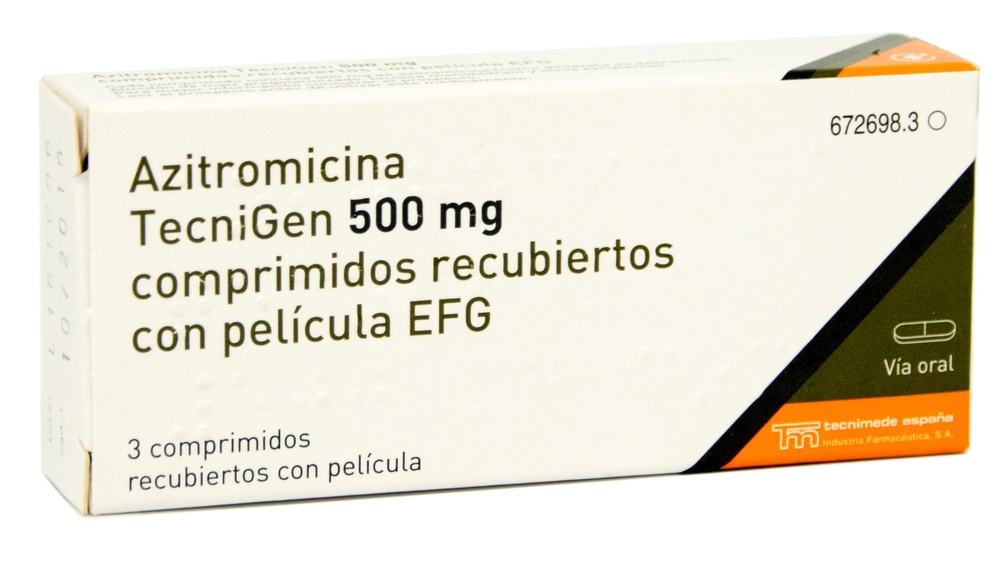
Azithromycin TecniGen 500 mg is presented in the form of white, oblong, biconvex film-coated tablets, marked on one side.
Each package contains blisters with 3 or 150 tablets. Not all pack sizes may be marketed.
Marketing authorization holder and manufacturer
Marketing authorization holder:
Tecnimede España Industria Farmacéutica, S.A.
Avda. de Bruselas, 13, 3º D.Edificio América. Polígono Arroyo de la Vega,
28108 Alcobendas, España
Manufacturer:BLUEPHARMA – Indústria Farmacêutica, S.A. S. Martinho do Bispo. 3045-016 Coimbra Portugal
This leaflet was last revised in March 2020
-

- Country of registration
- Dosage formTABLET, 500 mg
- ATC codeJ01FA10
- Average pharmacy price5.62 EUR
- Active substance
- Prescription requiredYes
- Manufacturer
- This information is for reference only and does not constitute medical advice. Always consult a doctor before taking any medication. Oladoctor is not responsible for medical decisions based on this content.
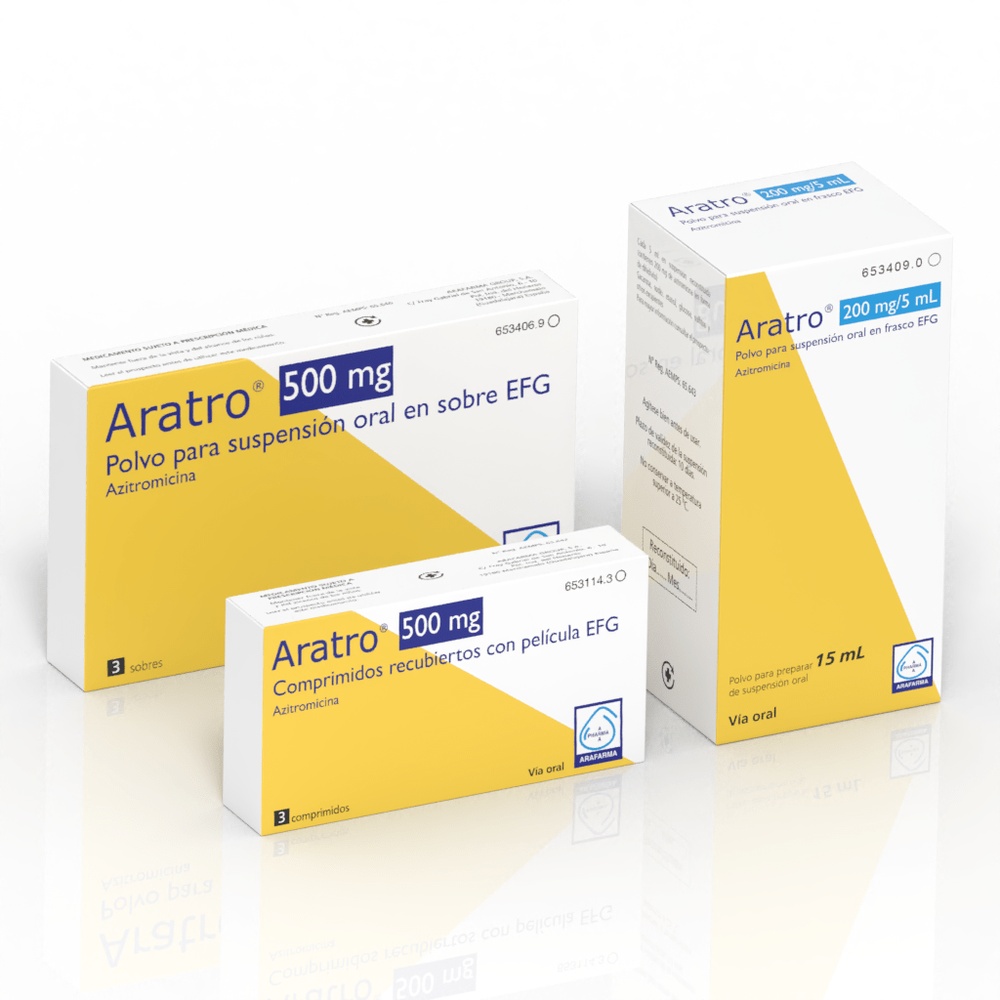
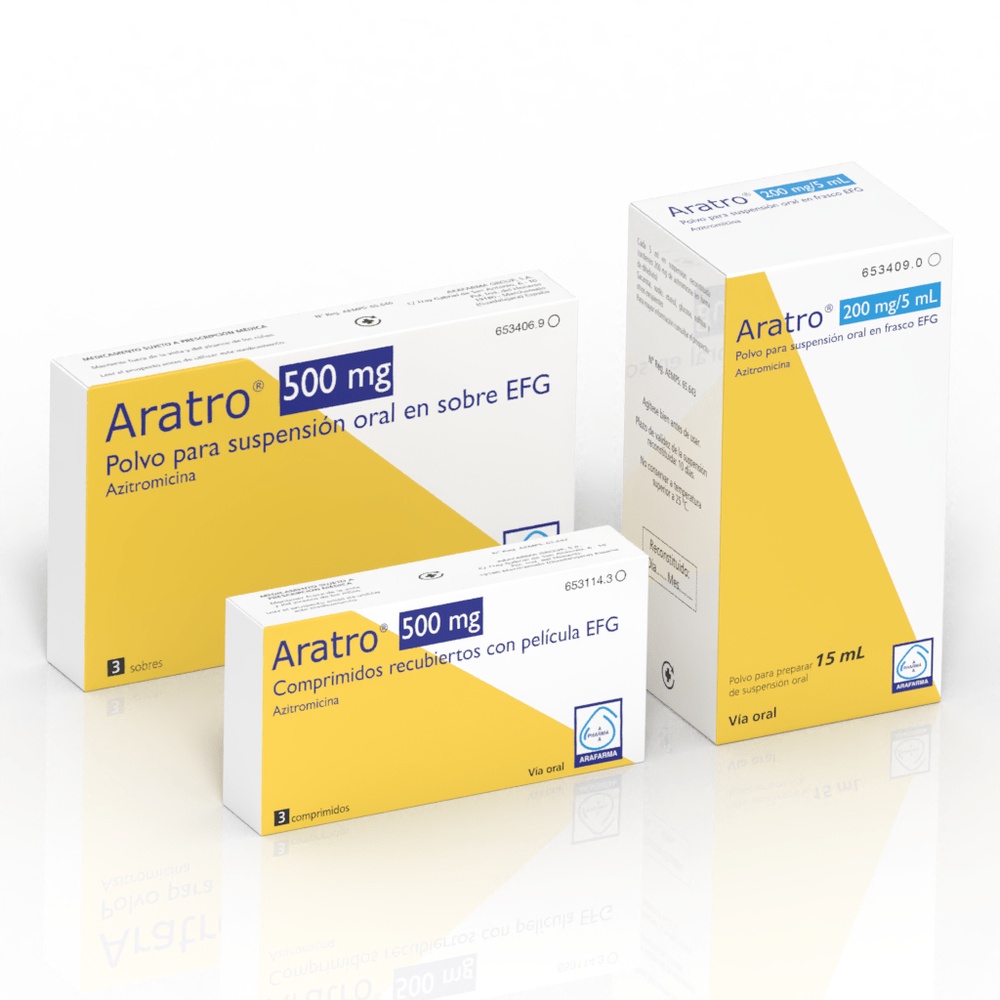
- Alternatives to AZITHROMYCIN TECNIGEN 500 mg FILM-COATED TABLETSDosage form: ORAL SOLUTION/SUSPENSION, 200 mg azithromycin / 5 mlActive substance: azithromycinManufacturer: Arafarma Group S.A.Prescription requiredDosage form: TABLET, 500 mgActive substance: azithromycinManufacturer: Arafarma Group S.A.Prescription requiredDosage form: ORAL SOLUTION/SUSPENSION, 500 mgActive substance: azithromycinManufacturer: Arafarma Group S.A.Prescription required
Online doctors for AZITHROMYCIN TECNIGEN 500 mg FILM-COATED TABLETS
Discuss questions about AZITHROMYCIN TECNIGEN 500 mg FILM-COATED TABLETS, including use, safety considerations and prescription review, subject to medical assessment and local regulations.









Get AZITHROMYCIN TECNIGEN 500 mg FILM-COATED TABLETS Prescription Online
Fill in a 2-min form
Tell us your symptoms, history, and what medicine you're requesting.
Pick a doctor or let us assign
Choose a specialist or we'll match you with the next available doctor.
Doctor reviews your case
Usually within 30 minutes. They may ask follow-up questions via chat.
Collect from any pharmacy
Electronic prescription sent to your email — valid across Spain.
Frequently Asked Questions
AZITHROMYCIN TECNIGEN 500 mg FILM-COATED TABLETS requires a prescription in Spain. You can check with a doctor online whether this medicine may be appropriate for your situation.
The active ingredient in AZITHROMYCIN TECNIGEN 500 mg FILM-COATED TABLETS is azithromycin. This information helps identify medicines with the same composition but different brand names.
The average pharmacy price for AZITHROMYCIN TECNIGEN 500 mg FILM-COATED TABLETS is around 5.62 EUR. Prices may vary depending on the manufacturer and dosage form.
AZITHROMYCIN TECNIGEN 500 mg FILM-COATED TABLETS is manufactured by Tecnimede España Industria Farmaceutica S.A.. Pharmacy brands and packaging may differ depending on the distributor.
Doctors such as Family doctors, Psychiatrists, Dermatologists, Cardiologists, Endocrinologists, Gastroenterologists, Pulmonologists, Nephrologists, Rheumatologists, Hematologists, Infectious disease physicians, Allergists, Geriatricians, Paediatricians, Oncologists may assess whether AZITHROMYCIN TECNIGEN 500 mg FILM-COATED TABLETS is appropriate, depending on your situation and local regulations. You can book an online consultation to discuss your symptoms and possible next steps.
Spain has a well-developed healthcare infrastructure across major cities such as Madrid, Barcelona, Valencia, and Seville. Pharmacies are widely available and operate under strict regulations, ensuring access to prescribed medications.
You can buy AZITHROMYCIN TECNIGEN 500 mg FILM-COATED TABLETS in Madrid, Barcelona, Seville, or Valencia at any local pharmacy with a valid prescription.
To obtain a prescription, you can use Oladoctor:
Other medicines with the same active substance (azithromycin) include ARATRO 200 mg/5 ml POWDER FOR ORAL SUSPENSION IN A BOTTLE, ARATRO 500 mg FILM-COATED TABLETS, ARATRO 500 mg ORAL SUSPENSION POWDER IN SACHET. These may have different brand names or formulations but contain the same therapeutic ingredient. Always consult a doctor before switching or starting a new medicine.
