


AZITHROMYCIN TEVAGEN 250 mg DISPERSIBLE TABLETS



How to use AZITHROMYCIN TEVAGEN 250 mg DISPERSIBLE TABLETS
Translated with AI
This page provides general information and does not replace a doctor’s consultation. Always consult a doctor before taking any medication. Seek urgent medical care if symptoms are severe.
Show originalContents of the leaflet
Introduction
PACKAGE LEAFLET: INFORMATION FOR THE USER
Azithromycin Tevagen 250mg dispersible tablets
Read all of this leaflet carefully before you start taking this medicine because it contains important information for you
- Keep this leaflet, you may need to read it again.
- If you have any further questions, ask your doctor or pharmacist.
- This medicine has been prescribed for you only. Do not pass it on to others. It may harm them, even if their signs of illness are the same as yours.
- If you get any side effects, talk to your doctor or pharmacist. This includes any possible side effects not listed in this leaflet. See section 4.
Contents of the pack and other information
- What Azithromycin Tevagen is and what it is used for
- What you need to know before you take Azithromycin Tevagen
- How to take Azithromycin Tevagen
- Possible side effects
- Storing Azithromycin Tevagen
- Contents of the pack and other information

1. What Azithromycin Tevagen is and what it is used for
Azithromycin Tevagen belongs to a group of antibiotics called macrolide antibiotics.
It is used to treat bacterial infections caused by microorganisms such as bacteria that are sensitive to azithromycin. These infections include:
- Infections of the upper respiratory tract, for example, paranasal sinuses, throat and tonsils (see also “Warnings and precautions” in section 2).
- Acute otitis media.
- Infections in the chest (lower respiratory tract) such as acute bronchitis, exacerbation of chronic bronchitis and community-acquired pneumonia of mild to moderate severity, including interstitial pneumonia.
- Mild to moderate skin and soft tissue infections, for example, hair follicle infection (folliculitis), bacterial skin infection and its deeper layers (cellulitis), skin infection with swelling and bright red color (erysipelas).
- Migratory erythema (first phase of Lyme disease), if antibiotics such as doxycycline, amoxicillin, and cefuroxime axetil cannot be used (see section 2 “Warnings and precautions”).
- Uncomplicated infections caused by a bacterium called Chlamydia trachomatis, which can cause inflammation of the tube that carries urine from the bladder (urethra) or the place where the uterus connects with the vagina (cervix).
2. What you need to know before you take Azithromycin Tevagen
DO NOT take Azithromycin Tevagen
- if you are allergic to azithromycin or any of the other ingredients of this medicine (listed in section 6)
- if you are allergic to erythromycin or any other macrolide or ketolide antibiotic.
Warnings and precautions
Consult your doctor or pharmacist before starting to take Azithromycin Tevagen if:
- You have an allergic reaction such as red or white patches on the skin, itching and skin irritation, skin swelling, larynx (throat) or tongue swelling and difficulty breathing, in which case you should discontinue treatment with Azithromycin Tevagen.
- You have liver problems, your doctor may need to monitor your liver function or interrupt treatment.
- You have severe kidney problems, your doctor may modify the dose.
- You are taking medicines known as ergot alkaloids (such as ergotamine or dihydroergotamine), used to treat migraines: azithromycin is not recommended (see also “Other medicines and Azithromycin Tevagen”)
- You develop signs of another infection
- You develop diarrhea or soft stools during or after treatment. In some cases, there is a possibility of developing a severe intestinal inflammation known as Clostridioides difficile-associated diarrhea. Do not take any medicine to treat your diarrhea without first consulting your doctor.
- You have conditions that predispose to the development of arrhythmias (especially important in women and elderly patients)
- You have a prolonged QT interval (a heart disease)
- You are taking medicines that are known to prolong the QT interval (see section “Other medicines and Azithromycin Tevagen”)
- potassium or magnesium levels in the blood are too low
- You have heart problems such as slow or irregular pulse or reduced heart function
- You have a type of muscle weakness known as myasthenia gravis. Azithromycin may worsen or trigger the symptoms of myasthenia.
- You have mental or nervous system problems.
- You have a sexually transmitted disease caused by a pathogen (T. pallidum, including the pathogen that causes syphilis).
Treatment of migratory erythema with azithromycin should be carefully monitored by your doctor as failures may occur.
If symptoms persist after completing treatment with Azithromycin or if you notice any new and persistent symptoms, inform your doctor.
Other medicines and Azithromycin Tevagen
Tell your doctor or pharmacist if you are taking, have recently taken, or might take any other medicines.
Consult your doctor if you are taking or have recently taken any of the following medicines:
- Medicines that are known to prolong the QT interval, such as antiarrhythmics (used to treat abnormal heart rhythms, for example, quinidine, procainamide, dofetilide, amiodarone, and sotalol), hydroxychloroquine (used to treat rheumatic diseases or malaria), cisapride (used to treat stomach problems), terfenadine (used to treat allergies), pimozide, phenothiazines (used to treat certain mental disorders), citalopram (used to treat depression), and antibacterial medicines such as moxifloxacin and levofloxacin (see also section “Warnings and precautions”).
- Antacids (used for acidity and indigestion, for example, aluminum hydroxide). Azithromycin Tevagen should be taken at least 1 hour before or 2 hours after the antacid.
- Digoxin (used to treat heart failure) as it may increase digoxin levels in the blood and its levels should be monitored.
- Colchicine (used for gout and familial Mediterranean fever) as it may increase digoxin/colchicine levels in the blood.
- Zidovudine (used in the treatment of AIDS) as zidovudine levels may increase.
- Nelfinavir (used in the treatment of HIV) as azithromycin levels may increase.
- Ergotamine derivatives, for example, ergotamine, (used to treat migraines): Azithromycin should not be administered at the same time as it may develop ergotism (a potentially serious side effect with numbness or tingling in the limbs, muscle cramps, headaches, convulsions, or abdominal or chest pain) (see also section “Warnings and precautions”).
- Astemizole (an antihistamine) as its effects may increase.
- Alfentanil (a pain reliever) as its effects may increase.
- Atorvastatin (a cholesterol-lowering medicine), as some cases of rhabdomyolysis (increased risk of muscle tissue breakdown) have been reported in patients who took this medicine and azithromycin
- Hydroxychloroquine (used to treat rheumatic diseases or malaria): heart problems may occur.
- Cisapride (used to treat stomach problems) as heart problems may occur.
- Coumarin derivatives, for example, warfarin (used to prevent blood clots): may increase the risk of bleeding.
- Cyclosporin (an immunosuppressant used after organ transplantation) as cyclosporin levels may rise and your doctor will need to monitor your cyclosporin blood levels.
- Theophylline (used for respiratory problems) as azithromycin may increase its levels.
Pregnancy, breastfeeding, and fertility
If you are pregnant or breastfeeding, think you may be pregnant, or are planning to have a baby, ask your doctor or pharmacist for advice before taking this medicine.
Azithromycin Tevagen should not be used during pregnancy unless absolutely necessary. You should only take this medicine during pregnancy if your doctor thinks you need it.
Breastfeeding is not recommended while taking azithromycin, as it may cause side effects including diarrhea and infection in the baby. You can resume breastfeeding 2 days after completing treatment with azithromycin.
Driving and using machines
There is no data on the effect of azithromycin on the ability to drive and use machines. However, azithromycin may cause certain side effects such as dizziness or convulsions that may affect your reaction time and ability to participate actively in road traffic or your ability to use machines. If these effects occur, do not drive or use machines.
Azithromycin Tevagen contains aspartame
This medicine contains 19.5 mg of aspartame in each tablet. Aspartame is a source of phenylalanine that may be harmful in case of phenylketonuria (PKU), a rare genetic disorder in which phenylalanine accumulates because the body is unable to eliminate it properly.
Azithromycin Tevagen contains benzyl alcohol
This medicine contains less than 1 mg of benzyl alcohol in each dispersible tablet. Benzyl alcohol may cause allergic reactions.
This medicine should not be used for more than one week in children under 3 years of age unless advised by your doctor or pharmacist.
Consult your doctor or pharmacist if you are pregnant or breastfeeding or if you have liver or kidney disease. This is because large amounts of benzyl alcohol may accumulate in your body and cause side effects (metabolic acidosis).
Azithromycin Tevagen contains sodium
This medicine contains less than 23 mg of sodium (1 mmol) per tablet; this is essentially “sodium-free”.
Azithromycin Tevagen contains glucose (in maltodextrin from corn)
If your doctor has told you that you have an intolerance to some sugars, consult them before taking this medicine.

3. How to take Azithromycin Tevagen
Always take this medicine exactly as your doctor or pharmacist has told you. If you are not sure, check with your doctor or pharmacist.
The recommended dose is:
Adults, including elderly patients, and children and adolescents weighing over 45 kg:
Treatment of upper and lower respiratory tract infections, middle ear inflammation, and skin and soft tissue infections
The total dose is 1,500 mg of azithromycin, which can be taken according to a 3-day or 5-day treatment period.
3-day treatment period
For 3 days, 500 mg of azithromycin is taken once a day.
5-day treatment period
For the 5-day treatment, 500 mg of azithromycin is taken on the first day and 250 mg of azithromycin is taken once a day from day 2 to day 5.
Treatment of uncomplicated genital infections caused by Chlamydia trachomatis
The total dose is 1,000 mg of azithromycin, taken as a single dose.
Treatment of migratory erythema (first phase of Lyme disease)
In the treatment of migratory erythema, the total dose of azithromycin is 3,000 mg and is administered as follows: 1,000 mg on day 1 and 500 mg once a day from day 2 to day 5.
Elderly patients
Elderly patients receive the recommended dose for adults. It should be noted that they may be more susceptible to serious heart rhythm disorders (arrhythmia torsade de pointes) than younger patients (see also “Warnings and precautions” in section 2).
Patients with liver or kidney impairment
Talk to your doctor before taking Azithromycin Tevagen if you have liver or kidney problems. Your doctor will then decide if it is necessary to adjust the dose.
Children and adolescents under 45 kg:
- Your doctor will determine the best dose for your child based on their body weight.
- It may be possible that, based on their weight, this medicine is not suitable for your child. In this case, your doctor will prescribe a different form of azithromycin, such as a suspension.
- The recommended dose is 10 mg per kilogram of body weight, administered as a single daily dose for 3 days. Alternatively, the same dose can be administered for 5 days with 10 mg/kg on the first day followed by 5 mg/kg for the remaining 4 days.
- The maximum total dose in these patients is 1,500 mg.
Method of administration
The tablet should be dispersed by stirring in a sufficient amount of liquid such as water, apple juice, or orange juice (at least 30 ml) until a fine suspension is obtained. After the suspension has been swallowed, any residue should be resuspended in a small volume of water and swallowed. The dispersible tablet can be taken with or without food.
The score line should not be used to divide the tablet.
If you take more Azithromycin Tevagen than you should
If you ingest many tablets of Azithromycin Tevagen, contact your doctor or pharmacist or go to the nearest hospital immediately. The symptoms of overdose are similar to the side effects observed at normal doses (see section 4). The typical signs of an overdose are temporary hearing loss, severe nausea, vomiting, and diarrhea.
In case of overdose or accidental ingestion, consult your doctor or pharmacist or call the Toxicology Information Service, phone 91 562 04 20, indicating the medicine and the amount ingested. Bring this leaflet, some of the remaining tablets, and the packaging to the hospital or your doctor so they know what tablets you have taken.
If you forget to take Azithromycin Tevagen
If you forget to take a tablet, take it as soon as you remember, unless it is almost time to take the next one. Do not take a double dose to make up for forgotten doses.
Instead, take the next one at the usual time. If you are unsure, consult your doctor or pharmacist.
If you have forgotten a dose, still take all the tablets. This means you will finish your treatment one day later.
If you stop taking Azithromycin Tevagen
Do not stop taking Azithromycin Tevagen without consulting your doctor first, even if you feel better. If the prescribed treatment is not completed, the infection may recur.
If you have any further questions on the use of this product, ask your doctor or pharmacist.
4. Possible Adverse Effects
Like all medicines, this medicine can cause adverse effects, although not all people suffer from them.
If you experience any of the following, stop taking Azitromicina Tevagen and consult your doctor immediately or go to the emergency room of the nearest hospital:
- Severe allergic reaction (such as anaphylactic reaction or angioedema) which may include sudden difficulty breathing and swallowing, swelling of the lips, tongue, face, and neck, itchy rash that affects the whole body
- Severe skin rash: Skin rash characterized by the rapid appearance of red skin areas sprinkled with small pimples (small blisters filled with white/yellow liquid); severe skin rash that causes redness and peeling, blisters, and severe bleeding in the lips, eyes, mouth, nose, and genitals associated with high fever and joint pain. This could be "Acute Generalized Exanthematous Pustulosis (AGEP)", "Erythema Multiforme", "Stevens-Johnson Syndrome", or "Toxic Epidermal Necrolysis".
- Severe allergic reaction that may include fever, skin rash, inflammation of the glands, increase in a type of white blood cells (eosinophilia), and inflammation of internal organs (drug reaction with eosinophilia and systemic symptoms (DRESS)).
- Severe or prolonged diarrhea with blood and mucus. This may occur during or after treatment and may be a sign of severe intestinal inflammation.
- Severe liver disorders or liver failure (rarely fatal): signs may include fatigue associated with yellowing of the skin or the whites of the eyes (cholestatic jaundice), dark urine, tendency to bleed.
- Kidney inflammation or failure: signs may include increased need to urinate at night, muscle spasms and cramps, loss of appetite, nausea or vomiting, unpleasant taste in the mouth.
- Unusual tendency to bruise or bleed, these may be signs of a blood clotting disorder characterized by a reduced number of platelets (thrombocytopenia).
- Rapid (ventricular tachycardia) or irregular heart rate or changes in the heart rhythm detected on an electrocardiogram (prolongation of the QT interval and torsades de pointes)
The following other adverse effects have been reported:
Very common(may affect more than 1 in 10 people)
- Diarrhea
Common(may affect up to 1 in 10 people)
- Headache
- Vomiting, abdominal pain, nausea
- Alteration of the number of some types of white blood cells and bicarbonate in blood
Uncommon(may affect up to 1 in 100 people)
- Fungal or bacterial infection
- Candidiasis, a fungal infection caused by Candida
- Vaginal infection
- Pneumonia
- Inflammation of the throat (pharyngitis)
- Stomach upset (gastroenteritis)
- Shortness of breath, chest pain, wheezing, and cough (respiratory disorders)
- Stuffy nose (rhinitis)
- Decreased number of white blood cells
- Hypersensitivity
- Loss of appetite (anorexia)
- Nervousness, difficulty sleeping (insomnia)
- Dizziness, feeling of drowsiness, changes in the sense of taste (dysgeusia), feeling of tingling or numbness (paresthesia)
- Vision disorders
- Hearing problems, feeling of vertigo
- Strong heartbeat that can be fast or irregular
- Palpitations
- Hot flashes
- Difficulty breathing (dyspnea), nosebleeds (epistaxis)
- Constipation, gas, indigestion, inflammation of the stomach lining (gastritis), difficulty swallowing (dysphagia), stomach inflammation, dry mouth, belching, mouth ulcers, increased salivation
- Allergic reactions such as skin rash, itching, and hives, skin inflammation (dermatitis), dry skin, increased sweating
- Pain, swelling, and reduced movement in the joints (osteoarthritis), muscle pain (myalgia), back and neck pain
- Pain or difficulty urinating, pain in the upper back (kidney pain)
- Irregular menstrual bleeding (metrorrhagia), testicular disorder
- Weakness (asthenia), general feeling of discomfort, fatigue, swelling of the face, arms, and legs, chest pain, fever (pyrexia), pain
- Changes in liver enzymes and blood test values, increased urea levels in blood
- Post-procedure complications
Rare(may affect up to 1 in 1,000 people)
- Feeling of agitation
- Abnormal liver function, yellowing of the skin or the whites of the eyes (jaundice)
- Sensitivity to light
Not known(frequency cannot be estimated from the available data)
- Inflammation of the intestine (pseudomembranous colitis)
- Decreased number of platelets (thrombocytopenia), decreased number of red blood cells (hemolytic anemia)
- Anaphylactic reaction
- Aggression, anxiety, confusion (delirium), hallucinations
- Fainting (syncope), seizures, reduced sense of touch (hypoesthesia), hyperactivity, changes in the sense of smell (anosmia, parosmia), loss of sense of taste (ageusia), exacerbation or worsening of muscle weakness (myasthenia gravis)
- Hearing loss or ringing in the ears (tinnitus)
- Rapid (ventricular tachycardia) or irregular heart rate, sometimes fatal, changes in heart rhythm detected on an electrocardiogram (prolongation of the QT interval and torsades de pointes)
- Decreased blood pressure (hypotension)
- Inflammation of the pancreas (pancreatitis), discoloration of the tongue, hepatitis
- Joint pain (arthralgia)
The following adverse effects have been reported in patients in prevention and treatment of Mycobacterium Avium Complex (MAC) infections:
Very common(may affect more than 1 in 10 people)
- Diarrhea, abdominal pain, nausea, gas (flatulence), soft stools
Common(may affect up to 1 in 10 people)
- Loss of appetite (anorexia)
- Feeling of dizziness (dizziness), headache, feeling of tingling or numbness (paresthesia), changes in taste (dysgeusia)
- Visual impairment
- Deafness
- Skin rash and itching
- Joint pain (arthralgia)
- Fatigue
Uncommon(may affect up to 1 in 100 people)
- Decreased sensitivity (hypoesthesia)
- Hearing loss or ringing in the ears (tinnitus)
- Strong heartbeat that can be fast or irregular
- Hepatitis
- Severe skin reaction (Stevens-Johnson syndrome), sensitivity to light
- General feeling of discomfort, weakness (asthenia)
Reporting of adverse effects
If you experience any type of adverse effect, consult your doctor or pharmacist, even if it is a possible adverse effect that is not listed in this leaflet. You can also report them directly through the Spanish Medicines Agency's website: www.notificaram.es. By reporting adverse effects, you can contribute to providing more information on the safety of this medicine.
5. Storage of Azitromicina Tevagen
Keep this medicine out of the sight and reach of children.
Do not use this medicine after the expiration date stated on the packaging, after CAD. The expiration date is the last day of the month indicated.
This medicine does not require special storage conditions.
Medicines should not be disposed of via wastewater or household waste. Deposit the packaging and medicines you no longer need at the pharmacy's SIGRE point. In case of doubt, ask your pharmacist how to dispose of the packaging and medicines you no longer need. This will help protect the environment.
6. Package contents and additional information
Composition ofAzitromicina Tevagen
- The active ingredient is: azithromycin (as dihydrate)
Each dispersible tablet contains 250 mg of azithromycin (as dihydrate).
- The other ingredients are sodium saccharin dihydrate, microcrystalline cellulose, crospovidone type A, povidone, sodium lauryl sulfate, anhydrous colloidal silica, magnesium stearate, aspartame (E951), and orange flavor (which contains flavoring ingredients, maltodextrin from corn (contains glucose), benzyl alcohol, and alpha-tocopherol) (see also section 2 "Azitromicina Tevagen contains aspartame, benzyl alcohol, glucose, and sodium").
Appearance of the product and package contents
Azitromicina Tevagen 250 mg dispersible tablets are white to almost white, round, smooth tablets with beveled edges, with a score line on one side and marked with "TEVA 250" on the other. Each tablet has a diameter of approximately 12.5 mm.
The 250 mg tablets are available in aluminum PVC/PE/PVDC/PE/PVC blisters containing 1, 2, 3, 6, 12, or 24 dispersible tablets.
Only some pack sizes may be marketed.
Marketing authorization holder and manufacturer
Marketing authorization holder:
Teva Pharma, S.L.U
C/ Anabel Segura 11, Edificio Albatros B, 1ª planta
28108 Alcobendas, Madrid
Manufacturer:
Teva Operations Poland Sp. z.o.o.
ul. Mogilska 80
31-546 Cracovia
Poland
or
Pliva Croatia Ltd.(PLIVA HRVATSKA D.O.O.)
Prilaz Baruna Filipovica 25
10000 Zagreb
Croatia
This medicine is authorized in the Member States of the European Economic Area under the following names:
Spain | Azitromicina Tevagen 250 mg dispersible tablets |
Poland | Sumamed |
Date of the last revision of this leaflet: June 2023
Detailed and updated information on this medicine is available on the website of the Spanish Agency for Medicines and Health Products (AEMPS) http://www.aemps.gob.es
- Country of registration
- Dosage formTABLET, 250 mg
- ATC codeJ01FA10
- Average pharmacy price5.62 EUR
- Active substance
- Prescription requiredYes
- Manufacturer
- This information is for reference only and does not constitute medical advice. Always consult a doctor before taking any medication. Oladoctor is not responsible for medical decisions based on this content.
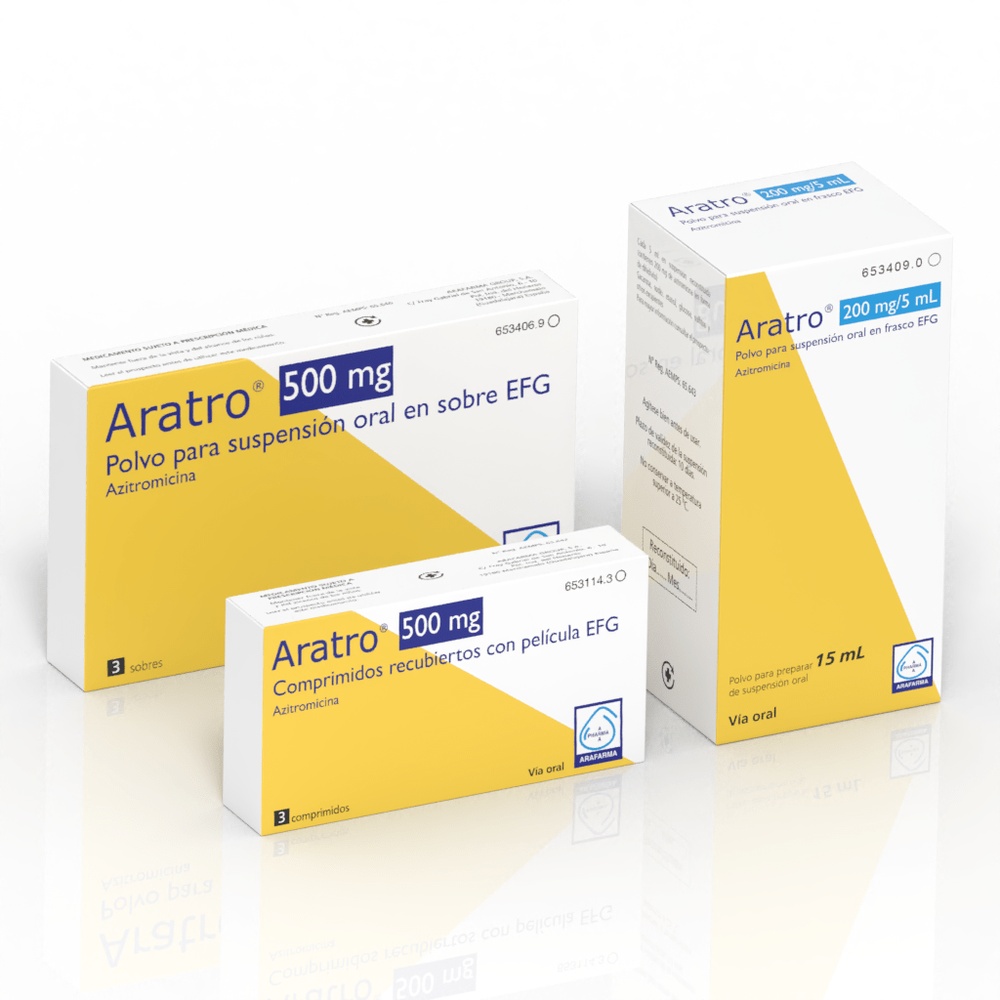
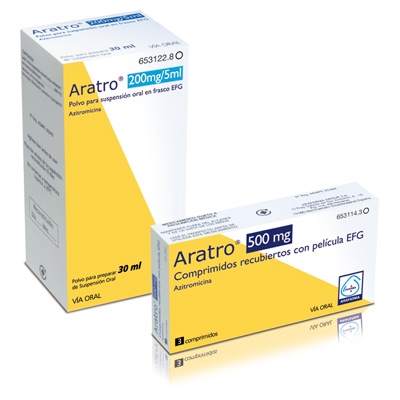
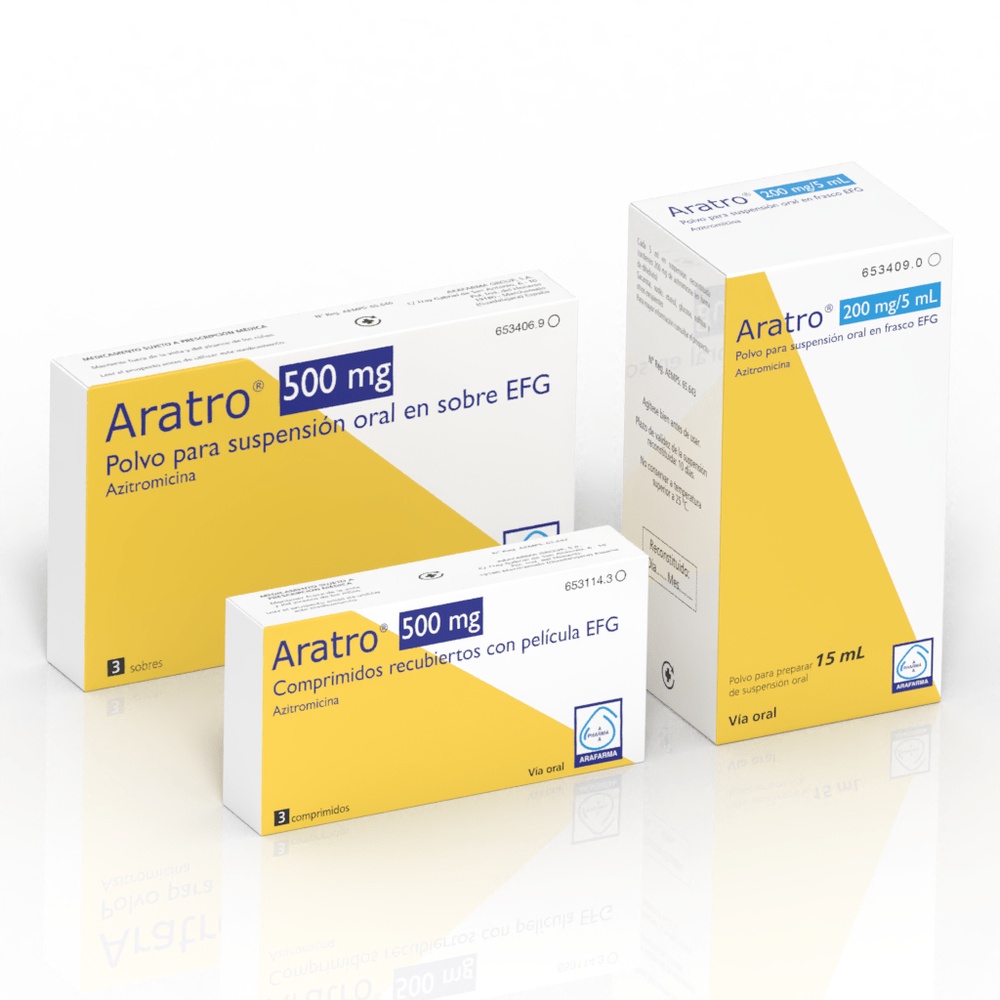
- Alternatives to AZITHROMYCIN TEVAGEN 250 mg DISPERSIBLE TABLETSDosage form: ORAL SOLUTION/SUSPENSION, 200 mg azithromycin / 5 mlActive substance: azithromycinManufacturer: Arafarma Group S.A.Prescription requiredDosage form: TABLET, 500 mgActive substance: azithromycinManufacturer: Arafarma Group S.A.Prescription requiredDosage form: ORAL SOLUTION/SUSPENSION, 500 mgActive substance: azithromycinManufacturer: Arafarma Group S.A.Prescription required
Online doctors for AZITHROMYCIN TEVAGEN 250 mg DISPERSIBLE TABLETS
Discuss questions about AZITHROMYCIN TEVAGEN 250 mg DISPERSIBLE TABLETS, including use, safety considerations and prescription review, subject to medical assessment and local regulations.











Frequently Asked Questions
