


AZITHROMYCIN KRKA 500 mg FILM-COATED TABLETS
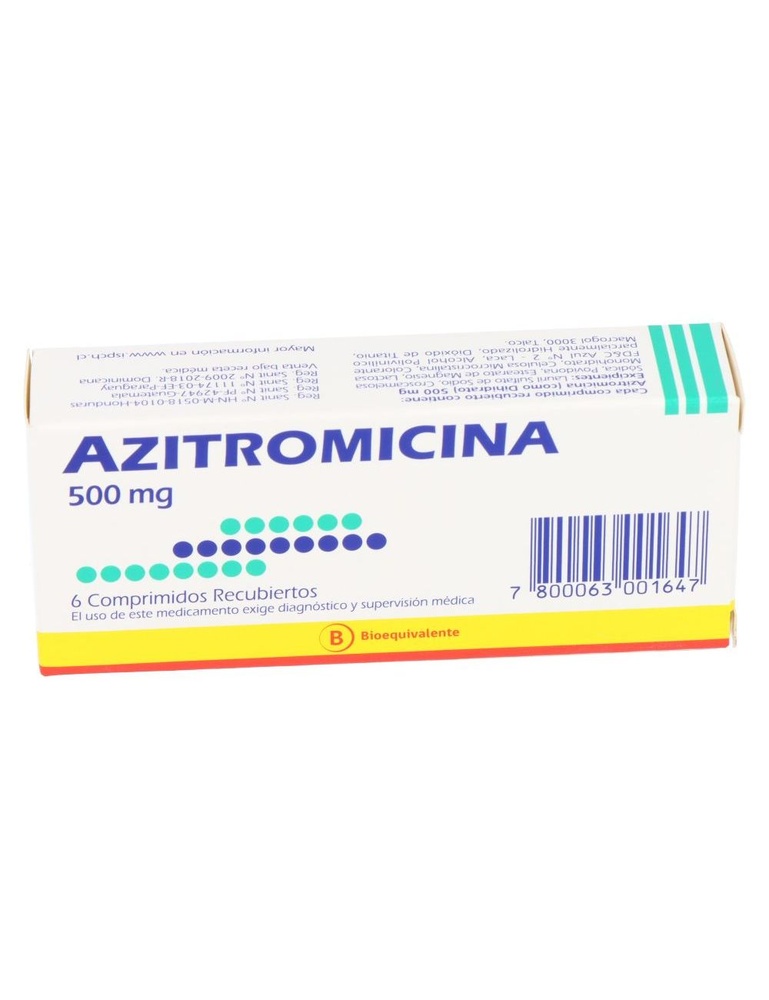



How to use AZITHROMYCIN KRKA 500 mg FILM-COATED TABLETS
Translated with AI
This page provides general information and does not replace a doctor’s consultation. Always consult a doctor before taking any medication. Seek urgent medical care if symptoms are severe.
Show originalContents of the leaflet
Introduction
Leaflet: information for the patient
Azithromycin Krka 500 mg film-coated tablets EFG
Read the entire leaflet carefully before starting to take this medicine, as it contains important information for you.
- Keep this leaflet, as you may need to read it again.
- If you have any further questions, ask your doctor or pharmacist.
- This medicine has been prescribed to you only, and you should not pass it on to others. It may harm them, even if their symptoms are the same as yours.
- If you experience any side effects, talk to your doctor or pharmacist. This includes any possible side effects not listed in this leaflet. See section 4.
Contents of the pack:
- What Azithromycin Krka is and what it is used for
- What you need to know before taking Azithromycin Krka
- How to take Azithromycin Krka
- Possible side effects
5 Storage of Azithromycin Krka
- Contents of the pack and further information
1. What Azithromycin Krka is and what it is used for
Azithromycin, the active substance of Azithromycin Krka, belongs to a group of medicines called macrolide antibiotics.
Antibiotics are used to treat bacterial infections and are not effective against viral infections such as flu or common cold.
It is essential that you follow the dosage, administration interval, and treatment duration instructions indicated by your doctor.
Do not store or reuse this medicine. If you have any leftover antibiotic after completing treatment, return it to the pharmacy for proper disposal. Do not throw medicines down the drain or in the trash.
It is used to treat numerous infections, including:
- acute bacterial infections of the paranasal sinuses
- acute bacterial infections of the ears
- tonsillitis, pharyngitis
- acute bacterial exacerbation of chronic bronchitis
- mild to moderately severe pneumonia
- mild to moderately severe skin and soft tissue infections, e.g., folliculitis, cellulitis, erysipelas
- urinary tract infections that start in the bladder (urethra) or cervix caused by a bacterium called Chlamydia trachomatis.

2. What you need to know before taking Azithromycin Krka
Do not take Azithromycin:
- if you are allergic to azithromycin or other macrolide antibiotics (such as erythromycin or clarithromycin) or ketolides or any of the other ingredients of this medicine (listed in section 6).
Warnings and precautions
Talk to your doctor or pharmacist before starting to take Azithromycin.
- if you have severe liver problems: your doctor may need to monitor your liver function or interrupt treatment;
- if you have certain heart conditions (e.g., severe heart problems, "prolongation of the QT interval") or if you are taking medicines that induce an alteration of the electrical function of your heart, such as cisapride (used to increase intestinal movement) or hydroxychloroquine or chloroquine (used in the treatment of malaria);
- if you have an irregular or slow heartbeat;
- if you have altered electrolyte levels in your blood, especially low potassium and magnesium levels;
- if you are taking other medicines that produce abnormal changes in the ECG (see section "Other medicines and Azithromycin Krka");
- if you are being treated with ergotamine derivatives (see section "Other medicines and Azithromycin Krka"), as these medicines should not be taken with azithromycin;
- if you have severe kidney problems;
- if you have myasthenia gravis (localized muscle weakness);
- if you have nervous (neurological) or mental (psychiatric) problems.
During treatment, inform your doctor immediately:
- if you experience severe hypersensitivity reactions with difficulty breathing, dizziness, swelling of the face or throat, skin rash, redness, burning (sometimes fatal). If these symptoms appear, stop taking azithromycin and contact your doctor immediately.
- if you see signs of liver problems during treatment (such as dark urine, intense loss of appetite, or your skin or the whites of your eyes turn yellow): Stop taking this medicine and seek urgent medical advice.
- if you develop diarrhea, which can be a sign of severe intestinal inflammation. If you have watery or bloody diarrhea, call your doctor.Do not use any medicine to stop diarrhea unless your doctor tells you to.
- if you feel your heart beating in your chest or an abnormal heartbeat, feel dizzy or are about to faint, or experience muscle weakness when taking azithromycin.
- if you have a new infection (which can be a sign of excessive growth of resistant microorganisms);
Children and adolescents
Azithromycin film-coated tablets are notsuitable for babies and young children (under 2 years of age) and adolescents and children (up to 17 years of age) with a body weight less than45 kg.
Information on the administration of azithromycin in children and adolescents over 45 kg can be found in section 3 "How to take Azithromycin Krka".
Other medicines and Azithromycin Krka
Tell your doctor or pharmacist if you are taking, have recently taken, or might take any other medicines.
It is especially important that you inform your doctor or pharmacist if you are taking:
- Medicines known as ergotamine derivatives, e.g., ergotamine or dihydroergotamine (medicines used for migraine or to reduce blood flow), as these medicines should not be taken at the same time as azithromycin,
- Ciclosporin (a medicine used for skin conditions, rheumatoid arthritis, or after organ transplants),
- Atorvastatin (for the treatment of high blood cholesterol),
- Cisapride (used for stomach problems),
- Theophylline (for respiratory problems),
- Warfarin or other medicines to thin your blood,
- Digoxin (for heart problems),
- Colchicine (used for gout and familial Mediterranean fever),
- Zidovudine, efavirenz, indinavir, nelfinavir, didanosine (for HIV infections),
- Rifabutin (for HIV infections or for the treatment of tuberculosis),
- Terfenadine (a medicine for the treatment of allergies),
- Fluconazole (to treat fungal infections),
- Medicines known as antacids (medicines that neutralize stomach acid). Your azithromycin tablets should be taken at least one hour before or two hours after you take your antacids.
- Astemizole (a medicine for the treatment of allergies), alfentanil (a pain reliever),
- Hydroxychloroquine and chloroquine (for the treatment of malaria).
Using Azithromycin with food and alcohol
The tablets should be taken with water.
You can take your medicine with or without food, as it does not affect the absorption of azithromycin.
Pregnancy, breastfeeding, and fertility
If you are pregnant or breastfeeding, think you may be pregnant, or are planning to have a baby, ask your doctor or pharmacist for advice before taking this medicine.
This medicine must not be used during pregnancy or breastfeedingunless you have discussed it with your doctor.
Driving and using machines
This medicine may make you feel dizzy. If you feel dizzy, do not drive or use any tools or machines.
Azithromycin Krka contains sodium
This medicine contains less than 1 mmol of sodium (23 mg) per dose; this is essentially "sodium-free".
3. How to take Azithromycin Krka
Follow the administration instructions of this medicine indicated by your doctor or pharmacist. In case of doubt, consult your doctor or pharmacist again.
For adults and children and adolescents with a body weight of 45 kg or more:
Indication | Dose |
|
or
|
| 1000 mg as a single dose |
Children and adolescents under 45 kg in weight:
The tablets are not recommended. Children and adolescents under 45 kg in weight should use other pharmaceutical forms of medicines containing azithromycin.
Patient with kidney or liver problems:
You should inform your doctor if you have kidney or liver problems, as your doctor may need to modify the normal dose.
Dose for elderly patients:
For elderly patients, the same dose as for adults applies.
Administration:
Swallow the film-coated tablets without chewing with a little water.
You can take your medicine with or without food, as it does not affect the absorption of azithromycin.
If you take more Azithromycin than you should
It is essential that you adhere to the dose prescribed by your doctor. If you or someone else has taken several tablets at once, or if you think a child has taken some of the tablets, contact your doctor or pharmacist immediately or call the Toxicology Information Service, telephone 91 562 04 20, indicating the medicine and the amount used. Always carry some tablets with you and also the packaging, as this will allow for easier identification of the tablets. The symptoms of an overdose may include severe nausea, vomiting, and diarrhea, and reversible hearing loss.
If you forget to take Azithromycin
Do not take a double dose to make up for a forgotten dose. If you forget to take a dose, you should take it as soon as you remember. However, if it is almost time for the next dose, skip the missed dose and continue with the rest of the medicine as usual.
If you stop taking Azithromycin
Do not stop treatment prematurely.
It is essential that you continue taking your tablets for the period indicated by your doctor, even when you start to feel better.
If you have any further questions on the use of this medicine, ask your doctor or pharmacist.

4. Possible side effects
Like all medicines, this medicine can cause side effects, although not everybody gets them. These are usually mild to moderate and disappear when treatment is stopped.
If you have any of the following symptoms of a severe allergic reaction, stop taking your tablets and inform your doctor immediately or go to the nearest emergency room:
- low blood pressure, rapid or irregular heartbeat (anaphylactic reaction);
- swelling of the hands, feet, ankles, face, lips, mouth, or throat (angioedema),
- difficulty swallowing or breathing,
- severe skin reactions, including Stevens-Johnson syndrome (a severe skin rash) and other severe skin rashes that can include blisters or peeling (toxic epidermal necrolysis),
If you experience any of the following side effects, contact your doctor as soon as possible:
- diarrhea that is severe, prolonged, especially if it contains blood or mucus in it (this can be pseudomembranous colitis, an inflammation of the intestine);
- dark urine, intense loss of appetite, and your skin or the whites of your eyes turn yellow, which are signs of liver damage (liver failure that can rarely result in death, liver necrosis), inflammation of the liver (hepatitis).
These are all serious side effects. You may need urgent medical attention. Serious side effects are uncommon (may affect up to 1 in 100 people), or the frequency cannot be estimated from the available data.
Other side effects reported are:
Very common (may affect more than 1 in 10 people)
- diarrhea
Common (may affect up to 1 in 10 people)
- headache
- being sick (vomiting), abdominal pain, feeling sick (nausea)
- changes in the number of white blood cells
- changes in other blood parameters (decrease in blood bicarbonate)
Uncommon (may affect up to 1 in 100 people)
- thrush (candidiasis) – a fungal infection of the mouth and vagina
- pneumonia, bacterial infection of the throat, inflammation of the gastrointestinal tract, respiratory disorder, inflammation of the mucous membrane inside the nose
- changes in white blood cells (leucopenia, neutropenia, eosinophilia)
- allergic reactions
- loss of appetite (anorexia)
- nervousness, difficulty sleeping (insomnia)
- feeling dizzy, feeling sleepy, change in taste (dysgeusia), feeling of tingling or numbness (paresthesia)
- vision disturbances
- hearing loss, vertigo
- feeling your heartbeat (palpitations)
- flushing
- wheezing, nosebleeds
- constipation, gas, indigestion (dyspepsia), inflammation of the stomach lining (gastritis), difficulty swallowing (dysphagia), abdominal distension, dry mouth, belching, mouth ulceration, excessive salivation
- rash, itching, urticaria, dermatitis, dry skin, abnormal sweating (hyperhidrosis)
- degenerative joint disease (osteoarthritis), muscle pain, back pain, neck pain
- difficulty urinating (dysuria), kidney pain
- uterine bleeding at irregular intervals (metrorrhagia), testicular disorder
- edema, weakness, general feeling of being unwell, facial edema, chest pain, fever, pain, peripheral edema
- abnormal laboratory test results (e.g., blood or liver tests)
Rare (may affect up to 1 in 1,000 people)
- feeling irritated
- abnormal liver function, yellowing of the skin or eyes
- allergic skin reactions such as sensitivity to sunlight
- skin rash characterized by the rapid appearance of areas of red skin sprinkled with small pus-filled bumps (small blisters filled with white/yellow liquid)
- skin rash with eosinophilia (an increase in a type of white blood cell) and systemic symptoms such as fever or lymph node inflammation (DRESS syndrome)
Not known (cannot be estimated from the available data)
- reduction in the number of red blood cells due to increased breakdown of cells (hemolytic anemia), reduction in the number of platelets
- feeling angry, aggressive, feeling anxious or worried (anxiety), acute confusional state (delirium), hallucinations
- fainting (syncope)
- seizures (convulsions)
- reduced sense of touch (hypoesthesia)
- feeling overactive
- change in sense of smell (anosmia, parosmia)
- loss of sense of taste (ageusia)
- muscle weakness (myasthenia gravis)
- life-threatening irregular heartbeat (arrhythmia, torsades de pointes), abnormal heart tracing on an ECG (prolongation of the QT interval)
- hearing problems, including deafness or ringing in the ears
- low blood pressure
- inflammation of the pancreas (pancreatitis)
- change in tongue color
- joint pain (arthralgia)
- inflammation of the kidney (interstitial nephritis) and kidney failure
Adverse reactions possibly or probably related to the prophylaxis and treatment of Mycobacterium Avium complex(MAC):
Very common (may affect more than 1 in 10 people)
- diarrhea
- abdominal pain
- feeling sick (nausea)
- flatulence
- abdominal distension
- loose stools
Common (may affect up to 1 in 10 people)
- loss of appetite (anorexia)
- feeling dizzy
- headache
- feeling of tingling or numbness (paresthesia)
- change in taste (dysgeusia)
- vision disturbances
- hearing loss
- skin rash, itching
- joint pain (arthralgia)
- fatigue
Uncommon (may affect up to 1 in 100 people)
- reduced sense of touch (hypoesthesia)
- hearing disturbance, ringing in the ears
- feeling your heartbeat (palpitations)
- inflammation of the liver (hepatitis)
- severe allergic skin reactions (Stevens-Johnson syndrome)
- skin more sensitive than usual to sunlight
- weakness
- general feeling of being unwell
Reporting of side effects
If you experience any side effects, talk to your doctor or pharmacist. This includes any possible side effects not listed in this leaflet. You can also report side effects directly through the Spanish Pharmacovigilance System for Human Use Medicines: www.notificaram.es. By reporting side effects, you can help provide more information on the safety of this medicine.
5. Storage of Azitromicina Krka
Keep this medicine out of the sight and reach of children.
Do not use this medicine after the expiry date which is stated on the packaging after CAD. The expiry date is the last day of the month indicated.
This medicine does not require any special storage conditions .
Medicines should not be disposed of via wastewater or household waste. Dispose of the packaging and any unused medicine in the pharmacy's SIGRE collection point. If in doubt, ask your pharmacist how to dispose of the packaging and any unused medicine. This will help protect the environment.
6. Package Contents and Additional Information
Azitromicina Composition
- The active substance is azithromycin
Each film-coated tablet contains 500 mg of azithromycin (as azithromycin dihydrate).
- The other ingredients (excipients) are microcrystalline cellulose (E460), pregelatinized potato starch, sodium lauryl sulfate, hypromellose (E464), sodium croscarmellose (E468), anhydrous colloidal silica (E551), and magnesium stearate (E470b) in the tablet core, and macrogol and poly(vinyl alcohol) copolymer, titanium dioxide (E171), talc, glycerol monocaprylate, and poly(vinyl alcohol) in the film coating. See section 2 "Azitromicina Krka contains sodium".
Product Appearance and Package Contents
The film-coated tablets are white or almost white, capsule-shaped (length: 16.7–17.3 mm, width: 8.2–8.8 mm), engraved with "S5" on one side and scored on the other side. The tablet can be divided into equal doses.
Blister packs of 2, 3, and 30 film-coated tablets are available.
Only certain pack sizes may be marketed.
Marketing Authorization Holder
KRKA, d.d., Novo mesto, Šmarješka cesta 6, 8501 Novo mesto, Slovenia
Manufacturer
KRKA, d.d., Novo mesto, Šmarješka cesta 6, 8501 Novo mesto, Slovenia
TAD Pharma GmbH, Heinz-Lohmann-Straße 5, 27472 Cuxhaven, Germany
You can request more information about this medicine from the local representative of the marketing authorization holder:
KRKA Farmacéutica, S.L., C/ Anabel Segura 10, Pta. Baja, Oficina 1, 28108 Alcobendas, Madrid, Spain
This medicine is authorized in the Member States of the European Economic Area under the following names:
Member State | Medicine Name |
SK | Azithromycin Krka 500 mg film-coated tablets |
BG | Azithromycin Krka 500 mg film-coated tablets |
EE | Azithromycin Krka |
HU | Azithromycin Krka 500 mg film tablet |
LV | Azithromycin Krka 500 mg film-coated tablets |
LT | Azithromycin Krka 500 mg film-coated tablets |
PL | Azithromycin Krka |
CZ | Azibiot NEO 500 mg |
RO | Azitromicina Krka 500 mg film-coated tablets |
ES | Azitromicina Krka 500 mg film-coated tablets |
IT | Azitromicina Krka |
SI | Azitromicin Krka 500 mg film-coated tablets |
SE | Azithromycin Krka 500 mg film-coated tablet |
FI | Azithromycin Krka 500 mg tablet, film-coated |
DK | Azithromycin Krka 500 mg film-coated tablets |
AT | Azithromycin Krka 500 mg film-coated tablets |
Date of the last revision of this leaflet: August 2022
Detailed information on this medicine is available on the website of the Spanish Agency for Medicines and Health Products (AEMPS) http://www.aemps.gob.es/
- Country of registration
- Dosage formTABLET, 500 mg
- ATC codeJ01FA10
- Average pharmacy price5.62 EUR
- Active substance
- Prescription requiredYes
- Manufacturer
- This information is for reference only and does not constitute medical advice. Always consult a doctor before taking any medication. Oladoctor is not responsible for medical decisions based on this content.
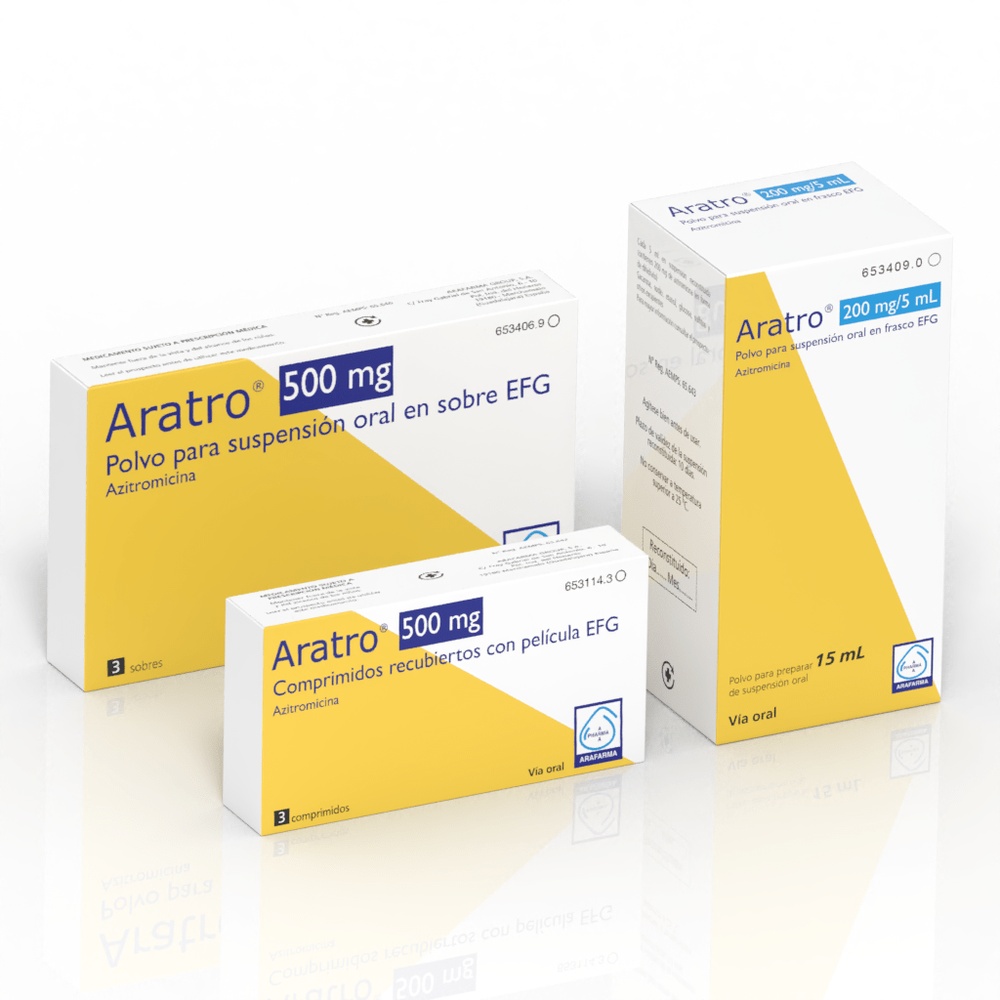
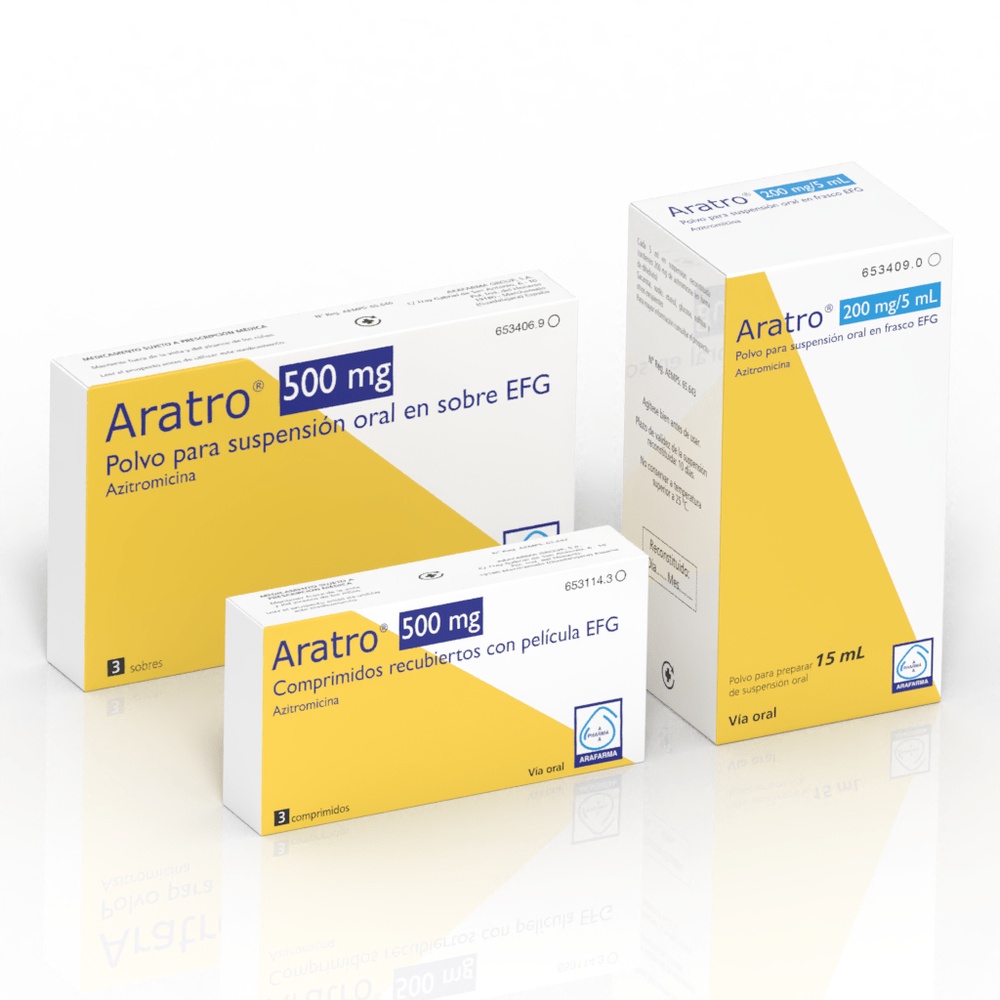
- Alternatives to AZITHROMYCIN KRKA 500 mg FILM-COATED TABLETSDosage form: ORAL SOLUTION/SUSPENSION, 200 mg azithromycin / 5 mlActive substance: azithromycinManufacturer: Arafarma Group S.A.Prescription requiredDosage form: TABLET, 500 mgActive substance: azithromycinManufacturer: Arafarma Group S.A.Prescription requiredDosage form: ORAL SOLUTION/SUSPENSION, 500 mgActive substance: azithromycinManufacturer: Arafarma Group S.A.Prescription required
Online doctors for AZITHROMYCIN KRKA 500 mg FILM-COATED TABLETS
Discuss questions about AZITHROMYCIN KRKA 500 mg FILM-COATED TABLETS, including use, safety considerations and prescription review, subject to medical assessment and local regulations.











Frequently Asked Questions
