


Arimidex 1 mg comprimidos recubiertos con película

Prescription review online
A doctor will review your case and decide whether a prescription is medically appropriate.

Talk to a doctor about this medicine
Discuss your symptoms and possible next steps in a quick online consultation.



How to use ARIMIDEX 1 mg FILM-COATED TABLETS
Contents of the leaflet
- Introduction
- What is Arimidex and what is it used for
- What you need to know before you take Arimidex
- How to take Arimidex
- Possible side effects
- Storage of Arimidex
- Contents of the pack and other information
Introduction
Package Leaflet: Information for the User
Arimidex 1 mg film-coated tablets
anastrozole
Read all of this leaflet carefully before you start taking this medicine because it contains important information for you.
- Keep this leaflet, you may need to read it again.
- If you have any further questions, ask your doctor, pharmacist, or nurse.
- This medicine has been prescribed for you only. Do not pass it on to others. It may harm them, even if their signs of illness are the same as yours.
- If you get any side effects, talk to your doctor, pharmacist, or nurse. This includes any possible side effects not listed in this leaflet. See section 4.
Contents of the pack
- What is Arimidex and what is it used for
- What you need to know before you take Arimidex
- How to take Arimidex
- Possible side effects
- Storage of Arimidex
- Contents of the pack and other information
1. What is Arimidex and what is it used for
Arimidex contains a substance called anastrozole and belongs to a group of medicines called 'aromatase inhibitors'. Arimidex is used to treat breast cancer in women who are post-menopausal.
Arimidex works by reducing the amount of hormones called estrogens that your body makes, by blocking a natural substance (an enzyme) called 'aromatase'.

Not sure if this medicine is right for you?
Discuss your symptoms and treatment with a doctor online.
2. What you need to know before you take Arimidex
Do not take Arimidex
- if you are allergic to anastrozole or any of the other ingredients of this medicine (listed in section 6).
- if you are pregnant or breast-feeding (see the section called “Pregnancy and breast-feeding”).
Do not take Arimidex if you are in any of the above situations. If you are not sure, consult your doctor or pharmacist before taking Arimidex.
Warnings and precautions
Consult your doctor, pharmacist, or nurse before you start taking Arimidex.
- if you are still having periods and have not yet gone through the menopause.
- if you are taking a medicine that contains tamoxifen or medicines that contain estrogen (see the section called “Taking Arimidex with other medicines”).
- if you have ever had a condition that affects the strength of your bones (osteoporosis).
- if you have any liver or kidney problems.
If you are not sure if any of these apply to you, consult your doctor or pharmacist before taking Arimidex.
If you are going to have an operation, tell the doctor or nurse that you are taking Arimidex.
Taking Arimidex with other medicines
Tell your doctor or pharmacist if you are taking, have recently taken, or might take any other medicines. This includes medicines that you buy without a prescription and herbal medicines. This is because Arimidex can affect the way other medicines work, and some medicines can affect the way Arimidex works.
Do not take Arimidex if you are already taking any of the following medicines:
- Certain medicines used to treat breast cancer (selective estrogen receptor modulators), e.g. medicines that contain tamoxifen. This is because these medicines may stop Arimidex from working properly.
- Medicines that contain estrogen, such as hormone replacement therapy (HRT).
If you are in any of these situations, ask your doctor or pharmacist for advice.
Tell your doctor or pharmacist if you are taking any of the following:
- A medicine called an “LHRH analogue”. This includes goserelin, leuprorelin, and triptorelin. These medicines are used to treat breast cancer, some gynecological conditions, and infertility.
Pregnancy and breast-feeding
Do not take Arimidex if you are pregnant or breast-feeding. Stop taking Arimidex if you become pregnant and consult your doctor.
Ask your doctor or pharmacist for advice before taking any medicine.
Driving and using machines
Arimidex is unlikely to affect your ability to drive or use any tools or machines. However, some patients may feel weak or sleepy while taking Arimidex. If this happens to you, ask your doctor or pharmacist for advice.
Arimidex contains lactose
Arimidex contains lactose, which is a type of sugar. If your doctor has told you that you have an intolerance to some sugars, contact them before taking this medicine.
Arimidex contains sodium
This medicine contains less than 1 mmol sodium (23 mg) per tablet, which is essentially 'sodium-free'.
3. How to take Arimidex
Follow exactly the instructions given to you by your doctor or pharmacist. If you are not sure, consult your doctor or pharmacist.
- The recommended dose is one tablet a day.
- Try to take your tablet at the same time each day.
- Swallow the tablet whole with a glass of water.
- You can take Arimidex before, during, or after food.
Keep taking Arimidex for as long as your doctor or pharmacist tells you to. This is a long-term treatment and you may need to take it for several years. If you are not sure, consult your doctor or pharmacist.
Use in children and adolescents
Arimidex should not be given to children and adolescents.
If you take more Arimidex than you should
If you take more Arimidex than you should, contact a doctor immediately.
In case of overdose or accidental ingestion, consult your doctor or pharmacist immediately or call the Toxicology Information Service. Phone 91 562 04 20, stating the medicine and the amount taken.
If you forget to take Arimidex
If you forget to take a dose, just take the next dose as normal.
Do not take a double dose (two doses at the same time) to make up for a forgotten dose.
If you stop taking Arimidex
Do not stop taking your tablets unless your doctor tells you to.
If you have any further questions on the use of this medicine, ask your doctor, pharmacist, or nurse.

Started taking the medicine and have questions?
Discuss your symptoms and treatment with a doctor online.
4. Possible side effects
Like all medicines, this medicine can cause side effects, although not everybody gets them.
Stop taking Arimidex and seek immediate medical attention if you experience any of the following serious but very rare side effects:
- A very severe skin reaction with ulcers or blisters on the skin. This is known as “Stevens-Johnson syndrome”.
- Allergic reactions (hypersensitivity) with swelling of the throat that may cause difficulty in swallowing or breathing. This is known as “angioedema”.
Very common side effects (may affect up to 1 in 10 people)
- Headache.
- Hot flushes.
- Feeling sick (nausea).
- Rash.
- Pain or stiffness in the joints.
- Inflammation of the joints (arthritis).
- Weakness.
- Bone loss (osteoporosis).
- Depression.
Common side effects (may affect up to 1 in 10 people)
- Loss of appetite.
- Increased or high levels of a fatty substance called cholesterol in the blood, which would be seen in a blood test.
- Drowsiness.
- Carpal tunnel syndrome (tingling, pain, numbness, or a burning sensation in the hand).
- Tingling, numbness, or a burning sensation in the skin, loss of taste.
- Diarrhea.
- Vomiting.
- Changes in blood tests that show how well your liver is working.
- Thinning of hair (hair loss).
- Allergic reactions (hypersensitivity) including face, lips, or tongue.
- Bone pain.
- Vaginal dryness.
- Vaginal bleeding (normally in the first few weeks of treatment - if bleeding continues, talk to your doctor).
- Muscle pain.
Uncommon side effects (may affect up to 1 in 100 people)
- Changes in special blood tests that show how well your liver is working (gamma-GT and bilirubin).
- Inflammation of the liver (hepatitis).
- Hives or itchy skin.
- Trigger finger (a condition where one of your fingers gets stuck in a bent position).
- High levels of calcium in the blood. If you experience nausea, vomiting, and thirst, tell your doctor, pharmacist, or nurse, as you may need a blood test.
Rare side effects (may affect up to 1 in 1,000 people)
- A rare skin condition with redness and blisters on the skin.
- A skin rash caused by an allergic reaction (this may be due to an allergic or anaphylactoid reaction).
- Inflammation of small blood vessels, which can cause red or purple spots on the skin. Very rarely, symptoms of joint pain, stomach pain, and kidney pain may occur; this is known as “Henoch-Schönlein purpura”.
Side effects with frequency not known (frequency cannot be estimated from the available data):
- Dry eye
- Lichenoid rash (small red or purple bumps on the skin that itch)
- Tendinitis (inflammation of the tendons, which connect muscles to bones)
- Tendon rupture (tear in the tendons, which connect muscles to bones)
- Memory loss
Effects on your bones
Arimidex lowers the levels of female sex hormones (estrogens) in your body. This may reduce the mineral content of your bones, making them weaker and more likely to break. Your doctor will monitor these risks according to treatment guidelines for the management of bone conditions in postmenopausal women. You should discuss the risks and treatment options with your doctor.
If you notice any side effects not mentioned in this leaflet, please tell your doctor or pharmacist.
Reporting of side effects
If you get any side effects, talk to your doctor, pharmacist, or nurse. This includes any possible side effects not listed in this leaflet. You can also report side effects directly via the Spanish Medicines Agency's website https://www.notificaram.es. By reporting side effects, you can help provide more information on the safety of this medicine.
5. Storage of Arimidex
Do not store above 30°C.
Keep this medicine out of the sight and reach of children. Store the tablets in a safe place where children cannot see or reach them. Your tablets could harm them.
Do not use this medicine after the expiry date which is stated on the carton and blister after EXP. The expiry date is the last day of the month stated.
Store in the original package.
Medicines should not be disposed of via wastewater or household waste. Ask your pharmacist how to dispose of medicines no longer required. These measures will help protect the environment.
6. Contents of the pack and other information
What is in Arimidex
- The active substance is anastrozole. Each film-coated tablet contains 1 mg of anastrozole.
- The other ingredients are lactose monohydrate, povidone, potato starch glycolate, magnesium stearate, hypromellose, macrogol 300, and titanium dioxide.
Appearance and packaging
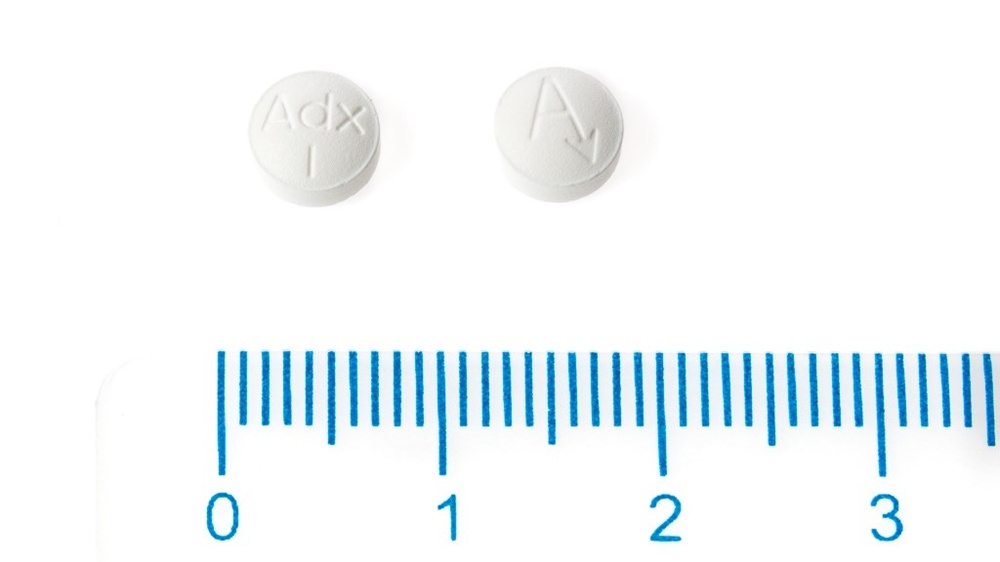
White, round, and biconvex film-coated tablets, approximately 6.1 mm, marked with an “A” on one face and 'Adx1' on the other.
Arimidex is available in blister packs containing 28 tablets.
Marketing authorisation holder and manufacturer
Marketing authorisation holder
Laboratoires Juvisé Pharmaceuticals
149 boulevard Bataille de Stalingrad
69100 Villeurbanne
France
Manufacturer
Haupt Pharma Muenster GmbH
Schleebrueggenkamp 15, Muenster
Nordrhein-Westfalen 48 159
Germany
AstraZeneca AB
Gärtunavägen
SE-151 85 Södertälje
Sweden
This medicine is authorised in the Member States of the European Economic Area under the following names:
Germany: Arimidex
Austria: Arimidex
Belgium: Arimidex
Bulgaria: Arimidex
Cyprus: Arimidex
Denmark: Arimidex
Slovenia: Arimidex 1mg film-coated tablets
Spain: Arimidex 1 mg film-coated tablets
Estonia: Arimidex
Finland: Arimidex
France: Arimidex
Greece: Arimidex
Netherlands: Arimidex
Hungary: Arimidex
Iceland: Arimidex
Ireland: Arimidex
Italy: Arimidex
Latvia: Arimidex
Lithuania: Arimidex
Luxembourg: Arimidex
Malta: Arimidex
Norway: Arimidex
Poland: Arimidex
Portugal: Arimidex
United Kingdom: Arimidex
Czech Republic: Arimidex
Slovakia: Arimidex
Romania: Arimidex
Sweden: Arimidex
Date of last revision of this leaflet:July 2025
Other sources of information
Detailed information on this medicine is available on the website of the Spanish Agency for Medicines and Health Products (AEMPS) http://www.aemps.gob.es/
- Country of registration
- Dosage formTABLET, 1 mg
- ATC codeL02BG03
- Average pharmacy price60.09 EUR
- Active substance
- Prescription requiredYes
- Manufacturer
- CompositionCARBOXIMETILALMIDON SODICO (3 mg mg), LACTOSA MONOHIDRATO (93 mg mg)
- This information is for reference only and does not constitute medical advice. Always consult a doctor before taking any medication. Oladoctor is not responsible for medical decisions based on this content.
- Alternatives to ARIMIDEX 1 mg FILM-COATED TABLETSDosage form: TABLET, 1 mgActive substance: anastrozoleManufacturer: Gp Pharm S.A.Prescription requiredDosage form: TABLET, 1 mgActive substance: anastrozoleManufacturer: Accord Healthcare S.L.U.Prescription requiredDosage form: TABLET, 1 mgActive substance: anastrozoleManufacturer: Eugia Pharma (Malta) LimitedPrescription required
Online doctors for ARIMIDEX 1 mg FILM-COATED TABLETS
Discuss questions about ARIMIDEX 1 mg FILM-COATED TABLETS, including use, safety considerations and prescription review, subject to medical assessment and local regulations.


Frequently Asked Questions
ARIMIDEX 1 mg FILM-COATED TABLETS requires a prescription in Spain. You can check with a doctor online whether this medicine may be appropriate for your situation.
The active ingredient in ARIMIDEX 1 mg FILM-COATED TABLETS is anastrozole. This information helps identify medicines with the same composition but different brand names.
The average pharmacy price for ARIMIDEX 1 mg FILM-COATED TABLETS is around 60.09 EUR. Prices may vary depending on the manufacturer and dosage form.
ARIMIDEX 1 mg FILM-COATED TABLETS is manufactured by Laboratoires Juvise Pharmaceuticals. Pharmacy brands and packaging may differ depending on the distributor.
Doctors such as Family doctors, Psychiatrists, Dermatologists, Cardiologists, Endocrinologists, Gastroenterologists, Pulmonologists, Nephrologists, Rheumatologists, Hematologists, Infectious disease physicians, Allergists, Geriatricians, Paediatricians, Oncologists may assess whether ARIMIDEX 1 mg FILM-COATED TABLETS is appropriate, depending on your situation and local regulations. You can book an online consultation to discuss your symptoms and possible next steps.
The prescription is issued by a doctor after assessing your health. In Spain, ARIMIDEX 1 mg FILM-COATED TABLETS is then dispensed in pharmacies with that prescription. An online consultation does not guarantee that a prescription will be issued: the decision always rests with the doctor.
To request a review, you can use Oladoctor:
Other medicines with the same active substance (anastrozole) include AMENUR 1 mg FILM-COATED TABLETS, ANASTROZOL ACCORD 1 mg FILM-COATED TABLETS, ANASTROZOL AUROVITAS 1 mg FILM-COATED TABLETS. These may have different brand names or formulations but contain the same therapeutic ingredient. Always consult a doctor before switching or starting a new medicine.
