


Antidol noche 500 mg/25 mg comprimidos recubiertos con pelicula



How to use Antidol noche 500 mg/25 mg comprimidos recubiertos con pelicula
Translated with AI
This page provides general information and does not replace a doctor’s consultation. Always consult a doctor before taking any medication. Seek urgent medical care if symptoms are severe.
Show originalContents of the leaflet
Introduction
Leaflet: information for the user
Antidol Noche 500 mg / 25 mg film-coated tablets
Paracetamol / Difenhidramine hydrochloride
Read this leaflet carefully before you start taking this medicine, as it contains important information for you.
Follow exactly the administration instructions contained in this leaflet or those given by your doctor or pharmacist.
- Keep this leaflet, as you may need to read it again.
- If you need advice or more information, consult your pharmacist.
- Si experimenta efectos adversos, consulte a su médico o farmacéutico, incluso si se trata de efectos adversos que no aparecen en este prospecto. Ver sección 4.
- Consult a doctor if it worsens or does not improve after 5 days.
1. What is Antidol Noche and what is it used for
AntidolNocheis an association of paracetamol and hydrochloride of diphenhydramine. Paracetamol belongs to a group of medications called analgesics, diphenhydramine belongs to a group of medications called antihistamines, which have sedative properties.
It is used for symptomatic treatment of insomnia and occasional mild to moderate pain in adults and adolescents 12 years and older.
Consult a doctor if it worsens or does not improve after 5 days.

2. What you need to know before starting to take Antidol Noche
Do not take Antidolat night:
- If you are allergic to paracetamol, hydrochloride of difenhidramine, or to any of the other components of this medication (listed in section 6).
- If you have taken any other medication that contains paracetamol in the last 4 hours.
- Together with other medications that contain antihistamines.
- If you have porphyria (an excess of porphyrin may cause a reddish color in the urine).
Warnings and precautions
Consult your doctor or pharmacist before starting to take Antidolat night.
You should not take more than the recommended dose listed in section 3 of this prospectus “How to take Antidolat night”.
You should consult a doctor before taking this medication if you have:
- Alteration of liver and/or kidney function (including liver alteration due to chronic alcohol consumption).
- Chronic malnutrition or are dehydrated.
- Epilepsy or convulsive crisis.
- Obstruction or narrowing in the stomach or intestine (for example, as a result of an ulcer).
- Difficulty urinating.
- Glaucoma with closed angle (elevated intraocular pressure).
- Abnormal enlargement of the prostate.
- Myasthenia gravis.
- Asthma, bronchitis (inflammation of the bronchi) or chronic obstructive pulmonary disease (COPD).
- Any heart disease or anemia (decrease in hemoglobin levels in the blood, due or not due to a decrease in red blood cells).
- In patients with asthma sensitive to acetylsalicylic acid, you should consult a doctor before taking this medication.
- If you have severe diseases, such as severe renal insufficiency or sepsis (when bacteria and their toxins circulate in the blood, causing damage to organs), or if you have chronic malnutrition, alcoholism, or if you are also taking flucloxacillin (an antibiotic). A severe disease called metabolic acidosis (a blood and fluid anomaly) has been reported in patients in these situations when using paracetamol at regular doses for a prolonged period or when taking paracetamol with flucloxacillin. Symptoms of metabolic acidosis may include: severe respiratory difficulty with deep and rapid breathing, drowsiness, feeling unwell (nausea) and vomiting.
This medication should not be used if you have previously suffered a hypersensitivity reaction caused by another antihistamine used to treat nausea, certain dizziness, allergy, or cold.
If the pain persists for more than 5 days, or worsens, or if other symptoms appear, you should consult a doctor.
The use of this medication for a prolonged or frequent period is not recommended, except under medical supervision. You should not take this medication for longer than necessary to control your symptoms.
Children and adolescents
- Do not administer to children under 12 years old.
- This medication should only be administered to adolescents (under 18 years old) upon doctor's recommendation.
Taking Antidol at night with other medications
You should avoid using other medications that contain paracetamol (the simultaneous use of more than one medication that contains paracetamol may lead to cases of liver intoxication), or antihistamines and other sedative medications.
Inform your doctor or pharmacist if you are taking, have taken recently, or may need to take any other medication.
Particularly, if you are using any of the following medications, as it may be necessary to modify the dose of some of them or interrupt treatment:
- Tranquilizers or anxiety medications (diazepam, lorazepam).
- Opioid analgesics (codeine, tramadol, fentanyl, morphine).
- Medications that cause drowsiness or leave the mouth dry.
- Medication to prevent blood clots: oral anticoagulants (acenocoumarol, warfarin).
- Medications to treat epilepsy (lamotrigine, phenytoin, or other hydantoins, phenobarbital, methyphenobarbital, primidone, carbamazepine).
- Medications to treat tuberculosis (isoniazid, rifampicin).
- Diuretics (furosemide, torasemide).
- Medications to treat gout (probenecid).
- Medication to treat high blood pressure and heart arrhythmias (propranolol).
- Antidepressants: tricyclic antidepressants (amitriptyline, imipramine, nortriptyline).
- Monamine oxidase inhibitors (MAOIs) in the last 2 weeks (phenelzine, iproniazid, moclobemide).
- Atropine.
- Medications used to prevent nausea and vomiting (metoclopramide and domperidone).
- Medications to lower cholesterol levels in the blood (cholestyramine).
- Medications for traveler's motion sickness.
Inform your doctor or pharmacist if you are taking:
- Flucloxacillin (antibiotic), due to a severe risk of blood and fluid alteration (called metabolic acidosis with high anion imbalance) that must be treated urgently (see section 2).
Interference with diagnostic tests
If you are to undergo any diagnostic test (including blood or urine analysis) inform your doctor that you are taking this medication, as it may alter the results.
Taking Antidol at night with food, drinks, and alcohol
While taking this medication, you should not consume alcoholic beverages, as it may potentiate the adverse effects of this medication, especially on the liver and nervous system.
Pregnancy, breastfeeding, and fertility
If you are pregnant or breastfeeding, or if you think you may be pregnant, or if you plan to become pregnant, consult your doctor or pharmacist before using this medication. The consumption of medications during pregnancy may be hazardous to the embryo or fetus and should be monitored by your doctor.
Pregnancy
Do not administer during pregnancy, especially during the first and last trimester, unless, according to medical criteria, the benefits justify the possible risks.
Breastfeeding
Due to the active principles of the medication passing into breast milk, it is not recommended to use this medication during breastfeeding.
Driving and operating machinery
You should not drive or operate tools or machines during treatment with Antidolat nightas this medication causes drowsiness.
3. How to Take Antidol Night
Follow exactly the medication administration instructions contained in this leaflet or those indicated by your doctor or pharmacist. In case of doubt, ask your doctor or pharmacist.
This medication is administered orally.
The recommended dose is:
Adults: 1 or 2 tablets taken with water, 20 minutes before going to bed. Do not take more than 2 tablets in 24 hours.
Do not exceed 3 grams of paracetamol in 24 hours without consulting a doctor and at least 4 hours should have passed since the previous intake of another analgesic medication containing paracetamol. Take this into account before taking Antidol Noche.Noche.
Adolescents 12 to 18 years old: The recommended dose in adolescents is 1 tablet taken with water, 20 minutes before going to bed under medical advice.
Do not take more than the recommended daily dose.
This medication should not be administered for a period exceeding 5 consecutive nights without consulting a doctor.
Patients with liver or kidney problems should consult a doctor and reduce the medication dose.
Use in children and adolescents
- Do not administer to children under 12 years old.
If you take more Antidol Noche than you should
The symptoms of overdose may be: dizziness, vomiting, loss of appetite, yellowish discoloration of the skin and eyes (jaundice) and abdominal pain.
If you have ingested an overdose, you should immediately go to a medical center even if you do not notice the symptoms, as they often do not manifest until 3 days after ingestion of the overdose, even in cases of severe poisoning.
The treatment of overdose is more effective if initiated within 4 hours of medication intake.
Patients undergoing barbiturate treatment or chronic alcoholics may be more susceptible to the toxicity of a paracetamol overdose.
Due to difenhidramine, other symptoms may also occur such as mydriasis (pupil dilation), fever, rubefaction (skin redness), agitation, tremors, involuntary muscle contractions, hallucinations, convulsions, and changes in heart electrical activity. After large doses, muscle reactions with muscle cell damage, convulsions, delirium (severe confusion), altered thoughts (psychosis), irregular heartbeats, coma, and collapse may also occur.
In case of overdose or accidental ingestion, consult your doctor or pharmacist immediately or call the Toxicological Information Service, phone 91 562 04 20, indicating the medication and the amount ingested. You should consult immediately even if you feel well, due to the risk of delayed severe liver damage that paracetamol may cause.
If you forgot to take Antidol Noche
Do not take a double dose to compensate for the missed doses. Take your dose at the usual time the next day.
If you interrupt treatment with Antidol Noche
If you have any other doubts about the use of this medication, ask your doctor or pharmacist.

4. Possible Adverse Effects
Like all medicines, this medicine may cause side effects, although not everyone will experience them.
People over 65 years old are at a higher risk of experiencing adverse reactions, as they may have other underlying health conditions or be taking other medications simultaneously. These individuals are also at a higher risk of experiencing a fall. The incidence of side effects is lower in short-term treatments and when the daily dose is below the maximum recommended dose.
The following side effects have been observed forparacetamol:
Unknown frequency side effects(cannot be estimated from available data): blood-related problems such as a decrease in platelets in the blood (thrombocytopenia) or agranulocytosis, allergic reactions (hypersensitivity) ranging from a skin rash to a severe generalized hypersensitivity reaction where facial and/or tongue swelling (angioedema) may occur, anaphylaxis, difficulty breathing (bronchospasm), and are more likely to occur if experienced previously after taking other pain relievers (such as ibuprofen and aspirin).
Severe skin reactions such as Stevens-Johnson syndrome/toxic epidermal necrolysis.
Very rarely, severe skin reactions have been reported.
A serious disease that can make the blood more acidic (designated as metabolic acidosis) in patients with severe disease using paracetamol (see section 2).
Paracetamol can damage the liver when taken in high doses or in prolonged treatments.
The following side effects have been observed fordifenhidramina:
Common side effects(may affect up to 1 in 10 patients): fatigue, drowsiness, sedation, dizziness, instability, difficulty concentrating, and dry mouth.
Unknown frequency side effects(cannot be estimated from available data): blurred vision, changes in heart rhythm (tachycardia), uncomfortable sensation when aware of one's own heartbeat (palpitations), increased sputum viscosity (increased bronchial secretion), stomach discomfort including nausea and vomiting, small and involuntary muscle contractions (muscle fasciculations), difficulty urinating (dysuria), urinary retention, seizures, headache, abnormal involuntary movements of the limbs (dyskinesia), strange sensations in the skin, for example, burning, pinching, tingling, or numbness (paresthesia), allergic reactions (hypersensitivity) ranging from a simple skin rash (redness or inflammation of the skin) or urticaria (hives) to a severe generalized hypersensitivity reaction where facial and/or tongue swelling (angioedema) and difficulty breathing (dyspnea) may occur.
Reporting of side effects
If you experience any type of side effect, consult your doctor or pharmacist, even if it is a possible side effect that does not appear in this leaflet. You can also report them directly through the Spanish System for Pharmacovigilance of Medicines for Human Use:https://www.notificaram.es.By reporting side effects, you can contribute to providing more information on the safety of this medicine.
5. Antidote Night Storage
Keep this medication out of the sight and reach of children.
No special storage conditions are required.
Do not use this medication after the expiration date that appears on the box or blister pack after CAD. The expiration date is the last day of the month indicated.
Do not use this medication if you observe signs of deterioration.
Medications should not be disposed of through drains or in the trash. Dispose of packaging and unused medications at the SIGRE collection point at the pharmacy. If in doubt, ask your pharmacist how to dispose of packaging and unused medications. By doing so, you will help protect the environment.
6. Content of the packaging and additional information
Composition of Antidol Noche
- The active principles are paracetamol and hydrochloride of difenhidramine.
- The other components are:
Tablet core: cornstarch, pregelatinized cornstarch, povidone, talc, and stearic acid.
Coating of the tablet: hypromellose (E-464), talc, titanium dioxide (E-171), macrogol 400, and indigo carmine (E-132)
Appearance of the product and content of the packaging
AntidolNocheare film-coated tablets with capsule shape in blue/blue light color.
It is presented in PVC/PVDC/Aluminum blister. Blister packs with 10 film-coated tablets.
Holder of the marketing authorization and responsible for manufacturing
Holder of the marketing authorization
Laboratorios Cinfa, S.A.
Carretera Olaz-Chipi, 10. Polígono Industrial Areta
31620 Huarte (Navarra) - Spain
Responsible for manufacturing
Laboratorios Cinfa, S.A.
Carretera Olaz-Chipi, 10. Polígono Industrial Areta
31620 Huarte (Navarra) - Spain
or
Chanelle Medical
Dublin Road, Loughrea, Co. Galway
IRELAND
or
JSC Grindeks
53 Krustpils street
Riga, LV – 1057
LATVIA
Last review date of this leaflet: April 2025
Detailed information about this medicine is available on the website of the Spanish Agency for Medicines and Medical Devices (AEMPS)http://www.aemps.gob.es/
- Country of registration
- Dosage formFilm‑coated tablet, 500 mg/25 mg
- ATC codeN02BE51
- Active substance
- Prescription requiredNo
- Manufacturer
- This information is for reference only and does not constitute medical advice. Always consult a doctor before taking any medication. Oladoctor is not responsible for medical decisions based on this content.
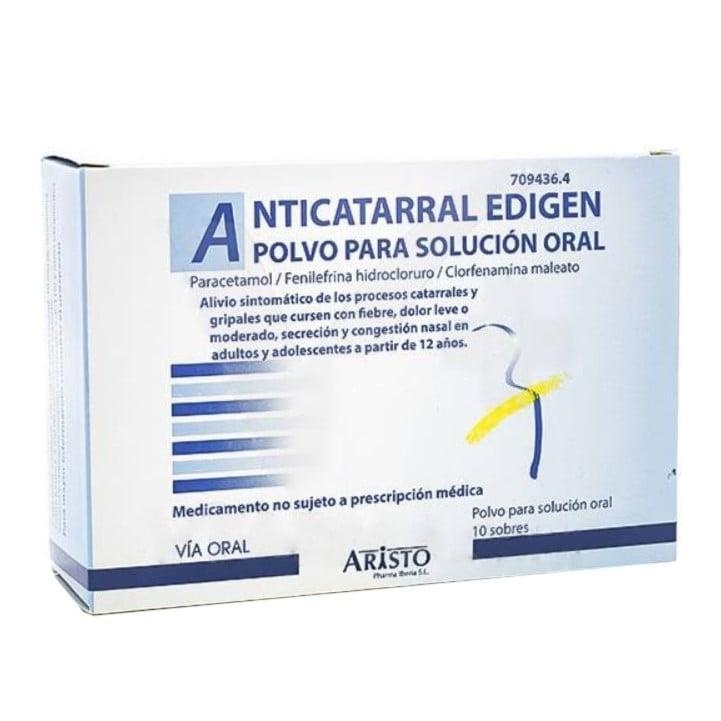
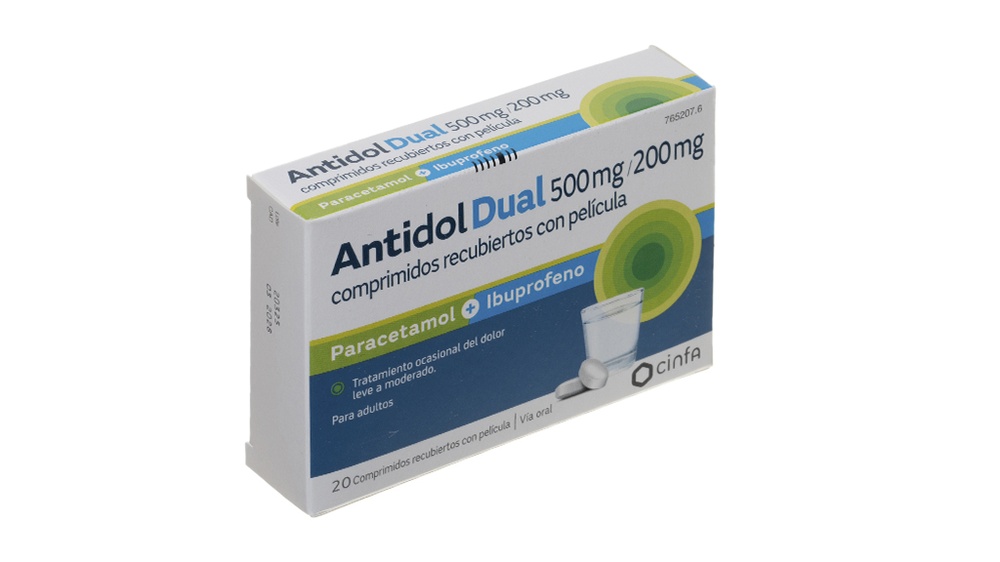
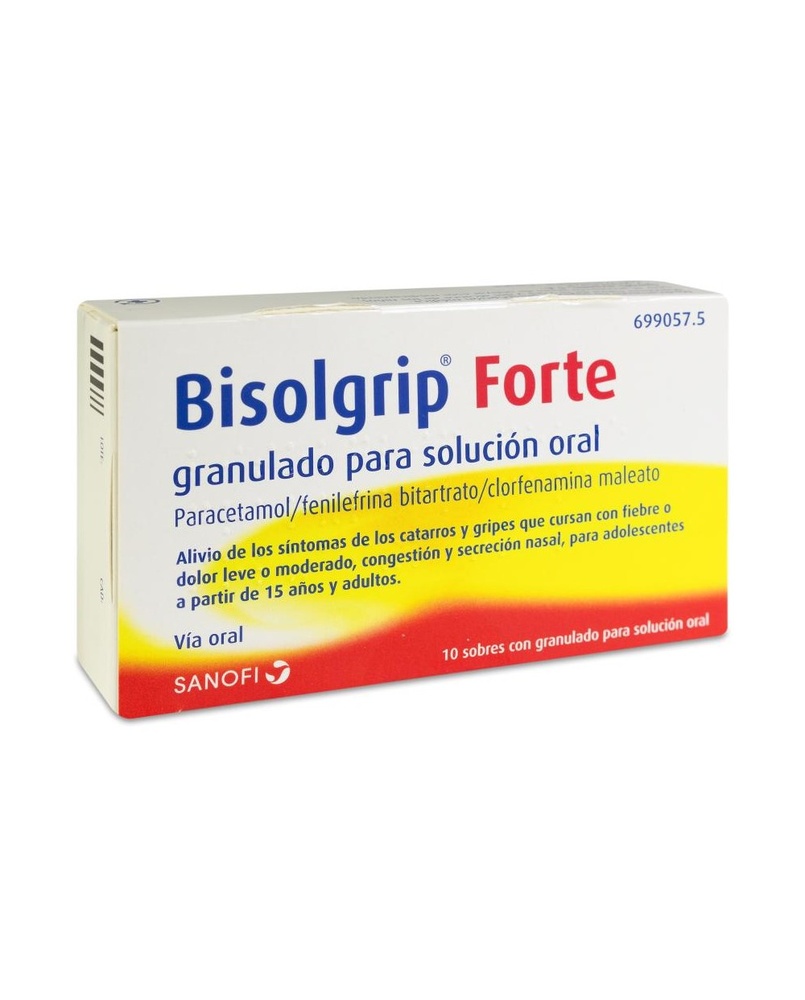
- Alternatives to Antidol noche 500 mg/25 mg comprimidos recubiertos con peliculaDosage form: ORAL SOLUTION/SUSPENSION, 500 mg; 4 mg; 10 mgActive substance: paracetamol, combinations excl. psycholepticsManufacturer: Aristo Pharma Iberia S.L.Prescription not requiredDosage form: TABLET, 500 mg/200 mgActive substance: paracetamol, combinations excl. psycholepticsManufacturer: Laboratorios Cinfa S.A.Prescription not requiredDosage form: ORAL SOLUTION/SUSPENSION, 650 mg/2.8 mg/8.21 mgActive substance: paracetamol, combinations excl. psycholepticsManufacturer: Opella Healthcare Spain S.L.Prescription not required
Online doctors for Antidol noche 500 mg/25 mg comprimidos recubiertos con pelicula
Discuss questions about Antidol noche 500 mg/25 mg comprimidos recubiertos con pelicula, including use, safety considerations and prescription review, subject to medical assessment and local regulations.











Frequently Asked Questions
