


ACETYLSALICYLIC ACID STADA 100 MG GASTRO-RESISTANT TABLETS
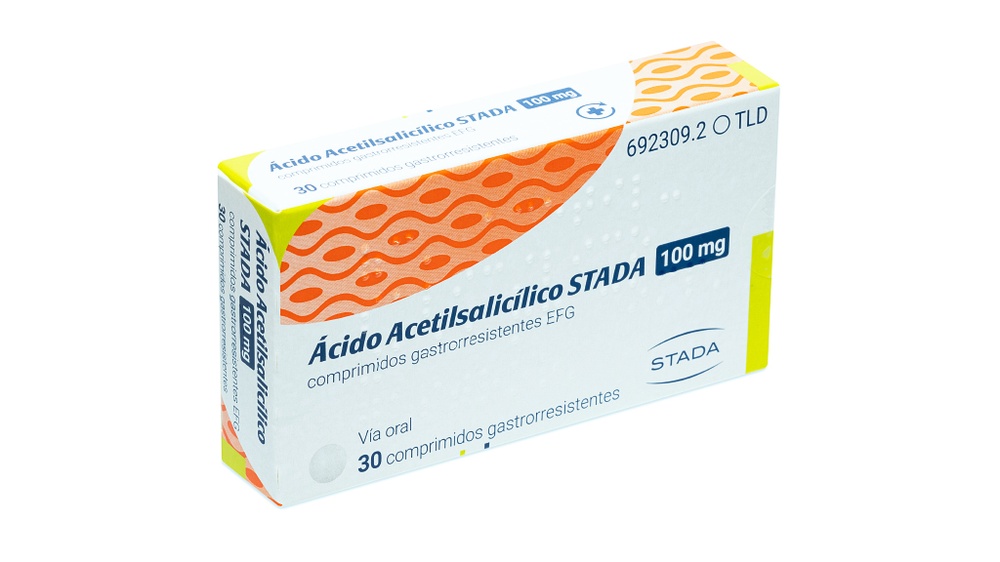



How to use ACETYLSALICYLIC ACID STADA 100 MG GASTRO-RESISTANT TABLETS
Translated with AI
This page provides general information and does not replace a doctor’s consultation. Always consult a doctor before taking any medication. Seek urgent medical care if symptoms are severe.
Show originalContents of the leaflet
Introduction
Patient Information Leaflet
Acetylsalicylic Acid Stada 100 mg Gastro-Resistant Tablets EFG
Read the entire leaflet carefully before starting to take this medicine, as it contains important information for you.
- Keep this leaflet, as you may need to read it again.
- If you have any doubts, consult your doctor or pharmacist.
- This medicine has been prescribed to you only, and you should not give it to others, even if they have the same symptoms as you, as it may harm them.
- If you experience side effects, consult your doctor or pharmacist, even if they are not listed in this leaflet.
Contents of the Leaflet:
- What is Acetylsalicylic Acid Stada and what is it used for
- What you need to know before taking Acetylsalicylic Acid Stada
- How to take Acetylsalicylic Acid Stada
- Possible side effects
- Storage of Acetylsalicylic Acid Stada
- Package contents and additional information
1. What is Acetylsalicylic Acid Stada and what is it used for
Acetylsalicylic acid, at the dose present in this medicine, belongs to the group of medicines called platelet aggregation inhibitors. Platelets are components of the blood, smaller than red and white blood cells, that aggregate when the blood clots. By preventing this aggregation, platelet aggregation inhibitors reduce the possibility of blood clots (thrombi) forming. Your doctor has prescribed acetylsalicylic acid to prevent the formation of thrombi and reduce the risk of obstruction of your arteries, as:
- You have previously suffered a myocardial infarction or angina pectoris.
- You have suffered a non-hemorrhagic transient or permanent stroke.
- You have undergone surgical intervention, such as coronary angioplasty or coronary bypass.

2. What you need to know before taking Acetylsalicylic Acid Stada
Do not take Acetylsalicylic Acid Stada
- if you are allergic to acetylsalicylic acid or any of the other components of this medicine (listed in section 6).
- if you have or have had asthma, with or without nasal polyps, after taking acetylsalicylic acid.
- if you have presented allergic reactions of an asthmatic type (difficulty breathing, shortness of breath, bronchospasm, and in some cases cough or wheezing) when taking anti-inflammatory drugs, acetylsalicylic acid, or other analgesics, as well as the dye tartrazine.
- if you have or have had acute gastroduodenal ulcer or recurring gastric discomfort.
- if you have a history of bleeding or gastric perforation after treatment with acetylsalicylic acid or other non-steroidal anti-inflammatory drugs.
- if you have hemophilia or other blood coagulation problems that predispose you to internal bleeding.
- if you have severe kidney and/or liver disease (severe renal and/or hepatic insufficiency).
- if you are being treated with blood coagulation drugs (oral anticoagulants).
- if you have severe heart disease.
- if you are being treated with methotrexate.
- if you are under 16 years old, unless explicitly indicated by your doctor, as the use of acetylsalicylic acid is related to the onset of Reye's syndrome, a rare but serious disease.
- if you are in your third trimester of pregnancy.
Warnings and precautions
Tell your doctor before taking acetylsalicylic acid if you are in any of the following situations:
- you have recently undergone surgery, including dental surgery.
- you are going to undergo surgery, including dental surgery, in the next seven days.
- you are taking non-steroidal anti-inflammatory drugs, such as ibuprofen or naproxen, or other types of medications, as certain medications can interact with acetylsalicylic acid and produce unwanted effects (see "Taking Acetylsalicylic Acid Stada with other medicines").
- you are being treated with corticosteroids.
- you are being treated with antidepressants.
- you are being treated with platelet aggregation inhibitors.
- you have high blood pressure or serious kidney, heart, or liver problems, have blood coagulation disorders, or are being treated with anticoagulants.
- you are allergic to other anti-inflammatory or anti-rheumatic drugs.
- you have a deficiency of glucose-6-phosphate dehydrogenase.
- you have rhinitis and/or urticaria.
- you have suffered or suffer from gout attacks.
Acetylsalicylic acid may cause bronchospasm, asthmatic attacks, or other hypersensitivity reactions. Risk factors are: pre-existing asthma, hay fever, nasal polyps, or chronic respiratory insufficiency, and also in patients with other allergic manifestations, such as skin reactions, itching, or urticaria.
Taking Acetylsalicylic Acid Stada with other medicines
Tell your doctor or pharmacist if you are using, have recently used, or may need to use any other medicine.
Certain medicines may interact with acetylsalicylic acid, so they should not be used without consulting your doctor. This is especially important in the case of:
- Analgesics and non-steroidal anti-inflammatory drugs, such as ibuprofen or naproxen, used to treat muscle pain and/or inflammation.
- Glucocorticoids, except for hydrocortisone used in Addison's disease, as they may increase the risk of gastrointestinal bleeding and ulcers.
- Diuretics.
- Some antidepressants, such as selective serotonin reuptake inhibitors, as they increase the risk of bleeding.
- Blood coagulation drugs (oral anticoagulants), as they increase the risk of bleeding.
- Some medications for controlling high blood pressure.
- Medications to lower blood sugar levels.
- Cyclosporin, used in transplants.
- Vancomycin, an antibiotic used in some infections.
- Interferon alpha.
- Lithium, used in some psychiatric illnesses.
- Methotrexate, used to treat cancer and rheumatoid arthritis: increases the hepatotoxicity of methotrexate.
- Medications used to treat gout.
- Antacids.
- Digoxin, used in heart problems.
- Barbiturates, medications used as sedatives for sleep problems and to treat convulsions.
- Zidovudine, used in the treatment of HIV infections.
- Phenytoin and valproic acid, medications for epilepsy.
- If administered together, metamizol (a substance to reduce pain and fever) may reduce the effect of acetylsalicylic acid on platelet aggregation (blood cells that come together and form a blood clot). Therefore, this combination should be used with caution in patients taking low doses of acetylsalicylic acid as a cardioprotector.
Taking Acetylsalicylic Acid Stada with food and drinks
Take this medicine with a glass of water, preferably on an empty stomach and at least 1 hour before meals.
If you regularly consume alcohol (three or more alcoholic beverages - beer, wine, liquor, etc. per day), taking Acetylsalicylic Acid Stada may cause stomach bleeding.
Pregnancy, breastfeeding, and fertility
Pregnancy
Consult your doctor or pharmacist before using any medicine.
IMPORTANT FOR WOMEN: If you are pregnant or breastfeeding, think you may be pregnant, or plan to become pregnant, consult your doctor before using this medicine. |
Pregnancy - last trimester
Do not take acetylsalicylic acid if you are in the last three months of pregnancy, as it may harm the fetus or cause problems during delivery. It may cause kidney and heart problems in your fetus. It may affect your and your baby's tendency to bleed and delay or prolong labor more than expected.

Pregnancy - first and second trimester
Do not take acetylsalicylic acid during the first six months of pregnancy unless absolutely necessary and as indicated by your doctor. If you need treatment during this period or while trying to become pregnant, you should take the minimum dose for the shortest possible time. From the 20th week of pregnancy, if taken for more than a few days, acetylsalicylic acid may cause kidney problems in your fetus, which may lead to low levels of amniotic fluid surrounding the baby (oligohydramnios) or narrowing of a blood vessel (ductus arteriosus) in the baby's heart. If you need treatment during a period of more than a few days, your doctor may recommend additional checks.
Breastfeeding
Consult your doctor or pharmacist before using any medicine.
Women who are breastfeeding should consult their doctor before using this medicine, as acetylsalicylic acid passes into breast milk.
Fertility
Based on the limited published data available, human studies have not shown a consistent effect of acetylsalicylic acid on fertility, and there is no conclusive evidence in animal studies.
Driving and using machines
No effects have been described in this regard.
Acetylsalicylic Acid Stada contains sodium
This medicine contains less than 23 mg of sodium (1 mmol) per tablet; it is essentially "sodium-free".
3. How to take Acetylsalicylic Acid Stada
Follow your doctor's instructions for taking this medicine exactly. Take this medicine with a glass of water, preferably on an empty stomach and at least 1 hour before meals. The tablets should not be crushed, broken, or chewed.
Consult your doctor or pharmacist if you have any doubts. The normal dose is one acetylsalicylic acid tablet per day.
Try to take the medicine regularly, every day at the same time.
Your doctor will indicate the duration of treatment with acetylsalicylic acid. Do not stop treatment before.
If you think the effect of acetylsalicylic acid is too strong or too weak, tell your doctor or pharmacist.
Due to its delayed-release formulation, this medicine is not indicated for acute myocardial infarction. However, if it is necessary to use it in an emergency, it is recommended to crush the first tablet or chew it and swallow it to accelerate the absorption of acetylsalicylic acid.
If you take more Acetylsalicylic Acid Stada than you should
In case of overdose or accidental ingestion, consult your doctor or pharmacist immediately or call the Toxicology Information Service. Phone: 91 562 04 20.
Given the nature of the preparation, the possibility of accidental poisoning is very low.
The main symptoms of overdosing are: headache, dizziness, ringing in the ears, blurred vision, drowsiness, sweating, rapid breathing, mental confusion, nausea, vomiting, and occasionally diarrhea.
If you forget to take Acetylsalicylic Acid Stada
Do not take a double dose to make up for forgotten doses. Take it as soon as possible and continue taking it according to your usual schedule.
If you have any other questions about the use of this medicine, ask your doctor or pharmacist.
4. Possible side effects
Like all medicines, this medicine can cause side effects, although not everyone gets them.
If you think any of the side effects you are suffering from is serious, or if you notice any side effects not mentioned in this leaflet, tell your doctor or pharmacist.
Due to its effect on platelet aggregation, acetylsalicylic acid may increase the risk of bleeding and cause acute or chronic anemia, or iron deficiency anemia, with corresponding clinical symptoms, such as fatigue and pallor.
In patients with severe glucose-6-phosphate dehydrogenase deficiency, cases of hemolysis and hemolytic anemia have been reported.
General list of possible side effects
Common side effects(may affect up to 1 in 10 patients)
- With high doses: hypoprothrombinemia (decreased value of a blood protein necessary for coagulation)
- dizziness
- tinnitus (ringing in the ears)
- epistaxis (nasal bleeding), rhinitis
- gastrointestinal disorders such as indigestion, gastrointestinal and abdominal pain, gastrointestinal inflammation, gastrointestinal bleeding
- skin rash, itching
- bleeding from the urinary and genital tracts
Uncommon side effects(may affect up to 1 in 100 patients)
- iron deficiency anemia
- hypersensitivity, drug-induced hypersensitivity, allergic edema, and angioedema (swelling of the face, lips, mouth, tongue, or throat that can cause difficulty swallowing or breathing) bleeding in the brain and within the skull
- hematoma
- nasal congestion
- bleeding from the gums, gastrointestinal erosion, and ulcer
- liver failure and liver disorders (especially in patients with juvenile arthritis)
- urticaria
- Reye's syndrome (a rare and serious disease characterized by inflammation of the brain and liver) in children under 16 years old with febrile illnesses, flu, or chickenpox (see "What you need to know before taking Acetylsalicylic Acid Stada")
Rare side effects(may affect up to 1 in 1,000 patients)
- hemorrhagic anemia
- anaphylactic reaction (severe and generalized allergic reaction)
- bleeding, bleeding in the muscles
- perforation of gastrointestinal ulcers
- increased levels of liver enzymes (transaminases)
- kidney failure, acute kidney failure
Frequency not known(frequency cannot be estimated from available data)
- hemolysis (destruction of red blood cells), hemolytic anemia
- anaphylactic shock (severe allergic reaction)
- cardiopulmonary distress (acute syndrome caused by severe respiratory insufficiency that also alters heart rhythm)
- procedural bleeding
- respiratory disease exacerbated by acetylsalicylic acid (respiratory syndrome characterized by nasal polyps, asthma, and sensitivity to acetylsalicylic acid)
- intestinal diaphragmatic disease (narrowing of the intestinal tract)
In long-term treatments and with high doses, the following may appear: dizziness, ringing in the ears, deafness, sweating, headache, confusion, and kidney problems, with cases of kidney failure and acute kidney failure reported.
Treatment should be stopped immediately if the patient notices any episode of deafness, ringing in the ears, or dizziness.
In patients who have presented an allergic reaction to acetylsalicylic acid and other non-steroidal anti-inflammatory drugs, anaphylactic or anaphylactoid reactions (severe and generalized allergic reactions) may occur. This could also happen in patients who have not previously shown hypersensitivity to these drugs.
Reporting side effects
If you experience side effects, consult your doctor or pharmacist, even if they are not listed in this leaflet. You can also report them directly through the Spanish Medicines Monitoring System: www.notificaram.es. By reporting side effects, you can help provide more information on the safety of this medicine.
5. Storage of Acetylsalicylic Acid Stada
Keep this medicine out of the sight and reach of children.
Do not use this medicine after the expiration date stated on the packaging after CAD. The expiration date is the last day of the month indicated.
Medicines should not be disposed of via wastewater or household waste. Deposit the packaging and medicines you no longer need at the pharmacy's SIGRE point. Ask your pharmacist how to dispose of the packaging and medicines you no longer need. This will help protect the environment.
Store below 30°C. Do not refrigerate. Keep in the original packaging.
6. Package contents and additional information
Composition of Acetylsalicylic Acid Stada
- The active ingredient is acetylsalicylic acid
- The other ingredients are: powdered cellulose, pregelatinized cornstarch, Acryl-EZE Clear (93F19255) (methacrylic acid copolymer type C, talc, macrogol, anhydrous colloidal silica, sodium bicarbonate, and sodium lauryl sulfate).
Appearance of the product and package contents
Acetylsalicylic Acid Stada 100 mg tablets are round, biconvex, and white. They are coated with a gastro-resistant coating that makes the acetylsalicylic acid not released immediately in the stomach, but rather in a delayed manner in the duodenum. They are available in packs of 30 tablets in PVC-Al/PVC-PVDC blisters.
Marketing authorization holder and manufacturer
Marketing authorization holder:
Laboratorio STADA, S.L.
Frederic Mompou, 5
08960 Sant Just Desvern (Barcelona)
Spain
Manufacturer
Toll Manufacturing Services, S.L.
Aragoneses 2
28108 – Alcobendas – Madrid
Spain
or
FARMALIDER S.A.
Aragoneses 2
28108 – Alcobendas – Madrid
Spain
or
Laboratorios Medicamentos Internacionales, S.A. (MEDINSA)
Solana 26,
28850 - Torrejón de Ardoz (Madrid)
Spain
Date of last revision of this leaflet:June 2024
Detailed information on this medicine is available on the website of the Spanish Agency for Medicines and Health Products (AEMPS) http://www.aemps.gob.es/
- Country of registration
- Dosage formTABLET, 100 mg
- ATC codeB01AC06
- Average pharmacy price1.45 EUR
- Active substance
- Prescription requiredYes
- Manufacturer
- This information is for reference only and does not constitute medical advice. Always consult a doctor before taking any medication. Oladoctor is not responsible for medical decisions based on this content.
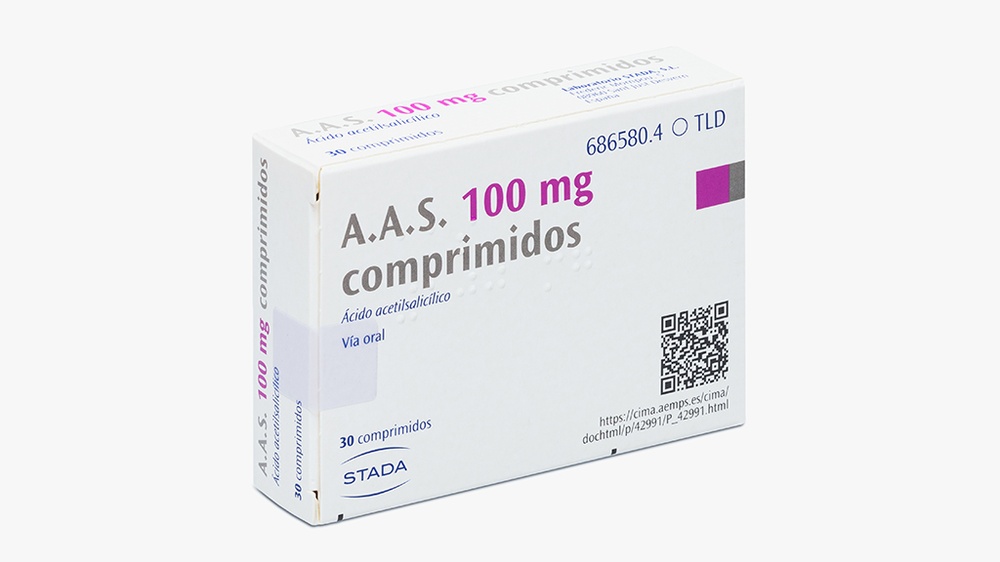
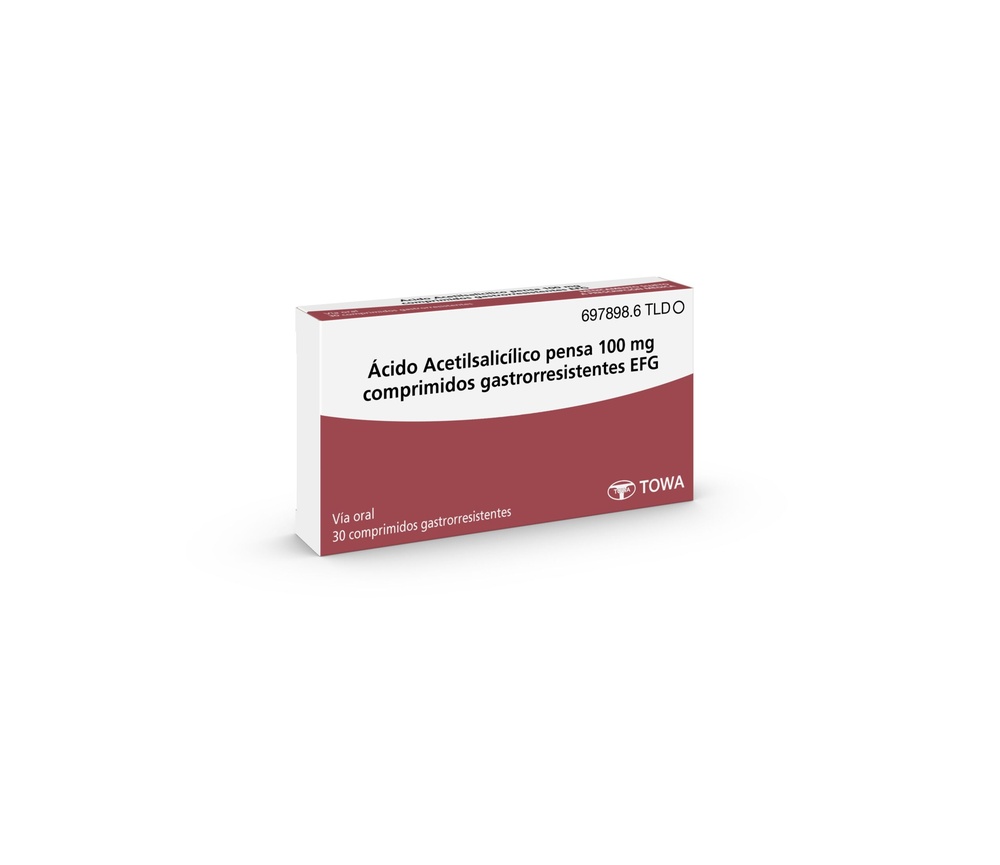
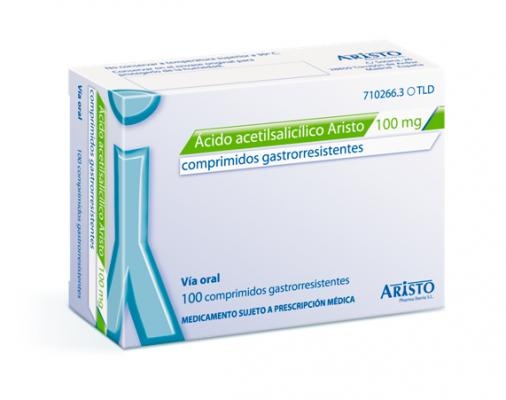
- Alternatives to ACETYLSALICYLIC ACID STADA 100 MG GASTRO-RESISTANT TABLETSDosage form: TABLET, 100 mgActive substance: acetylsalicylic acidManufacturer: Laboratorio Stada S.L.Prescription requiredDosage form: TABLET, 100 mgActive substance: acetylsalicylic acidManufacturer: Laboratorios Alter S.A.Prescription requiredDosage form: TABLET, 100 mgActive substance: acetylsalicylic acidManufacturer: Aristo Pharma Iberia S.L.Prescription required
Online doctors for ACETYLSALICYLIC ACID STADA 100 MG GASTRO-RESISTANT TABLETS
Discuss questions about ACETYLSALICYLIC ACID STADA 100 MG GASTRO-RESISTANT TABLETS, including use, safety considerations and prescription review, subject to medical assessment and local regulations.






.jpg)




Frequently Asked Questions
