


ABACAVIR/LAMIVUDINE TEVA 600 mg/300 mg FILM-COATED TABLETS
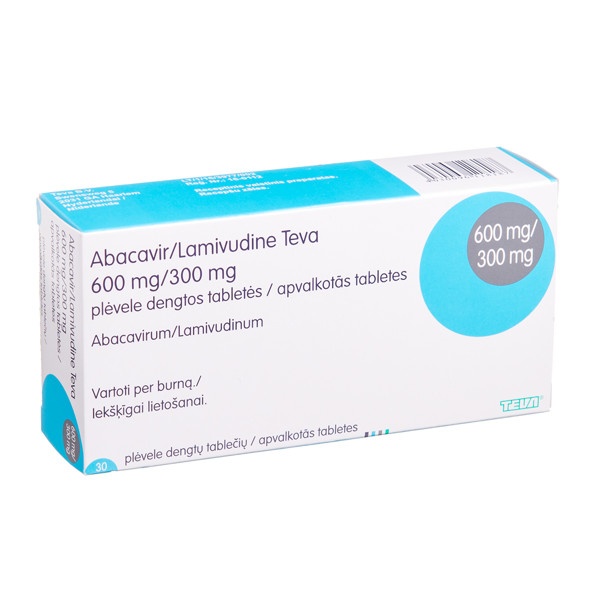



How to use ABACAVIR/LAMIVUDINE TEVA 600 mg/300 mg FILM-COATED TABLETS
Translated with AI
This page provides general information and does not replace a doctor’s consultation. Always consult a doctor before taking any medication. Seek urgent medical care if symptoms are severe.
Show originalContents of the leaflet
Introduction
Package Leaflet: Information for the User
Abacavir/Lamivudine Teva 600mg/300mg film-coated tablets EFG
Read all of this leaflet carefully before you start taking this medicine because it contains important information for you.
- Keep this leaflet, you may need to read it again.
- If you have any further questions, ask your doctor or pharmacist.
- This medicine has been prescribed for you only. Do not pass it on to others. It may harm them, even if their signs of illness are the same as yours.
- If you get any side effects, talk to your doctor or pharmacist. This includes any possible side effects not listed in this leaflet. See section 4.
IMPORTANT—Hypersensitivity Reactions
Abacavir/Lamivudine Teva contains abacavir. Some people who take abacavir may develop a hypersensitivity reaction(severe allergic reaction), which can be life-threatening if they continue to take medicines that contain abacavir.
You must read the information about “Hypersensitivity reactions” in section 4 of this leaflet carefully.
The packaging of Abacavir/Lamivudine Teva includes an Information Cardto remind you and your healthcare provider of abacavir hypersensitivity. You must take out this card and always carry it with you.
Contents of the pack
- What Abacavir/Lamivudine Teva is and what it is used for
- What you need to know before you take Abacavir/Lamivudina Teva
- How to take Abacavir/Lamivudine Teva
- Possible side effects
- Storage of Abacavir/Lamivudine Teva
- Contents of the pack and further information
1. What Abacavir/Lamivudine Teva is and what it is used for
Abacavir/Lamivudine Teva is used to treat HIV infection in adults, adolescents, and children who weigh at least 25 kg.
Abacavir/Lamivudine contains two active substances used to treat HIV infection: abacavir and lamivudine. Both belong to a group of antiretroviral medicines called nucleoside analogue reverse transcriptase inhibitors(NRTIs).
Abacavir/Lamivudine does not completely cure HIV infection; it reduces the amount of virus in the body and keeps it at a low level. It also increases the number of CD4 cells in the blood. CD4 cells are a type of white blood cell that plays an important role in helping your body fight infection.
Not everyone responds to treatment with Abacavir/Lamivudine in the same way. Your doctor will monitor the effectiveness of your treatment.

2. What you need to know before you take Abacavir/Lamivudine Teva
Do not take Abacavir/Lamivudine
- if you are allergicto abacavir (or any other medicine that contains abacavir), lamivudine, or any of the other ingredients of this medicine (listed in section 6).
Read the information about hypersensitivity reactions in section 4 of this leaflet carefully.
Consult your doctorif you think you have these circumstances. Do not take Abacavir/Lamivudine.
Warnings and precautions
Some people who take Abacavir/Lamivudine or other HIV treatments have a higher risk of serious side effects. You need to know that there is a higher risk:
- if you have moderate or severe liver disease
- if you have ever had liver disease, including hepatitis B or C (if you have hepatitis B, do not stop taking Abacavir/Lamivudine without your doctor's advice, as it may get worse)
- if you have significant overweight(especially if you are a woman)
- if you have any kidney problems.
Consult your doctor before you start taking Abacavir/Lamivudineif you have any of these circumstances. You may need additional tests, including blood tests, while taking this medicine. See section 4 for more information.
Hypersensitivity reactions to abacavir
Even patients who do not have the HLA-B*5701 gene may develop a hypersensitivity reaction(a severe allergic reaction).
Read the information about hypersensitivity reactions in section 4 of this leaflet carefully.
Cardiovascular risks
A link between treatment with abacavir and an increased risk of cardiovascular events cannot be excluded.
Tell your doctorif you have cardiovascular problems, smoke, or suffer from diseases that may increase your risk of cardiovascular disease, such as high blood pressure and diabetes. Do not stop taking this medicine unless your doctor advises you to.
Be aware of important symptoms
Some people who take medicines for HIV infection develop other conditions, which can be serious. You need to know what important signs and symptoms to look out for while taking Abacavir/Lamivudine.
Read the information about “Other possible side effects of combination antiretroviral therapy” in section 4 of this leaflet.
Other medicines and Abacavir/Lamivudine Teva
Tell your doctor or pharmacist if you are taking, have recently taken, or might take any other medicines,including herbal medicines and those bought without a prescription.
Remember to tell your doctor or pharmacist if you start taking a new medicine while taking Abacavir/Lamivudine.
The following medicines must not be used with Abacavir/Lamivudine:
- emtricitabine, to treat HIV infection
- other medicines that contain lamivudine, used to treat HIV infectionor hepatitis B
- high doses of trimethoprim/sulfamethoxazole, an antibiotic
- cladribine, used to treat hairy cell leukemia.
Tell your doctorif you are being treated with any of these medicines.
Some medicines interact with Abacavir/Lamivudine
These include:
- phenytoin, to treat epilepsy.
Tell your doctorif you are taking phenytoin. Your doctor may need to monitor you while you are taking Abacavir/Lamivudine.
- methadone, used as a heroin substitute. Abacavir increases the rate at which methadone is removed from the body. If you are taking methadone, you may need to be monitored for signs of withdrawal. You may need to have your methadone dose changed.
Tell your doctorif you are taking methadone.
- medicines (usually liquids) that contain sorbitol and other polyalcohols(such as xylitol, mannitol, lactitol, or maltitol), if taken regularly.
Tell your doctor or pharmacist if you are taking any of these medicines.
- Riociguat, to treat high blood pressure in the blood vessels(arteries) that carry blood from the heart to the lungs. Your doctor may need to reduce your dose of riociguat, as abacavir may increase the levels of riociguat in your blood.
Pregnancy
Abacavir/Lamivudine Teva is not recommended during pregnancy.Abacavir/Lamivudine Teva and similar medicines may cause side effects in babies during pregnancy.
If you have taken Abacavir/Lamivudine Teva during your pregnancy, your doctor should request regular blood tests and other diagnostic tests to monitor the development of your child. In children whose mothers took NRTIs during pregnancy, the benefit of protection against HIV was greater than the risk of side effects.
Breast-feeding
Breast-feeding is not recommendedin women who live with HIV, as HIV infection can pass to the baby through breast milk. A small amount of the components of Abacavir/Lamivudine may also pass into breast milk.
If you are breast-feeding, or have doubts about breast-feeding, you should discuss this with your doctor as soon as possible.
Driving and using machines
Abacavir/Lamivudine may cause side effects that can affect your ability to drive or use machines. Consult your doctorabout your ability to drive or use machines while taking this medicine.
Abacavir/Lamivudine Teva contains sodium
This medicine contains less than 1 mmol of sodium (23 mg) per film-coated tablet; this is essentially “sodium-free”.
3. How to take Abacavir/Lamivudine Teva
Always take this medicine exactly as your doctor has told you.If you are not sure, check with your doctor or pharmacist.
The recommended dose of Abacavir/Lamivudine for adults, adolescents, and children who weigh at least 25 kg or more is one tablet once a day.
Swallow the tablets whole, with a little water. Abacavir/Lamivudine can be taken with or without food.
Stay in regular contact with your doctor
Abacavir/Lamivudine helps to control your condition. You need to take it every day to avoid your disease getting worse. You may continue to develop other infections and illnesses associated with HIV infection.
Stay in contact with your doctor and do not stop taking Abacavir/Lamivudinewithout talking to your doctor first.
If you take more Abacavir/Lamivudine than you should
If you accidentally take more Abacavir/Lamivudine than you should, tell your doctor or pharmacist, or contact the emergency department of your nearest hospital for more information.
In case of overdose or accidental ingestion, consult your doctor or pharmacist immediately or call the Toxicology Information Service, telephone: 91 562 04 20, indicating the medicine and the amount taken.
If you forget to take Abacavir/Lamivudine
If you forget to take a dose, take it as soon as you remember and then continue with your normal treatment schedule. Do not take a double dose to make up for forgotten doses.
It is important to take Abacavir/Lamivudine regularly, as irregular intake of this medicine can increase the risk of a hypersensitivity reaction.
If you have stopped taking Abacavir/Lamivudine
If for any reason you have stopped taking Abacavir/Lamivudine — especially because you think you have side effects or because of another illness:
Consult your doctor before you start taking it again.Your doctor will check if your symptoms were related to a hypersensitivity reaction. If your doctor thinks that they were, they will tell you that you must never take Abacavir/Lamivudine or any other medicine that contains abacavir again. It is important that you follow this advice.
If your doctor advises you to restart treatment with Abacavir/Lamivudine, they may ask you to take the first doses in a place where you can easily get medical help if you need it.

4. Possible Adverse Effects
During HIV treatment, there may be an increase in weight and blood glucose and lipid levels. This may be partly related to the recovery of health and lifestyle, and in the case of blood lipids, sometimes to HIV medications themselves. Your doctor will monitor these changes.
Like all medications, this medication may produce adverse effects, although not all people will experience them.
When you are being treated for HIV, it can be difficult to distinguish whether a symptom is an adverse effect of Abacavir/Lamivudina or other medications you are taking, or if it is due to an effect of the HIV disease itself. Therefore, it is very important that you inform your doctor about any change in your health.
Even patients who do not have the HLA-B*5701 gene can develop a hypersensitivity reaction(a severe allergic reaction), described in this prospectus in the section called “Hypersensitivity Reactions”.
It is very important that you read and understand the information about this severe reaction.
In addition to the adverse effects listed below for Abacavir/Lamivudina, other disorders can develop during combined HIV treatment.
It is essential that you read the information under the heading “Other Possible Adverse Effects of Combined HIV Treatment”.
Hypersensitivity Reactions
This medicationcontains abacavir. Abacavir can cause a severe allergic reaction known as a hypersensitivity reaction. These hypersensitivity reactions have been observed more frequently in people taking medications containing abacavir.
Who suffers from these reactions?
Anyone taking Abacavir/Lamivudina could develop a hypersensitivity reaction to abacavir, which could put their life at risk if they continue taking this medication.
You are more likely to develop this reaction if you have a gene called HLA-B*5701(but you can suffer from this reaction even if you do not have this gene). Before starting treatment with Abacavir/Lamivudina, you should have been tested for this gene. If you know you have this gene, tell your doctor before taking this medication.
About 3 to 4 out of every 100 patients treated with abacavir in a clinical trial who did not have the HLA-B*5701 gene developed a hypersensitivity reaction.
What are the symptoms?
The most frequent symptoms are:
fever(high temperature) and skin rash.
Otherfrequently observed signs are:
nausea(discomfort), vomiting, diarrhea, abdominal pain (stomach) and excessive fatigue.
Other symptoms may include:
Joint or muscle pain, swelling of the neck, difficulty breathing, sore throat, cough, occasional headache, eye inflammation (conjunctivitis), mouth ulcers, low blood pressure, and numbness or tingling of the hands or feet.
When do these reactions occur?
Hypersensitivity reactions can occur at any timeduring treatment with Abacavir/Lamivudina, but they are more likely to occur in the first 6 weeks of treatment.
Contact your doctor immediately:
1if you have a skin rash OR
2if you have symptoms included in at least 2 of the following groups:
- fever
- difficulty breathing, sore throat, or cough
- nausea or vomiting, diarrhea, or abdominal pain
- excessive fatigue or general discomfort.
Your doctor may advise you to stop taking Abacavir/Lamivudina.
If you have stopped taking Abacavir/Lamivudina
If you have stopped taking this medication due to a hypersensitivity reaction, NEVER TAKE Abacavir/Lamivudina or any other medication containing abacavir again.If you do, you may experience a drop in blood pressure that can be life-threatening or cause death within hours.
If, for any reason, you have interrupted treatment with Abacavir/Lamivudina — especially because you think you have adverse effects or another illness:
Consult your doctor before restarting treatment. Your doctor will check if your symptoms were related to a hypersensitivity reaction. If your doctor considers that there may have been a relationship they will indicate that you should never take Abacavir/Lamivudina or any other medication containing abacavir again. It is essential that you follow this warning.
Occasionally, hypersensitivity reactions have developed in people who restart abacavir after having had only one symptom of those included in the Information Card before stopping it.
Very rarely, reactions have developed in people who restart treatment with abacavir but did not have any symptoms of hypersensitivity before stopping it.
If your doctor advises you to restart treatment with Abacavir/Lamivudina, they may ask you to take the first doses in a place where you have easy access to medical assistance if necessary.
If you are hypersensitive to Abacavir/Lamivudina, you must return all unused tablets of this medication to be safely disposed of.Consult your doctor or pharmacist.
The packaging of Abacavir/Lamivudina Teva includes an Information Card to remind you and healthcare personnel about hypersensitivity reactions. Separate the card from the packaging and always carry it with you.
Frequent Adverse Effects
May affect up to 1 in 10people:
- hypersensitivity reaction
- headache
- vomiting
- discomfort (nausea)
- diarrhea
- stomach pain
- loss of appetite
- fatigue, lack of energy
- fever (high temperature)
- general discomfort
- difficulty sleeping (insomnia)
- muscle pain and discomfort
- joint pain
- cough
- irritated or runny nose
- skin rash
- hair loss.
Uncommon Adverse Effects
May affect up to 1 in 100people and may be reflected in blood tests:
- low red blood cell count (anemia) or low white blood cell count (neutropenia)
- increase in liver enzyme levels
- a decrease in the number of cells involved in blood clotting (thrombocytopenia).
Rare Adverse Effects
May affect up to 1 in 1,000people:
- swelling of the face, lips, tongue, or throat, difficulty breathing and/or swallowing, blisters (angioedema)
- liver disorders, such as jaundice, liver enlargement, or fatty liver, inflammation (hepatitis)
- pancreas inflammation (pancreatitis)
- muscle tissue rupture.
Rare adverse effects that may appear in blood tests are:
- increase in an enzyme called amylase.
Very Rare Adverse Effects
May affect up to 1 in 10,000people:
- numbness, tingling sensation in the skin (pinpricks)
- weakness sensation in the limbs
- skin rash that can form blisters resembling small targets (dark central spot surrounded by a paler area, with a dark ring around the edge) (erythema multiforme)
- widespread rash with blisters and skin peeling, especially around the mouth, nose, eyes, and genitals (Stevens-Johnson syndrome), and a more severe form that causes skin peeling over more than 30% of the body surface (toxic epidermal necrolysis)
- lactic acidosis (excess lactic acid in the blood).
If you notice any of these symptoms, contact a doctor urgently.
A very rare adverse effect that may appear in blood tests is:
- failure of the bone marrow to produce new red blood cells (pure red cell aplasia).
If you experience adverse effects
Tell your doctor or pharmacistif you consider that any of the adverse effects you are experiencing are serious or if you notice any adverse effect not mentioned in this prospectus.
Other Possible Adverse Effects of Combined HIV Treatment
Combined treatments, such as Abacavir/Lamivudina Teva, can cause other disorders to develop during HIV treatment.
Infection and Inflammation Symptoms
Exacerbation of Old Infections
People with advanced HIV infection (AIDS) have a weakened immune system and are more likely to develop severe infections (opportunistic infections). Such infections may have been "latent" and not detected by the weakened immune system before starting treatment. After starting treatment, the immune system becomes stronger, so it begins to fight these infections, which can cause symptoms of infection or inflammation. The symptoms usually include fever, along with some of the following:
- headache
- stomach pain
- difficulty breathing.
In rare cases, as the immune system becomes stronger, it can also attack healthy tissues (autoimmune disorders). The symptoms of autoimmune disorders can appear many months after starting to take medications for HIV treatment. The symptoms may include:
- palpitations (rapid or irregular heartbeats) or tremors
- hyperactivity (excessive restlessness and movement)
- weakness starting in the hands and feet and ascending to the trunk of the body.
If you observe any symptom of infectionand inflammation or if you notice any of the above symptoms:
Tell your doctor immediately.Do not take any other medication for the infection without your doctor's advice.
You may have bone problems
Some patients receiving combined HIV treatment develop a bone disease called osteonecrosis. With this disease, part of the bone tissue dies due to a reduction in blood supply to the bone. People are more likely to suffer from this disease:
- if they have been taking combined treatment for a long time
- if they also take anti-inflammatory medications called corticosteroids
- if they drink alcohol
- if their immune system is severely weakened
- if they are overweight.
The signs of osteonecrosis include:
- joint stiffness
- pain and discomfort (especially in the hip, knee, or shoulder)
- difficulty moving.
If you notice any of these symptoms:
Tell your doctor.
Reporting Adverse Effects
If you experience any type of adverse effect, consult your doctor or pharmacist, even if it is a possible adverse effect that does not appear in this prospectus. You can also report them directly through the Spanish Pharmacovigilance System for Human Use Medications: https://www.notificaram.es. By reporting adverse effects, you can contribute to providing more information on the safety of this medication.
5. Conservation of Abacavir/Lamivudina Teva
Keep this medication out of sight and reach of children.
Do not use this medication after the expiration date shown on the box, after CAD. The expiration date is the last day of the month indicated.
This medication does not require special storage conditions.
Medications should not be thrown down the drain or into the trash. Deposit the packaging and unused medications at the SIGRE collection point in the pharmacy. If in doubt, ask your pharmacist how to dispose of the packaging and unused medications. This way, you will help protect the environment.
6. Package Contents and Additional Information
Composition of Abacavir/Lamivudina Teva
- The active ingredients are abacavir and lamivudine.
Each film-coated tablet contains 600 mg of abacavir and 300 mg of lamivudine.
- Other components are:
- Tablet core: microcrystalline cellulose, hydroxypropylcellulose (E-463), sodium glycolate starch (type A) from potato, magnesium stearate
- Tablet coating: hypromellose, macrogol 4000, titanium dioxide (E171), polysorbate 80, yellow iron oxide (E172), red iron oxide (E172)
Appearance of Abacavir/Lamivudina Teva and Package Contents
Abacavir/Lamivudina Teva 600/300 mg film-coated tablets are orange, oblong, and biconvex film-coated tablets engraved with 600 and 300 on the other side, with an approximate dimension of ~20.5 mm x 9mm.
Abacavir/Lamivudina Teva is available in packages of 10, 30, and 90 film-coated tablets in blisters or packages of 10x1, 30x1, and 90x1 in unit-dose blisters.
Only some package sizes may be marketed.
Marketing Authorization Holder and Manufacturer
Marketing Authorization Holder
Teva Pharma, S.L.U.
C/ Anabel Segura, 11 Edificio Albatros B 1ª planta
28108 Alcobendas (Madrid)
Spain
Manufacturer
PLIVA Hrvatska d.o.o. (PLIVA Croatia Ltd.)
Prilaz baruna Filipovica 25, Zagreb
10000
Croatia
or
Merckle GmbH
Graf-Arco-Str. 3, Ulm
89079 Germany
Date of the last revision of this prospectus:March 2023
Detailed and updated information on this medication is available on the website of the Spanish Agency for Medicines and Health Products (AEMPS) http://www.aemps.es/
- Country of registration
- Active substance
- Prescription requiredYes
- Manufacturer
- This information is for reference only and does not constitute medical advice. Always consult a doctor before taking any medication. Oladoctor is not responsible for medical decisions based on this content.
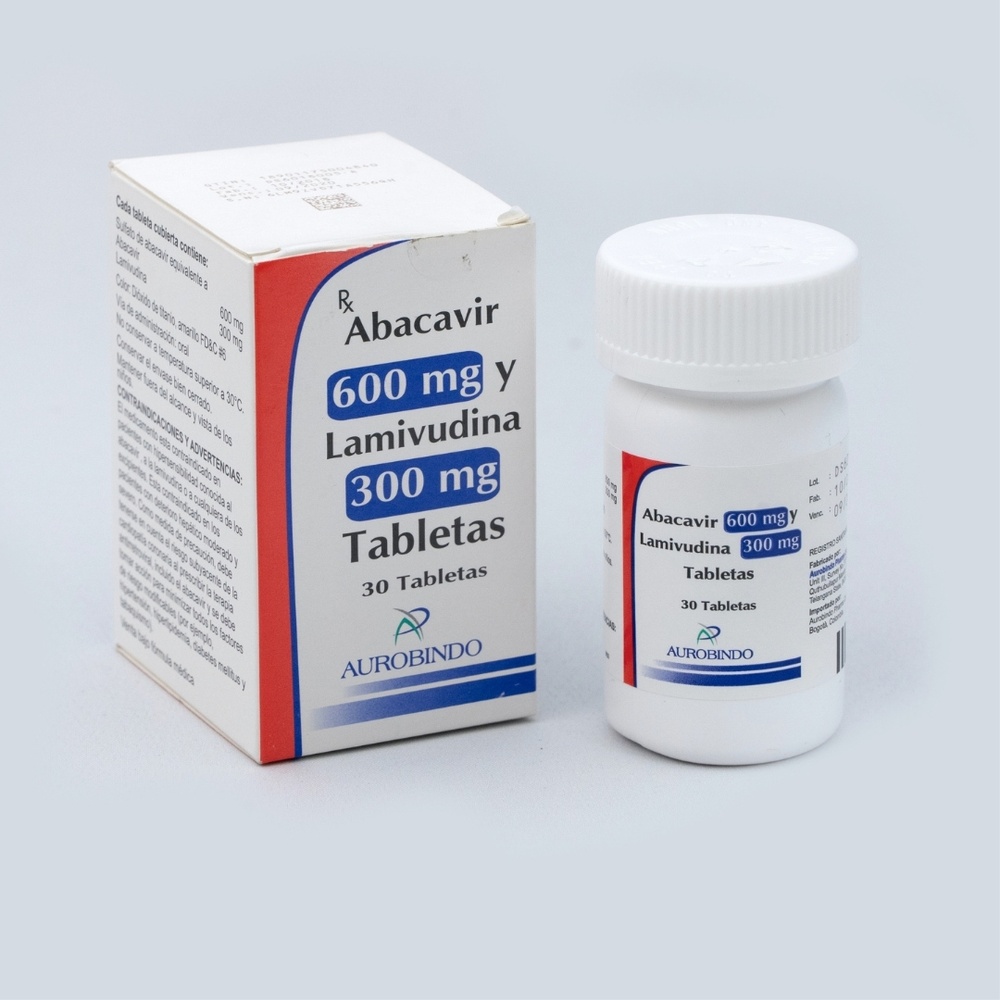
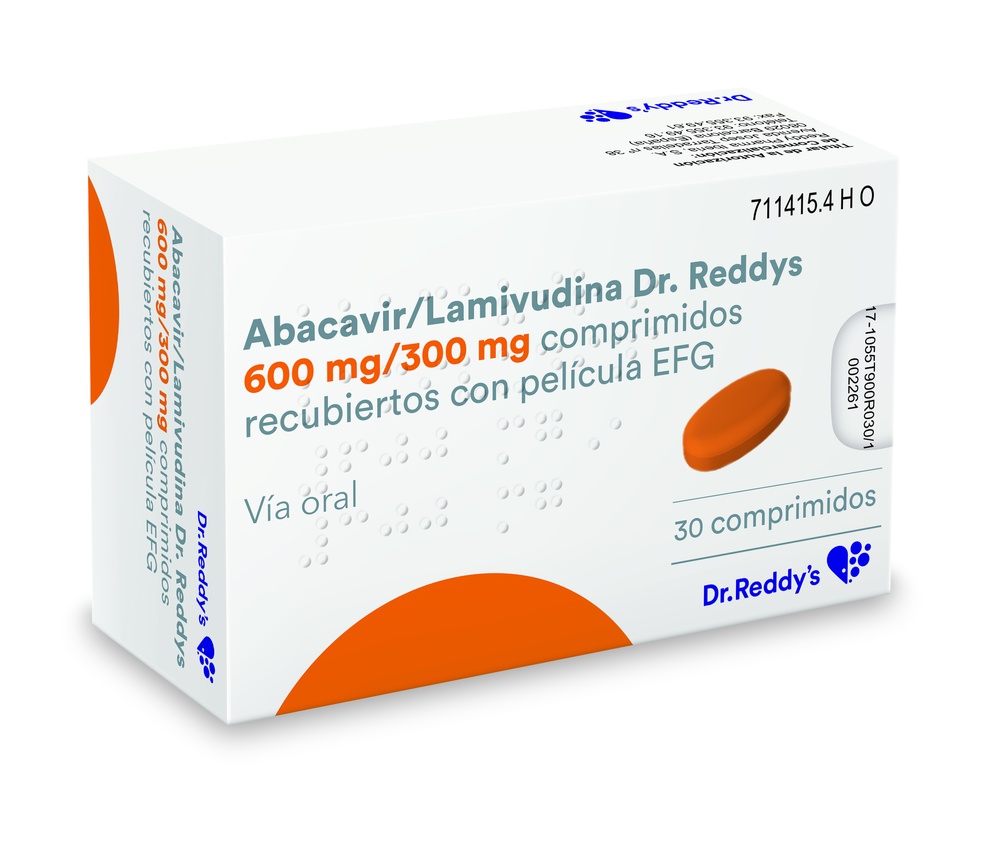
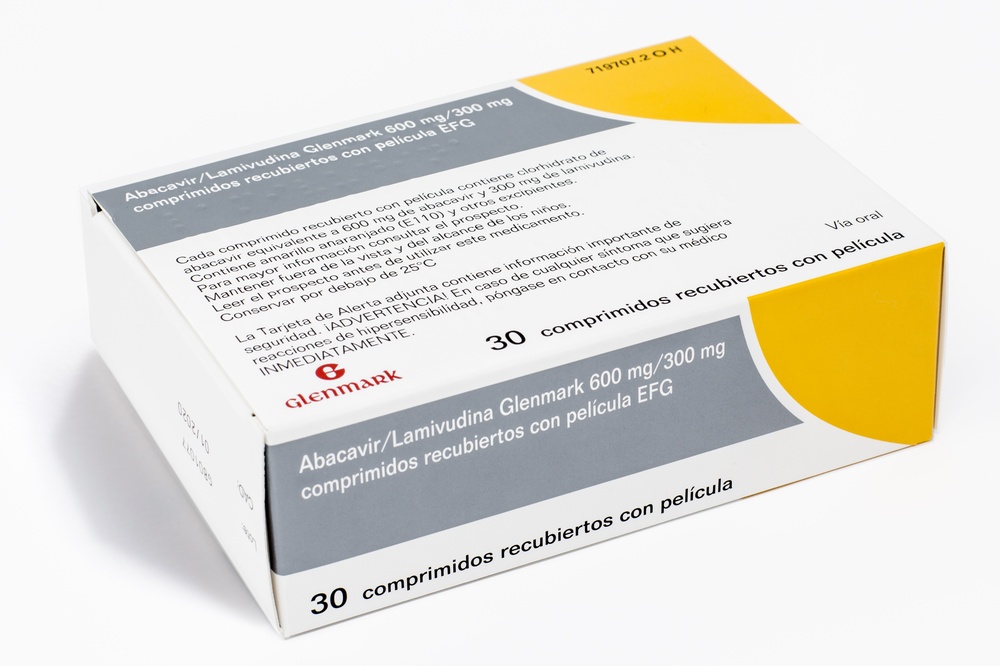
- Alternatives to ABACAVIR/LAMIVUDINE TEVA 600 mg/300 mg FILM-COATED TABLETSDosage form: TABLET, 600 mg / 300 mgActive substance: lamivudine and abacavirManufacturer: Aurovitas Spain, S.A.U.Prescription requiredDosage form: TABLET, 600 mg/300 mgActive substance: lamivudine and abacavirManufacturer: Reddy Pharma Iberia S.A.Prescription requiredDosage form: TABLET, 600 mg/300 mgActive substance: lamivudine and abacavirManufacturer: Glenmark Arzneimittel GmbhPrescription required
Online doctors for ABACAVIR/LAMIVUDINE TEVA 600 mg/300 mg FILM-COATED TABLETS
Discuss questions about ABACAVIR/LAMIVUDINE TEVA 600 mg/300 mg FILM-COATED TABLETS, including use, safety considerations and prescription review, subject to medical assessment and local regulations.











Frequently Asked Questions
